
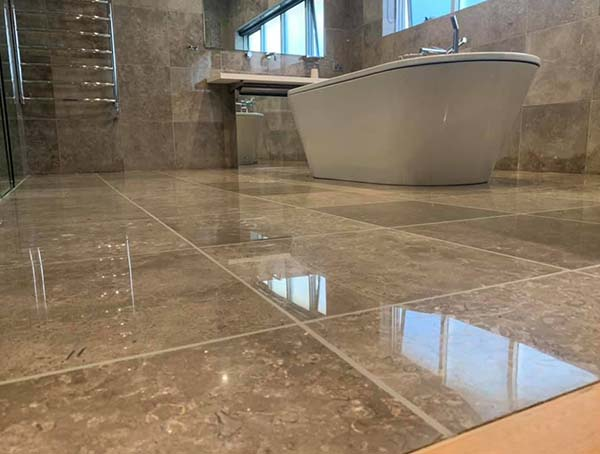
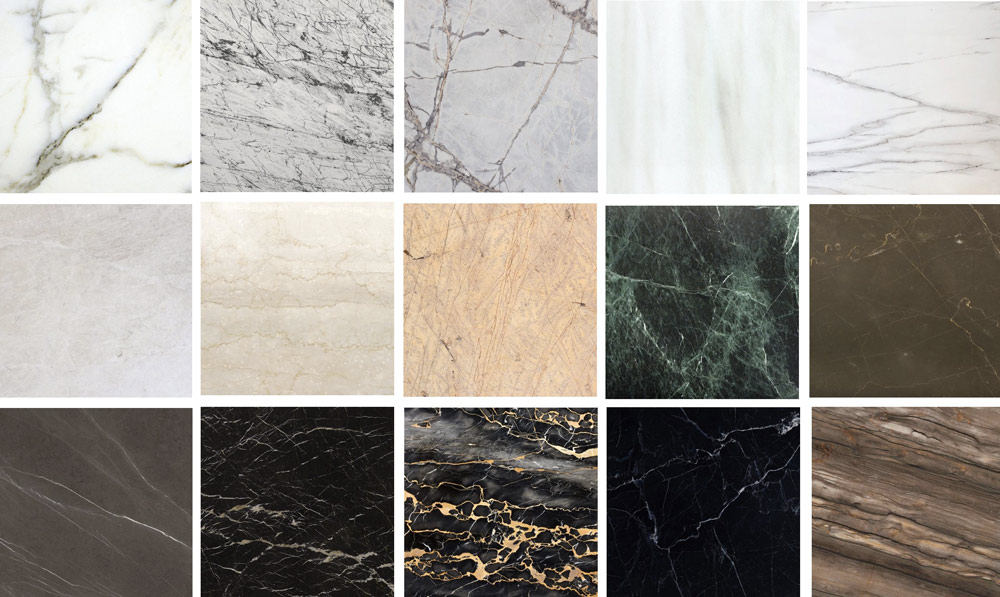
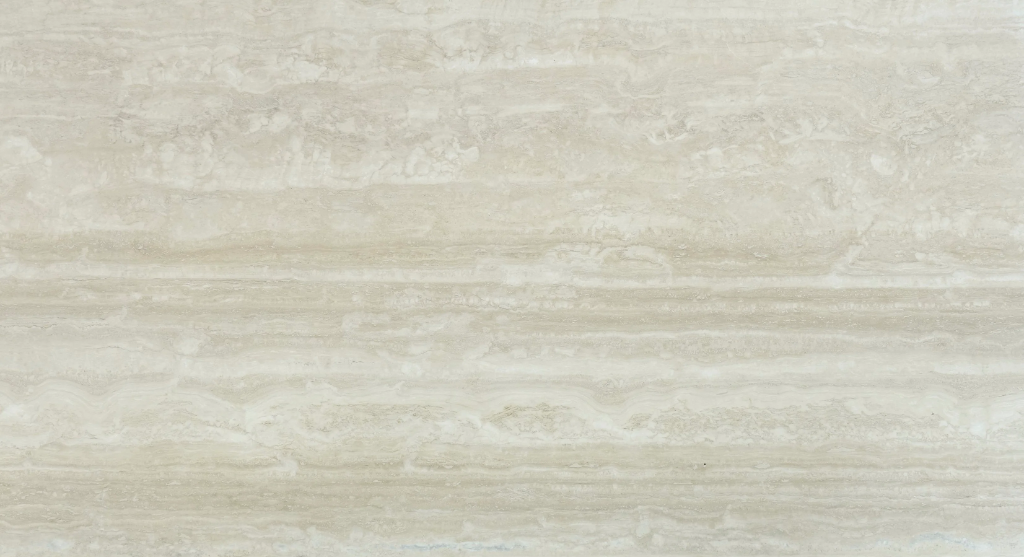
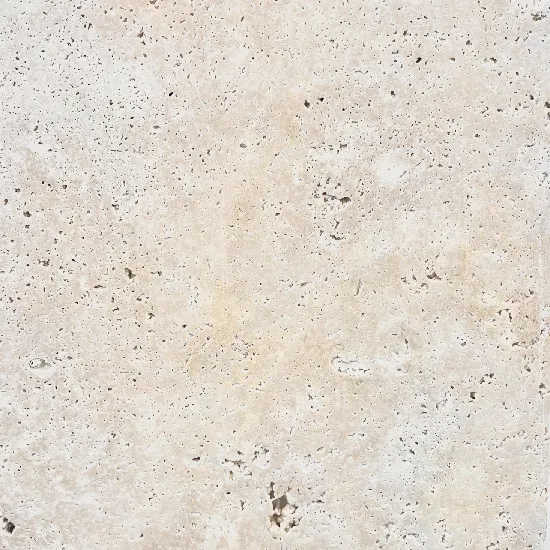
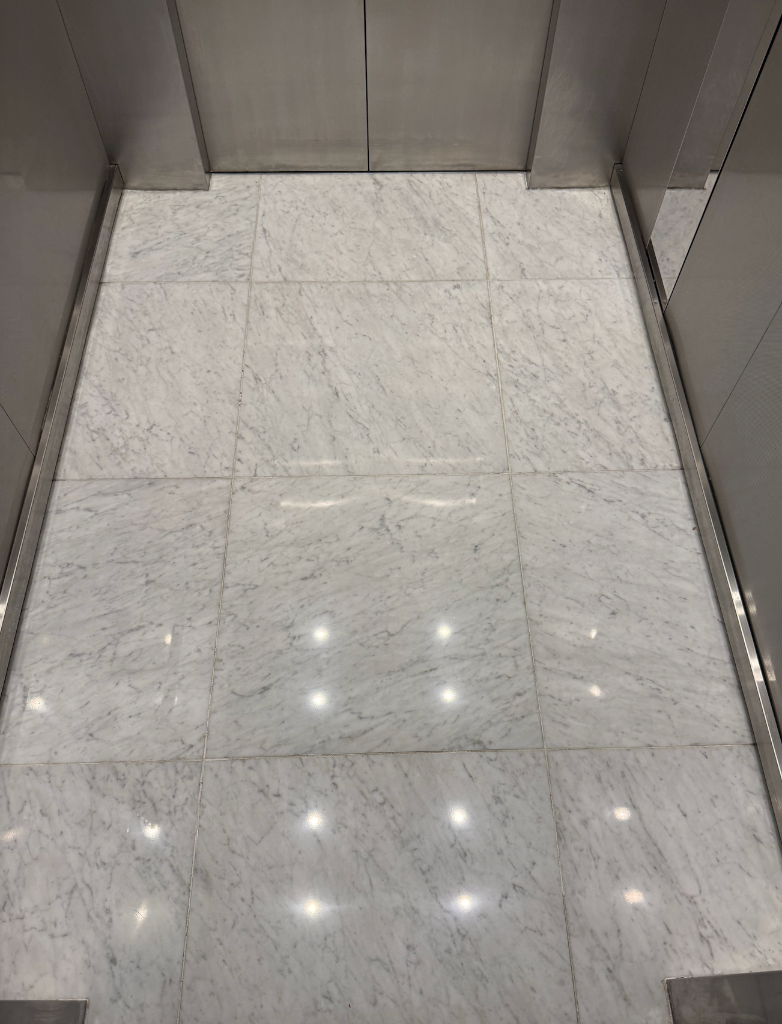
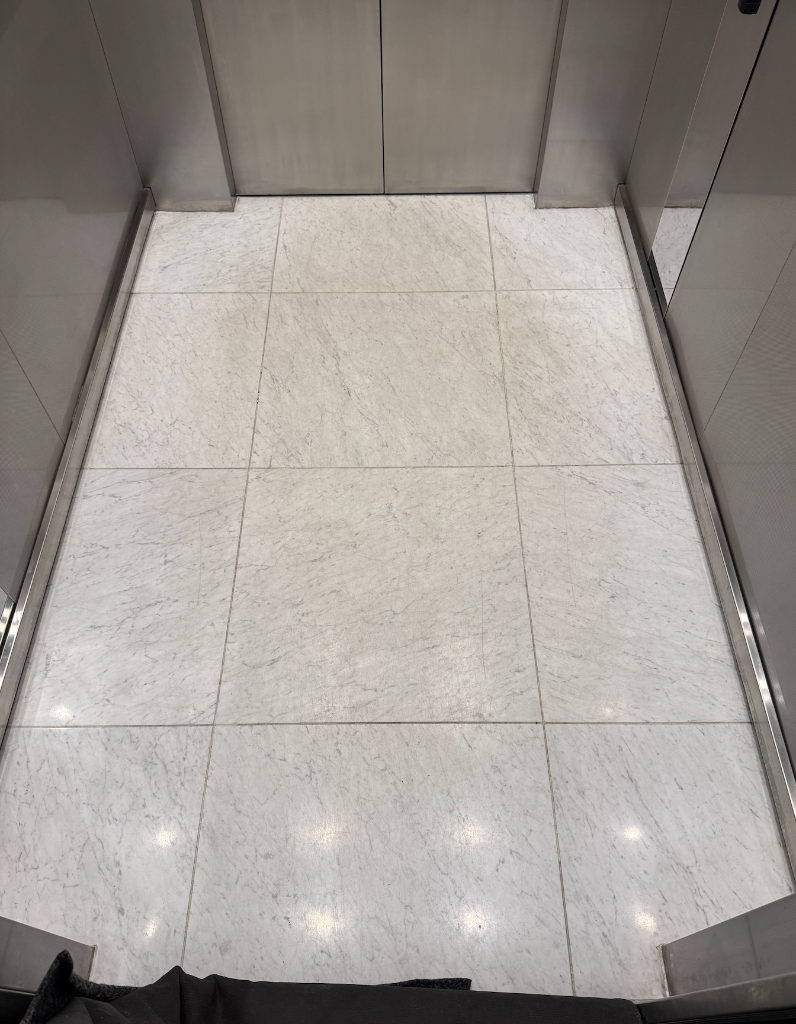
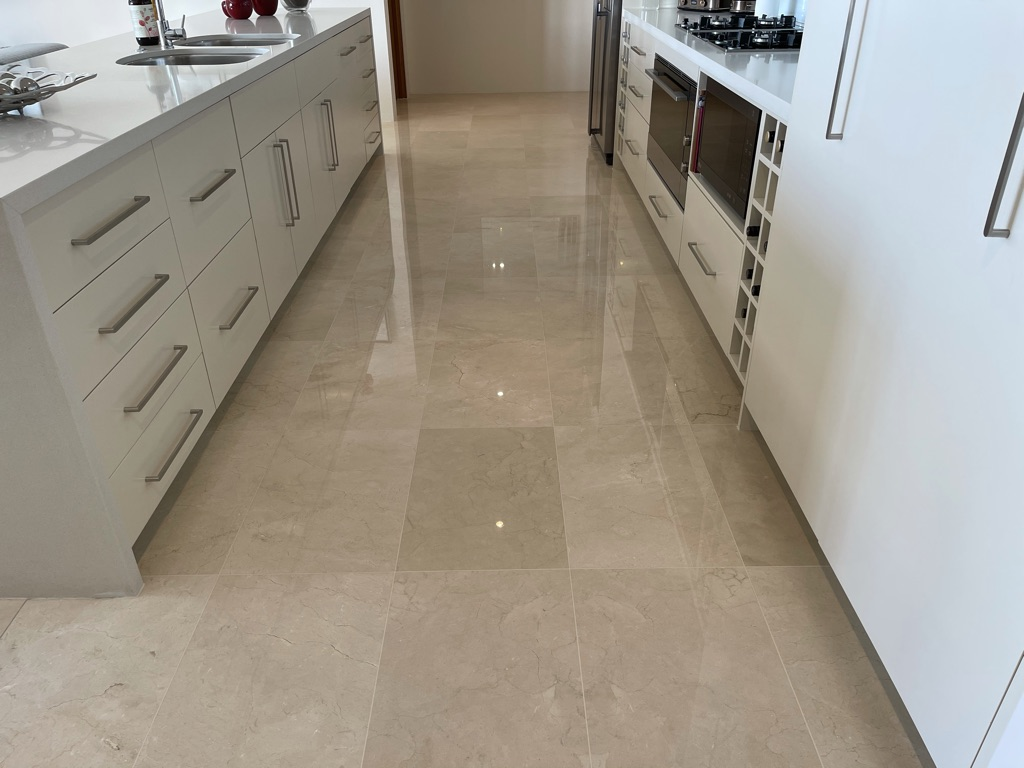
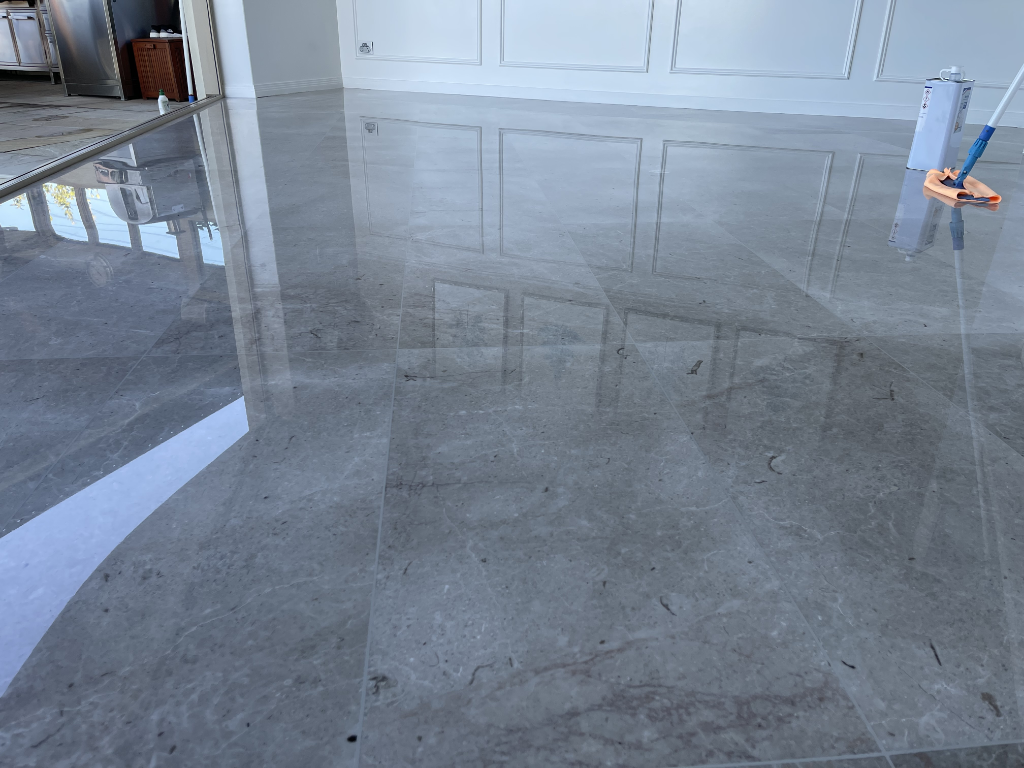
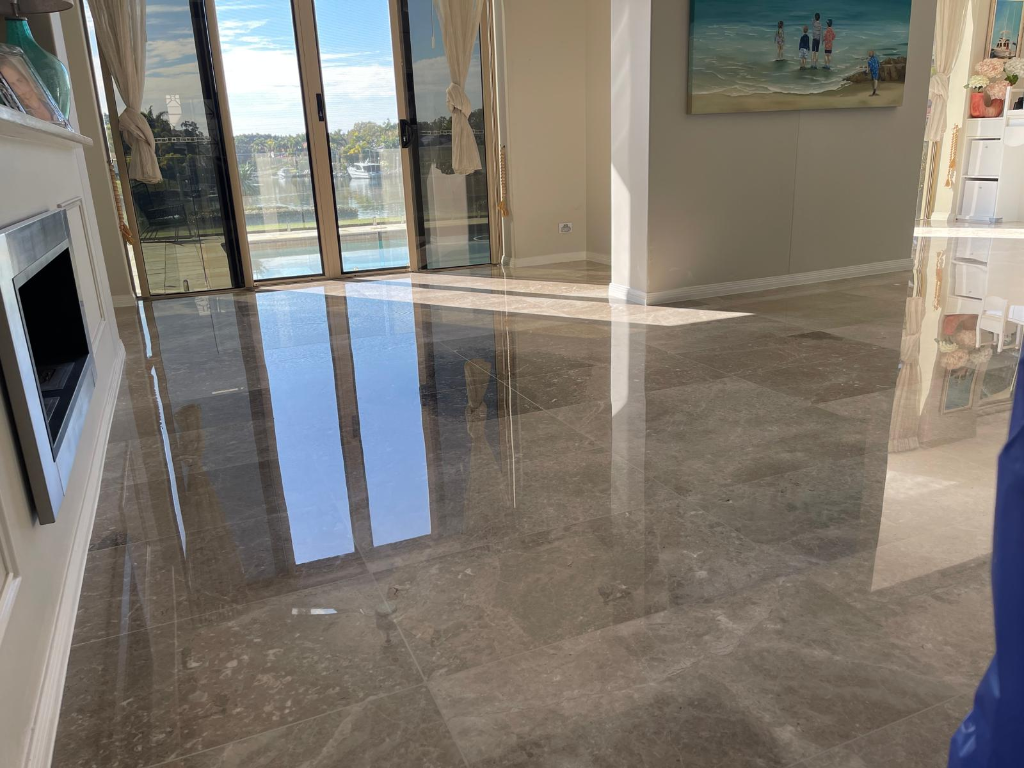
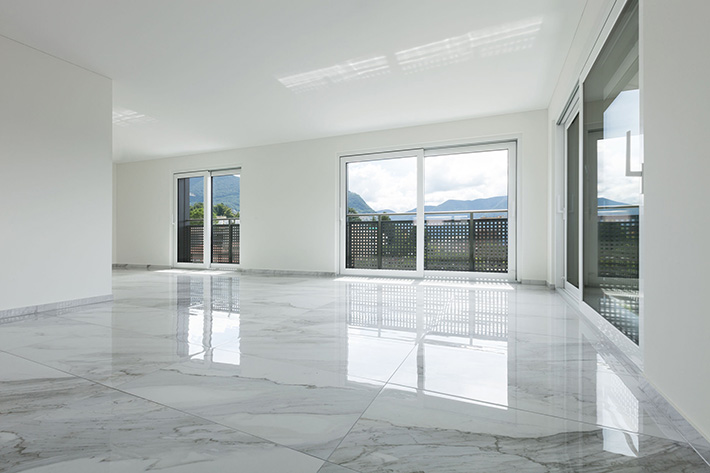
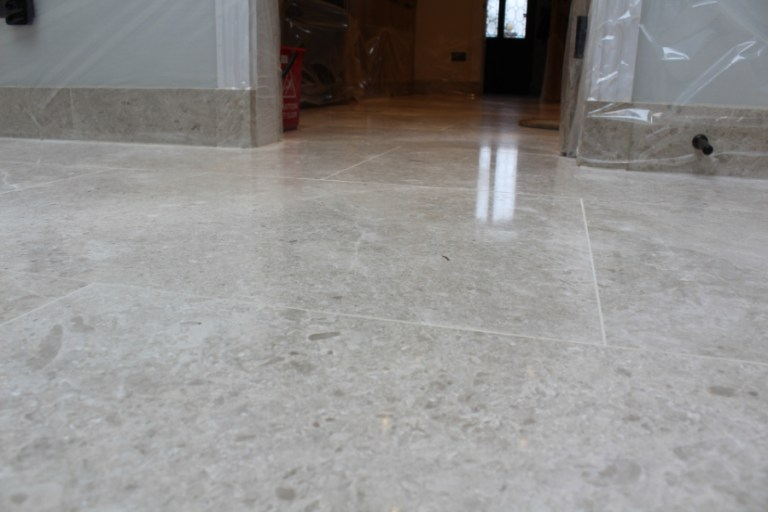
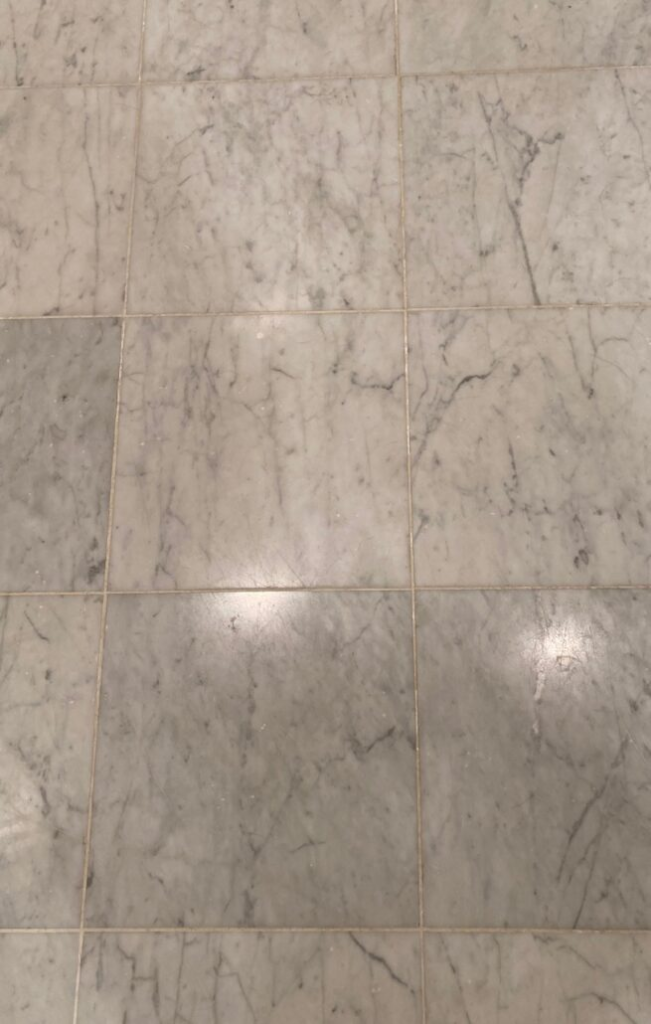
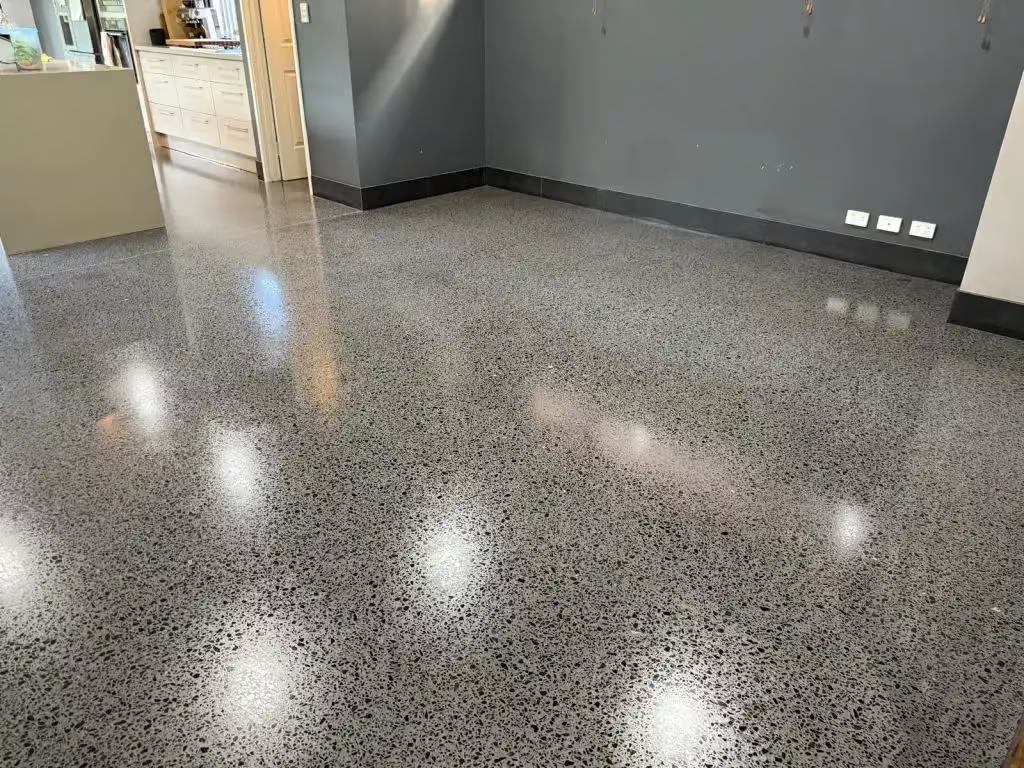
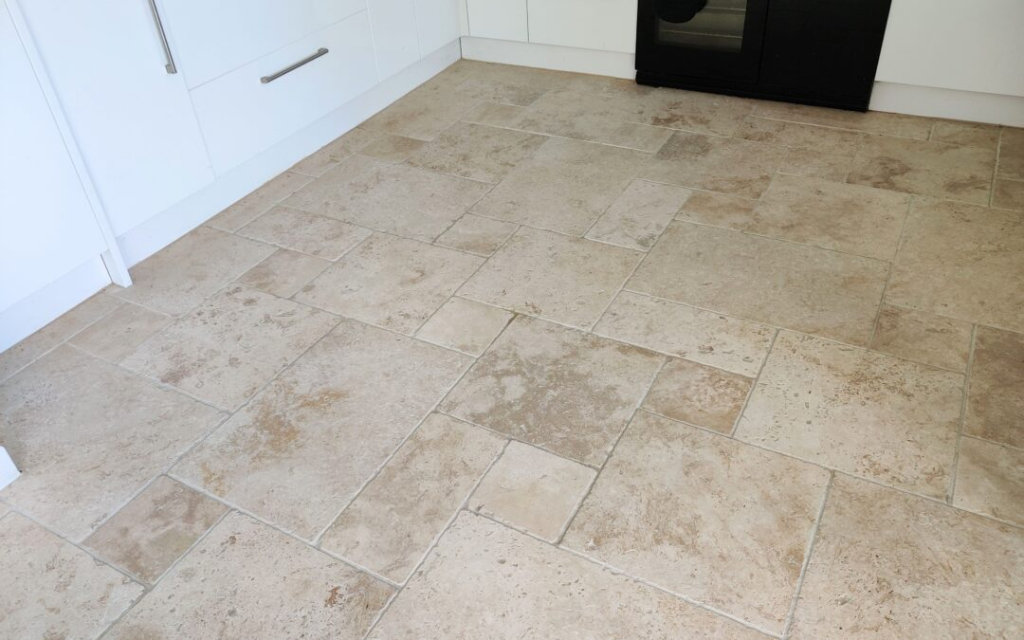
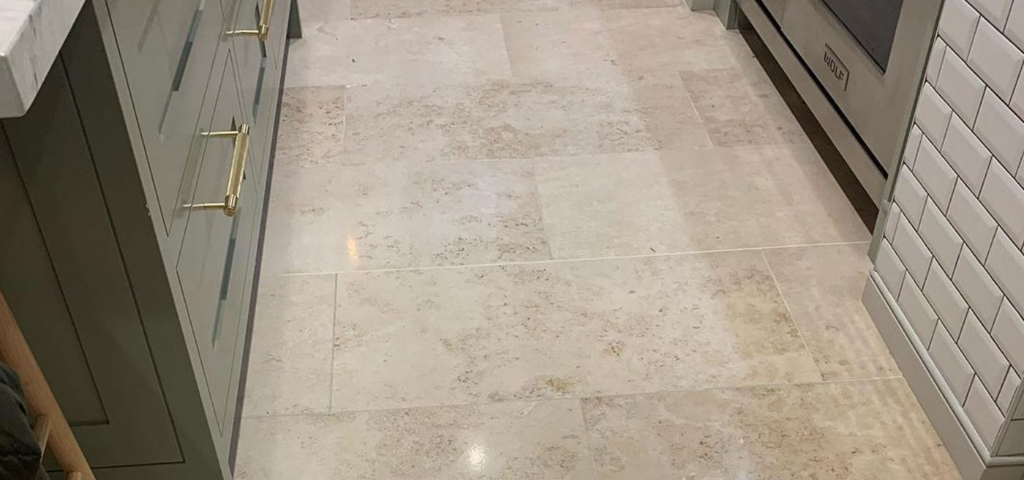
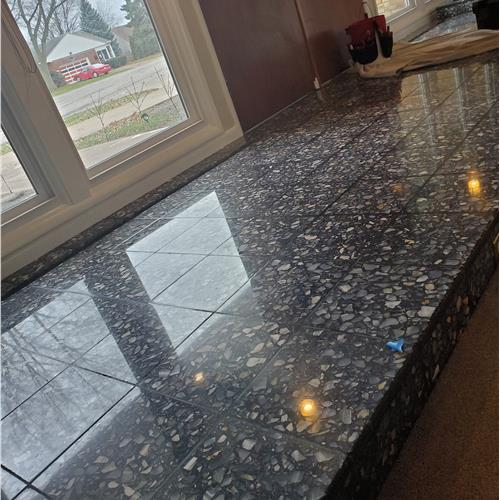
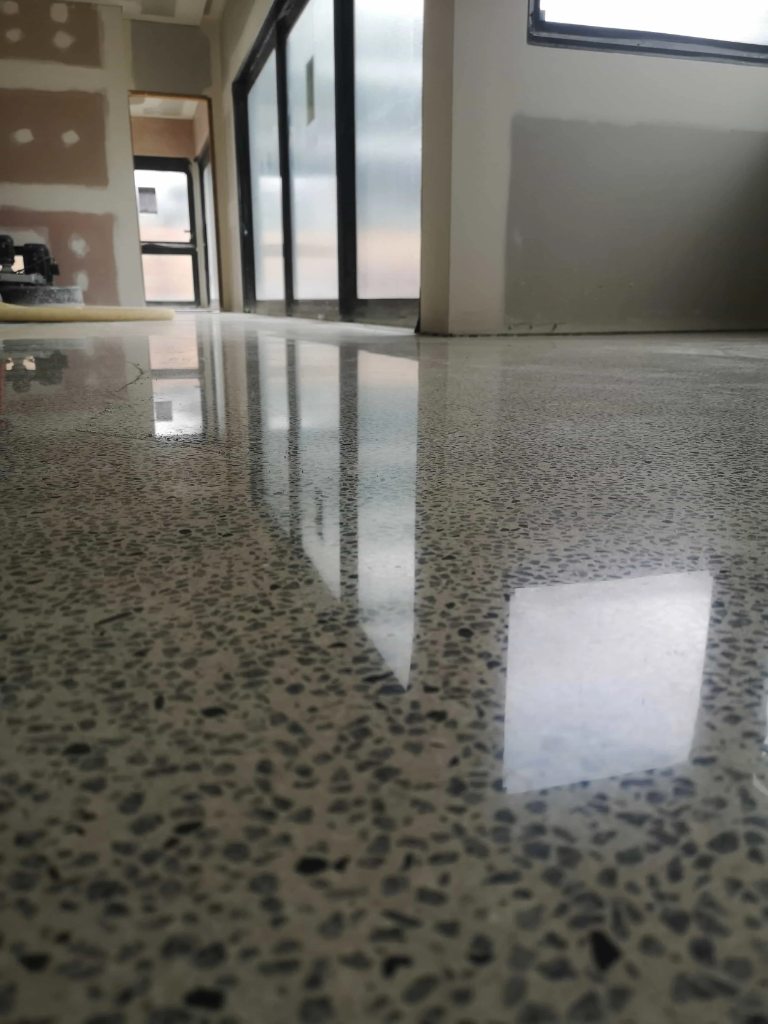
A pale ring beside the bathroom vanity, a dull path through an entry foyer or darkened grout lines around marble tiles can make an otherwise well-kept apartment feel tired. Apartment marble restoration addresses these issues at their source, correcting damage within the stone rather than trying to disguise it with a surface cleaner or temporary shine product.
Marble is a premium natural material, but it is not maintenance-free. Its appearance relies on a finely finished surface that can be affected by acidic spills, abrasive dirt, moisture, unsuitable cleaning products and daily foot traffic. The right restoration process depends on the marble type, its location, the existing finish and the cause of the damage.
Why apartment marble loses its finish
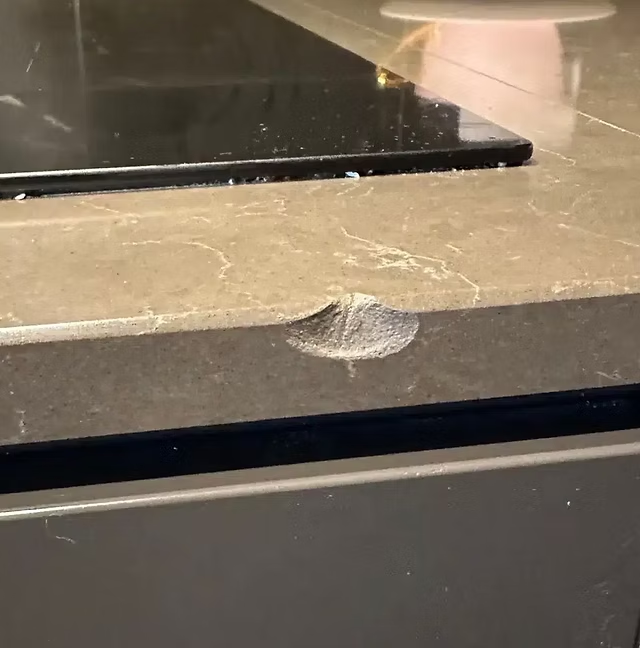
Marble is primarily composed of calcium carbonate. This makes it vulnerable to acids found in common household products, including vinegar, citrus, some bathroom cleaners and certain multipurpose sprays. When acid contacts polished marble, it reacts with the surface and leaves an etch mark. Etching often looks like a cloudy patch, dull spot or splash-shaped mark rather than a conventional stain.
Apartment living can accelerate this wear in a few specific ways. Entry floors receive grit carried in from common corridors, balconies and footpaths. Bathroom marble is exposed to cosmetics, soap residue and cleaning chemicals. Kitchen benchtops face oils, food spills and liquids left around sink areas. In strata buildings and commercial premises, frequent but incorrect cleaning can create widespread dullness across large marble floors.
Not every mark is the same. A stain is material that has entered the pores of the stone. Etching is physical or chemical damage to the finish. Scratches are abrasion, while lippage refers to uneven tile edges. Each calls for a different treatment, which is why a general cleaning approach can produce disappointing results.
What professional apartment marble restoration involves
Effective marble restoration is a controlled, material-specific process. Before any work begins, the surface should be assessed for stone type, coating residue, cracks, staining, moisture issues, loose tiles and previous repairs. A specialist also considers practical apartment requirements, including lift access, ventilation, neighbouring residents, work hours and protection of surrounding finishes.
Deep cleaning and contaminant removal
The first stage is often a detailed clean using products suited to calcareous stone. This removes embedded soil, soap scum, oils and residues that ordinary mopping leaves behind. If a topical coating, wax or silicone-based product has been used, it may need to be safely stripped before the true condition of the marble can be assessed.
Cleaning alone is appropriate where the marble is sound but soiled. It will not remove etching, scratches or worn polish. Promising a restored shine from cleaning alone is a warning sign when the damage is in the stone surface itself.
Honing to correct etching and scratches
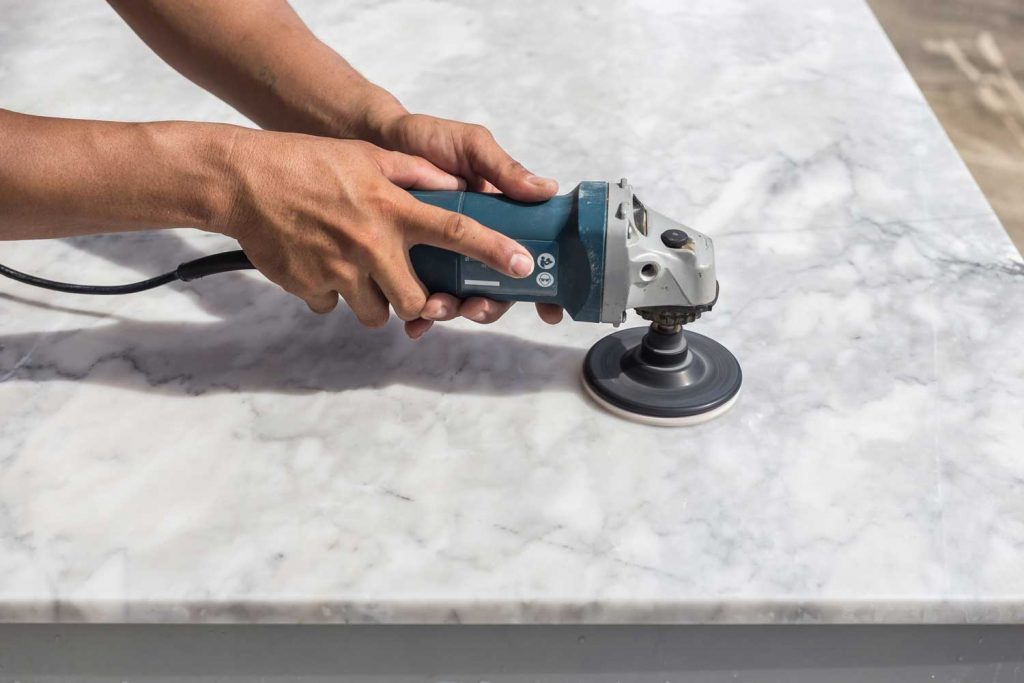
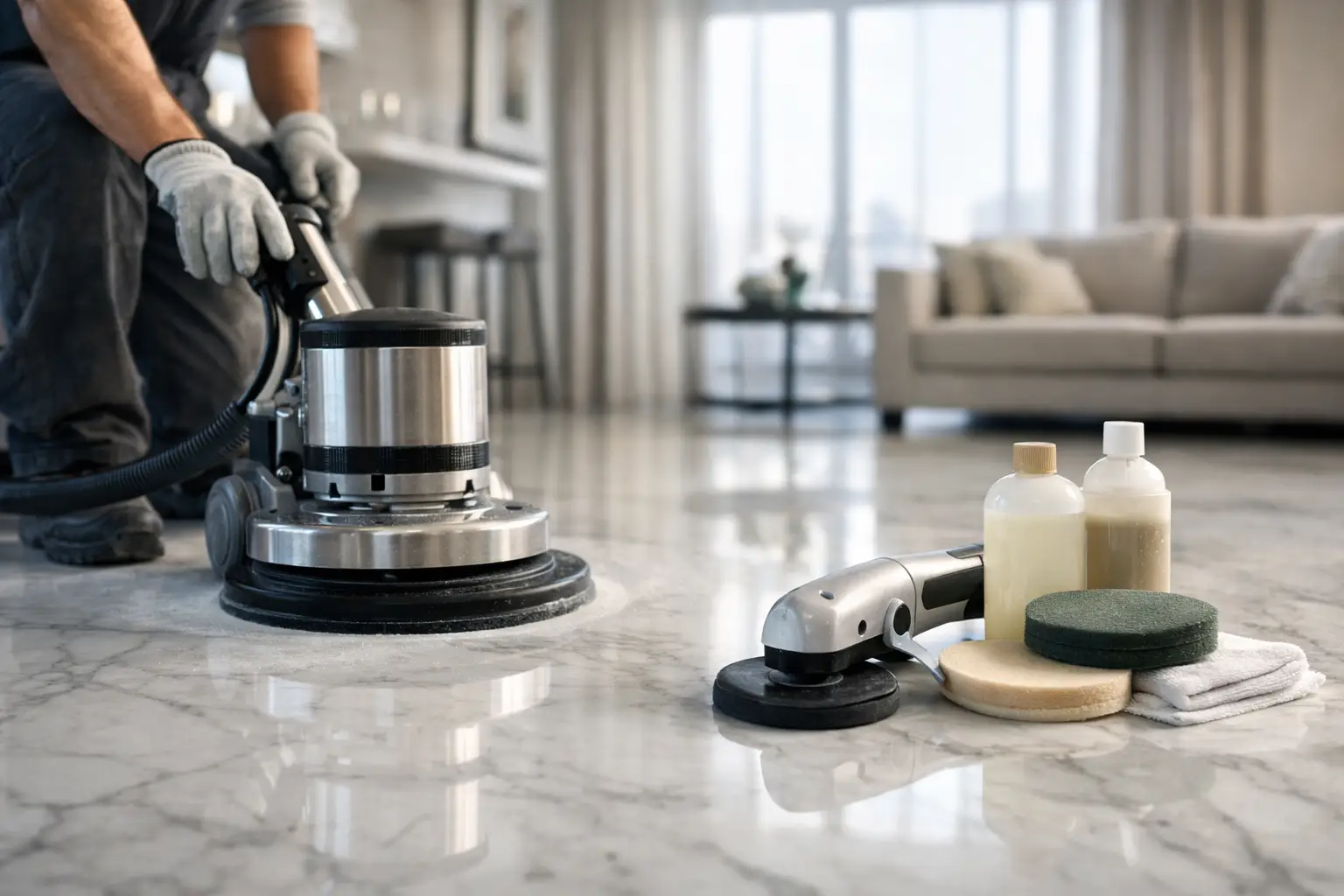
Honing uses specialist abrasives to refine a thin layer of the marble surface. It is the key process for removing etch marks, light scratching and uneven wear. The level of honing is selected carefully: too little may leave visible damage, while unnecessary aggressive grinding can remove more material than required.
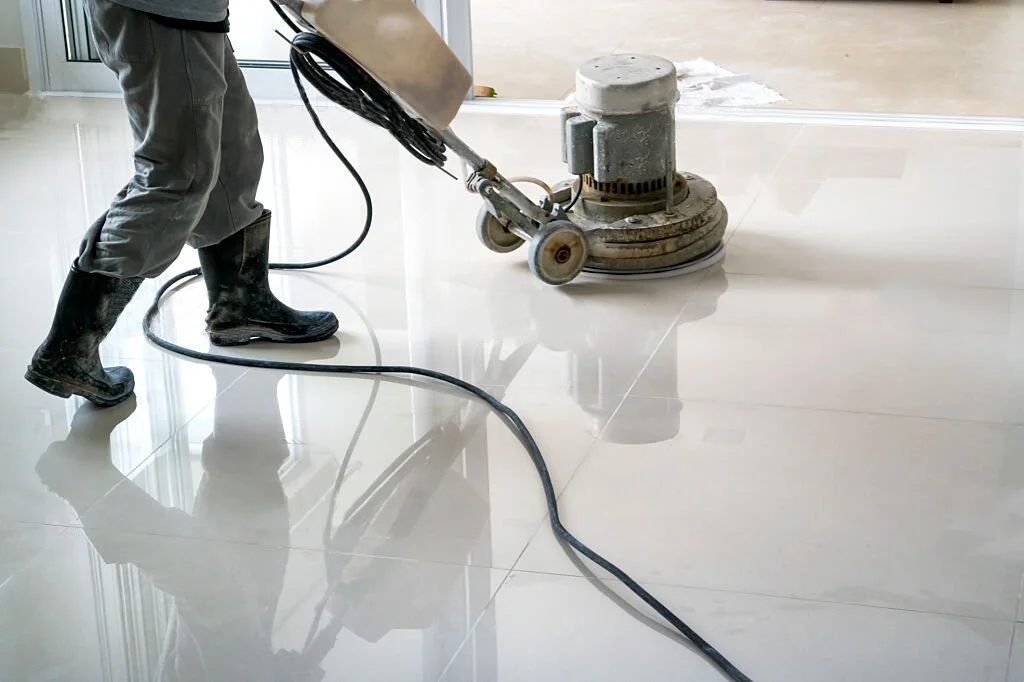
For apartment bathroom floors, foyer tiles and marble vanity tops, honing can return a consistent finish without changing the character of the stone. Where tiles have significant lippage or deep damage, more extensive mechanical restoration may be necessary. This involves additional planning, particularly in occupied apartments where dust control and access need to be managed professionally.
Polishing or refining the desired finish
After honing, the surface can be refined to the appropriate sheen. Not all marble should be highly polished. A honed finish offers a soft, low-reflective appearance and can be a practical choice for floors because minor future etching is less obvious. A polished finish provides richer reflection and colour depth, but it demands more careful daily care.
The best finish depends on location and expectations. Highly polished marble may suit a vanity, feature wall or formal lobby, while a honed finish can be better suited to a busy apartment entry or a bathroom floor. Restoration should respect the intended finish rather than apply the same level of shine to every surface.
Stain treatment and minor repairs
Some stains can be drawn out of marble using a specialist poultice treatment. Results depend on the staining substance, how long it has been present and whether previous products have altered the stone. Rust, oil, organic staining and dye transfer require different methods, so treatment should never be guessed.
Small chips, cracks and open joints may also be repaired with colour-matched materials. A good repair should stabilise the damage and reduce its visibility, but natural veining and variation mean an invisible repair is not always realistic. Clear advice about likely outcomes is part of quality stone care.
Sealing for practical protection
A penetrating sealer can reduce the absorption of water-based and oil-based contaminants, giving more time to wipe up spills. It does not make marble stain-proof, scratch-proof or etch-proof. This distinction matters, particularly for kitchen and bathroom surfaces where owners may assume sealing eliminates the need for careful cleaning.
Sealer selection should reflect the marble and its use. Over-application can leave residue or alter the surface appearance, while an unsuitable product may provide little useful protection. Once the marble is clean, dry and restored, sealing is a preservation step rather than a substitute for restoration.
When restoration is preferable to replacement
Replacing marble tiles or benchtops is disruptive, expensive and often unnecessary. Matching existing stone can also be difficult, especially where the original slab or tile batch is no longer available. Restoration preserves the material already installed and can improve the presentation of an apartment without the demolition, waterproofing risk and extended downtime associated with replacement.
There are limits. Marble affected by structural movement, persistent moisture, extensive cracking or failed substrate adhesion may need repairs beyond surface restoration. In those cases, a proper assessment identifies whether restoration can safely improve the stone or whether tile replacement and underlying rectification should come first.
For strata managers and commercial property teams, restoration can be planned in stages to minimise disruption. Work may be scheduled outside peak periods, with access routes protected and small sections completed progressively. The right scope balances visual improvement, operational needs and the remaining service life of the stone.
Care after marble restoration
The days and weeks following restoration set the standard for how the surface will age. Use pH-neutral stone cleaner rather than vinegar, bleach, acidic bathroom sprays or harsh degreasers. Clean spills promptly, especially wine, juice, coffee, sauces, perfume and cosmetic products.
On floors, use entrance mats to limit grit and ensure their backing will not discolour the stone. Sweep or vacuum with a suitable hard-floor attachment before mopping, as dragged dirt is a common cause of fine scratching. Avoid abrasive scourers on benchtops and vanity tops, and use coasters, trays or protective boards where practical.
For commercial and strata environments, cleaning staff should receive clear product and dilution instructions. A beautiful restored marble foyer can lose its uniform finish quickly if it is maintained with acidic chemicals or heavy-duty pads intended for other flooring types.
Choosing a marble restoration specialist in Sydney
Marble work should be carried out by a provider with dedicated natural stone experience, not simply a general cleaner offering polishing as an add-on. Ask how they distinguish stains from etching, what finish they recommend for the area, how they manage dust and slurry, and whether they can explain the limits of sealing.
A specialist should also be comfortable working in apartment settings, where access, building rules and protection of surrounding joinery matter as much as the stone itself. Sydney Stone Care approaches marble as a long-term asset, with restoration and preservation methods selected for the individual surface rather than a one-size-fits-all treatment.
Well-restored marble should not look artificially coated or excessively glossy. It should look like marble again: clean, even, refined and suited to the way the apartment is lived in. Addressing early dullness or etching is usually simpler than waiting until widespread wear makes corrective work more extensive.