
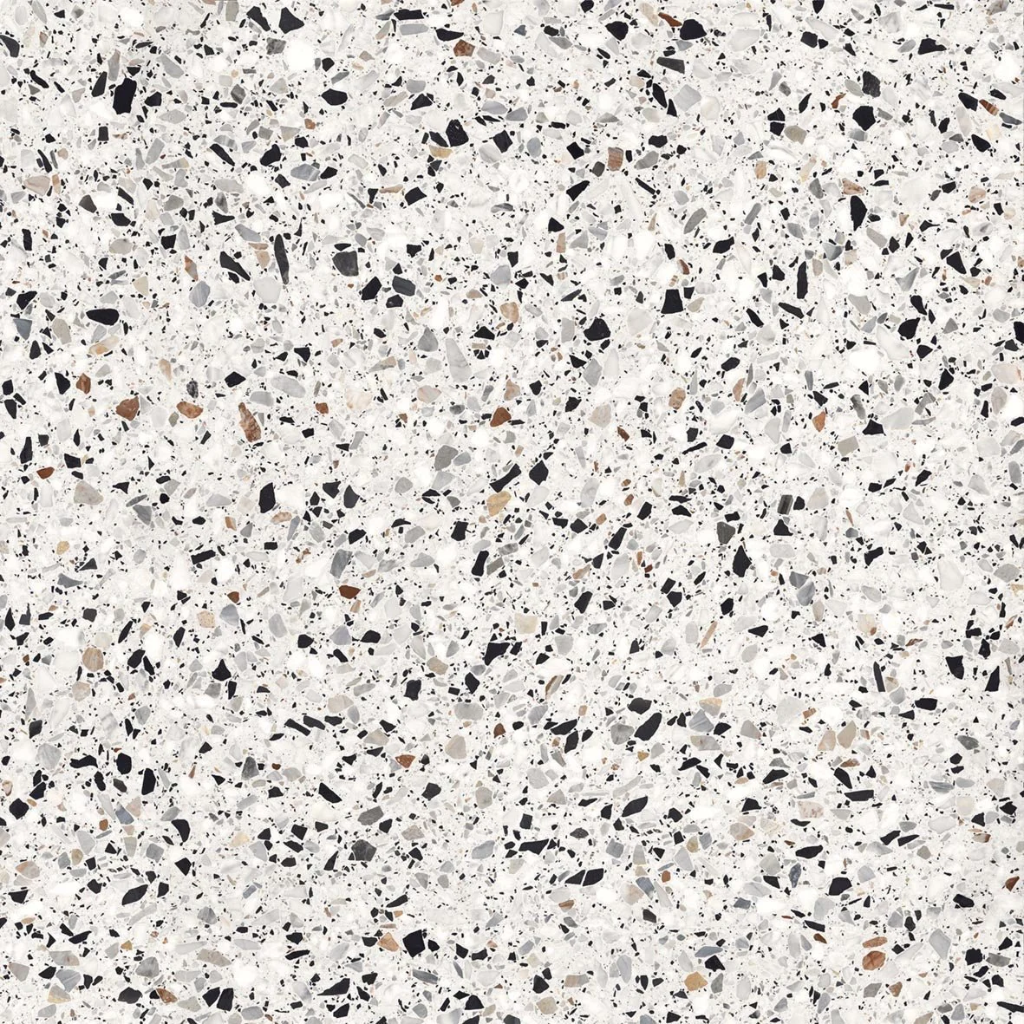
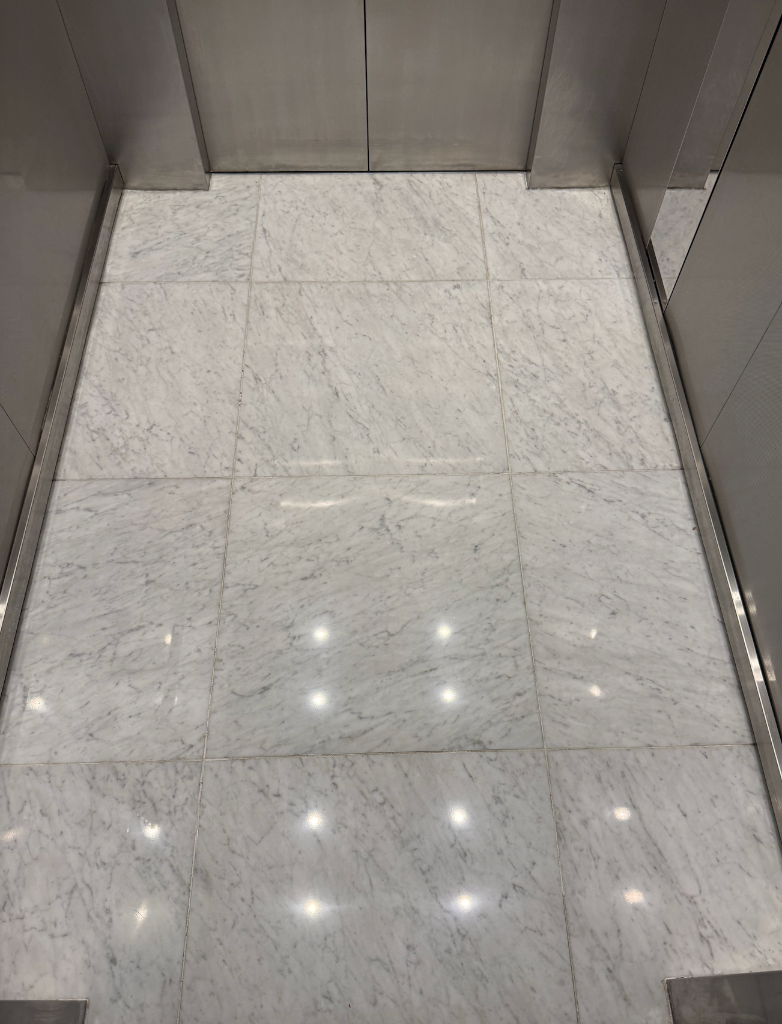
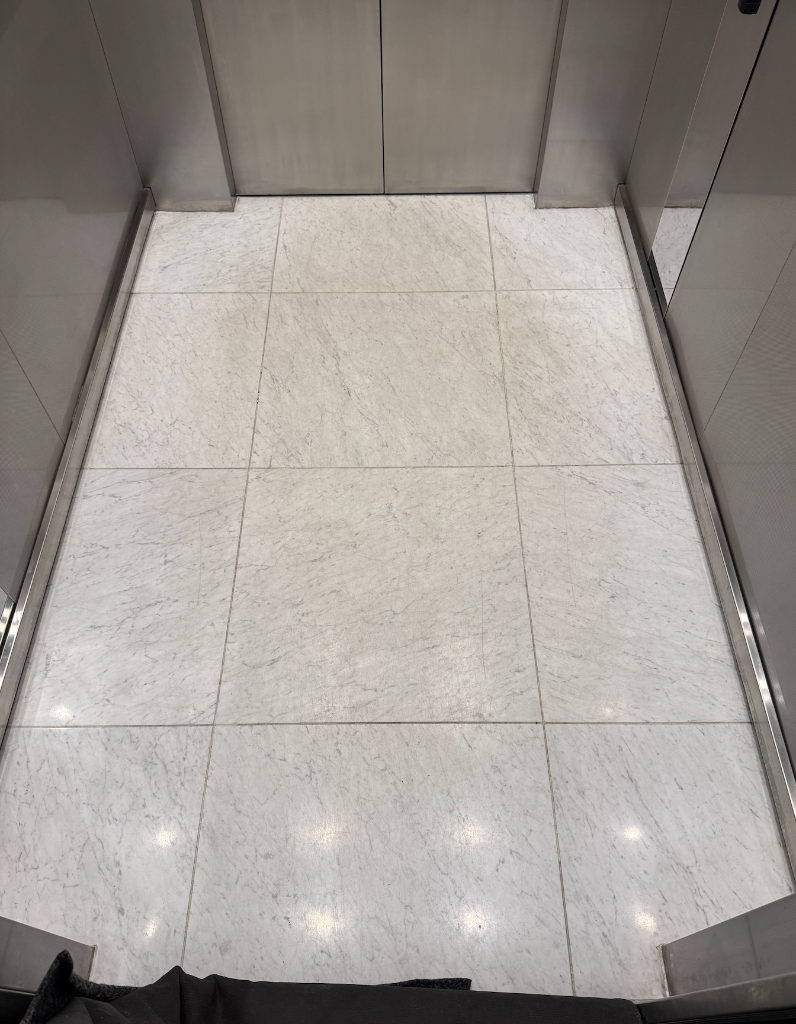
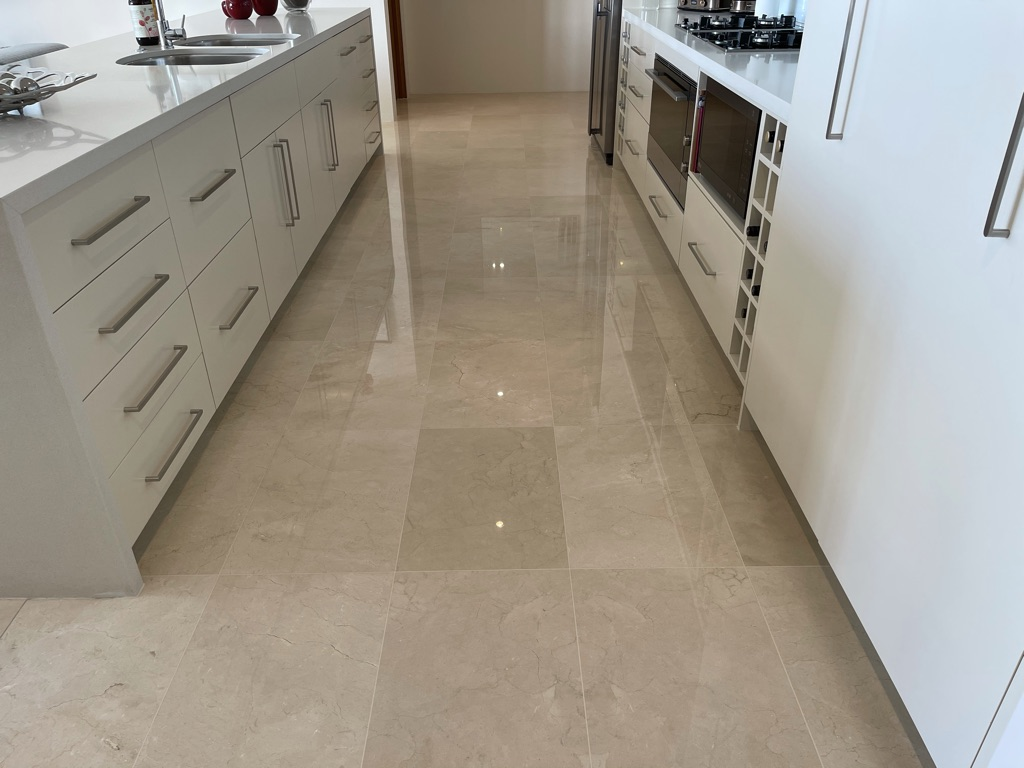
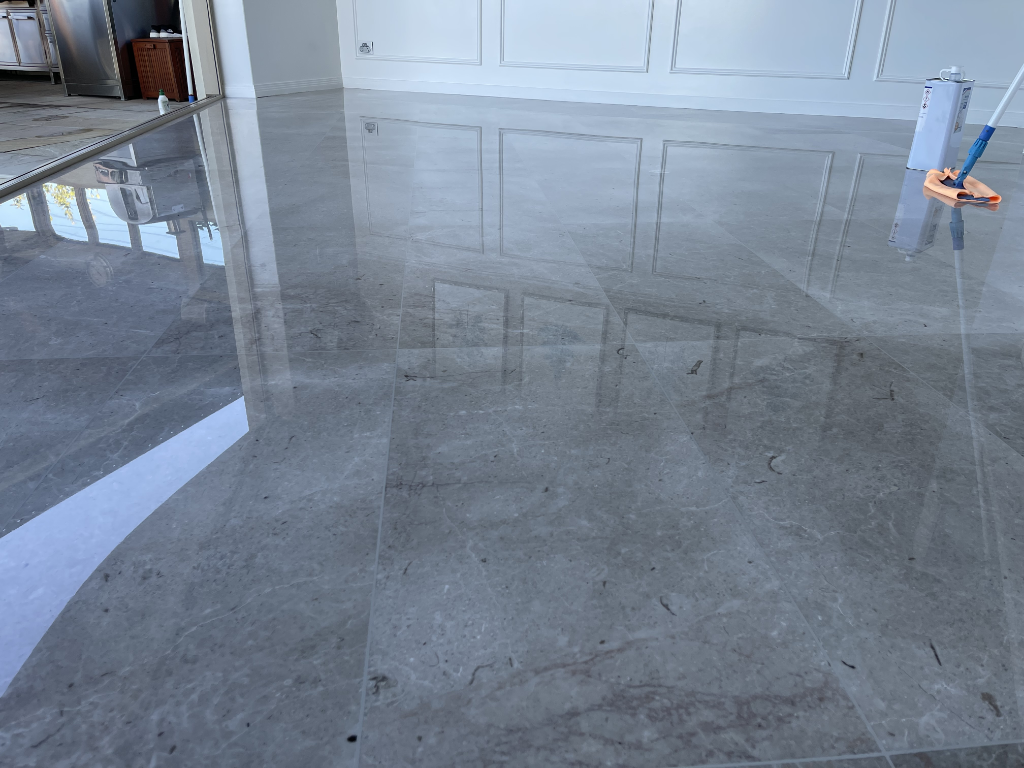
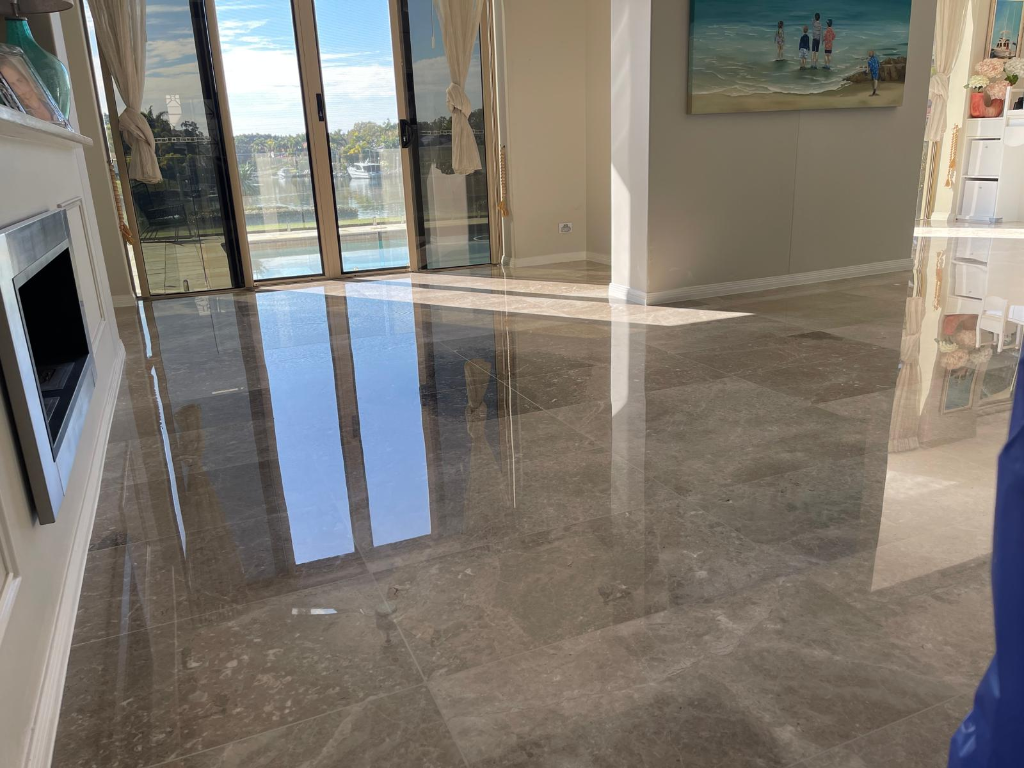
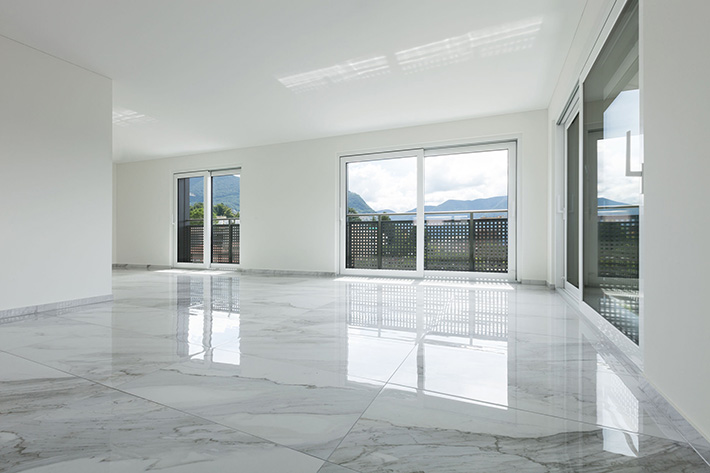
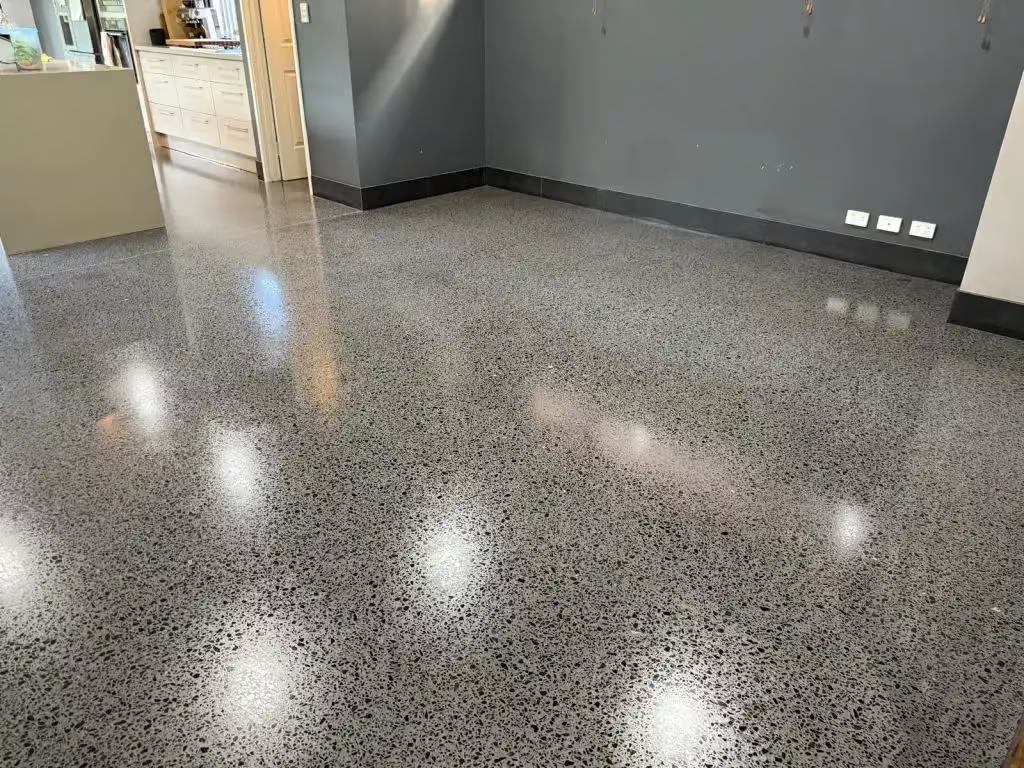
A terrazzo floor can look permanently tired long before it is beyond repair. Decades of foot traffic, ingrained soil, incorrect cleaning products and worn sealers can leave a once-polished surface dull, patchy and stained. The best ways to revive old terrazzo depend on what is causing the decline: surface contamination, lost polish, damaged aggregate, moisture movement or a combination of all four.
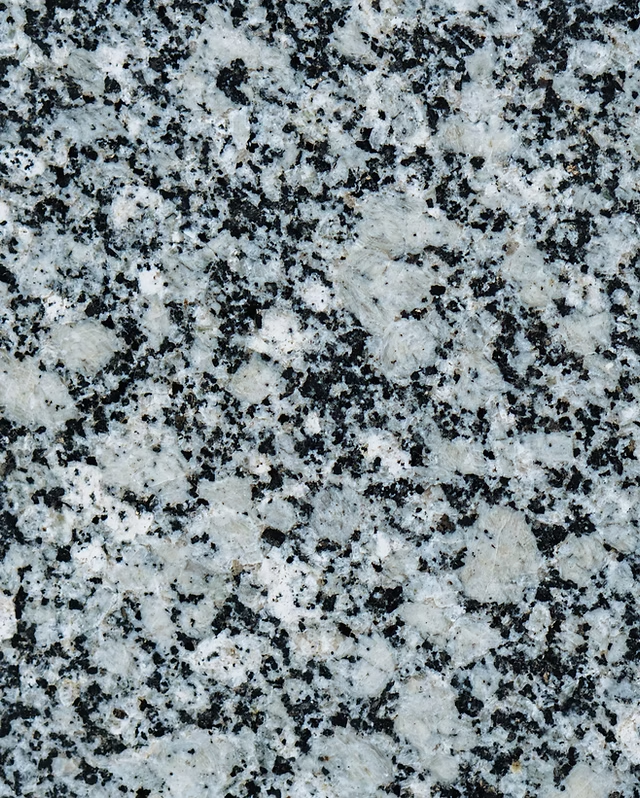
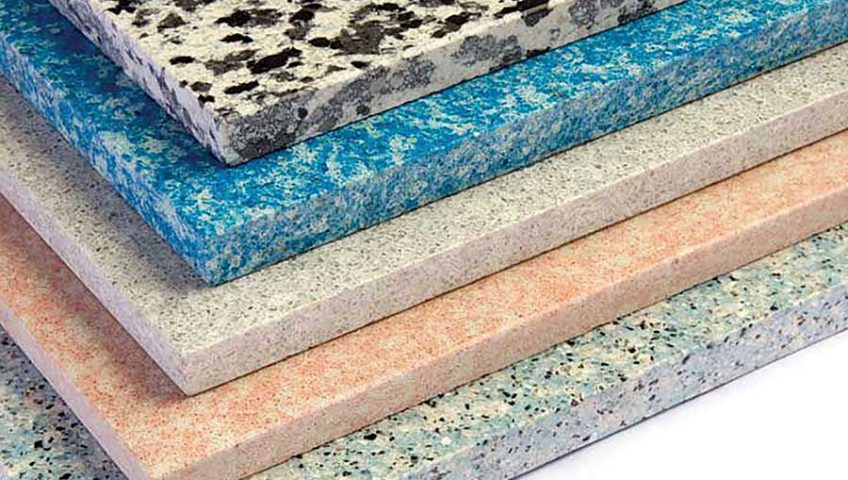
Terrazzo is a composite surface, typically made from marble, quartz or granite chips set in cement or epoxy. That construction gives it exceptional longevity, but it also means restoration needs to respect both the aggregate and the binder holding it together. A strong result is not achieved by simply applying a glossy coating. It comes from correctly assessing the floor, repairing defects, refining the surface and protecting it with a suitable maintenance plan.
Start by identifying what has changed
Before any restoration work begins, establish whether the terrazzo is dirty, worn, damaged or structurally affected. These conditions can look similar from a distance, yet require very different treatment.
A grey, uneven film that improves when wet often points to embedded soil, detergent residue or a deteriorated topical coating. A floor that looks clean but has no reflection may need mechanical honing and polishing. Fine cracks, loose chips and hollow-sounding areas may indicate movement, adhesion failure or previous repairs that require more than surface work.
In older Sydney homes, heritage buildings and commercial foyers, terrazzo may have been covered with carpet, vinyl, adhesive or layers of wax for many years. Removing these materials can reveal staining, glue residue and colour variation. It can also expose a floor with considerable potential. The key is to avoid judging the final outcome until the surface has been professionally cleaned and tested.
Remove dirt and old coatings safely
Routine mopping does not remove the build-up that accumulates in the pores and low points of aged terrazzo. Household cleaners, oil soaps and high-shine products can leave residue that attracts more dirt and masks the stone's natural appearance.
The first stage of restoration is a controlled deep clean using a pH-neutral or material-appropriate alkaline cleaner, selected after testing the surface. The cleaner is allowed time to break down grime, then lifted away with agitation and extraction rather than spread across the floor with a mop. This process can dramatically improve colour and clarity without removing any terrazzo.
Old waxes, acrylic dressings and poorly bonded coatings may need to be stripped. This is a careful process, particularly with cement-based terrazzo, as aggressive chemicals or prolonged exposure can alter the binder, leave whitening or create uneven absorption. Solvent-based adhesive removal also needs testing in an inconspicuous area first. The wrong product can drive adhesive deeper into the surface or soften previous patch repairs.
Avoid acidic cleaners, vinegar and bathroom descalers. Terrazzo containing marble aggregate is vulnerable to acid etching, which creates dull marks that cannot be cleaned away. Bleach is equally unsuitable as a general restoration product. It may alter some stains, but it can also leave residue and does not correct wear or loss of polish.
Repair cracks, holes and missing aggregate
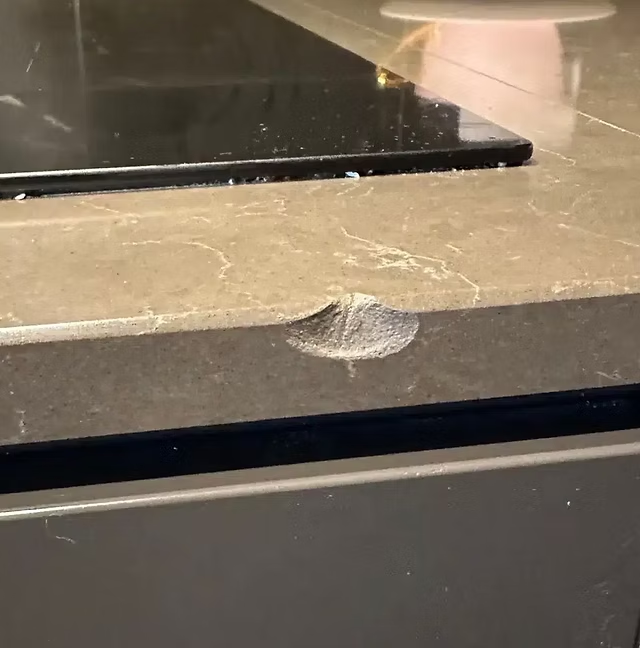
Cracks and chips should be addressed before honing or polishing. If they are simply coated over, they remain visible and may collect soil, creating dark lines across the floor.
A specialist repair begins by cleaning and stabilising the defect. Suitable resin or cementitious repair materials are colour-matched to the binder, then blended with compatible aggregate where required. The repair is cured, levelled and refined alongside the surrounding surface so it becomes far less noticeable.
Perfect invisibility is not always realistic, especially on original terrazzo with varied chips and natural ageing. However, a well-executed repair should be stable, smooth and visually sympathetic to the floor. This matters in reception areas, lobbies and retail spaces where small defects can undermine an otherwise well-maintained finish.
Where cracks are widespread, actively moving or accompanied by moisture problems, cosmetic repair alone is not the answer. The underlying cause should be investigated before restoration proceeds. Moisture rising through a slab, failed expansion joints or structural movement can compromise even the best repair work.
Hone the surface before polishing
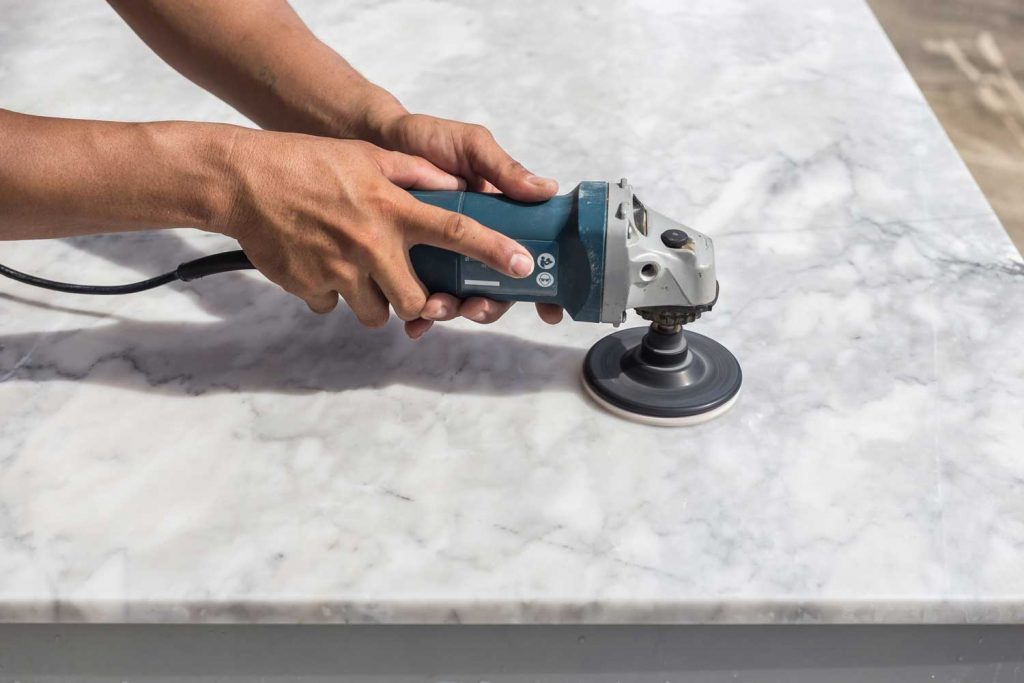
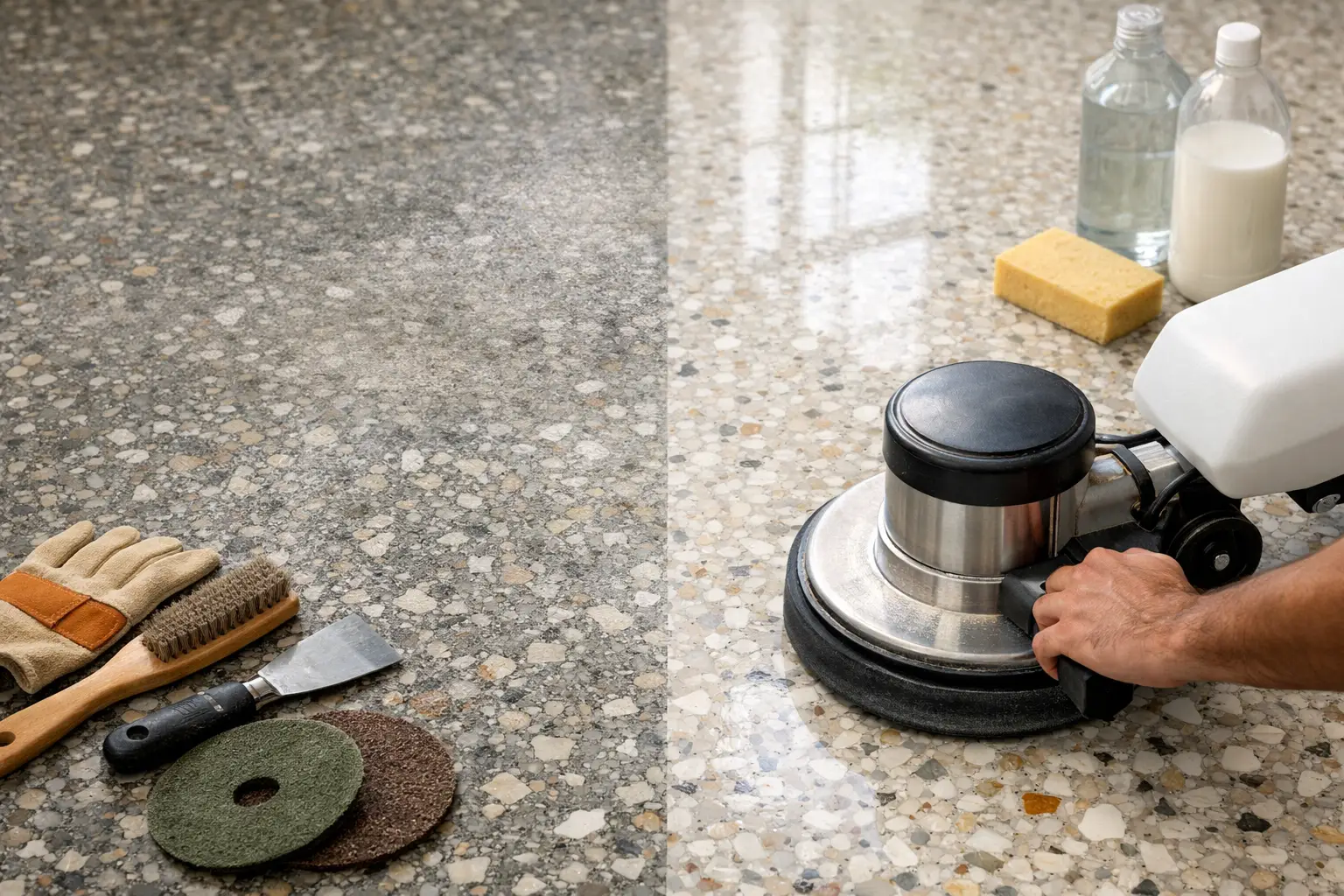
For terrazzo that is scratched, etched, uneven or deeply dull, mechanical honing is usually the most effective route back to an even finish. Diamond abrasives are used progressively to remove a fine layer of the worn surface, level minor imperfections and expose fresh aggregate and binder.
This is the stage that determines the quality of the finished floor. Starting with an abrasive that is too aggressive can remove unnecessary material or make repairs stand out. Starting too fine can leave scratches and uneven sheen behind. The correct sequence depends on the floor's condition, the type of terrazzo and the desired finish.
Honing is not always necessary. A lightly dulled terrazzo floor with no etching or significant scratching may respond well to deep cleaning followed by polishing. Conversely, a high-traffic commercial entrance with worn traffic lanes often requires more substantial refinement to achieve consistent clarity across the entire area.
Polish to restore depth, not an artificial shine
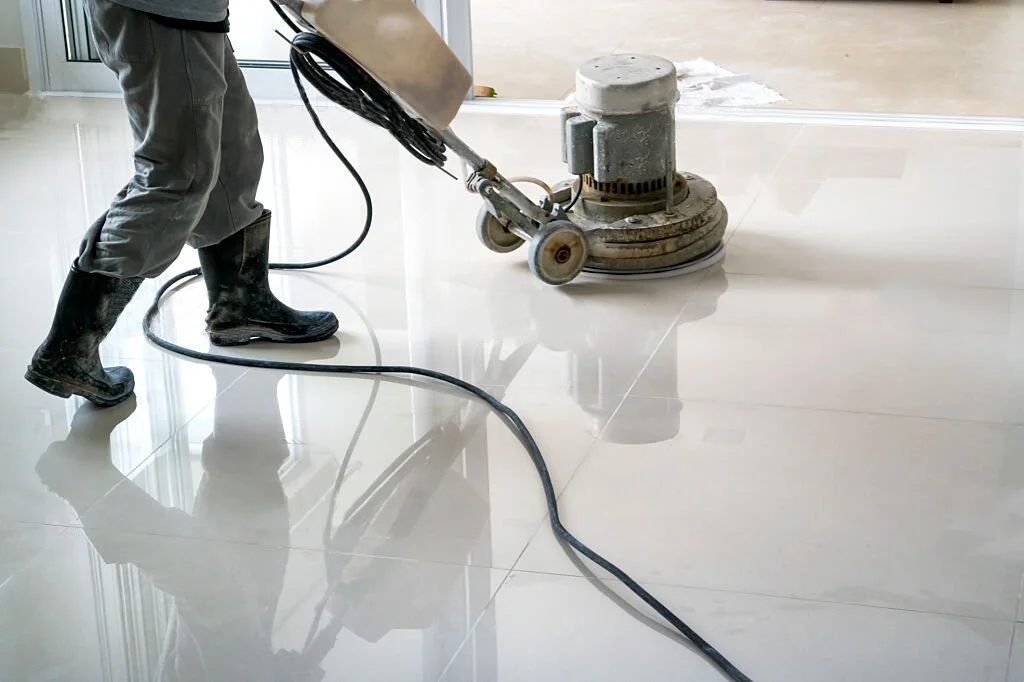
Polishing terrazzo is a mechanical process that closes and refines the surface until it reflects light evenly. On cement-based terrazzo, this may involve diamond polishing stages and a suitable polishing compound. Epoxy terrazzo has different characteristics and needs a system designed for resin-bound material.
The best finish is not necessarily the glossiest one. A high-gloss polish can look exceptional in a formal foyer or premium residence, but it may show dust, scuffs and cleaning marks more readily. A satin finish often suits busy corridors, hospitality venues and family homes because it offers an elegant appearance with more forgiving day-to-day maintenance.
Slip resistance also needs consideration. A polished floor must be assessed in the context of how the area is used, whether it is exposed to wet footwear and the cleaning practices in place. Presentation and safety should be planned together, particularly in commercial settings.
Seal only when the terrazzo needs it
Sealing is valuable when it is used for protection rather than as a shortcut to shine. A penetrating sealer can help reduce absorption of oils, spills and everyday contaminants while retaining the terrazzo's natural appearance. It does not replace good cleaning, and it will not conceal scratches, etching or failed repairs.
The appropriate sealer depends on whether the terrazzo is cement or epoxy based, its porosity, the level of traffic and the likely spill risks. A café floor, for example, may need a different protection strategy from a private hallway. Any sealer should be applied to a clean, dry, fully prepared surface. Applying it over soil or moisture can create patchiness and shorten its working life.
Topical coatings can have a place in some maintenance programmes, but they need regular management and can create a plastic-looking finish if over-applied. For premium terrazzo, a properly honed and polished surface with suitable penetrating protection is usually the more refined long-term option.
Maintain the restored finish properly
Once restored, terrazzo benefits from simple, disciplined care. Dry soil removal is essential because grit acts like an abrasive under shoes and furniture. In commercial spaces, quality entry matting and regular vacuuming can significantly reduce traffic-lane wear.
For wet cleaning, use clean water with a pH-neutral cleaner formulated for stone or terrazzo, and avoid leaving excess water on the floor. Change mop water frequently rather than redistributing dirt. Spills should be attended to promptly, especially coffee, wine, cooking oils and acidic drinks.
Furniture pads, appropriate floor machine pads and a planned maintenance schedule protect the investment made in restoration. High-use areas may need periodic burnishing, polishing or localised attention before the entire floor appears worn again.
When professional restoration is the better choice
DIY cleaning can maintain terrazzo, but old terrazzo often presents issues that are difficult to correct without specialised equipment and material knowledge. Deep scratches, lippage between sections, staining beneath old coatings, cracks and uneven gloss require a controlled restoration process. Attempting to polish with consumer products or apply a high-shine coating may make the floor look better briefly, while making later corrective work more difficult.
For homeowners, strata managers and facility teams, a professional assessment provides a clearer path: retain the existing surface where possible, restore it to a suitable finish and establish maintenance that protects it. Sydney Stone Care approaches terrazzo as a long-term surface asset, not a cleaning task.
Old terrazzo carries a character that new materials rarely replicate. With careful repair, measured refinement and the right protection, its original colour, aggregate and quiet depth can become one of the strongest features in the space again.