
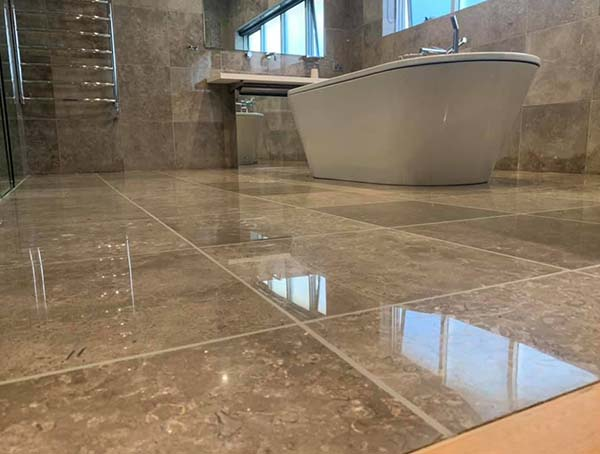

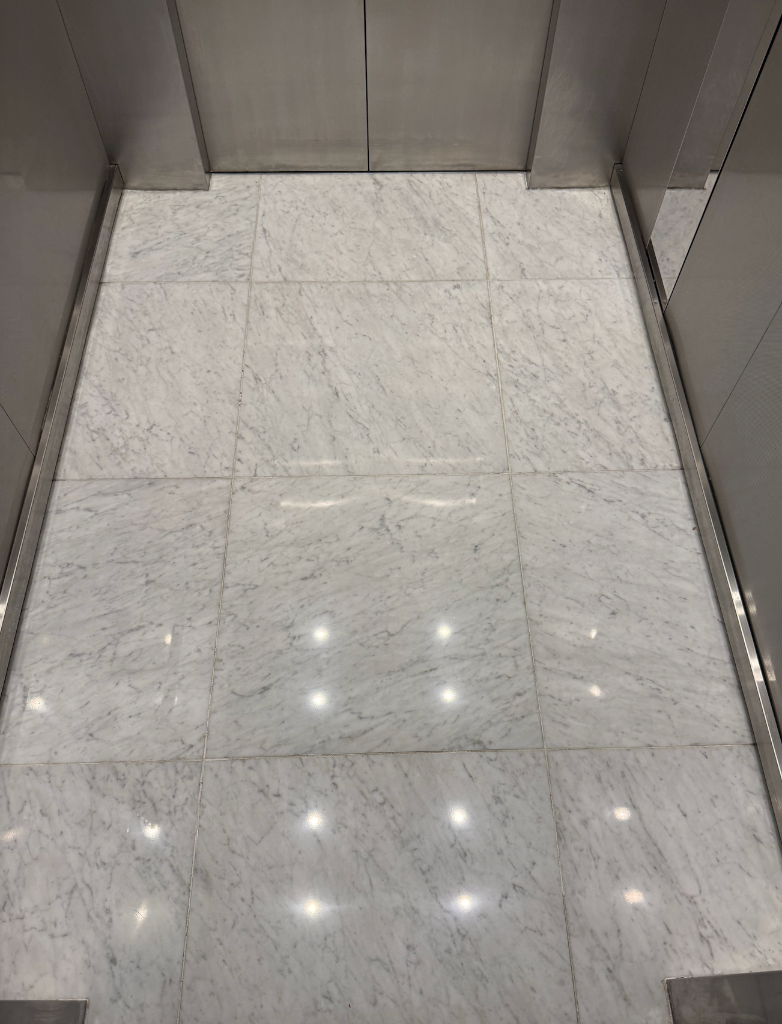
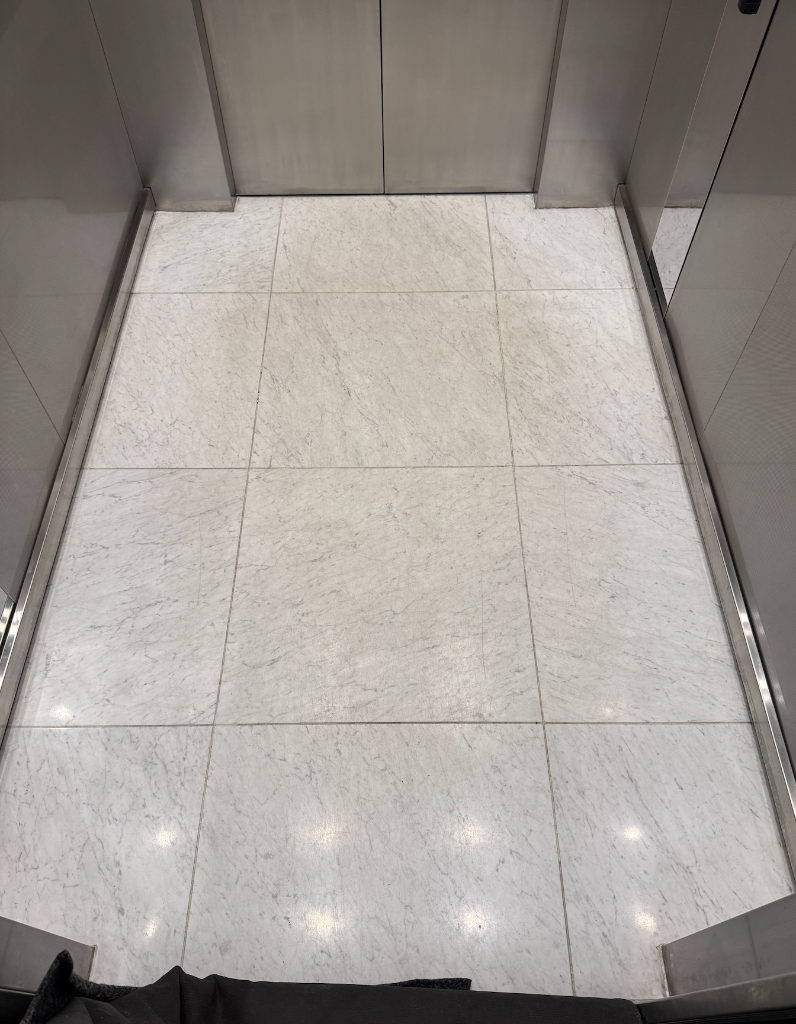
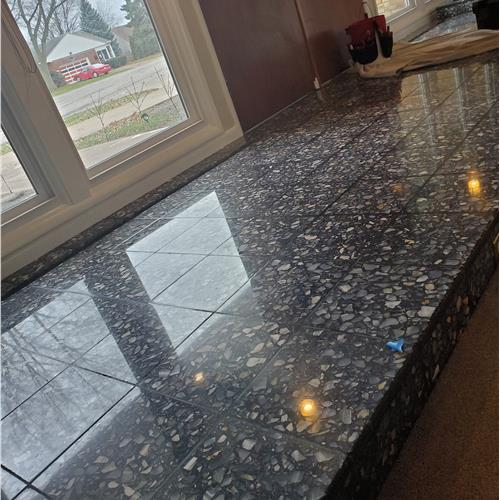
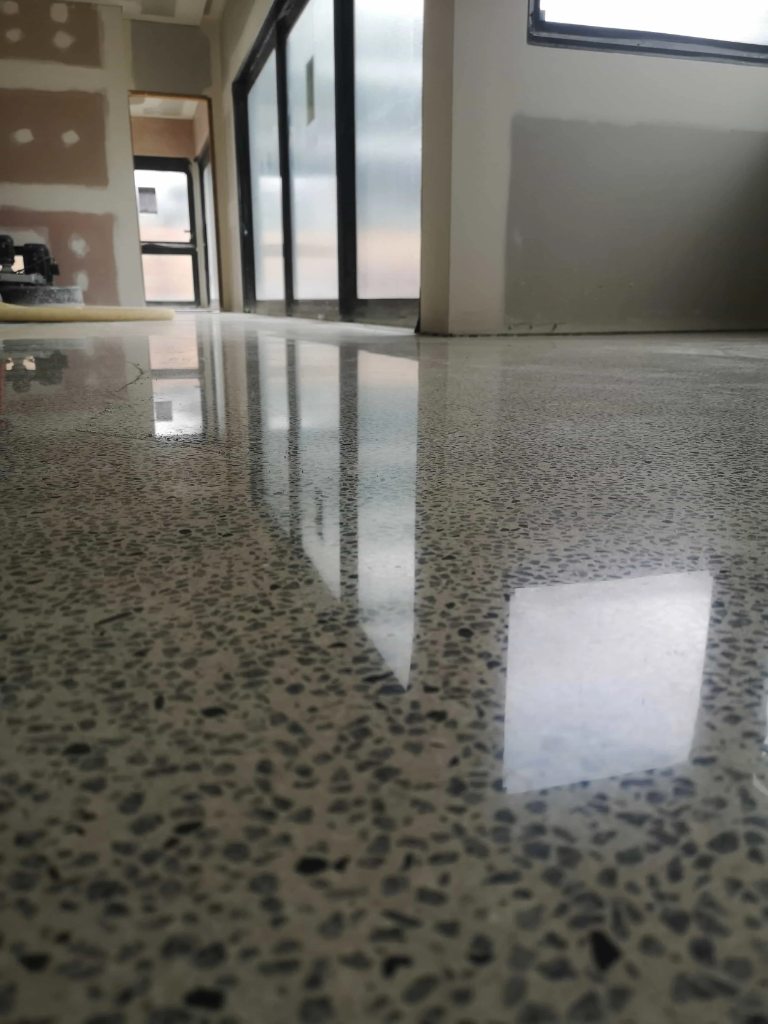

A polished marble entry that now looks dull, etched and patchy rarely needs replacing. More often, it needs the right specialist. A natural stone restoration company works very differently from a general cleaning provider because stone is a surface category of its own, with different densities, finishes, sensitivities and maintenance requirements.
For Sydney homes and commercial properties, that distinction matters. Natural stone is a premium material, but it is also vulnerable to wear, staining, moisture movement, acidic damage and poor past treatment. The right restoration approach can recover appearance, improve performance and help protect the long-term value of the surface. The wrong approach can make damage worse.
What a natural stone restoration company actually does
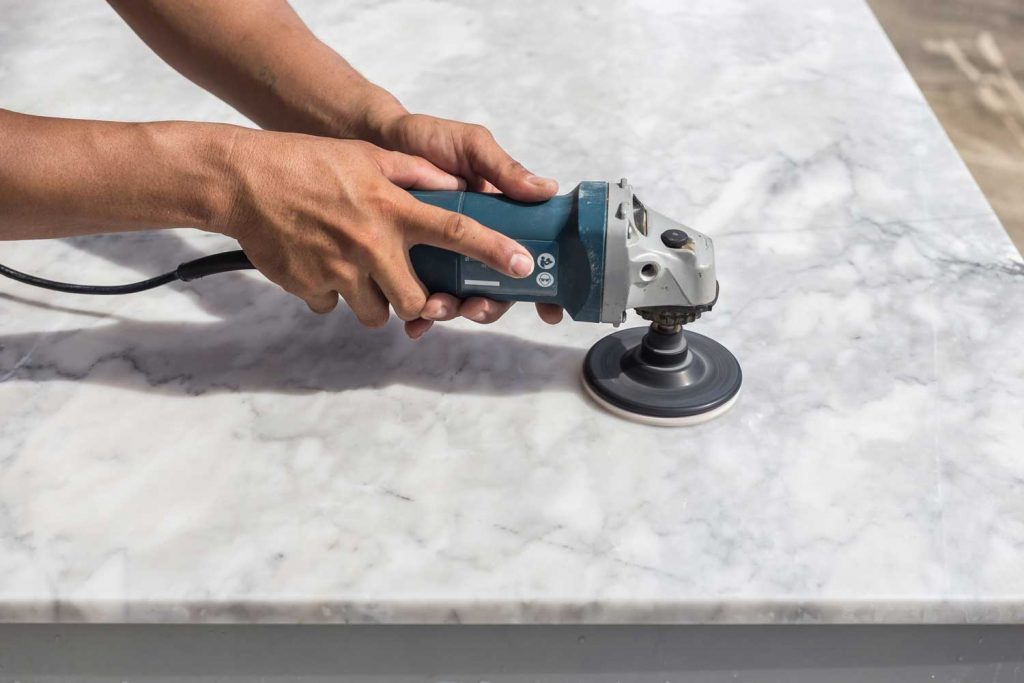
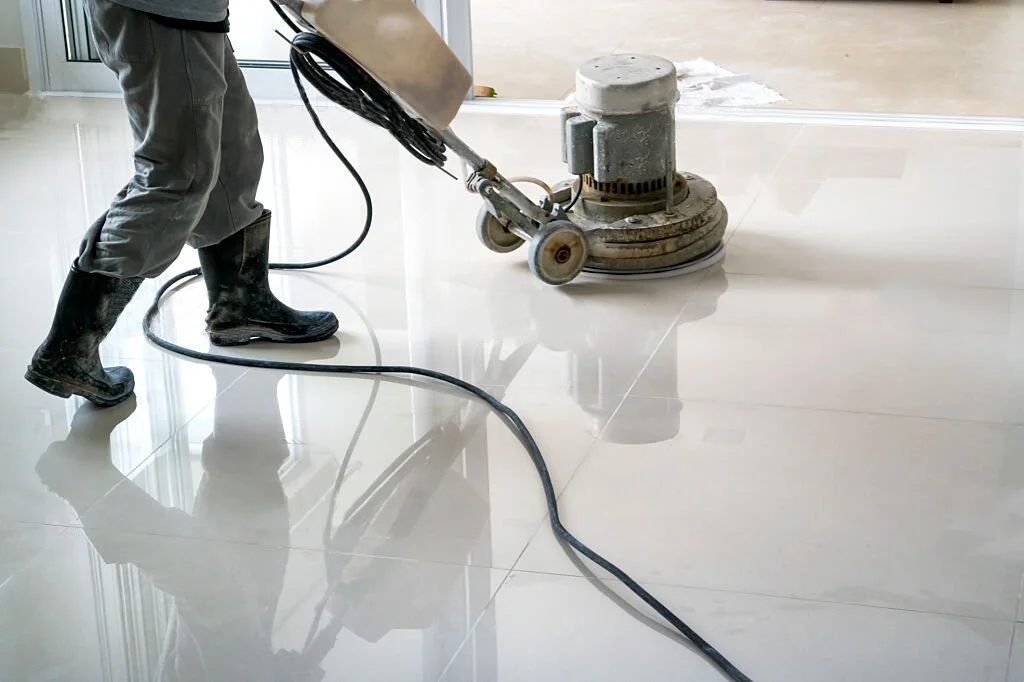
Stone restoration is not just about making a floor look cleaner. It is a technical service focused on correcting wear, surface damage and finish loss while preserving the integrity of the material. That may involve honing, polishing, deep cleaning, stain treatment, sealing, slip-resistance improvement, repair of minor chips or cracks, and ongoing maintenance planning.
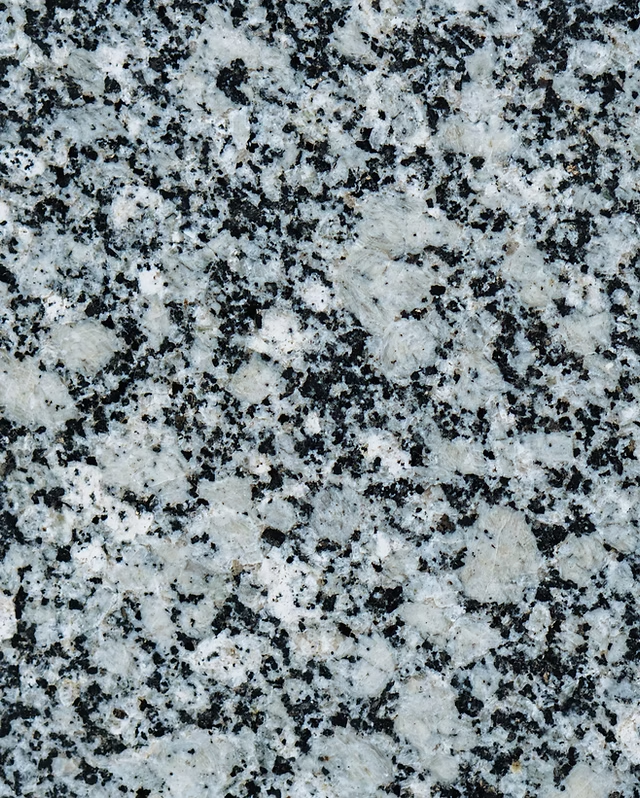
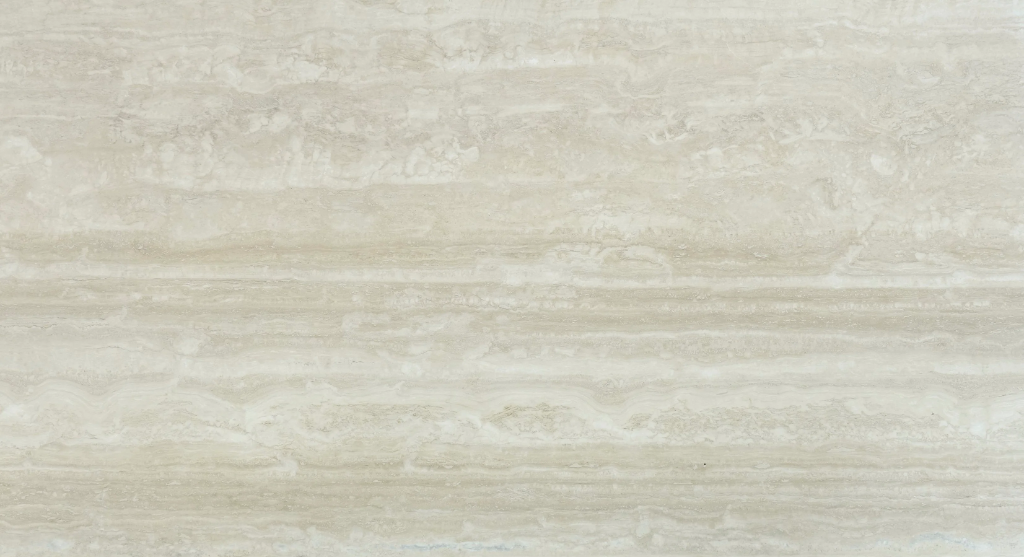
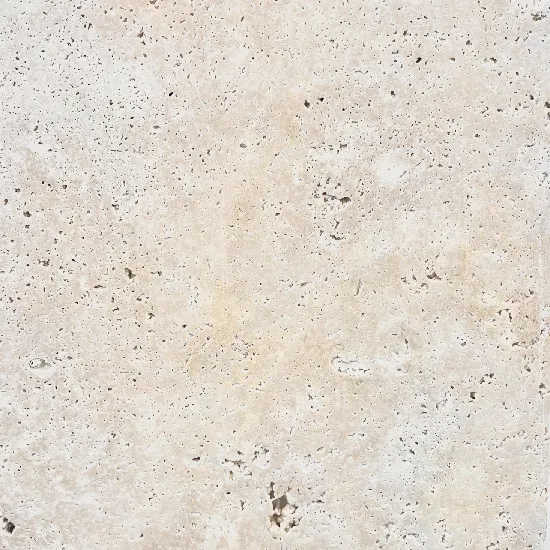
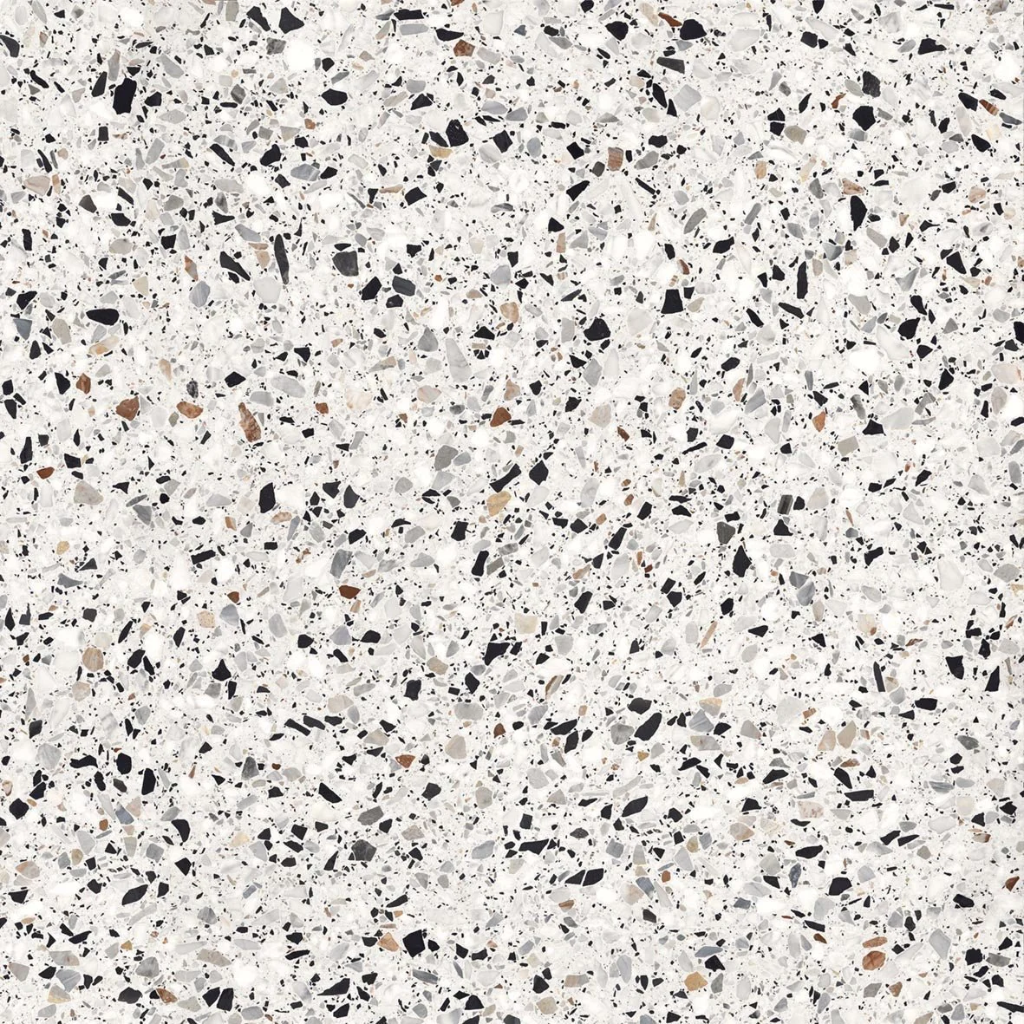
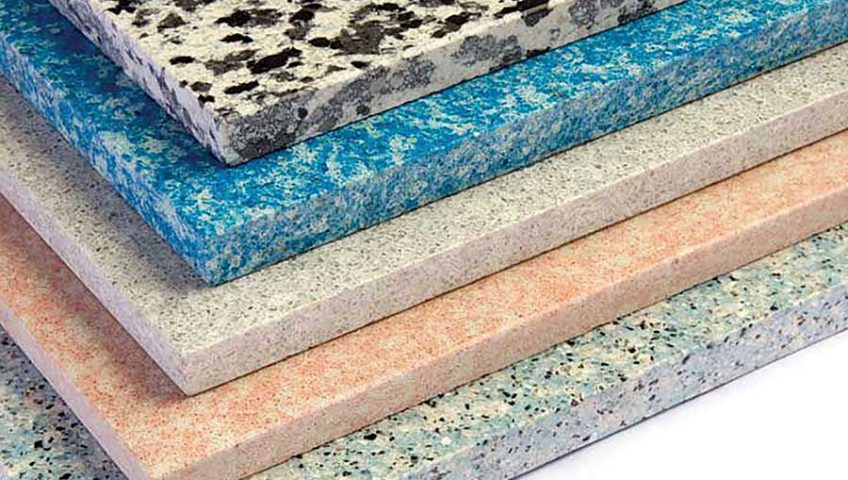
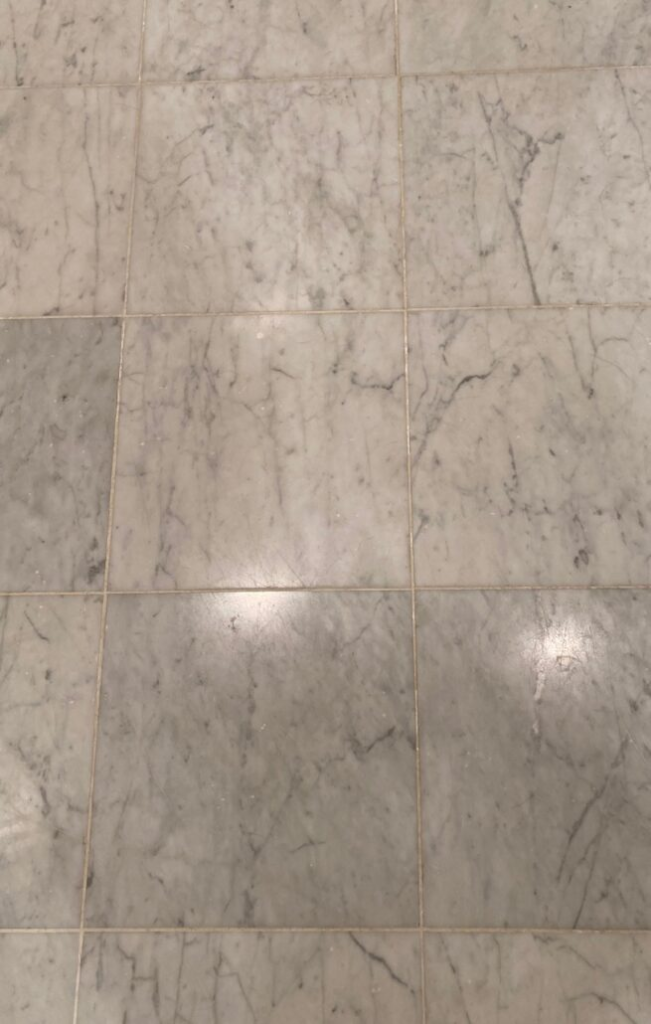
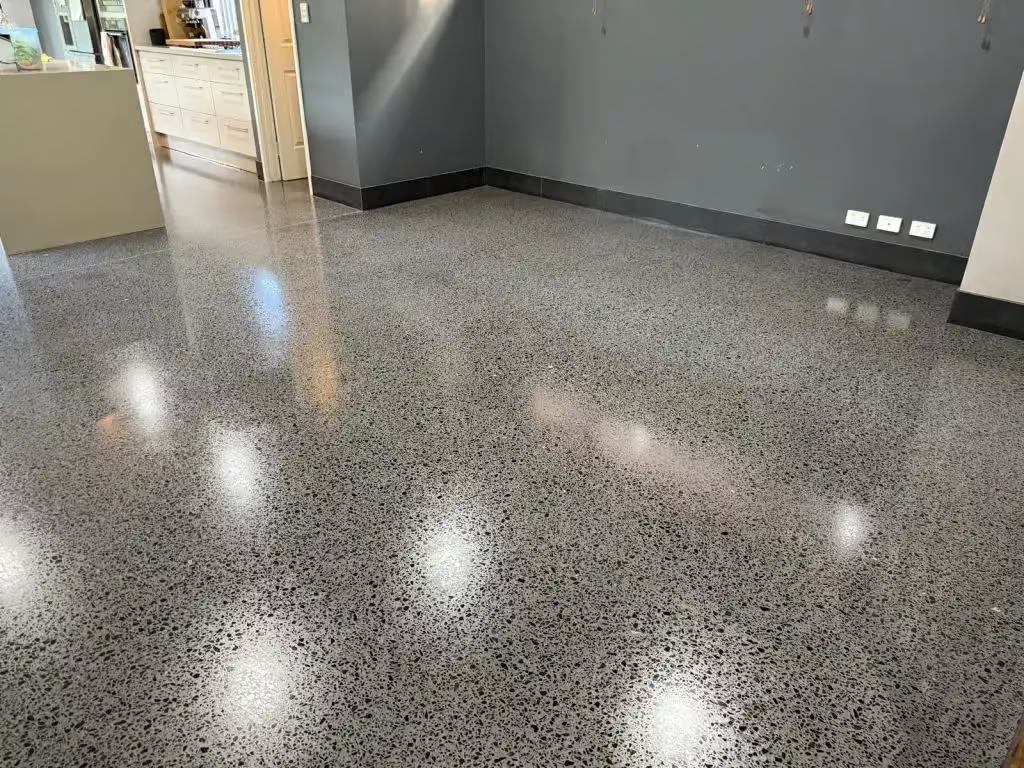
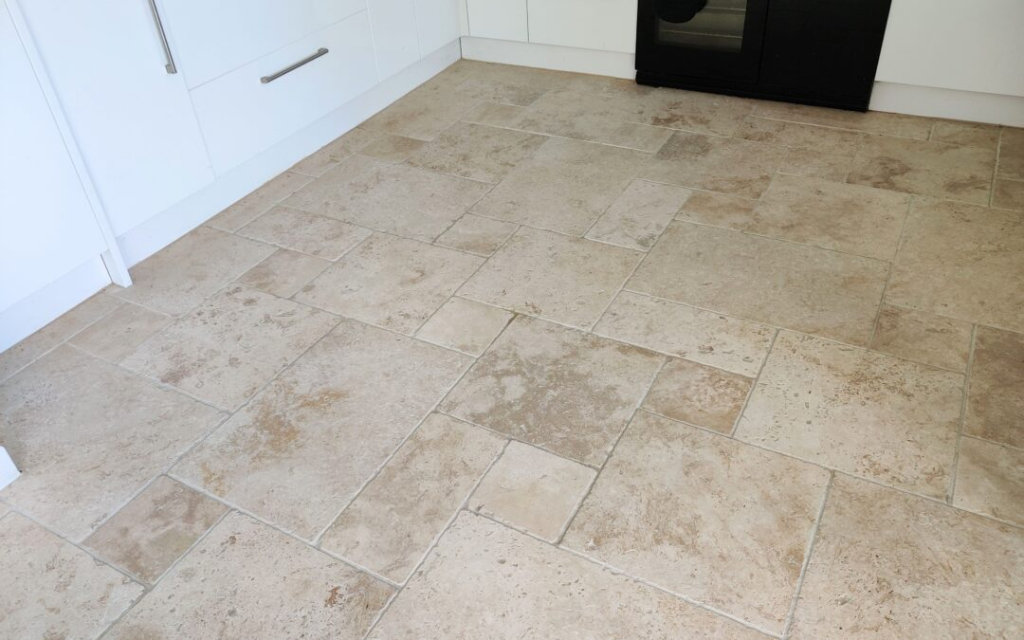
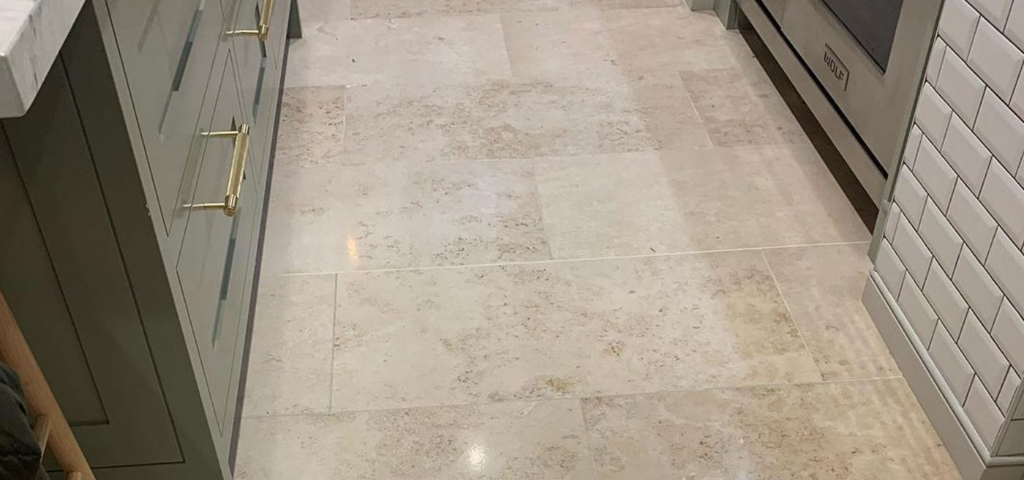
Different stones need different methods. Marble reacts differently to acid than granite. Travertine has voids and porosity that affect filling and sealing decisions. Limestone can be softer and more absorbent than many clients realise. Terrazzo, while engineered, still requires specialist grinding and polishing knowledge. Even two surfaces made from the same stone type can behave differently depending on finish, installation age, traffic levels and previous maintenance.
That is why a specialist assessment is the starting point. Before any machine is switched on, the contractor should be looking at the stone type, finish, condition, use of the area, likely causes of damage and the result the client is trying to achieve.
Why specialist stone care matters
Natural stone is often damaged by well-intentioned maintenance. Harsh cleaners, incorrect pads, topical coatings, over-polishing and unsuitable sealers can all create bigger issues than the original wear. In commercial settings, routine cleaning teams may keep a site presentable day to day, but restoration work requires another level of material knowledge and process control.
The main value of a specialist is not just equipment. It is judgement. Knowing whether a floor needs a full mechanical hone or a lighter corrective polish saves time, cost and unnecessary abrasion. Knowing when a stain is removable, when etching can be refined out, and when surface variation is part of the stone itself helps set realistic expectations.
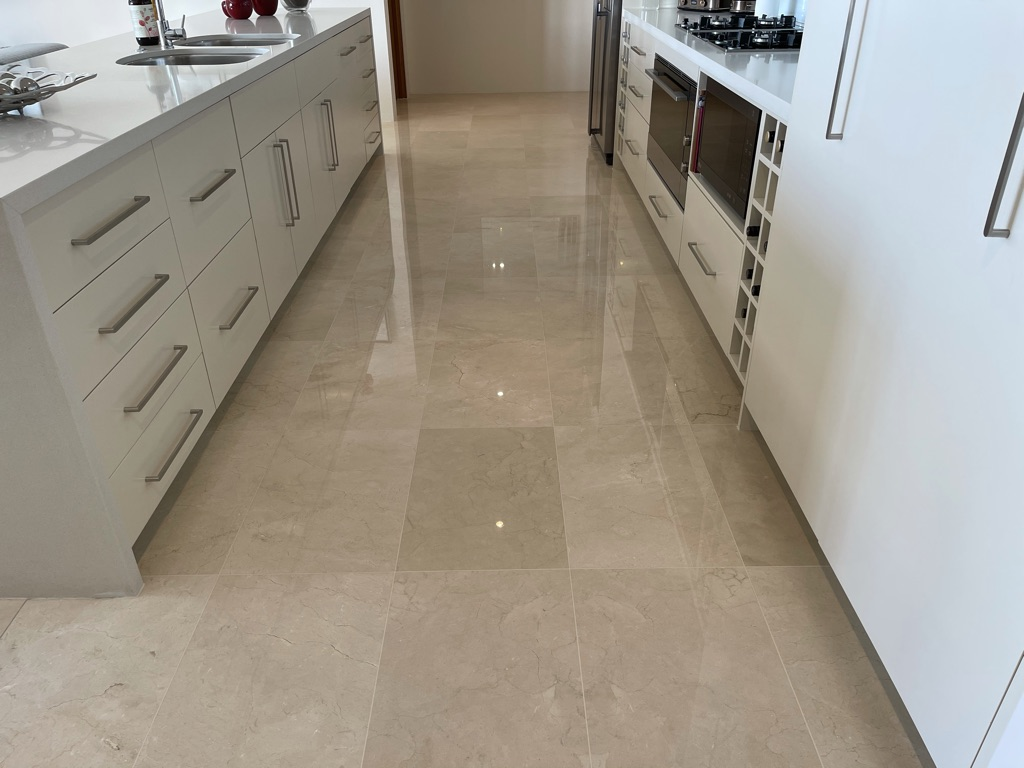
For premium residential spaces, that protects the appearance of kitchens, bathrooms, living areas and outdoor entertaining zones. For commercial sites, it supports presentation, safety and asset longevity across lobbies, amenities, retail floors, hotel surfaces and common areas.
How to assess a natural stone restoration company
When comparing providers, the first question is whether stone care is a true speciality or just one service on a long list. A company dedicated to stone restoration will usually speak clearly about stone types, finishes, restoration methods and maintenance cycles. They should be able to explain what has caused the issue, what treatment is suitable and what result is realistically achievable.
Experience with both residential and commercial stone is also valuable, but context matters. A large hotel lobby and a marble vanity present different challenges. One involves traffic, scheduling and durability. The other demands fine-detail correction and careful finish matching. A capable contractor understands both the technical and practical side of the work.
It is also worth paying attention to how they discuss outcomes. A quality provider does not promise every stain will vanish or every old floor will look brand new. Stone restoration is often highly effective, but results depend on the type and depth of damage, the history of the surface and the stone itself. Straightforward advice is usually a good sign.
Common problems a stone specialist should be able to treat
Most clients call a stone restoration company because something no longer looks right. The floor has lost its clarity, the benchtop has marks that normal cleaning will not shift, or the outdoor paving has become tired and weathered. In many cases, the issue is a combination of factors rather than one single problem.
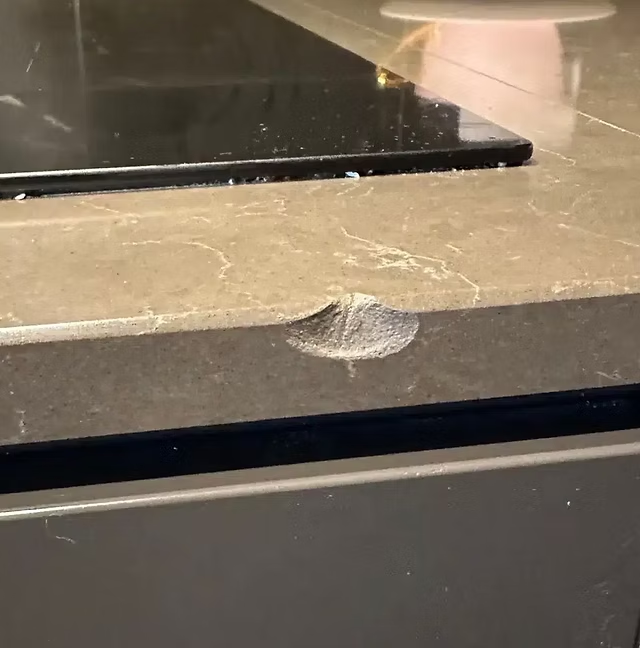
Etching is common on marble and limestone, especially in kitchens and bathrooms where acidic products come into contact with the surface. Staining may come from oils, food, rust, moisture or organic matter. High-traffic stone often develops wear paths that leave some sections glossy and others flat. Outdoor stone can suffer from ingrained soiling, biological growth and weather exposure. Grout lines may darken and drag down the overall presentation even when the stone itself is still salvageable.
A proper restoration plan should identify the underlying causes, not just treat the surface symptoms. If a floor keeps deteriorating because the maintenance method is wrong, restoration without a revised care plan only delays the same problem.
Residential and commercial needs are not identical
Homeowners usually focus on appearance, cleanliness and protecting a premium finish they have invested in. They want stone that looks refined, feels well maintained and suits the rest of the property. The work may need to be scheduled around family life, renovations or settlement preparation.
Commercial clients tend to balance presentation with durability and operational constraints. A hospitality venue may need after-hours works. A strata property may need staged access. An office lobby may require a finish that looks polished without becoming impractical under heavy foot traffic. In these settings, restoration needs to support day-to-day use, not just visual improvement.
This is where experience in real operating environments matters. The best result is not always the glossiest finish. Sometimes a honed or satin surface is the smarter choice because it better suits the stone, the traffic and the ongoing maintenance regime.
Questions worth asking before approving the work
A good contractor should be comfortable answering practical questions in plain terms. Ask what stone they believe they are treating, what process they recommend, what risks or limitations they see, and how the finish will look once completed. Ask whether sealing is appropriate, how long the area should be left before use, and how the surface should be maintained afterwards.
It is also sensible to ask whether they are correcting previous damage or simply cleaning around it. Those are very different services. If the stone is scratched, etched, lipped or unevenly worn, a basic clean will not resolve the core issue.
For larger commercial sites, discuss staging, access, noise, safety controls and whether the finish can be matched across adjoining areas. For homes, discuss protection of surrounding cabinetry, walls, fixtures and adjacent flooring. Professional stone restoration should be precise and controlled, not disruptive and improvised.
What quality workmanship looks like
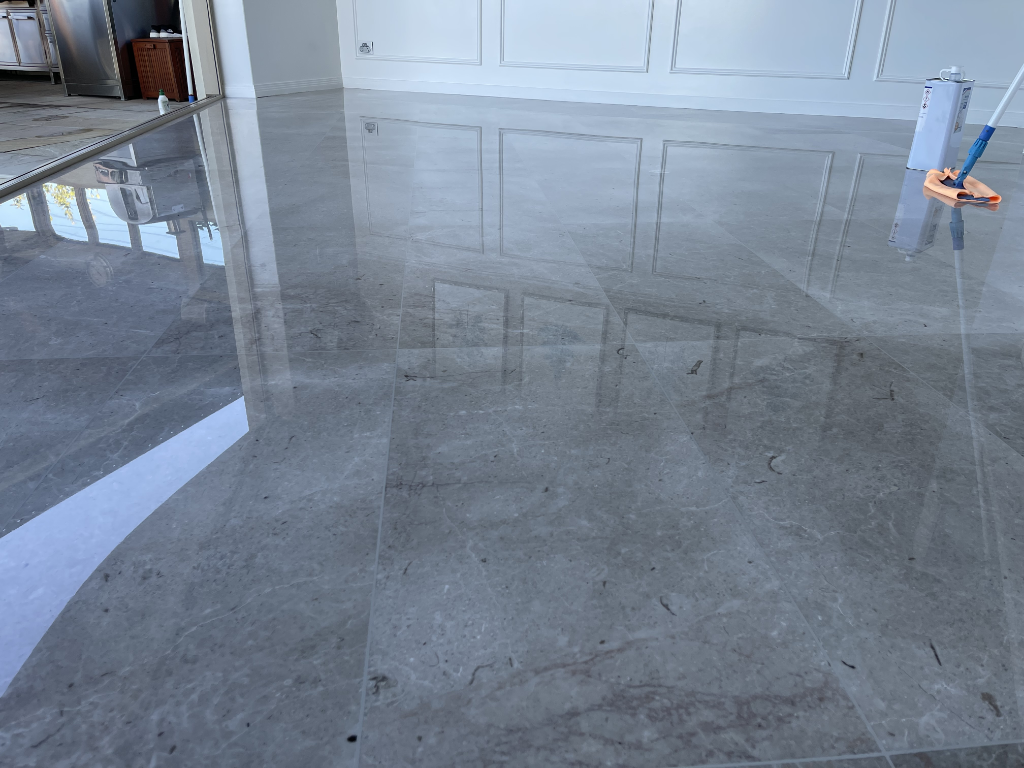
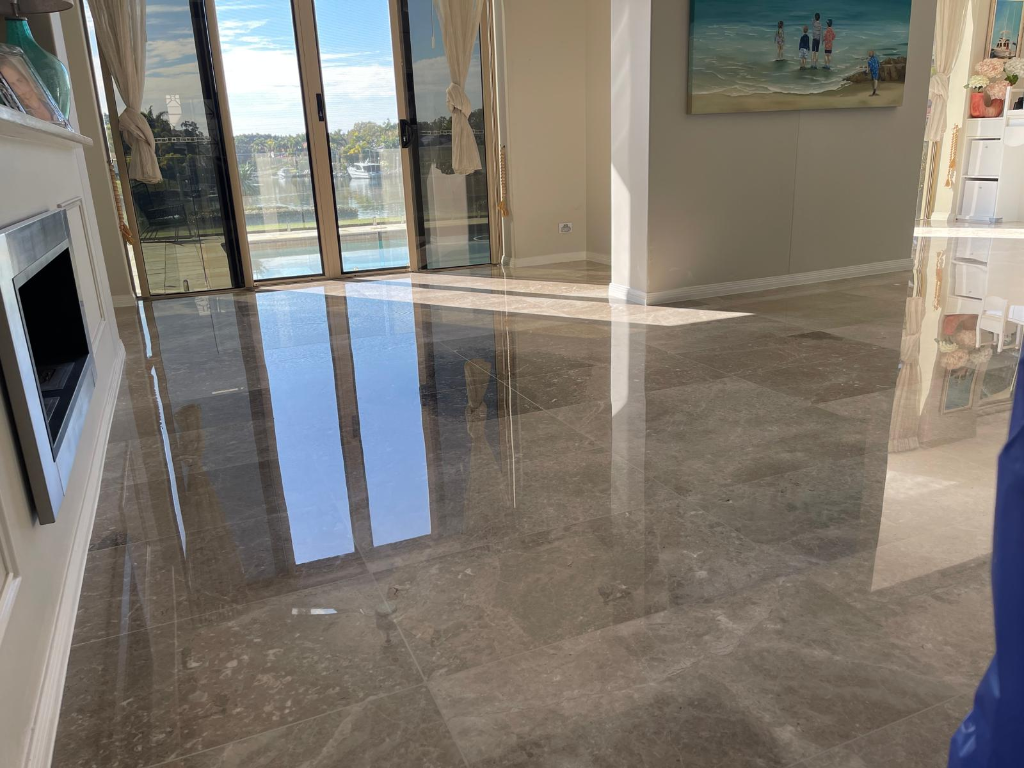
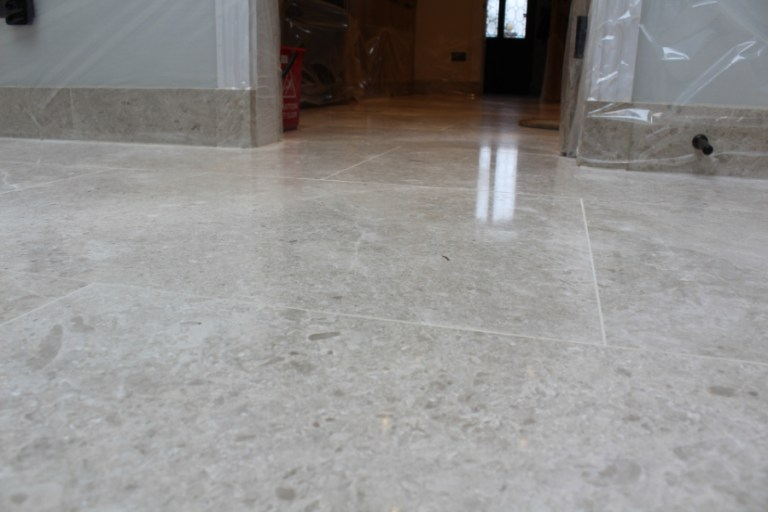
The signs are usually visible in the details. Edges should blend with open areas rather than looking obviously different. Reflection and finish should appear consistent across the treated surface. Filled areas should sit naturally within the stone, not draw attention to themselves. The contractor should leave the surface clean, protected where needed and supported by aftercare advice that suits the material.
Quality also shows in restraint. Over-restoring stone can strip character or create an artificial finish that does not suit the material. Good workmanship respects the stone’s natural variation while improving its condition and performance.
For Sydney properties, this often means tailoring services to local conditions as well. Coastal exposure, interior humidity, pool surrounds, entertaining areas and high-use commercial entries all place different demands on stone surfaces. A specialist such as Sydney Stone Care understands that restoration is not a one-size-fits-all service.
The long-term value of choosing well
A well-chosen stone restoration company does more than improve one problem area. It helps establish a maintenance standard that protects the surface over time. That can reduce premature replacement, avoid avoidable damage and keep premium spaces looking as they should.
There is also a financial case for doing it properly. Replacing natural stone is expensive, disruptive and often unnecessary. Corrective restoration is usually the more efficient option when the substrate is sound and the damage is surface-level or localised. Even where full restoration is not appropriate, an honest specialist can recommend a practical treatment path rather than overselling the work.
If your stone surfaces are looking tired, patchy, stained or simply not reflecting the standard of the property, the best next step is not a stronger cleaner. It is a specialist assessment from a company that understands stone as a material, not just as another hard surface to scrub.