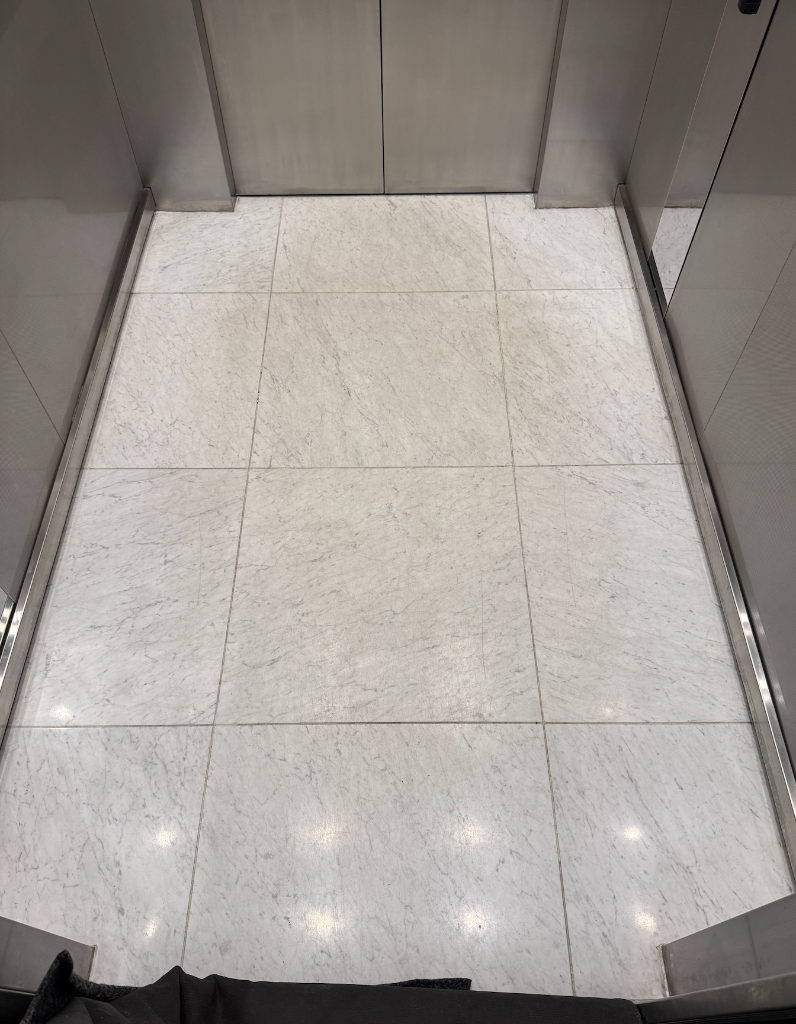
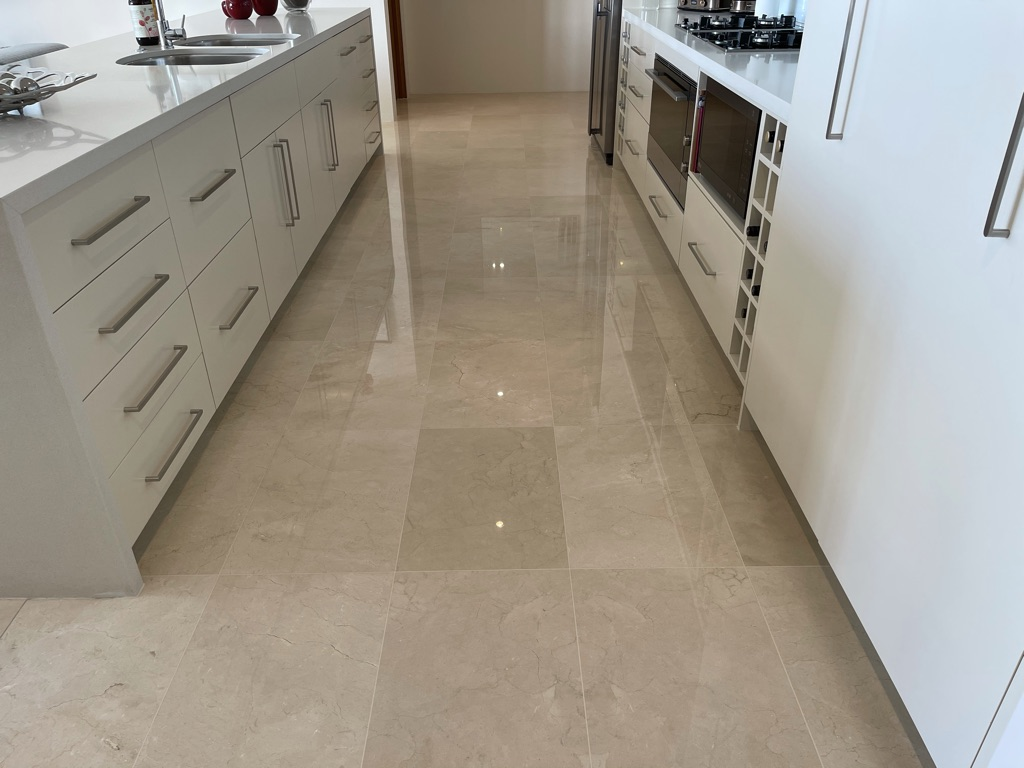
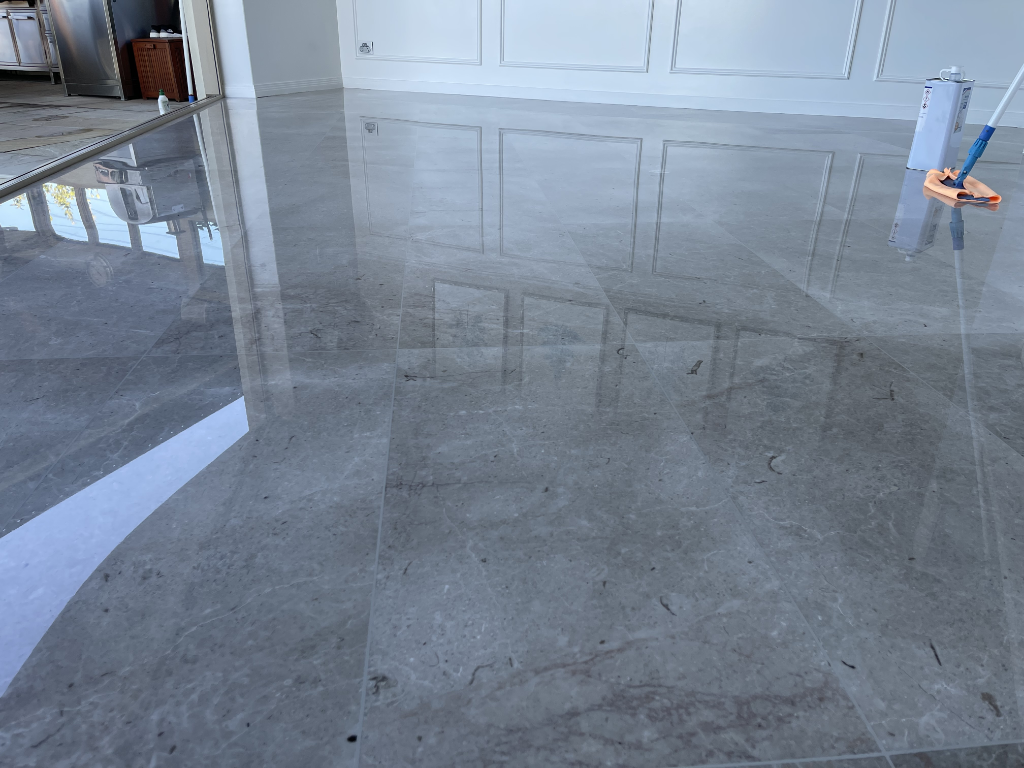
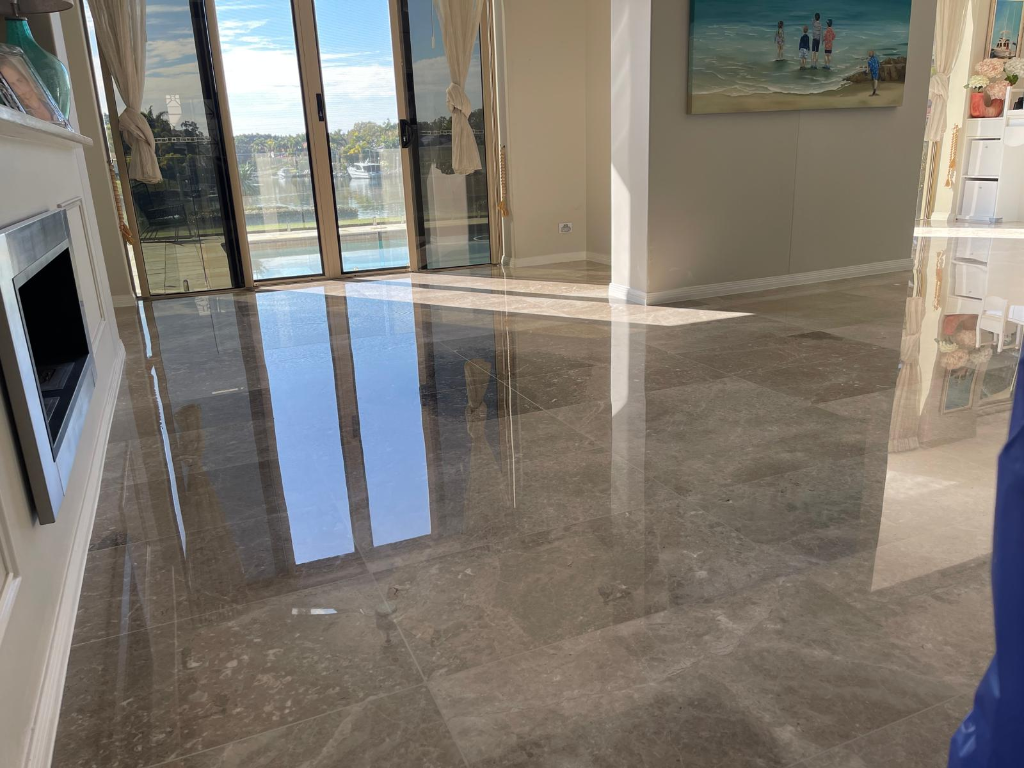
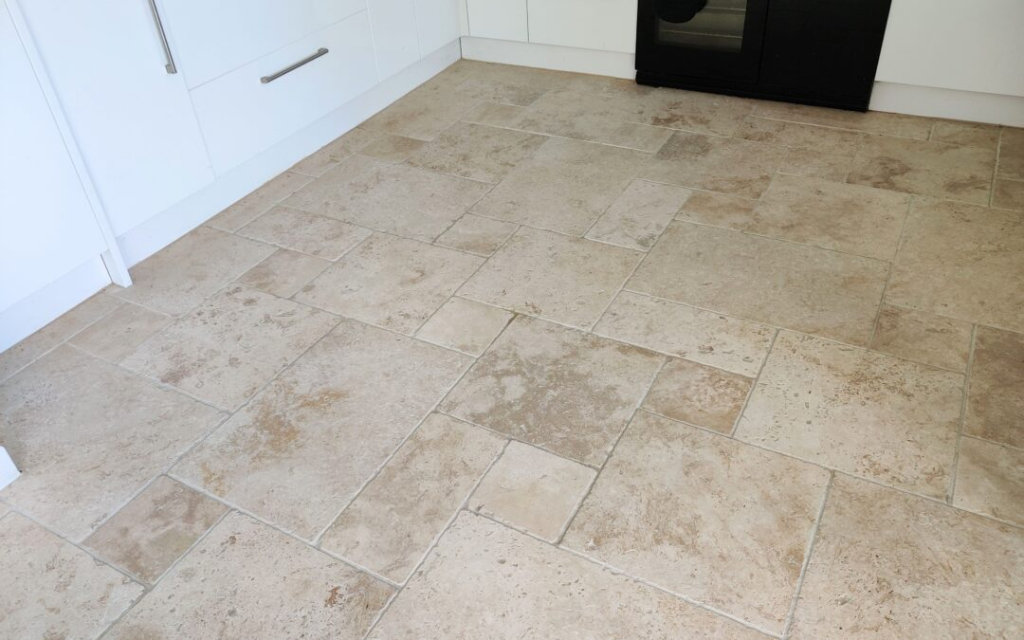
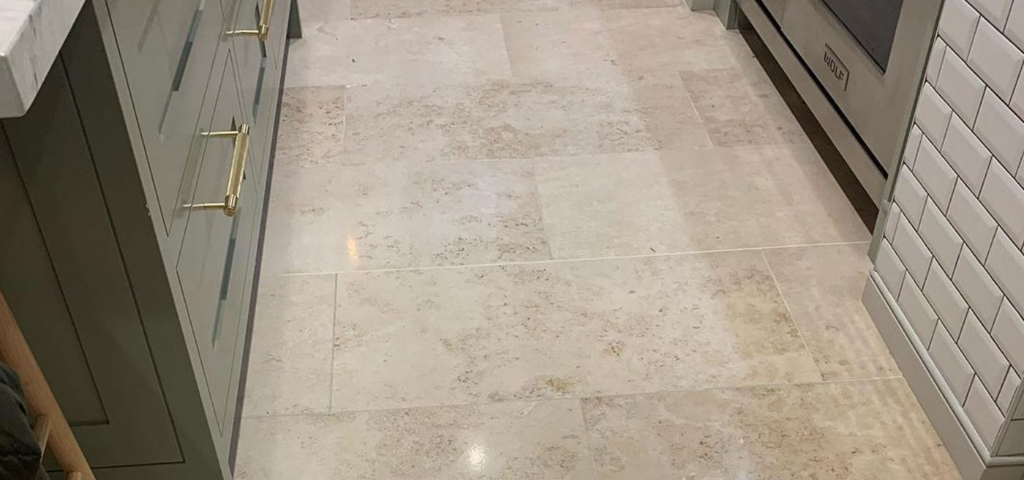
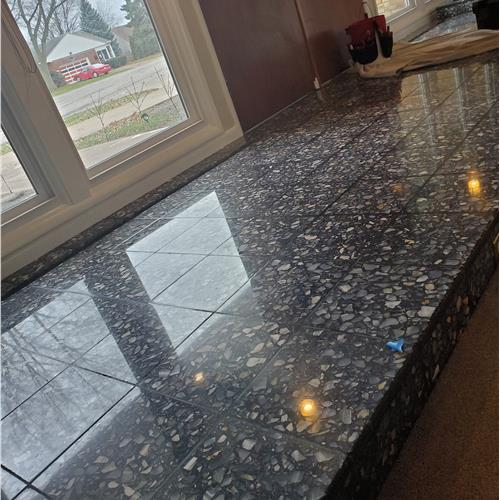
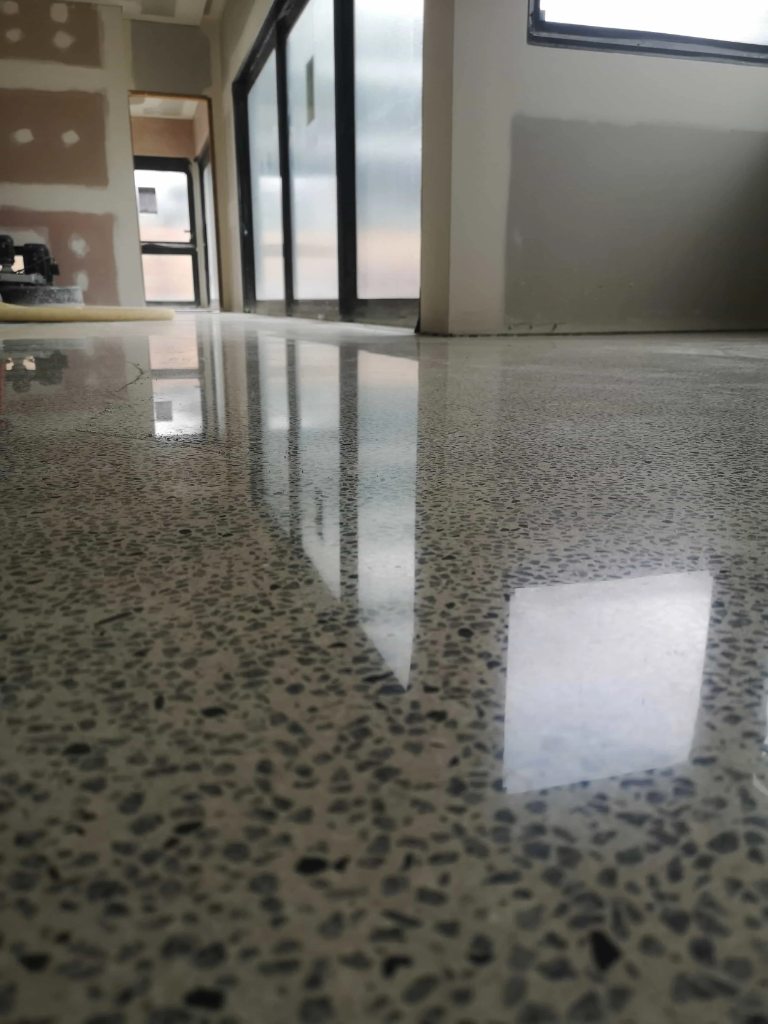
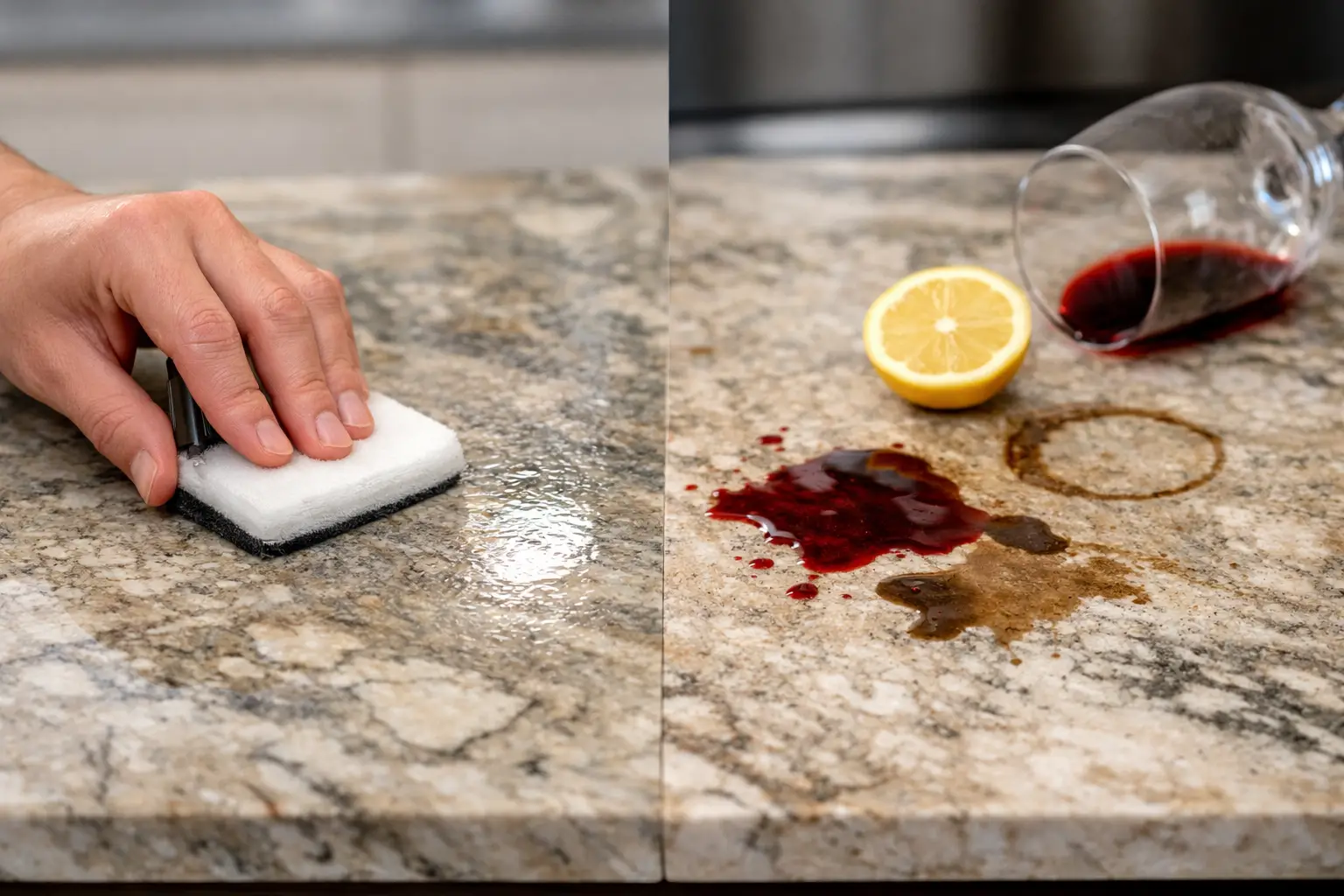
A glass of red wine tipped onto honed marble, cooking oil tracked across a limestone floor, or coffee left on a travertine benchtop can change the look of natural stone quickly. So, does sealing prevent stains? It can provide valuable protection, but it is not an impenetrable shield. The right sealer slows the absorption of staining substances, giving you time to remove spills before they penetrate the surface.
For Sydney homes, hospitality venues and commercial properties with premium stone finishes, that difference matters. A properly selected and applied sealer supports easier maintenance, preserves the stone’s presentation and reduces the risk of costly corrective work. It must, however, be matched to the stone, its finish and the way the area is used.
Does sealing prevent stains completely?
No. Stone sealing reduces the likelihood and severity of staining; it does not guarantee that a surface cannot stain. Natural stone is a geological material with varying levels of porosity, mineral content and surface texture. Even within the same stone type, one slab or tile may absorb more readily than another.
Most penetrating sealers work below the surface. They line the pores of the stone with a protective treatment that resists water, oils and other contaminants while allowing moisture vapour to pass through. Rather than forming a thick coating on top, a quality impregnating sealer helps keep a spill at the surface for longer. This gives the cleaner a practical window to blot and clean it away.
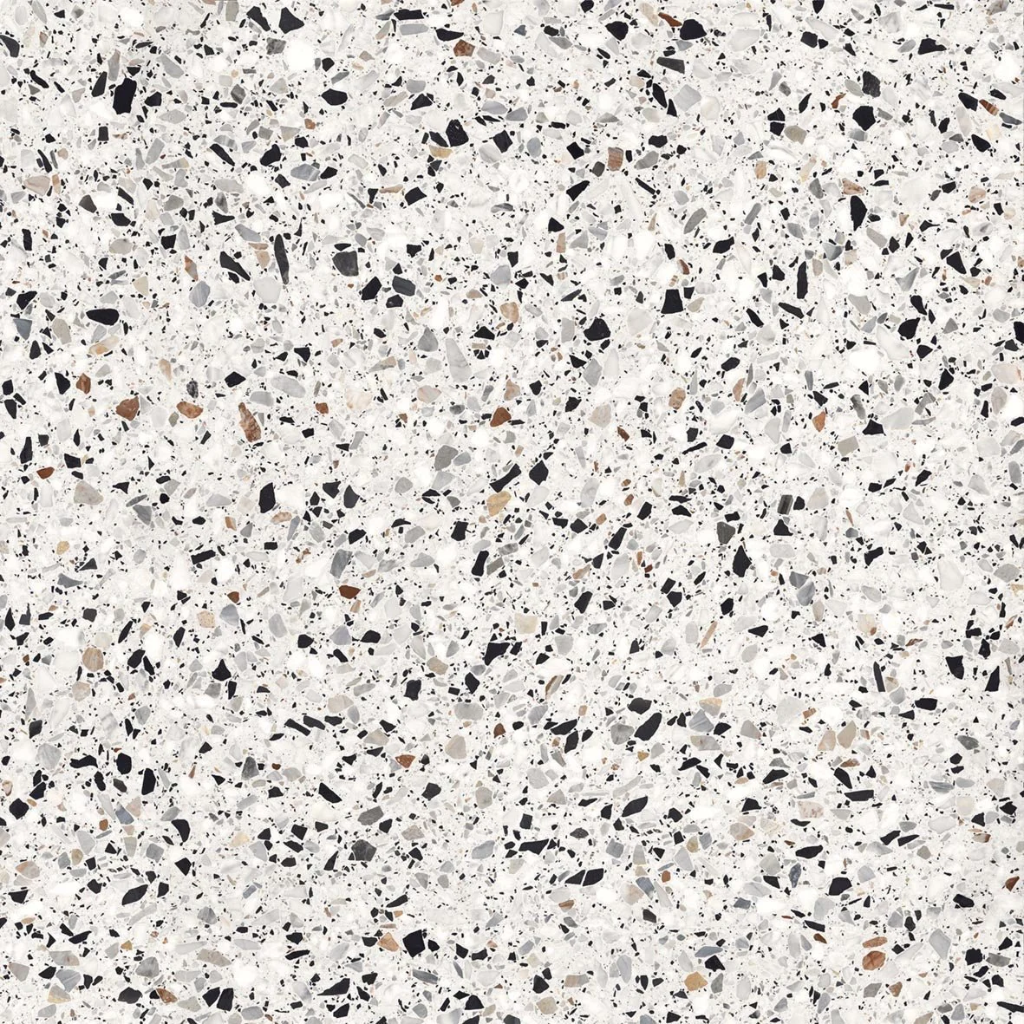
The protection is particularly useful on porous materials such as limestone, travertine, sandstone and some marbles. Dense granites and engineered surfaces may need less protection in certain settings, but suitability should never be assumed from appearance alone.
A sealer also cannot prevent every mark that homeowners call a stain. Acidic substances such as lemon juice, vinegar, wine and some bathroom cleaners can etch calcium-based stones, including marble, limestone and travertine. Etching is chemical damage to the surface finish, not absorbed staining. Sealing may reduce how readily a liquid enters the stone, but it will not stop acid from reacting with the stone if it remains in contact.
What sealing protects against - and what it does not
A professionally chosen sealer can make everyday maintenance more forgiving. On an internal stone floor, it can slow the absorption of drink spills, food oils and tracked-in grime. On a kitchen benchtop, it can reduce the chance of cooking oils and coloured foods leaving deep marks. In an outdoor setting, it can assist with dirt, organic debris and moisture-related discolouration.
The outcome depends on the exposure. A lightly used marble vanity has very different requirements from a busy café floor, apartment lobby or pool-surround paving. High-traffic areas face abrasion, frequent washing, footwear contaminants and repeated spills. Their protection needs to be assessed as part of an ongoing maintenance programme, not treated as a one-off task.
Sealing does not correct existing damage. It will not remove ingrained stains, restore a dull traffic path, repair chips or reverse etching. Applying sealer over contamination can make later treatment more difficult, particularly if the stone has not been properly cleaned and dried first. Restoration should come before protection where the surface is stained, worn or visibly uneven.
It also does not eliminate the need for suitable cleaning. Harsh acidic cleaners, abrasive powders, bleach-heavy products and unapproved degreasers may damage the finish or degrade protective performance. Natural stone should be maintained with pH-neutral products formulated for the material and rinsed or dried where required.
The stone type and finish make a difference
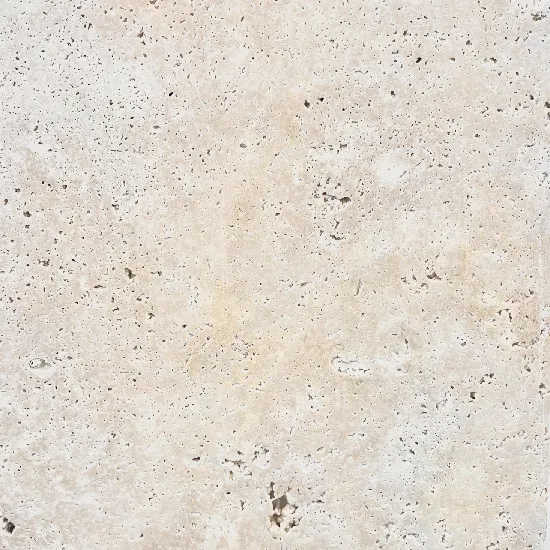
Stone care is never a one-size-fits-all service. Marble and limestone are often sensitive to acids and can show etching even when they are well sealed. Travertine has naturally occurring voids and can be highly variable in porosity. Sandstone commonly requires careful selection of products because excess surface treatment or poor application can affect its appearance and breathability.
Granite is generally more dense, but some varieties still absorb oils and moisture. Slate can be naturally cleft, textured and unevenly absorbent, while bluestone can develop moisture-related marks and requires an approach suited to its finish and location.
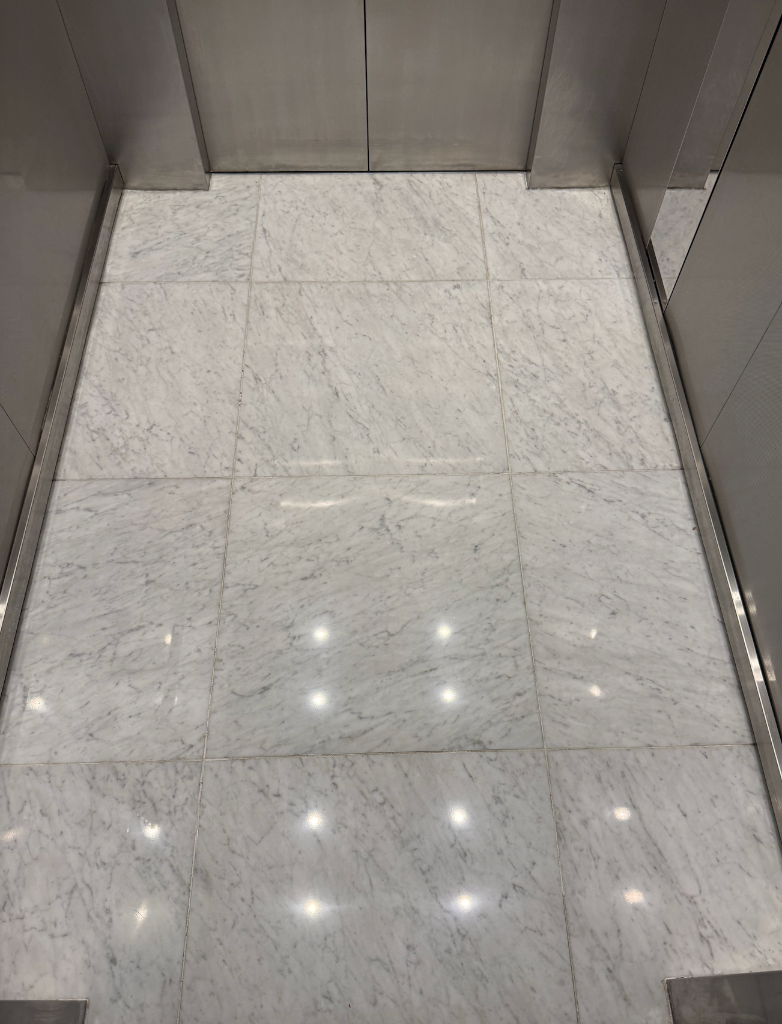
The finish changes the assessment as well. Honed stone has a soft, matte appearance that can conceal minor etching better than a high-polished surface, but it may show oils or darkening more readily. Polished stone may be less absorbent at the face, yet its reflective finish can make dull spots, scratches and etch marks highly visible. Textured external paving needs protection that supports cleanability without creating a slippery or artificial-looking surface.
For this reason, the best sealer is not automatically the strongest or glossiest product available. The right treatment should protect the material without compromising its natural character, safe use or future maintenance.
Timing matters as much as the product
A sealer only performs properly when the surface is prepared correctly. Stone must be clean, free from residues and allowed to dry to an appropriate level before application. Moisture, old coatings, cleaning chemicals and unseen contaminants can interfere with penetration and leave patchy results.
Application also needs control. Over-applying sealer, allowing it to dry on the surface or failing to remove excess can leave haze, streaking or a tacky finish. These issues are especially noticeable on polished stone and dark materials. A professional assessment considers absorbency, previous treatments, environmental conditions and the expected level of use before deciding on the product and method.
Newly installed stone should not simply be sealed on a fixed timetable. Adhesives, grouts and substrate moisture need adequate curing and drying time. External stone may also be affected by rain, humidity and rising moisture from below. In Sydney’s variable conditions, the timing of preparation and application can materially affect the result.
How long does stone sealer last?
There is no universal resealing schedule. A protected guest bathroom surface may retain useful performance for years, while a commercial entry, restaurant floor or heavily used kitchen bench may need review much sooner. Wear from foot traffic, cleaning methods, UV exposure and repeated spills all affect performance.
A simple water-drop observation can indicate whether protection may be weakening. If clean water darkens the stone quickly instead of beading or remaining at the surface for a short period, it may be time for a professional inspection. This is only a guide, not a complete test. Oil resistance, surface condition and previous treatments also need to be considered.
Resealing too frequently is not necessarily beneficial. If the existing treatment is still functioning, adding more product can create build-up or application problems. The goal is appropriate protection based on condition, not a routine application regardless of need.
Good habits still prevent most stains
Sealing works best alongside prompt, material-aware care. Blot spills rather than wiping them across a larger area, particularly red wine, cooking oil, coffee, cosmetics and coloured sauces. Use coasters beneath drinks, trivets under hot cookware and mats near entries where grit and moisture are likely to be carried inside.
For floors, regular dry dust mopping removes abrasive particles before they scratch or wear the finish. Clean wet spills promptly using a pH-neutral stone cleaner and a soft cloth or mop. Avoid flooding stone surfaces with water, especially where grout lines, joints or underlying moisture may be a concern.
In commercial settings, a documented cleaning and inspection routine protects both the stone and the property’s presentation. Staff should know which products are approved, how spills are managed and when marks require specialist attention rather than repeated scrubbing.
When professional stone care is the better option
If a surface is already darkened, patchy, dull or showing water rings, a sealer alone is unlikely to deliver the outcome you want. The stone may need specialist stain treatment, honing, polishing, cleaning or restoration before it can be protected effectively.
Sydney Stone Care assesses natural stone according to its type, finish, location and condition. That approach helps avoid common mistakes such as using an unsuitable topical coating, sealing over contaminants or treating etching as if it were a simple stain.
The practical value of sealing is time: time to respond to a spill, time before contamination becomes embedded and time between major restoration work. With the right treatment and ongoing care, your natural stone can continue to look considered, clean and appropriate to the standard of the property.