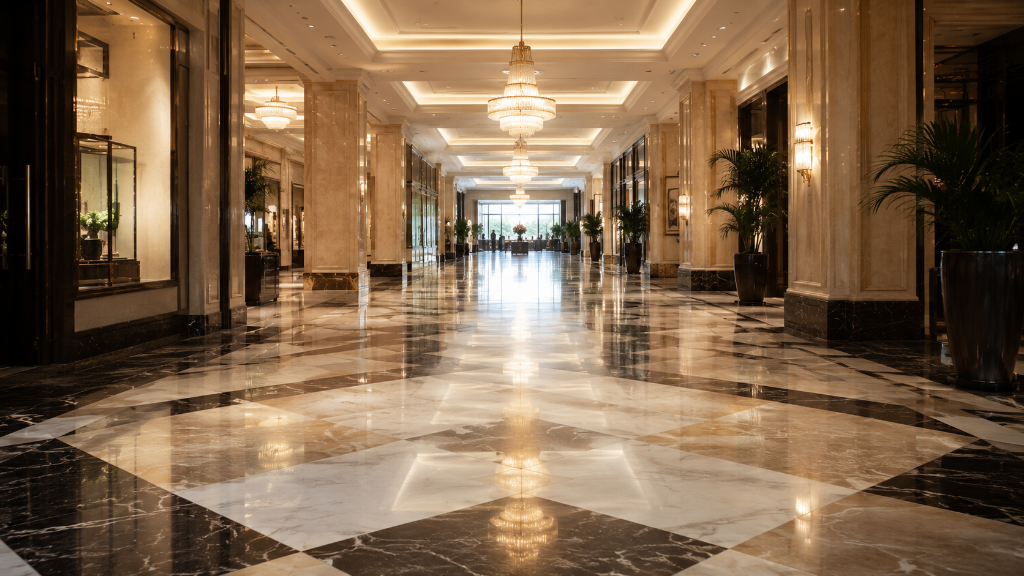
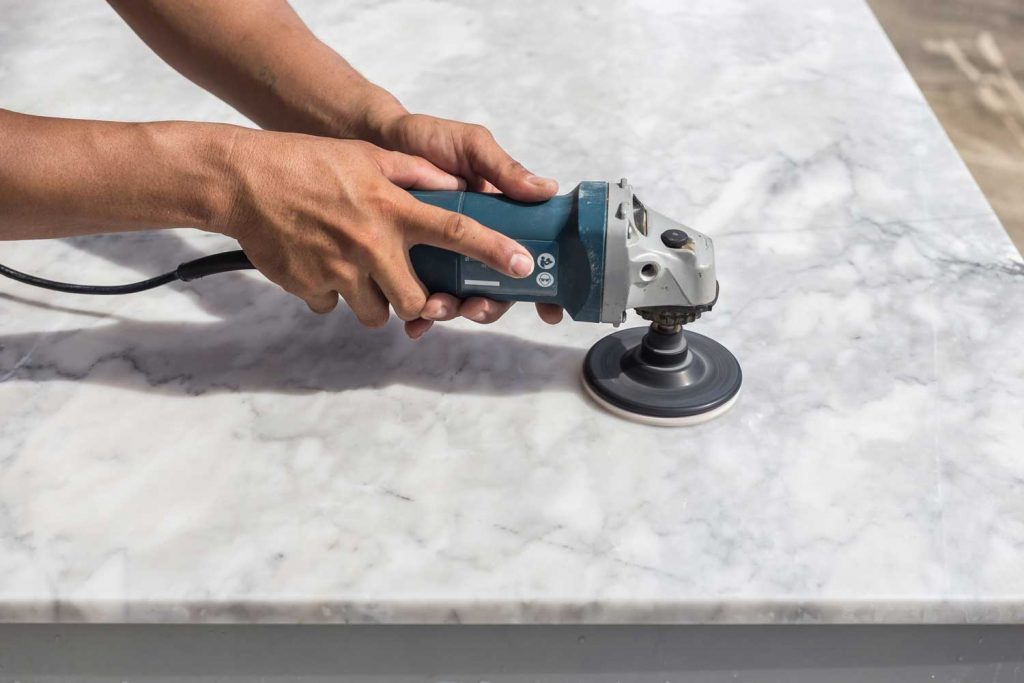
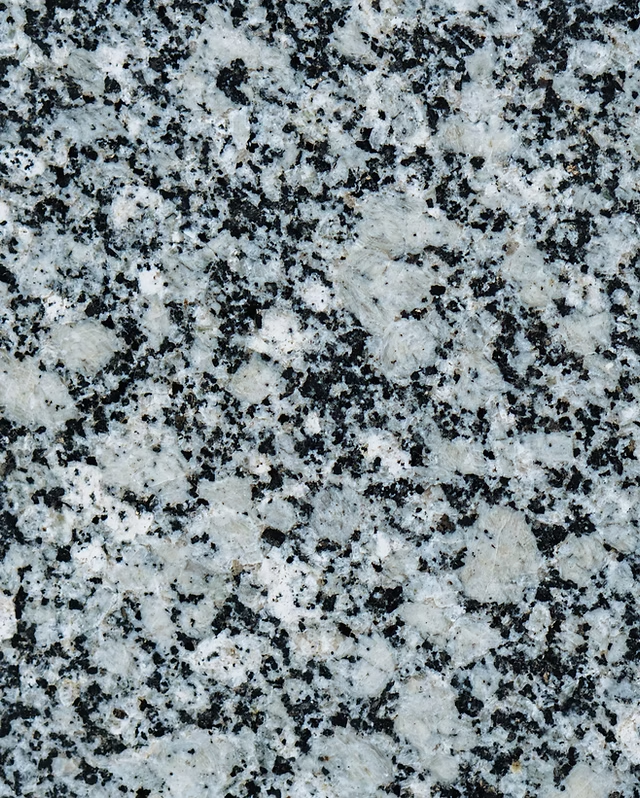
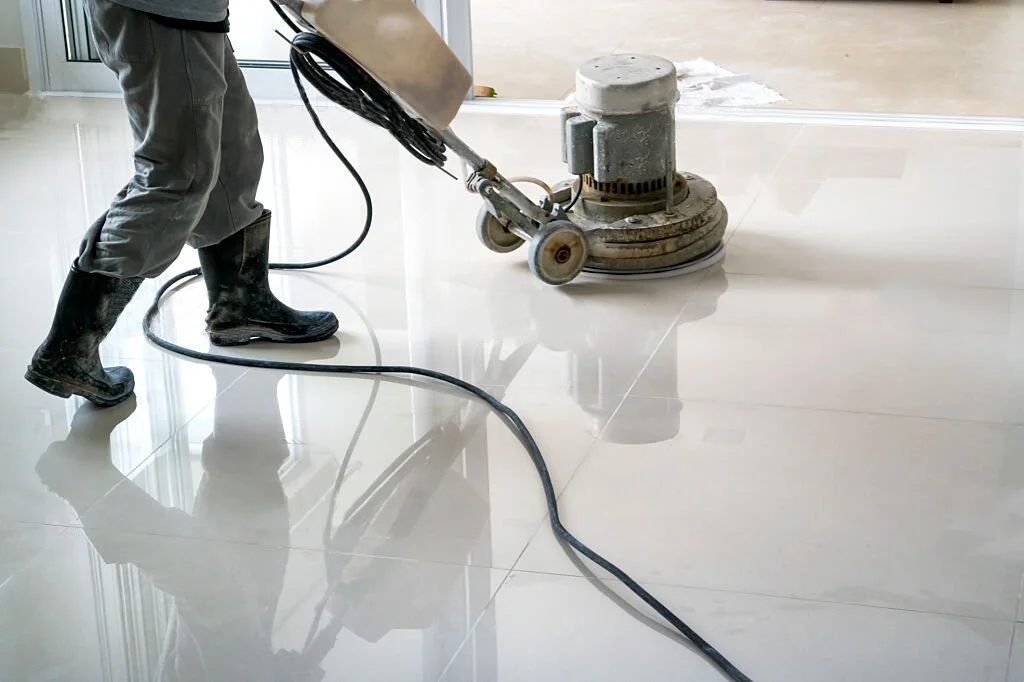
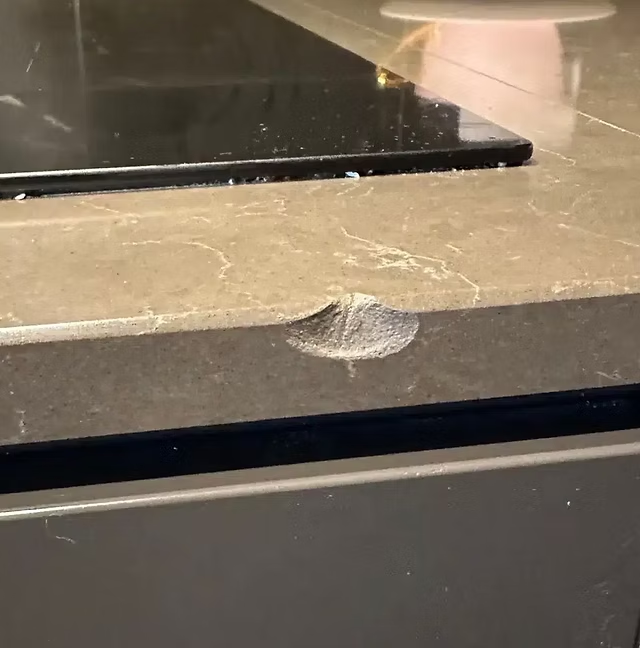
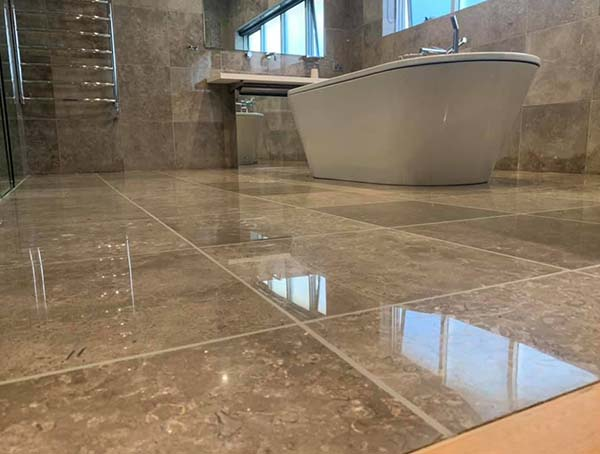
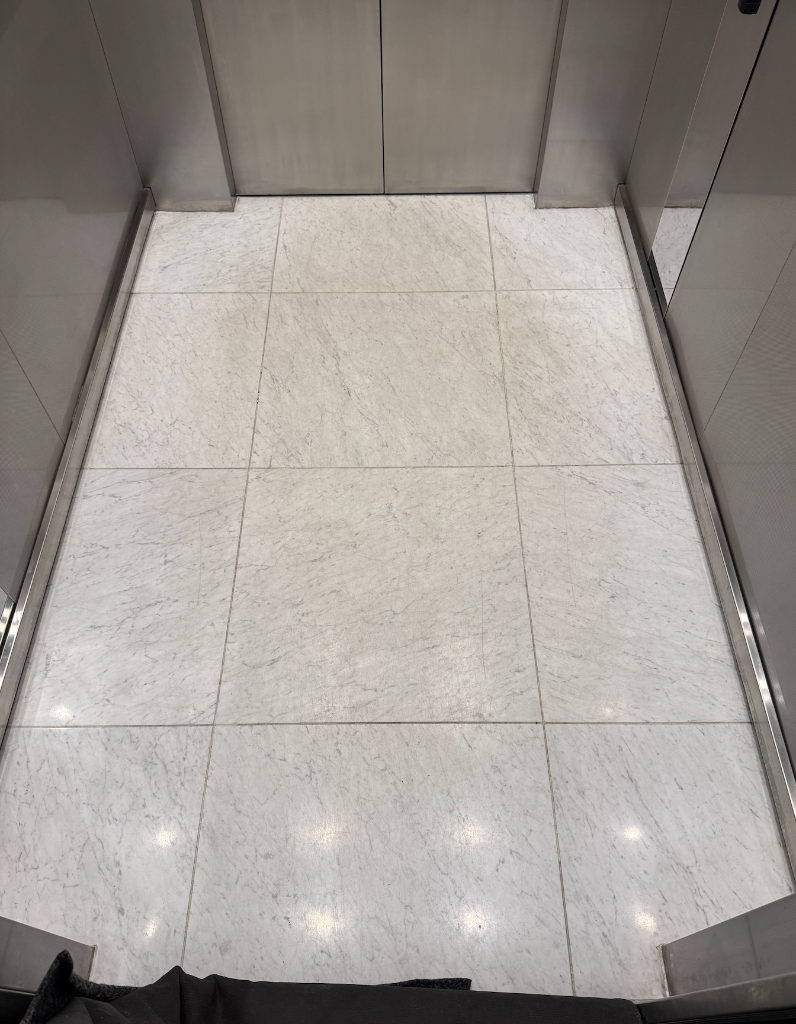
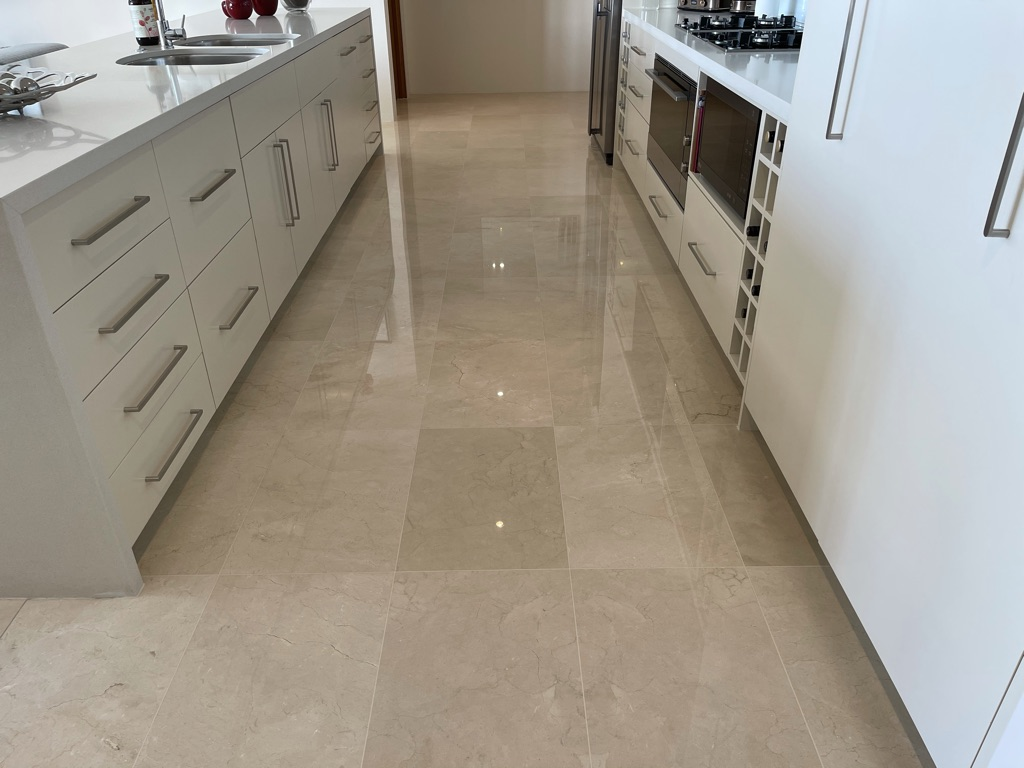
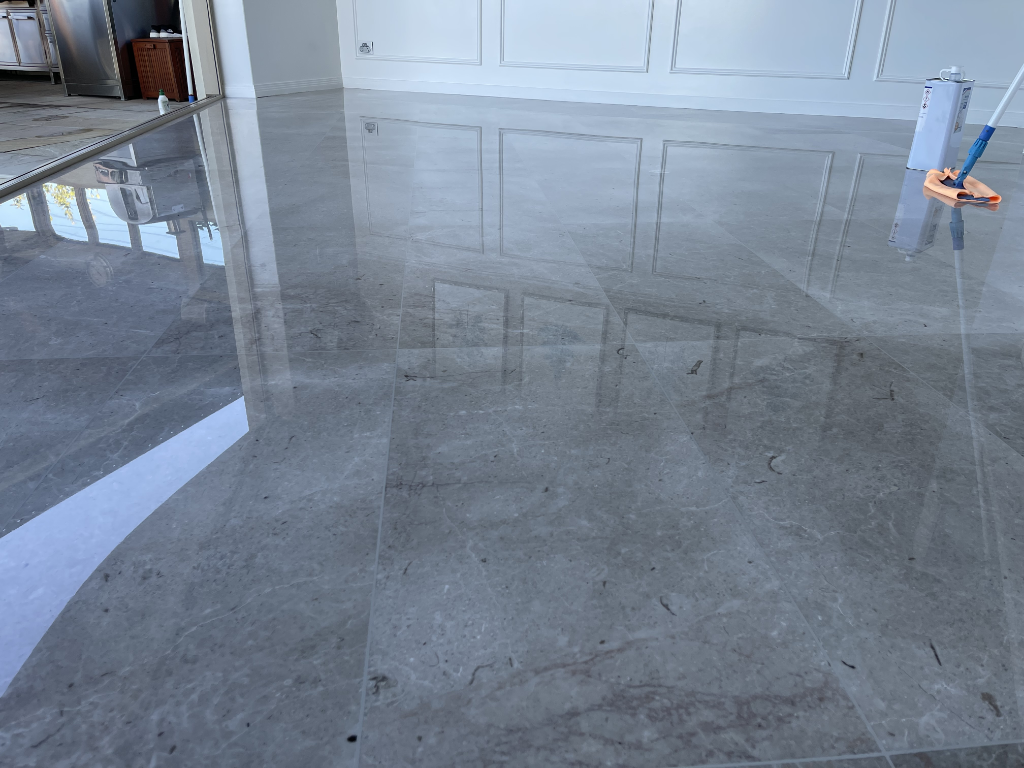
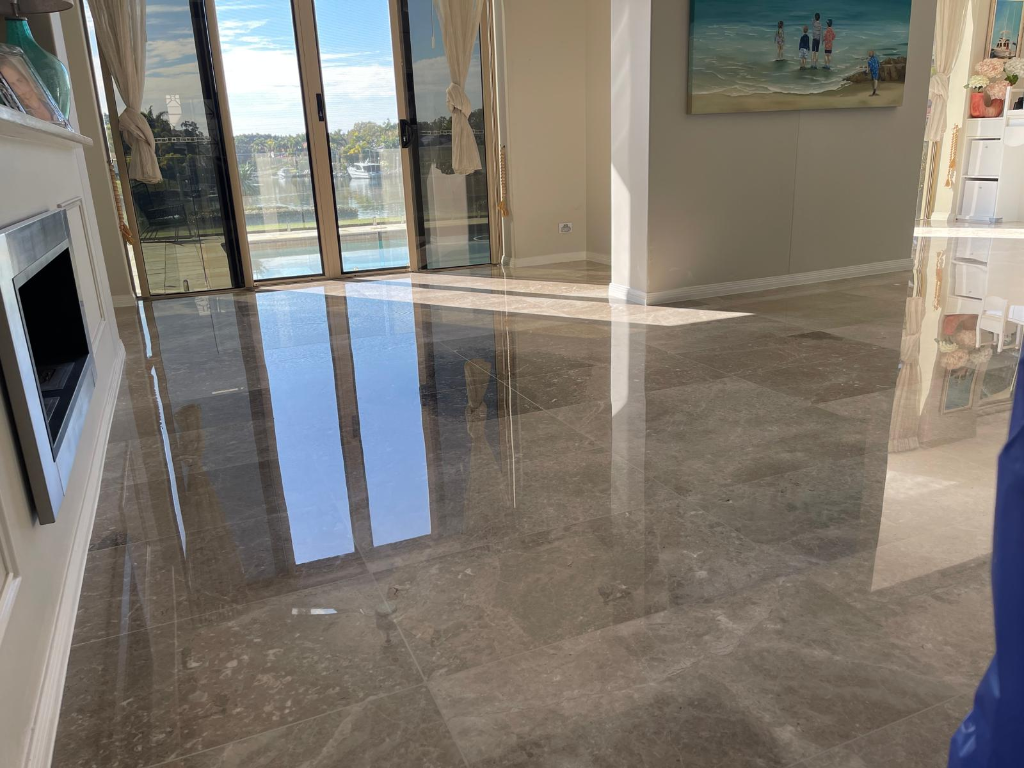
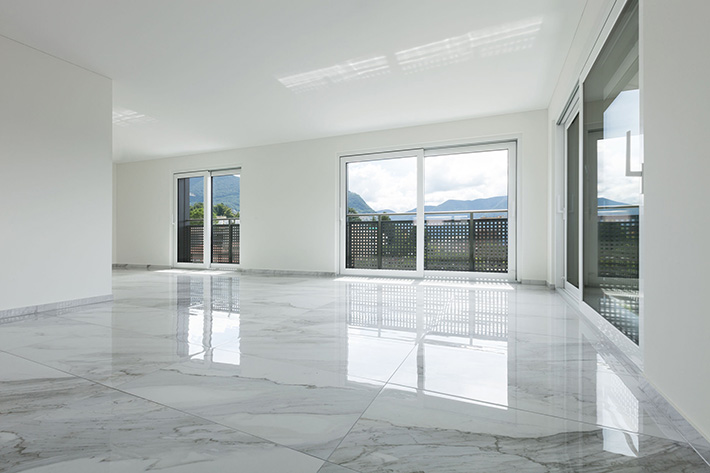
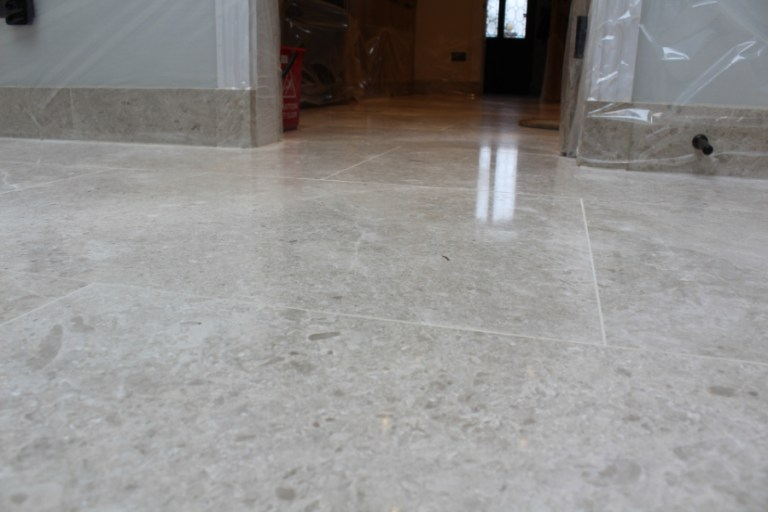
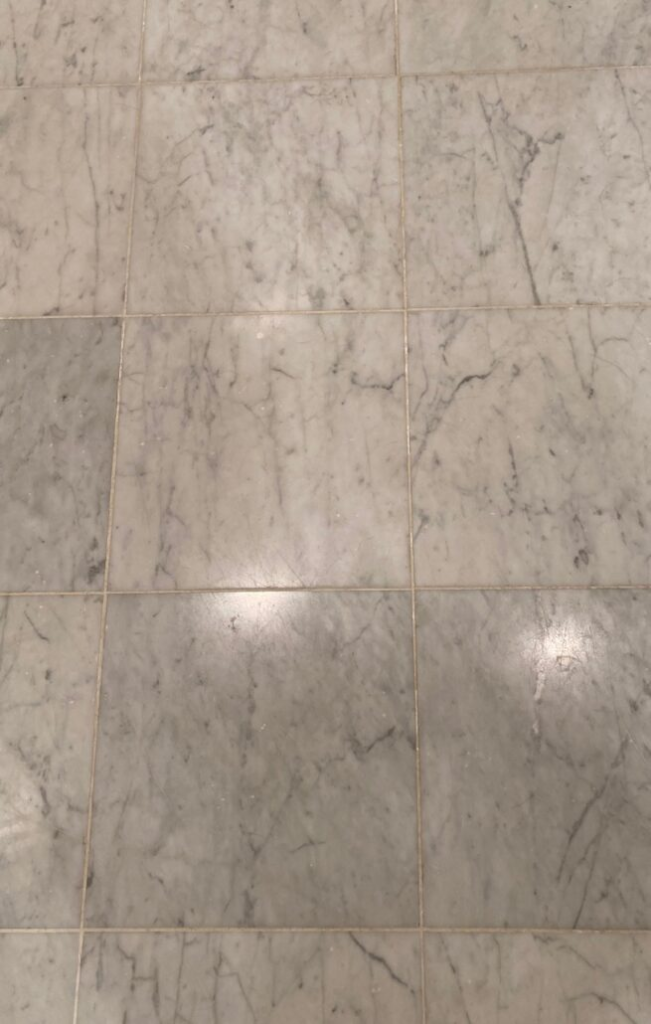
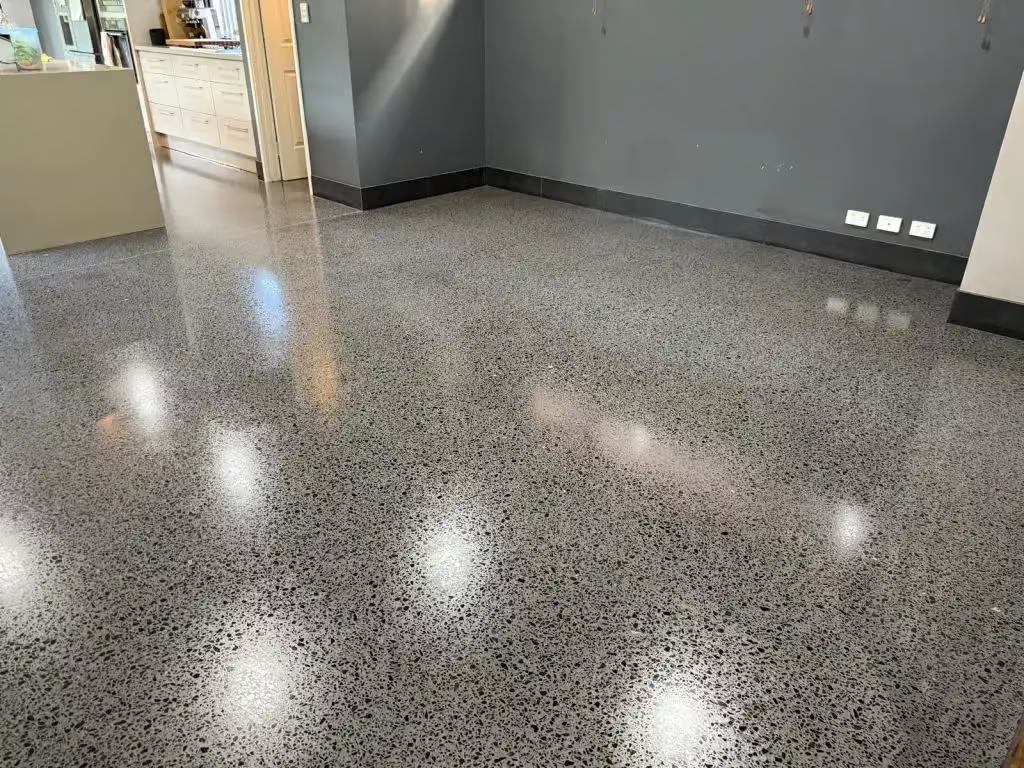
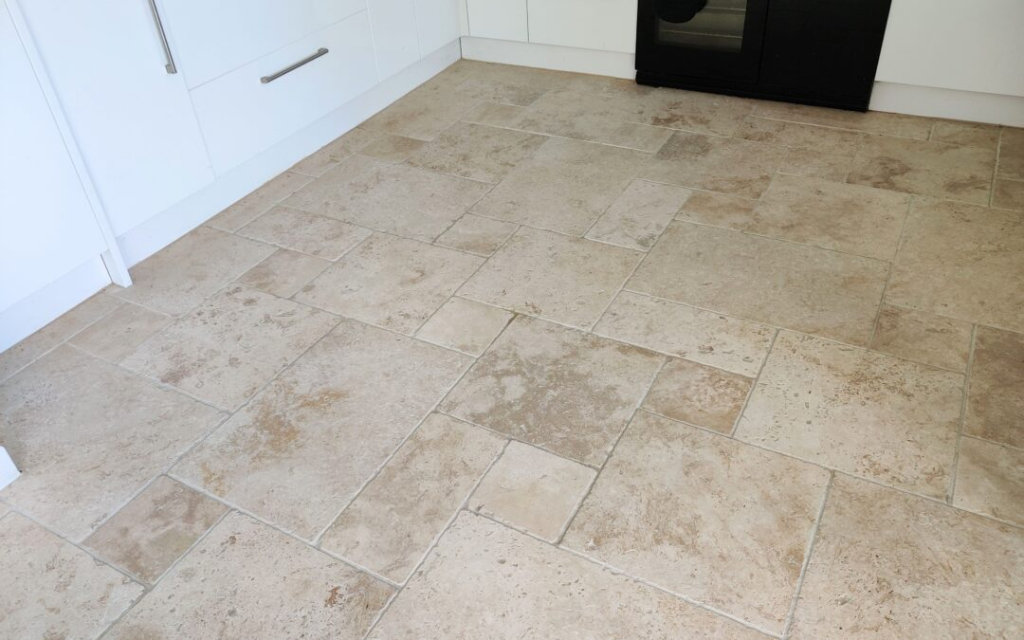
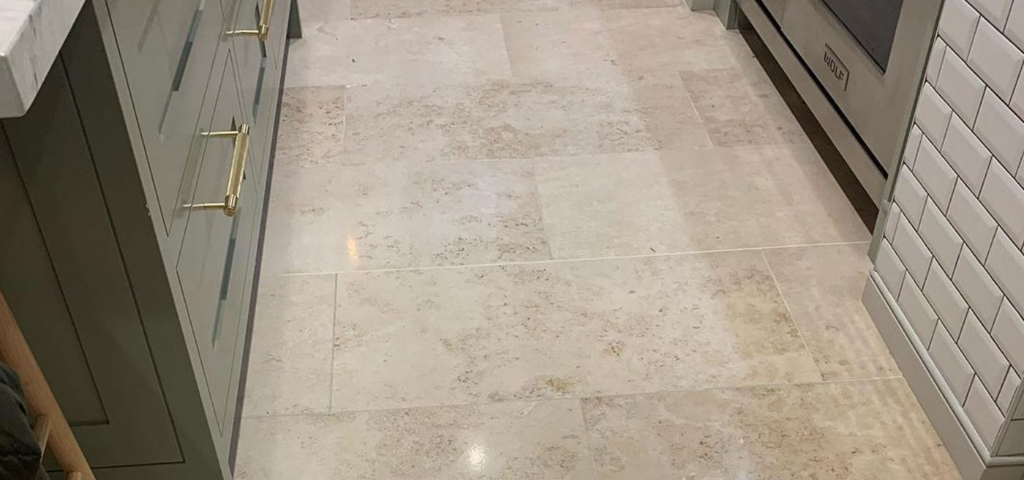
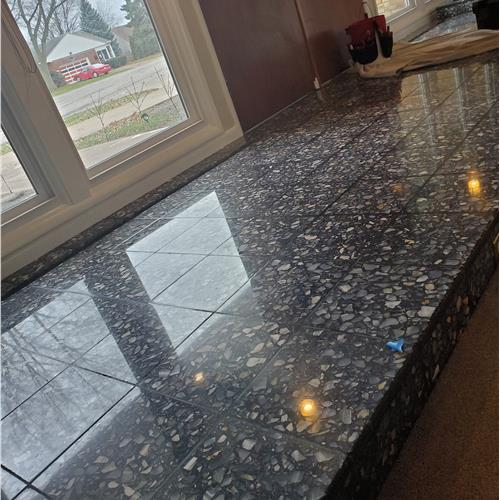
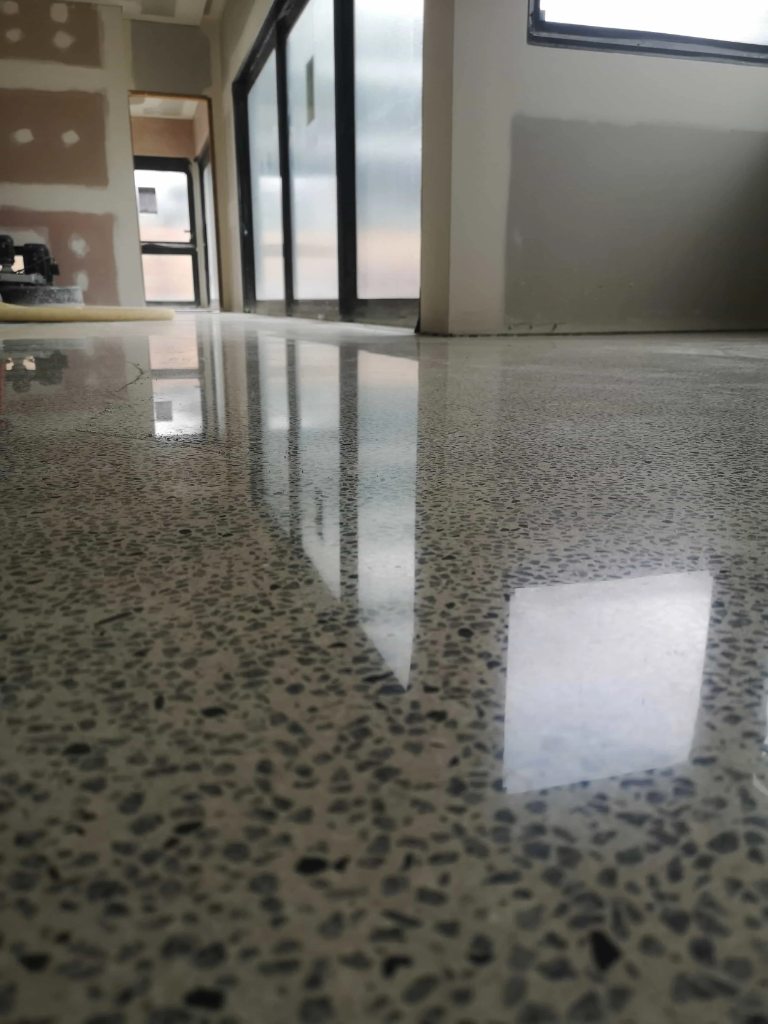
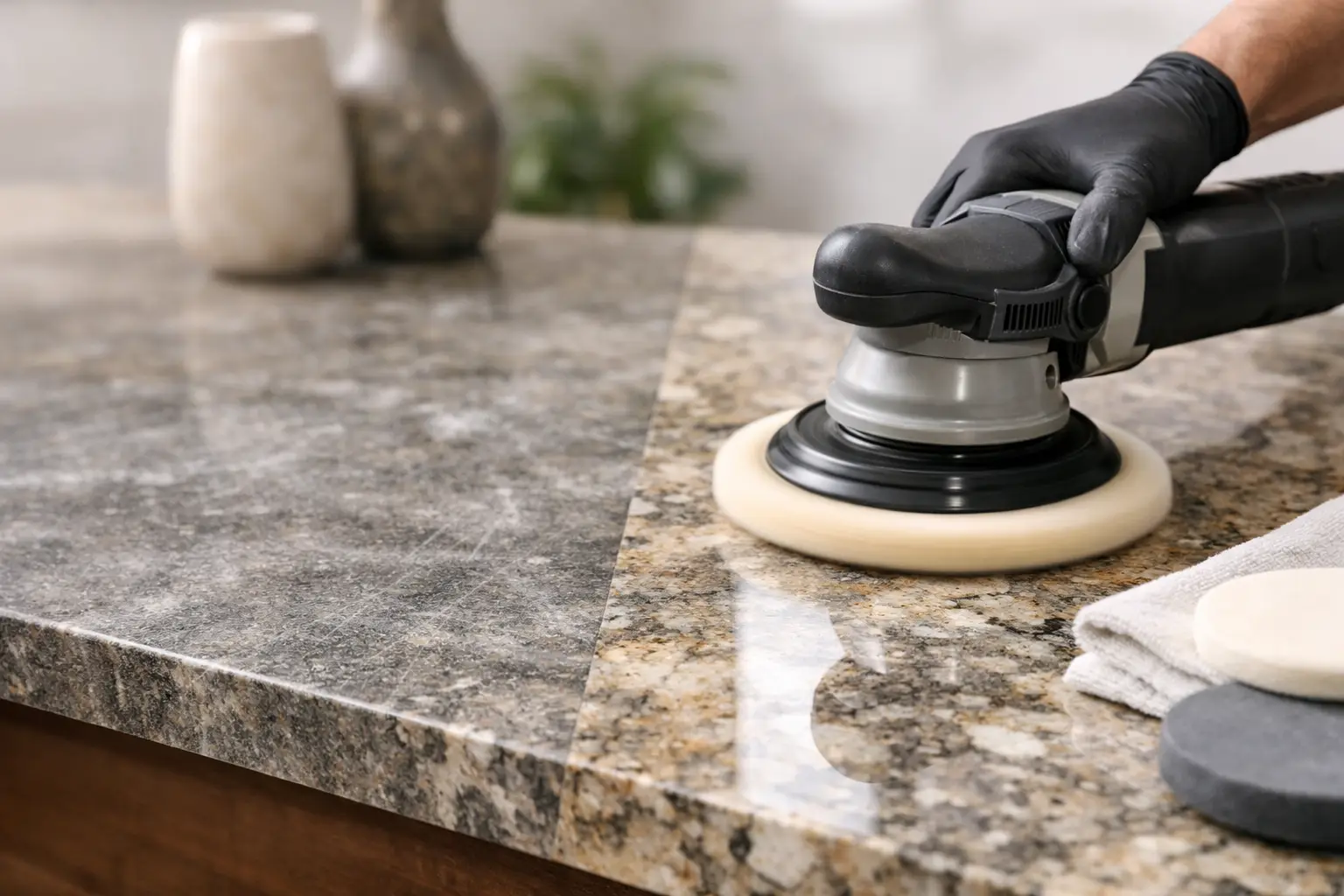
A marble foyer that has lost its reflection, a limestone benchtop marked by everyday use, or a granite floor dulled by foot traffic can all prompt the same question: does stone need polishing? Sometimes it does. But polishing is not a universal fix, and applying the wrong process can leave a surface looking uneven, overly glossy or still visibly damaged. The right treatment depends on the stone, its existing finish and the cause of the change.
Does Stone Need Polishing in Every Situation?
No. Natural stone does not need polishing simply because it is old, dirty or no longer looks as it did on installation day. Polishing is a mechanical refinement process used to restore or increase sheen on suitable stone surfaces. It is most effective where the original finish was polished and the surface has become dull through light wear, fine scratching or gradual loss of clarity.
Many surfaces are intentionally honed, textured, brushed, flamed or tumbled. These finishes are designed to be low-sheen or slip-resistant. Polishing them to a high gloss would change their appearance and, in some settings, may affect their practical performance. Exterior paths, pool surrounds and commercial entry areas are common examples where a highly polished finish may not be appropriate.
A professional assessment separates a finish issue from a cleaning, sealing or repair issue. That distinction protects both the appearance and the value of the stone.
What Polishing Actually Does
Polishing works by progressively refining the surface with specialist abrasives and, where appropriate, polishing compounds. The process reduces microscopic scratches and irregularities that scatter light. As the surface becomes more even, it reflects light more clearly and regains depth of colour and visual clarity.
It does not replace missing material, disguise deep chips or remove every stain. A floor with deep gouges may require grinding or honing before polishing. A benchtop with etch marks from acidic food or cleaning products may need targeted refinishing. If the problem is absorbed oil, wine or rust staining, the correct treatment is stain removal rather than additional shine.
This is why a polished surface can still look poor after an unsuitable treatment. Shine alone is not restoration. The stone must first be clean, sound and prepared to the correct level.
Stone Types Respond Differently
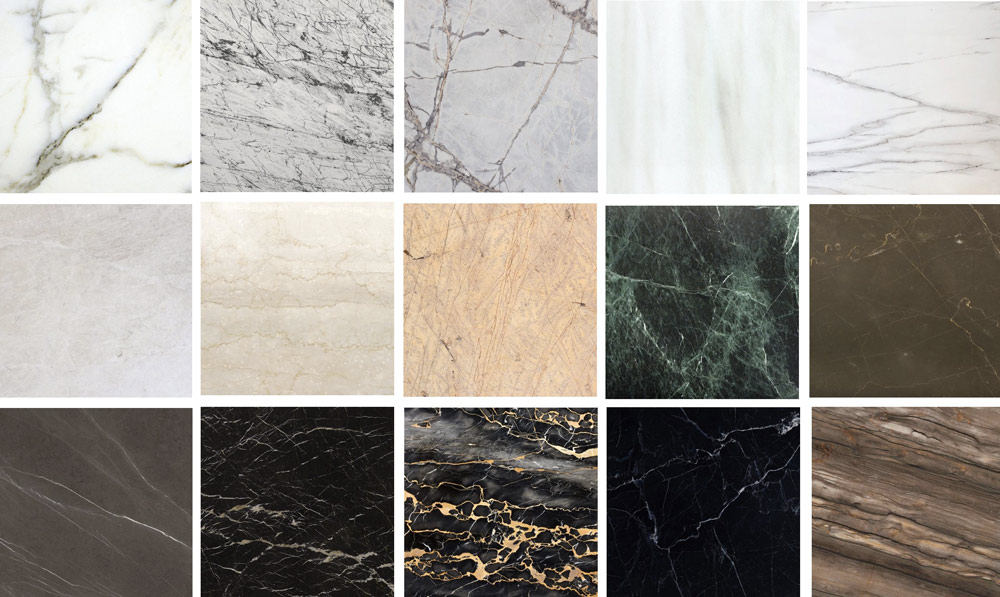
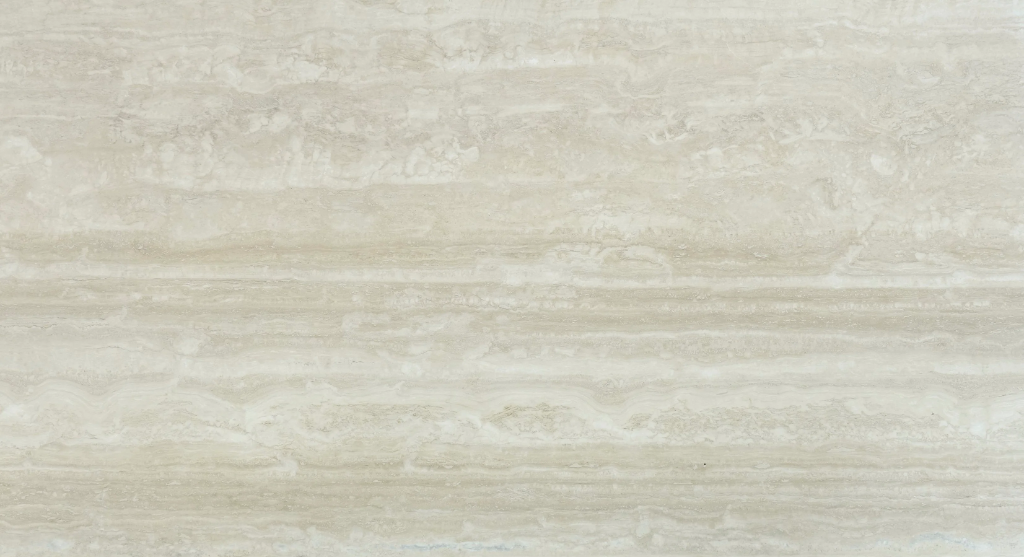
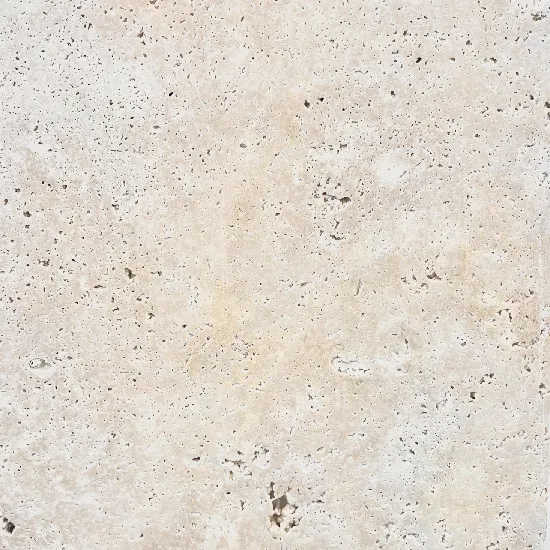
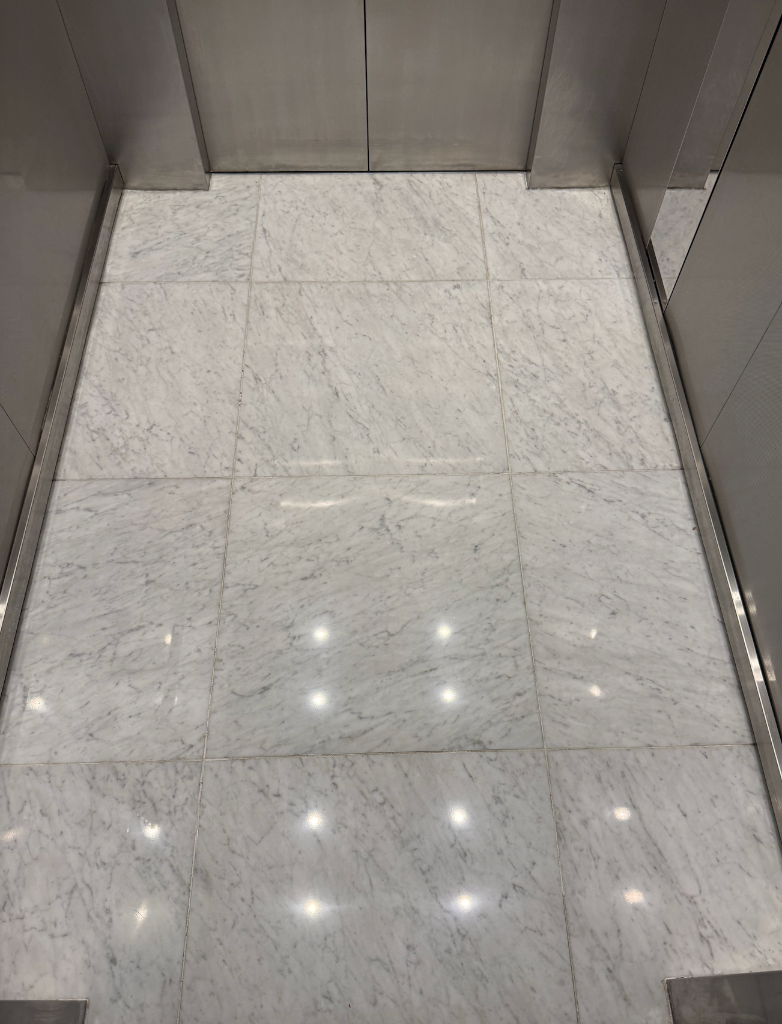
The mineral makeup and density of natural stone determine how it should be treated. Marble, travertine and limestone are calcium-based stones. They can often be honed and polished successfully, but they are sensitive to acidic products. Etching is especially common on marble dining tables, vanity tops and hospitality floors, where spills or unsuitable cleaners can leave pale, dull marks.
Granite is generally harder and more resistant to scratching, although it can still lose its polish over time. Restoring granite often requires a different abrasive sequence and technique from marble. Some dark granites can show traffic lanes, water marks or patchiness that needs careful correction rather than a general polish.
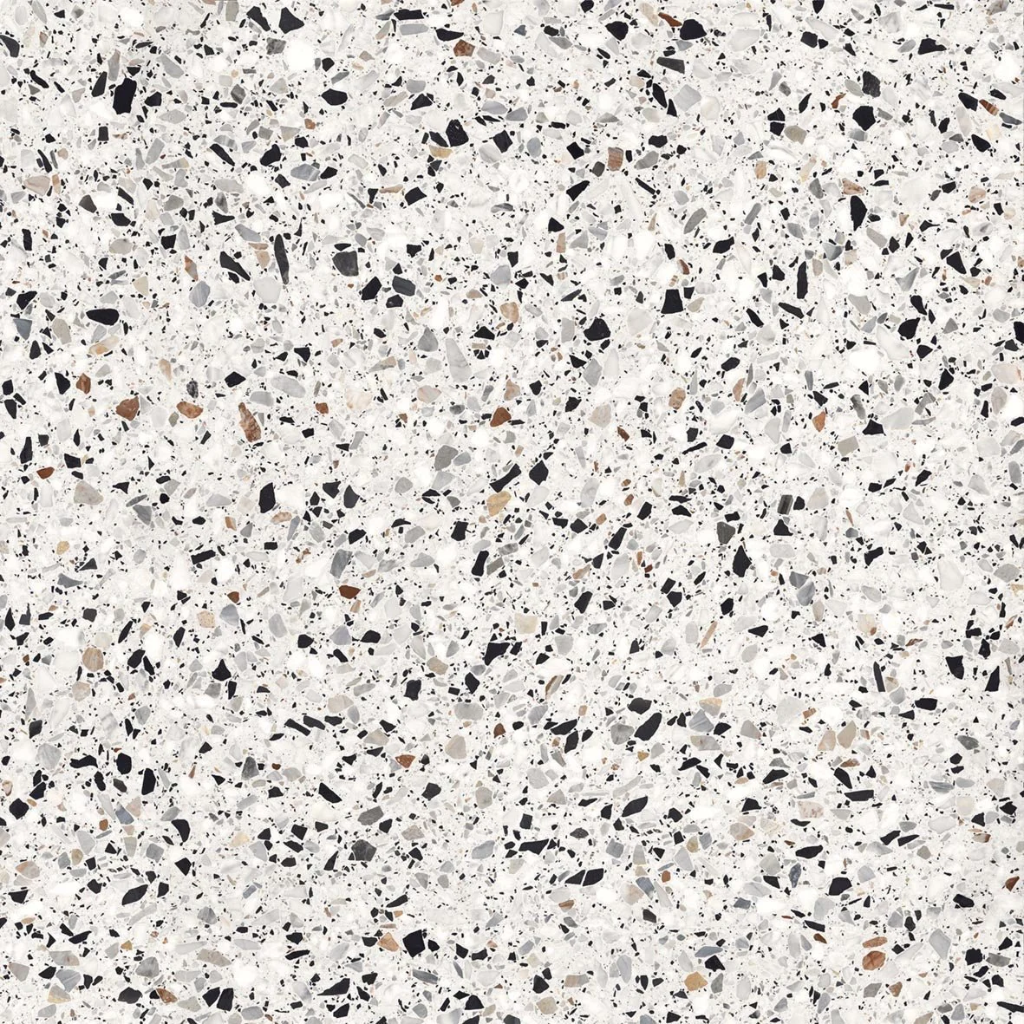
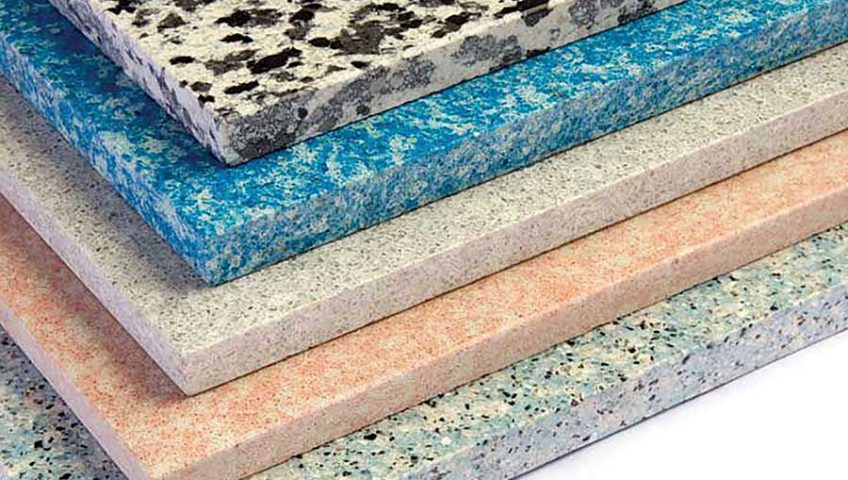
Engineered stone, terrazzo, slate and sandstone each have their own requirements. Slate and sandstone, for example, are often valued for their natural texture rather than gloss. Treating all stone as though it were marble is a common cause of disappointing results.
The existing finish matters as much as the stone
Before any work begins, the desired finish should be clear. A polished stone floor should have consistent clarity without swirl marks or dull patches. A honed floor should look smooth and even, with a soft matte appearance. A textured outdoor surface should retain its grip and character.
Matching an original finish is usually the best approach for premium homes, strata common areas and commercial interiors. It maintains the intended design while restoring a consistent standard of presentation.
Signs Your Stone May Benefit From Polishing
Polishing may be the right option when a previously glossy surface has become generally dull, shows fine scratching in reflected light, or has worn unevenly in frequently used areas. In lobbies, retail spaces and hotel entries, the contrast between high-traffic walkways and protected edges is often a clear sign that the finish has worn.
On residential marble, etching can make polished areas appear cloudy or faded, particularly around kitchen benches, bathroom vanities and dining spaces. If those marks sit at the surface, honing and polishing can often restore a uniform finish.
Polishing is also useful after certain repairs. Once chips, filled cracks or lippage have been corrected, the surrounding stone may need refining so the repair blends naturally with the wider surface.
The key is consistency. A properly restored stone surface should not look selectively shiny. It should look like the material was always intended to look that way.
When Polishing Is Not the Best Answer
A surface that looks dull may simply have residue from cleaning products, soap, hard water or an ageing topical coating. In these cases, polishing over the residue can produce uneven results. Specialist deep cleaning or coating removal may be required first.
Severe stains are another separate issue. Polishing may remove a shallow surface mark, but it will not reliably draw contaminants out of porous stone. Poultice treatments or stone-specific stain removal methods are more suitable where staining has penetrated below the surface.
Polishing should also be approached cautiously on outdoor stone. Sydney conditions bring strong UV exposure, moisture, leaf tannins, pool chemicals and windblown grit. A glossy finish may be difficult to maintain outdoors and can be unsuitable near wet areas. Preservation in these locations may involve cleaning, repairs, a suitable impregnating sealer and maintenance that respects the stone's natural texture.
Polishing, Honing and Sealing Are Different Services
These terms are often used interchangeably, but they solve different problems. Honing removes surface damage and leaves a smooth, low-sheen finish. Polishing follows finer refinement stages to create greater reflectivity. Sealing adds stain resistance by reducing how readily liquids enter the stone.
A sealer does not make stone shiny, and a polish does not provide the same protection as a quality sealer. Neither process makes natural stone completely stain-proof or maintenance-free. Even well-sealed stone needs prompt spill removal and appropriate cleaning.
For a marble floor with widespread etching, the appropriate programme may be honing followed by polishing and sealing. For a sound but porous sandstone patio, cleaning and sealing may be enough. The process should be selected after testing the stone, rather than assumed from a photograph or a single dull patch.
Why DIY Polishing Can Create More Work
Retail stone polishes can be useful for short-term maintenance in limited situations, but they are not a substitute for professional restoration. Some products leave a film that attracts dirt, creates streaking or builds up unevenly. Others are not suitable for calcium-based stone and can worsen etching or alter the surface appearance.
Machine polishing also requires control of pressure, abrasives, moisture and edge work. An inconsistent approach can create swirl marks, picture framing around edges, hollow-looking patches or a finish that differs from one area to another. On premium stone, correcting a poor result can be more involved than restoring ordinary wear.
For commercial premises, there is an added operational consideration. Wet processes, noise, access restrictions and curing times need to be planned around staff, residents or customers. A specialist can recommend a staged approach that maintains safety and minimises disruption.
How to Preserve a Restored Finish
Once stone has been professionally restored, the daily routine makes a significant difference. Use a pH-neutral cleaner formulated for natural stone, rather than acidic bathroom products, vinegar or harsh degreasers. Remove spills promptly, especially citrus, wine, oils and sauces on marble and limestone.
Entry mats reduce abrasive grit on internal stone floors, while felt pads under furniture help prevent scratching. In commercial settings, regular dust control is essential because fine grit acts like sandpaper under shoes and trolley wheels. Sealers should be reviewed periodically, particularly on porous stone in kitchens, bathrooms and outdoor areas.
Professional maintenance does not always mean another full polish. Light cleaning, localised stain treatment, sealer renewal or a low-level honing process may be all that is required to keep the surface performing well.
The Best Finish Is the One That Suits the Stone
Polishing is valuable when it restores the intended clarity of marble, limestone, travertine, granite or another stone that was designed to carry a polished finish. It is not the automatic answer to every mark, stain or dull area. The best result comes from identifying what has changed, choosing a process suited to the material and retaining the finish that works for the space.
For Sydney homes and commercial properties, specialist stone care is an investment in presentation, durability and long-term asset protection. A considered assessment from Sydney Stone Care can help ensure the next treatment improves the stone rather than merely making it look different.