
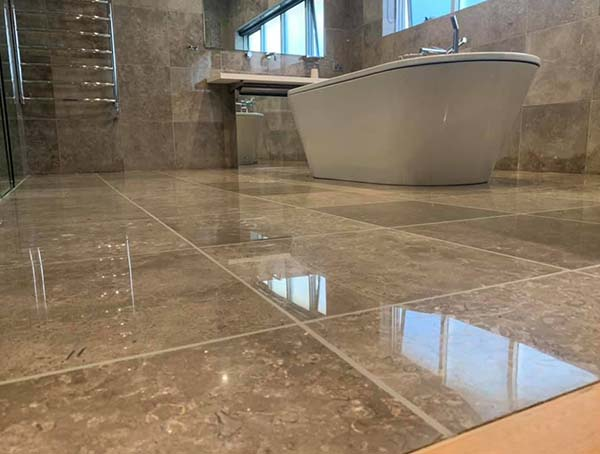
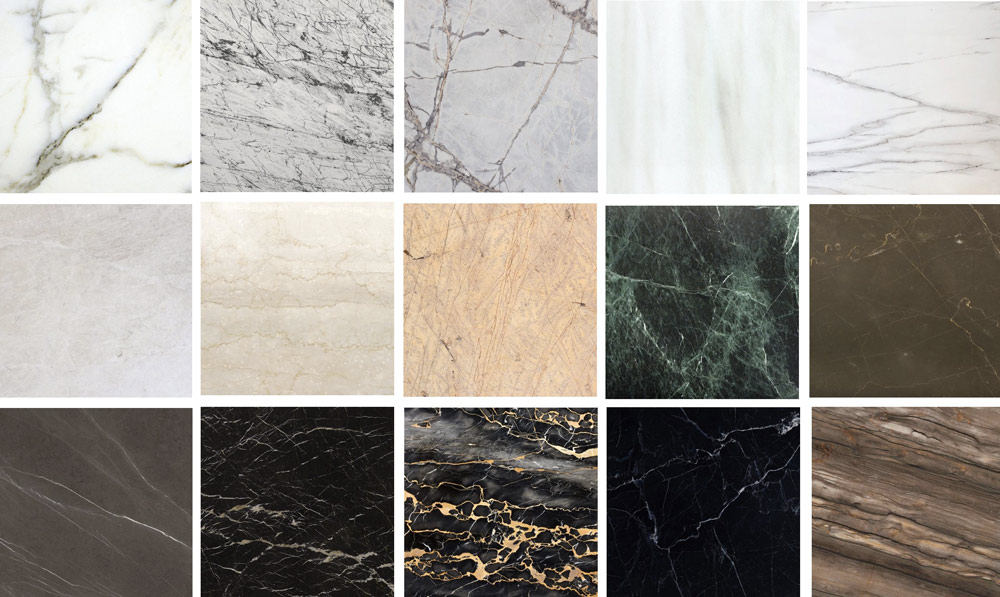
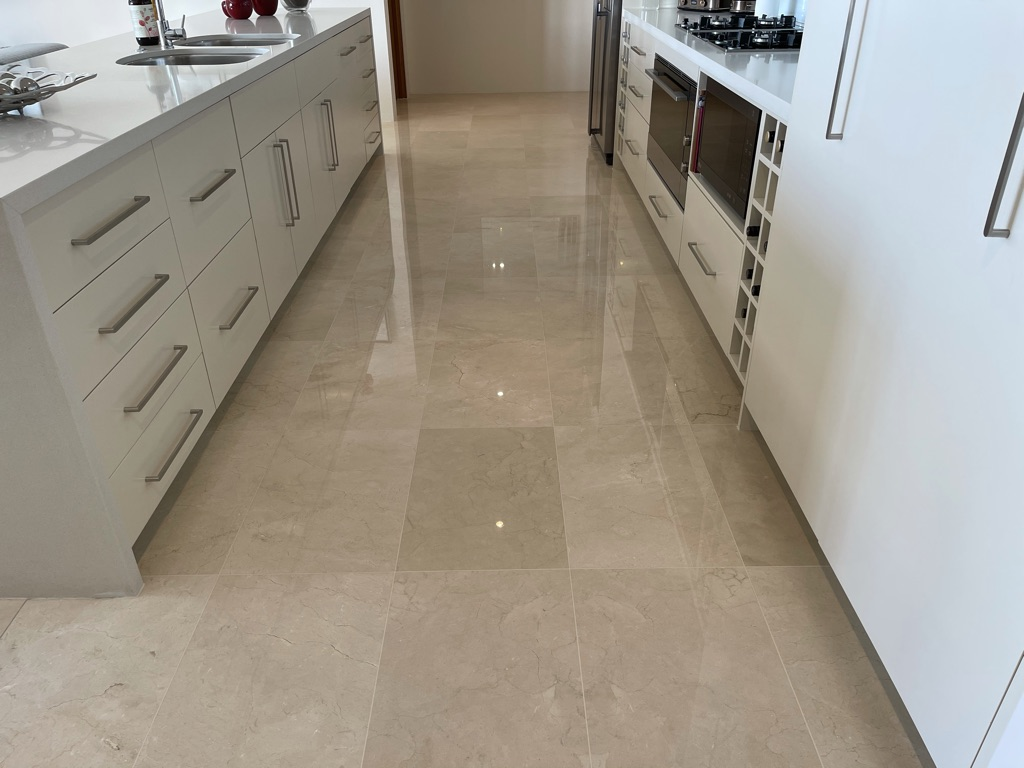
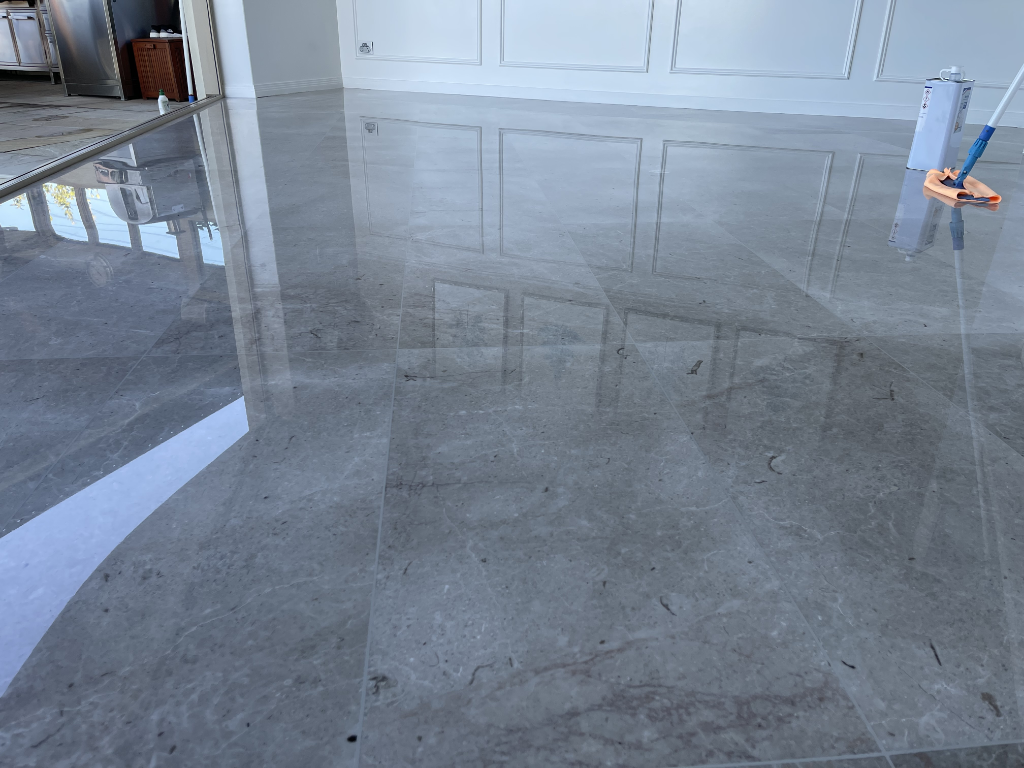
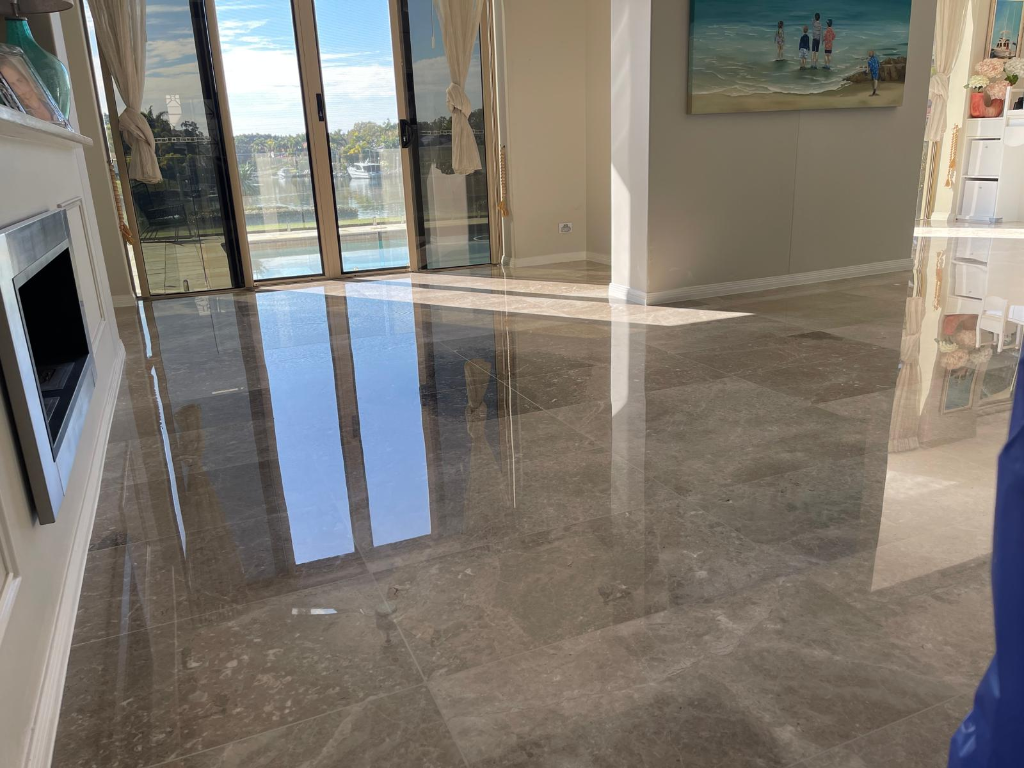
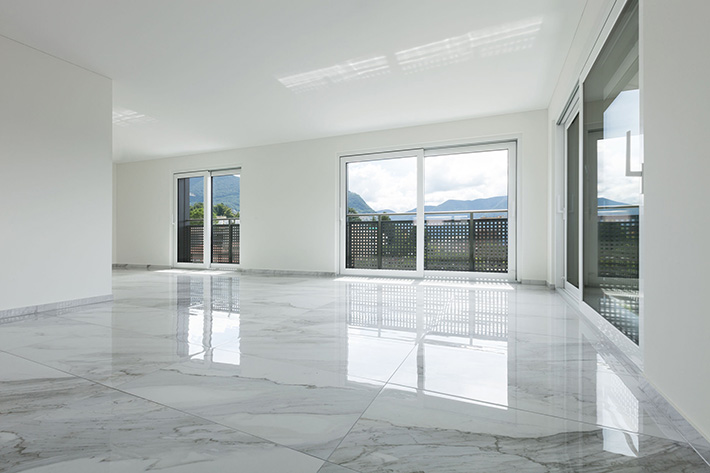
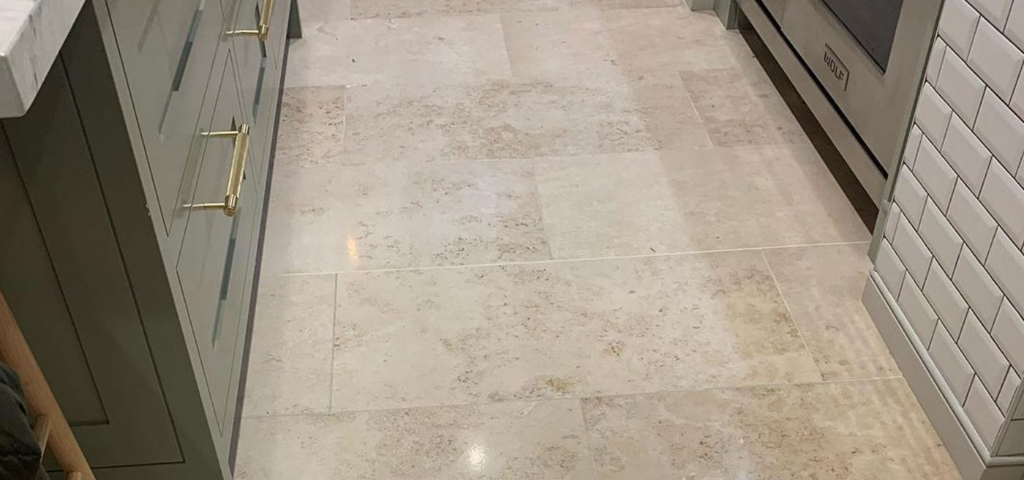
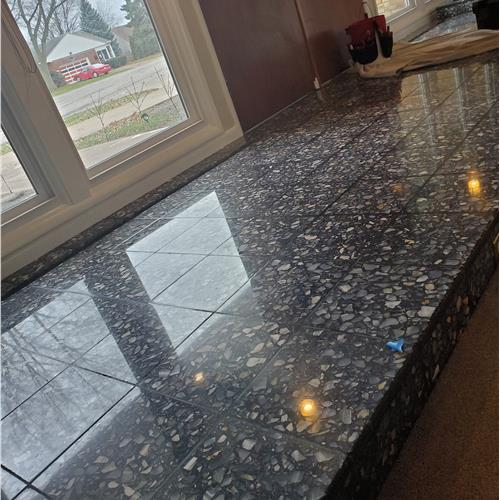
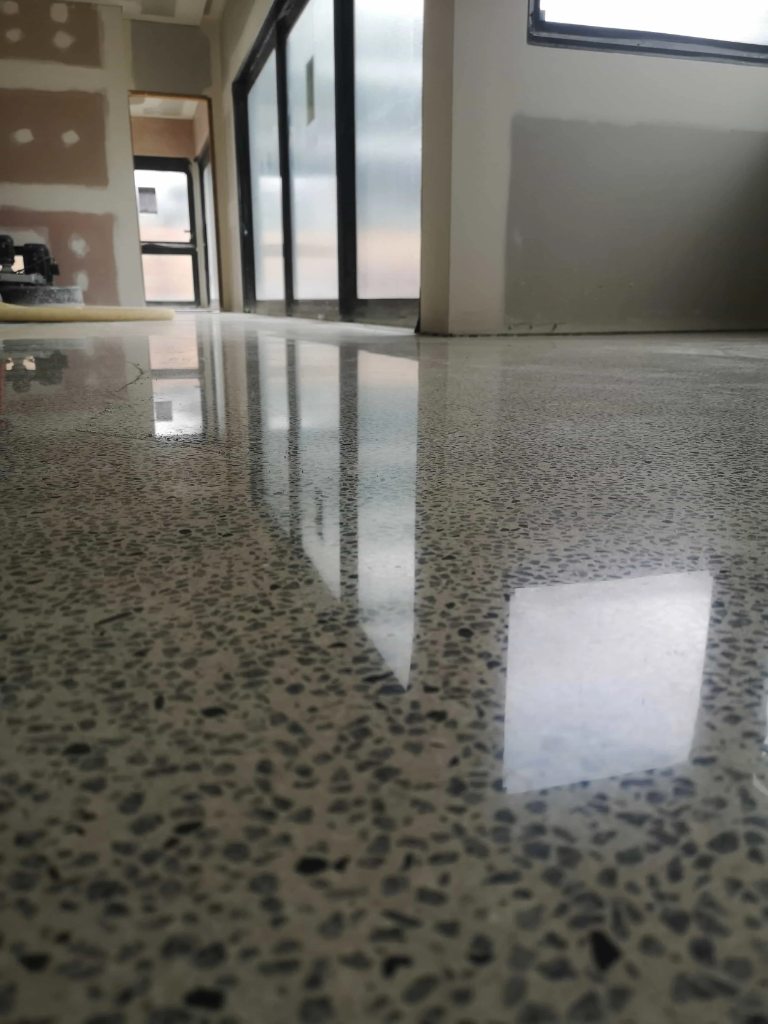
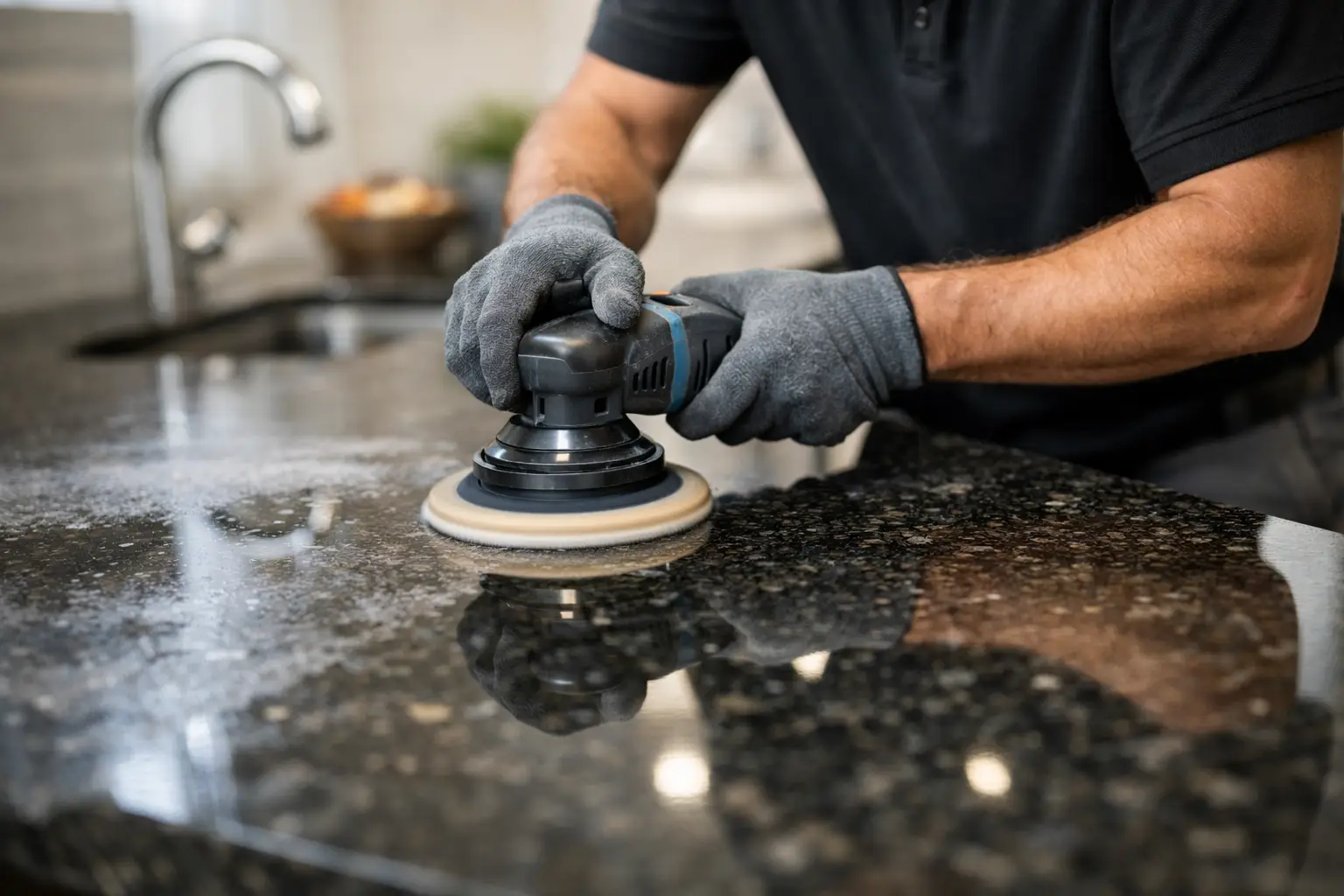
A granite benchtop can lose its appeal slowly. What starts as a rich, reflective surface can become flat, patchy or marked from everyday use, often without obvious damage. That is usually when granite benchtop polishing becomes less about appearance alone and more about protecting the stone properly.
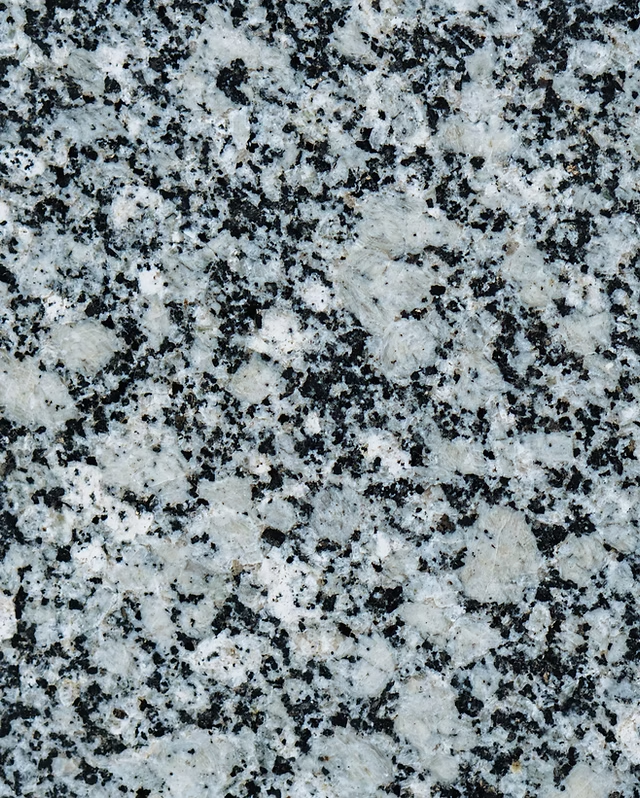
Granite is known for its durability, but durable does not mean maintenance-free. In busy kitchens, bars, bathrooms and commercial fit-outs, the surface is exposed to abrasion, spills, cleaning chemicals and daily wear. Polishing is the process that helps restore clarity, improve light reflection and maintain the finish the stone was chosen for in the first place.
What granite benchtop polishing actually does
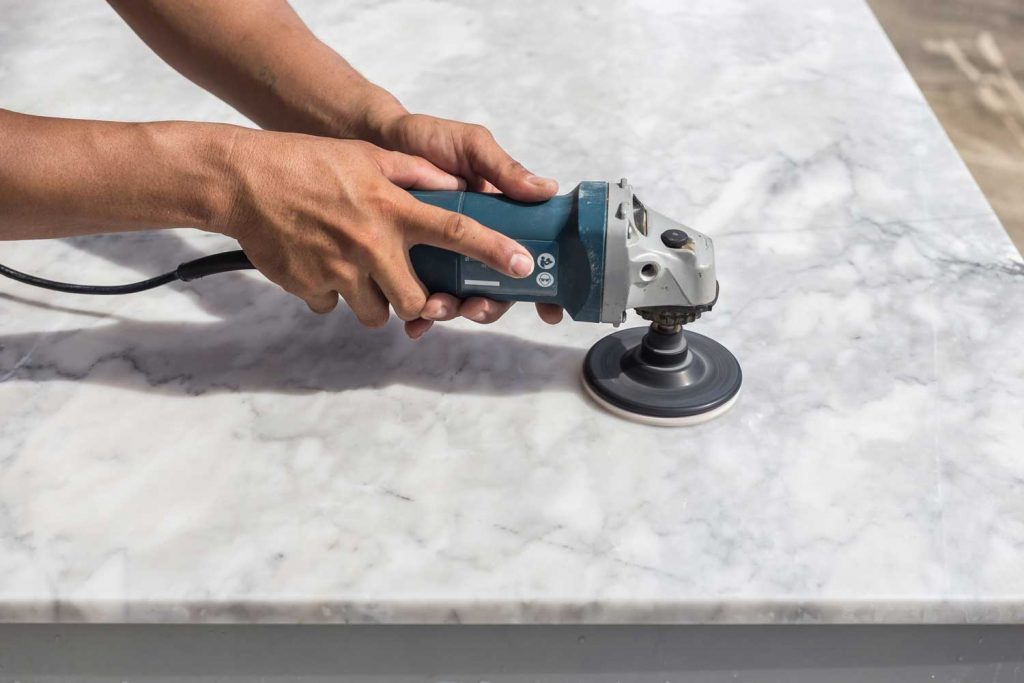
Polishing is not simply wiping on a shiny product. Proper granite benchtop polishing is a surface refinement process that works on the stone itself. Depending on the condition of the slab, that may involve removing fine scratches, reducing etching-like dullness, evening out wear patterns and refining the finish to bring back a consistent sheen.
For some benchtops, the issue is mild surface dullness caused by cleaning residue or micro-abrasion. In others, the top may have visible traffic lanes around sinks, cooktops or service areas where the finish has broken down unevenly. A professional polishing process addresses the condition of the stone, not just the symptoms sitting on top of it.
That distinction matters. Temporary gloss products can make a surface look better for a short period, but they do not correct wear. In some cases, they create build-up that makes later restoration more difficult.
Why granite loses its finish
Granite is harder than many other natural stones, but it still responds to use. The most common cause of dullness is abrasion from everyday activity. Fine grit, dragged items, repetitive wiping and general use gradually soften the original finish.
Cleaning habits also play a major role. Acidic or aggressive cleaners, bleach-heavy products and supermarket sprays not designed for natural stone can interfere with the surface and with any protective sealer in place. Even when they do not cause immediate damage, they can contribute to premature wear over time.
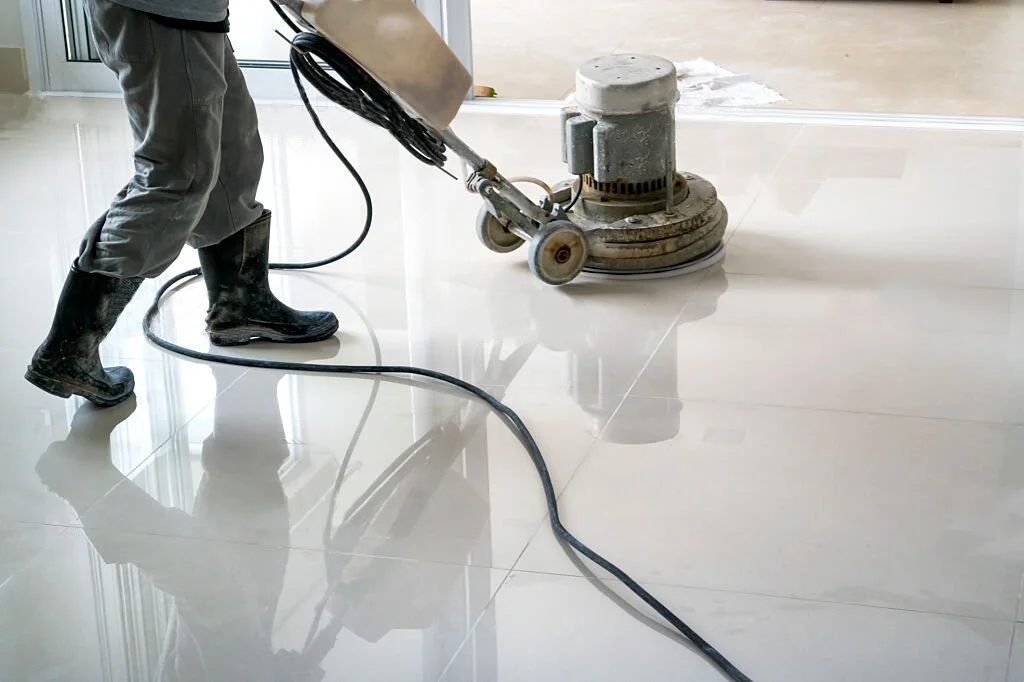
In commercial settings, the pressure is usually greater. Hospitality venues, reception counters, amenities and shared facilities see more traffic, more frequent cleaning and more opportunities for impact or staining. A granite benchtop in these environments needs maintenance that matches how the space is used.
When polishing is the right solution
Polishing is generally appropriate when the stone has become dull, inconsistent in sheen or lightly scratched, but is still structurally sound. If the benchtop looks tired rather than cracked or heavily damaged, polishing can often restore a much cleaner, sharper finish.
It is also the right step after stain treatment or minor repairs, where the surface needs to be blended back to a uniform appearance. On premium residential kitchen islands and bathroom vanities, this can make a significant difference to the overall presentation of the room.
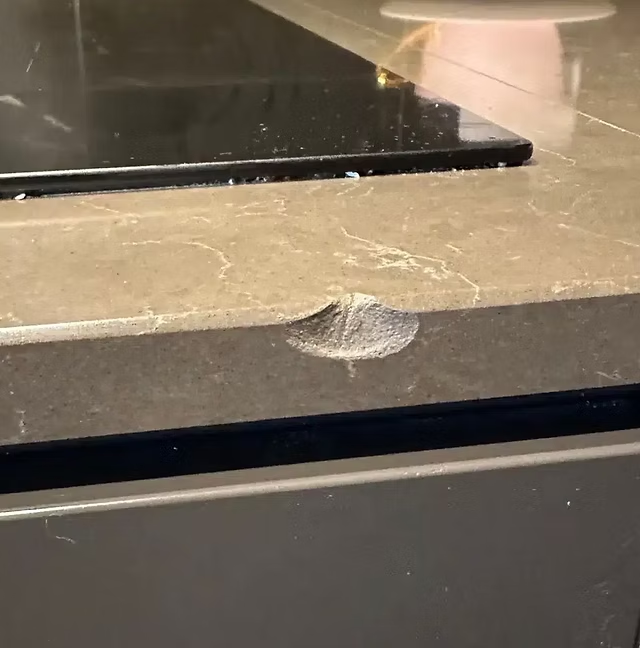
That said, not every problem is solved by polishing alone. Deep chips, open seams, structural cracks or severe surface damage may require repair work before any finishing process begins. The right approach depends on the stone, the existing finish and the cause of the wear.
DIY granite benchtop polishing versus professional work
There is a reason many benchtops look worse after a DIY attempt. Granite responds best to controlled, material-specific treatment. Off-the-shelf polishing creams and general-purpose buffing tools can produce uneven gloss, residue build-up or patchy areas that stand out under light.
The main issue is that homeowners are often sold the idea that shine equals restoration. It does not. A surface can appear glossier for a few days while still carrying scratches, contamination or inconsistent wear underneath. Once coating products are used, a specialist may need to strip that residue before proper stone polishing can start.
Professional polishing is different because it focuses on the condition of the stone itself. That means assessing hardness, finish level, traffic patterns, previous treatments and whether the surface needs light refinement or more involved restoration. It also means using the correct abrasives, machines and techniques to keep the finish even across the whole benchtop.
For premium stone surfaces, the risk with DIY is rarely worth the modest saving. A granite benchtop is a high-value surface, and incorrect treatment can reduce both its appearance and service life.
The role of sealing after granite benchtop polishing
Polishing and sealing are related, but they are not the same thing. Polishing restores or improves the finish. Sealing helps reduce the stone's vulnerability to moisture and staining.
After granite benchtop polishing, sealing is often the logical next step, particularly in kitchens, bathrooms and food service spaces. Once the surface has been properly refined and cleaned, a quality impregnating sealer can be applied to support ongoing protection without masking the natural look of the stone.
Not every granite requires the same sealing schedule. Some denser materials are less absorbent than others, while heavily used benchtops may need more regular attention. This is where specialist advice matters. Applying more sealer than needed is not automatically better, and the wrong product can affect appearance or performance.
What to expect from a professional polishing process
A proper service begins with inspection. The stone type, finish, condition and usage all need to be assessed before any work starts. This allows the polishing method to be tailored to the benchtop rather than treated as a standard cleaning job.
In practical terms, the process may involve surface preparation, removal of residue or contaminants, mechanical refinement to address dullness or light scratching, and finishing to achieve the desired sheen. If required, sealing is then completed once the surface is ready.
The best results come from balancing restoration with preservation. Chasing a high gloss at all costs is not always the right outcome. Some granite benchtops were originally installed with a lower sheen or honed-style finish, and forcing a different look can leave the surface unnatural or inconsistent with surrounding stone.
Residential and commercial needs are not the same
For homeowners, granite benchtop polishing is usually driven by presentation, pride in the home and the desire to keep expensive finishes looking their best. Kitchen benchtops, bathroom vanities and alfresco areas all benefit from specialist care, especially where stone forms a key part of the interior design.
Commercial clients often have a different priority. Appearance still matters, but so do durability, maintenance planning and minimising disruption. In a hotel, office lobby, retail fit-out or hospitality venue, the stone needs to look professional while standing up to constant use.
That is why a specialist stone care provider brings more value than a general cleaner. The work is not just about making a surface look better for the day. It is about preserving the asset and reducing avoidable deterioration over time.
How to keep polished granite looking better for longer
Once a benchtop has been restored, maintenance habits make a real difference. Use pH-neutral products made for natural stone, clean spills promptly and avoid abrasive pads or harsh chemicals. Chopping boards, trivets and routine wipe-downs with the right products all help reduce premature wear.
It is also worth watching for early signs of decline. If water stops beading, the finish becomes patchy, or certain areas lose clarity faster than others, the stone may be due for professional attention. Acting early is usually more cost-effective than waiting until the surface is heavily worn.
For Sydney properties, local conditions can add another layer. Homes and venues near the coast, open-plan entertaining areas and high-traffic commercial environments often place more demand on stone surfaces than owners expect. Regular specialist care helps keep those conditions from accelerating long-term damage.
Choosing the right specialist
Granite benchtop polishing should be carried out by a provider with dedicated natural stone expertise, not as an add-on cleaning service. Stone varies in density, mineral composition and finish response, and the wrong method can leave swirl marks, uneven reflection or unnecessary surface loss.
Look for a specialist who understands restoration as well as preservation. That means someone able to identify whether the benchtop needs polishing, repair, sealing or a combination of services. It also means clear advice, realistic expectations and workmanship suited to premium surfaces.
For clients who have invested in natural stone, that level of care matters. A well-polished granite benchtop does more than look cleaner. It presents properly, performs better and holds its place as one of the most valuable surfaces in the room.
If your granite has started to look tired, the best time to deal with it is before wear becomes damage. Well-executed polishing gives the stone back its presence and helps protect the investment behind it.