
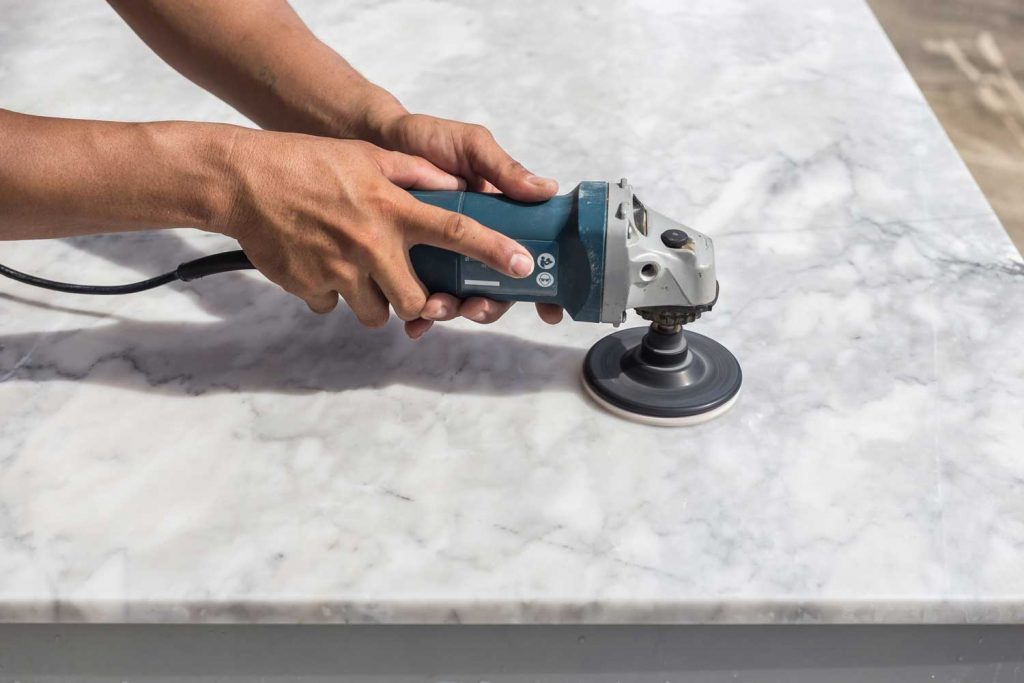
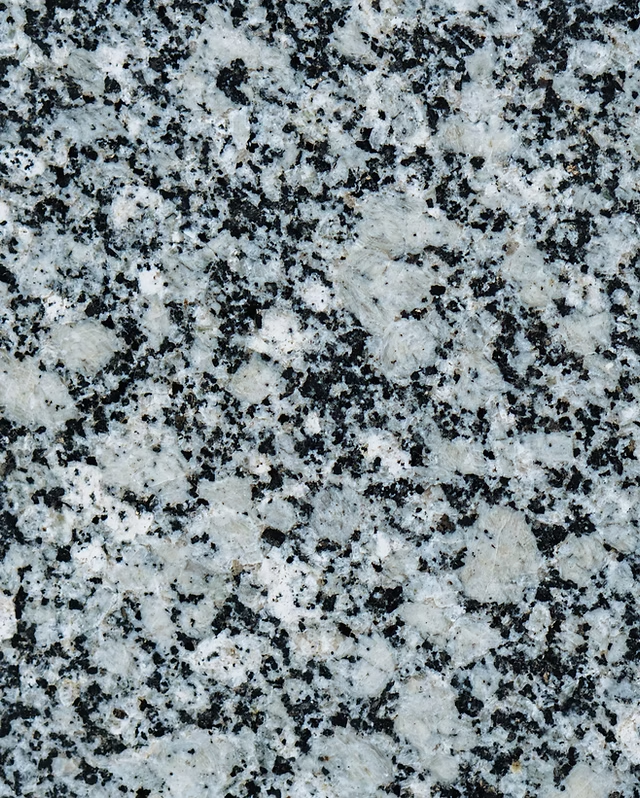
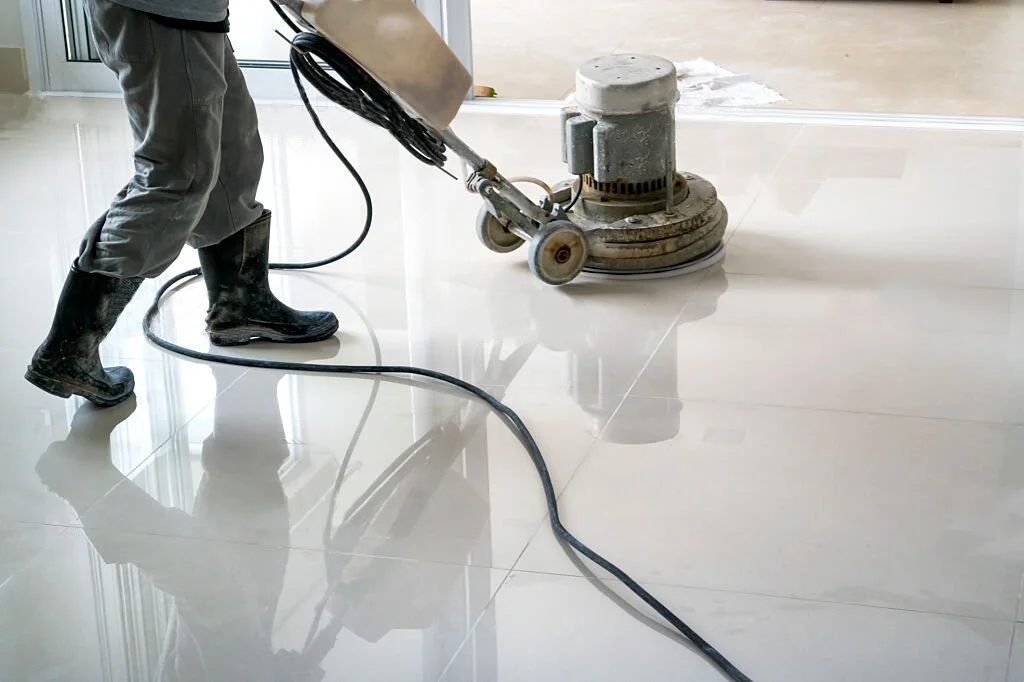
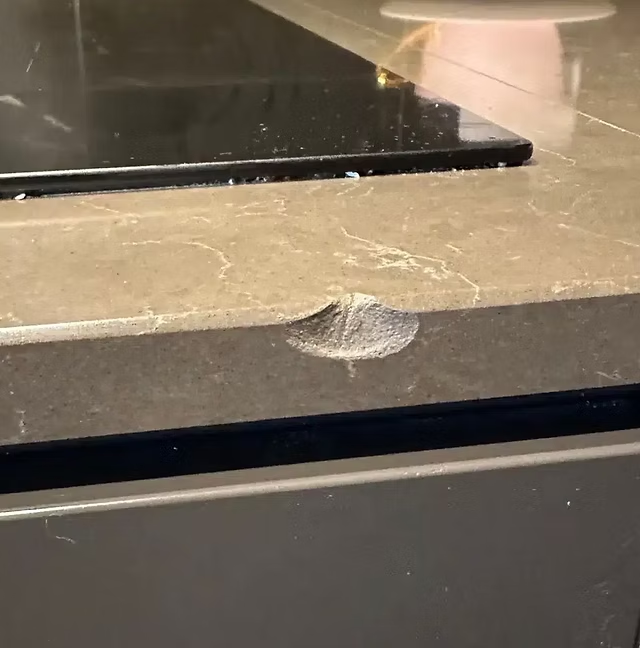
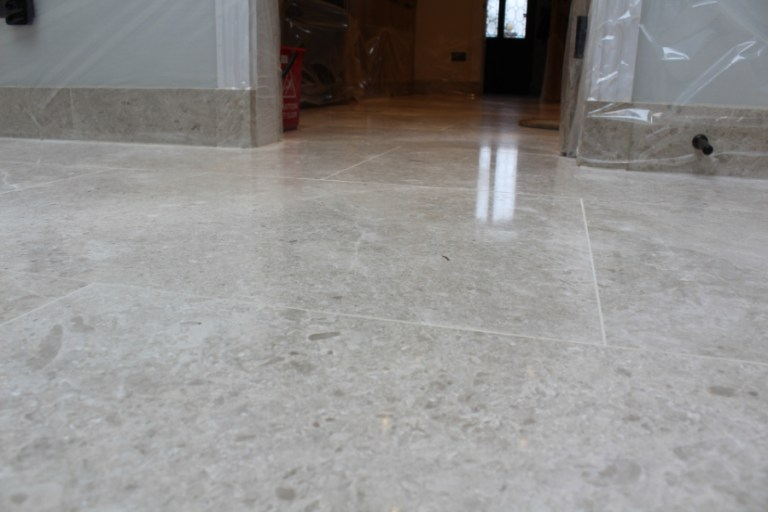
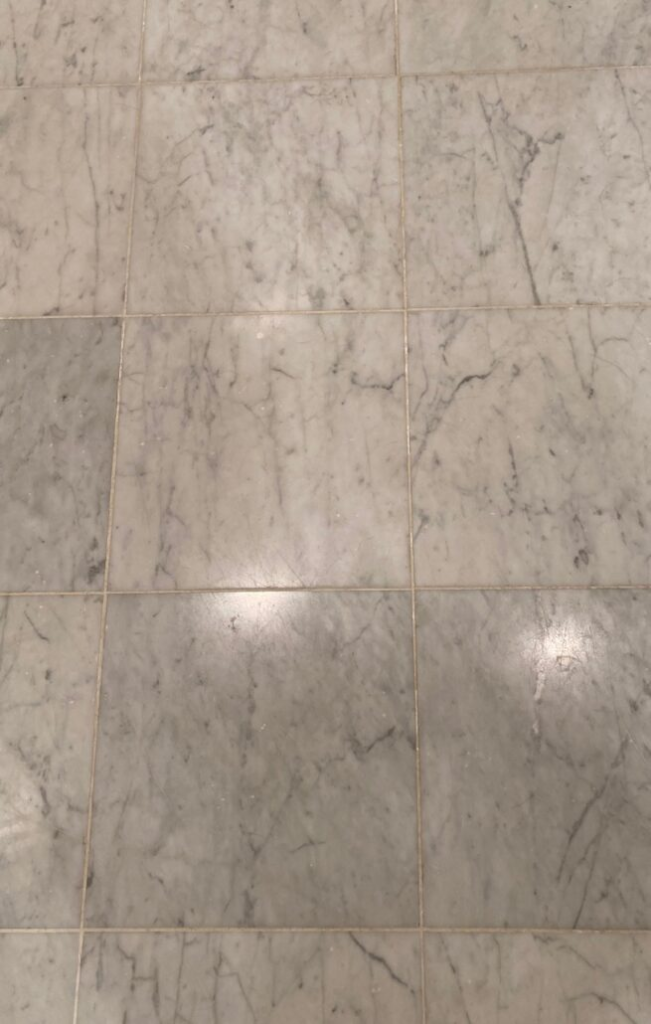
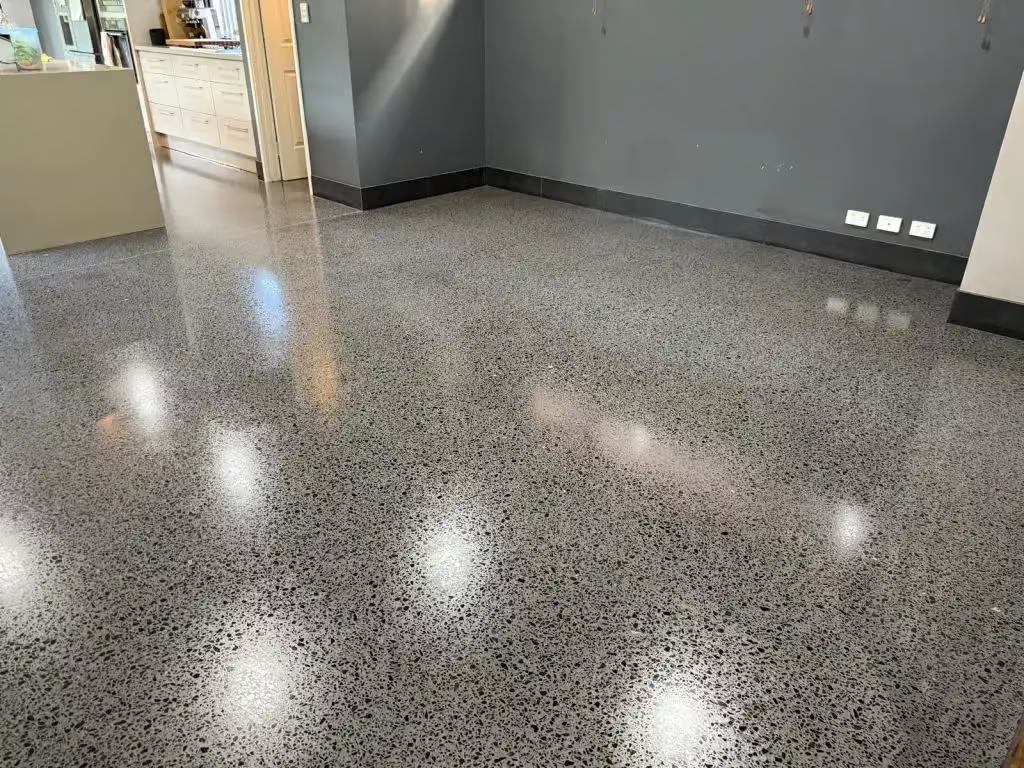
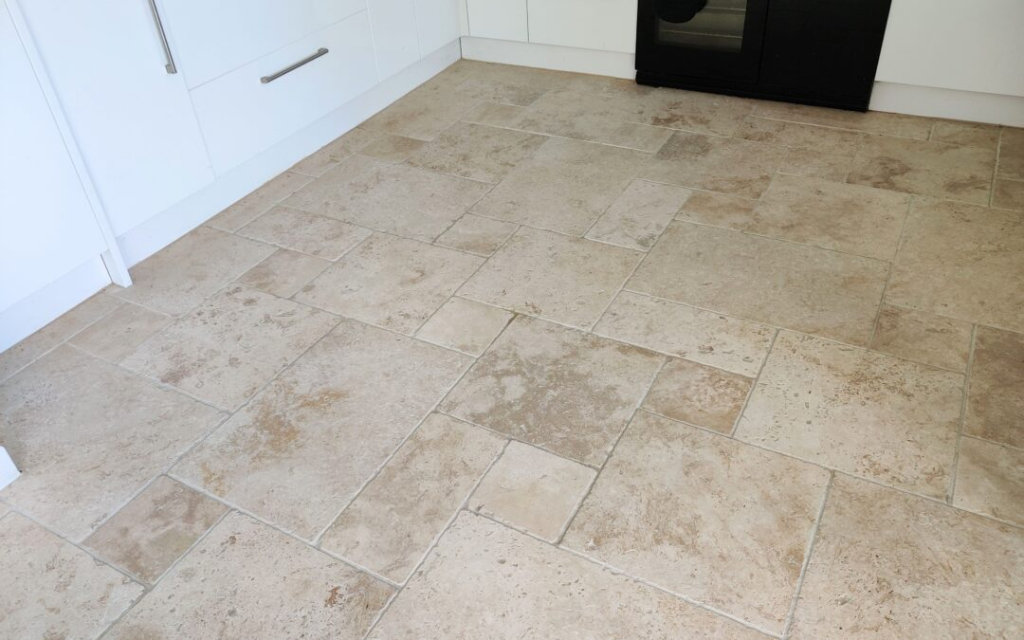
A granite benchtop can look immaculate for years, then suddenly show a dark ring beneath a soap dispenser or a stubborn mark beside the cooktop. Granite sealing is the protective measure that helps prevent this kind of damage, but it is not a one-size-fits-all treatment or a permanent shield. The right result depends on the granite itself, its finish, where it is installed and how the surface is used.
For Sydney homes and commercial properties, sealing is part of a broader stone preservation plan. It supports the appearance and service life of granite while making day-to-day maintenance more manageable. Done correctly, it protects the stone without changing the character of a premium natural finish.
What granite sealing actually does
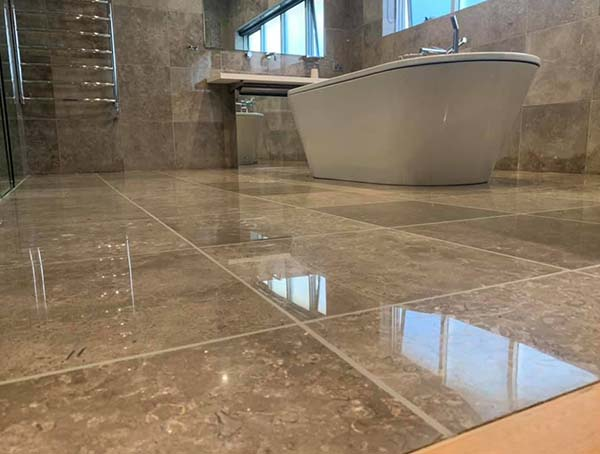
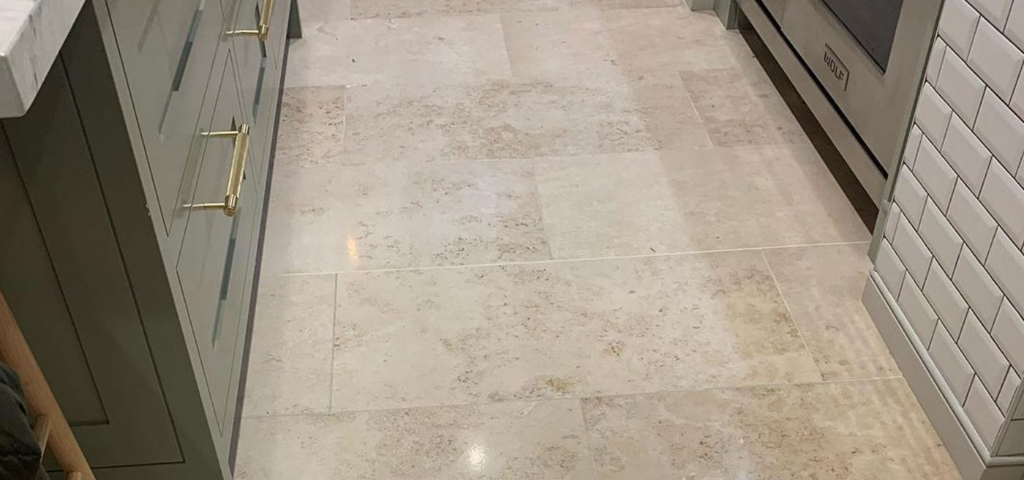
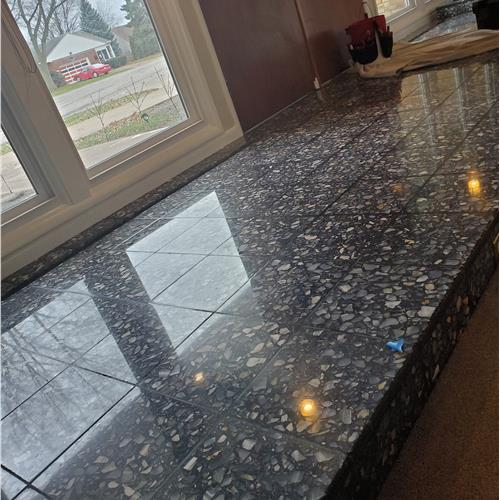
Granite is often described as hard and durable, which is true. However, natural granite can still contain pores, tiny fissures and mineral variations that absorb liquids to differing degrees. Polished granite is usually less absorbent than honed, flamed or leathered granite, but no surface should be assessed solely by its appearance.
A quality penetrating sealer works below the surface. It lines the pore structure so water, oil and coloured liquids have less opportunity to soak in. This gives occupants more time to wipe up a spill before it leaves a mark. It does not create a plastic coating over the stone, and it should not make the surface look glossy, slippery or artificial.
Sealing does not make granite stain-proof, scratch-proof or heat-proof. Acidic products, cooking oils, red wine, cosmetics and harsh cleaners can still cause problems, particularly if left sitting on the stone. The purpose is practical protection, not immunity.
When does granite need sealing?
The condition and absorbency of the surface should guide the decision. Some dense granite may need sealing only occasionally, while a more porous variety in a busy kitchen, hotel lobby or outdoor entertaining area may benefit from more regular attention.
A simple water test can provide an initial indication. Place a few drops of clean water on an inconspicuous area and observe them for around 10 to 15 minutes. If the stone darkens as it absorbs the water, its existing protection may be wearing down. If the water remains beaded on the surface, the sealer may still be performing well.
This test is useful, but it is not a full diagnosis. Water and oil behave differently, and uneven wear is common. A benchtop may remain protected along the splashback while the area around the sink, cooktop or coffee machine has become more absorbent. Floors can also wear unevenly through traffic patterns and repeated cleaning.
Signs that a professional assessment may be warranted include dark patches that develop quickly when wet, recurring stains, dull areas around high-use zones, or a surface that has been cleaned with unsuitable products. Newly installed granite should also be assessed rather than automatically sealed. Some installers apply a sealer before handover, while others do not, and the quality of that application can vary.
Not every granite surface needs the same sealer
Selecting a sealer by reading the label on a hardware-store bottle can lead to disappointing results. The product needs to suit the stone, finish and environment. A sealer chosen for a polished internal vanity may not be suitable for an exterior flamed granite entry or a commercial kitchen floor.
For most granite, an impregnating or penetrating sealer is the preferred option. It preserves the natural look of the stone while reducing absorption. In food preparation areas, the product must also be appropriate for that use once fully cured.
Topical coatings are generally approached with caution on natural stone. While they can initially create shine or a wet-look effect, they may trap moisture, wear unevenly, alter slip resistance or become difficult to remove. They are not a substitute for professional honing or polishing where a granite surface has lost its finish.
Outdoor granite presents further considerations. Sydney’s weather, rain exposure, UV, pool water and airborne contaminants can place additional pressure on exterior stone. A sealer must be compatible with the finish and the exposure conditions, while cleaning methods need to avoid stripping protection prematurely.
Why correct preparation matters
Sealer applied over dirt, grease, moisture or residue can lock the problem into the stone rather than protect it. Preparation is where specialist knowledge makes a measurable difference.
Before sealing, the granite should be inspected for stains, old coatings, grout haze, etching, cracking and areas of failed protection. The surface is then cleaned using stone-safe methods appropriate to the contamination present. Kitchen oils, soap residue, hard-water deposits and construction residue each require different treatment.
The stone must be allowed to dry properly before a penetrating sealer is applied. This is particularly relevant after deep cleaning, stain treatment or wet-weather exposure. Applying sealer to damp stone can reduce penetration and lead to patchy performance.
Application also requires control. Excess sealer left on polished granite can dry into a hazy residue that is difficult to remove. Applying multiple coats without checking absorption can be equally counterproductive. The aim is an even level of protection, not the greatest possible volume of product on the surface.
Granite sealing in high-use commercial spaces
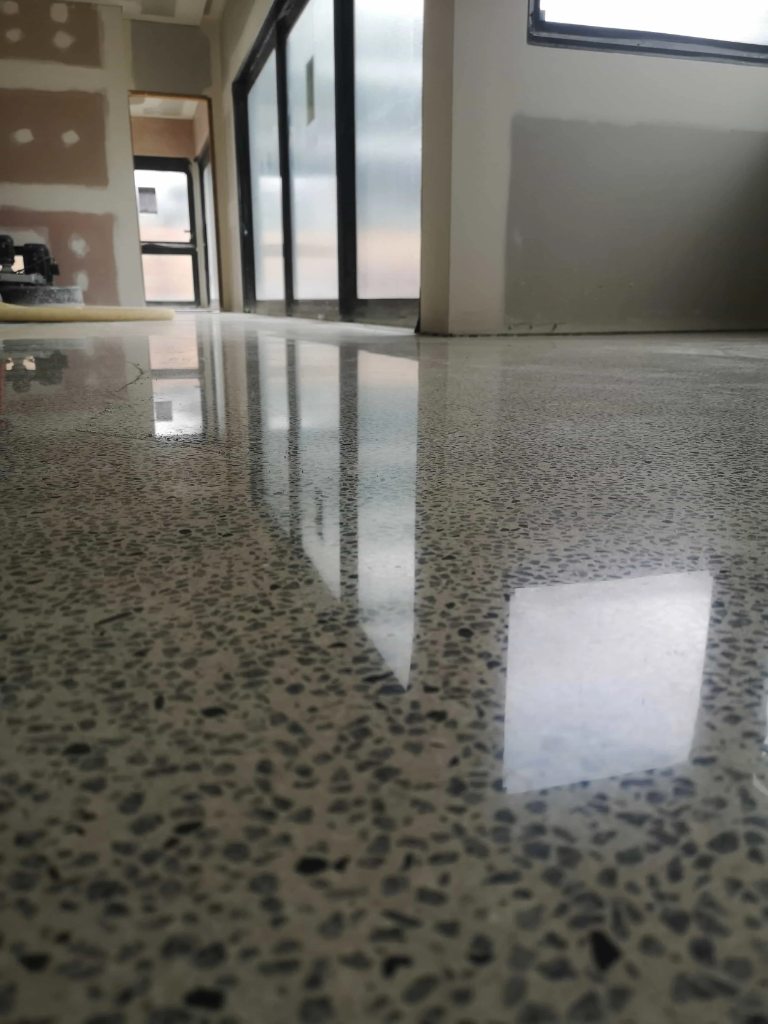
Commercial granite surfaces face challenges that are rarely seen in a private home. Hotel foyers, retail entries, office lobbies, restaurant bars and shared bathroom facilities are exposed to heavy foot traffic, frequent cleaning and a wide range of spills.
In these settings, sealing should sit within a planned maintenance schedule. Routine cleaning products need to be pH-neutral and residue-free, and cleaning staff need clear procedures for spill response. Strong alkaline degreasers, acidic wash products and abrasive pads may provide a quick visual result, but can degrade the stone or compromise its protective treatment over time.
Facility managers should also consider safety and presentation together. A well-maintained granite floor needs to retain suitable slip resistance while looking clean and consistent. Where staining, wear or loss of lustre has already occurred, restoration may be required before sealing can provide meaningful long-term protection.
Daily care that helps the sealer last
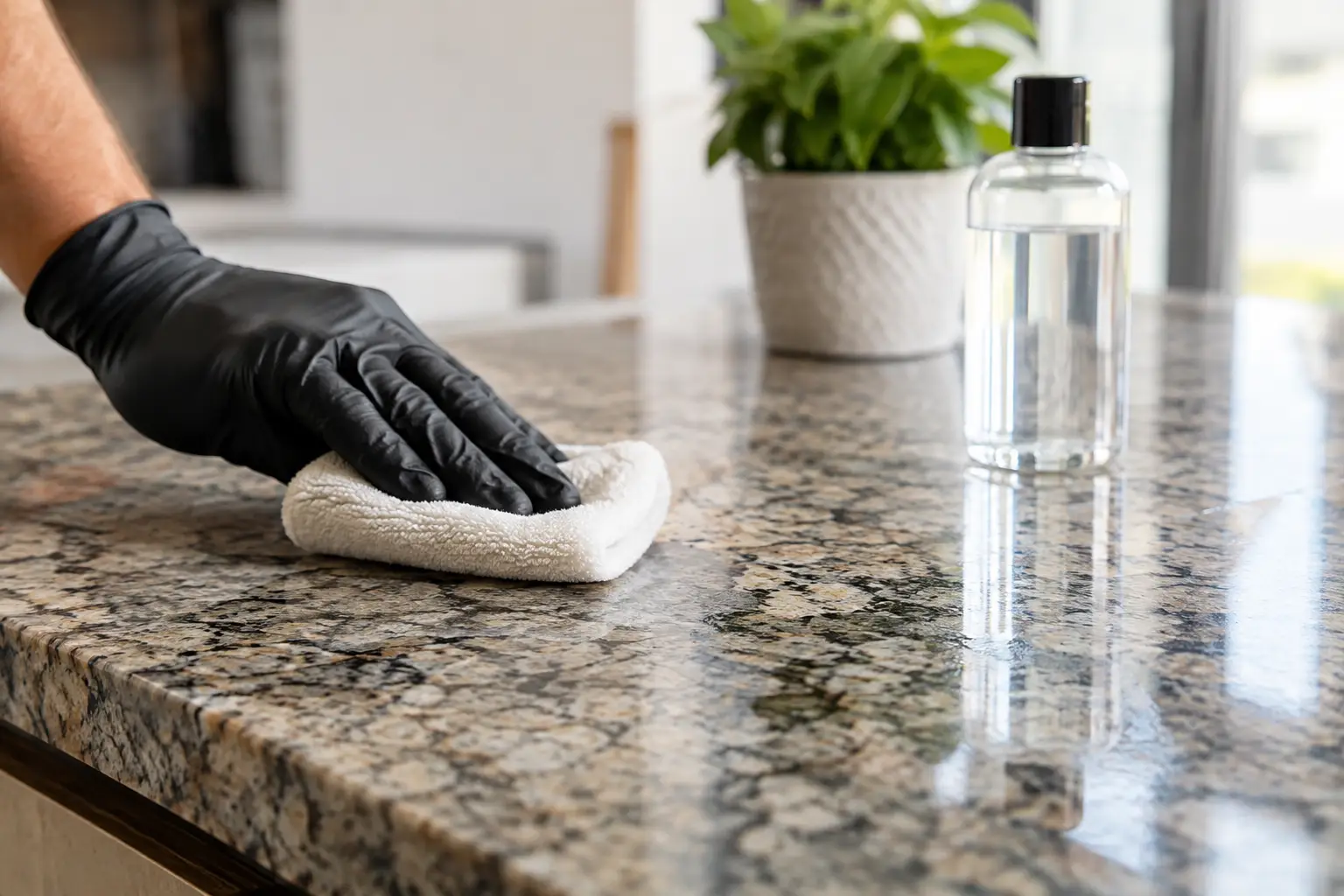
Granite protection is maintained through ordinary habits. Wipe spills promptly with a soft cloth, particularly oil, wine, citrus juice, vinegar, sauces and cosmetics. Use a pH-neutral stone cleaner for regular cleaning and avoid bleach, acidic bathroom cleaners, abrasive powders and generic multipurpose sprays unless they are confirmed safe for natural stone.
On kitchen benchtops, use trivets and chopping boards. Granite tolerates heat well, but sudden temperature changes and repeated impact can still create risks at joins, edges and areas with natural fissures. On floors, entrance mats reduce grit that can gradually dull the finish.
If a mark appears, avoid aggressive scrubbing or untested stain removers. The wrong product can spread the stain, damage the finish or leave a patch that requires more extensive restoration. Early, material-specific treatment is usually the better outcome.
When professional granite care is the better choice
DIY sealing can be appropriate for a small, clean and lightly used surface where the stone type and product suitability are known. It becomes less straightforward when there are stains, uneven absorption, large floor areas, exterior exposure, a premium finish or a commercial maintenance requirement.
Professional stone care brings together testing, preparation, product selection and controlled application. It also identifies issues that sealing alone cannot solve, such as surface scratching, etching, coating residue or deep-set staining. Sydney Stone Care approaches granite as a natural material with its own characteristics, rather than treating every hard surface the same way.
The best time to address protection is before the granite looks neglected. A surface that still appears sound is often easier to preserve, cleaner to maintain and less costly to restore than one left until staining and wear become entrenched.