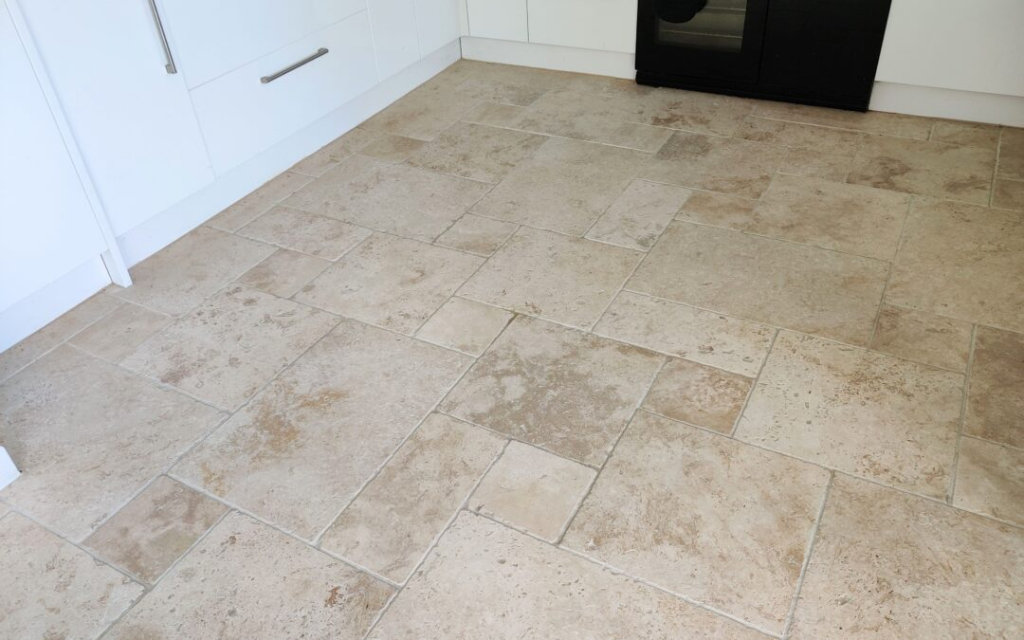
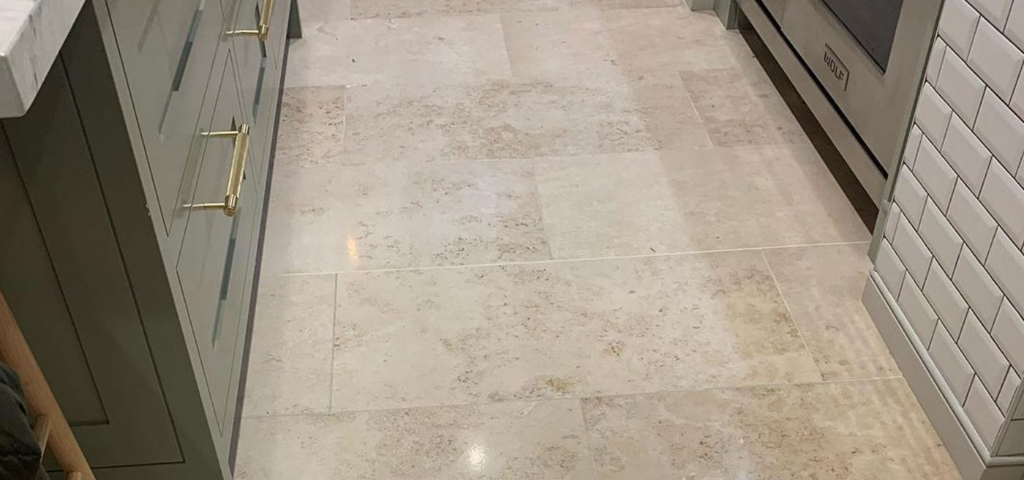
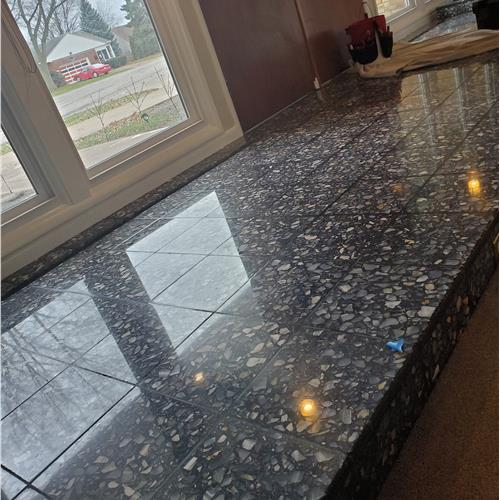
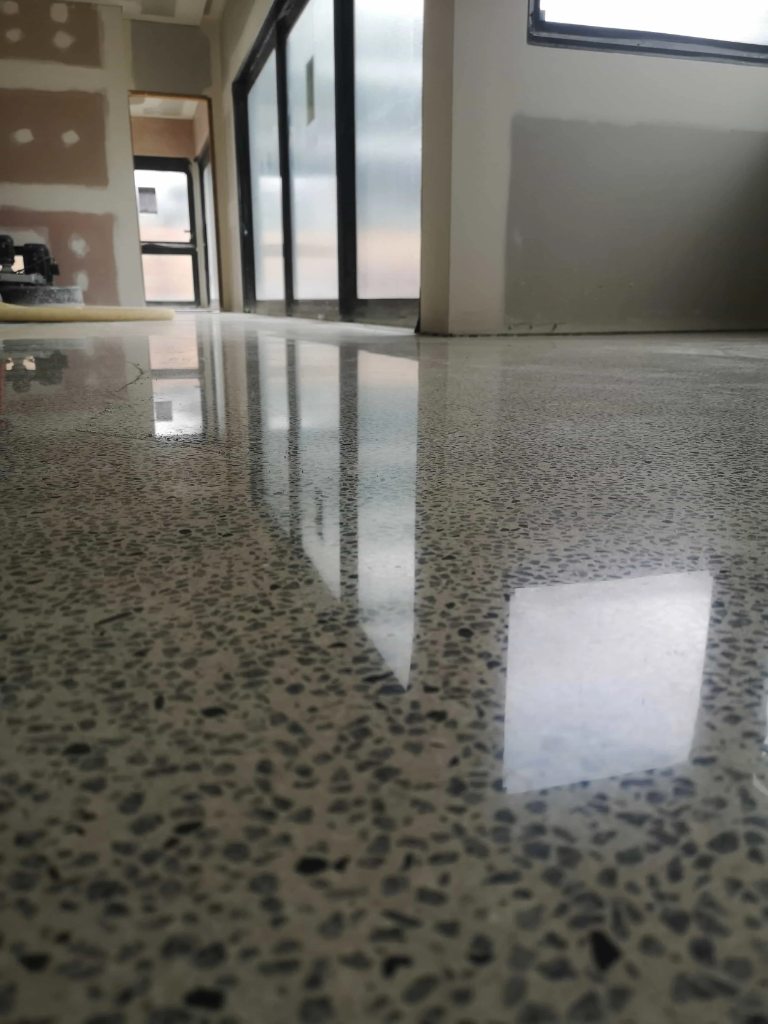
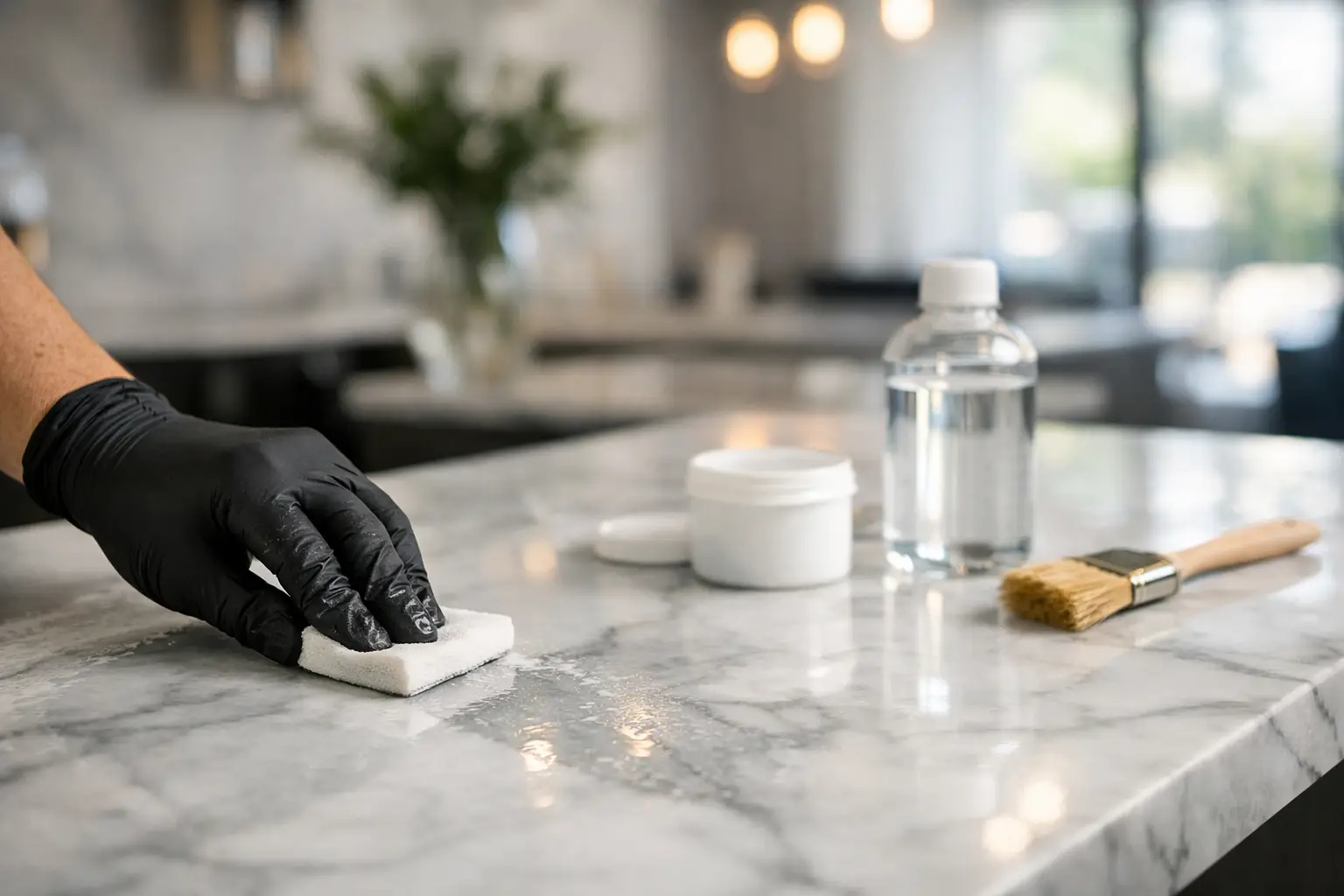
A newly honed marble benchtop can look immaculate for years, then develop one darkened patch beneath a soap dispenser or cooking oil bottle. The question of how often should marble be sealed is not answered by the calendar alone. It depends on the marble’s finish, location, daily use and the quality of the existing sealer.
For most Sydney properties, marble needs a considered maintenance plan rather than a one-size-fits-all annual treatment. Correct sealing reduces the risk of absorbed stains and makes routine cleaning easier, but it is not a shield against every form of damage. Knowing what a sealer can - and cannot - do is the first step towards protecting a premium stone surface.
How often should marble be sealed?
As a practical guide, heavily used marble benchtops, vanity tops and shower surfaces may need resealing every 6 to 12 months. Marble floors in busy residential entryways, hotel foyers, retail spaces or hospitality venues commonly require assessment every 12 to 24 months. Low-traffic marble wall cladding, fireplace surrounds and decorative surfaces can often go two to five years between applications.
These are maintenance ranges, not fixed rules. A dense, polished marble may absorb very little and hold an effective sealer for longer. A honed, tumbled or otherwise more open finish can require earlier attention, particularly where it is regularly exposed to water, oils, cosmetics or food spills.
The type of sealer also matters. A professionally selected impregnating sealer is designed to penetrate the stone and line its pores without creating a surface film. Its service life depends on the product, preparation of the marble and how the surface is cleaned afterwards. Applying more sealer than the stone needs does not provide extra protection. It can leave residue, create an uneven appearance and make future maintenance more difficult.
Sealing helps with stains, not etching
Marble is calcium-based natural stone. It reacts with acidic substances, including lemon juice, vinegar, wine, many bathroom cleaners and some soft drinks. This reaction creates etching: a dull or lighter mark where the polished surface has been chemically affected.
Sealer does not stop acid etching. It helps slow the absorption of liquids, giving you more time to wipe up a spill before it becomes a stain. That distinction is especially important for kitchen benchtops and commercial food service areas. A sealed marble surface can still etch if acidic products are left on it.
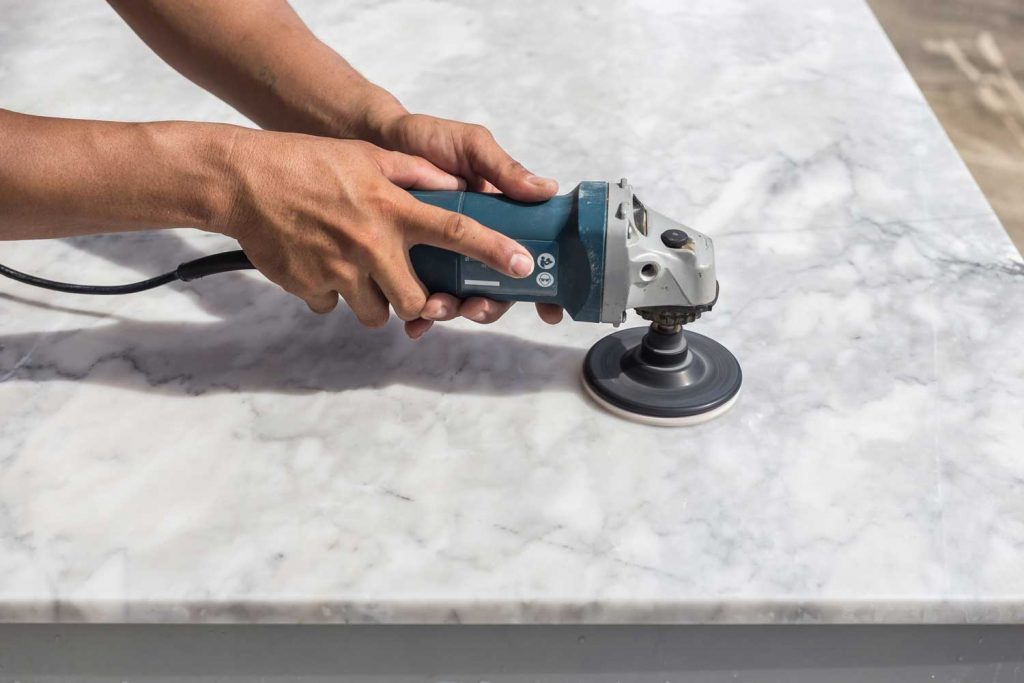
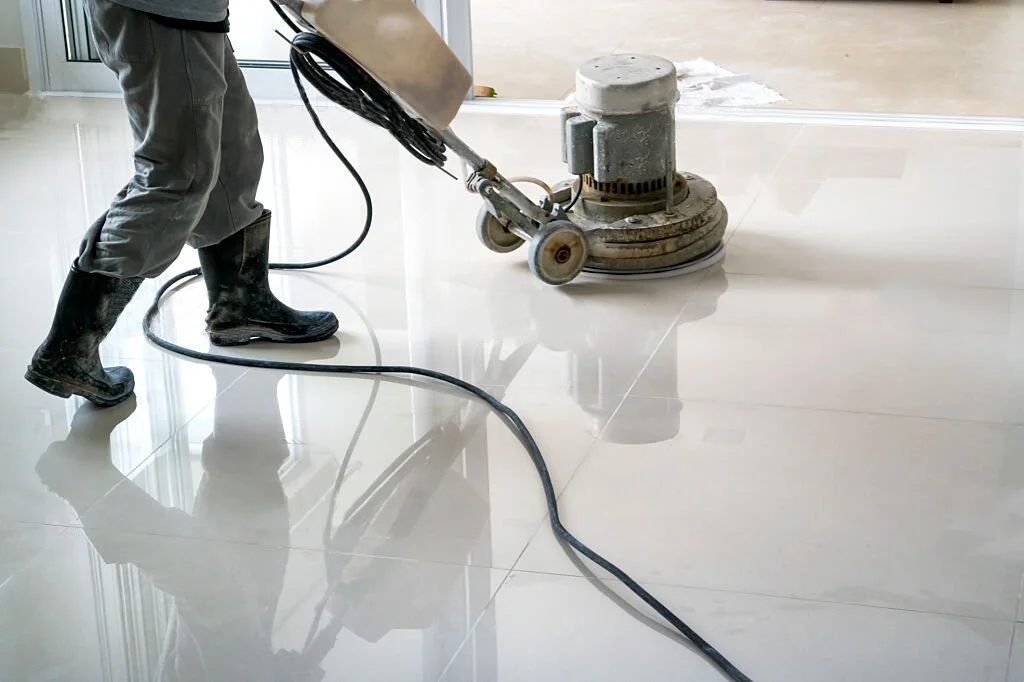
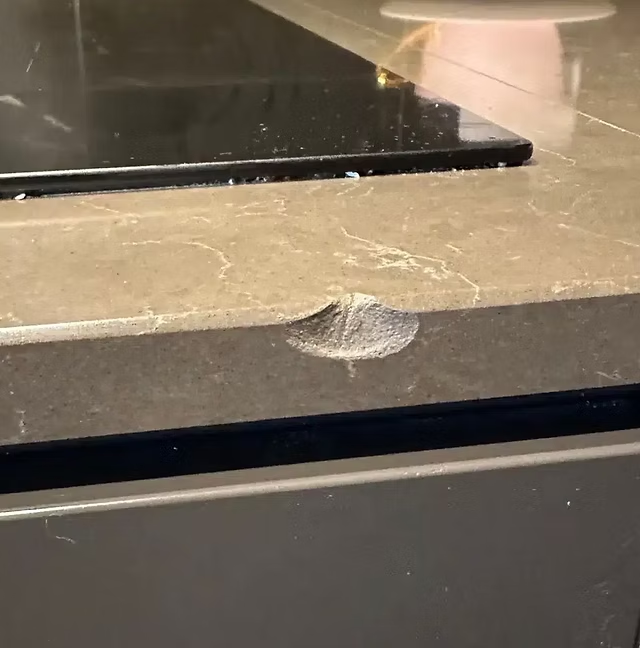
Likewise, sealing will not repair scratches, chips, worn traffic lanes or dullness caused by abrasive cleaning. Those concerns call for specialist restoration work, such as honing, polishing or targeted repair, before a protective sealer is applied. Sealing a damaged surface simply locks in the existing presentation.
The signs your marble needs resealing
The most reliable approach is to assess the stone rather than reseal automatically. A simple water-drop test can provide a useful indication of whether the surface is still resisting absorption.
Place a few drops of clean water on an inconspicuous, clean and dry section of marble. Leave them for around 10 to 15 minutes, then wipe them away. If the stone darkens while wet and returns to its normal colour quickly after drying, the sealer may still be working adequately. If water absorbs quickly and leaves a noticeably darker area, the marble is likely becoming more porous and should be professionally assessed for resealing.
This is an absorption test, not an acid-resistance test. Do not use lemon juice, vinegar or other acidic materials to test marble. They can permanently etch the surface.
Other warning signs include recurring dark marks around taps, soap dispensers or cooking areas; staining that develops more quickly than it previously did; and moisture darkening on shower walls or floors. In commercial settings, a marked difference between protected low-traffic areas and exposed walkways can also indicate that maintenance is due.
Marble location changes the maintenance schedule
Kitchen benchtops and splashbacks
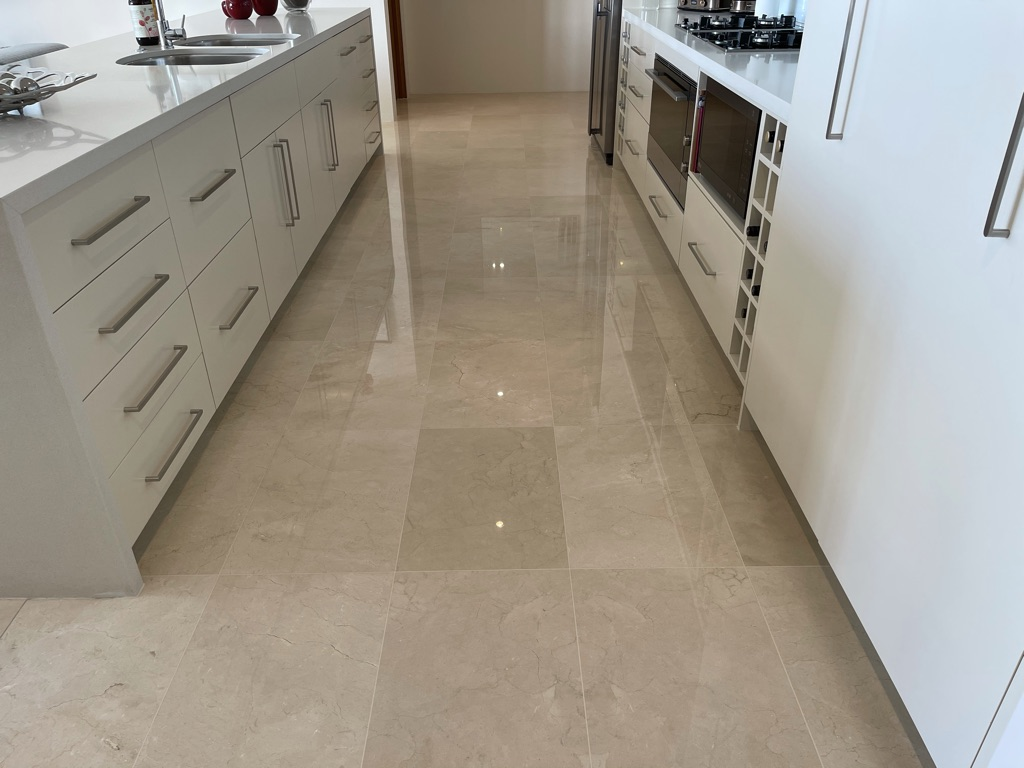
Kitchens subject marble to oils, sauces, wine, fruit juice and repeated wipe-downs. A honed marble benchtop in an active family kitchen often needs closer monitoring than a polished splashback behind a cooktop. Prompt spill removal remains essential, even after sealing.
Use a pH-neutral stone cleaner and a soft cloth. Avoid supermarket sprays marketed as multipurpose, antibacterial or bathroom cleaners unless they are confirmed safe for natural stone. Many contain acids or harsh alkaline ingredients that gradually degrade the finish and shorten the useful life of the sealer.
Bathrooms and showers
Bathroom marble faces constant moisture, soap residue, cosmetics, hair products and cleaning chemicals. Shower areas are particularly demanding because the stone may remain damp for extended periods. Ventilation, regular squeegeeing and correct cleaning have a direct effect on both appearance and sealing performance.
A shower floor with small mosaic pieces and numerous grout joints needs more attention than a large-format marble vanity. It has more edges, more joints and more opportunities for water and residue to collect. Where staining, soap build-up or dullness is already present, the marble should be cleaned and restored correctly before resealing.
Floors, foyers and commercial interiors
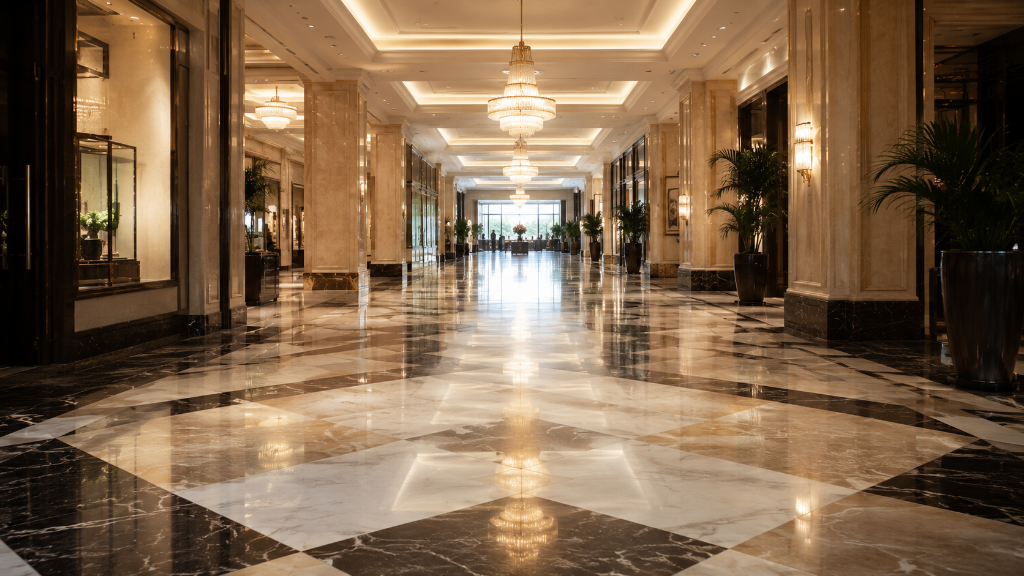
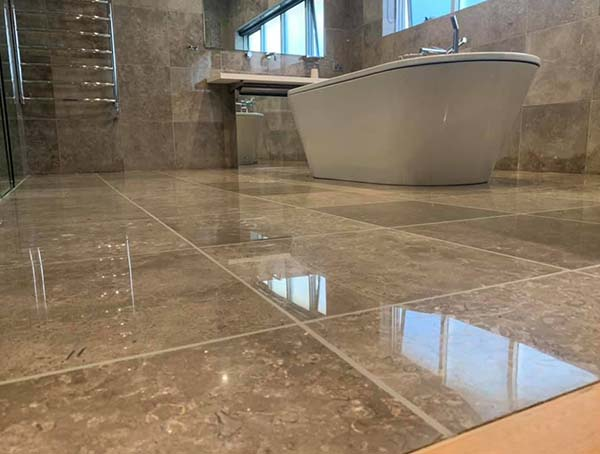
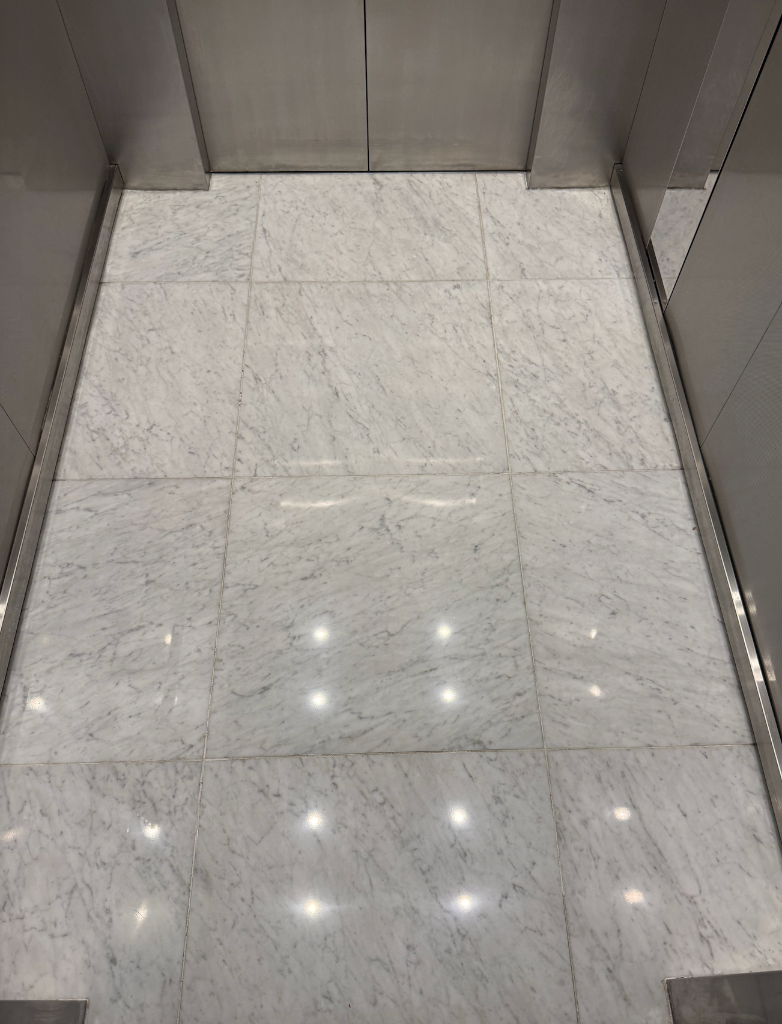
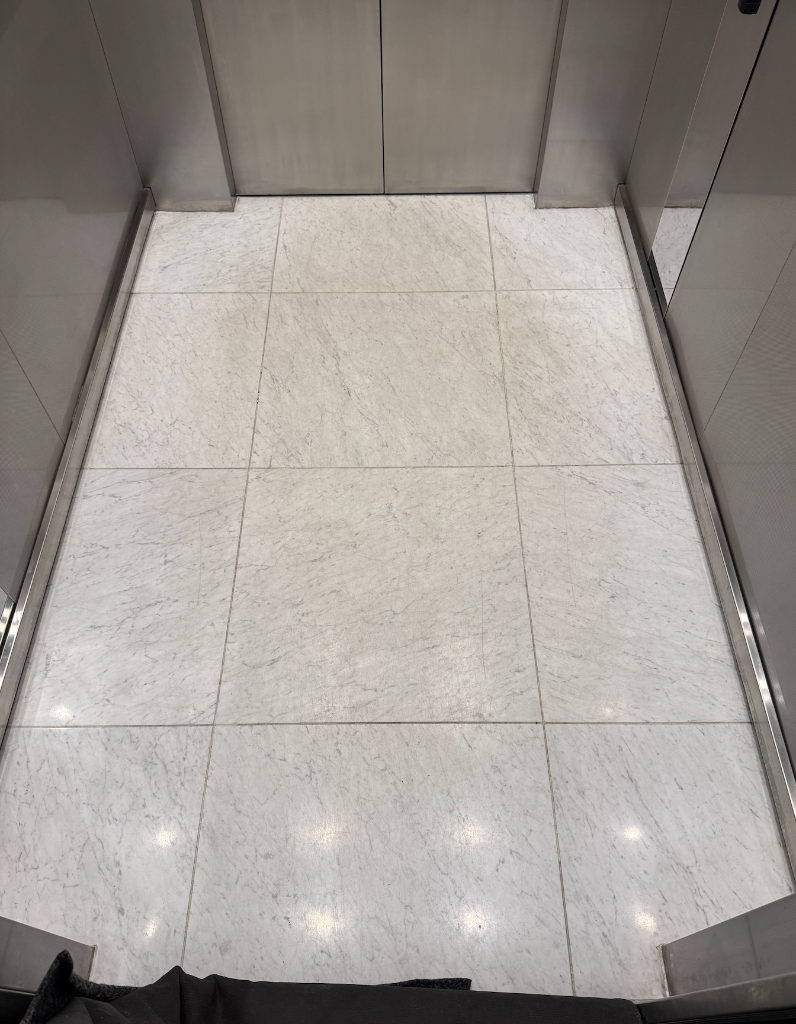
Marble flooring wears differently from benchtops. Foot traffic, grit carried in from the street, wet footwear and inappropriate maintenance products can wear a finish long before the stone itself requires another coat of sealer. In a commercial foyer or retail environment, daily cleaning practices are just as important as the sealer selected.
Entry mats, dust control and pH-neutral cleaning reduce abrasion from fine grit. This preserves the marble’s polish and helps avoid the dull traffic paths that can make a well-maintained building look neglected. For strata and facility managers, scheduled inspections are generally more effective than waiting for widespread staining or visible deterioration.
Exterior marble
Exterior marble is exposed to weather, airborne contaminants, leaf tannins, rainwater and temperature changes. Sydney’s coastal areas can introduce additional salt exposure, while shaded areas may remain damp long enough to encourage organic growth. The surface may need more frequent inspections, although the correct treatment depends on the particular marble, installation method and environmental conditions.
Exterior stone should never be treated as though it were an indoor benchtop. Surface drainage, joint condition and cleaning methods all need to be considered before sealing is specified.
Why over-sealing can cause problems
It is understandable to think frequent sealing is always safer. With marble, unnecessary or poorly applied sealer can create its own issues. Excess product left on the surface may dry unevenly, leave a hazy film or alter the marble’s natural appearance. On textured or honed finishes, residue can be particularly difficult to remove.
Another common problem is sealing over contamination. Oils, soap scum, ingrained soil and moisture should be addressed first. A proper stone-care process involves identifying the cause of the issue, cleaning or restoring the surface where required, allowing it to dry adequately, then applying the appropriate product in controlled quantities.
This is why a visible stain is not automatically proof that more sealer is needed. It may be an etch mark, surface residue, a failed grout joint or staining that has already penetrated beyond the level a fresh sealer can address.
A practical marble care routine
Between professional maintenance visits, everyday care has the greatest influence on how long marble remains attractive. Wipe spills promptly with a soft, clean cloth, especially acidic drinks, oils, cosmetics and coloured liquids. Use coasters in entertaining areas, place trays beneath bottles and dispensers, and avoid leaving wet items directly on bathroom vanities.
For floors, remove dust and grit frequently using a soft mop or vacuum setting suitable for hard surfaces. Clean with a pH-neutral product formulated for natural stone and avoid abrasive pads. Do not use vinegar, bleach, citrus-based cleaners or harsh bathroom products on marble, even when the stone has been sealed.
A regular inspection is valuable for high-value surfaces. Check around sinks, tapware, shower thresholds, entryways and other areas where moisture or traffic concentrates. Early attention is typically less disruptive and more cost-effective than corrective restoration after staining or finish damage has become widespread.
When specialist assessment is worthwhile
Professional advice is particularly valuable when marble has been recently installed, restored, honed or polished, as the stone’s porosity and finish may have changed. It is also advisable before treating large commercial floors, heritage surfaces, exterior installations or marble with existing staining and dullness.
Sydney Stone Care assesses marble as a natural material rather than applying a generic cleaning or sealing process. That means considering the stone type, finish, condition, location and expected use before recommending preservation work.
The right time to seal marble is when testing and inspection show that protection is diminishing, not simply because another year has passed. With suitable cleaning, prompt spill care and a correctly timed professional treatment, marble can retain the depth, character and refined finish that made it worth choosing in the first place.