
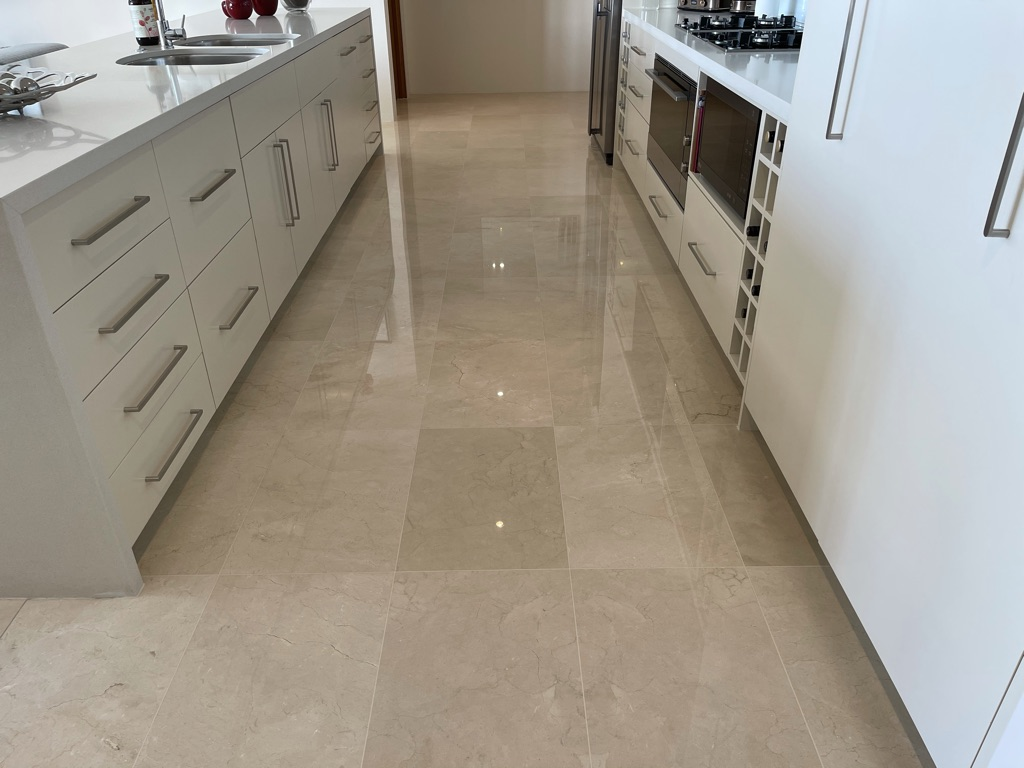
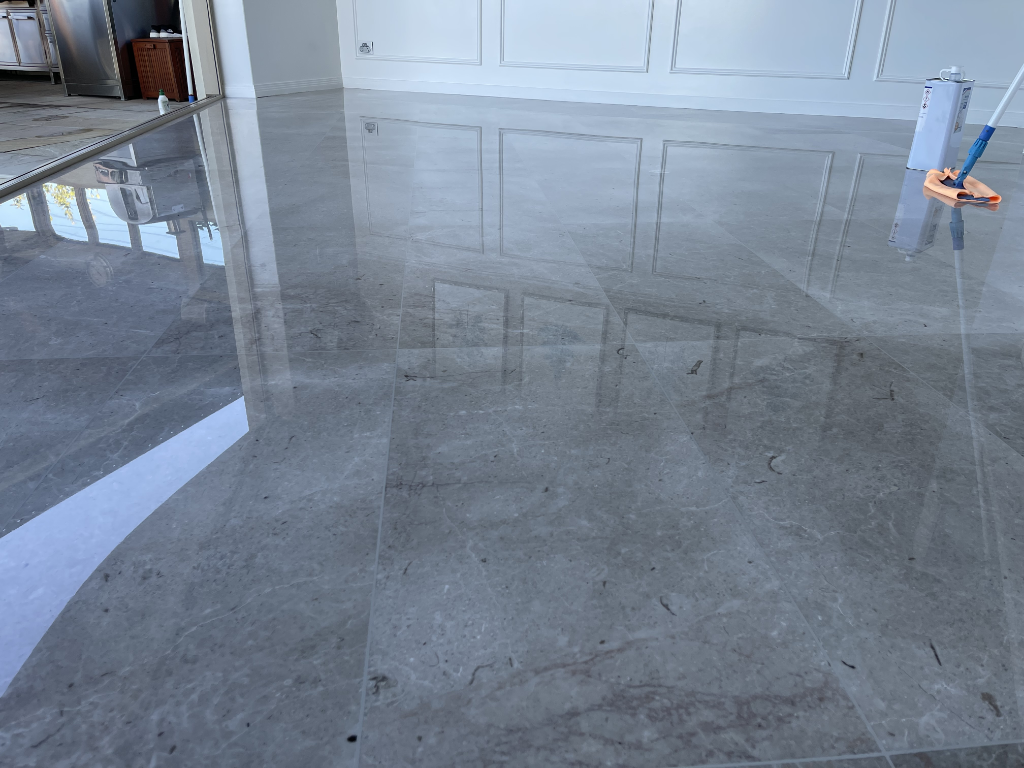
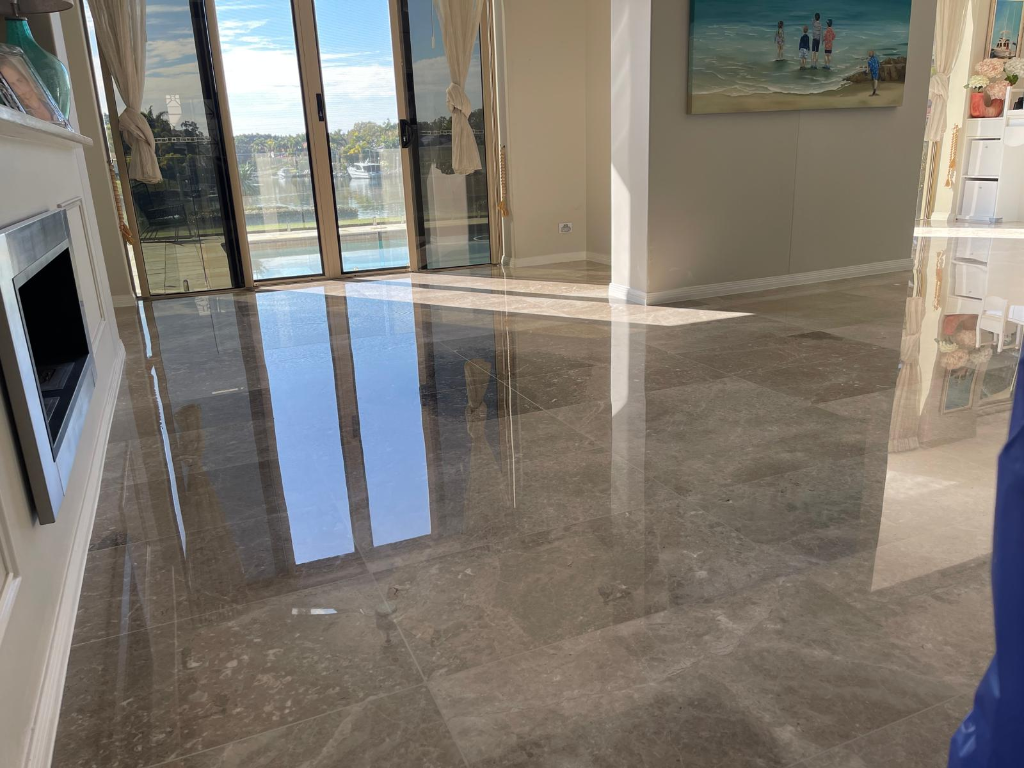
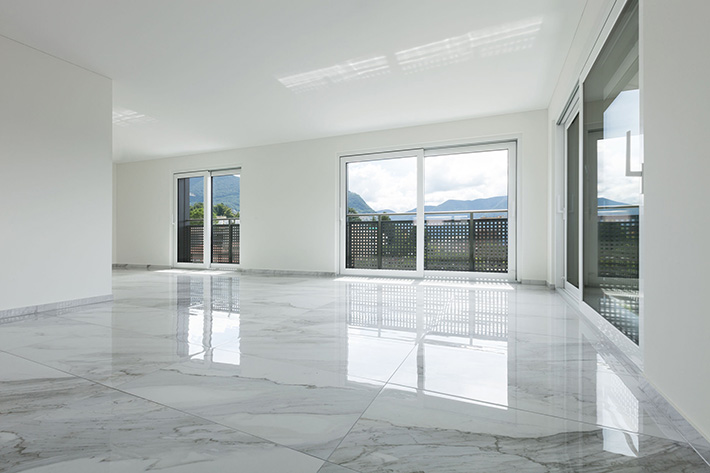
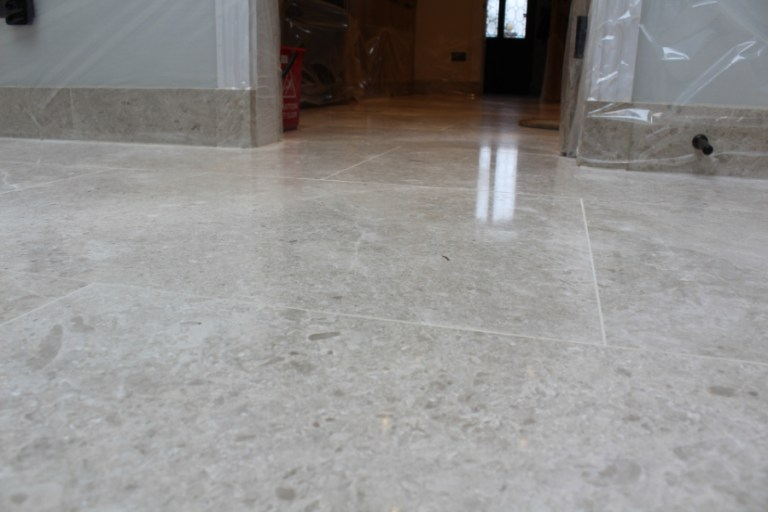
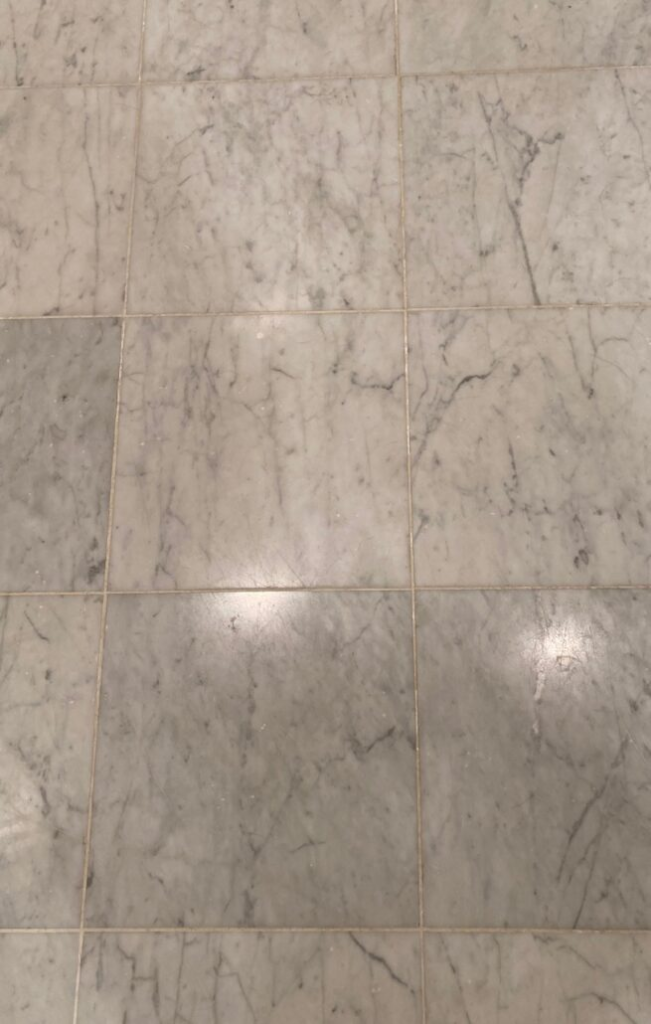
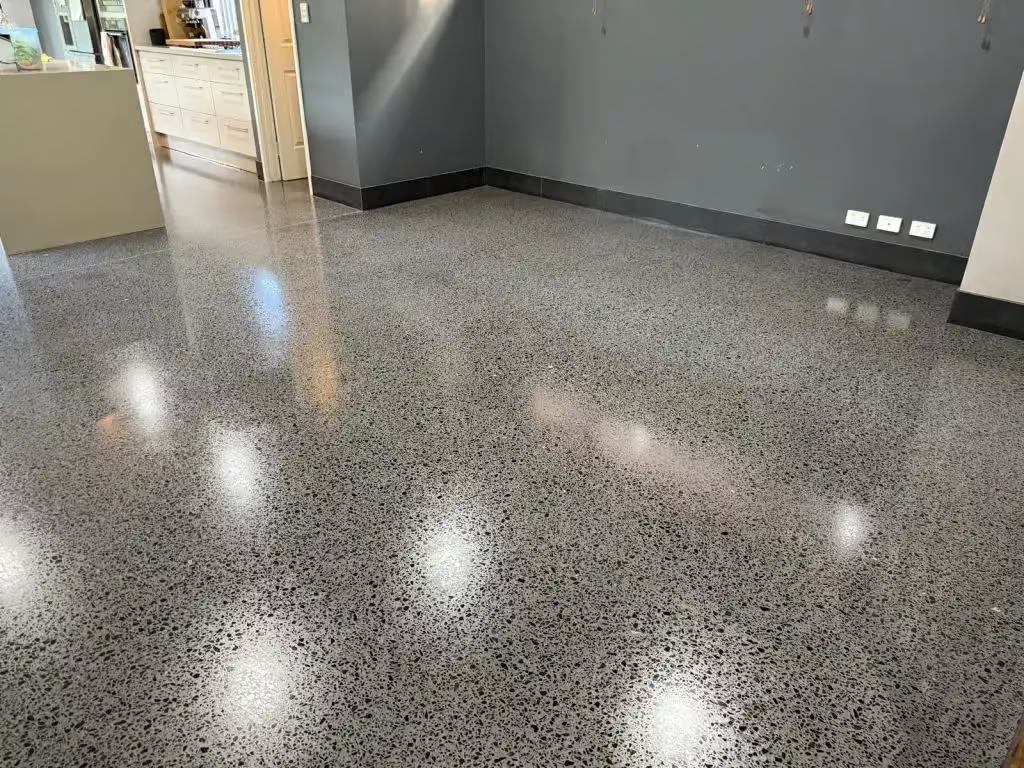
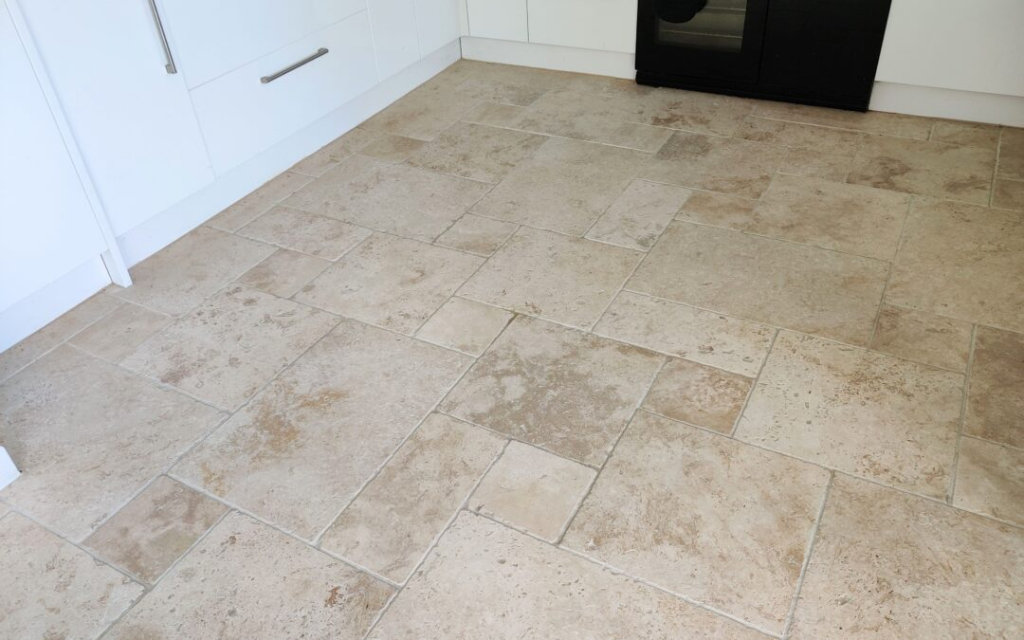
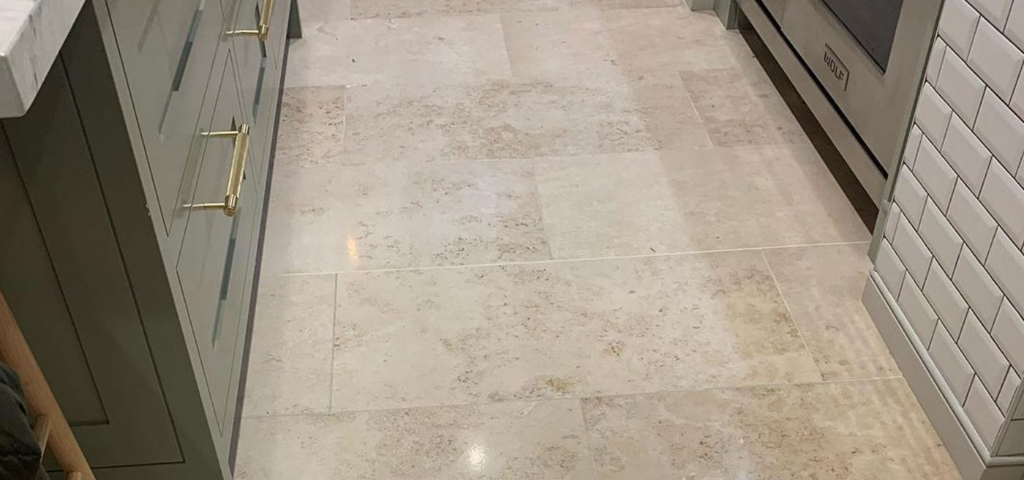
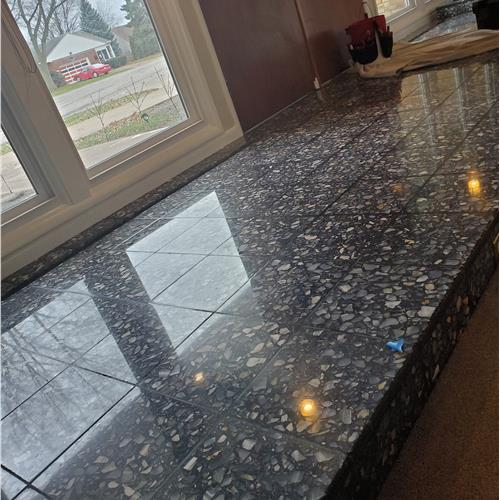
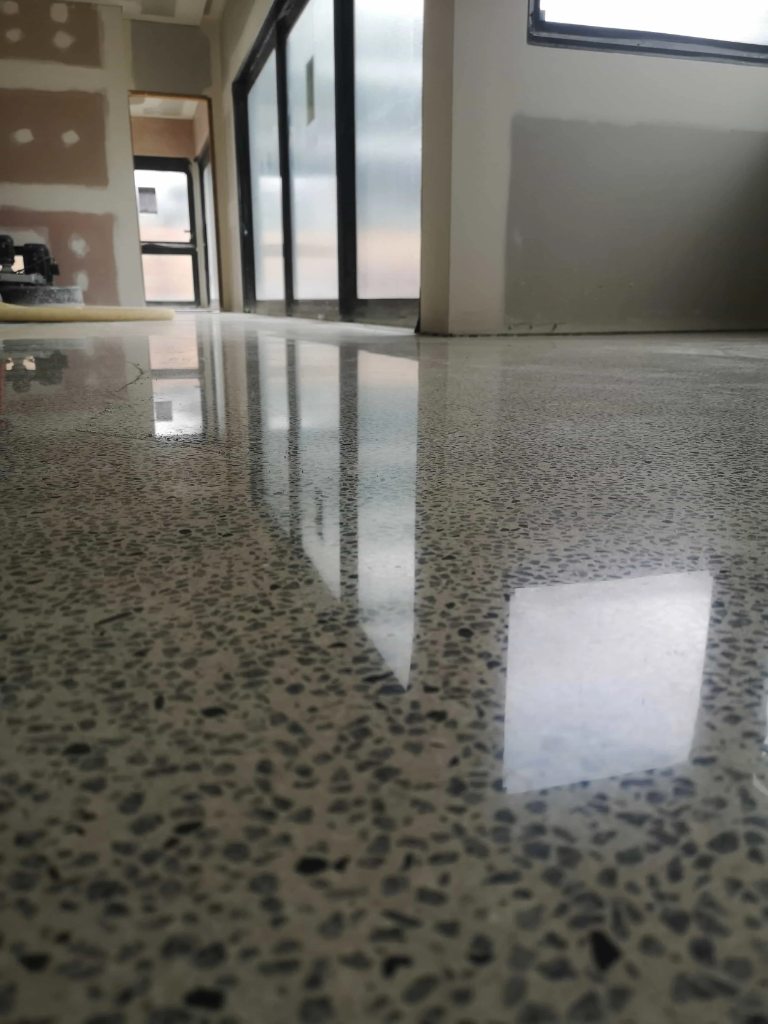
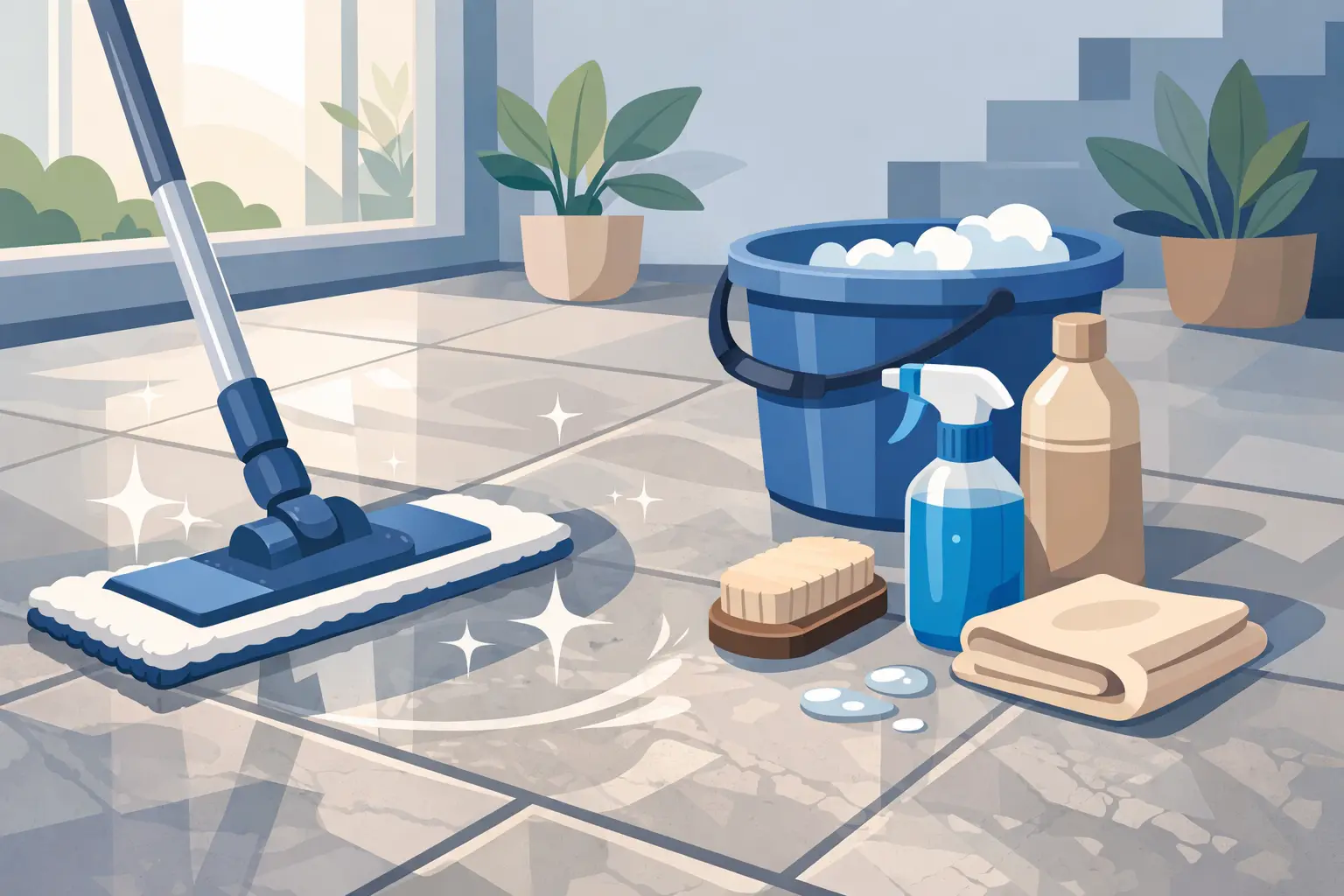
Stone floors usually do not fail all at once. They lose clarity gradually, pick up scratching in traffic lanes, start holding stains more easily, or develop a dull patch where the finish has worn away. If you want to know how to care for stone floors properly, the key is not harder cleaning. It is using the right method for the specific stone, the finish on the surface, and the level of wear the floor is actually under.
Natural stone is a premium material, but it is not maintenance-free. Marble, limestone, travertine, terrazzo, granite and slate all respond differently to moisture, foot traffic, spills and cleaning products. A routine that works on one floor can shorten the life of another. That is why effective care starts with understanding what you are trying to protect.
Why stone floor care needs a specialist approach
Stone is often treated as if it were just another hard floor surface. In practice, it is far more sensitive than porcelain tile or vinyl. Many stones are porous. Some are acid-sensitive. Others are dense but still vulnerable to surface abrasion or finish breakdown over time.
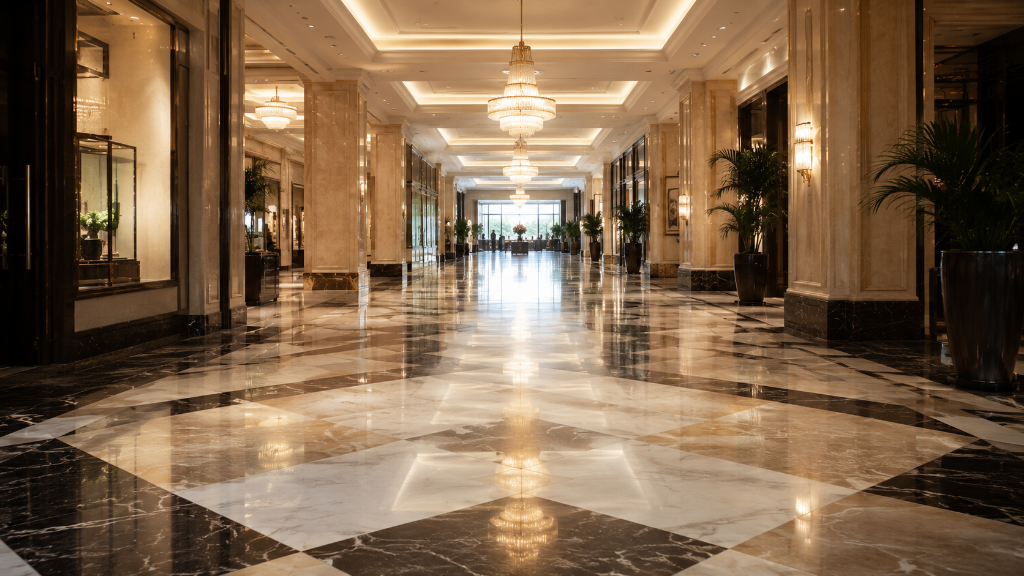
This matters in both homes and commercial settings. In a residential entry, kitchen or living area, day-to-day wear usually comes from grit, spills and inconsistent cleaning. In hospitality venues, office foyers, retail spaces and strata common areas, the issue is often cumulative traffic, moisture at entrances and repeated cleaning with unsuitable products. The floor may still look structurally sound while the finish is steadily deteriorating.
A good care plan preserves both appearance and service life. It helps maintain colour, clarity and slip resistance while reducing the need for aggressive corrective restoration later.
How to care for stone floors day to day
Daily and weekly maintenance should be simple, consistent and gentle. The first priority is dry soil removal. Fine grit tracked in from outside acts like sandpaper under foot, especially on polished marble, limestone and other softer stones. Regular sweeping with a clean microfibre dust mop or vacuuming with a hard-floor setting helps prevent premature wear.
When the floor needs washing, use a pH-neutral cleaner made for natural stone. This is one of the most important parts of how to care for stone floors without causing gradual damage. General supermarket cleaners often contain acids, alkalis, degreasers or glossing agents that leave residue, affect the sealer, or etch sensitive stone.
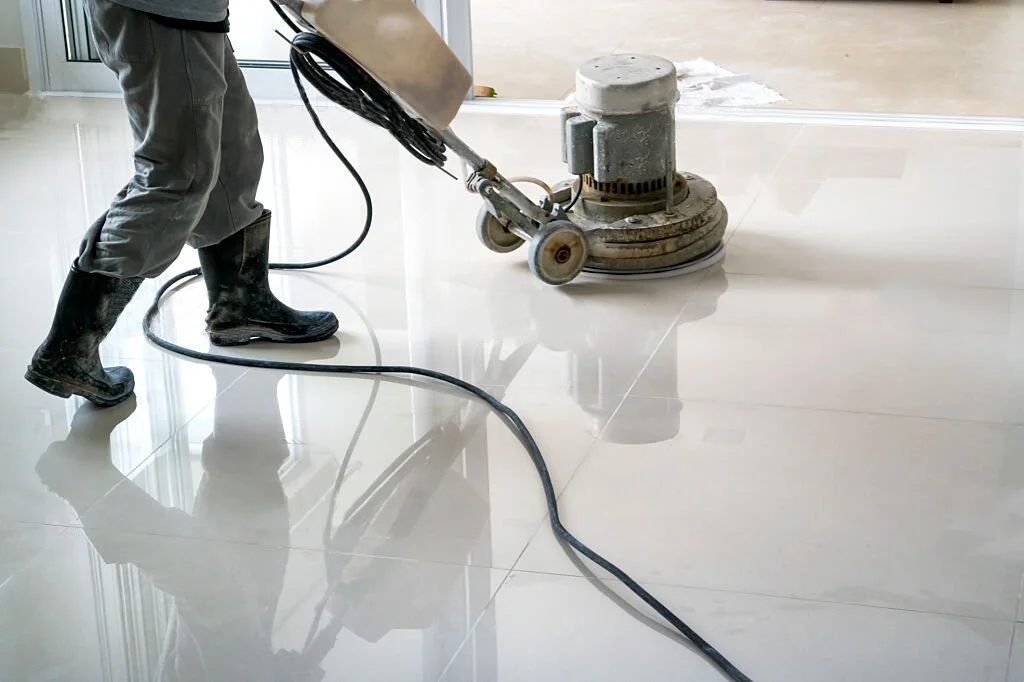
Use clean water, a well-maintained mop and only enough moisture to lift soil. Flooding a stone floor is rarely helpful. Excess water can carry contaminants into grout joints, leave marks during drying, and create problems on more porous surfaces. In commercial environments, machine cleaning can be effective, but the pads, chemicals and frequency all need to suit the stone.
Spills should be dealt with promptly. Wine, coffee, oil, citrus, soft drink and acidic food residues can all create permanent issues if left to sit. On calcium-based stones such as marble, limestone and travertine, acidic spills can etch the surface even when they do not leave a dark stain.
The biggest mistakes property owners make
Most stone floor damage comes from well-intentioned maintenance. Harsh products are a common cause. Vinegar, bleach, heavy-duty bathroom cleaners and multipurpose sprays are often used because they seem strong enough to clean thoroughly. On natural stone, that strength can work against you.
Acidic products can dull polished finishes and leave etching. Overly alkaline cleaners may create residue build-up and affect sealers. Abrasive pads can scratch the surface or strip a honed finish unevenly. Steam cleaning is another area where caution is needed. It can be suitable in some cases, but on certain stones and installations it may stress the surface, affect fillers, or push moisture into areas where it should not sit.
Another common mistake is assuming sealing solves everything. Sealer helps manage absorption and gives the stone a level of stain resistance, but it does not make the floor stain-proof, scratch-proof or acid-proof. It is part of a maintenance system, not a substitute for one.
Matching the care method to the stone
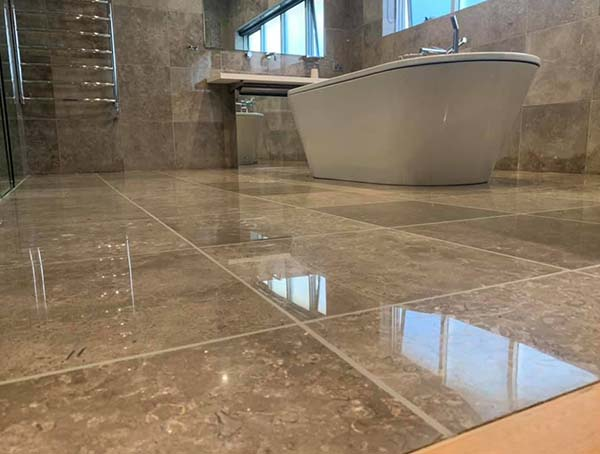
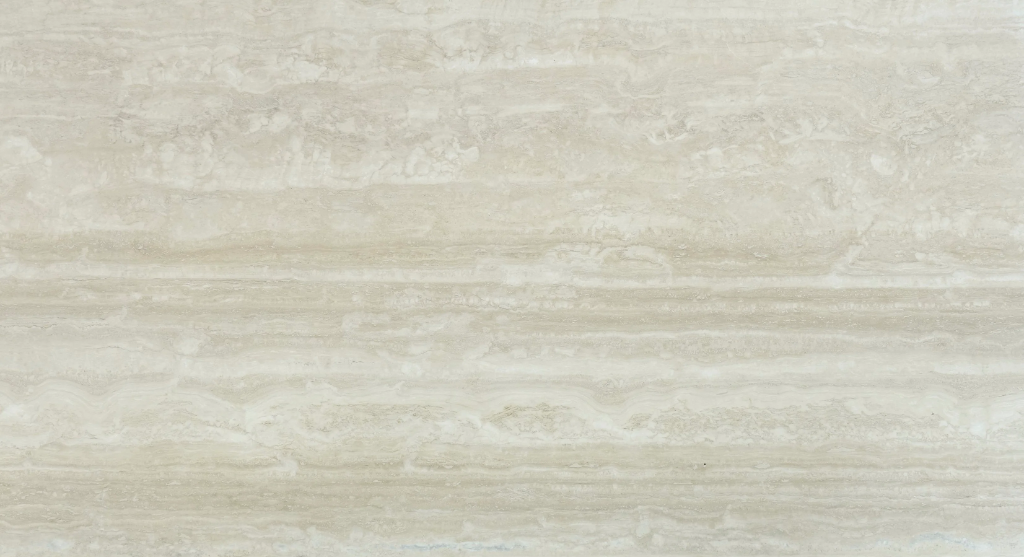
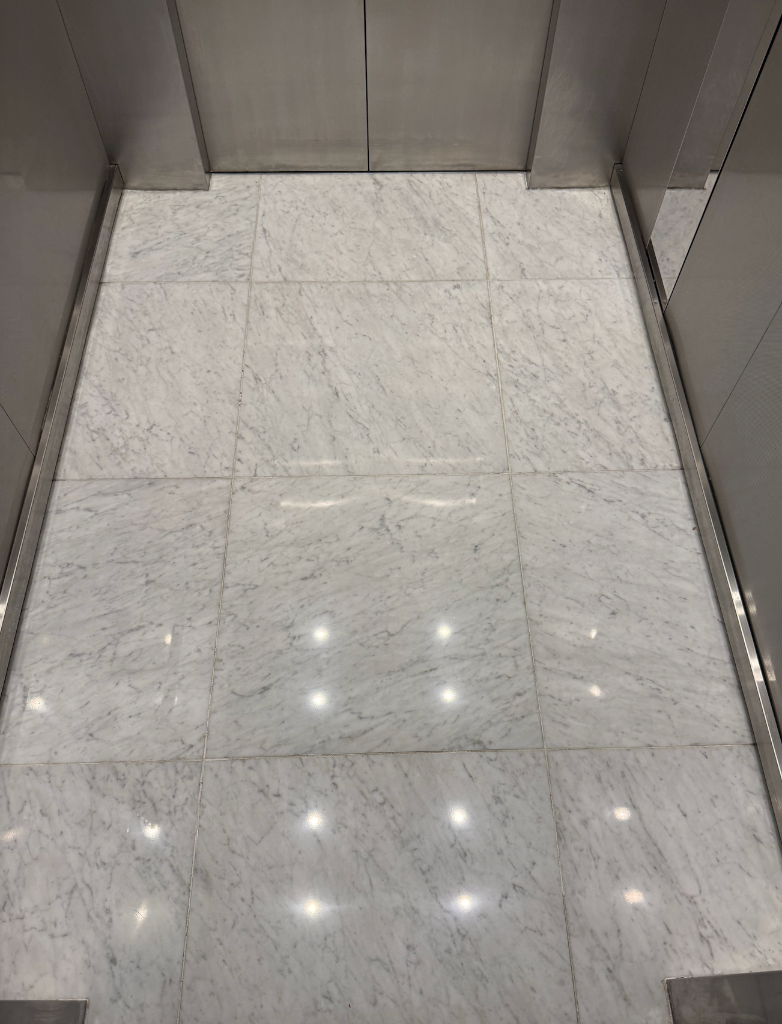
Different stones need different expectations. Marble and limestone are elegant but relatively soft and sensitive to acids. They benefit from gentle cleaning, prompt spill response and regular condition checks, especially in kitchens, bathrooms and entertaining areas.
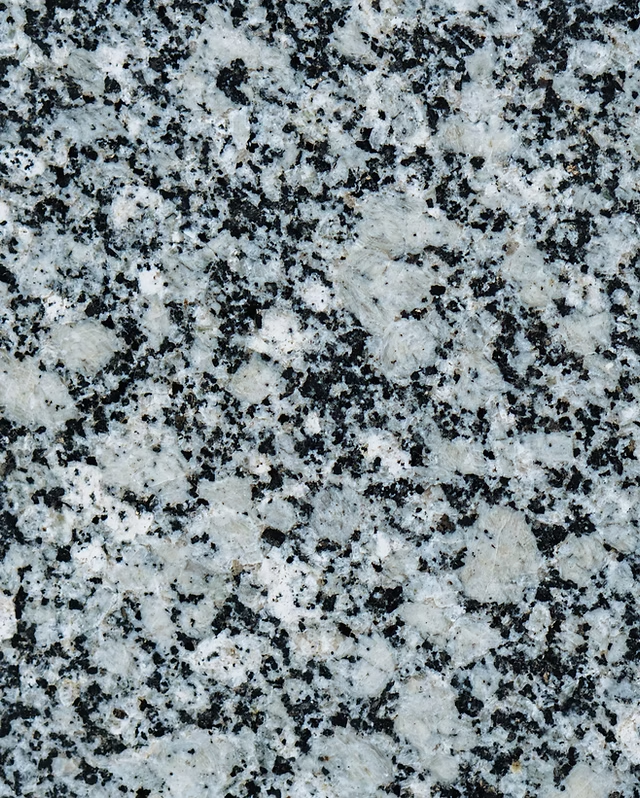
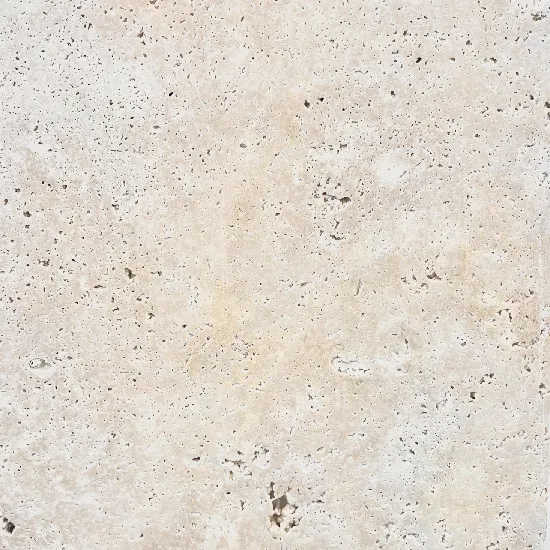
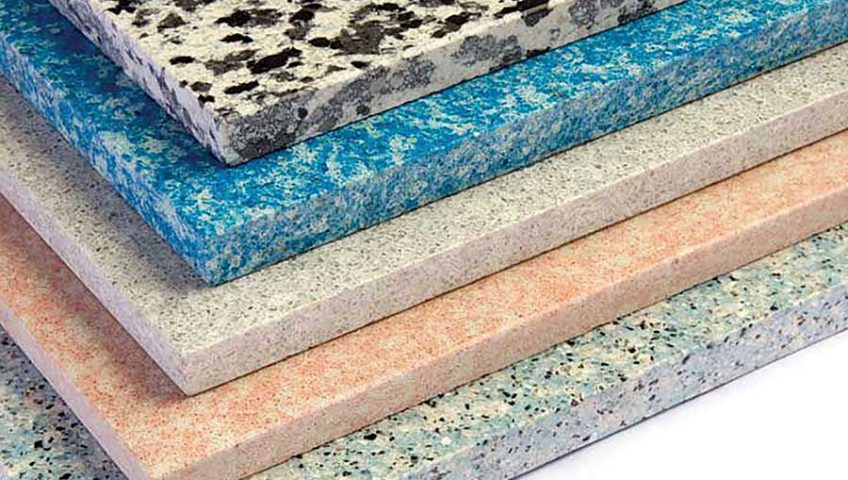
Travertine requires similar care, with the added consideration of filled holes and surface texture. Aggressive scrubbing can weaken filler over time. Slate is generally more textured and may hold soil in low points, so cleaning needs to lift grime without leaving residues that flatten the natural appearance. Granite is denser and often more forgiving, but it can still lose finish quality or show staining if neglected.
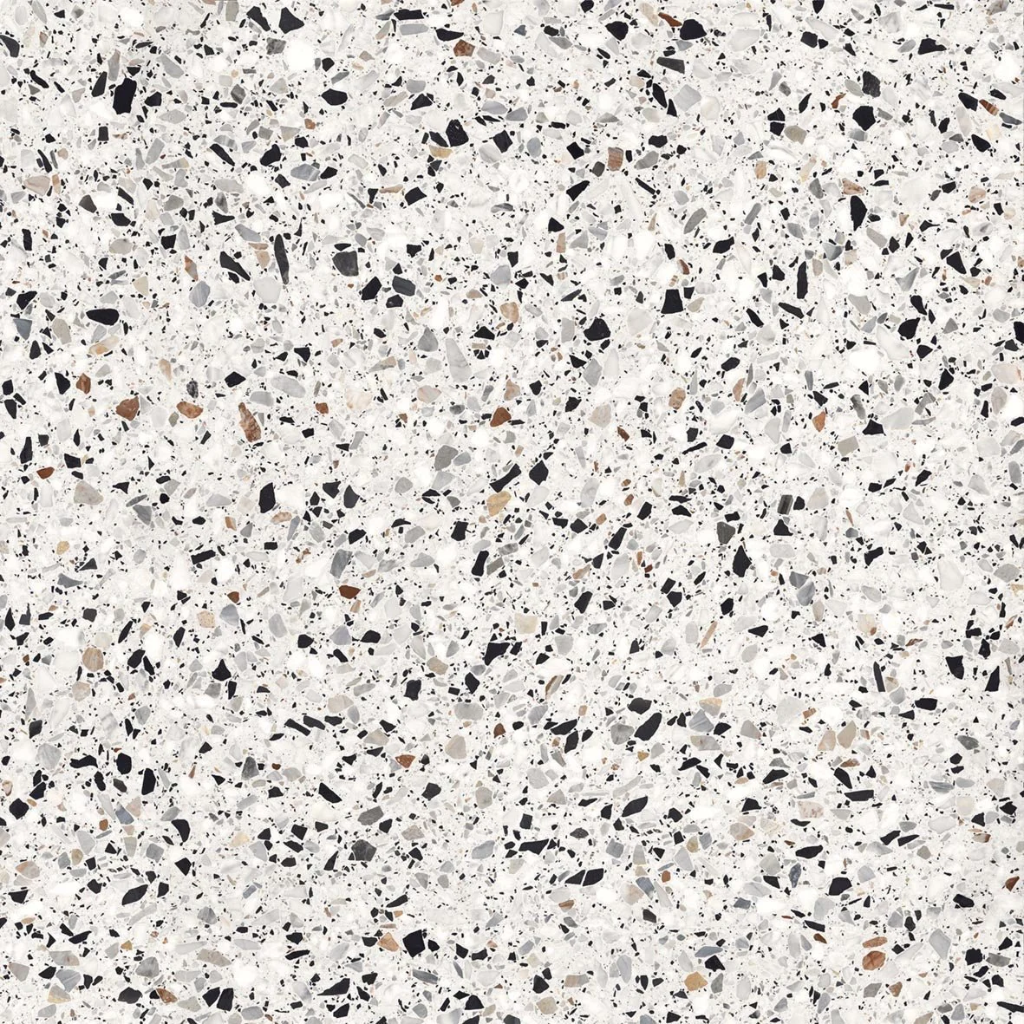
Terrazzo sits in a slightly different category because it is a composite material, but it still needs stone-appropriate maintenance. Depending on the binder and finish, it can respond very well to professional polishing and scheduled maintenance.
The finish also matters as much as the stone type. A polished surface shows scratching and etching more readily. A honed finish is often more forgiving visually but can still absorb contaminants if not maintained correctly. Textured and external finishes need special attention to soil retention, drainage and safe cleaning methods.
Sealing stone floors the right way
Sealing has a clear role in long-term preservation, but it should be done for the right reason and at the right interval. Penetrating sealers are commonly used to reduce absorption into porous stone. They help buy time when spills occur and support easier maintenance, but they wear gradually and need reassessment over time.
Not every stone requires the same type of sealer, and not every floor needs resealing on a fixed annual schedule. A low-traffic internal granite floor may perform well for far longer than a porous limestone surface near an entry. The best indicator is not guesswork but the current condition of the stone, its porosity, and how the surface is being used.
Application also matters. Poorly applied sealer can leave hazing, patchiness or uneven performance. Before sealing, the floor needs to be properly cleaned and allowed to dry. If the surface already has built-up residues or existing damage, sealing over the top can lock problems in rather than solve them.
When maintenance becomes restoration
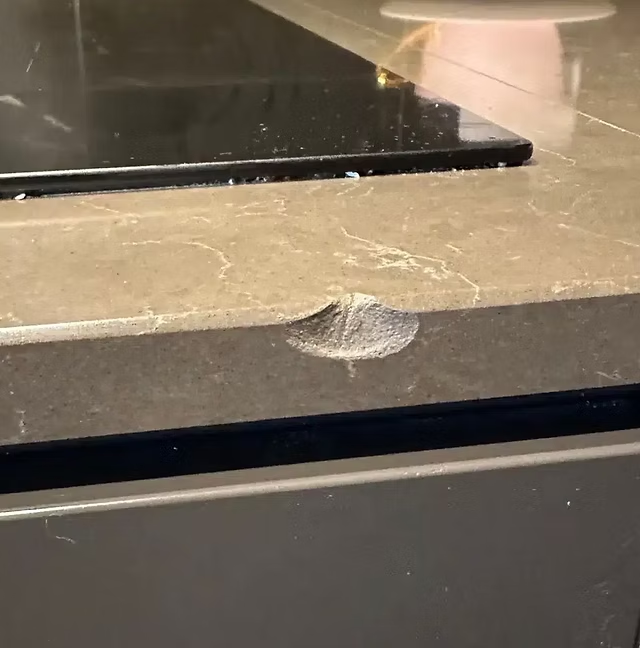
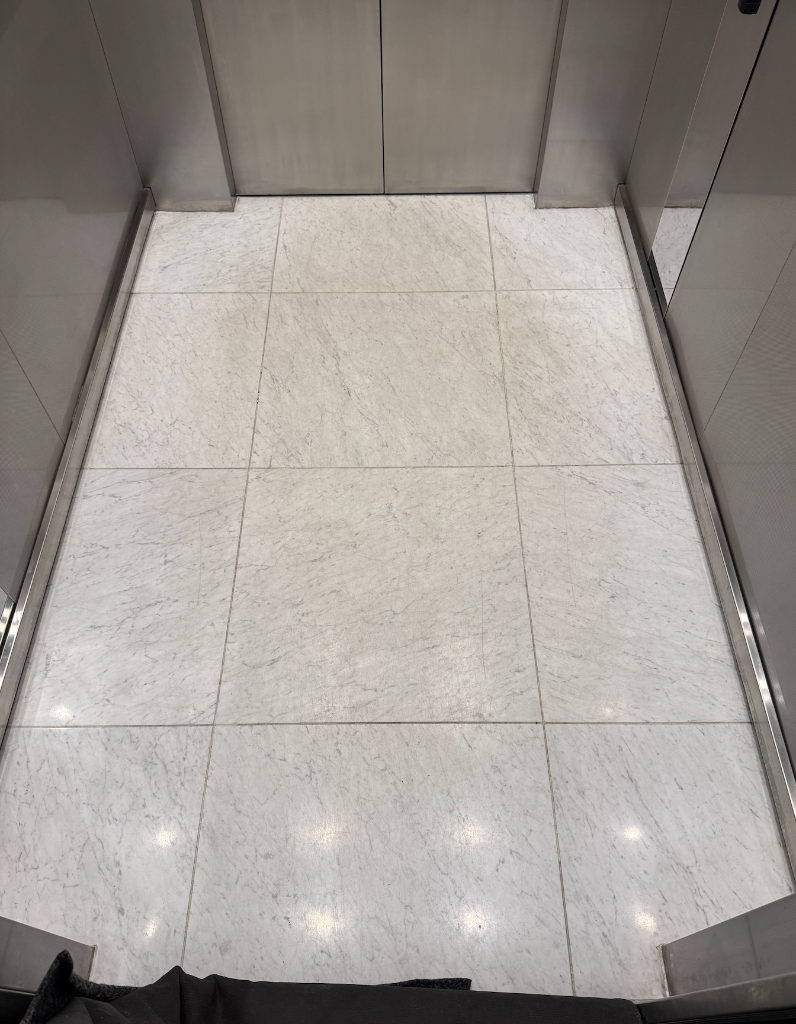
There is a point where routine cleaning no longer delivers the result you want. If the floor looks dull even after washing, has visible etching, scratching, traffic wear, ingrained staining or inconsistent sheen, it may need restoration rather than more cleaning.
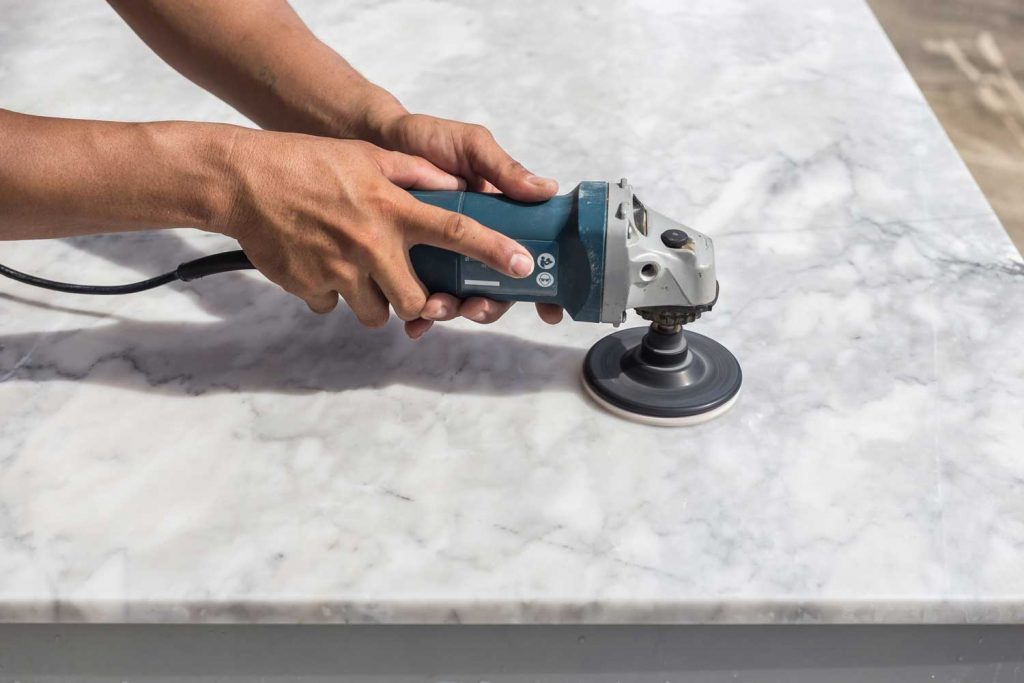
Professional restoration can involve deep cleaning, stain treatment, honing, polishing, sealing and finish correction depending on the material. The right process restores the surface in a controlled way rather than masking problems temporarily. This is especially important on premium residential floors and in commercial spaces where presentation affects the overall standard of the property.
For facility managers and commercial operators, planned maintenance is often the most cost-effective option. Waiting until the floor looks heavily worn can mean more downtime, more intensive works and a larger restoration scope. For homeowners, early intervention can preserve the original finish and avoid the disappointment of seeing an expensive floor age before its time.
A practical maintenance standard for homes and commercial sites
A sound maintenance plan is not complicated. It usually means controlling grit at entries, using stone-safe cleaning products, responding quickly to spills, and reviewing the floor periodically for sealing and wear. In high-traffic settings, frequency matters. In lower-traffic homes, product choice and consistency matter more than intensity.
It also helps to be realistic about what your floor is exposed to. A honed limestone kitchen floor in an active family home will not behave like a polished granite floor in a formal dining room. A hotel lobby or retail tenancy has completely different traffic demands again. Good care is always context-specific.
That is where specialist input becomes valuable. A dedicated stone care provider can assess whether the issue is dirt, residue, sealer failure, etching, wear, or actual surface damage, and recommend a treatment that suits the stone rather than a generic floor-cleaning approach. For Sydney properties with premium natural stone finishes, that level of expertise protects both appearance and long-term value.
Stone rewards careful ownership. Treat it as a surface that needs informed maintenance rather than occasional rescue, and it will hold its finish, character and performance for years to come.