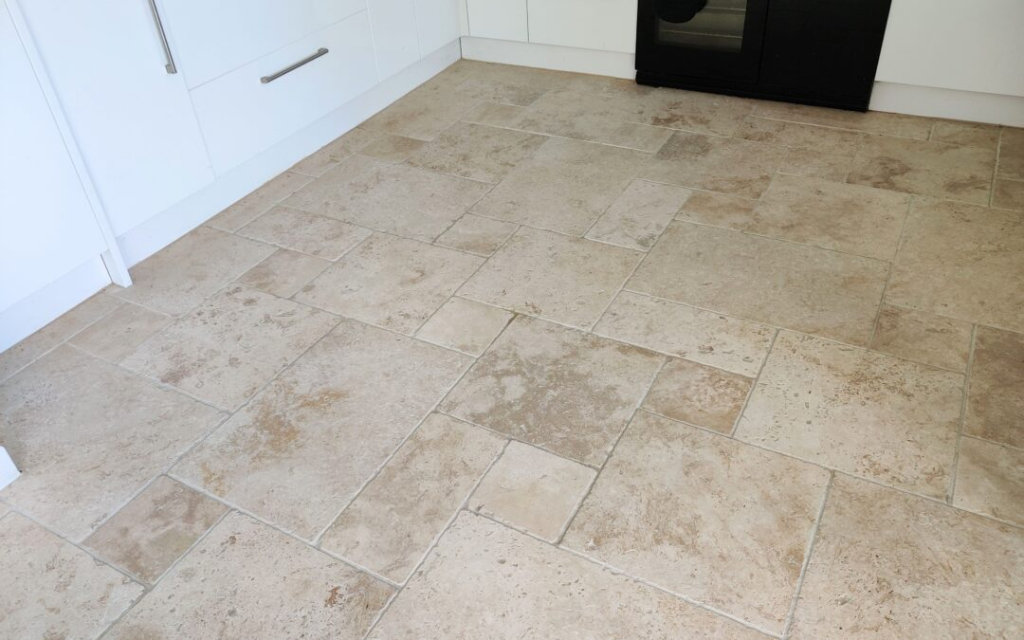
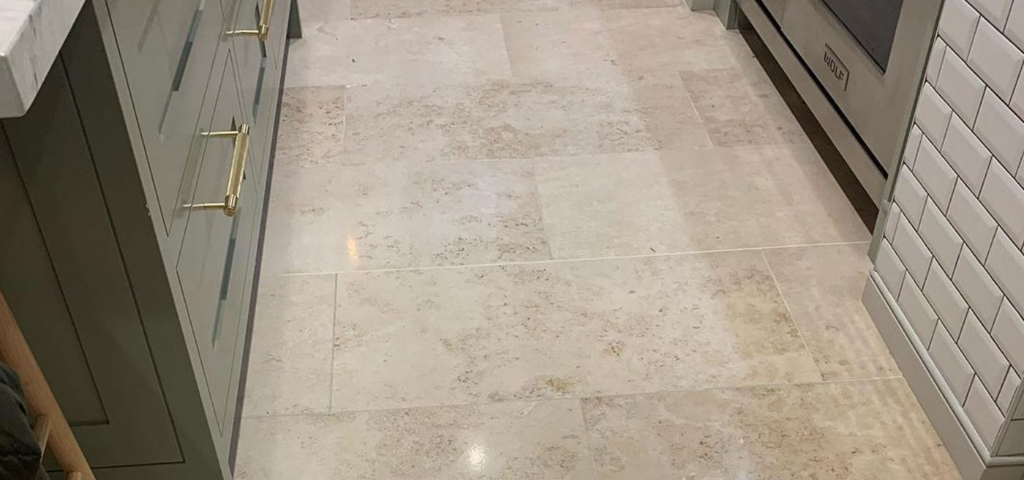
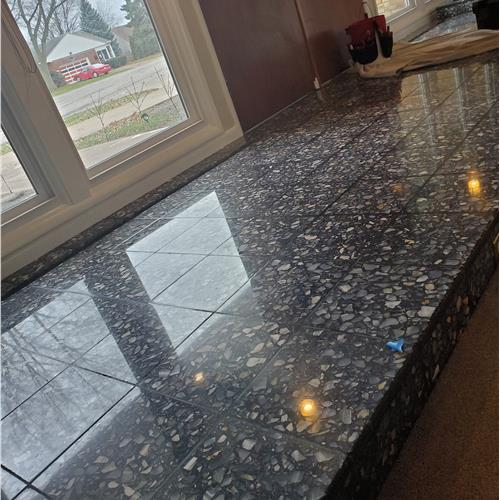
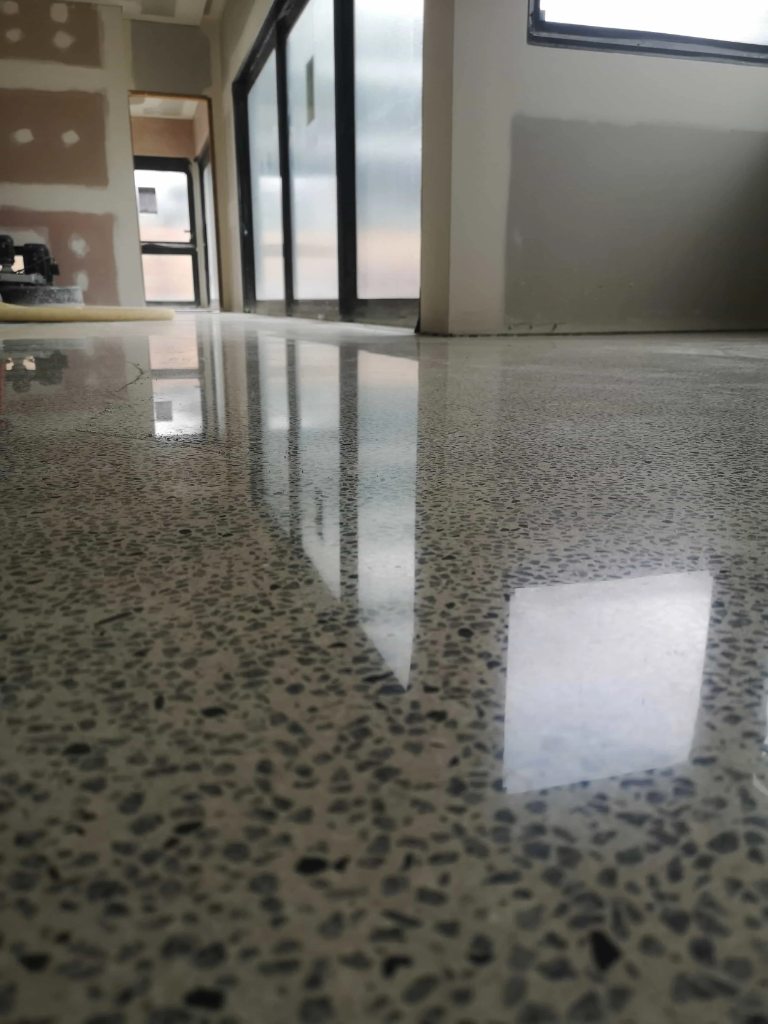
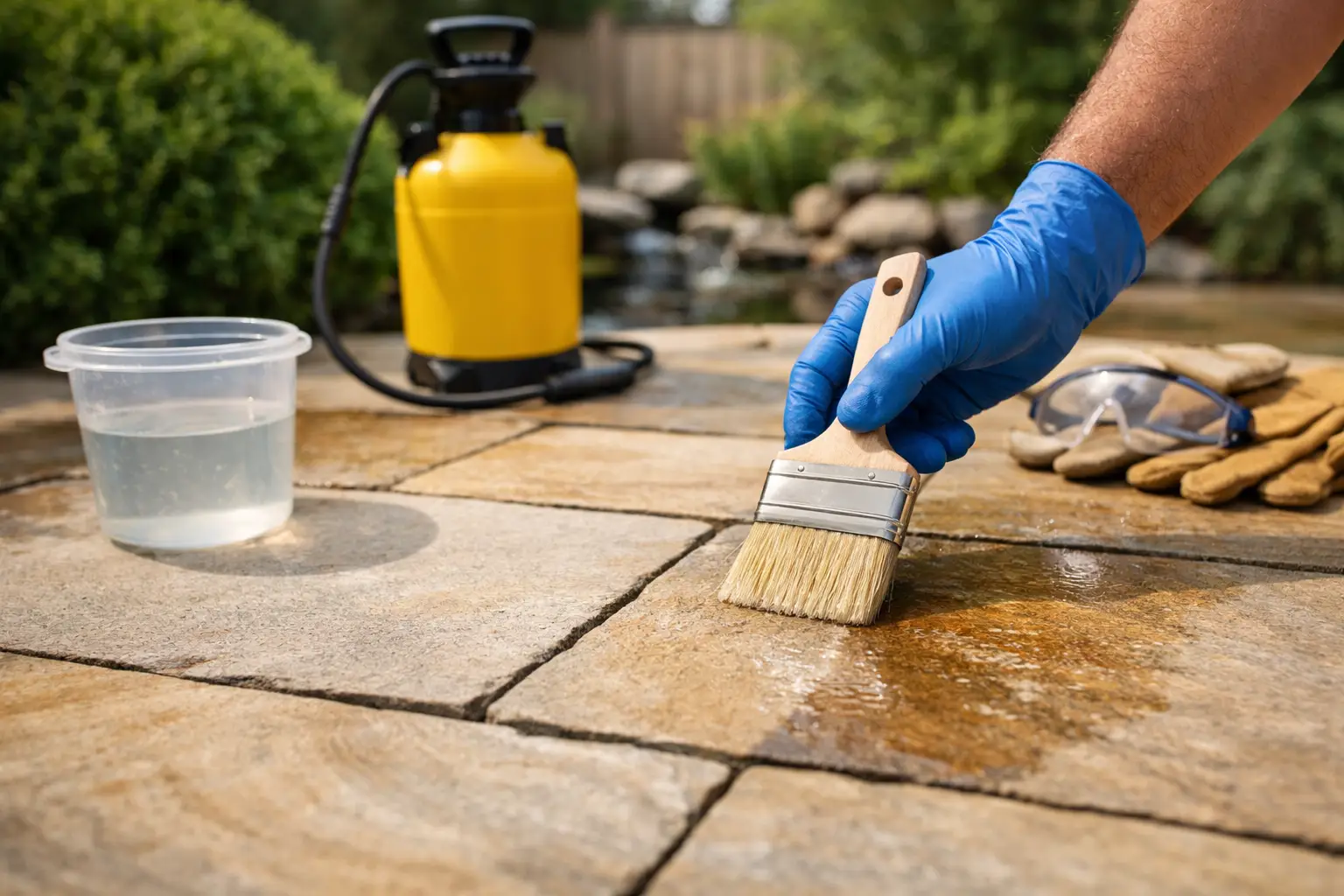
Outdoor sandstone should not need to look tired after only a few seasons. When it becomes blotchy, slippery, stained or powdery, the cause is usually not the stone itself but exposure, unsuitable cleaning, inadequate drainage or a sealer that is no longer performing. Knowing how to protect outdoor sandstone paving allows homeowners and property managers to preserve both its natural character and long-term value.
Sandstone is a premium natural material, but it is also porous. Its surface can take in moisture, oils, leaf tannins and airborne contaminants unless it is correctly maintained. Sydney’s strong UV, summer storms, humid conditions and, in coastal locations, salt exposure can all accelerate weathering. A sensible protection plan addresses the whole paved area, not just the visible marks.
Start with the condition of the sandstone
Protection works best on paving that is clean, dry and structurally sound. Applying sealer over ingrained dirt, algae, old coating residue or moisture can lock problems into the surface. The result may be patchy colour, poor sealer penetration, whitening or premature failure.
Inspect the paving before treating it. Look closely for darkened areas around planters, barbecue zones and pool edges, as well as loose pointing, cracked pavers, flaking faces and white mineral deposits. White deposits, known as efflorescence, often indicate moisture moving through the substrate and carrying salts to the surface. Sealing alone will not correct this. The moisture source, drainage or installation issue needs attention first.
Newly laid sandstone also needs time to dry and stabilise before sealing. The appropriate timing depends on the stone, bedding method, weather and whether moisture remains below the surface. Rushing this stage can compromise the finish from the beginning.
Clean gently before you seal
Routine cleaning is the foundation of outdoor sandstone care. Sweep regularly to remove grit, leaf litter and soil before they are walked into the pores. Leaves, berries and timber debris can release tannins that leave brown or black marks, particularly after rain.
For general washing, use clean water and a pH-neutral cleaner formulated for natural stone. Work in manageable sections, avoid allowing cleaning solution to dry on the paving, then rinse thoroughly. A soft-bristled broom or suitable pad is usually enough for routine soil. The objective is to lift contamination without eroding the surface.
Avoid household acids, bleach-heavy products, harsh degreasers and untested mould treatments. Even where a chemical does not visibly etch sandstone, it may alter its colour, affect the binder within the stone, leave a residue or interfere with later sealing. Products intended for tiles, concrete or general exterior cleaning are not automatically suitable for natural stone.
High-pressure cleaning also requires restraint. Excessive pressure, a narrow nozzle or cleaning too close to the stone can roughen the face, strip softer material from the surface and open the pores further. This makes the paving more vulnerable to future soiling and can leave a visibly uneven finish. Professional cleaning methods should be selected for the sandstone’s density, finish, contamination and condition.
Treat stains by their source
A dark mark is not always the same type of stain. Cooking oils, rust from outdoor furniture, organic leaf marks, grout haze and salt residue each need a different treatment approach. Applying a strong all-purpose cleaner to every mark can turn a local problem into widespread surface damage.
Act promptly on spills. Blot oils rather than rubbing them deeper into the stone, remove food and drink residue, and rinse the area with water where appropriate. For persistent staining, particularly rust, oil or deep organic marks, specialist assessment is safer than repeated chemical trials. Natural stone stain removal often requires controlled products, dwell times and poulticing techniques rather than more pressure or stronger detergent.
Choose a breathable penetrating sealer
For most exterior sandstone paving, a high-quality penetrating sealer is the preferred form of protection. It absorbs below the surface and helps reduce the uptake of water and common staining agents while allowing the stone to breathe. This is particularly valuable where the paving is exposed to rain, ground moisture or pool splash.
A sealer is not a waterproof coating and it does not make sandstone maintenance-free. It gives you more time to remove spills and reduces the likelihood of deep staining. It will not stop physical wear, movement in the substrate, poor drainage or contamination that is left sitting on the surface.
Topical coatings that create a visible film can be appropriate in limited circumstances, but they need careful consideration. On outdoor sandstone they may trap moisture, alter slip resistance, create an artificial sheen or peel unevenly as they weather. A wet-look finish can also darken the stone significantly. Always test a discreet area first and assess the result in both dry and wet conditions.
For pool surrounds, entrances, hospitality terraces and other pedestrian areas, slip resistance must be part of the sealer decision. A product that improves stain resistance but leaves the paving more slippery when wet is not an acceptable outcome. The correct system balances appearance, protection and safe use.
Manage water before it manages the paving
Water is one of the main drivers of sandstone deterioration. It encourages algae and mould growth, carries salts through the stone and can create dark moisture patches that never fully dry. The paving should fall away from the building and towards suitable drainage, with no persistent ponding after rain.
Keep drains, channels and weep paths clear. Check irrigation regularly, as overspray from sprinklers can cause recurring mineral deposits and green growth along the same sections of paving. Planters should have adequate drainage and should not allow wet soil to sit directly against sandstone edges.
Coastal Sydney properties need extra attention. Salt-laden air and splash from pools can leave deposits that attract moisture and dull the surface over time. Regular fresh-water rinsing, particularly around pool areas and exposed coastal terraces, helps limit salt build-up. It should be followed by appropriate drying time rather than constant wetting.
Maintain high-use areas more often
Not every paved area ages at the same rate. A sheltered courtyard may need relatively light maintenance, while a north-facing entertaining area, restaurant entry or strata walkway receives more foot traffic, UV and spill risk. Maintenance intervals should reflect the location and use of the surface.
As a practical guide, sweep frequently, wash with stone-safe products as required, and inspect the paving after heavy rain or seasonal changes. Pay particular attention to barbecue areas, outdoor kitchens, bin zones, commercial entrances and areas beneath trees. These are usually the first locations to show staining, biological growth or sealer wear.
Sealer performance should be reviewed rather than assumed. If water immediately darkens and absorbs into previously sealed sandstone, or spills leave marks more readily than before, the protective treatment may be diminishing. The right resealing interval depends on foot traffic, exposure, stone porosity, cleaning methods and the original sealer. Reapplying too soon can be as problematic as leaving the paving unprotected, especially if residues have built up.
When professional sandstone care is worthwhile
Professional help is valuable when sandstone has widespread staining, heavy algae growth, efflorescence, uneven colour, failed coatings or signs of surface wear. It is also worthwhile before sealing a large or high-value area, where an incorrect product choice can be expensive to reverse.
A specialist approach begins with identifying the sandstone, its finish and the source of the problem. Cleaning, stain treatment, surface preparation and sealing should then be matched to the site. For commercial and strata properties, this can form part of a planned maintenance programme that protects presentation and reduces the need for major restoration later.
Sydney Stone Care provides specialist treatment for natural stone surfaces where appearance, safety and longevity matter. The aim is not to make sandstone look artificially perfect, but to retain its natural colour and texture while improving its resistance to everyday exposure.
Well-protected sandstone develops character, not neglect. Keep it clean, control moisture, use products made for natural stone and respond early when the surface begins to change. Those measured steps give outdoor paving the best chance of ageing with the quality it was chosen for.