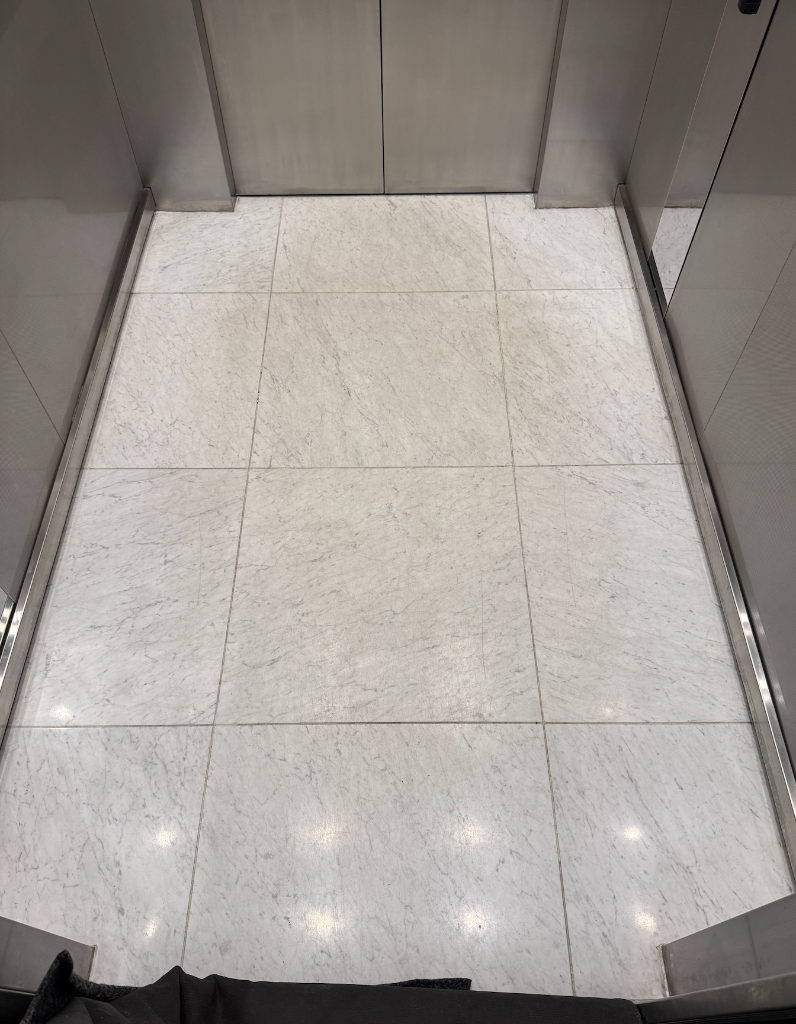
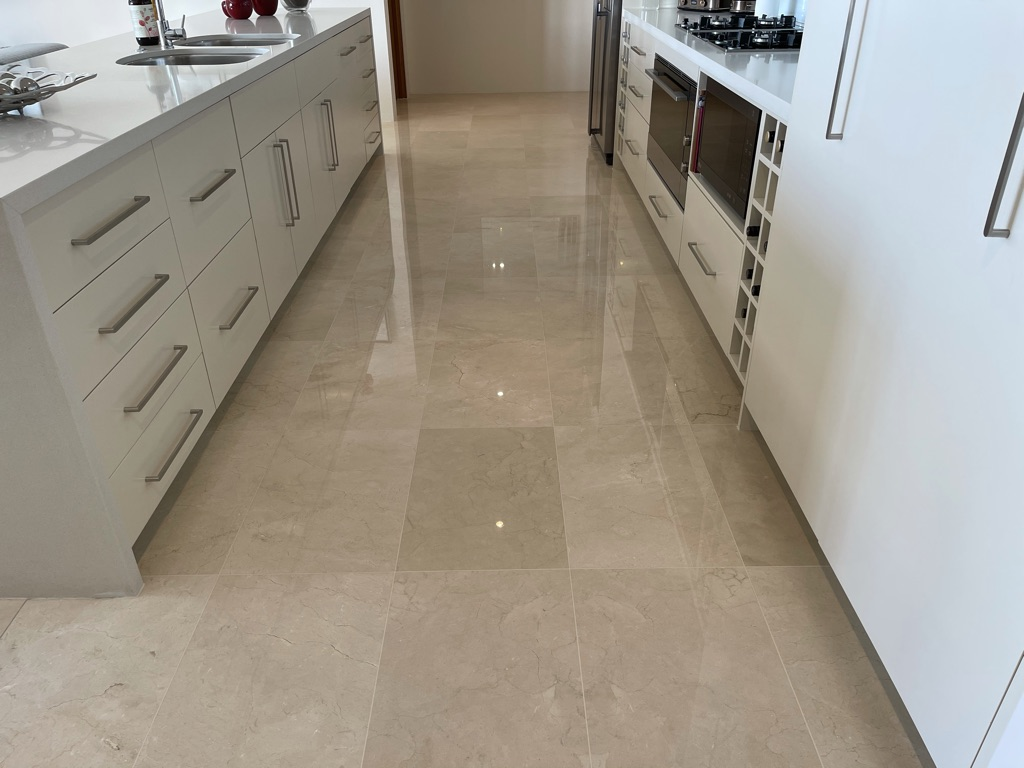
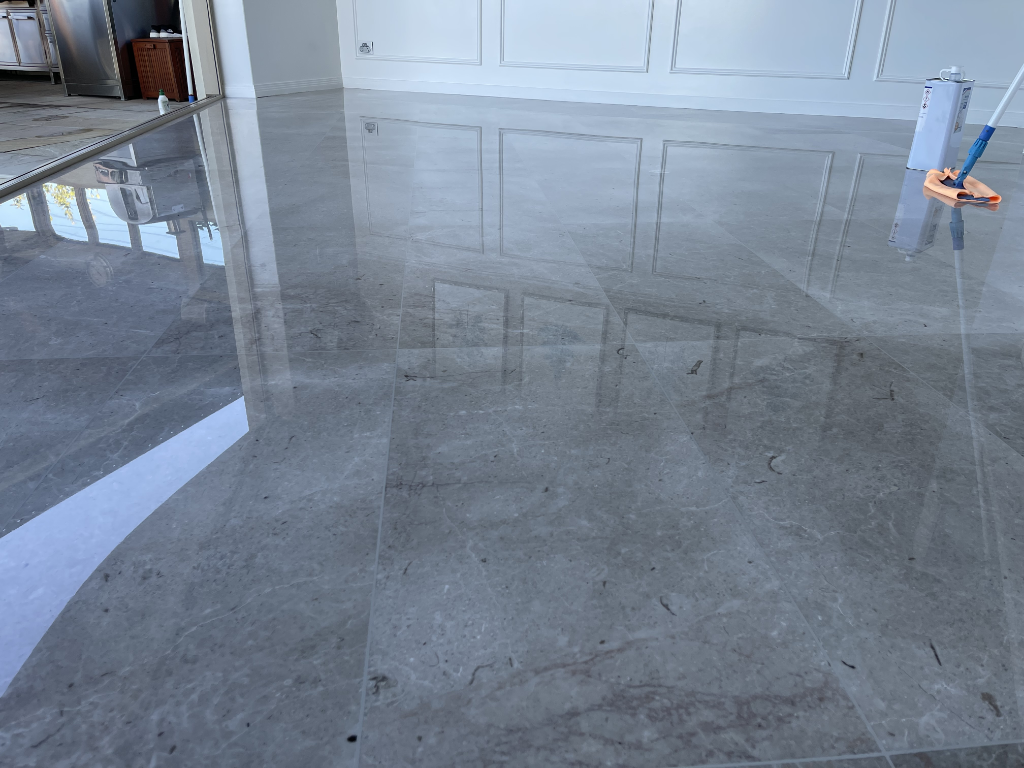
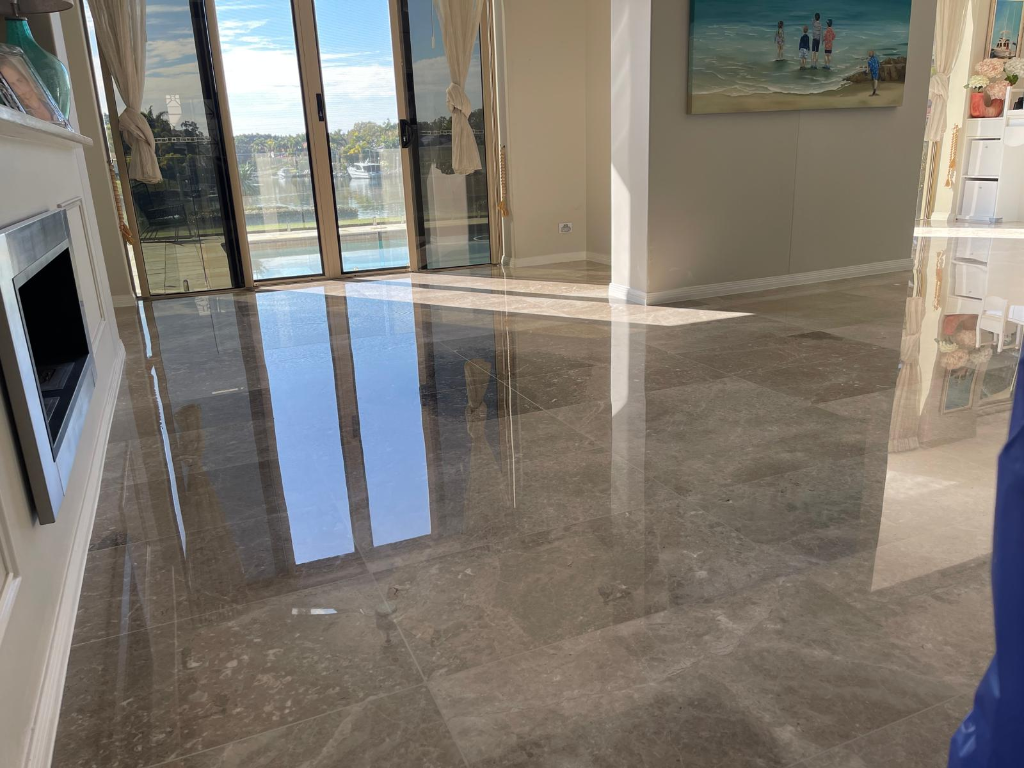
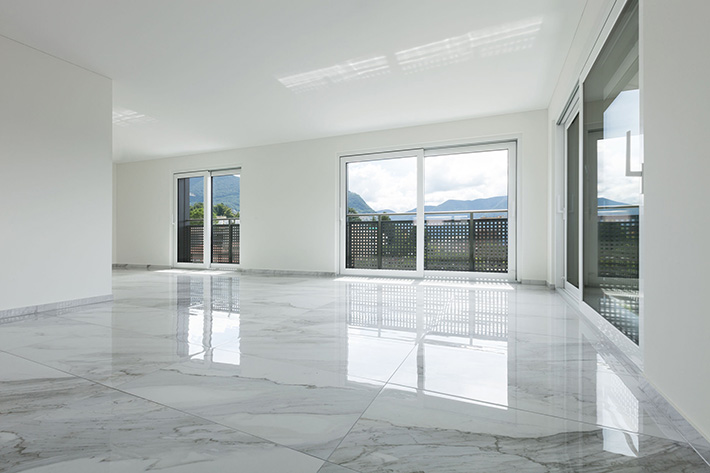
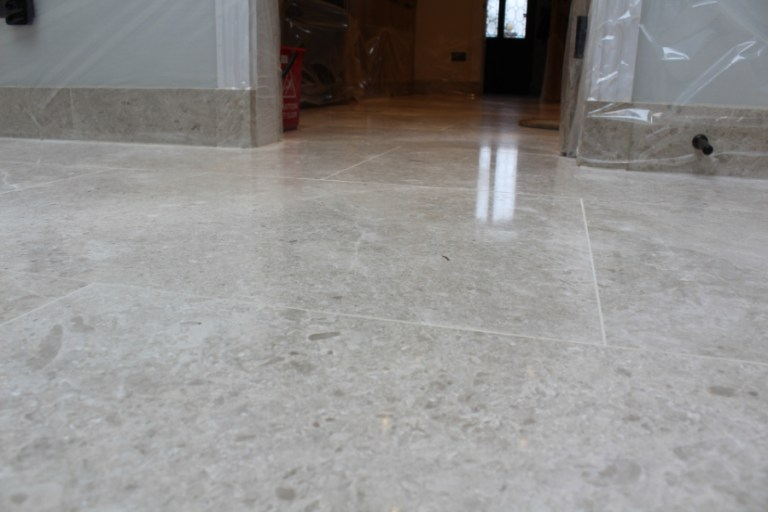
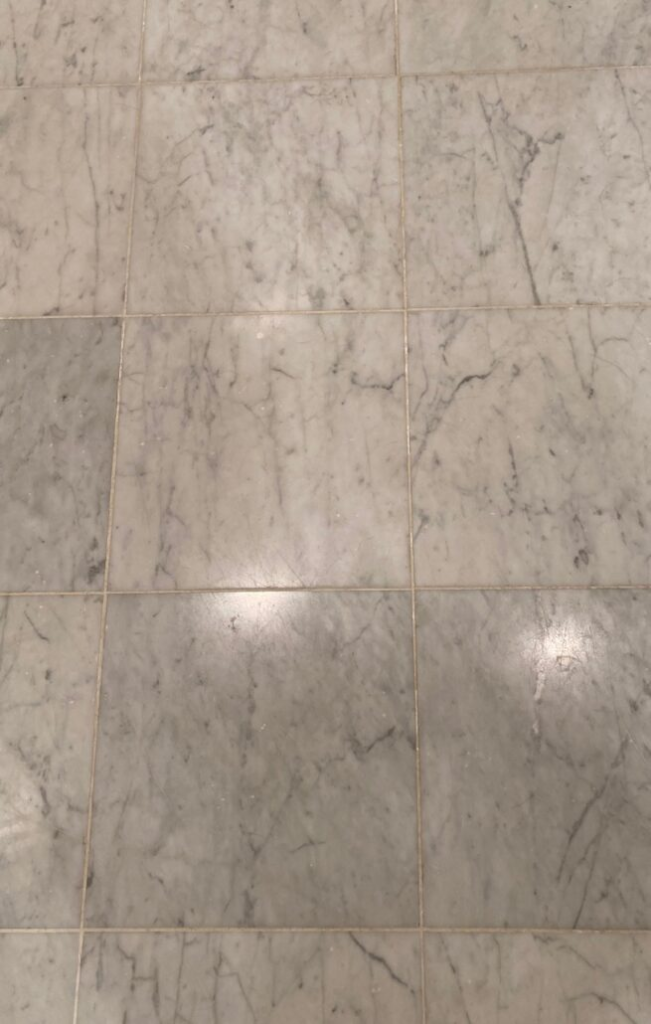
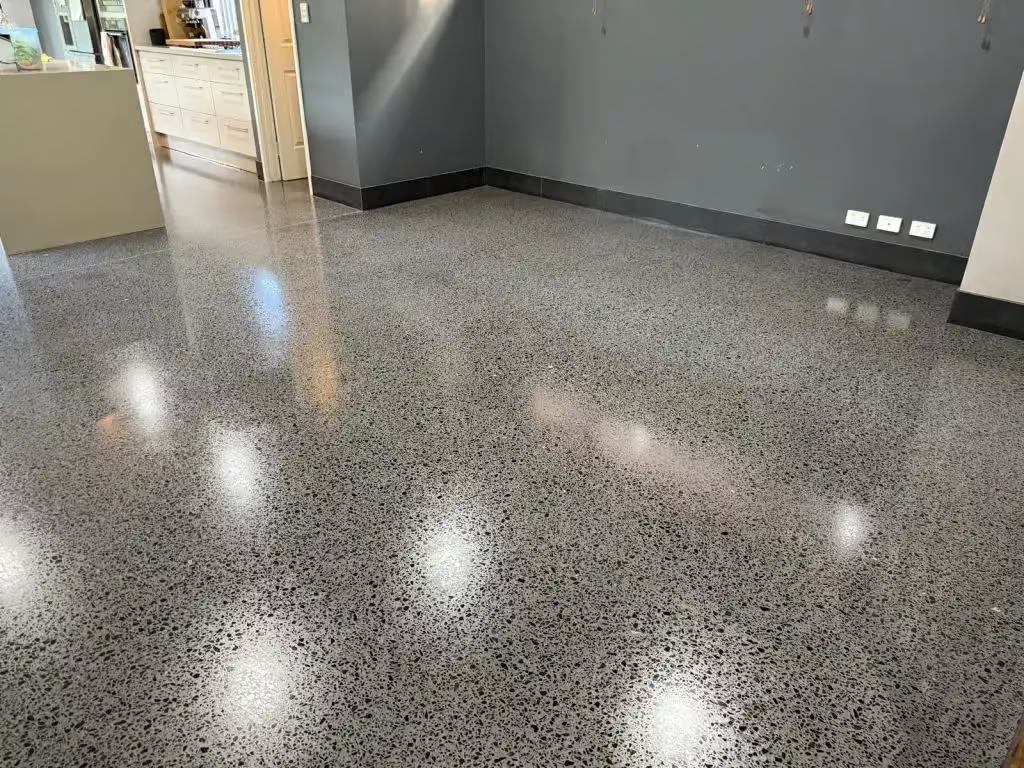
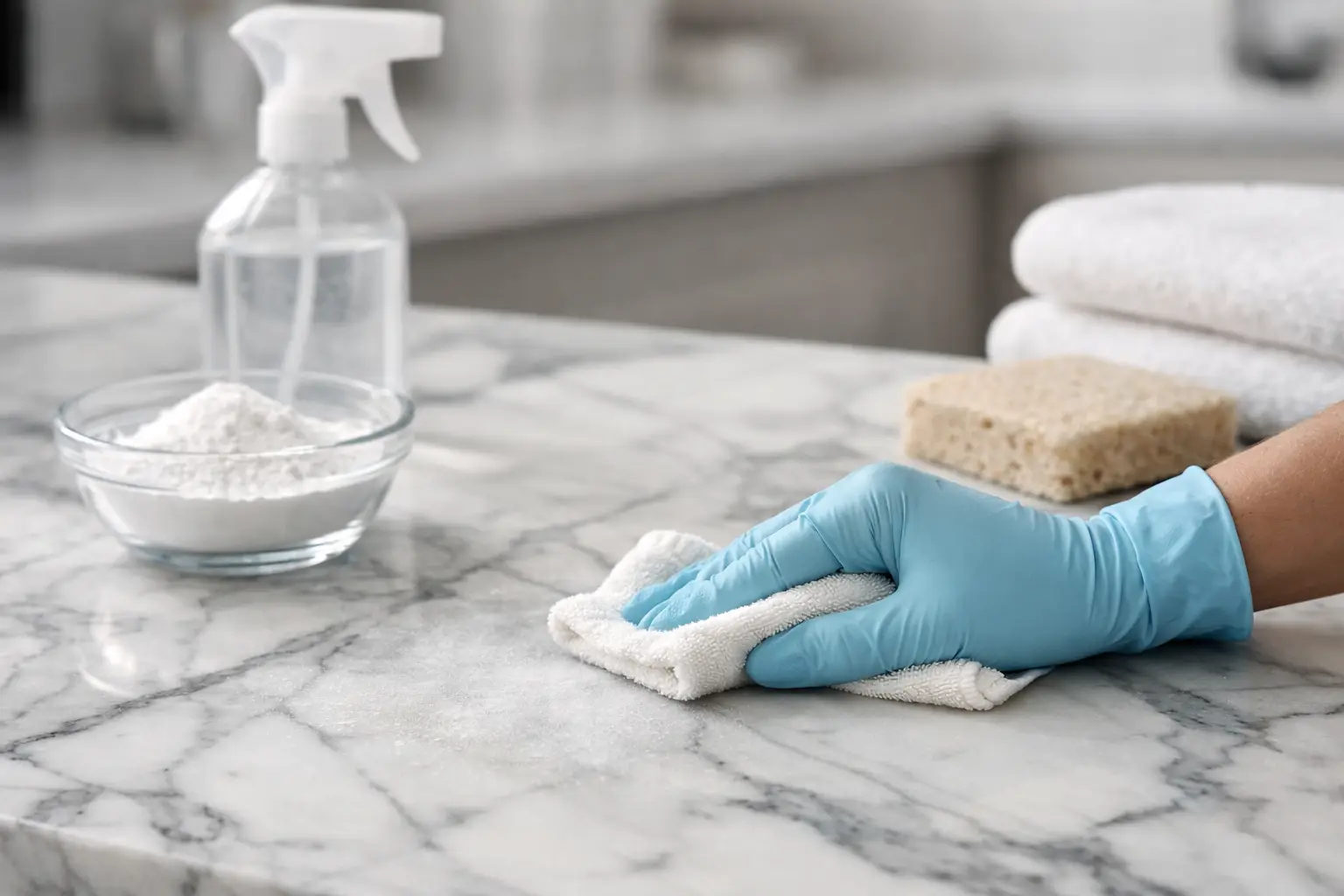
A lemon wedge left beside the sink, a splash of vinegar-based cleaner or a drink ring on a marble benchtop can leave a pale, dull patch that cleaning will not shift. This is usually etching, not staining. Knowing how to remove etch marks from marble starts with recognising that difference, because treating an etched surface like a stain can make the finish worse.
Marble is calcium-based natural stone. Acids react with the calcium carbonate at the surface, changing its texture and reducing its shine. The result may look like a water mark, but it is actually a small area of physical surface damage. Correct restoration means refining and re-polishing that affected area to match the surrounding stone.
First, confirm that the mark is etching
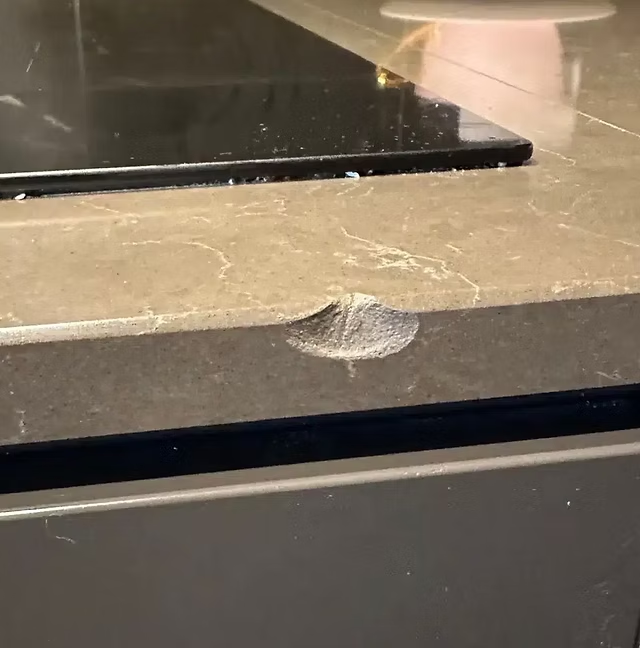
Etch marks are commonly lighter than the surrounding marble, especially on dark stone. On polished marble, they appear as dull spots, rings or drips that catch the light differently. Run a clean fingertip lightly across the mark. If it feels slightly rough, textured or less glossy than the surrounding surface, it is likely etched.
A stain behaves differently. It is usually darker or discoloured, while the stone’s polished surface remains intact. Red wine, cooking oil, rust and cosmetics can stain marble, but they do not necessarily remove the polish. Some marks involve both problems: an acidic liquid can etch the surface while its pigment or oil penetrates the stone.
This distinction matters because poultices and stone stain removers may help draw out a stain, but they will not restore a dulled polish. Equally, aggressive polishing will not remove a deep stain and may create an uneven patch around it.
How to remove etch marks from marble: assess the severity
The right approach depends on the marble finish, the size of the affected area and the depth of the etching. Honed marble has a soft, low-sheen appearance, so mild etching can be less visible and sometimes blend with normal use. Polished marble reflects light clearly, making even small etches noticeable.
Minor etching is generally limited to a small, smooth dull spot with no obvious texture. A suitable marble polishing powder or purpose-made etch-removal product may improve this type of damage. Deep etching can feel rough, appear white or cloudy, or cover a wide area such as a bathroom vanity, reception counter or hotel bar top. That level of damage requires professional mechanical honing and polishing to produce an even finish.
Do not judge severity only by the size of the mark. A small acidic spill left to sit on polished marble can cause a deeper etch than a larger spill wiped away promptly.
When a careful DIY repair may be appropriate
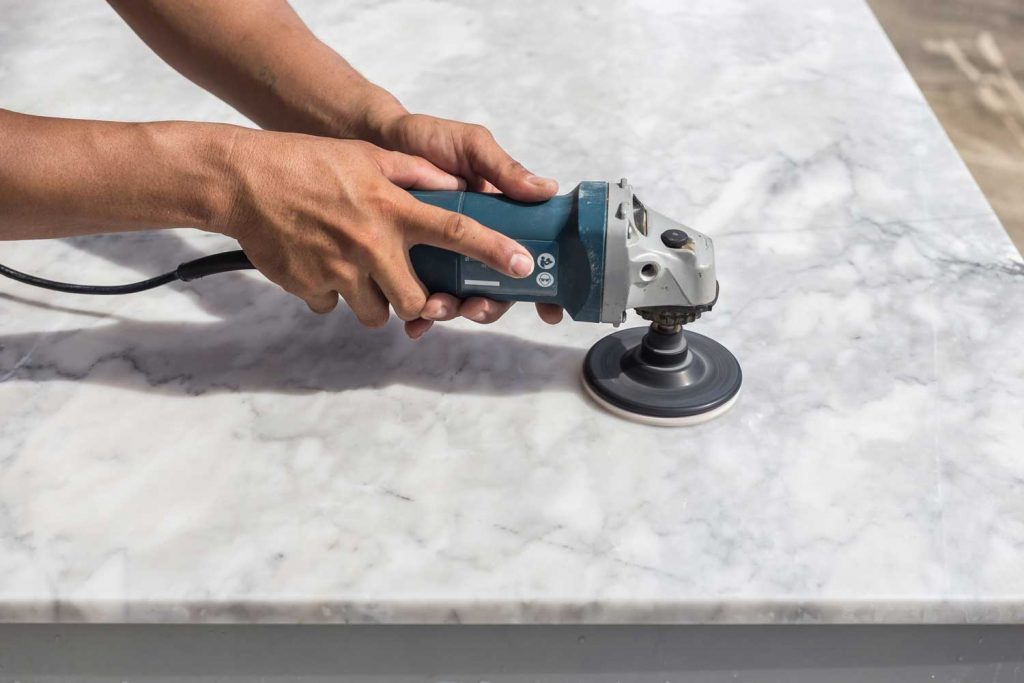
For one or two minor etch marks on a polished marble benchtop, a quality marble polishing compound can be a reasonable first step. Choose a product specifically designed for calcium-based stone. General metal polish, cream cleanser and abrasive powders are not suitable substitutes.
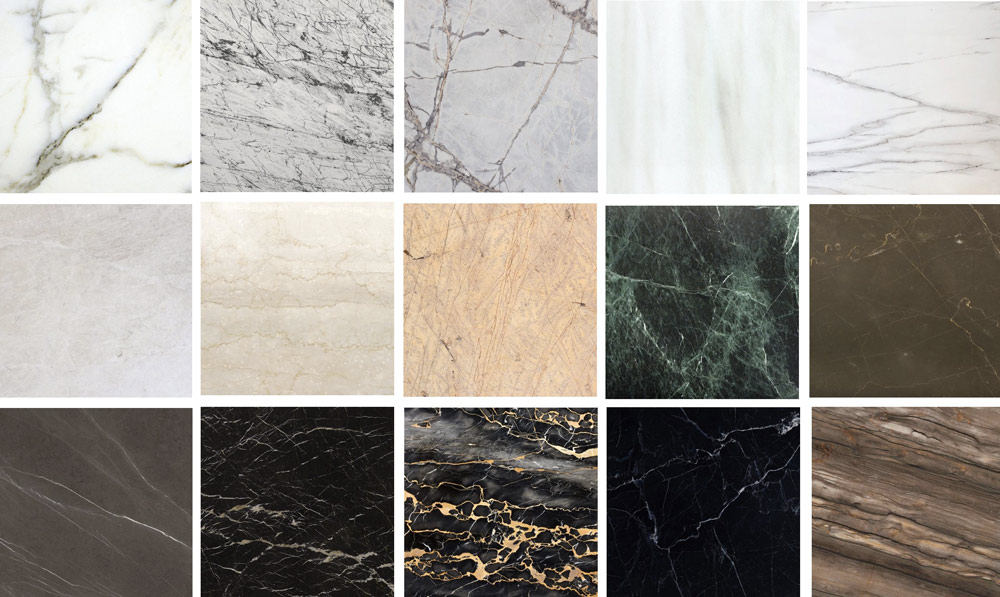
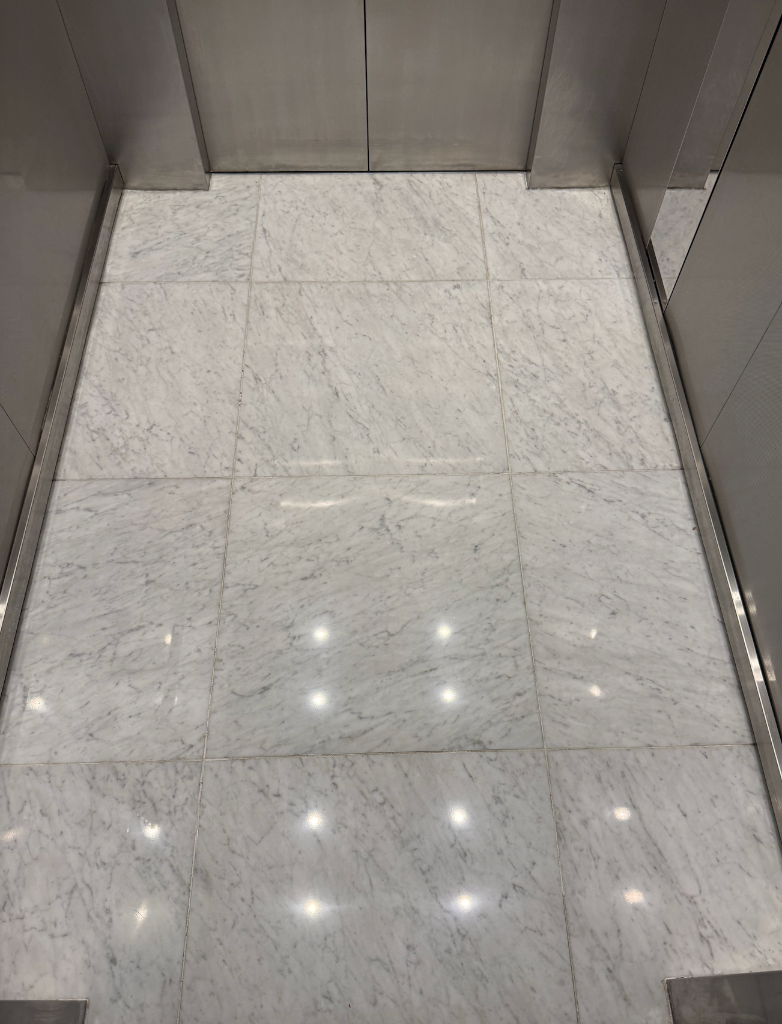
Before proceeding, test the product in a discreet area. Marble varies significantly in density, mineral composition and finish. A method that works on one white Carrara tile may alter the appearance of a darker or more highly polished marble surface.
Clean the area first with a pH-neutral stone cleaner and a soft microfibre cloth, then dry it thoroughly. Follow the product directions precisely, using light pressure and a small working area. The aim is to polish the etched surface gradually, not to scrub it away. Remove residue with clean water, dry with a separate cloth and inspect the finish from several angles.
If the repaired spot still appears dull, stop rather than repeating the process aggressively. Over-polishing one section can create a brighter, more reflective patch that is as noticeable as the original etch.
Why DIY repairs can leave visible patches
Marble polishing is not simply about making a surface shiny. A successful repair must match the original level of reflection, texture and clarity across the whole area. On large-format flooring, benchtops or wall cladding, the eye quickly notices changes in sheen.
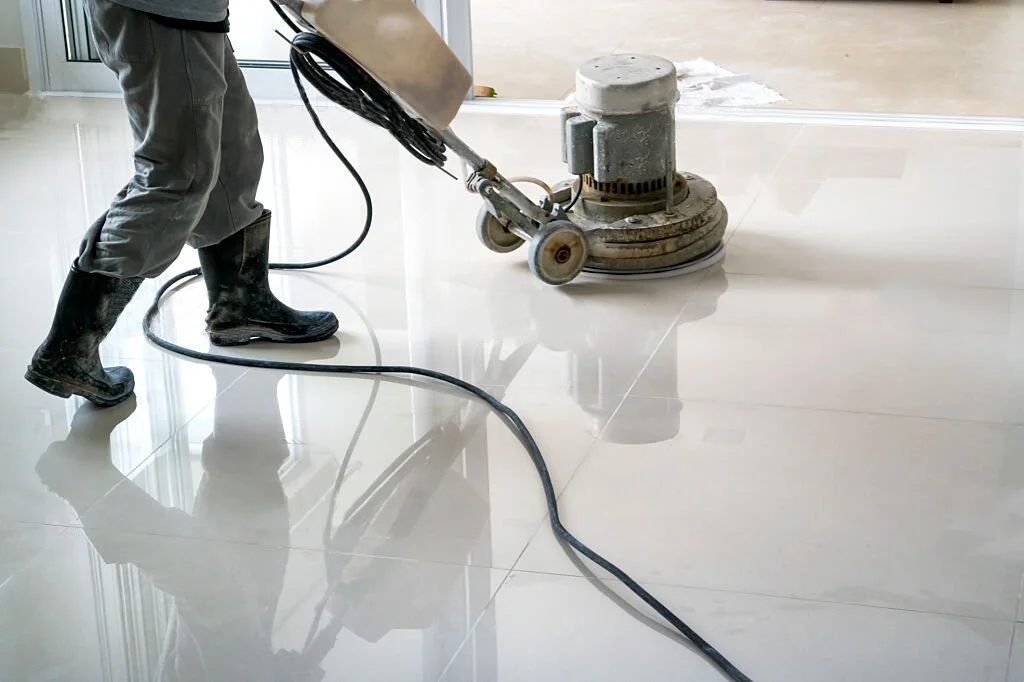
A polishing powder can improve a small light etch, but it cannot always blend a broad damaged area. It also cannot correct lippage between tiles, wear around a commercial entry, deep scratches or damage that has disrupted the factory finish. These conditions call for a controlled sequence of diamond honing and polishing carried out with specialist equipment.
When professional marble restoration is the better option
Professional restoration is recommended when etching is widespread, deep, textured or located in a highly visible area. It is also the sensible choice for premium stone surfaces where an uneven result would affect the overall presentation or property value.
A stone specialist will assess the marble type, existing finish and the extent of damage before selecting the restoration process. Depending on the surface, this may involve honing to remove the damaged layer, refining the stone through progressively finer abrasives, and polishing or honing it back to the required finish. The work is designed to restore consistency across the relevant section rather than leave a spot repair that stands out.
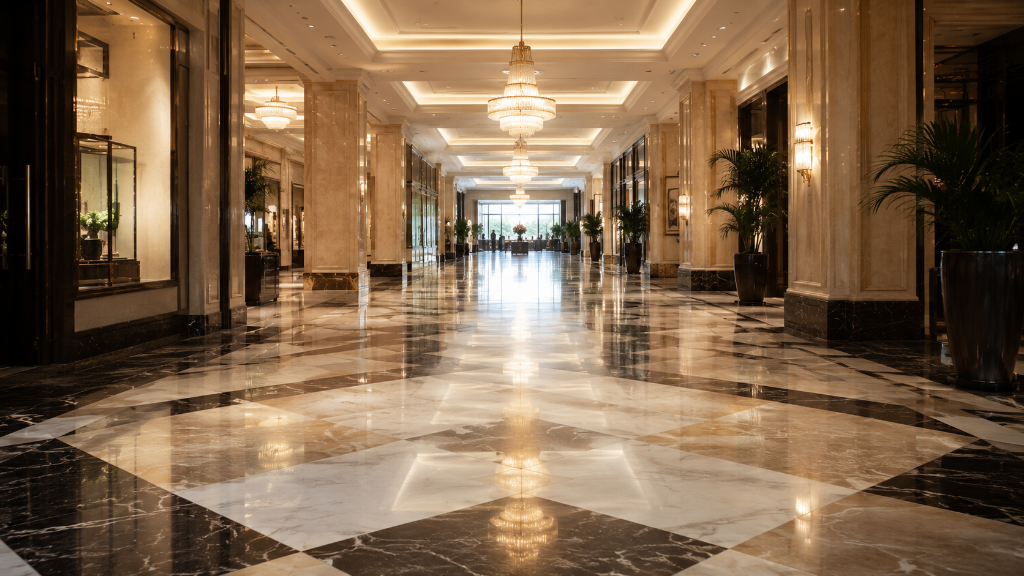
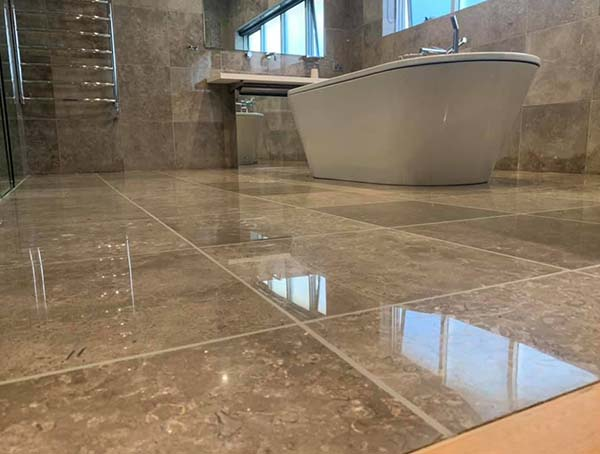
For Sydney homes, this is particularly valuable on kitchen islands, bathroom vanities and indoor marble flooring, where strong natural light can expose every change in sheen. In commercial settings, such as hotel foyers, retail spaces, office lobbies and hospitality venues, consistent presentation matters just as much as stain and slip management.
Sydney Stone Care approaches marble restoration as preservation work, not general cleaning. The objective is to correct the damage while retaining the character and intended finish of the natural stone.
What not to use on etched marble
Etched marble is vulnerable to well-meaning cleaning shortcuts. Avoid vinegar, lemon juice, wine-based remedies, bleach, bathroom descalers and most supermarket limescale removers. Their acidic ingredients can create further etching.
Avoid scouring pads, steel wool, harsh cream cleansers and coarse abrasive powders as well. They may scratch the stone, dull a larger area or leave swirl marks that are difficult to remove. Steam cleaning should also be approached cautiously on marble, particularly where there are cracks, open grout joints, weakened sealant or resin-filled veins.
Sealers are useful for reducing absorption and making spills easier to clean, but they do not make marble acid-proof. A sealed marble benchtop can still etch when exposed to citrus, wine, soft drinks or acidic cleaning products. Think of sealing as one layer of protection, not a solution to etching.
Preventing new etch marks after restoration
Once the finish has been restored, daily habits make the greatest difference. Wipe spills promptly with a soft cloth and clean water, then dry the surface rather than leaving moisture to evaporate. Use a pH-neutral cleaner formulated for natural stone for regular cleaning.
In kitchens, keep citrus, vinegar, wine and sauces on trays or boards rather than directly on marble. Use coasters beneath glasses and bottles, particularly on polished tables and bar tops. In bathrooms, avoid leaving cosmetics, hair products or acidic cleaning sprays on stone vanities.
For commercial spaces, establish a stone-specific cleaning procedure. Cleaning teams should know which products are approved, how to respond to spills and when to report changes in surface appearance. This small amount of control can prevent repeated damage and reduce the need for disruptive restoration work later.
A final word on preserving marble
Marble is valued for its natural movement, depth and refined finish, but it is not maintenance-free. Addressing an etch early gives you the best chance of an unobtrusive repair. If a mark is deep, widespread or too prominent to risk a home remedy, specialist restoration can return the surface to a finish that looks considered, consistent and properly cared for.