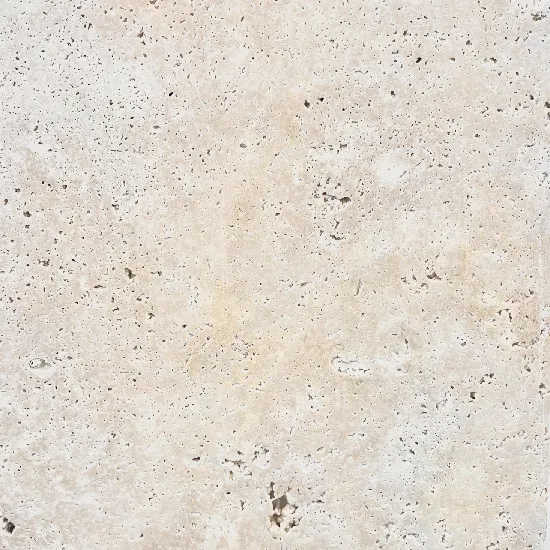
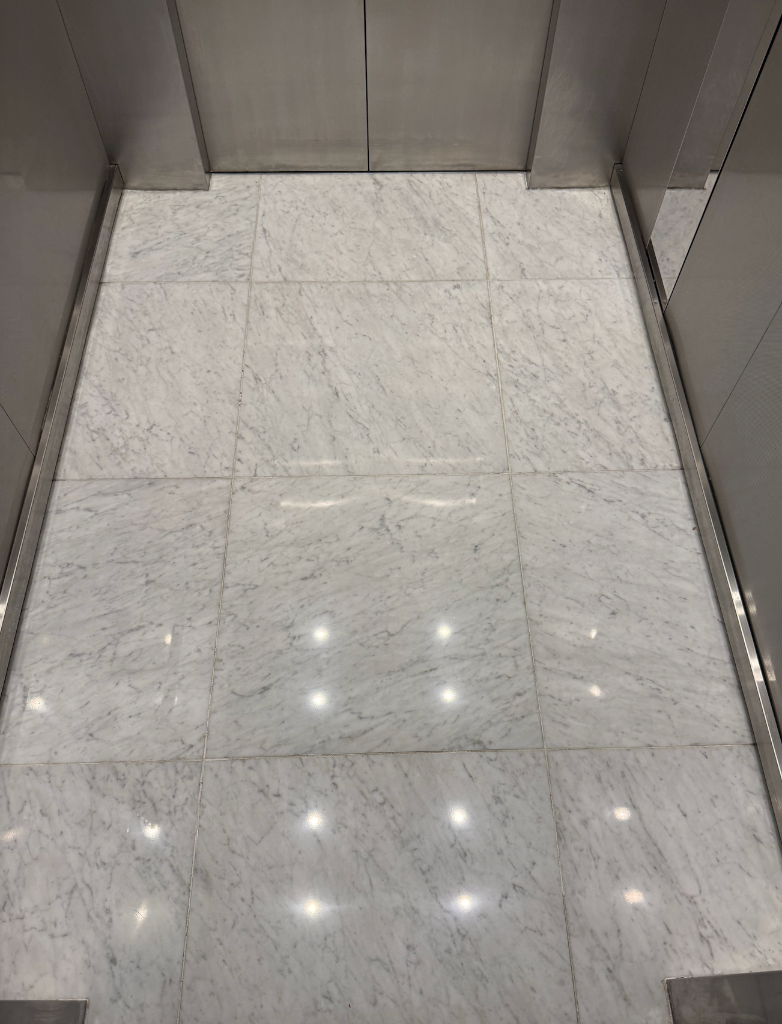
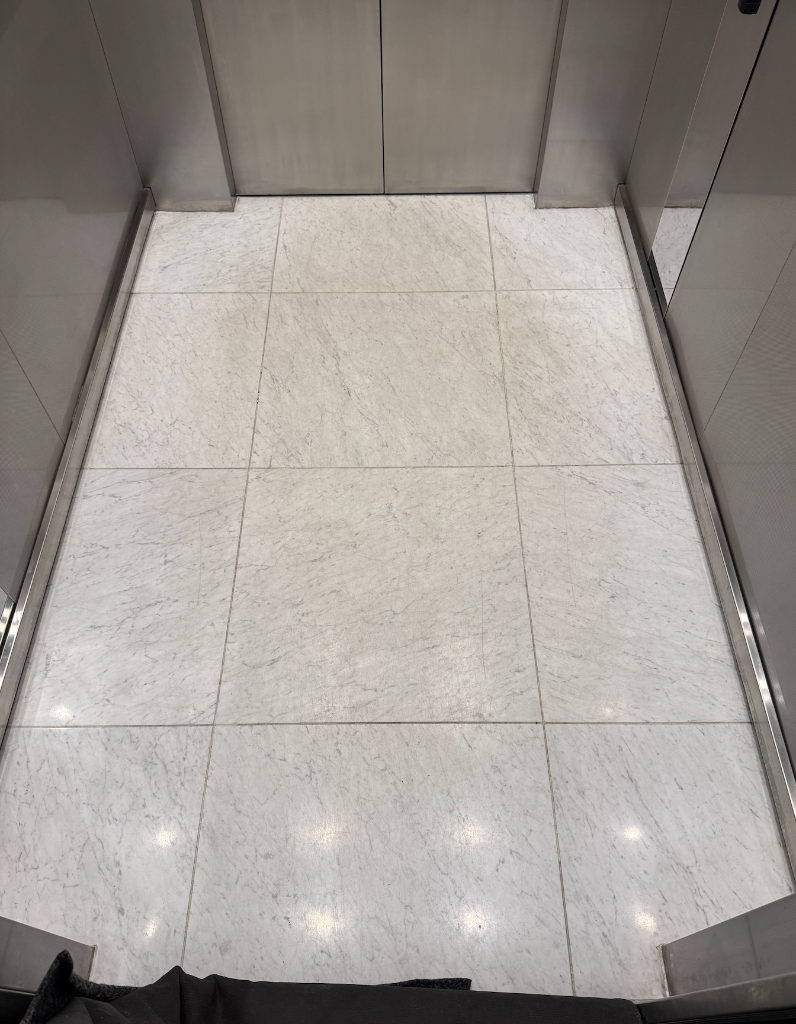
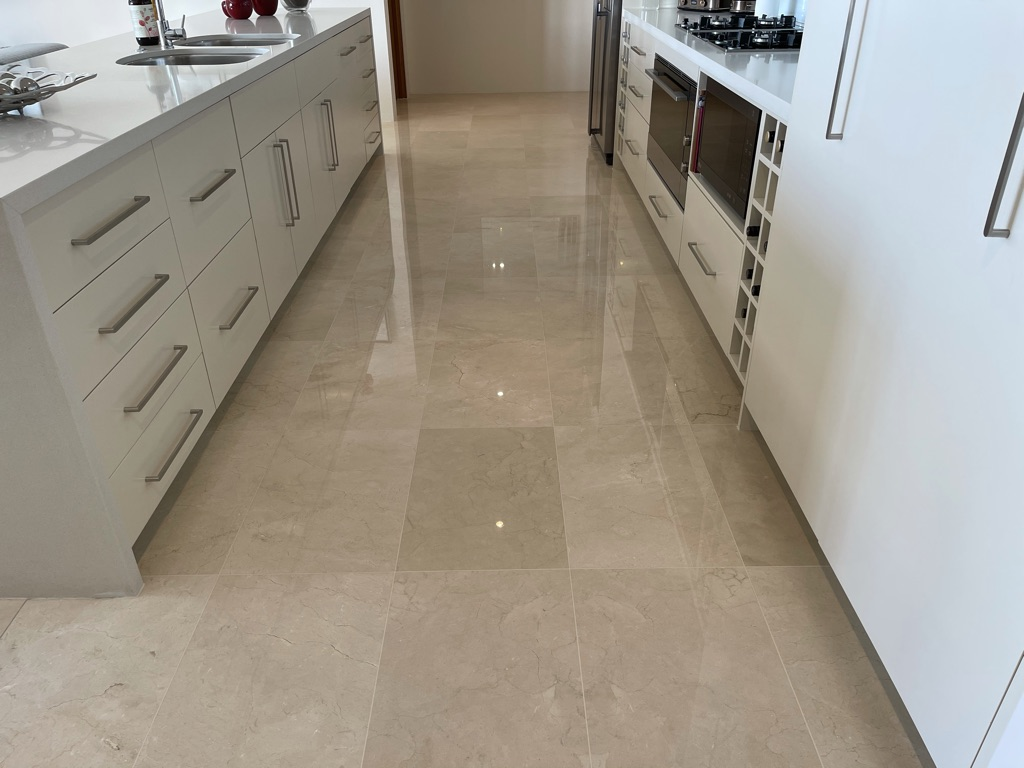
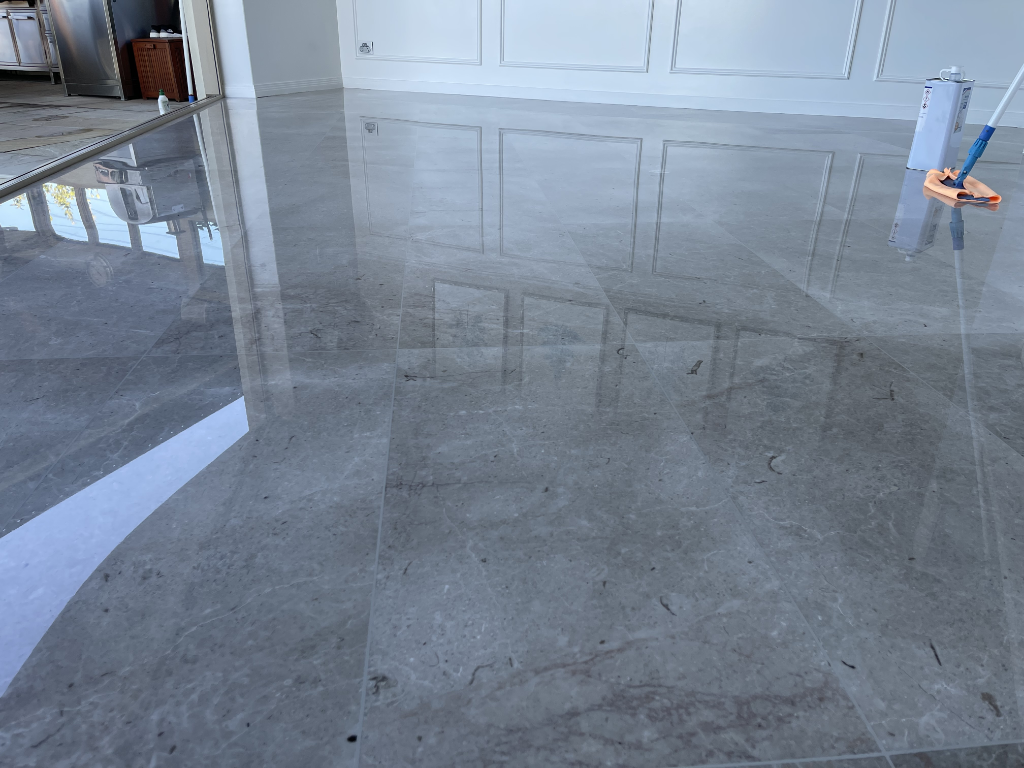
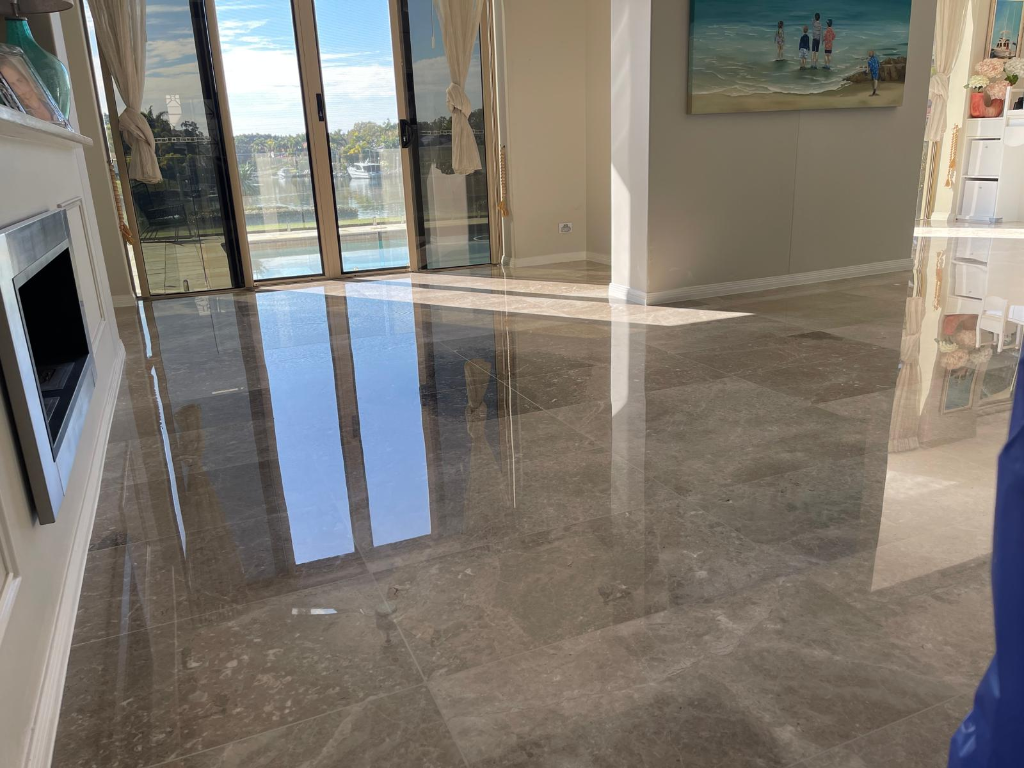
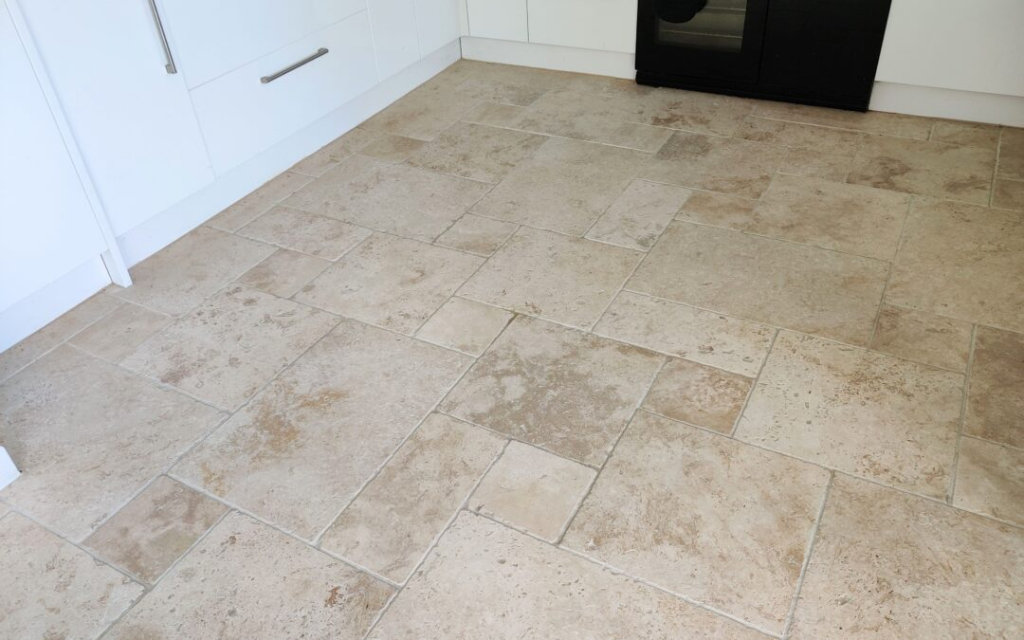
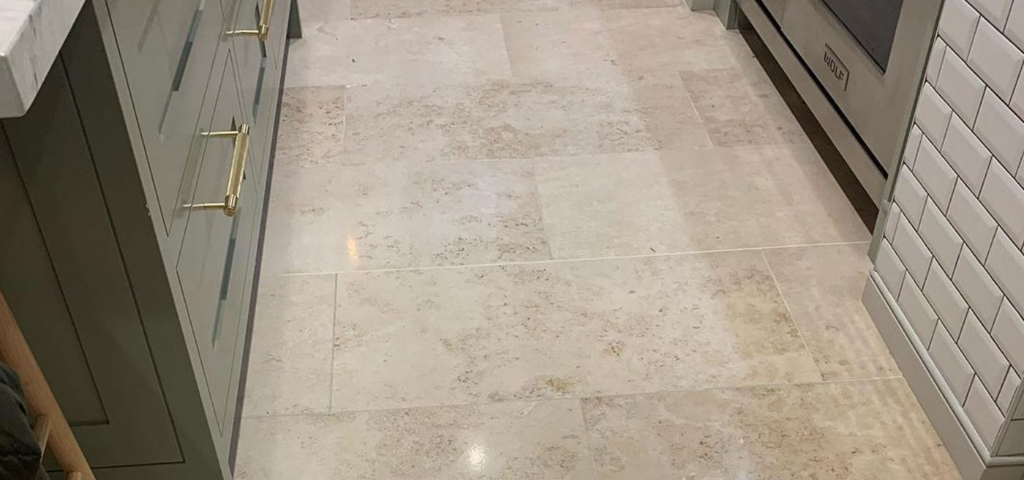
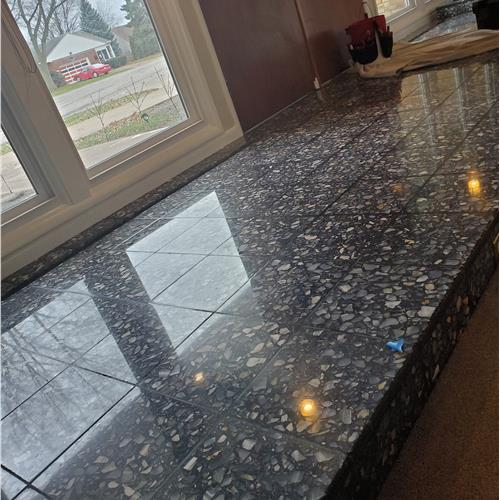
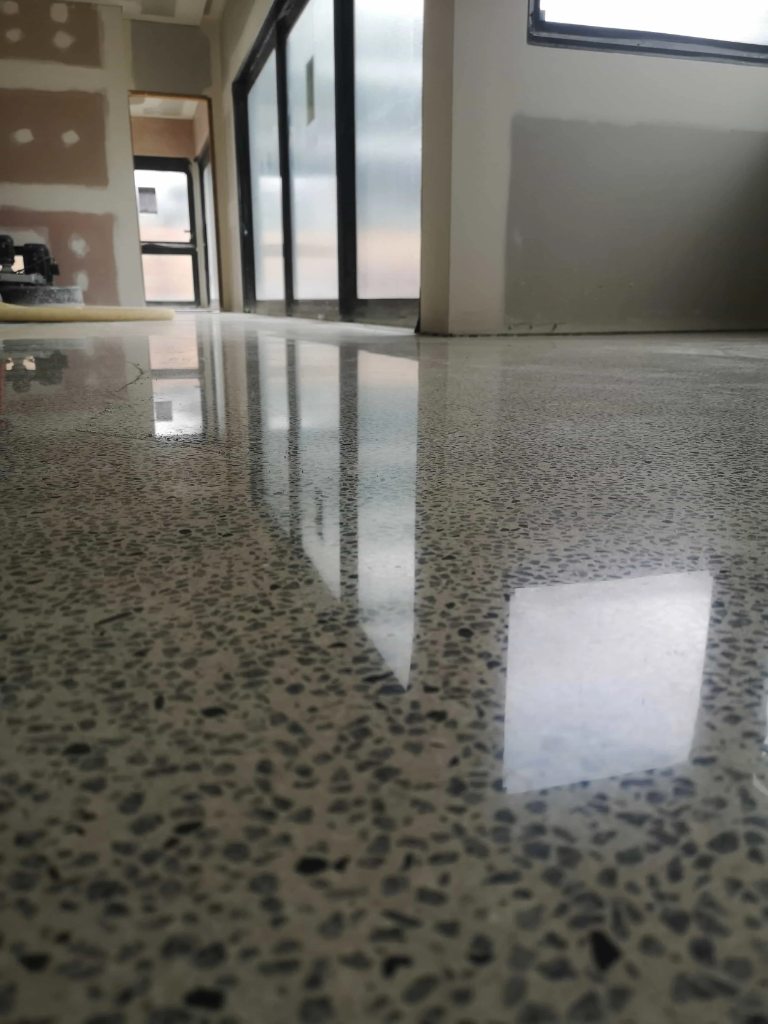
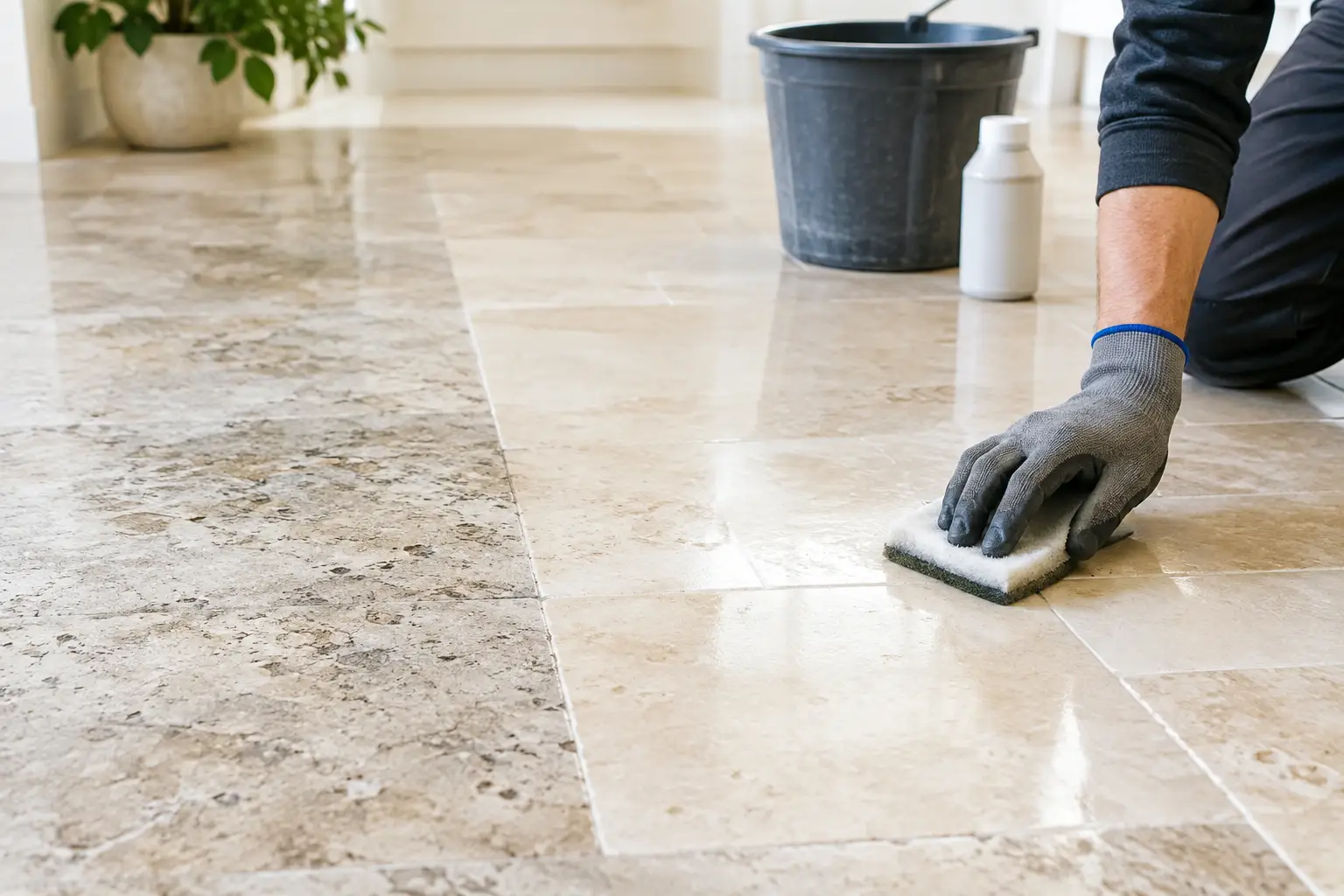
A limestone floor can look tired long before it is beyond repair. In Sydney homes, hotel lobbies, retail spaces and outdoor entertaining areas, limestone often loses its even finish through foot traffic, grit, spills, harsh cleaning products and moisture exposure. Knowing how to restore limestone tiles starts with recognising that this is a calcium-based natural stone, not a hard ceramic surface that can tolerate aggressive cleaners or a quick scrub.
The right restoration approach can remove ingrained soiling, reduce visible etching and staining, improve the consistency of the finish, and help protect the stone from further wear. The wrong approach can permanently roughen the surface, deepen marks or leave patchy sheen. That distinction matters when the floor, wall or paving is a premium part of the property.
Start by diagnosing the condition of the limestone
Restoration should always match the issue. A floor that appears dull may simply have a build-up of detergent residue and soil. Another may have genuine surface wear, acidic etching or scratches that require mechanical honing. Treating both problems the same way is a common reason limestone finishes deteriorate.
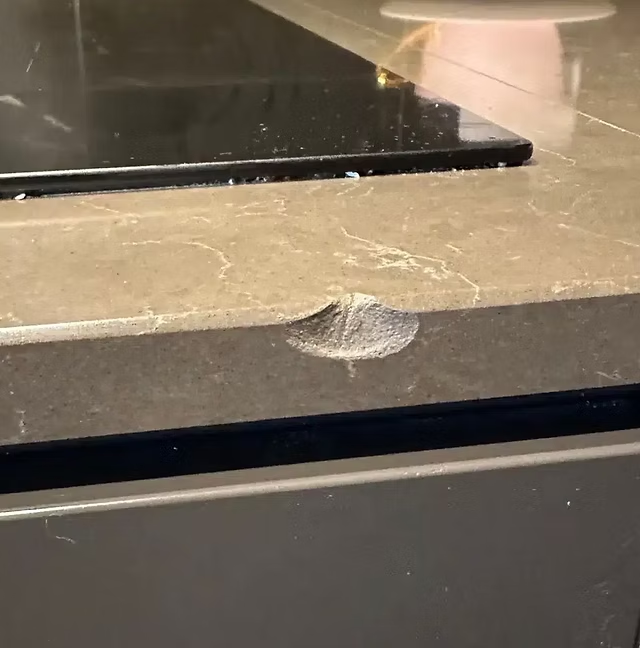
Look closely at the stone in good natural light. General grime tends to make the whole surface look flat or grey. Etching usually appears as pale, dull or rough patches, particularly near kitchen benches, bar areas, bathroom vanities and outdoor dining zones. It occurs when acidic substances react with the calcium in limestone. Vinegar, citrus, wine, some bathroom cleaners and descalers can all cause this damage.
Stains are different again. Oil can darken limestone, rust may leave orange-brown marks, and organic spills can create dark or discoloured areas. Cracked grout, loose tiles, salt deposits, mould or moisture coming through the substrate point to a broader maintenance issue that should be addressed before cosmetic restoration begins.
How to restore limestone tiles step by step
The core process is straightforward, but each stage requires suitable products and techniques. Limestone varies in density, porosity, finish and colour, so it is wise to test any treatment in an inconspicuous area before working across the full surface.
Remove loose grit before cleaning
Vacuum or sweep with a soft broom to remove dust, sand and abrasive grit. This is particularly important near entrances, balconies and exterior paving, where foot traffic can grind particles into the surface. Avoid stiff brushes, abrasive pads and worn vacuum heads that may scratch softer limestone.
Mop with clean water and a pH-neutral cleaner formulated for natural stone. Use only enough solution to lift soil, and change the water regularly. Reapplying dirty water can leave a haze in the pores and make a floor appear dull even after cleaning.
Do not use vinegar, lemon-based cleaners, bleach, ammonia, bathroom scale removers or standard acidic tile cleaners. Even a single application may etch polished or honed limestone and change its texture.
Treat stains according to their source
A surface cleaner will not remove every stain. Oil, rust, tannins and organic matter each need a different treatment. Applying a general-purpose chemical without identifying the stain can spread the problem or alter the stone.
For fresh spills, blot immediately rather than wiping, as wiping pushes the liquid further across the tile and into grout joints. For established stains, a specialist stone poultice may draw contamination from within the pores. The poultice material and active treatment must suit the stain type and the specific limestone. This is an area where professional assessment is often the safer option, especially on pale or highly porous stone.
Never use an acid-based rust remover on limestone. It may remove the rust colour while causing a larger etched patch that is far more difficult to repair.
Hone away etching, scratches and uneven wear
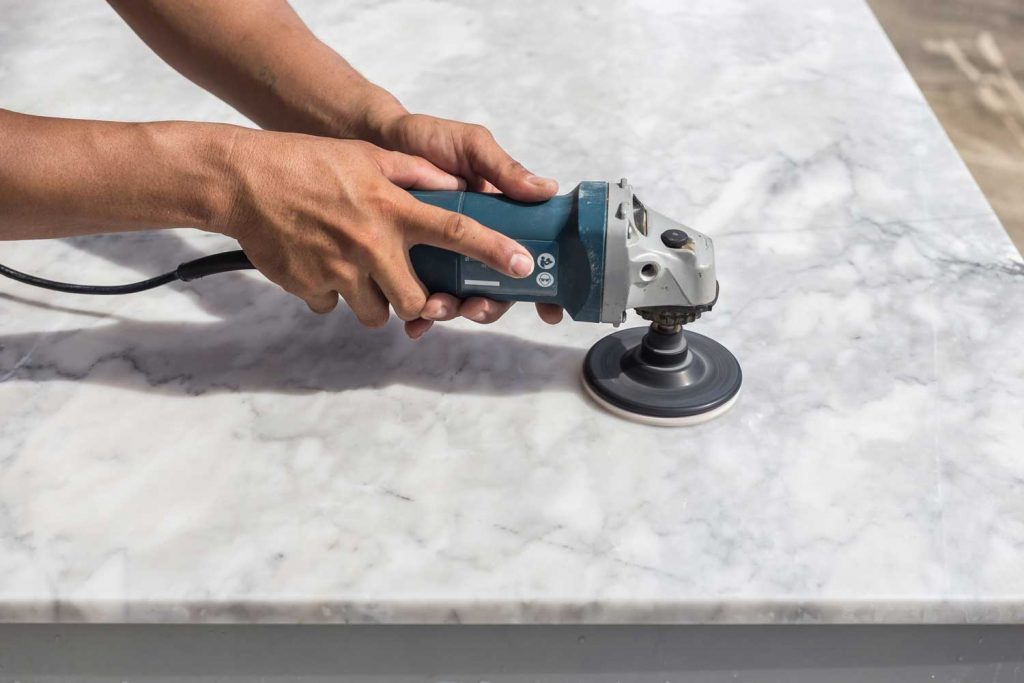
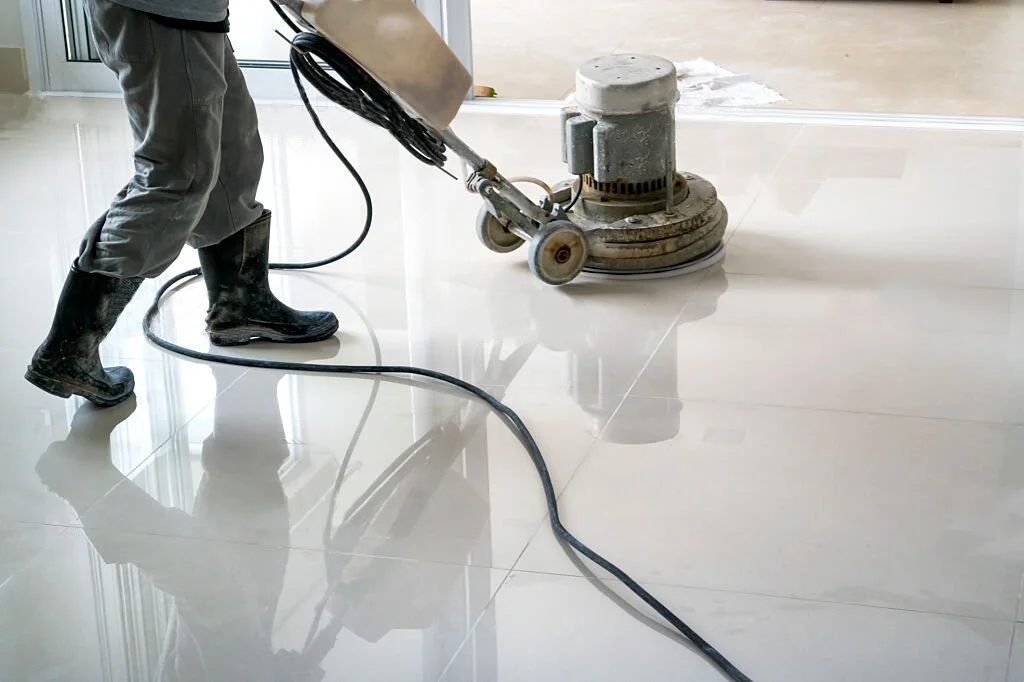
Where limestone has been chemically etched, scratched or worn unevenly, deep cleaning alone will not restore the original finish. The affected surface generally needs to be honed using professional diamond abrasives and controlled water management.
Honing removes a very fine layer of stone to level the surface and reduce damage. The process can be adjusted to achieve a matte, honed or more reflective finish, depending on the original look and practical requirements of the space. In a busy foyer, a consistent honed finish may be more realistic and easier to maintain than a highly polished surface.
This is not a job for standard sanding equipment. Incorrect abrasives, poor machine control or uneven passes can create swirls, lippage, visible edges and inconsistent sheen. On larger floors, professional honing also helps ensure the restored area blends with adjoining tiles rather than looking like an isolated repair.
Allow the stone to dry before sealing
After cleaning or honing, limestone needs adequate drying time. Sealing damp stone can trap moisture and lead to patchiness, whitening or reduced sealer performance. Drying times depend on the stone’s density, the level of moisture exposure, ventilation and Sydney’s changing humidity.
Once dry, apply a quality penetrating sealer selected for the limestone and its location. A penetrating sealer helps reduce absorption of water, oils and everyday spills without creating a thick surface coating. It does not make limestone stain-proof, nor does it prevent etching from acidic products, but it gives occupants more time to remove spills before they penetrate.
The right level of protection depends on use. A kitchen floor, bathroom, restaurant entry and external patio all face different risks. Exterior limestone may also need consideration for weather exposure, leaf tannins, pool water, salt and slip resistance. Over-applying sealer is not better. Excess product can leave a hazy residue or alter the natural appearance of the stone.
When professional limestone restoration is the better choice
Routine pH-neutral cleaning and prompt spill management are suitable for property owners and facilities teams. However, restoration is best left to a stone specialist when marks are widespread, the finish is visibly uneven, stains have penetrated, or there are signs of moisture-related damage.
Professional assessment is particularly valuable for commercial spaces where an inconsistent floor can affect presentation and create ongoing maintenance costs. A specialist can identify whether the issue is dirt, failed sealer, etching, traffic wear, poor prior cleaning or substrate moisture. That diagnosis determines whether the best solution is deep cleaning, stain treatment, honing, polishing, sealing, grout repair or a staged programme of works.
Sydney Stone Care approaches limestone as a natural material with its own response to moisture, abrasion and chemicals. This material-specific approach protects the appearance of the surface while avoiding treatments that may produce short-term shine at the expense of long-term condition.
Protect restored limestone from repeat damage
Restoration delivers its best value when the maintenance routine changes afterwards. Use entry mats that are regularly cleaned, as trapped grit can become abrasive. Fit felt pads under furniture, particularly dining chairs and movable tables. In commercial settings, place protective mats at high-traffic entries and schedule stone-safe cleaning before soil becomes embedded.
For day-to-day care, use a pH-neutral stone cleaner at the recommended dilution and a clean microfibre mop. Avoid leaving water sitting on the floor, especially around showers, external thresholds and planters. Clean food, drink, cosmetics and cleaning-product spills promptly.
Sealer should be reviewed periodically rather than applied on a fixed timetable. A simple water absorption test can indicate whether protection is weakening, but interpretation matters. If water darkens the stone quickly, resealing may be needed. If it beads but the floor still looks dull, the issue may be wear or residue rather than sealer failure.
The finish should suit the way the space is used
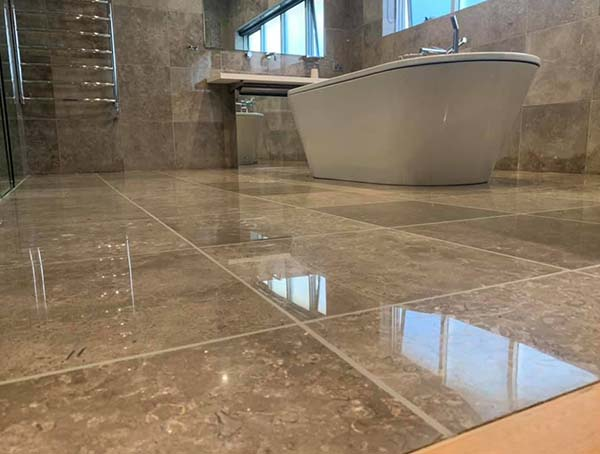
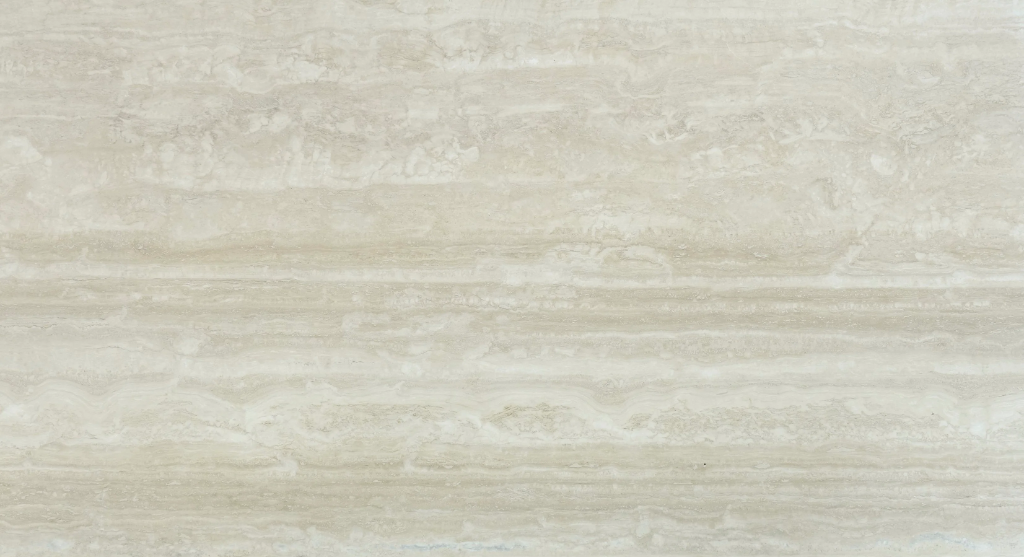
The goal of limestone restoration is not always a glossy, newly installed appearance. Some limestone is designed to have gentle variation, fossil detail, open pores or a soft honed character. Trying to make every surface highly reflective can create unrealistic maintenance demands and may not suit the stone’s original finish.
A well-restored limestone surface should look clean, even and appropriately finished for its setting, while retaining the natural character that made it worth choosing. With careful diagnosis, technically correct restoration and stone-safe ongoing care, limestone tiles can remain a valuable feature of a Sydney property for many years.