
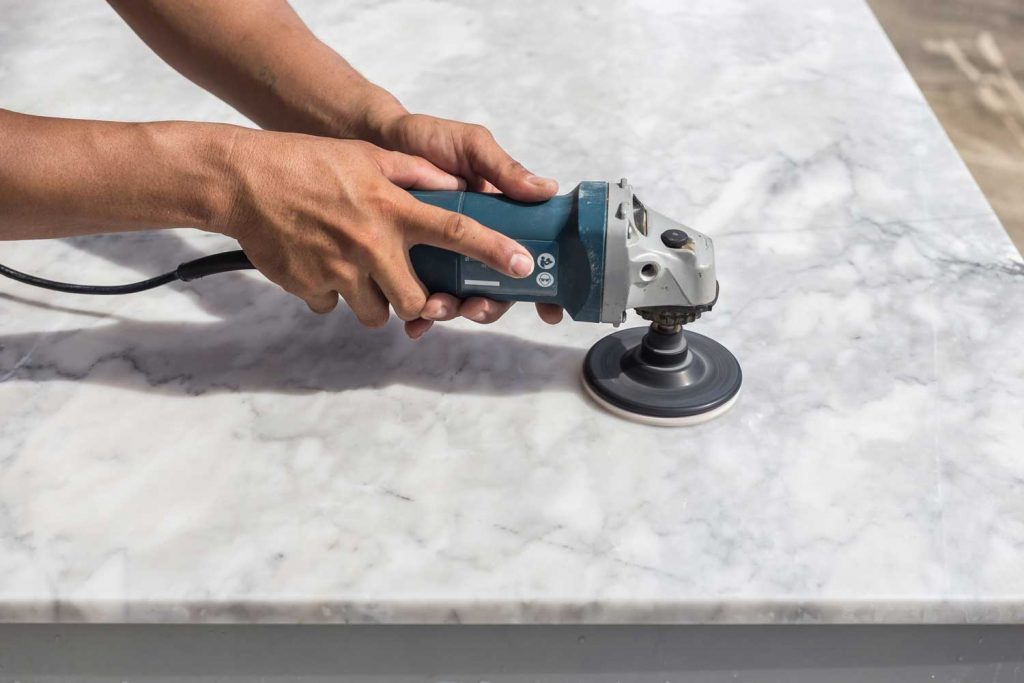
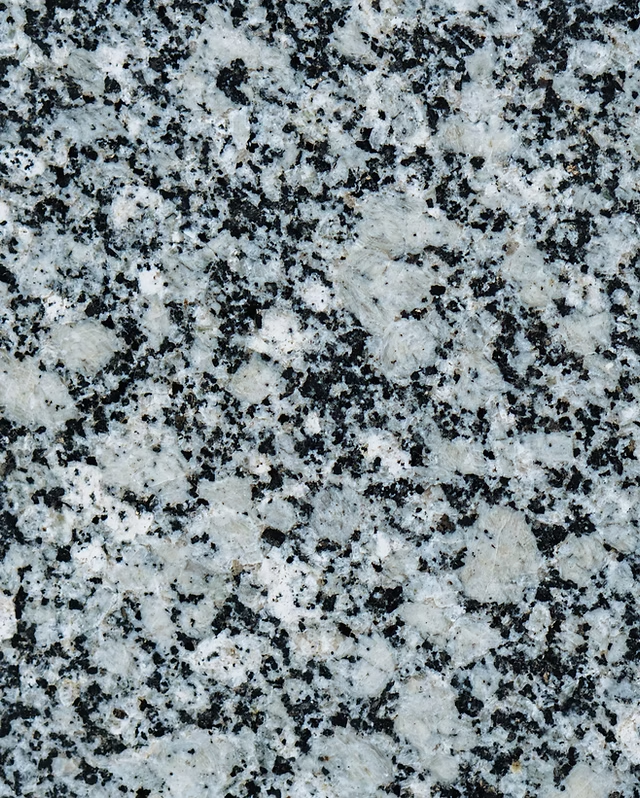
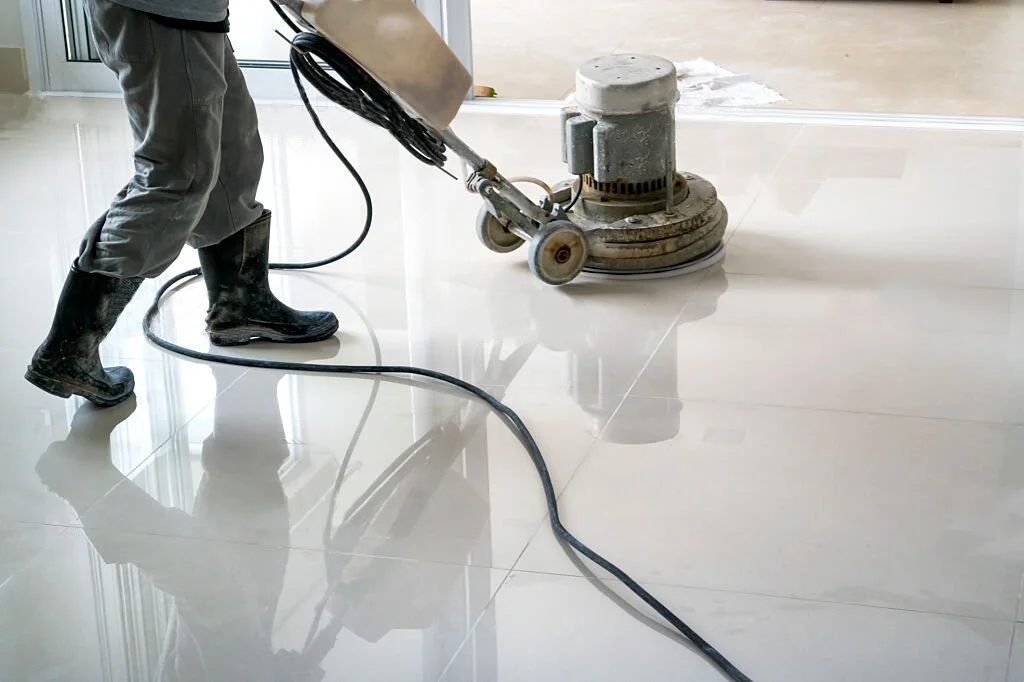
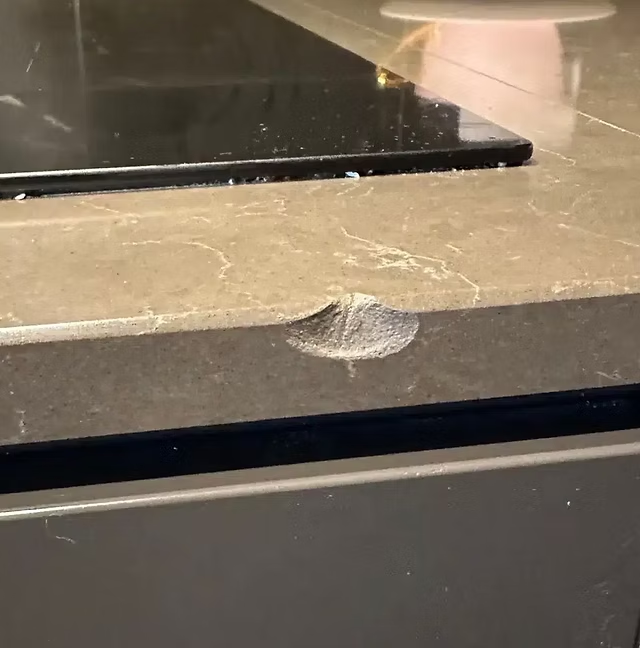
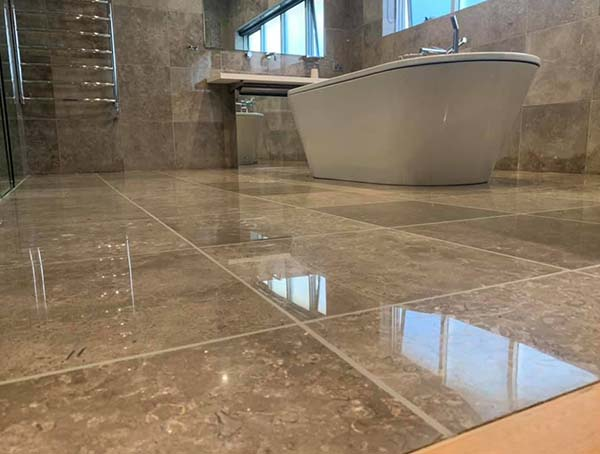

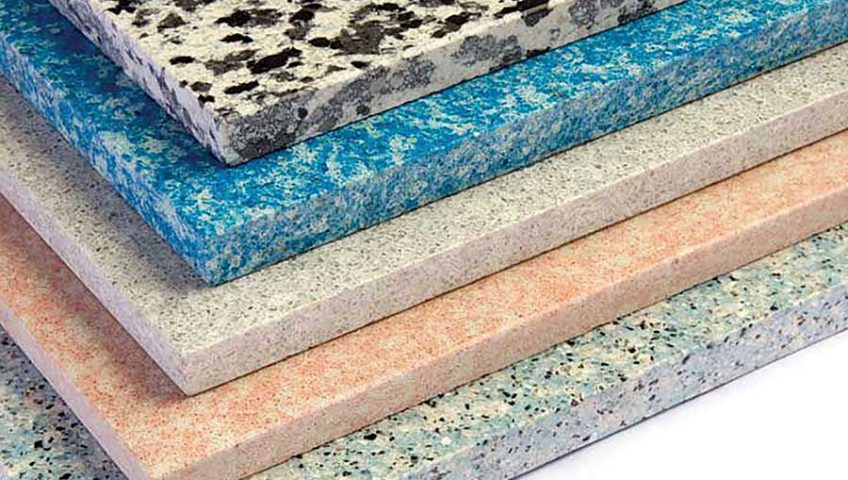

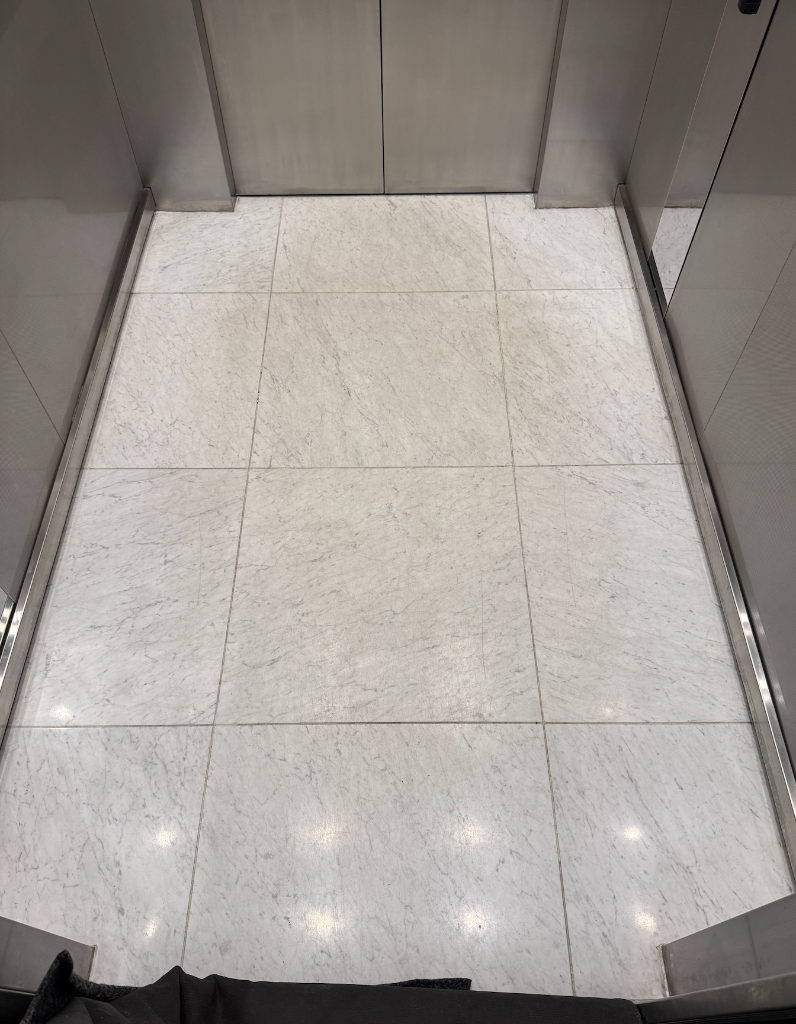

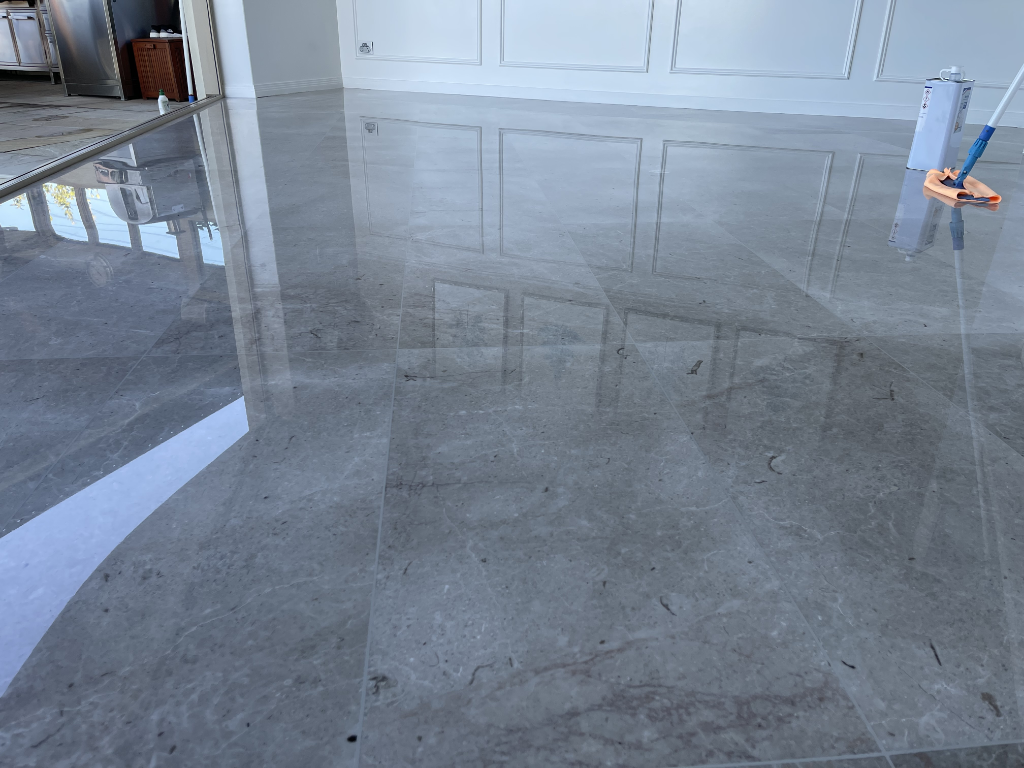
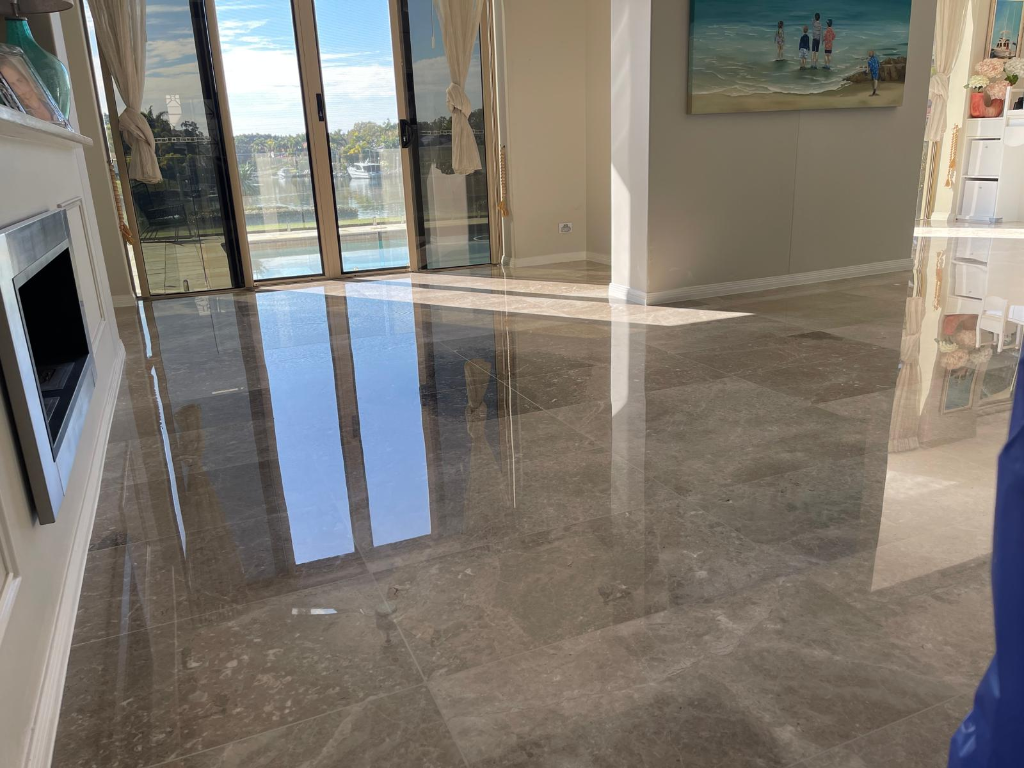
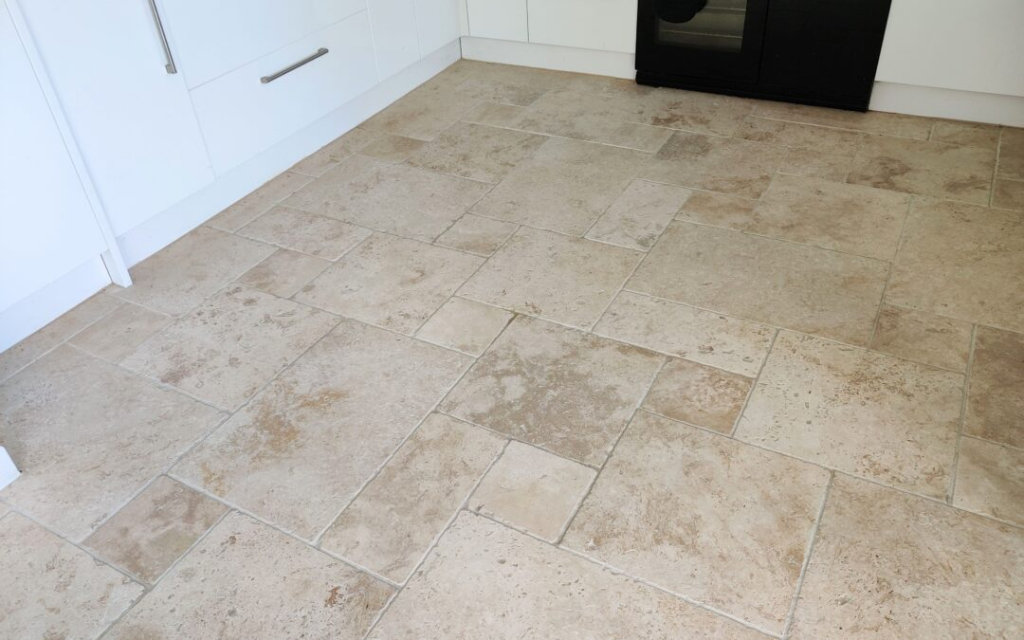
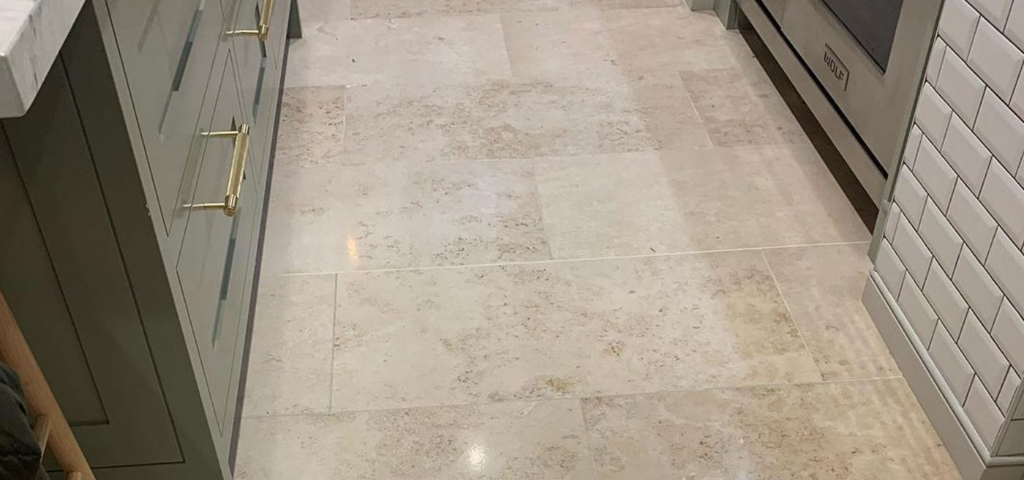
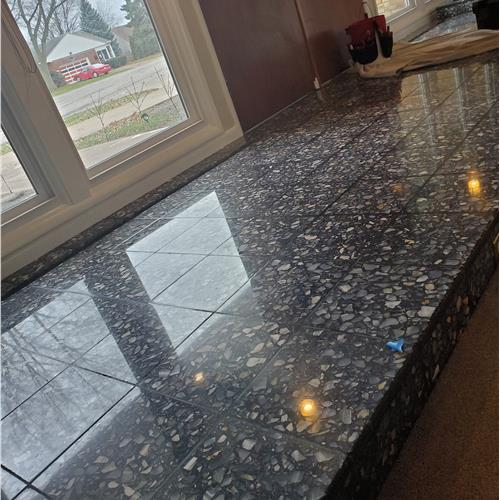
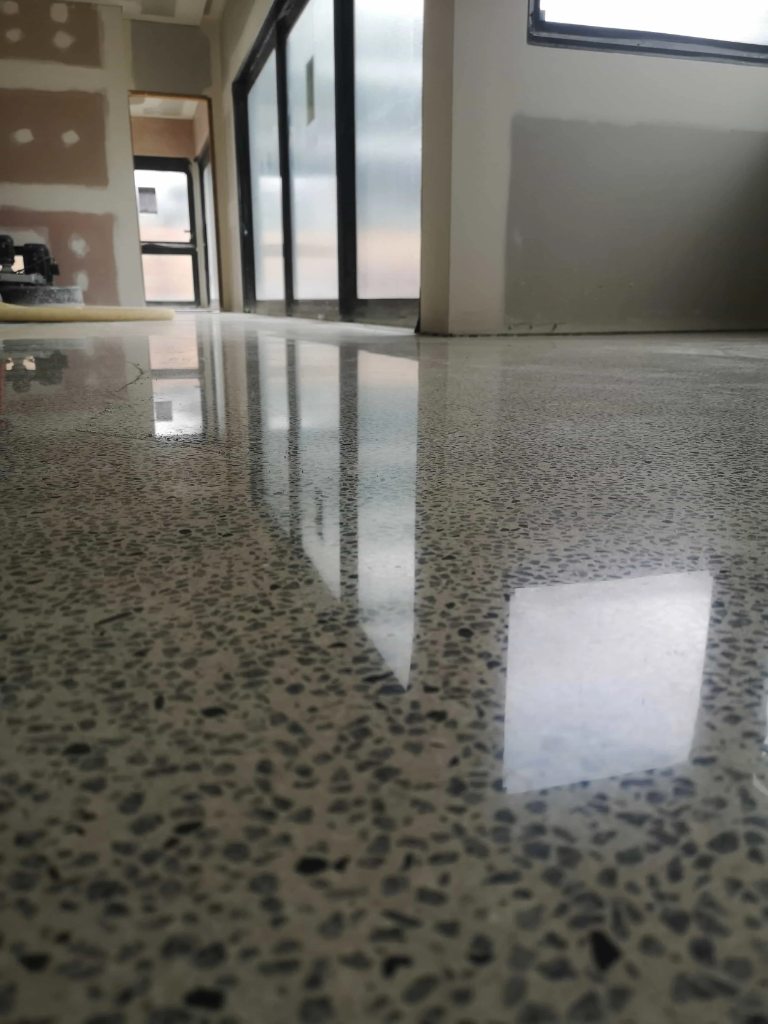
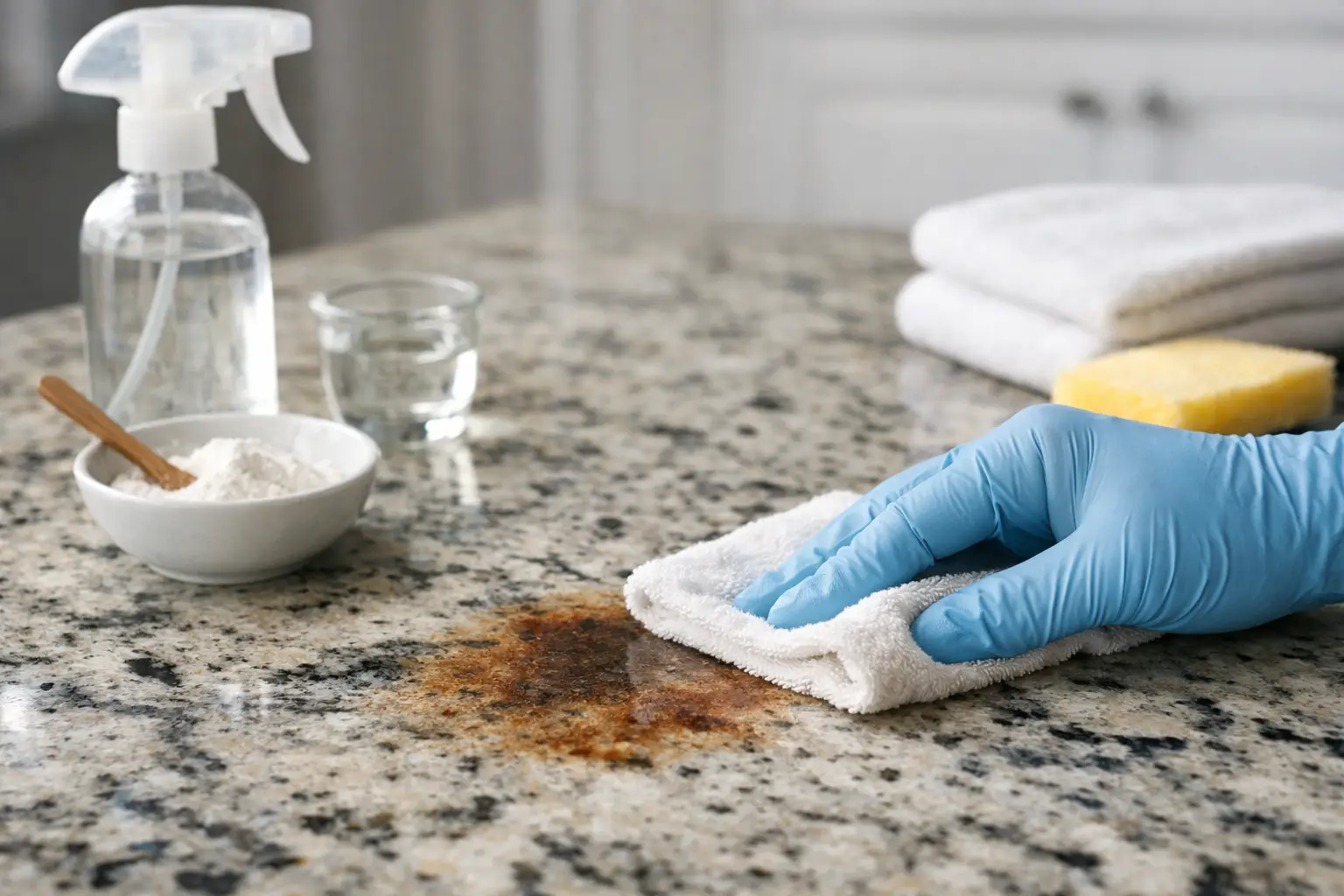
A dark ring around a tap, an oily patch near the cooktop or a pale mark beneath a planter can make an otherwise exceptional granite surface look neglected. Knowing how to treat granite staining starts with identifying whether the mark is a true stain, surface residue or damage to the stone’s finish. The right response protects both the appearance and long-term condition of the granite.
Granite is valued for its hardness and natural character, but it is not completely impervious. Some varieties are more porous than others, particularly lighter-coloured granites and finishes with a more open texture. A penetrating sealer helps slow absorption, yet it does not make the surface stain-proof. Prompt, material-specific care remains essential.
First, identify what has marked the granite
Treatment should always match the cause. Applying a strong cleaner to an unknown mark can make the problem worse, particularly on polished granite where an abrasive or acidic product may dull the surface.
A true stain has absorbed below the surface. It may appear darker than the surrounding stone, with softened edges or a shadow that remains after normal cleaning. Oil, cooking fat, cosmetics, hand creams and some food spills are common causes on benchtops. Outdoor granite can also take on stains from leaf tannins, potting mix, rusting furniture, irrigation water or tyre residue.
Surface residue sits on top of the stone rather than within it. Soap scum, hard-water minerals, cleaning-product film and grease can all leave a cloudy or streaky appearance. These issues often respond to careful cleaning, but they should not be confused with staining.
Etching is another possibility. While granite is generally more acid-resistant than marble or limestone, some granite surfaces contain minerals that can react or lose their polish when exposed to harsh chemicals. An etched or dulled area is a finish issue, not a stain, and cleaning alone will not restore the original sheen.
How to treat granite staining safely
Before attempting any treatment, remove surface dust and residue with a pH-neutral stone cleaner and a clean microfibre cloth. Rinse lightly with clean water where appropriate, then dry the area thoroughly. This simple step can reveal whether the issue is superficial and prevents grit from being worked into the finish.
For fresh spills, blot rather than wipe. Wiping spreads the contaminant across a larger area and may push it into pores or grout lines. Use absorbent paper towel or a clean white cloth, then clean the area with a stone-safe product.
Oil-based stains
Oil-based stains usually darken granite. They may come from olive oil, cooking grease, lotions, cosmetics or oily food. These stains often need a poultice treatment, which draws the contaminant out of the stone over time.
A poultice should be selected carefully for the stone type, finish and staining agent. Inappropriate solvents, prolonged dwell times or aggressive scraping can affect sealers and potentially alter the surface appearance. A small, concealed test area is sensible before treating a prominent benchtop, foyer floor or commercial reception surface.
The treatment may need more than one application. Deep or older oil stains can migrate slowly, particularly where the granite has been left unsealed or the spill has remained in place for some time. Patience is preferable to escalating immediately to harsher chemicals.
Organic stains from food, plants or leaves
Coffee, tea, wine, fruit, leaf matter and plant residue can leave organic staining. These marks are common on outdoor entertaining areas and around indoor planters, where moisture keeps the contaminant in contact with the stone.
Mild, stone-appropriate treatment can often lift recent organic marks. However, outdoor staining is not always purely organic. A dark patch beneath a planter may include moisture, soil, fertiliser salts and surface algae, each requiring a different approach. Avoid using household bleach indiscriminately, as it can affect nearby materials, grout and some sealers.
Rust and metal staining
Orange or brown marks are often caused by rusting furniture feet, metal planters, tools or embedded iron minerals within the stone. Surface rust from an external object may respond to a specialist stone-safe rust remover. Rust arising from within the granite is more complex and may return after treatment.
Do not use general-purpose rust removers containing harsh acids. They can cause permanent surface damage, particularly around polished edges, joins and adjacent stone materials. Rust removal is one area where professional assessment is usually the safer option.
Mineral deposits and hard-water marks
White haze, chalky deposits or cloudy rings around sinks, taps and pool surrounds are often mineral deposits rather than stains. Sydney water conditions, repeated splashback and inadequate drying can allow minerals to build up over time.
Use a non-acidic cleaner formulated for natural stone. Avoid vinegar, lemon juice, bathroom descalers and abrasive cream cleaners. They may appear to improve the mark initially while gradually compromising the surface finish or protective sealer.
What not to use on granite
Granite is durable, but durability does not mean every cleaning method is suitable. Harsh products can create a more expensive restoration issue than the original stain.
Avoid these common mistakes:
- Vinegar, lemon juice and acidic bathroom or kitchen cleaners
- Abrasive powders, scouring pads and steel wool
- Strong alkaline degreasers used without stone-specific guidance
- Undiluted bleach or ammonia-based products
- Generic rust removers and limescale removers
- Scraping stains with metal blades or sharp tools
Steam cleaning also deserves caution. Heat and moisture can affect some sealers, adhesives, fills and joins, especially where the stone has existing cracks or edge damage. The suitability depends on the installation and surface condition.
When sealing can help - and when it cannot
A quality penetrating sealer reduces how quickly liquids enter the stone, giving you more time to remove spills. It is a preventative measure, not a stain treatment. Applying sealer over an existing stain may lock in the appearance and make subsequent treatment more difficult.
Before resealing, the granite should be properly cleaned, fully dry and free from staining or residues. The correct sealer also depends on where the stone is installed. A kitchen benchtop, bathroom vanity, external paving and commercial lobby floor face different types of exposure and traffic.
A simple water test can indicate whether sealer performance may be declining. Place a few drops of water on a clean, dry area and observe how quickly the stone darkens. Rapid darkening may suggest increased absorbency, although it is not a complete diagnosis. Surface finish, stone colour and previous products all influence the result.
When professional stone restoration is the right choice
Professional treatment is advisable when staining is extensive, old, recurring or located on a highly visible surface. It is also appropriate where the mark may be rust, mould, chemical damage or moisture coming from below the stone.
Commercial settings benefit from a specialist approach because trial-and-error cleaning can disrupt operations and create inconsistency across large stone areas. Hospitality venues, retail spaces, strata foyers and office buildings often require treatment that considers appearance, slip resistance, traffic patterns and maintenance planning together.
A stone care specialist can assess the granite, identify the likely contaminant, test an appropriate method and determine whether cleaning, poulticing, honing, polishing or resealing is required. This avoids treating a finish problem as a stain, or applying an unsuitable product that leads to patchiness.
Sydney Stone Care provides specialist assessment and restoration for natural stone surfaces where standard cleaning is no longer delivering an acceptable result. For premium granite finishes, the goal is not simply to remove a mark, but to preserve a consistent, well-maintained surface.
Protect granite after the stain is removed
Once the staining has been addressed, daily habits make the greatest difference. Wipe spills promptly, use coasters beneath drinks, place mats under soap dispensers and avoid leaving wet pots or metal items directly on stone. Outdoors, use feet or protective pads beneath planters and furniture so water and rust cannot remain trapped against the granite.
Use pH-neutral stone cleaner for routine care and dry high-splash areas after use. In commercial locations, ensure cleaning staff use products approved for natural stone rather than a one-product-for-everything system.
Granite staining is usually manageable when treatment is measured, material-specific and started early. If the mark does not respond to gentle stone-safe care, stop before stronger products turn a localised stain into permanent surface damage.