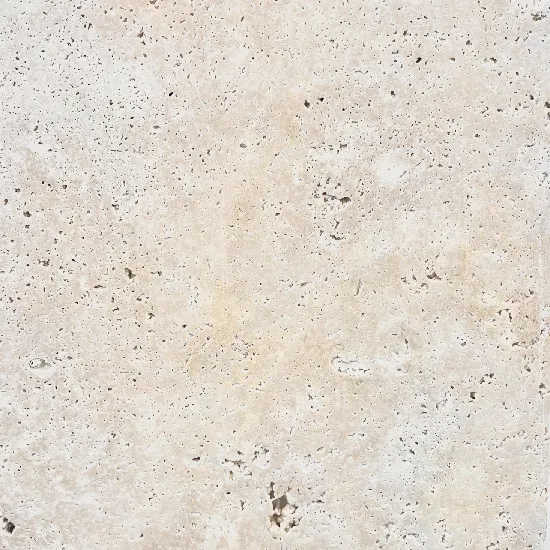
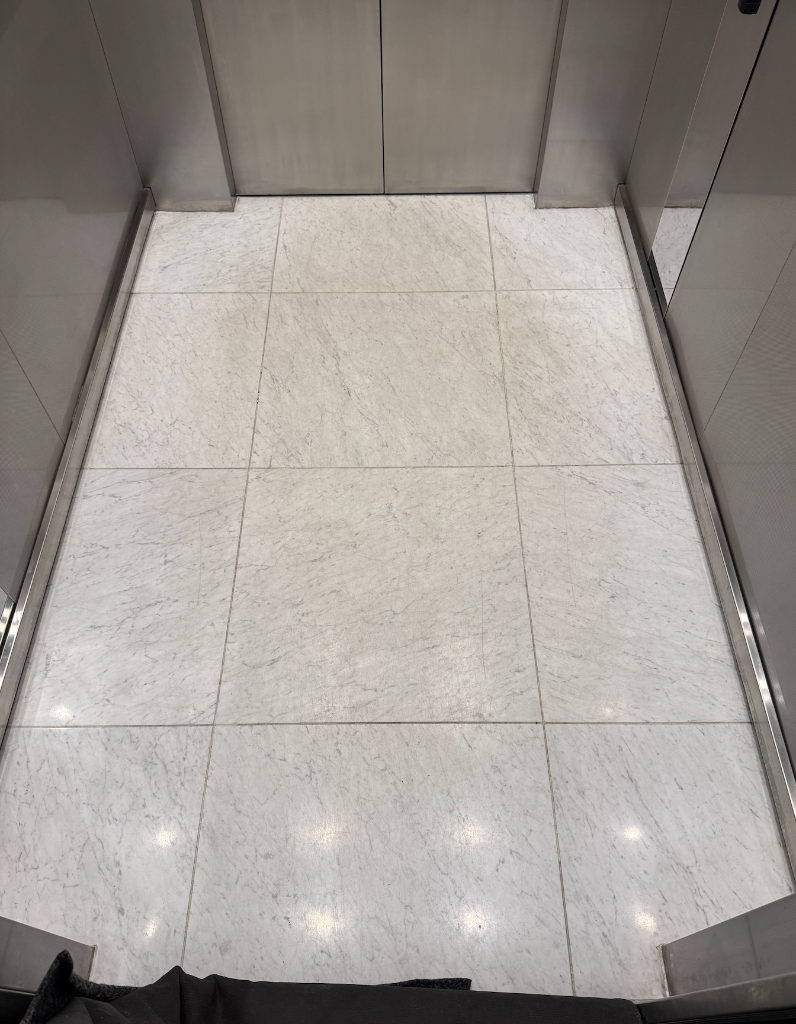
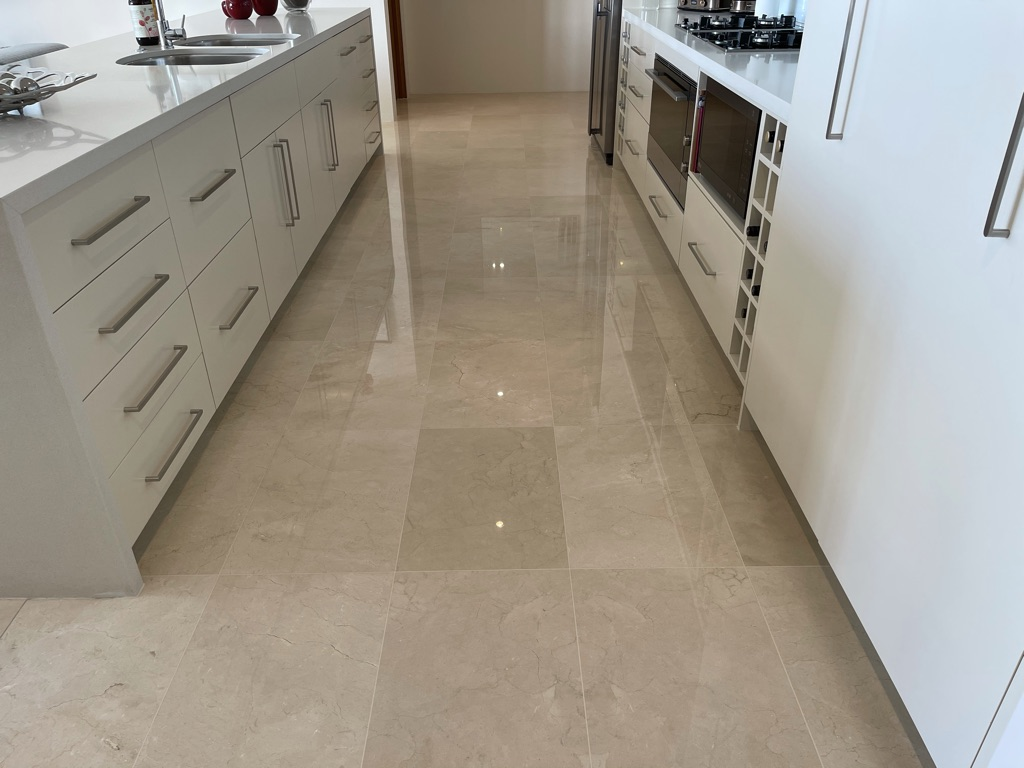
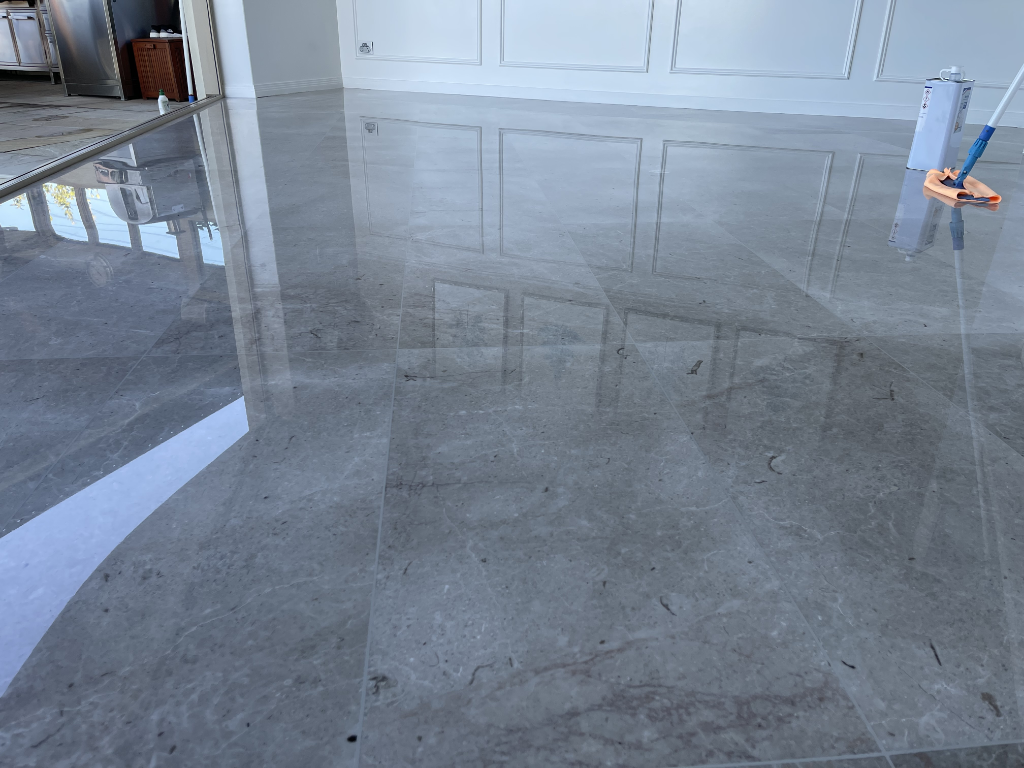
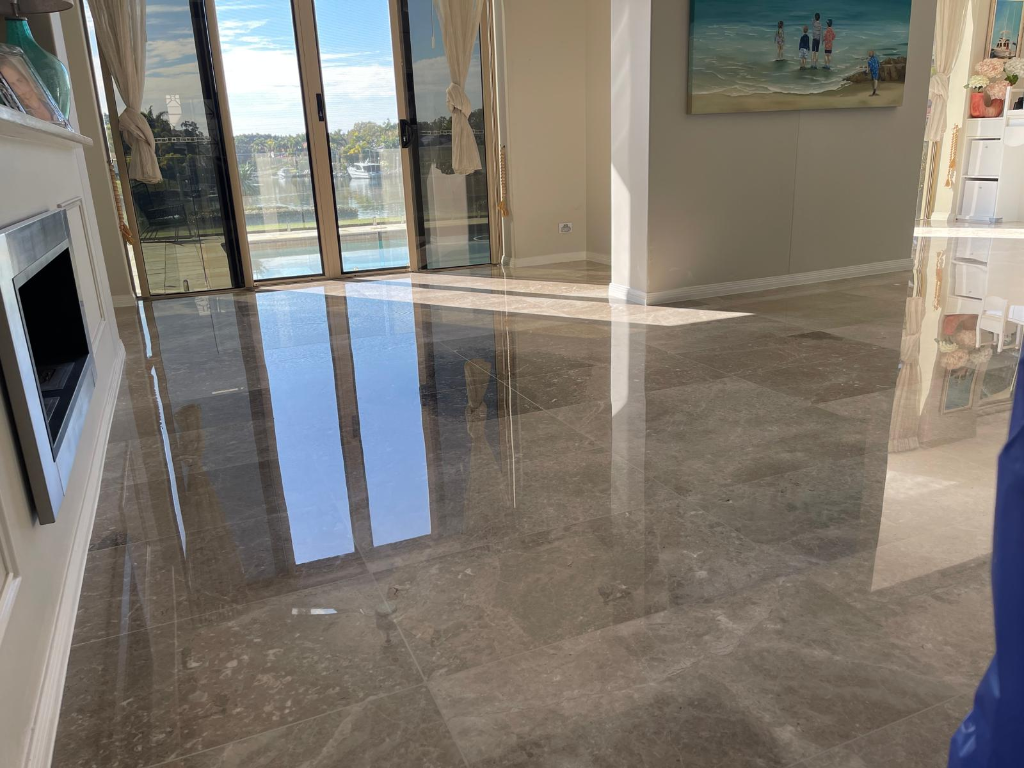
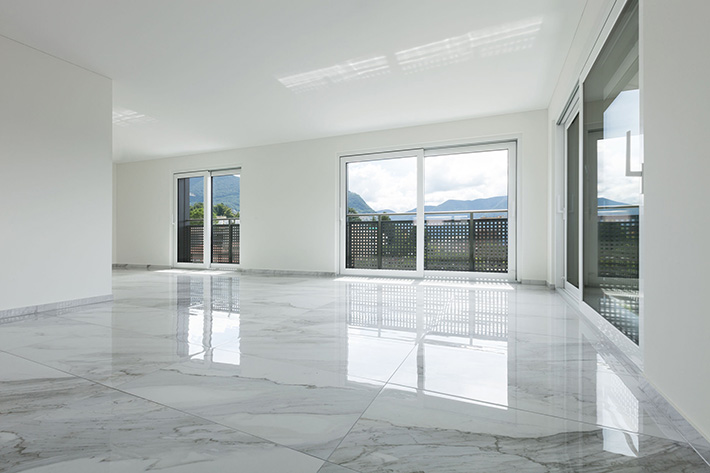
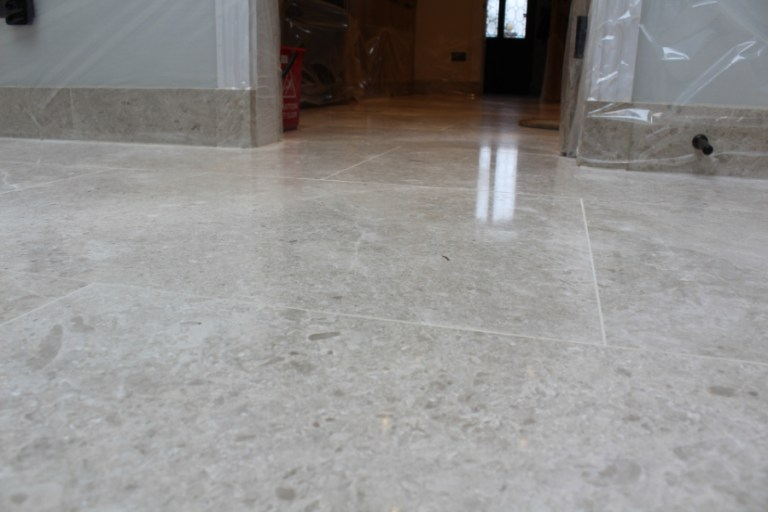
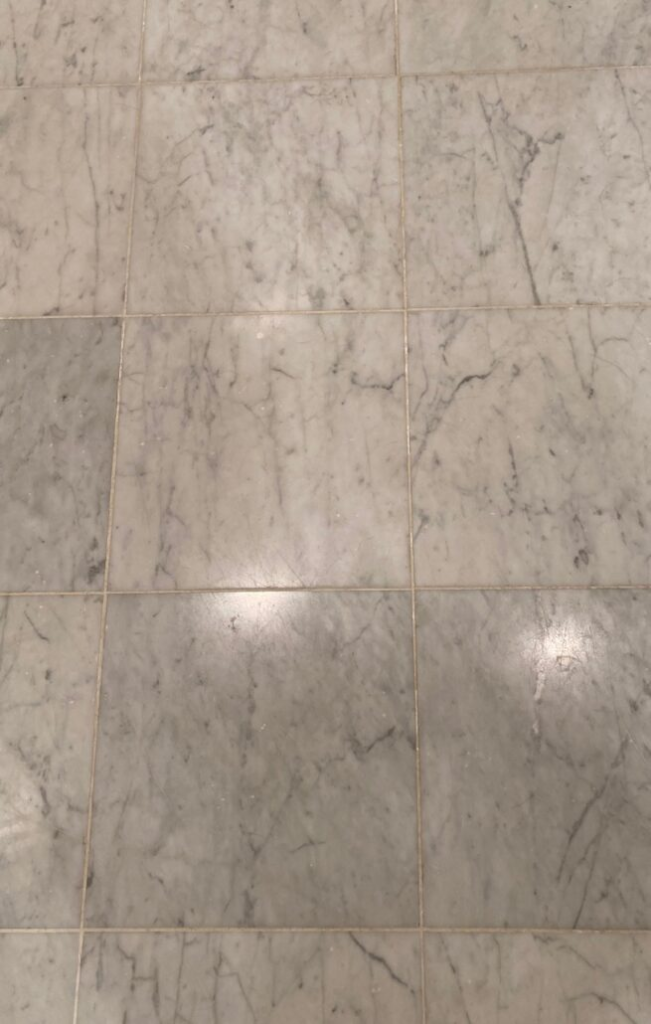
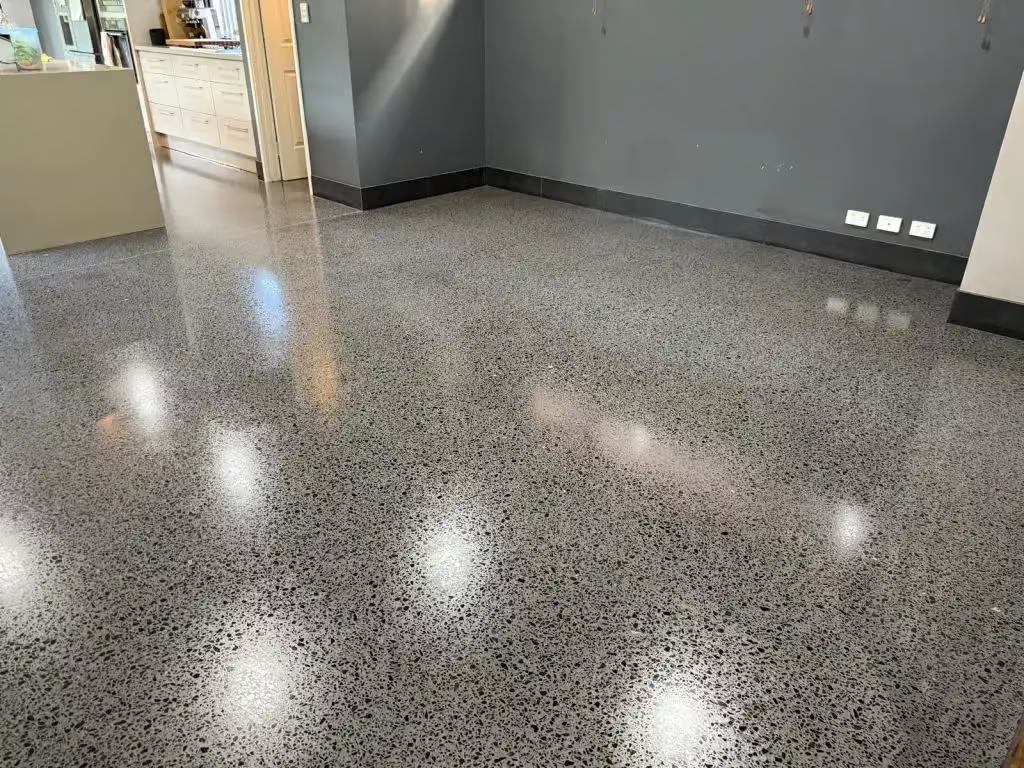
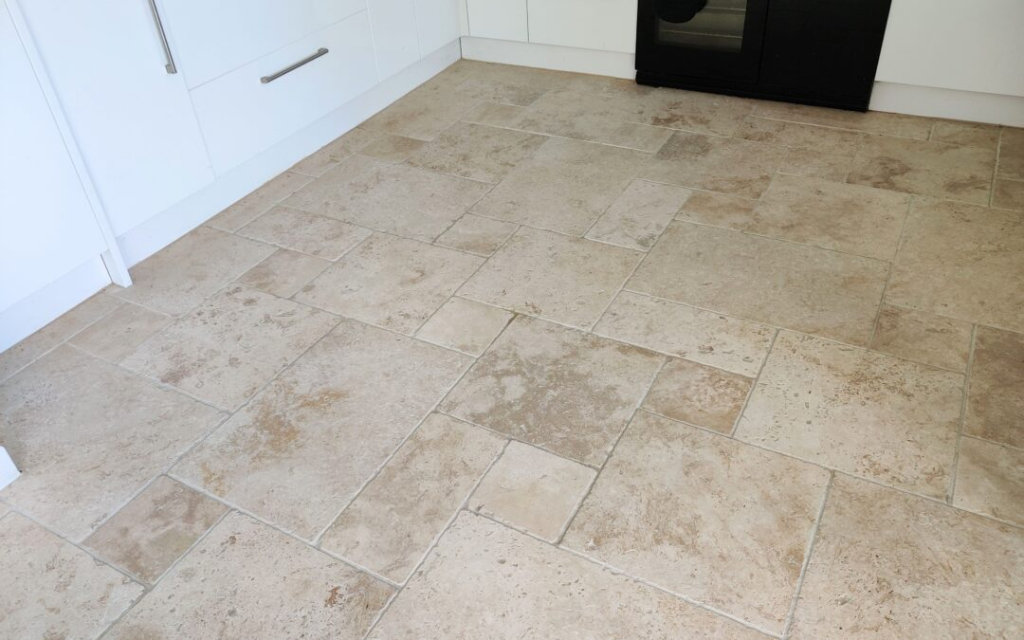
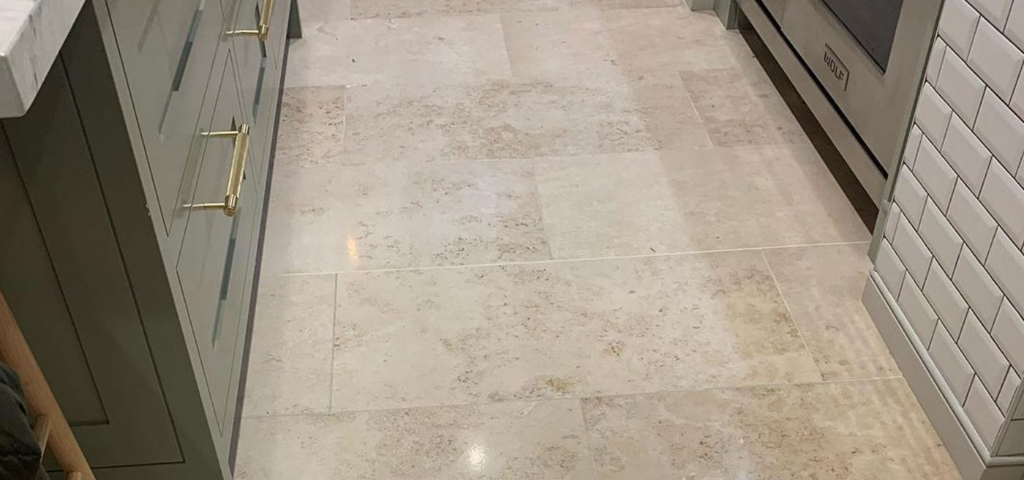
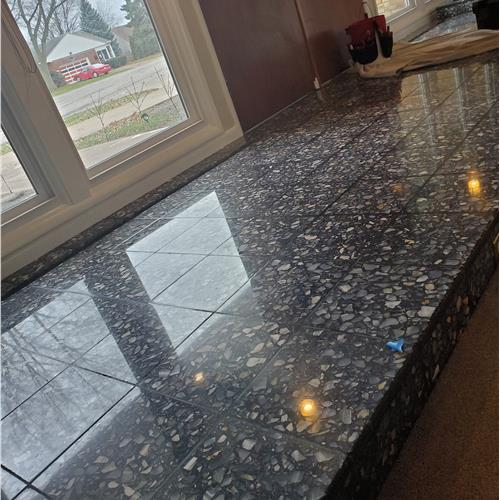
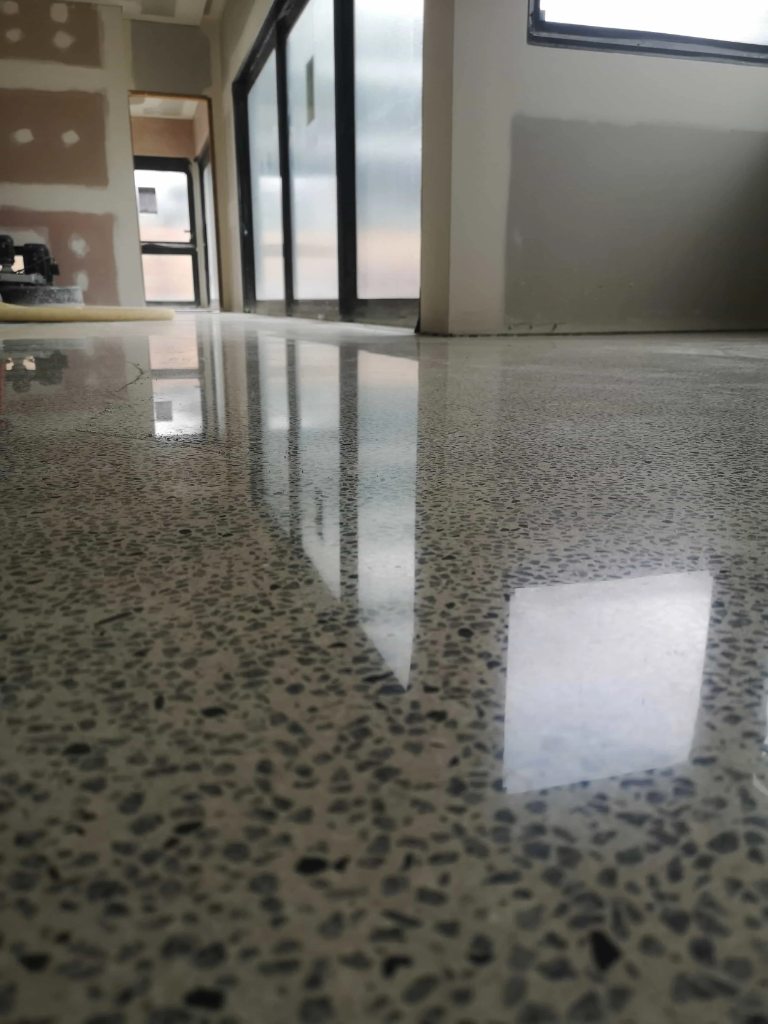
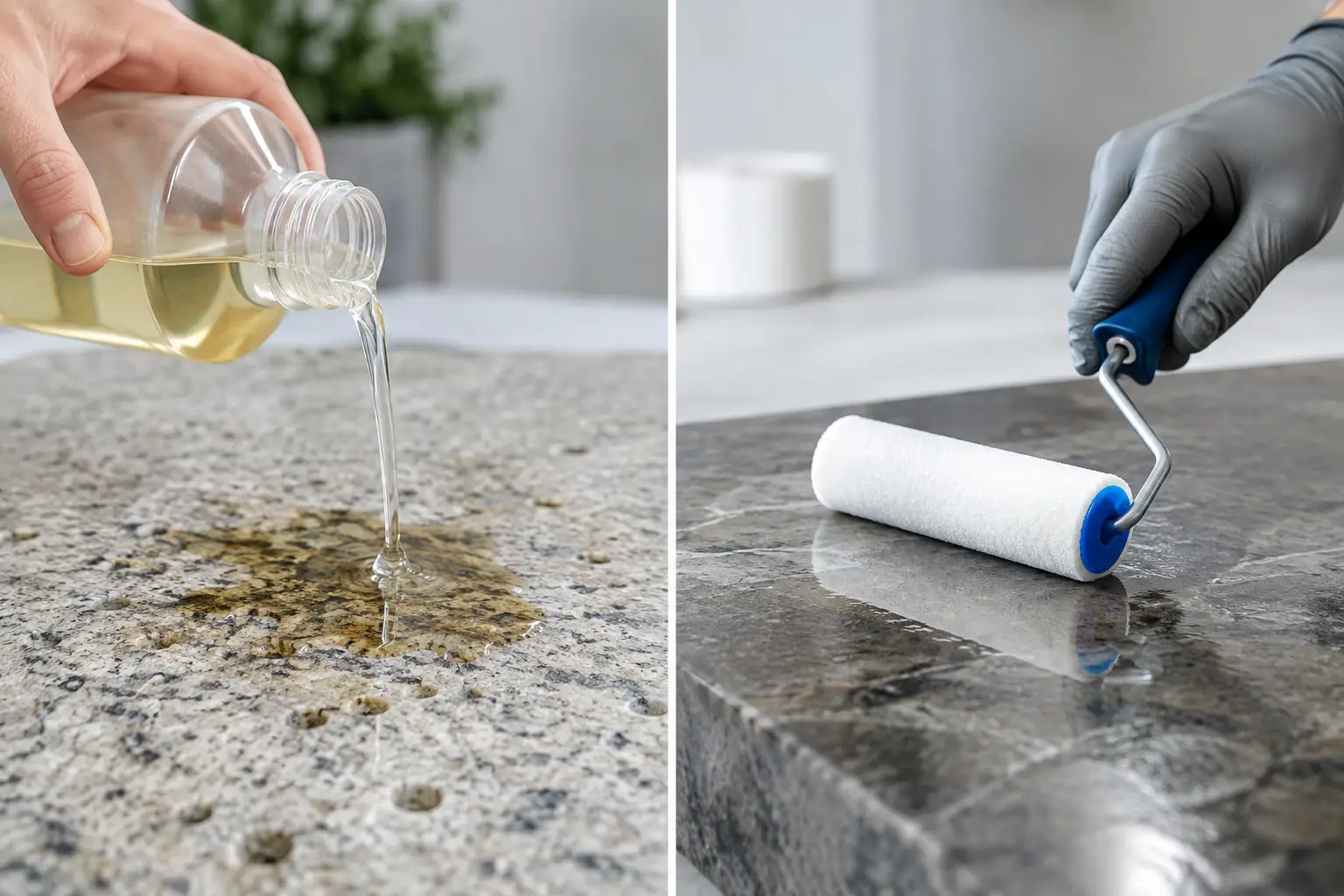
A honed marble benchtop, travertine courtyard or limestone foyer can look exceptional when newly installed, yet the wrong sealer can alter its appearance, create maintenance problems or provide far less protection than expected. The choice between impregnating versus topical sealers is not simply a matter of selecting the product with the strongest marketing claim. It depends on the stone, its finish, where it is installed and how the surface is used.
Natural stone is not a single material. Marble, granite, limestone, travertine, bluestone, sandstone and engineered stone all respond differently to moisture, oils, cleaning products and foot traffic. A suitable sealing system protects the stone while respecting its natural character and intended performance.
Impregnating Versus Topical Sealers: The Key Difference
Impregnating sealers, also called penetrating sealers, are absorbed into the pores of the stone. They work below the surface to reduce the absorption of liquids, oils and contaminants while leaving little or no visible film on top. The stone generally retains its natural colour, texture and slip resistance.
Topical sealers sit on the surface and form a protective coating. Depending on the formulation, they can create a matte, satin or glossy finish and may deepen the stone’s colour. Some are selected specifically to enhance appearance, while others are used to create a sacrificial barrier on certain hard surfaces.
Neither option is universally better. An impregnating sealer is often the preferred choice for premium natural stone because it protects without disguising the material. A topical sealer may be appropriate where a changed finish, added sheen or surface coating is genuinely required. The important point is that the sealer must suit the stone and the setting.
When an Impregnating Sealer Is the Better Choice
Most porous natural stones benefit from quality impregnating protection. This includes many limestone, travertine, sandstone, marble and bluestone surfaces, particularly where the owner wants the stone to look and feel natural.
On a kitchen benchtop, an impregnating sealer can slow the uptake of cooking oils, coffee, wine and everyday spills. On a bathroom vanity or shower surround, it can reduce water absorption and make routine cleaning easier. For an outdoor patio, it can help reduce staining from leaves, food, soil and general entertaining while preserving the surface texture needed for safe use.
The protection is not a permanent shield. Sealers buy time to clean a spill before it penetrates. They do not make stone immune to damage, and they cannot stop acidic substances from etching calcium-based materials such as marble, limestone and travertine. Lemon juice, vinegar, wine and some bathroom products can still dull or mark polished stone even when it has been sealed.
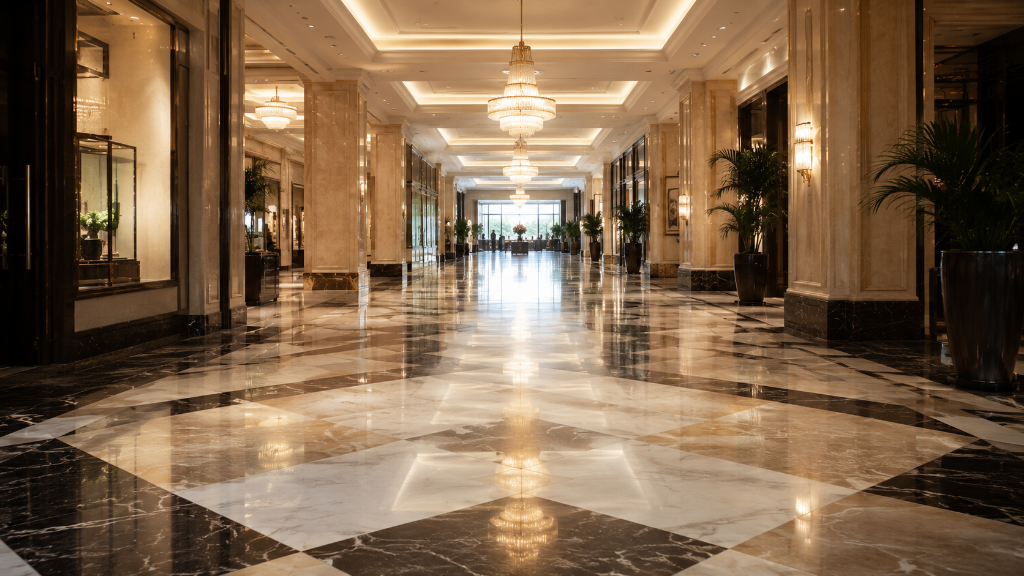
Because impregnating sealers do not usually leave a surface film, they are less likely to peel, flake or wear away unevenly under normal use. This makes them particularly practical for high-traffic commercial floors, hotel entries, retail spaces and strata common areas, where appearance and maintainability matter over the long term.
A natural finish with practical protection
A common concern among homeowners is whether sealing will make their stone glossy, darker or slippery. With a correctly selected impregnating sealer, the answer is generally no. Most premium penetrating products are designed to be invisible once cured.
There are colour-enhancing impregnating sealers available for stones where a richer, wet-look appearance is desired. These products still penetrate the material, but they are not neutral in appearance. A small test area is essential before proceeding, especially on pale limestone, honed marble or unevenly textured sandstone where colour change may be more noticeable.
Where Topical Sealers Can Be Appropriate
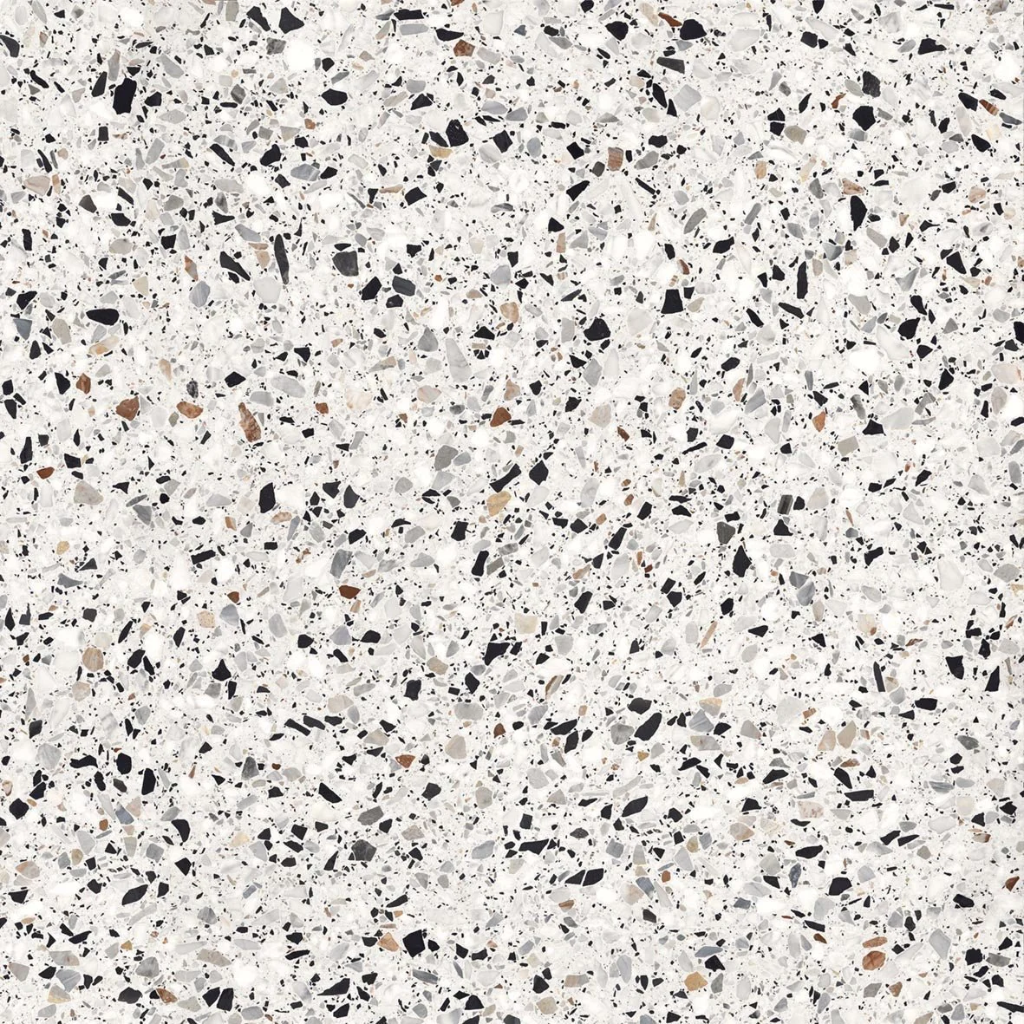
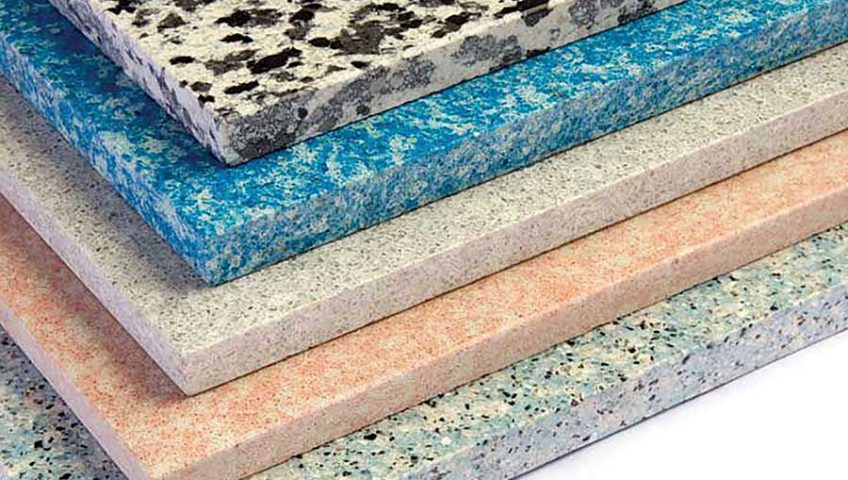
Topical sealers have a place, but they require more careful consideration. They are sometimes used to create a particular sheen, intensify colour or provide a surface layer on dense stone, terrazzo, concrete or selected manufactured finishes. In the right environment, a topical coating can improve presentation and provide a renewable wear surface.
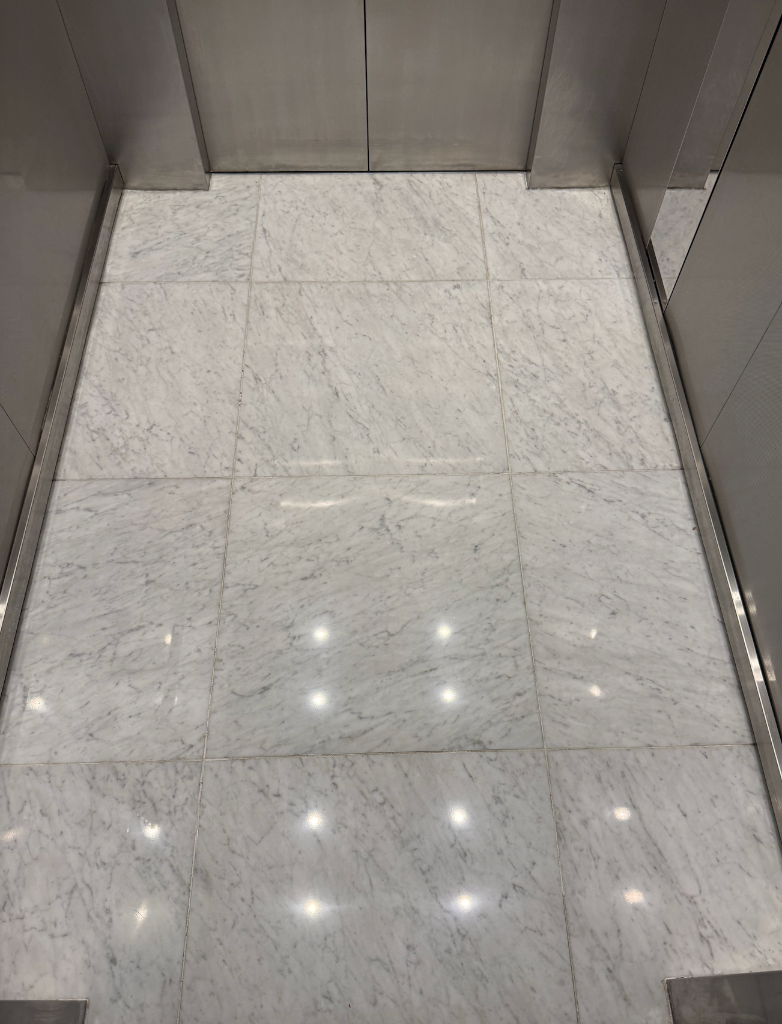
For example, a commercial interior with a specified polished finish may use a compatible topical system as part of an ongoing maintenance programme. The coating can be burnished, cleaned and periodically renewed to maintain a consistent appearance. This approach needs professional product selection and disciplined maintenance, rather than occasional cleaning with whatever product is on hand.
The risks increase when topical products are applied to porous natural stone without considering moisture movement, texture and outdoor exposure. A film-forming sealer can trap moisture beneath the coating, especially in damp areas or exterior paving. It may turn cloudy, whiten, blister or peel. On textured stone, it can also fill natural pores and alter the tactile quality that made the stone appealing in the first place.
Topical coatings can be problematic on external paths, pool surrounds and other wet areas. They may change slip resistance and can wear unevenly where people walk most often. Once a coating fails, removal can be labour-intensive and may require specialist restoration before the stone can be resealed correctly.
The Stone, Finish and Location Matter More Than the Label
A sealer should be chosen after assessing three things: the stone’s porosity, its surface finish and the conditions it faces each day. A highly porous honed limestone floor has different needs from a dense polished granite benchtop. A sandstone courtyard exposed to Sydney weather requires a different approach from an internal marble wall with minimal contact.
Honed and textured stones are generally more absorbent than polished surfaces. They often benefit from impregnating protection because their open pores can readily take in spills and soil. Polished stone may be denser and may not absorb a sealer as readily, so applying excess product can leave residue or haze rather than improving protection.
Location is equally significant. Outdoor stone contends with rain, UV exposure, organic staining and moisture from below. Bathrooms face constant humidity, body products and cleaning chemicals. Kitchen surfaces encounter oils, acids and heat. Commercial floors must withstand footwear, trolley traffic, frequent cleaning and a higher level of visual scrutiny.
This is why a water-drop test alone is not enough to determine whether stone needs sealing. Water beading can indicate some level of repellence, but it does not confirm resistance to oils or assess whether an existing coating is failing. Proper evaluation considers the material’s history, present condition and intended use.
Application Quality Determines the Result
Even the right sealer can disappoint when applied incorrectly. The stone must be clean, dry and free from incompatible coatings, waxes, soaps and residues. Sealing over ingrained contamination can lock in stains or create patchy results. Sealing damp stone can interfere with penetration and curing.
With impregnating sealers, excess product must be removed from the surface within the specified working time. Allowing it to dry on top can leave a sticky film, streaks or a cloudy appearance that is difficult to correct. More product is not automatically better. The stone can only absorb what its pore structure allows.
Topical systems demand even greater control. Surface preparation, environmental conditions, coat thickness and curing time all affect adhesion and appearance. A coating applied to a poorly prepared floor may look acceptable initially, then show wear patterns, scuffing or delamination soon afterwards.
For valuable stone surfaces, professional application provides a clear advantage. A specialist can identify prior treatments, test compatibility in an inconspicuous area and recommend a system that supports both appearance and service life. Sydney Stone Care approaches sealing as part of broader stone preservation, not as a one-size-fits-all coating exercise.
Sealing Is Only One Part of Stone Care
A well-sealed surface still needs correct daily care. Use pH-neutral stone cleaners, clean spills promptly and avoid acidic or abrasive products unless they have been specifically approved for the material. Harsh cleaners can degrade a sealer, dull a polished finish or damage the stone itself.
Entry matting is particularly valuable for commercial spaces and busy homes. Grit carried in on footwear acts like sandpaper under traffic, gradually wearing away the finish on stone floors. Regular dust removal and appropriate wet cleaning protect the surface far more effectively than relying on sealer alone.
Resealing intervals vary widely. A lightly used internal wall may retain protection for years, while a busy café floor, kitchen benchtop or exposed patio may need review much sooner. Rather than resealing on a fixed calendar date, assess the surface for changes in absorbency, staining behaviour and overall condition.
The best sealer is the one that protects the stone without creating a new problem to manage. For most natural stone, that means selecting a high-quality impregnating sealer matched to the material and its environment. Where a topical system is considered, its visual benefit should clearly outweigh the added maintenance and potential risks. A careful assessment before application preserves the finish you invested in and keeps it looking considered for years to come.