
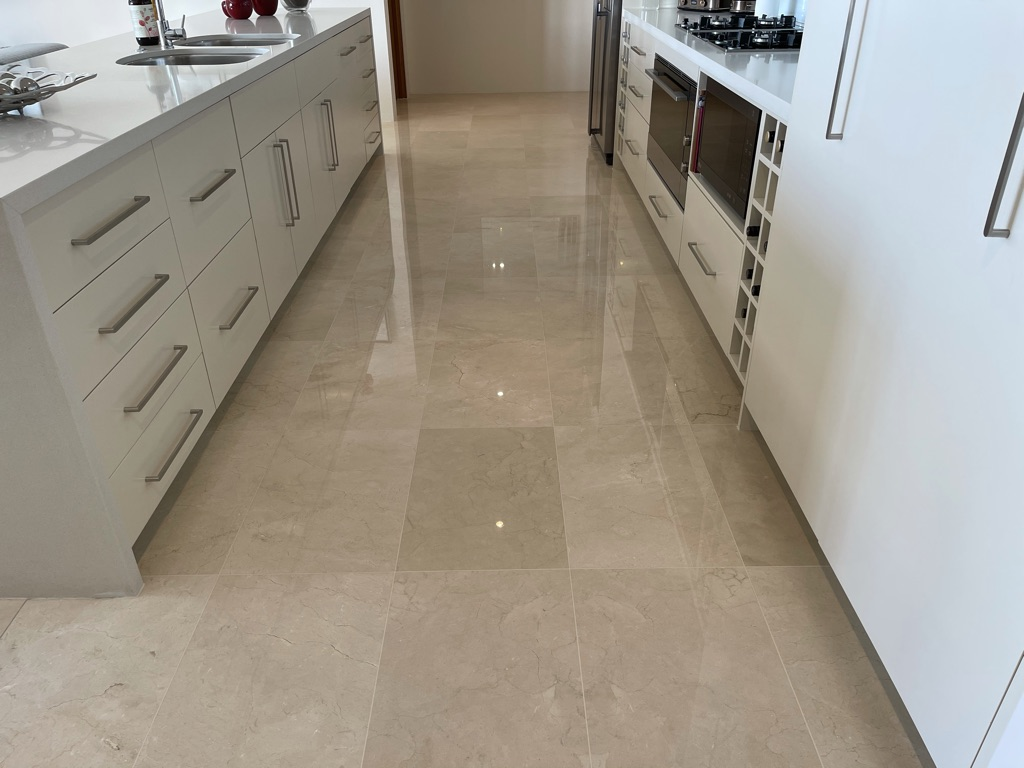
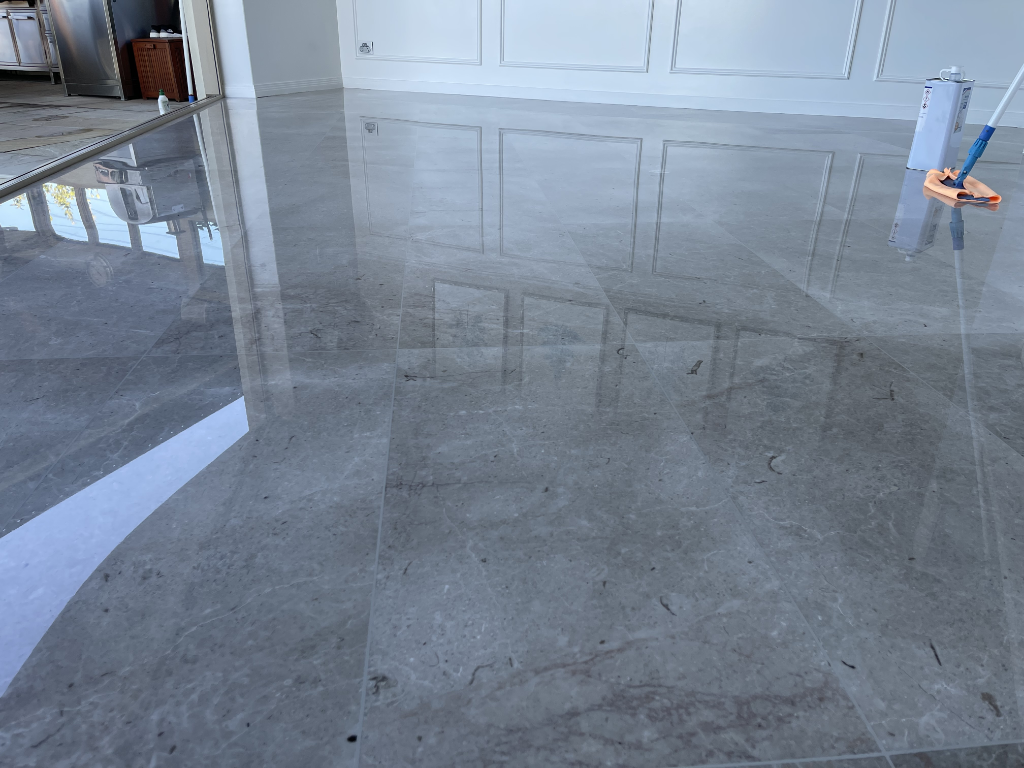
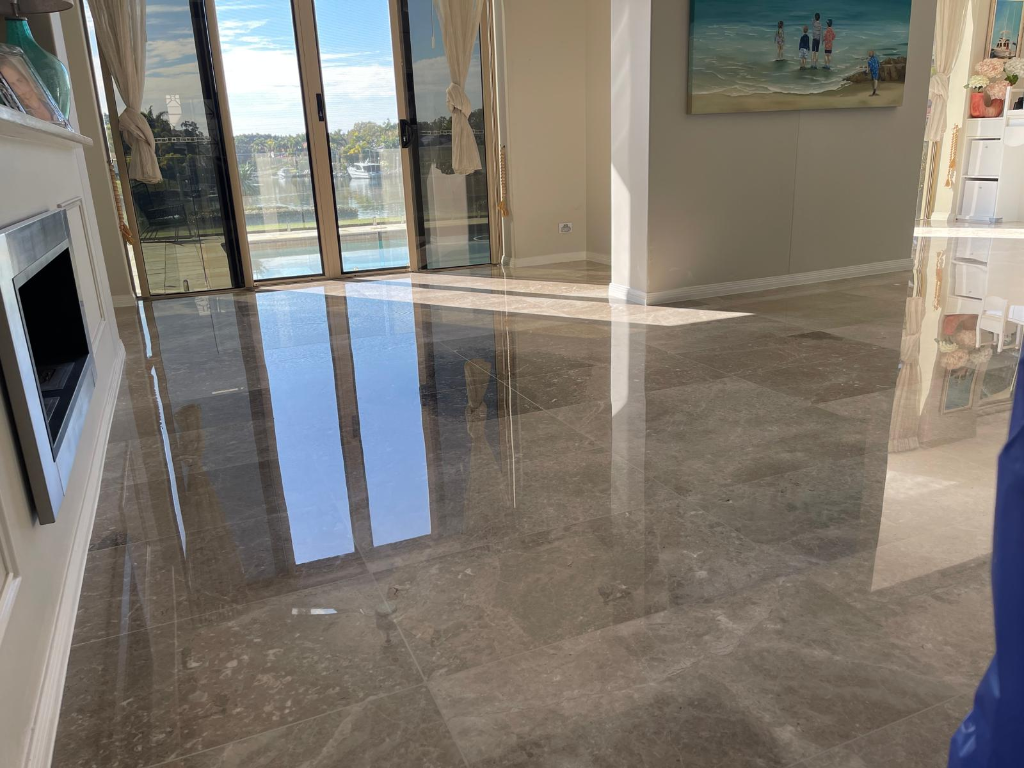
A rust mark near a pool edge, oil spotting on an outdoor entertaining area, or dark patches around a bathroom vanity can make quality stone look tired very quickly. Limestone stain removal is rarely just a cleaning job. Because limestone is porous and calcium-based, the wrong product can lock in the problem, etch the surface, or damage the finish while you are trying to improve it.
That is why the first question is not how hard to scrub. It is what caused the stain, how far it has penetrated, and what finish the stone has. Honed interior limestone, tumbled outdoor pavers, polished decorative stone and older weathered surfaces all respond differently. Good results come from matching the treatment to the material, not treating limestone like tile or concrete.
Why limestone stains so easily
Limestone is valued for its natural character, soft movement and premium appearance, but it does require informed care. Its porosity allows liquids to enter below the surface, especially if the stone is unsealed, ageing, or installed in wet or high-traffic areas. Once a contaminant moves into the stone, ordinary detergent and water often will not remove it.
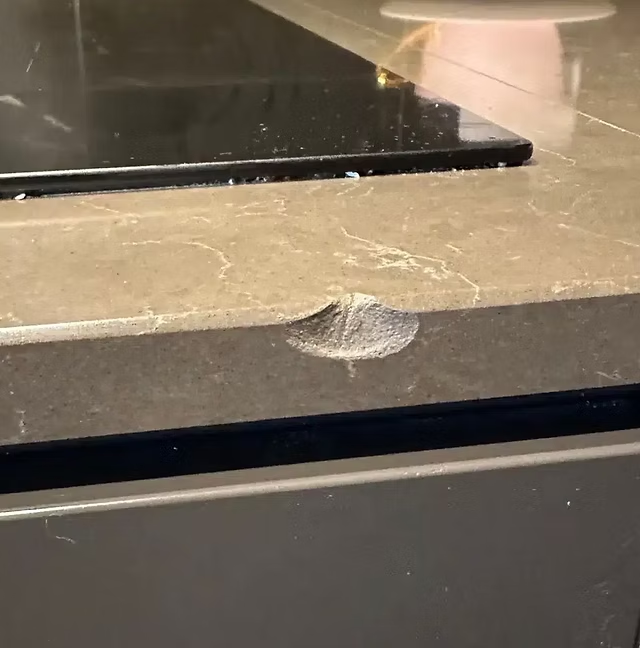
The other issue is sensitivity. Limestone reacts badly to acidic cleaners, including many off-the-shelf bathroom, kitchen and outdoor products. Vinegar, citrus-based cleaners and some mould removers can etch the surface, leaving dull patches that look like permanent staining but are actually surface damage. In practice, a stone can have both at once - a true stain within the pores and etching across the face.
Common stains and what they usually mean
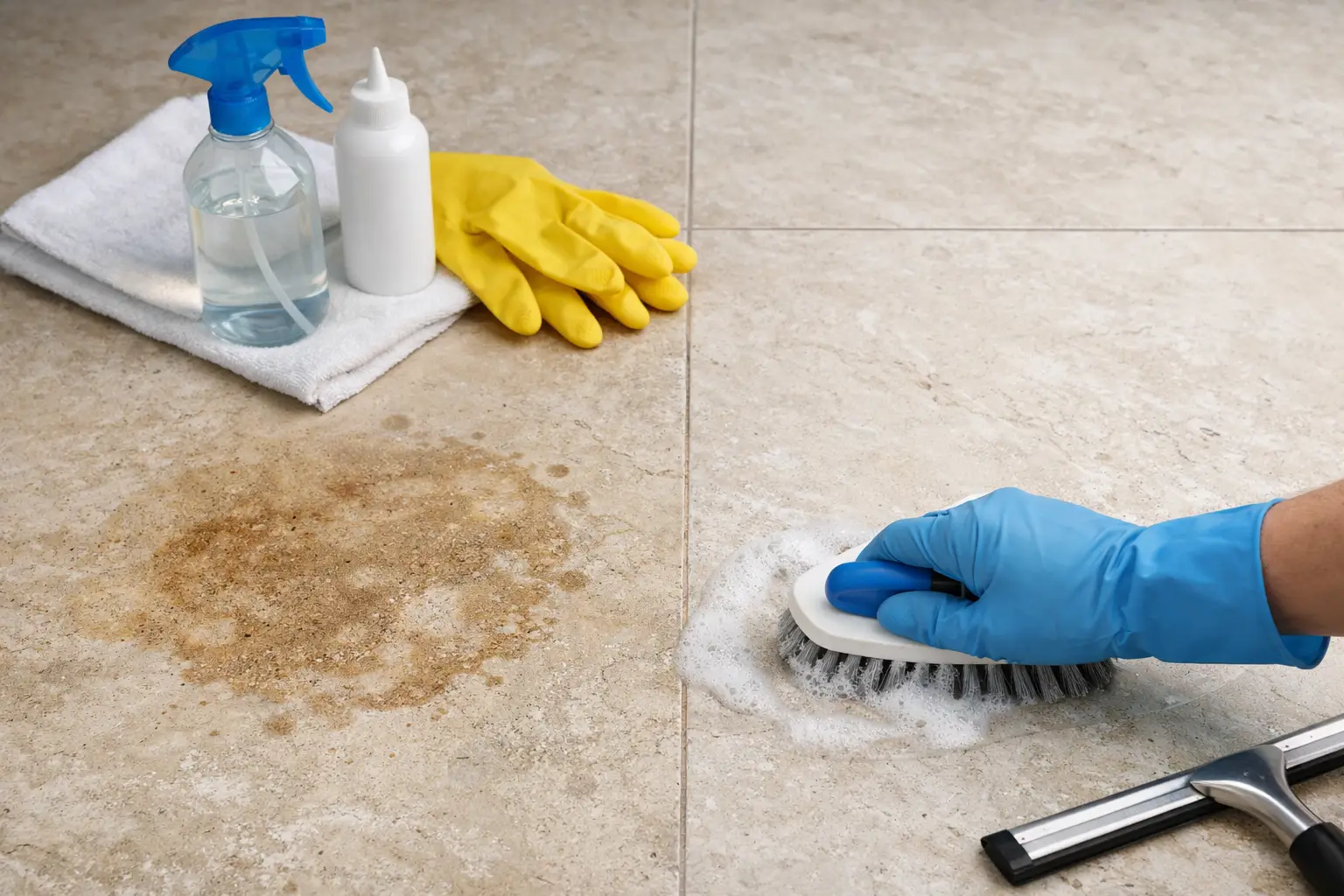
Not every mark on limestone is the same, and the visible colour can be misleading. Dark patches often point to moisture, organic matter, or absorbed oils. Brown and orange staining may indicate rust from furniture, metal fixings, planter pots or irrigation runoff. Greasy areas around barbecues and kitchens usually come from cooking oils or food residue. In bathrooms, cosmetics, soap build-up and cleaning chemical residue are frequent causes.
Outdoor limestone in Sydney also deals with leaf tannins, algae, dirt tracking and mineral deposits. Around pools, salt, water chemistry and constant wetting can create discolouration that needs more than a surface wash. In commercial settings, foot traffic can push grime deep into textured finishes, making the stone appear permanently dirty when it is actually contaminated and worn.
Limestone stain removal starts with correct identification
Successful limestone stain removal depends on accurate diagnosis. If the stain is organic, the treatment approach differs from what is needed for rust, oil, efflorescence or ingrained dirt. If the surface has been etched, stain removal alone will not restore the appearance. If sealers have broken down unevenly, the stone may absorb new contaminants in patches, creating a blotchy result.
This is where many DIY attempts go wrong. A product chosen for speed rather than suitability can bleach the surface, worsen the stain outline, or trigger chemical reactions inside the stone. On premium limestone, especially in kitchens, bathrooms, foyers, alfresco zones and commercial entries, that is a costly gamble.
What to avoid on limestone
The safest advice is simple. Do not use acidic cleaners, heavy-duty degreasers, bleach-based mixes without stone-specific guidance, abrasive pads, or high-pressure methods that can disturb softer finishes and grout lines. DIY stain hacks found online are often written for ceramic, porcelain or concrete, not natural limestone.
Poultices and specialist stain treatments can be effective, but only when they suit the stain type and the condition of the stone. Used correctly, they draw contaminants out from the pores. Used incorrectly, they can leave residue, create halo marks, or fail completely because the underlying issue was never identified.
Indoor limestone needs a different approach
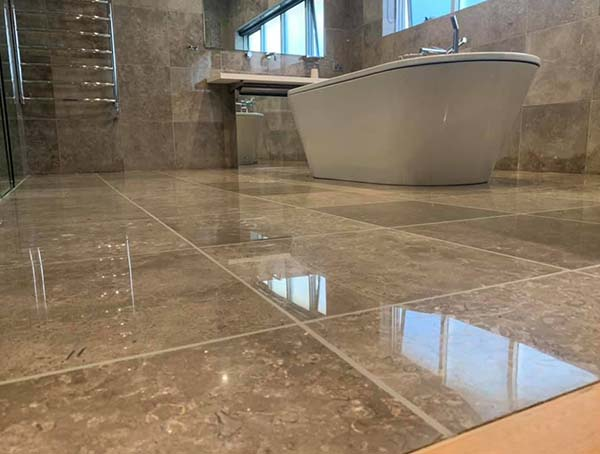
Interior limestone is usually more refined in finish and more visibly affected by incorrect treatment. Benchtops, bathroom floors, feature walls and hallway tiles tend to show etching, dullness and patchiness quickly. A stain on honed limestone may also sit alongside wear patterns from foot traffic or harsh mopping products.
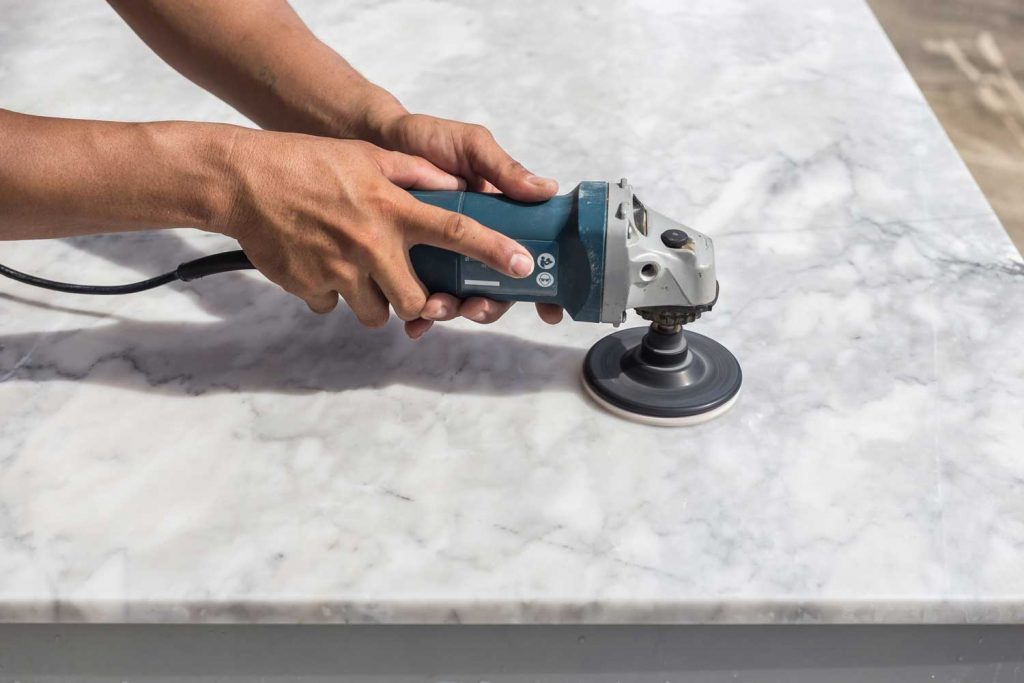
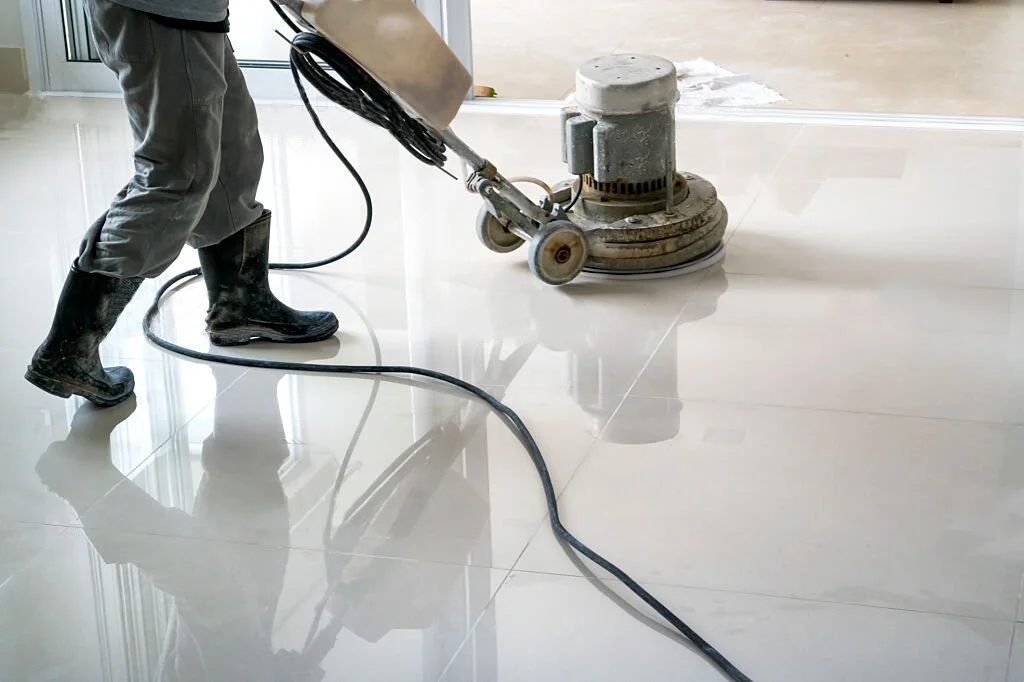
In these cases, removal may involve more than lifting the stain itself. The stone may need controlled cleaning, localised stain treatment, and then surface refinement to bring back an even appearance. Sealing may follow, but sealing should not be treated as a shortcut. If contaminants remain in the stone, sealing over them can preserve the problem rather than solve it.
Outdoor limestone stain removal has extra variables
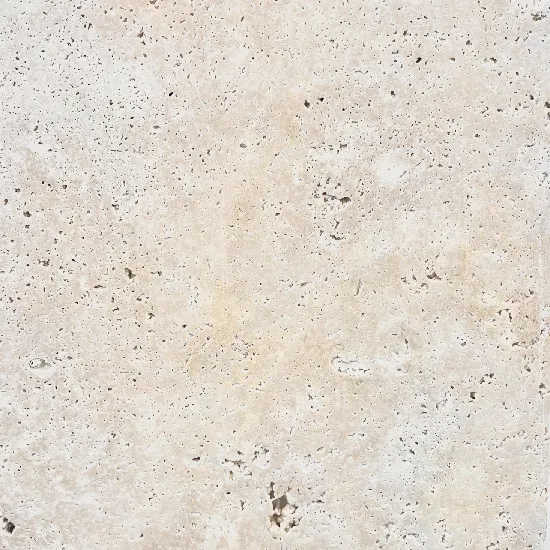
Exterior limestone presents a different set of challenges. Weather exposure, organic growth, irrigation overspray, pool chemicals and general environmental build-up all affect how the surface behaves. Textured limestone pavers and pool surrounds can trap fine dirt and moisture, which makes stains appear worse and harder to shift.
The method here needs to protect the stone while addressing contamination properly. Aggressive outdoor cleaning can roughen the surface, remove soft material, or leave the area looking inconsistent. In many cases, professional treatment combines safe washing methods with targeted stain correction and, where appropriate, sealing designed for exterior conditions.
When stains are not actually stains
One of the more common issues in stone care is misdiagnosis. White hazing may be mineral residue or sealer residue. Dull rings around bottles, soaps or toiletries can be etching. Blackened grout lines may make limestone look stained even when the stone itself is not the main problem. Old spills can also leave a pigment shadow even after the source contaminant has been reduced.
That matters because the solution changes. True stain removal draws or breaks down contamination. Etch correction generally requires surface restoration. Sealer problems may require stripping and reapplication. If the wrong fix is chosen, the appearance stays uneven and the stone remains vulnerable.
Professional limestone stain removal versus DIY
There are situations where prompt home care is sensible. Fresh spills should be blotted quickly, not rubbed through the stone. pH-neutral stone-safe cleaning products can help with routine maintenance. But once a stain has set, repeated DIY attempts often increase the repair scope.
Professional limestone care brings two advantages. The first is material knowledge - understanding how different limestone types, finishes and site conditions respond. The second is process control - using the right treatment strength, dwell time, extraction method and finishing steps to improve the stone without creating secondary damage.
For homeowners, that protects an expensive feature finish. For commercial sites, it helps maintain presentation standards while reducing the risk of inconsistent patch repairs across visible public areas.
How to reduce future staining
Stain prevention is less dramatic than stain removal, but it is usually the better investment. A suitable penetrating sealer can slow absorption and give spills less time to sink into the stone. It does not make limestone stain-proof, and that distinction matters. Sealed limestone still needs prompt attention and correct cleaning.
Daily or weekly maintenance should also match the environment. Kitchens and hospitality settings need grease-aware cleaning without harsh chemistry. Bathrooms need residue control without acid. Outdoor areas benefit from managed drainage, reduced planter runoff, and periodic professional maintenance before build-up becomes embedded.
Furniture feet, metal objects, pot plants and wet mats also deserve attention. Many stubborn marks begin with small, repeated contact over time rather than one major incident.
When to call a stone specialist
If the stain has been there for more than a few days, if the surface has turned dull, if previous cleaning has not worked, or if the stone is in a premium or high-visibility area, specialist advice is the safer path. The same applies to rust, oil, poolside discolouration and any stain on polished or honed limestone.
Sydney Stone Care works with limestone in residential and commercial settings where appearance and long-term performance both matter. That specialist focus is important because natural stone requires a preservation mindset, not a general cleaning approach.
The best time to act is early. Stains are easier to treat before they settle deeper, before etching spreads, and before repeated DIY attempts complicate the surface. With limestone, protecting the finish is just as important as removing the mark. A careful, material-specific approach gives you the best chance of restoring the stone properly and keeping it looking the way it should.