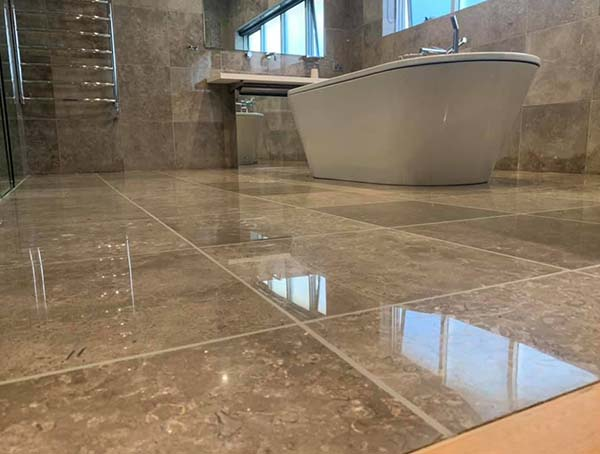
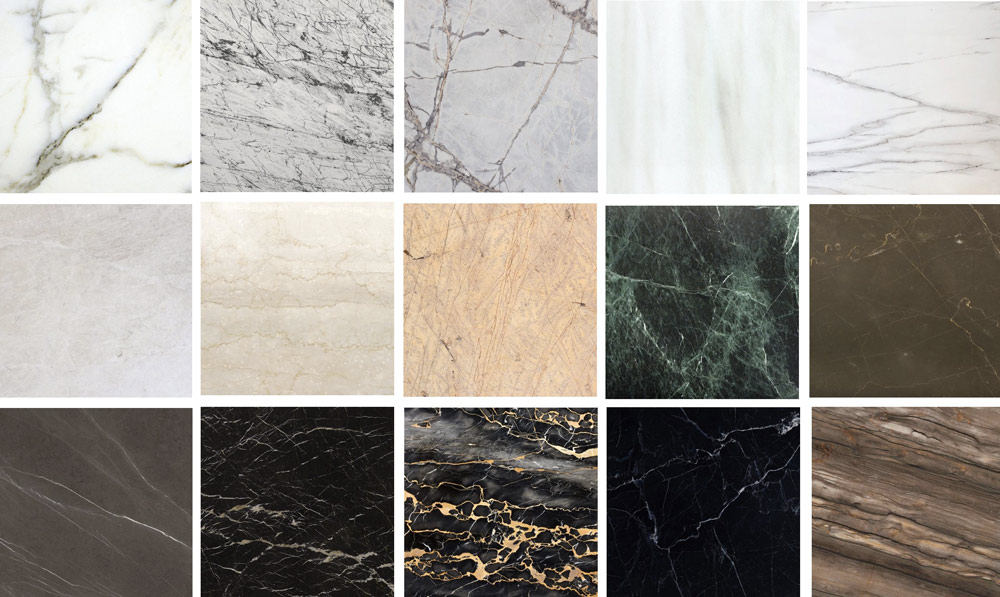
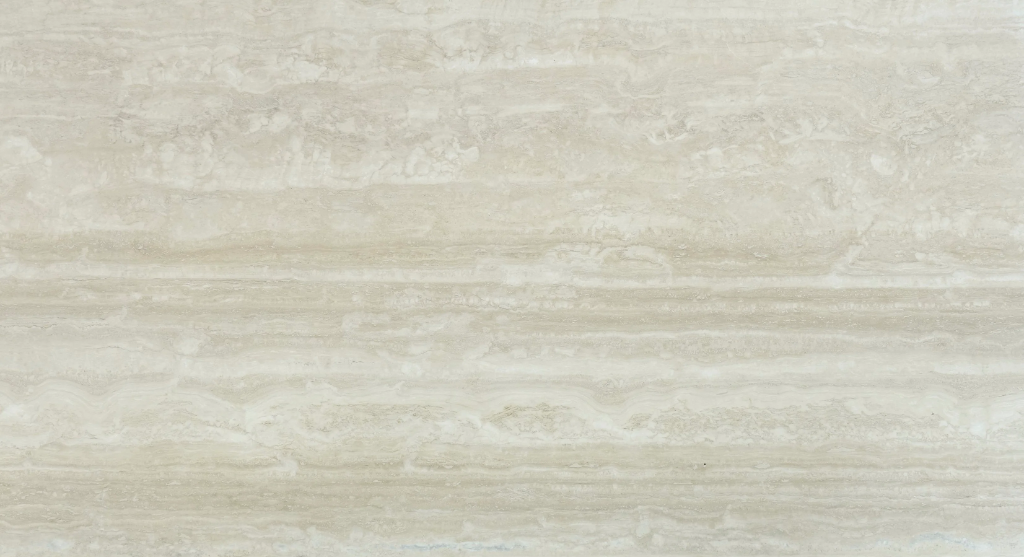
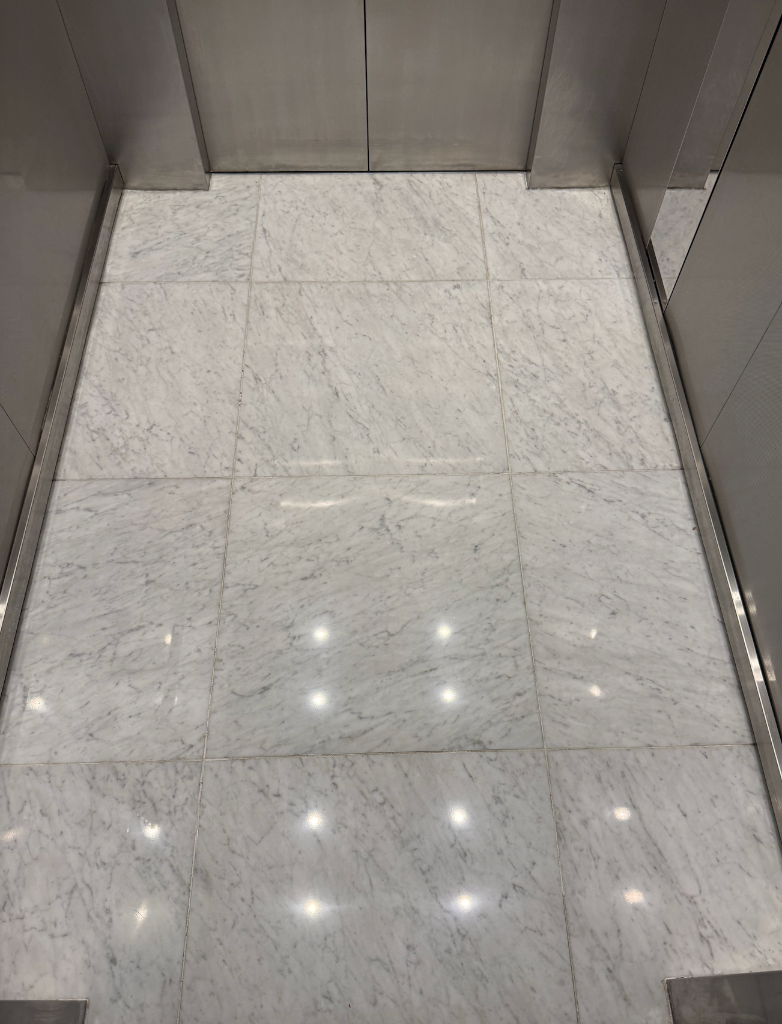
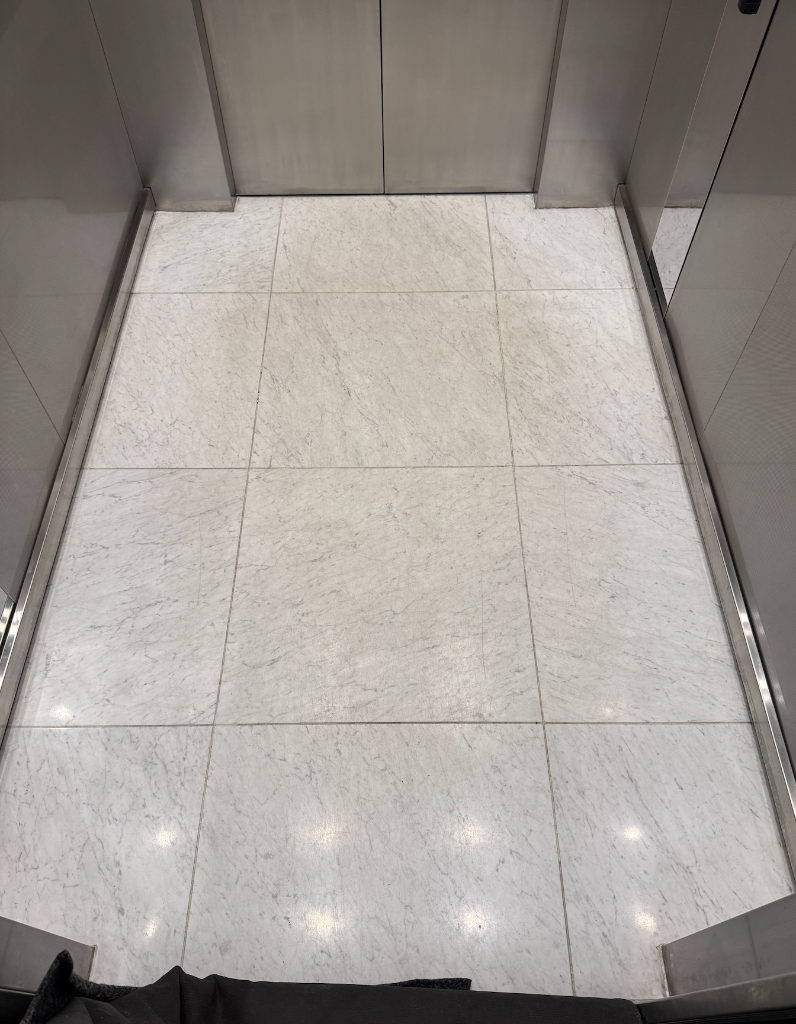
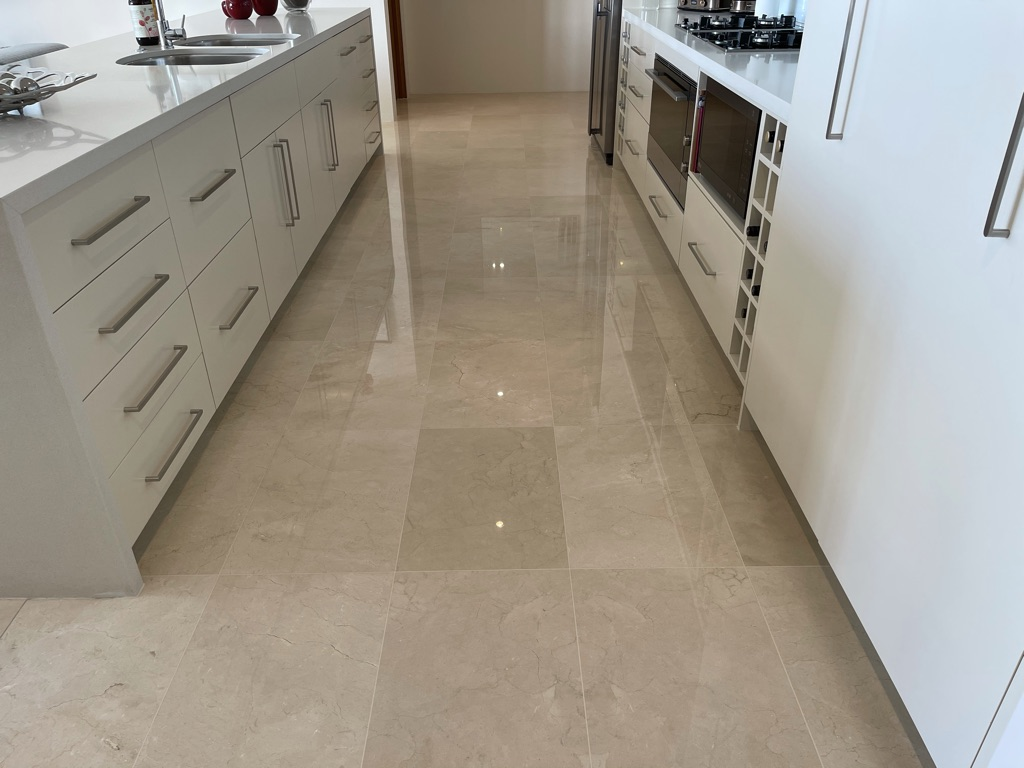
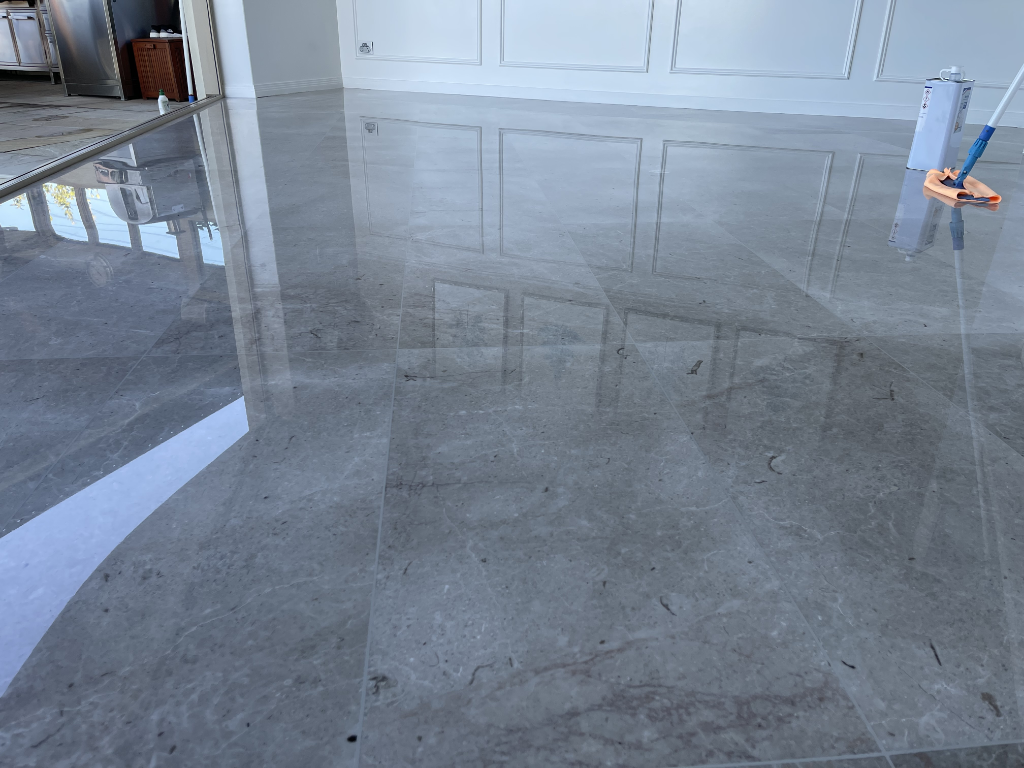
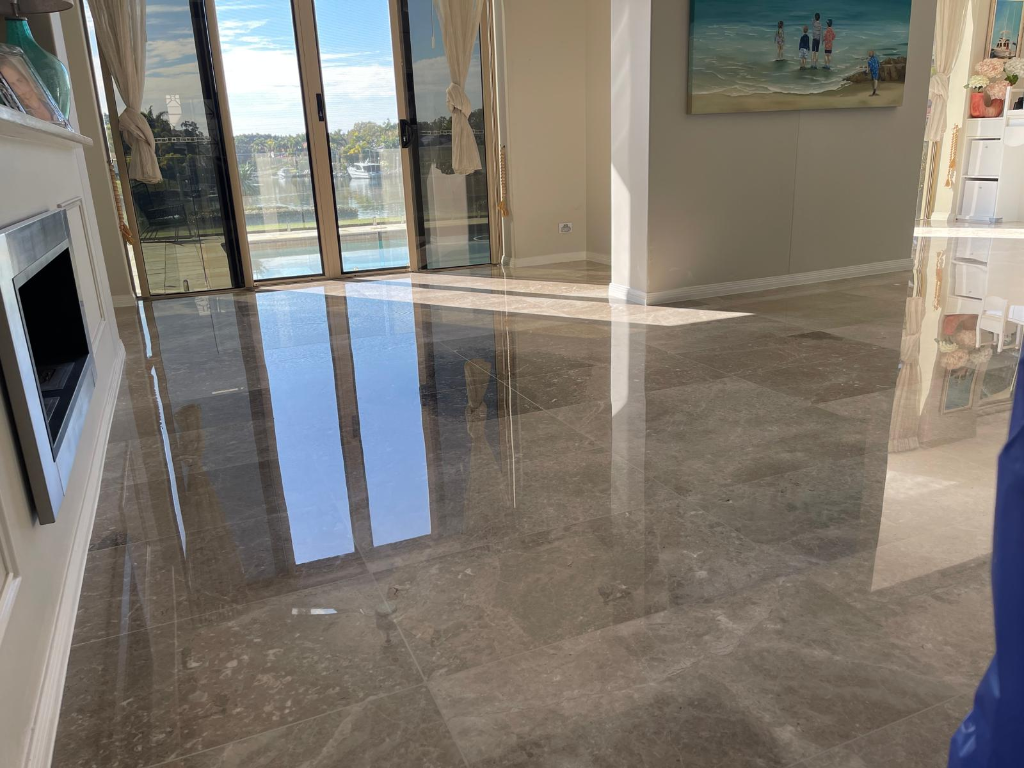
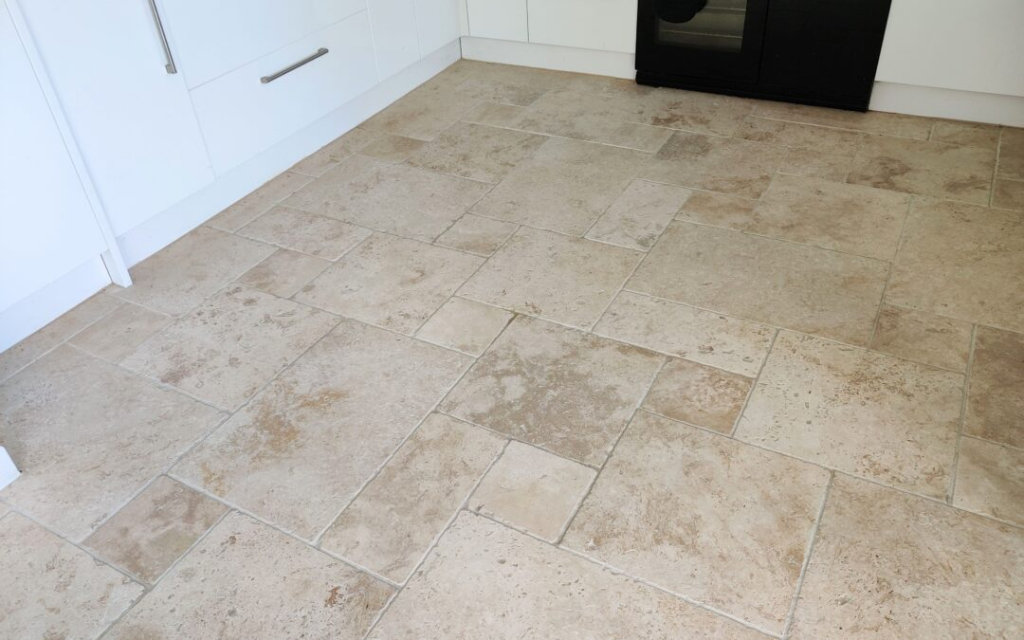
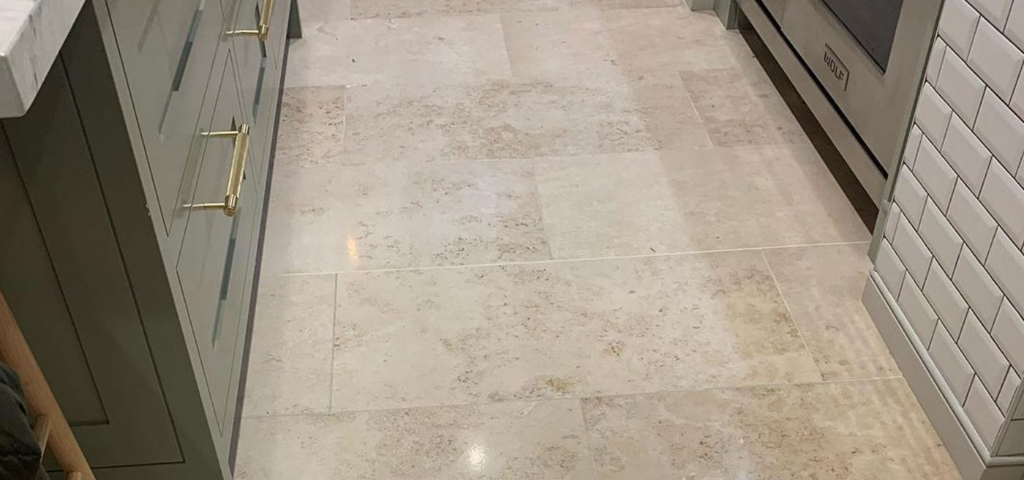
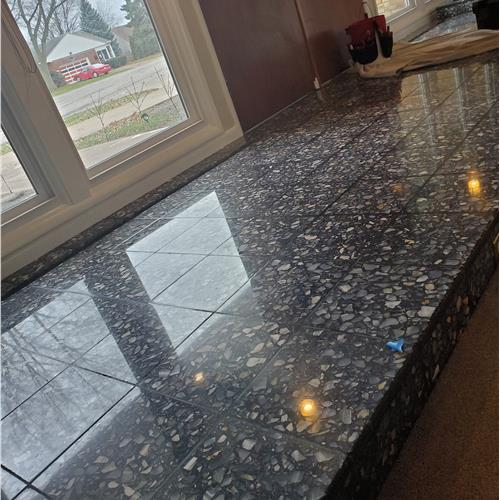
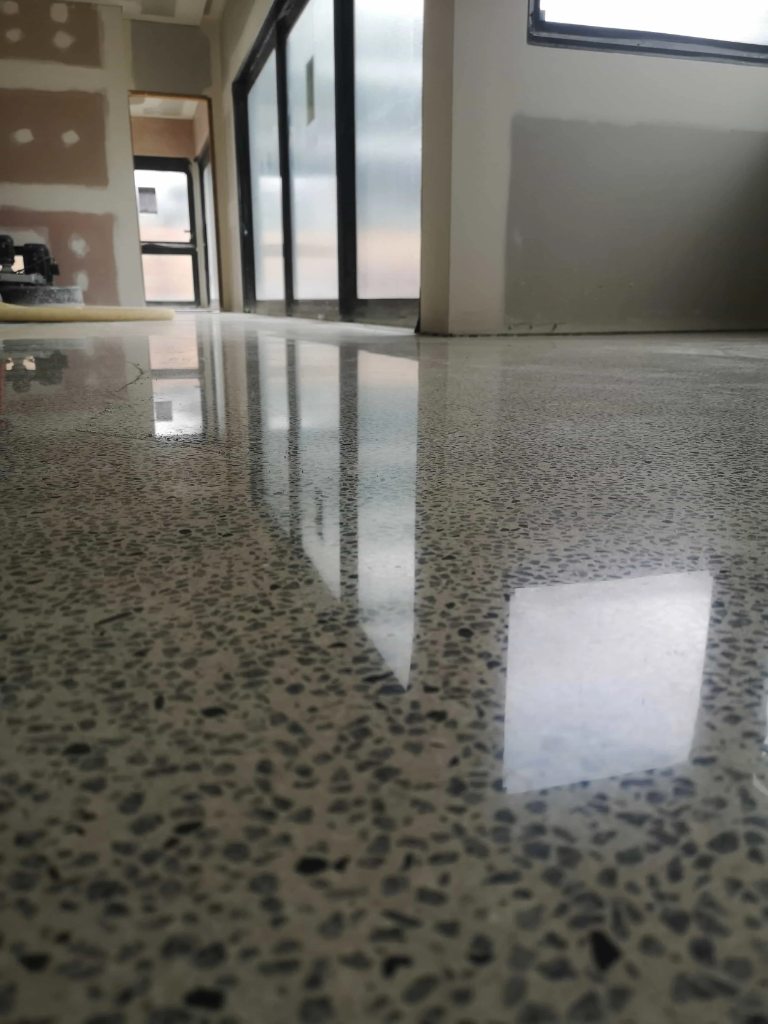
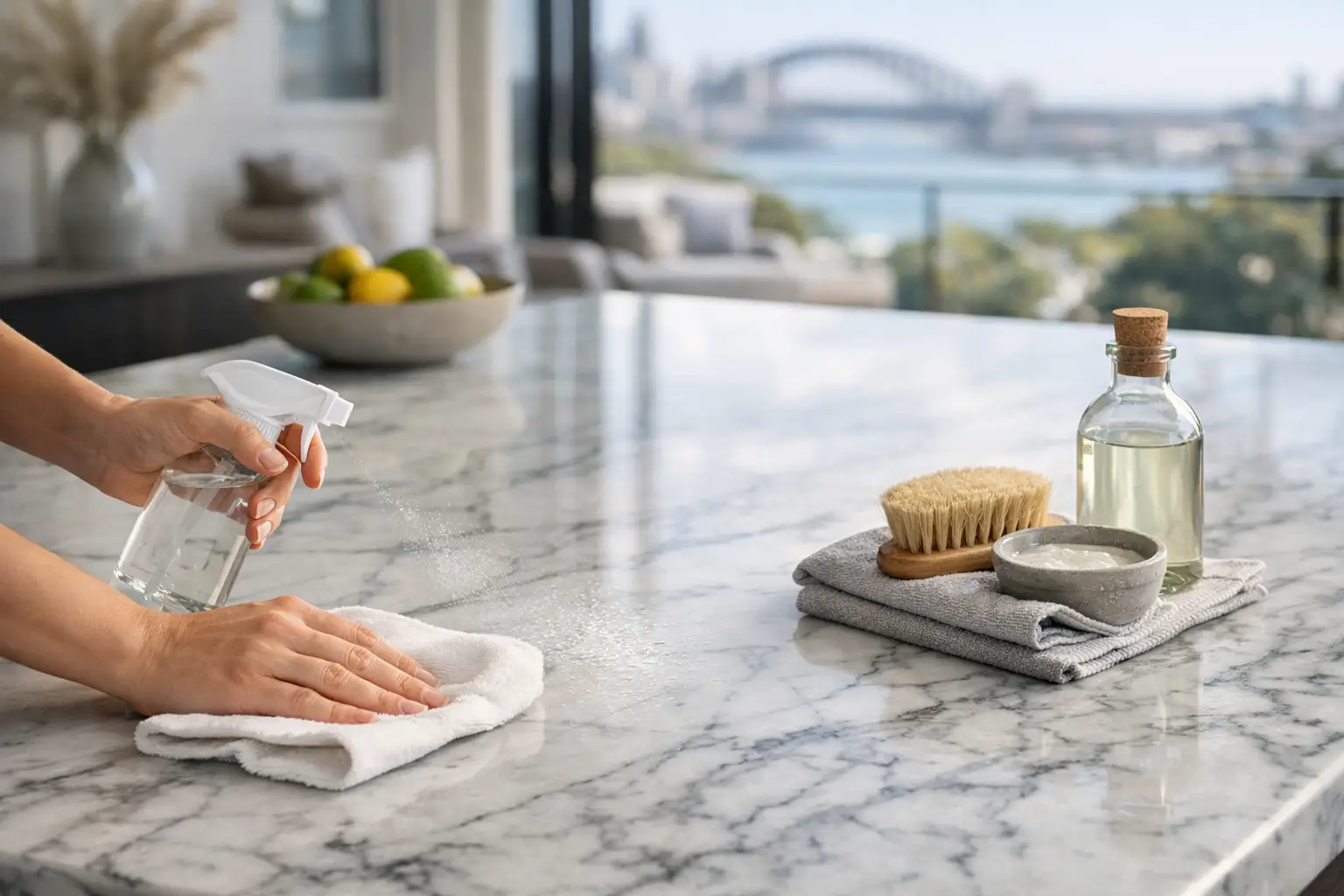
A marble benchtop is not meant to look like engineered stone. It has natural variation, fine mineral movement and a softer surface that develops character over time. This marble benchtop care guide explains how to protect that character without accepting preventable staining, etching or surface dullness.
Marble is a calcium-based natural stone, which makes it especially vulnerable to acids and abrasive cleaning methods. In a busy Sydney kitchen, the risk often comes from ordinary habits: leaving a cut lemon on the bench, wiping with a multipurpose spray, or allowing wine and cooking oil to sit while dinner is being prepared. The right routine is simple, but it needs to be consistent.
Daily marble benchtop care
For routine cleaning, use a soft microfibre cloth with warm water and a pH-neutral cleaner formulated for natural stone. Wipe the surface, then dry it with a separate clean cloth rather than allowing water to air-dry. This removes food residue and prevents a film from forming across the polished finish.
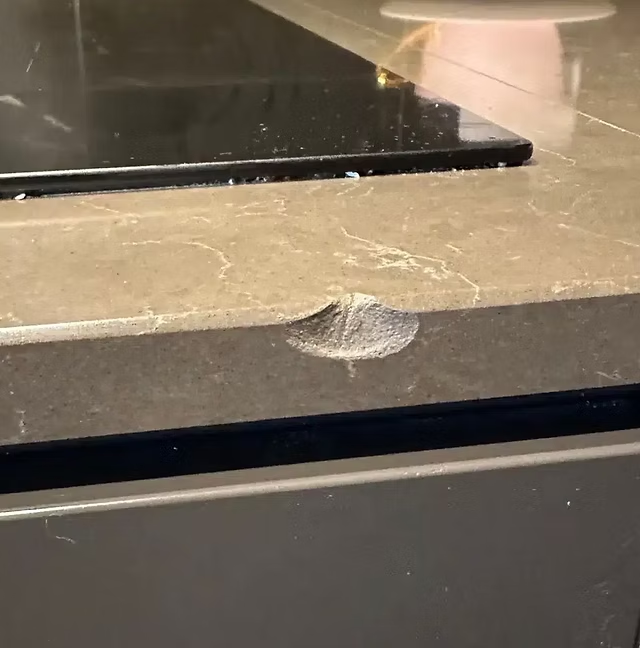
Avoid household cleaners containing vinegar, citrus, bleach, ammonia or other acidic or highly alkaline ingredients. These products can react with marble and leave dull, pale marks known as etching. Etching is not always a stain. It is a physical change to the stone surface, so further cleaning will not remove it.
A neutral stone cleaner is preferable to dishwashing liquid for regular use. While a small amount of mild dishwashing liquid is unlikely to cause immediate damage, repeated use can leave residue that makes marble appear flat or streaky. A dedicated stone-safe product keeps the cleaning process controlled and protects the clarity of the finish.
Deal with spills before they settle
Speed matters more than force. Blot spills promptly with paper towel or a clean cloth - do not scrub them across the surface. Scrubbing can spread pigments and oils into a wider area, particularly around natural veins and small surface fissures.
Wine, coffee, tea, turmeric, tomato-based sauces, berries, olive oil and cooking fats deserve immediate attention. Acidic foods such as lemon, lime, vinegar and fruit juice can etch the marble within minutes, even if they do not leave a coloured stain. Rinse the area with water, clean it using a pH-neutral stone cleaner, then dry thoroughly.
Use boards, trays and trivets as part of normal kitchen use. A chopping board protects the stone from knife marks and food acids, while a tray beneath oils, vinegars and spice jars contains slow leaks that can otherwise go unnoticed. Hot cookware is less likely to damage marble than it is some manufactured surfaces, but a trivet remains the sensible choice. Sudden temperature changes can place stress on natural stone and its joins.
Understand stains, etching and dull patches
The right response depends on the problem. Treating every mark as a stain can make the damage worse.
A darkened area caused by oil, grease or moisture is generally a stain absorbed into the stone. A coloured mark from wine, coffee or food may also be a stain. In many cases, these can be reduced with a professionally selected poultice treatment, which draws contaminants out of the stone over time.
A cloudy, rough-feeling or light patch around a sink, preparation area or bar zone is more likely to be etching. On honed marble, etching can look like a darker or smoother spot rather than a bright white mark. It requires careful honing and polishing to bring the affected area back into balance with the surrounding finish.
Surface dullness can also come from cleaner residue, worn sealer, repeated abrasion or inconsistent maintenance. Before attempting an at-home remedy, identify the cause. DIY polishing powders, abrasive pads and online cleaning mixtures can create a noticeably uneven finish, particularly on polished marble.
Sealing is protection, not immunity
A quality impregnating sealer helps reduce the rate at which water and oil-based contaminants enter the stone. It is an essential part of long-term marble benchtop care, but it does not create a plastic barrier on top of the surface. Acid can still etch sealed marble, and spills still need to be removed quickly.
How often marble needs sealing depends on the stone’s density, the existing finish, how heavily the benchtop is used and the type of sealer applied. Some marble may benefit from assessment and resealing every 12 months, while other surfaces may have a longer protection cycle. High-use kitchens, hospitality counters and bar areas often need closer monitoring.
A simple water test can indicate whether the surface may need professional review. Place a few drops of water on a discreet area and observe them for several minutes. If the stone quickly darkens as it absorbs the water, the protective treatment may be wearing thin. This test is only an indicator, not a full assessment. Stone can absorb differently across individual slabs, veins and repaired areas.
Habits that preserve the finish
Marble responds well to considerate use. Keeping a soft cloth nearby makes it easy to wipe splashes as they happen, while a drying mat near the sink limits ongoing moisture exposure. Do not leave wet dishcloths, metal cans or flower pots directly on the benchtop, as trapped moisture and oxidation can leave difficult marks.
Avoid dragging ceramic servingware, cookware or appliances across the stone. Even a polished marble surface can develop fine scratches and wear tracks over time. Place protective pads beneath small appliances, especially where vibration or regular movement occurs.
For commercial settings, maintenance should account for volume of use rather than calendar dates alone. A café counter exposed to citrus, coffee and frequent wiping needs a more structured programme than a lightly used office kitchenette. Cleaning staff should be given stone-safe products and clear instructions, as one unsuitable chemical can affect a prominent surface quickly.
When professional marble restoration is needed
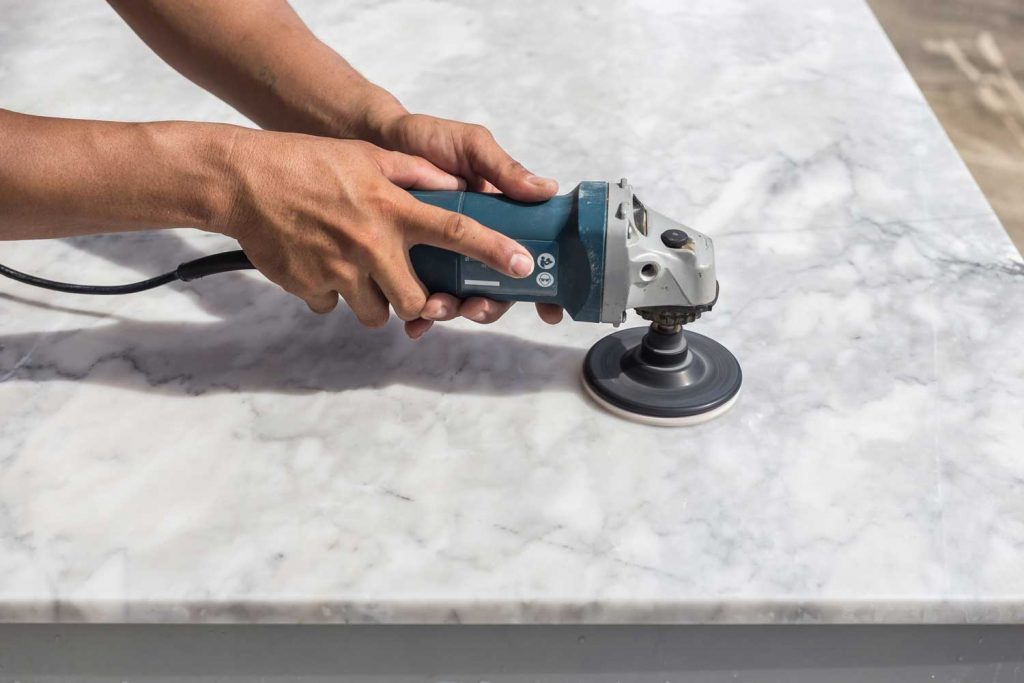
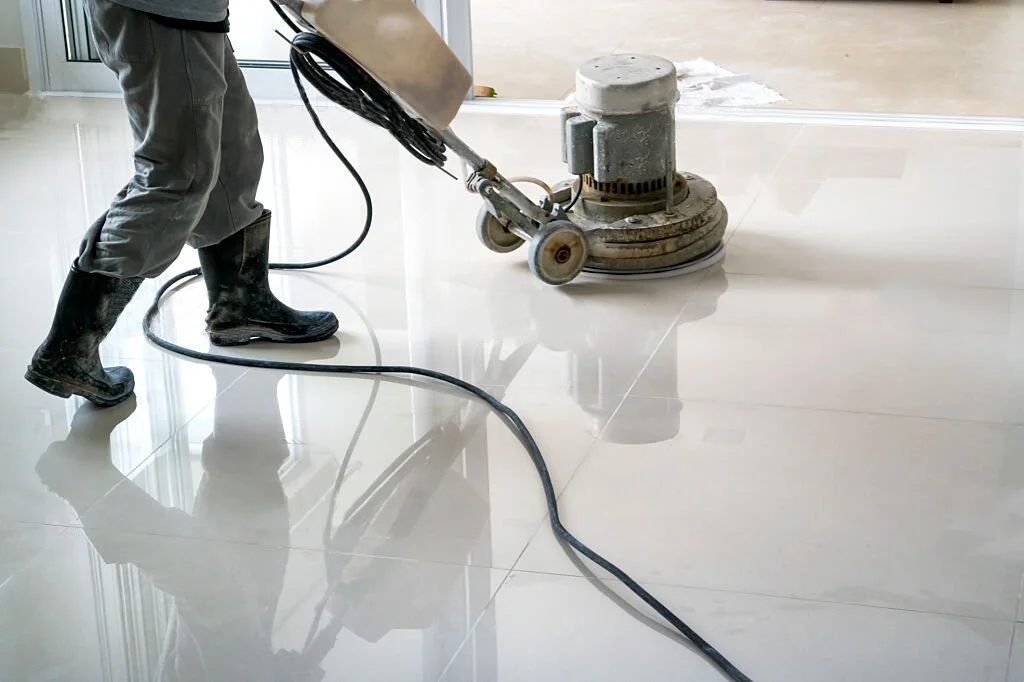
Professional attention is worthwhile when staining persists, etching becomes widespread, the finish looks uneven, or the surface has lost its original depth and reflectivity. Specialist restoration can involve deep cleaning, poultice stain treatment, honing, polishing and resealing, selected according to the marble type and the condition of the surface.
The goal is not always to produce an excessively glossy or artificial-looking finish. Good stone restoration respects the intended finish of the material. Honed marble should retain its refined, low-sheen appearance, while polished marble should have consistent clarity without obvious patching or swirl marks.
This is particularly relevant for premium kitchens, hotel counters, restaurant bars and apartment common areas, where a tired stone surface can undermine the presentation of the entire space. Sydney Stone Care assesses the stone itself before recommending treatment, because the correct method for Carrara marble may not be appropriate for another calcite-based stone or finish.
A considered approach pays off
Marble rewards regular, gentle care. Clean with pH-neutral products, manage spills quickly, use physical protection where it makes sense and treat sealing as one part of a broader preservation plan. When the surface begins to show wear, early specialist advice is usually more effective and more economical than allowing staining or etching to become established.