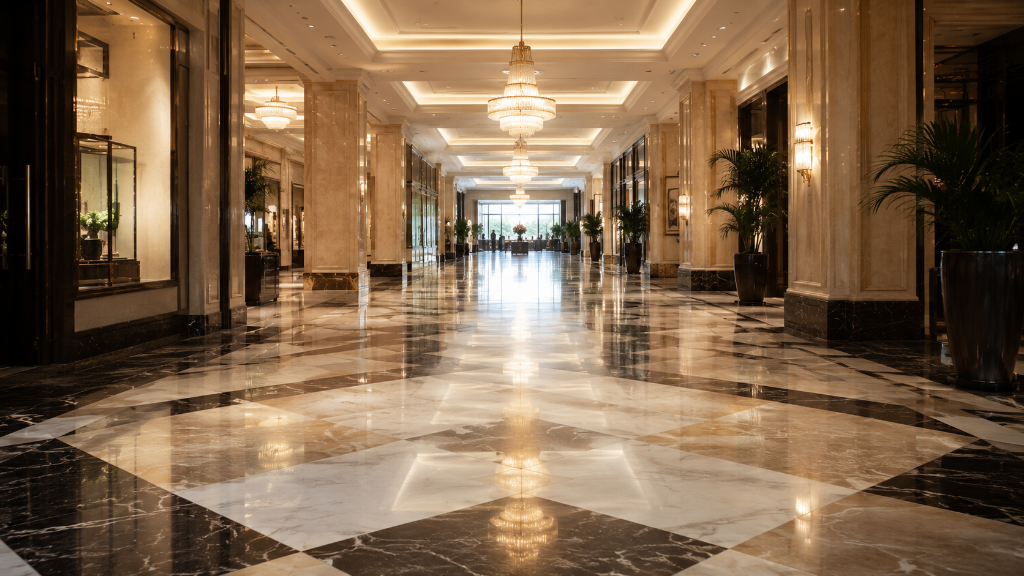


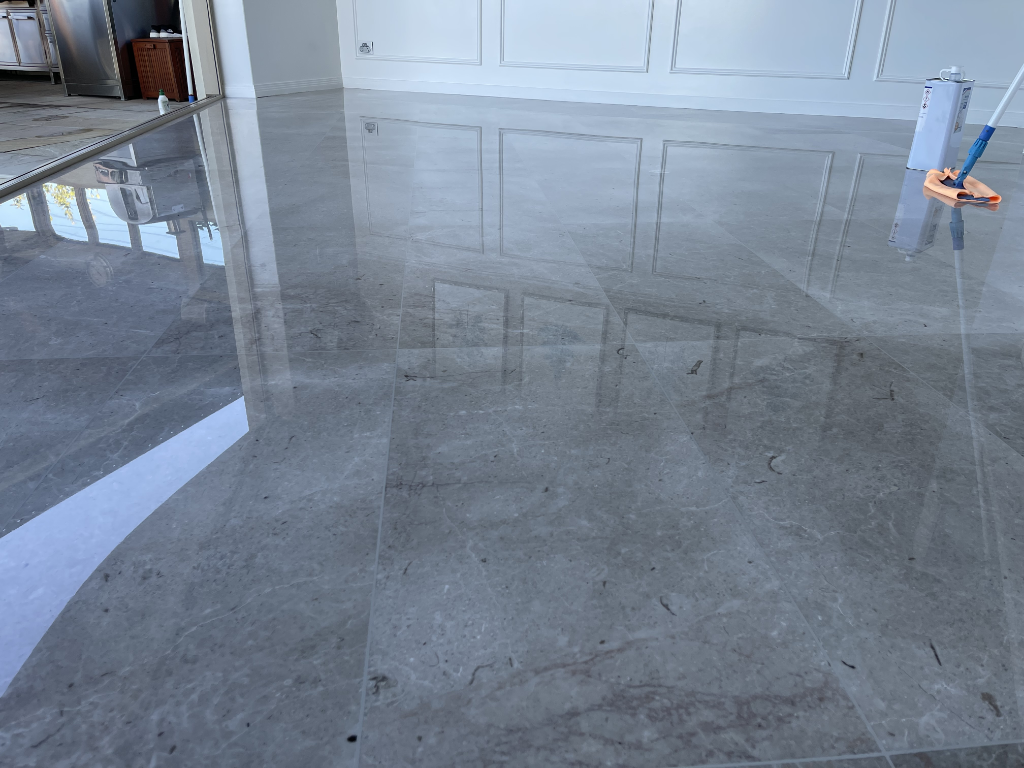
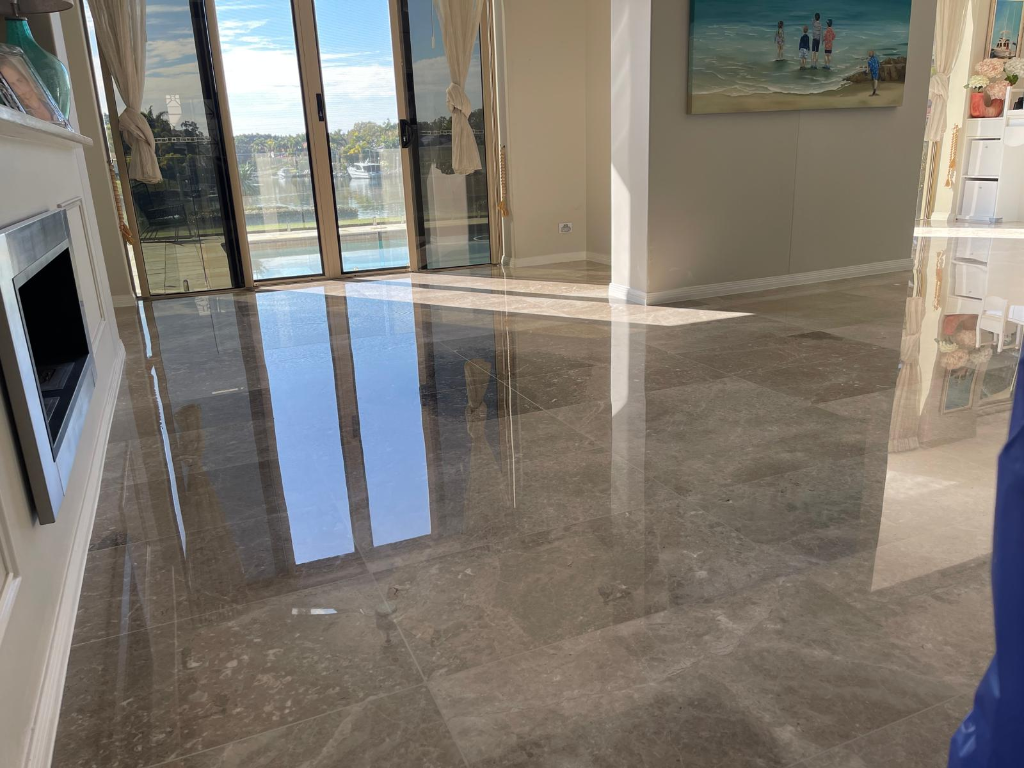
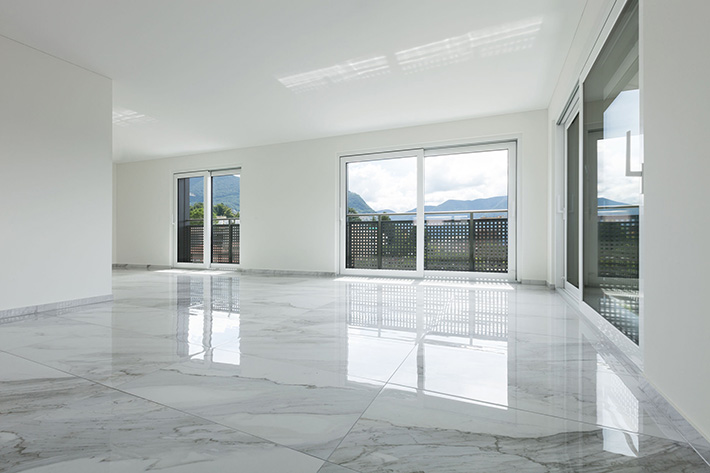
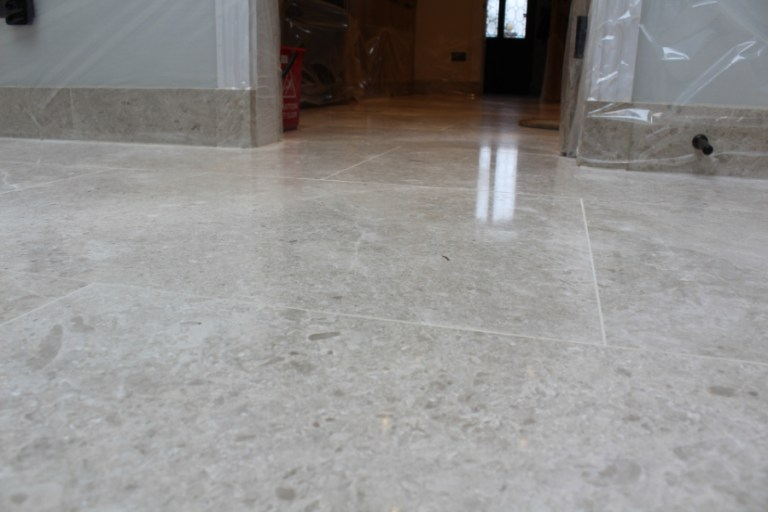
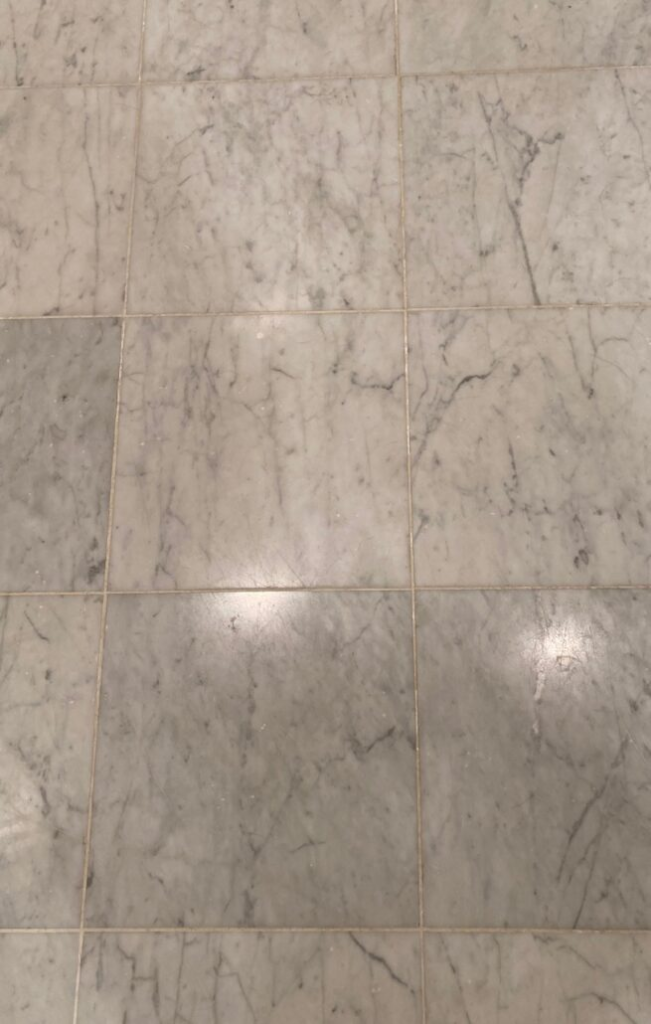
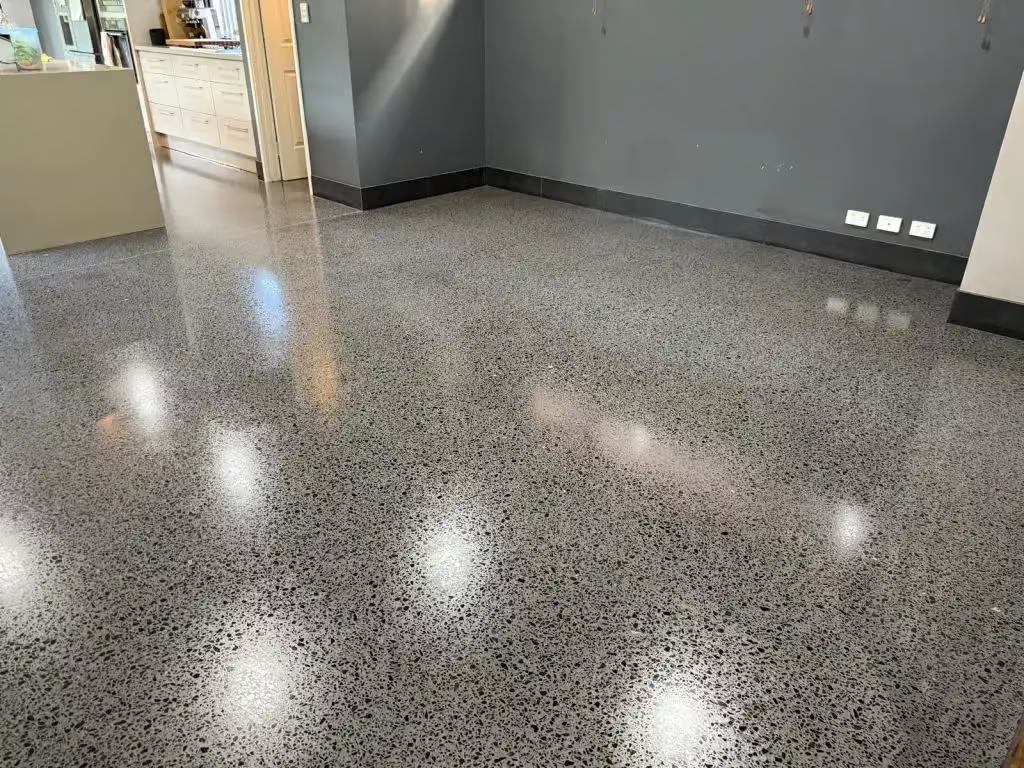
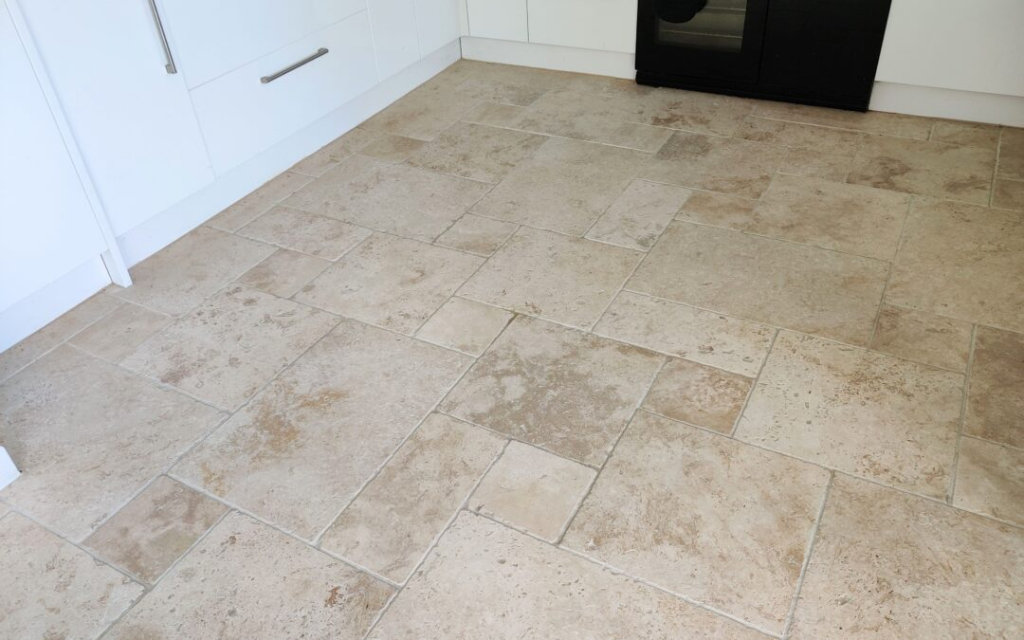
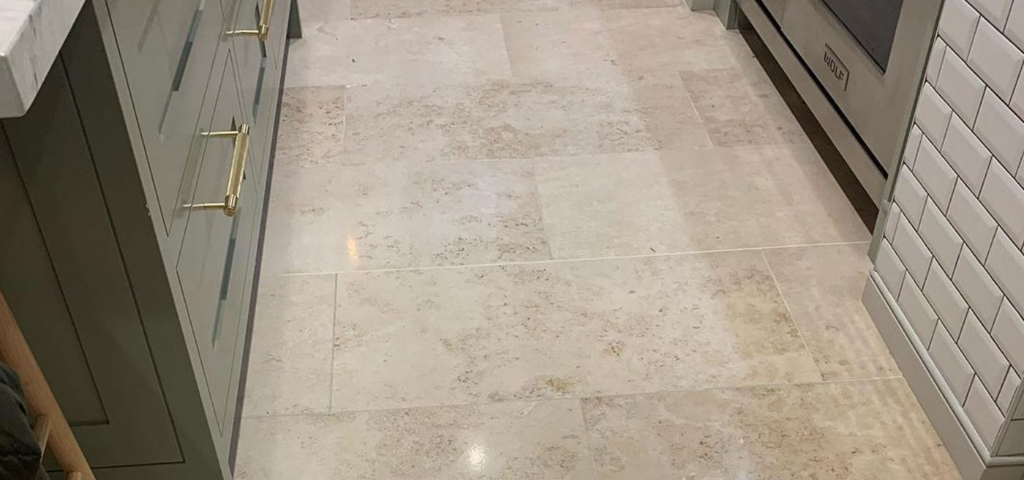
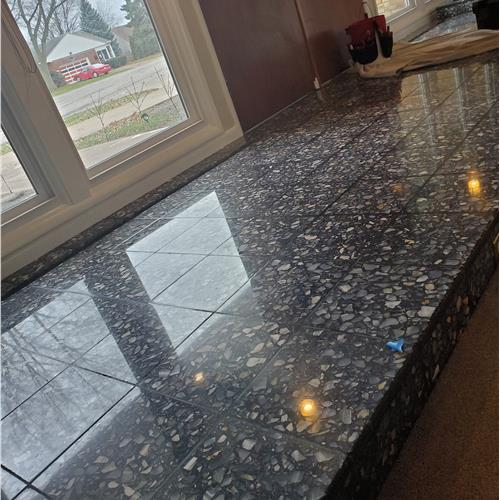
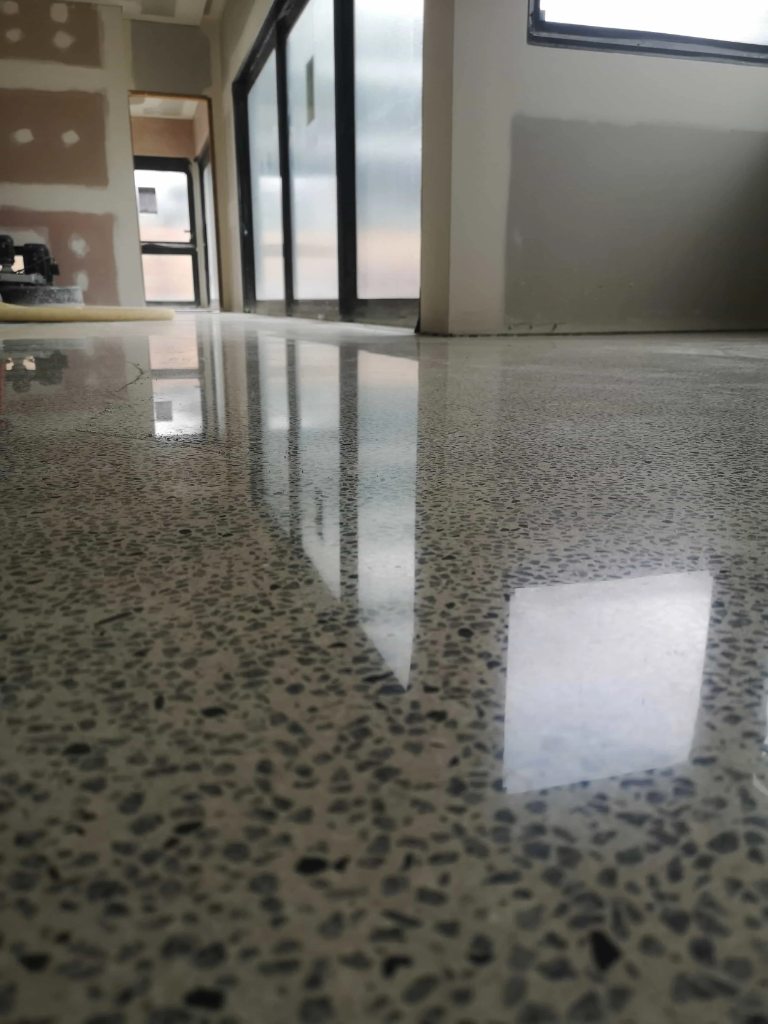

A marble floor rarely looks tired all at once. It happens in stages - a traffic lane loses its clarity, light stops reflecting evenly, a few etch marks appear near a kitchen island or hotel entry, and the whole surface starts to look older than it is. Marble floor restoration addresses that gradual decline properly, not by masking the problem, but by correcting the surface and bringing the stone back to a refined, serviceable finish.
For property owners in Sydney, that matters for more than appearance. Marble is a premium material, and when it starts to show wear, the space around it feels less polished as well. In a home, that can undermine the finish of an otherwise well-maintained interior. In a commercial setting, it affects presentation, safety, and the impression visitors form the moment they walk in.
What marble floor restoration actually involves
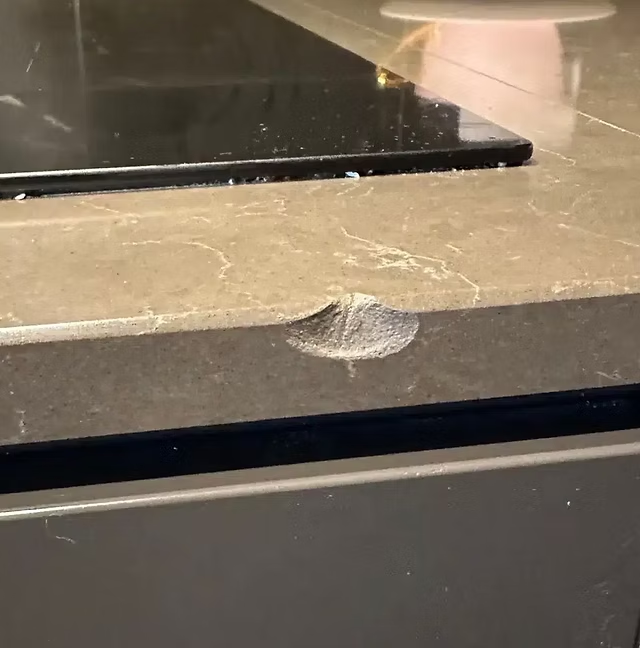
Marble is softer and more reactive than many people expect. It can scratch under grit, lose shine under foot traffic, and etch when exposed to acidic substances such as juice, wine, some bathroom products, or the wrong cleaner. Standard mopping removes surface soil, but it does not correct physical damage in the stone itself.
Proper restoration focuses on the marble surface layer. Depending on the floor's condition, that may include deep cleaning, honing to remove lippage or wear, polishing to refine the finish, stain treatment where possible, and sealing to support ongoing protection. The objective is not simply to make the floor look glossy. It is to restore clarity, consistency, and integrity across the stone.
That distinction is important because not every marble floor should be finished the same way. Some interiors suit a high polish. Others are better with a softer honed finish that feels more natural and can be easier to maintain in active areas. The right result depends on the stone type, the setting, and how the floor is used day to day.
Why marble floors lose their finish
Most deterioration comes from a combination of wear and incorrect care. In residential properties, kitchens, hallways, and open-plan living areas often show the first signs of traffic damage. In bathrooms, etching and product residue are common. In commercial premises, tracked-in grit, frequent cleaning, and heavy footfall accelerate surface abrasion.
A common issue is the use of off-the-shelf cleaners that are too harsh or simply unsuitable for calcite-based stone. Marble may look dense and durable, but chemically it is vulnerable. Acidic cleaners can dull the surface quickly, while abrasive pads can create fine scratching that leaves the floor flat and lifeless under natural light.
Moisture is another factor, particularly in entries, hospitality venues, and areas exposed to wet cleaning or weather transition. Sealer does not make marble waterproof, and once staining agents penetrate, removal becomes more complex. Some stains can be treated successfully. Others may lighten rather than disappear completely. A specialist should set realistic expectations from the start.
When restoration is the right option
Not every worn marble floor needs replacement. In many cases, restoration is the more practical and cost-effective choice, especially when the stone itself is structurally sound. Surface dullness, etching, minor scratches, uneven sheen, light lipping between tiles, and ingrained soiling can often be corrected professionally.
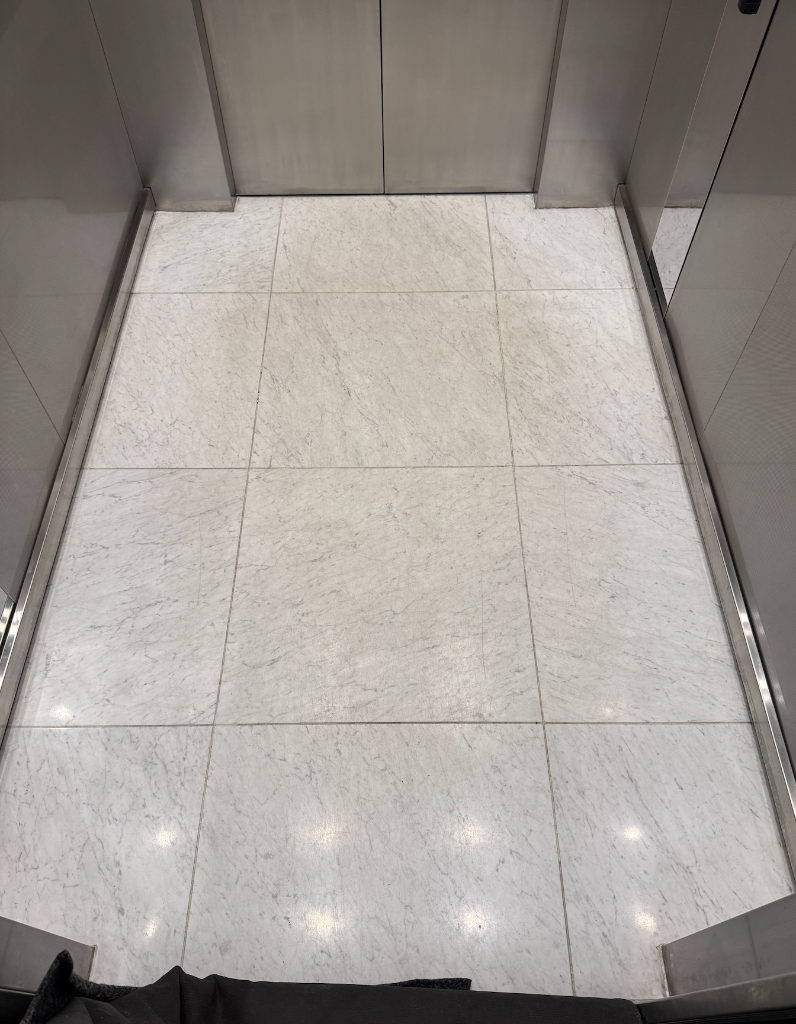
The point at which owners usually seek help is when routine cleaning no longer improves the appearance. If the floor still looks patchy after washing, if marks seem to sit within the finish rather than on it, or if polished areas have turned cloudy, the issue is generally below the surface. That is where restoration becomes necessary.
There are limits, of course. Deep cracks, major tile movement, and severe substrate issues may require repair work beyond surface restoration. Likewise, heavily stained stone may improve significantly without returning to a completely uniform appearance. An honest assessment matters more than overpromising.
The process behind professional marble floor restoration
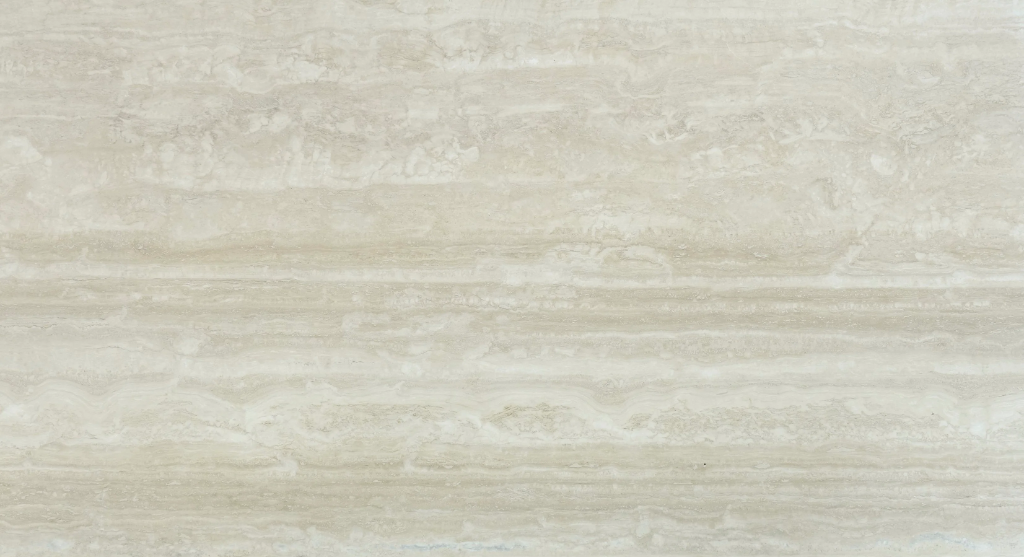
A proper restoration begins with identifying the stone, assessing the existing finish, and understanding the source of the damage. Marble varies in hardness, veining, density, and sensitivity. A white polished marble in a formal entry requires a different approach from a darker honed marble in a busy restaurant.
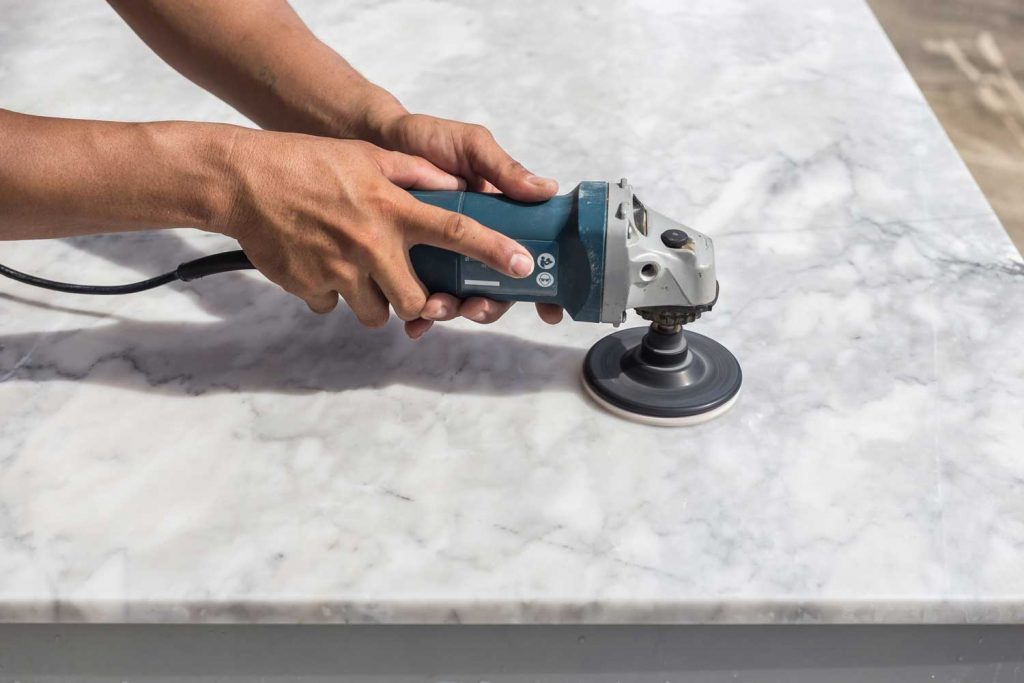
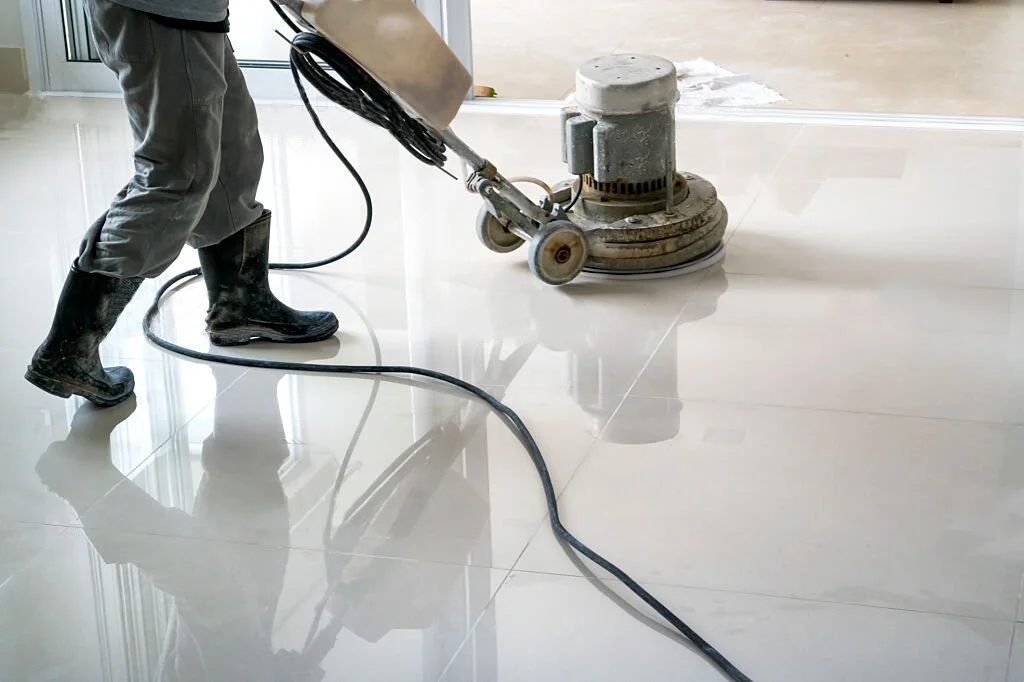
The first stage is usually detailed cleaning to remove residues, embedded soil, and contaminants that interfere with the restoration process. After that, the floor may be honed with diamond abrasives to cut back etching, scratches, and worn areas. This stage does the corrective work. It levels out the damage and creates a fresh, even surface.
From there, the finish is refined. If a honed look is preferred, the process may stop at a lower grit to deliver a smooth, matte result. If a polished finish is required, the stone is worked further to develop clarity and reflectivity. This is where experience counts. Over-polishing can create an artificial look on some stones, while an inconsistent process leaves visible variation from tile to tile.
Sealing is often the final step, but it should be seen as a support measure, not a cure-all. A quality impregnating sealer helps slow the uptake of spills and gives owners more time to respond. It does not prevent etching, stop wear, or eliminate the need for correct maintenance.
Marble floor restoration in homes and commercial spaces
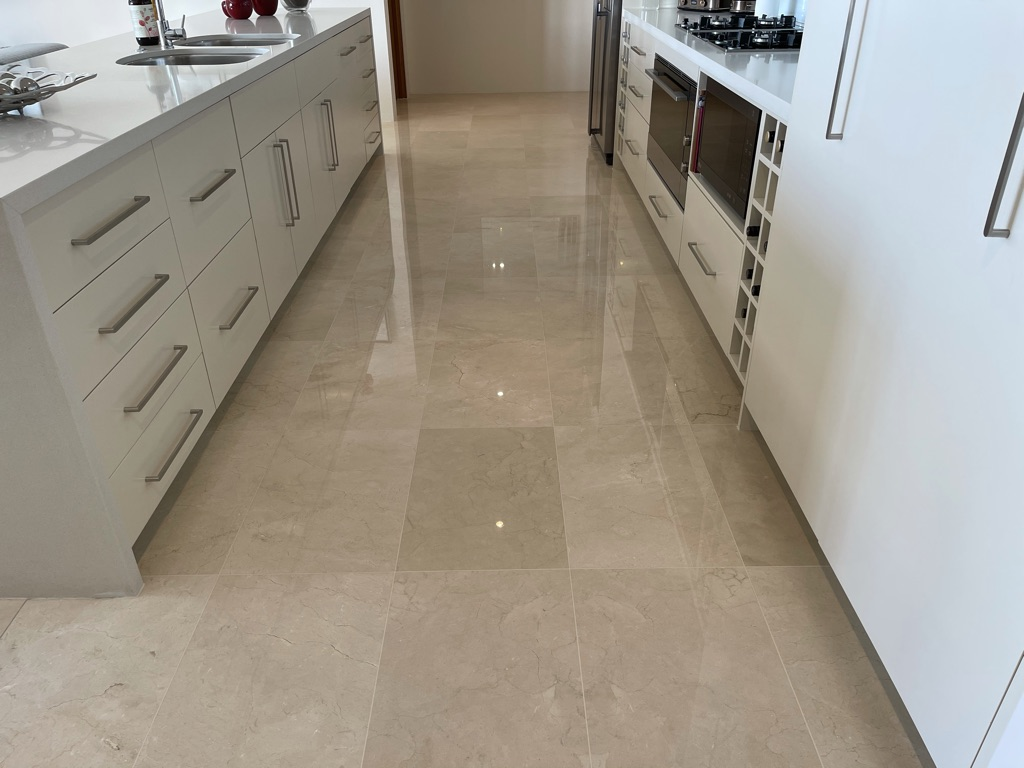
Residential and commercial marble floors tend to fail in different ways. In homes, owners often want the floor restored to a more refined visual standard with minimal disruption. They are looking for the stone to feel premium again - cleaner light reflection, less visible wear, and a finish that suits the style of the property.
Commercial clients usually balance appearance with durability and maintenance planning. A polished marble lobby can make a strong impression, but if the area receives constant traffic, a honed or lower-sheen finish may offer a better long-term outcome. It depends on the space, cleaning regime, and tolerance for visible wear.
This is where specialist advice matters. The best finish is not always the shiniest one. In many Sydney commercial environments, a practical finish that presents well over time is more valuable than a high-polish result that quickly shows every mark.
What to expect after restoration
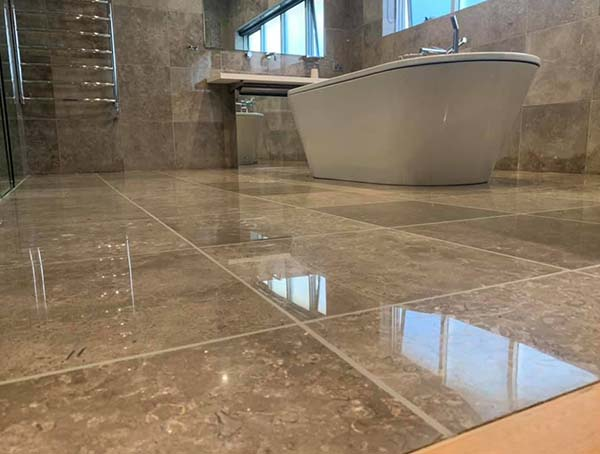
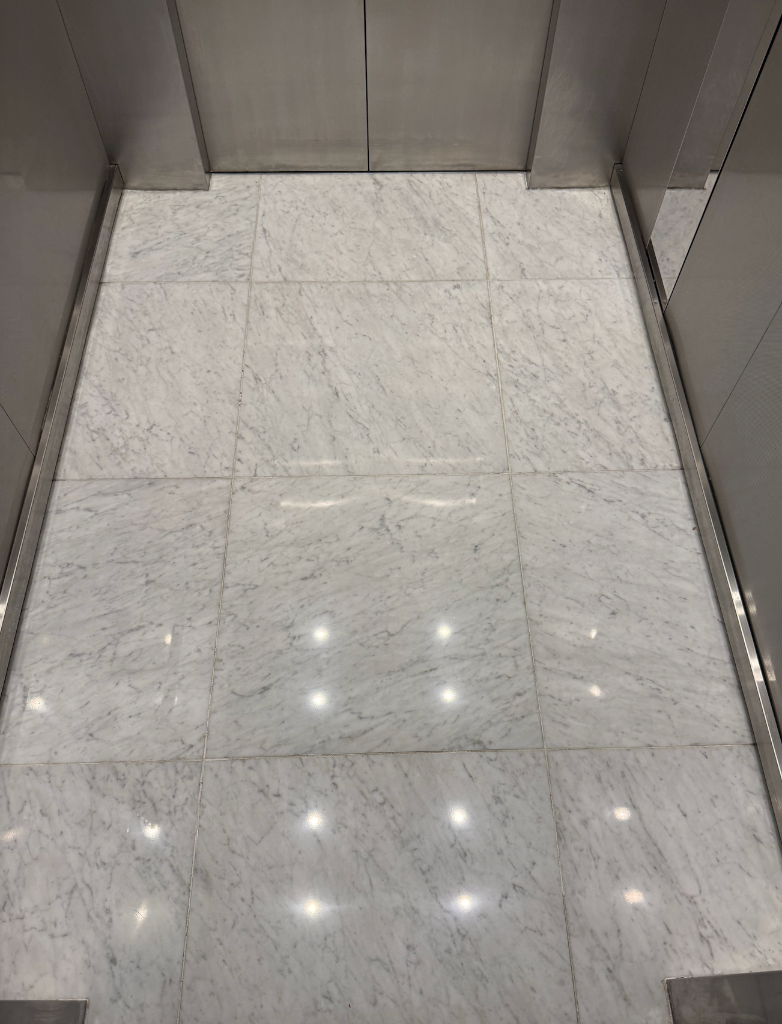
A restored marble floor should look sharper, cleaner, and more balanced under light. Etching and dull patches should be reduced or removed depending on depth. Traffic lanes should blend more naturally with surrounding areas, and the floor should be easier to maintain because the surface is properly refined rather than left rough or chemically coated.
That said, marble remains marble. Restoration resets the condition of the floor, but it does not change the nature of the stone. If the same damaging products and maintenance habits continue, the wear will return. Ongoing care is what protects the value of the restoration work.
For that reason, many owners benefit from a maintenance plan rather than waiting until the floor deteriorates badly again. Periodic professional servicing can extend the life of the finish and reduce the need for more aggressive corrective work later.
How to protect restored marble floors
Daily and weekly care has a direct impact on how long the restored finish lasts. Grit removal is one of the simplest but most effective steps, particularly near entries and high-use zones. Fine dirt acts like sandpaper underfoot, especially on polished marble.
Cleaning products should always be pH-neutral and suitable for natural stone. Generic bathroom, kitchen, and floor cleaners are a frequent cause of avoidable damage. Spills should be attended to quickly, especially acidic liquids. Mats at entrances, furniture protection, and a sensible cleaning routine all make a measurable difference.
In commercial settings, cleaning staff should be given clear stone-safe instructions. Even a well-restored marble floor can deteriorate quickly if maintained with the wrong chemicals or equipment. Specialist stone care is not complicated, but it does require consistency.
Choosing the right specialist for marble floor restoration
Marble is not a surface for trial and error. The quality of the result depends on technical knowledge, equipment, finish control, and an understanding of how natural stone behaves over time. A general cleaner may improve appearance temporarily, but restoration work calls for a stone-specific process.
A specialist should be able to explain what can be restored, what finish is appropriate, and where expectations need to be realistic. They should also look beyond the immediate visual issue and consider traffic levels, maintenance demands, and long-term preservation. That is the difference between a short-lived cosmetic improvement and a result that genuinely supports the value of the property.
For Sydney homes and commercial sites alike, well-executed marble floor restoration is about preserving a premium surface properly. When the stone is treated with the right level of care, it does more than look better - it performs better, lasts longer, and reflects the standard of the space it sits within.
If your marble floor has lost its finish, the best time to act is before minor wear turns into deeper damage that requires more corrective work.