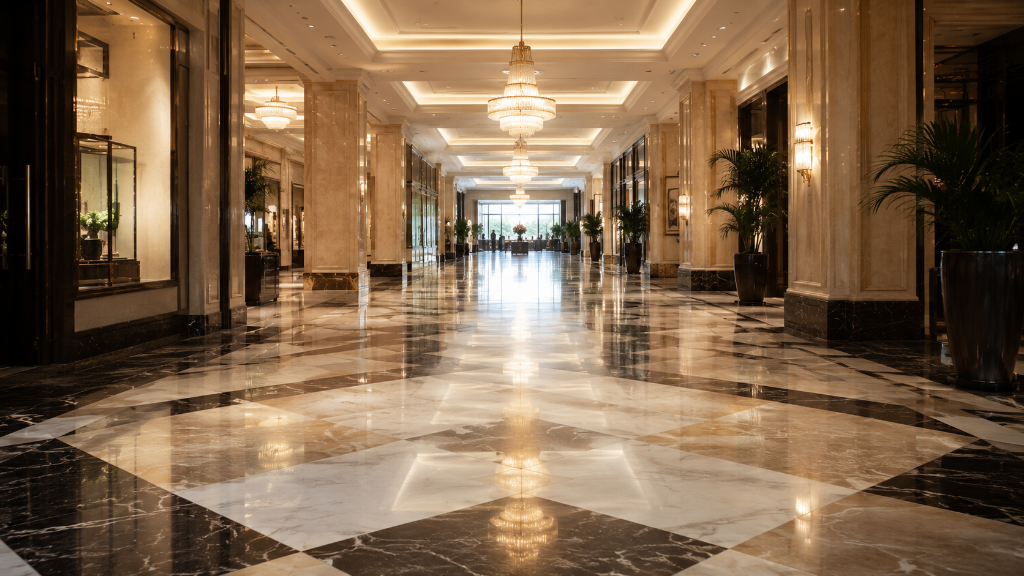
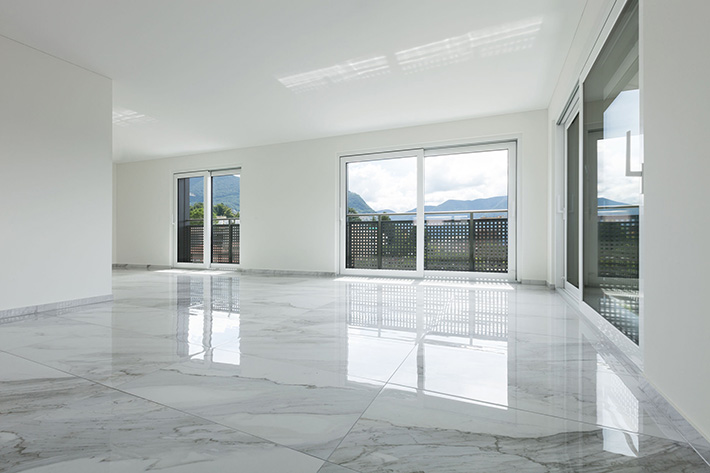
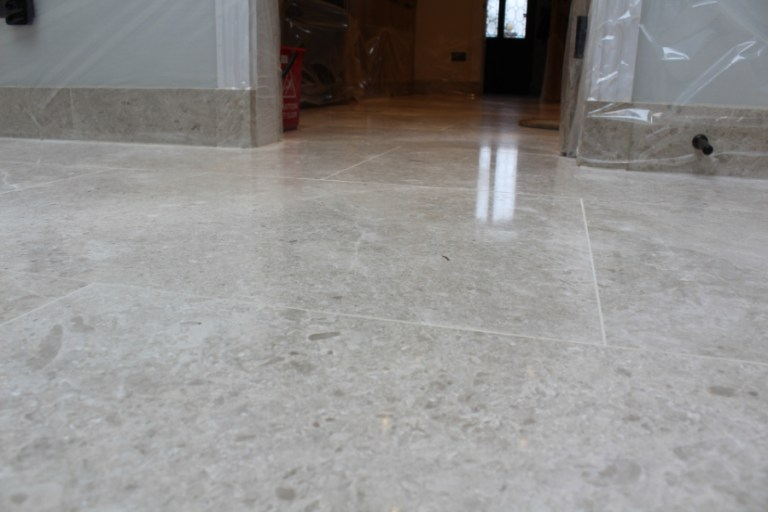
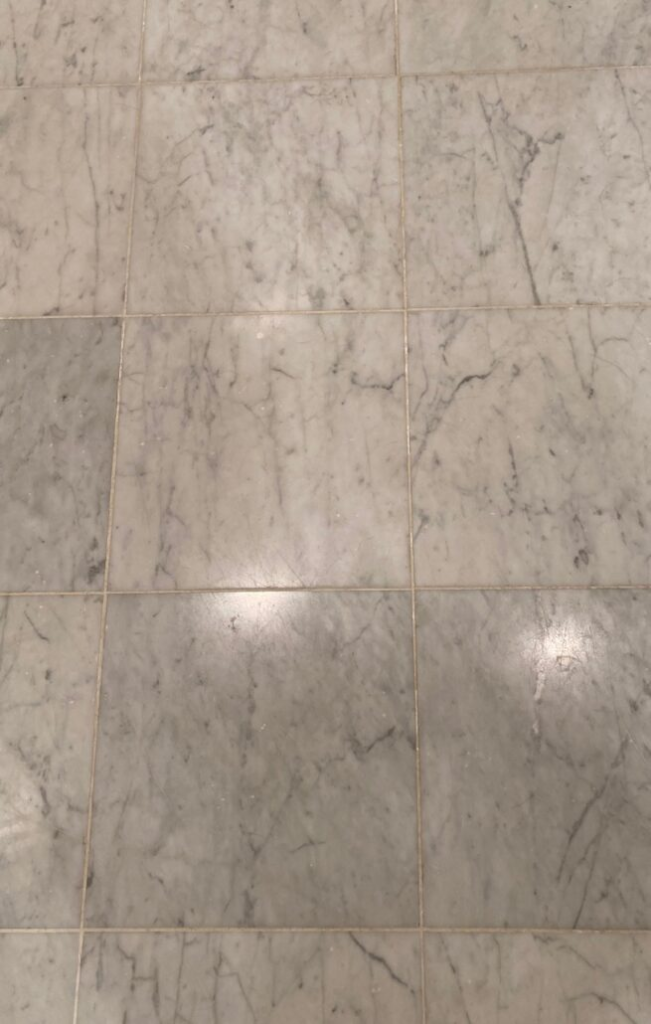
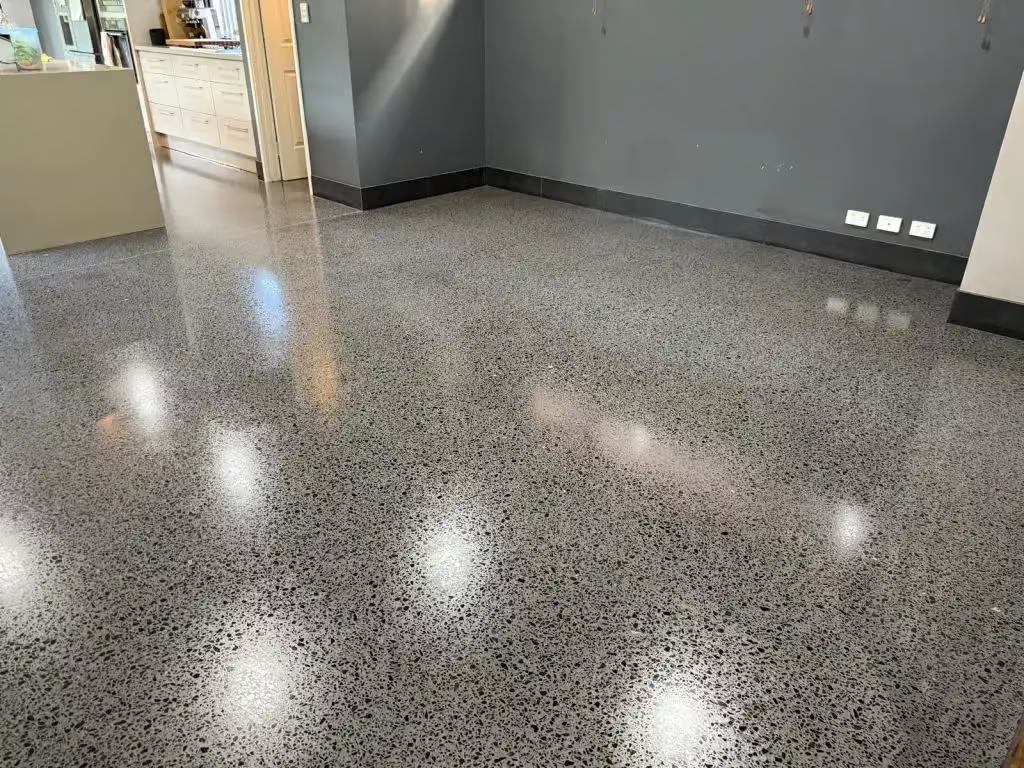
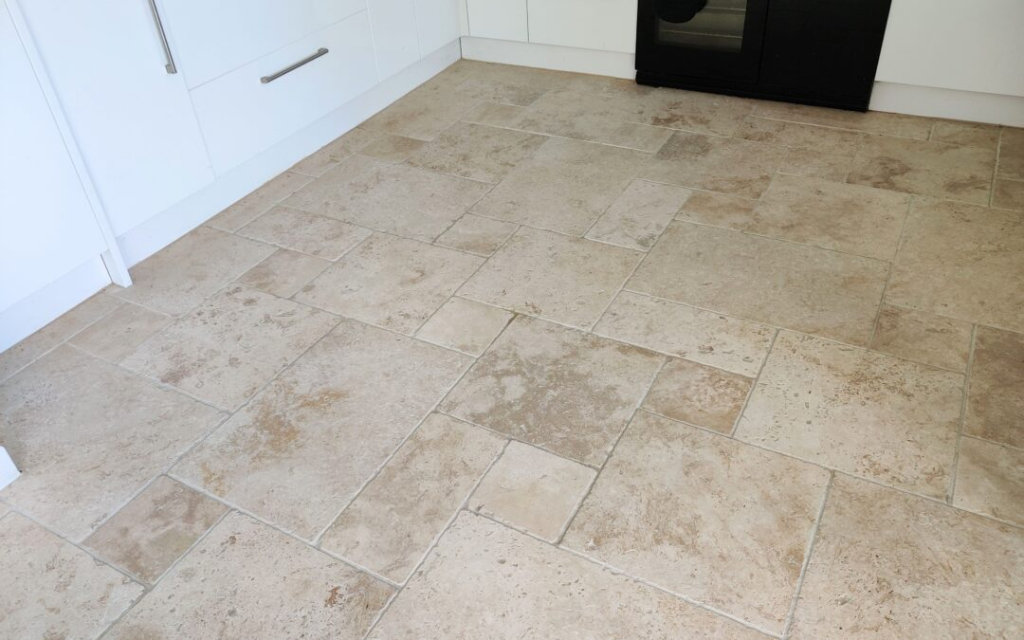
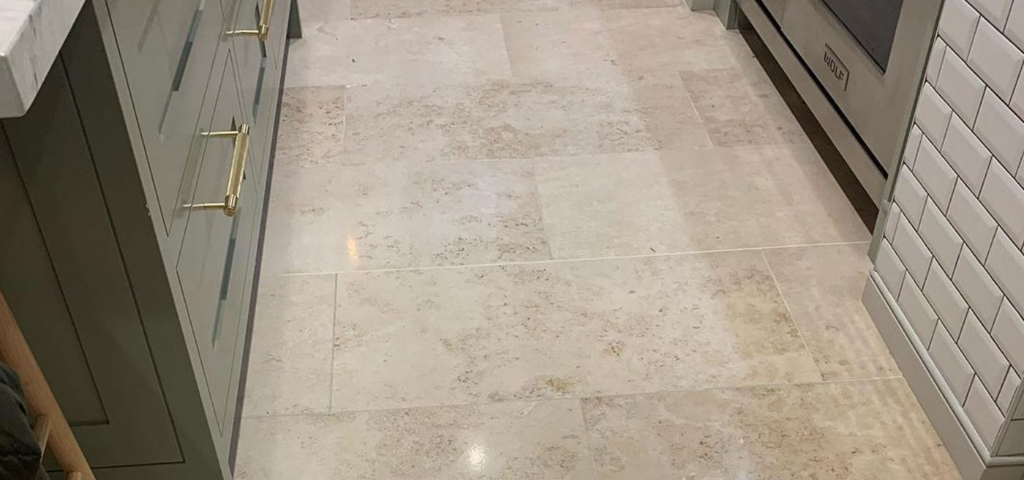
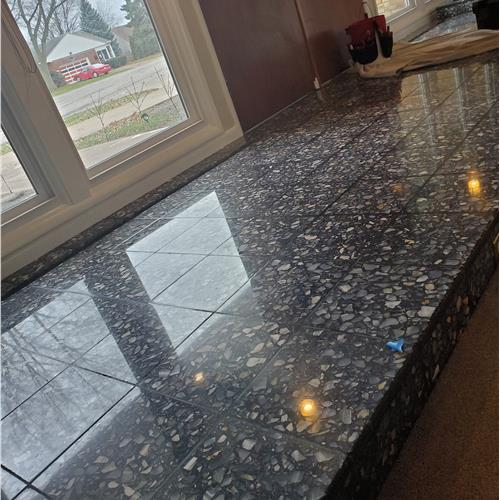
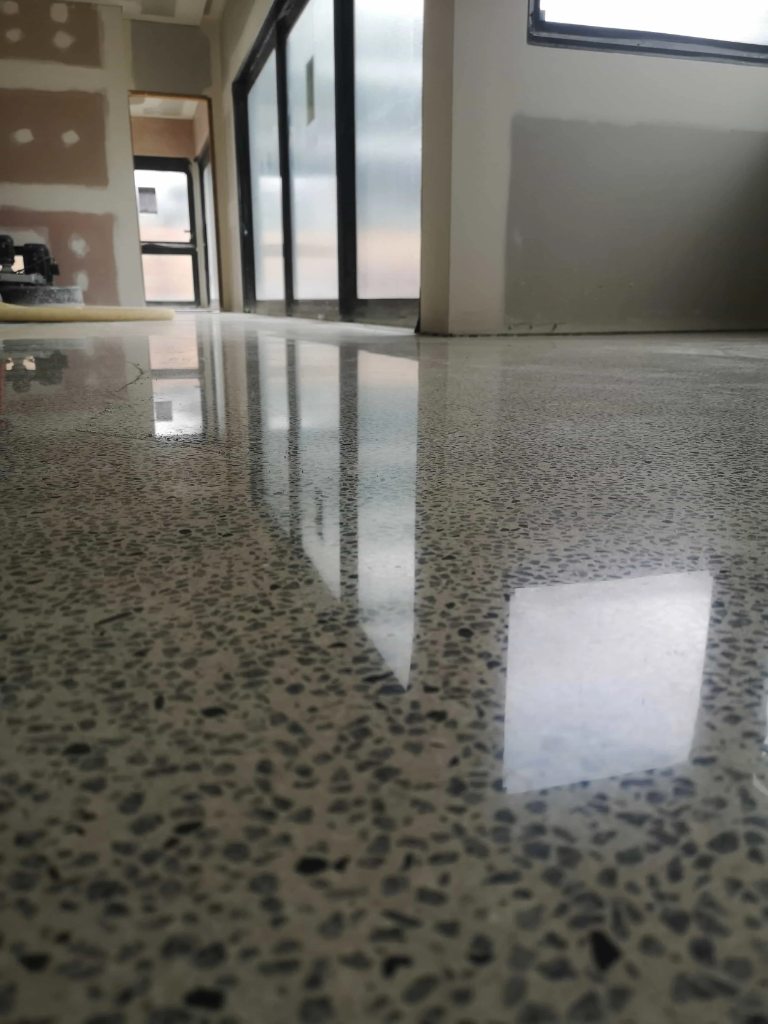
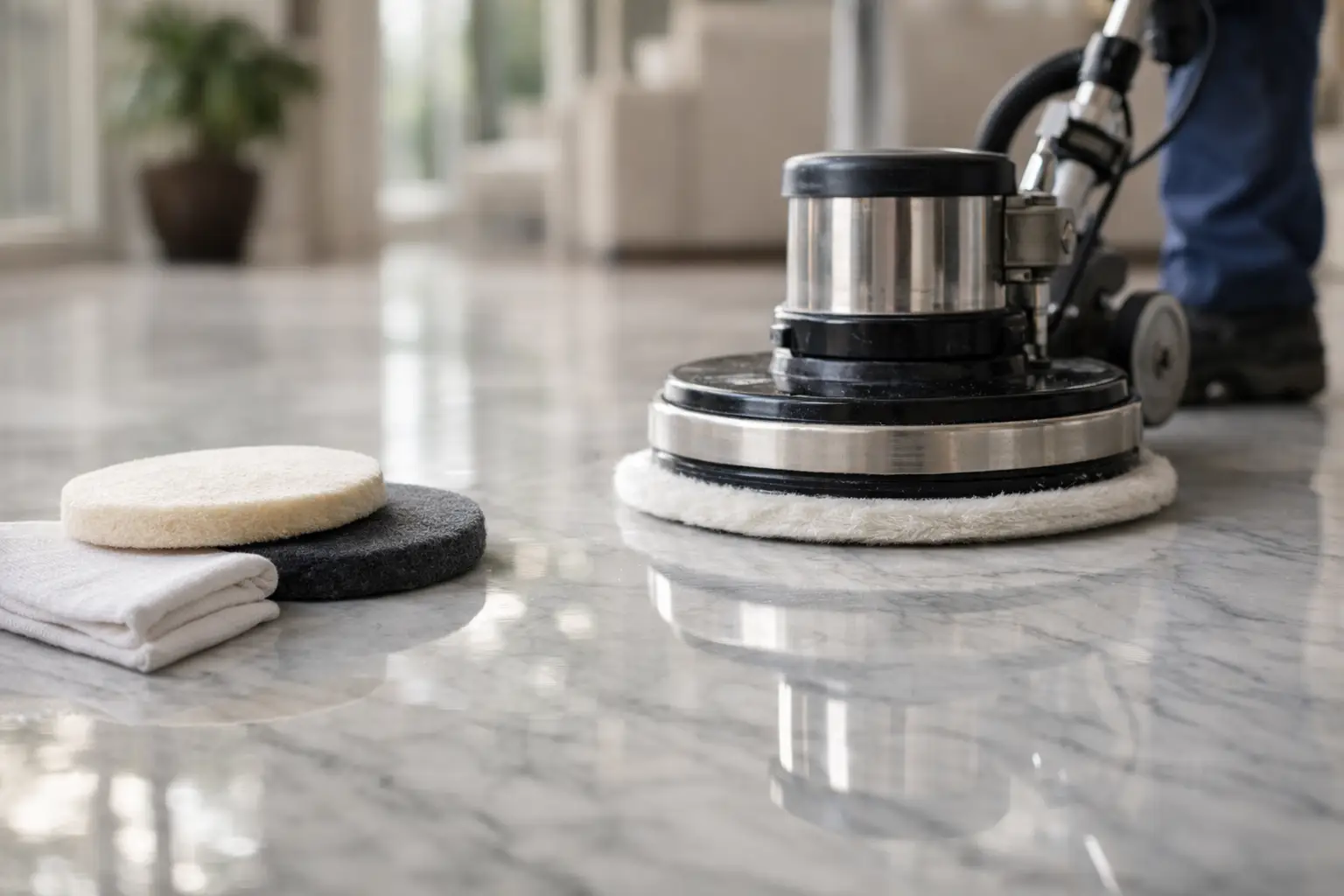
A marble floor can look tired long before the stone itself has reached the end of its service life. Foot traffic, cleaning residue, light scratching and acidic spills gradually disrupt the surface, leaving it dull or uneven. Professional marble polishing addresses this wear at the stone level, restoring clarity and sheen without treating a premium natural surface like an ordinary hard floor.
For Sydney homes, hospitality venues, lobbies and commercial interiors, the objective is not simply to create a high shine. It is to achieve a finish that suits the marble, the location and the way the surface is used, while preserving as much of the original material as possible.
Marble polishing is not a cleaning service
Routine cleaning removes surface soil. Marble polishing is a controlled restoration process that refines the stone itself. It may involve honing away a very fine layer of damaged material, followed by progressively finer abrasives or polishing compounds to produce the required finish.
This distinction matters because many common marble problems are not sitting on top of the surface. Dull traffic lanes, fine scratches and acid etching have altered the face of the stone. A stronger cleaner, wax or gloss coating may make the floor look better temporarily, but it cannot correct the underlying damage. In some cases, those products leave a film that attracts dirt, changes the marble's appearance or complicates later restoration.
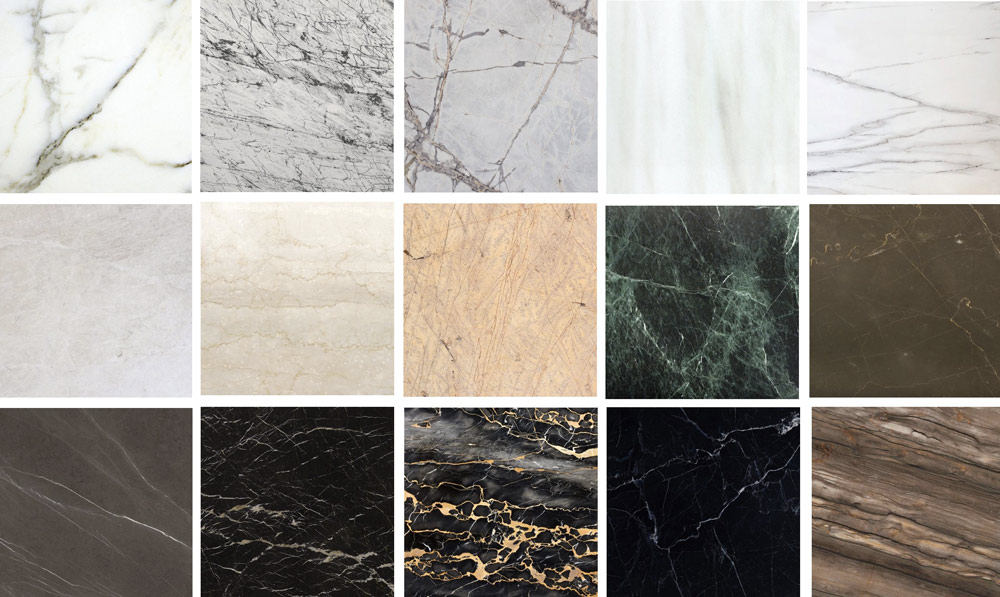
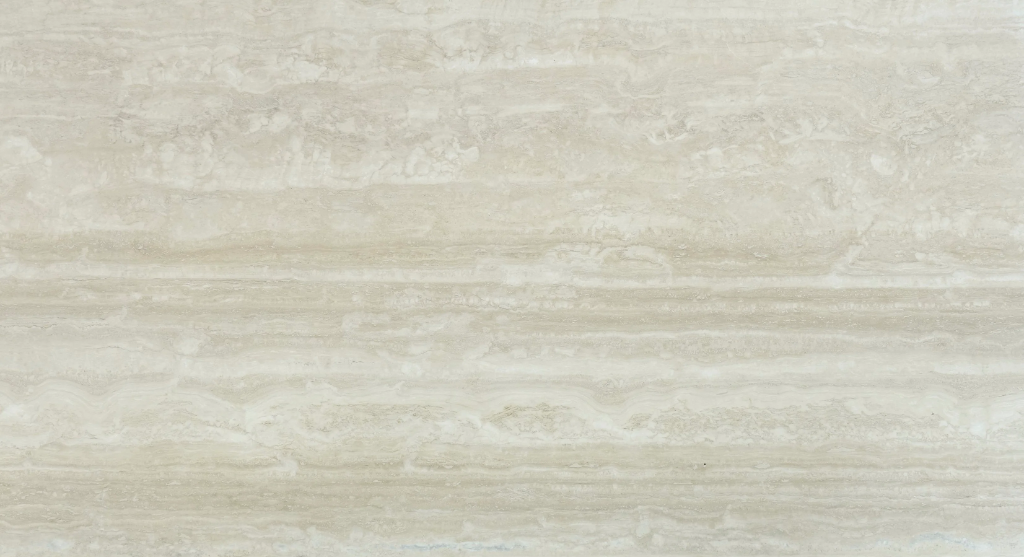
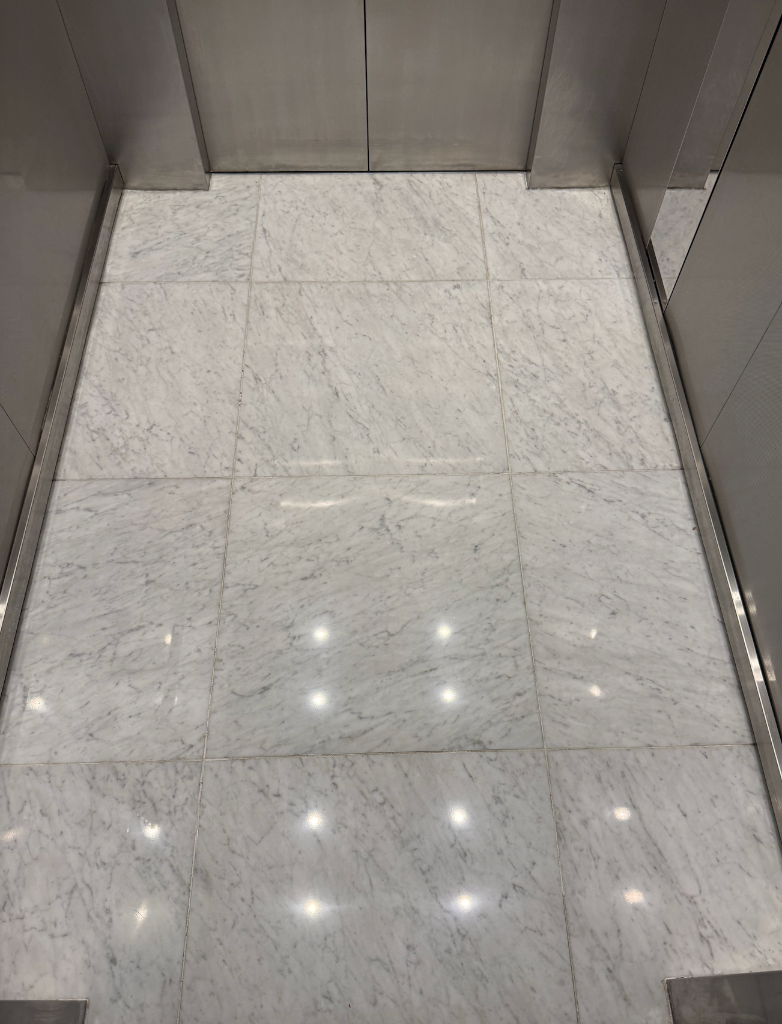
A professional assessment considers the marble type, thickness, existing finish, installation condition and intended use. Carrara, Calacatta, Crema Marfil and darker marbles can all respond differently to treatment. The correct process for a polished foyer floor may be unsuitable for honed bathroom benchtops or a marble threshold exposed to wet foot traffic.
What causes marble to lose its finish?
Marble is calcium-based stone, which makes it particularly sensitive to acids. Lemon juice, vinegar, wine, soft drinks and some bathroom or kitchen cleaners can react with the surface. The result is etching: pale, dull or rough-looking marks that are often mistaken for stains. Etching needs surface refinement, not more detergent.
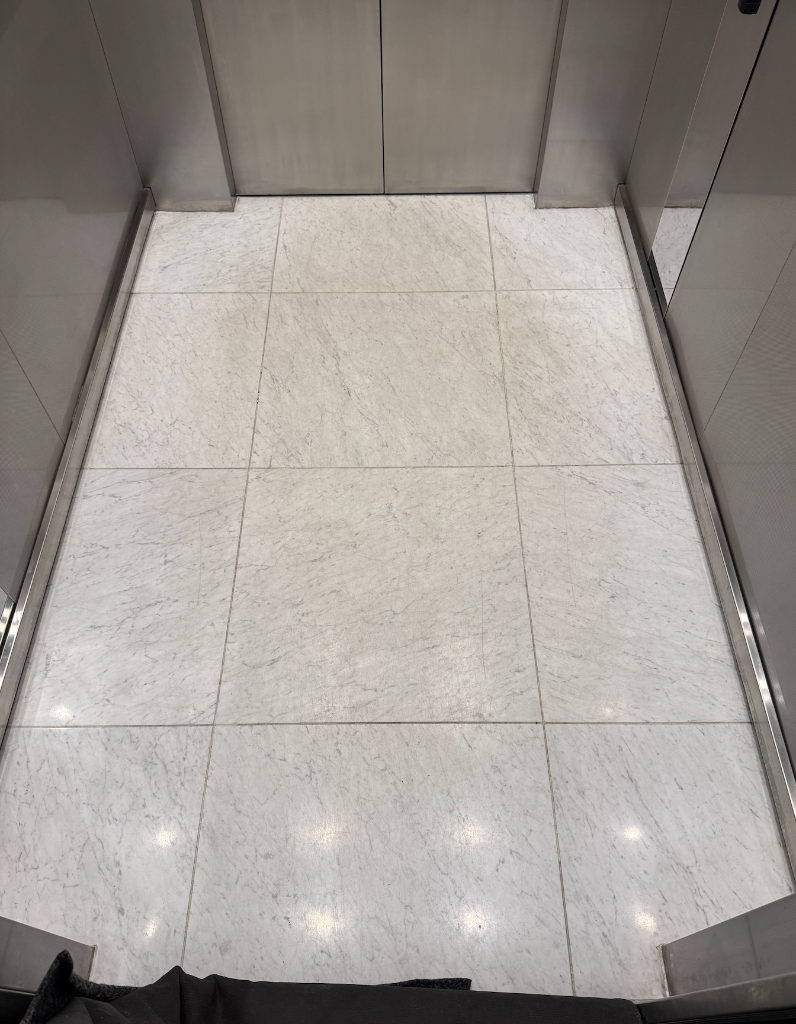
Abrasion is another common cause. Fine grit carried in on shoes acts like sandpaper beneath foot traffic, particularly around entrances, lift lobbies and reception areas. Over time, the original reflective finish becomes cloudy and small scratches catch the light. In a home, this is often most visible in hallways and open-plan living areas. In commercial settings, it can make an otherwise well-maintained property appear neglected.
Residue can add another layer of dullness. Incorrect mopping products, soap build-up and topical coatings can mask the marble's natural colour and leave streaking. Before polishing begins, a specialist needs to establish whether the problem is residue, surface wear, staining, lippage between tiles, or a combination of these issues. The remedy depends on the diagnosis.
When marble polishing is the right approach
Marble polishing is generally suitable where the stone has lost reflectivity through light wear, mild scratches or etching, but remains structurally sound. It can bring back depth and a more consistent appearance without replacing the stone.
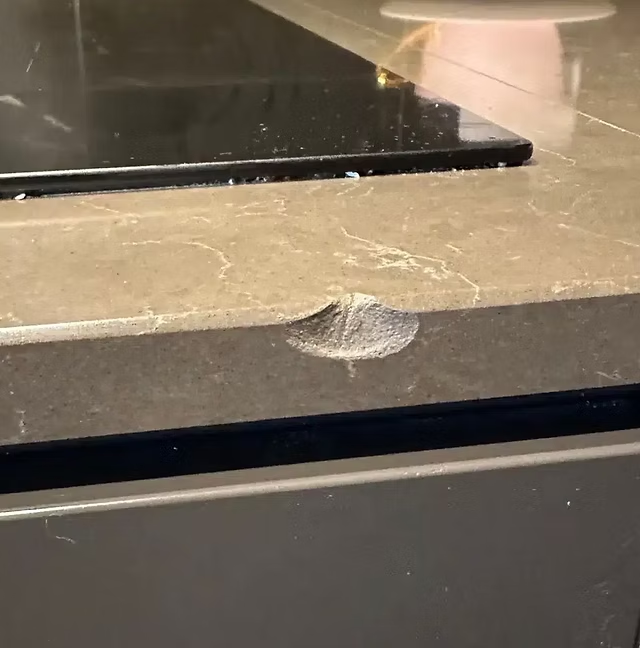
Where deeper scratches, chips, open joints or uneven tile edges are present, polishing may be only one stage of a broader restoration. Repairs, grinding or lippage removal may be needed first. Starting with a polishing compound on an uneven or heavily damaged floor produces an inconsistent result and may leave the original defects visible.
Not every marble surface should be returned to a mirror finish. Honed marble has a soft, low-sheen appearance by design and may be preferable in bathrooms, kitchens, outdoor-adjacent areas or spaces where glare and slip risk are considerations. The right finish is the one that complements the stone and performs well in the setting, rather than the glossiest finish possible.
Signs that specialist restoration is needed
A marble surface is ready for professional attention when traffic paths appear noticeably flatter than surrounding areas, reflected light looks hazy, or etch marks remain after correct cleaning. It is also wise to arrange an assessment when a previously polished floor needs frequent products to maintain its appearance, or when coatings are beginning to peel, yellow or mark easily.
For commercial property managers, early intervention is usually more cost-effective than allowing wear to become severe. A planned maintenance programme can address high-use areas before extensive grinding or disruptive repairs are required.
How professional marble polishing works
The process starts with inspection and testing. This identifies the finish currently on the stone, the depth of wear and any concerns such as loose tiles, moisture-related issues, cracks or previous coatings. Furniture protection, access requirements and adjacent finishes are also considered before work begins.
The marble is then thoroughly cleaned to remove contamination that could interfere with restoration. If required, coatings or residue are carefully removed using products and methods appropriate for natural stone.
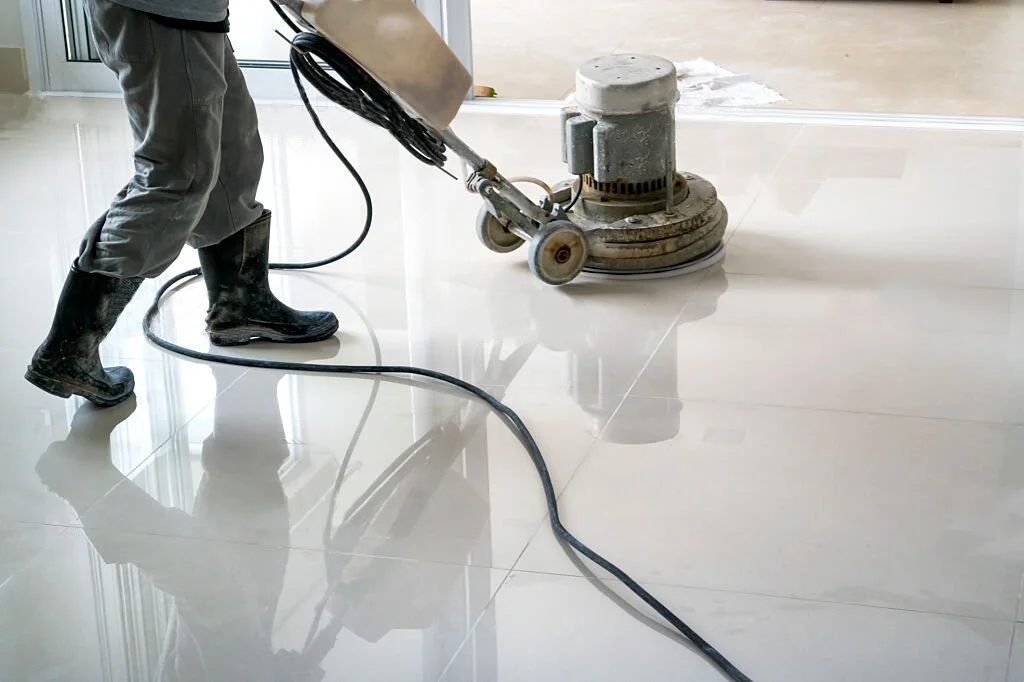
Surface refinement follows. For lightly worn marble, this may involve a polishing sequence designed to recover clarity with minimal material removal. More heavily etched or scratched stone may need honing with graded diamond abrasives before it can be polished evenly. Each stage is selected to remove the damage left by the previous stage, not simply to make the surface shiny.
Once the desired finish is achieved, the surface is cleaned and assessed again under suitable lighting. Where appropriate, a penetrating sealer may be applied to help reduce the absorption of water-based and oil-based contaminants. Sealing is useful protection, but it does not prevent etching and it does not replace correct daily care.
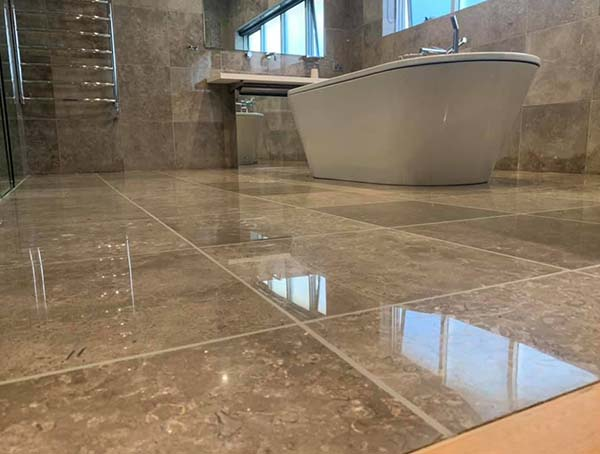
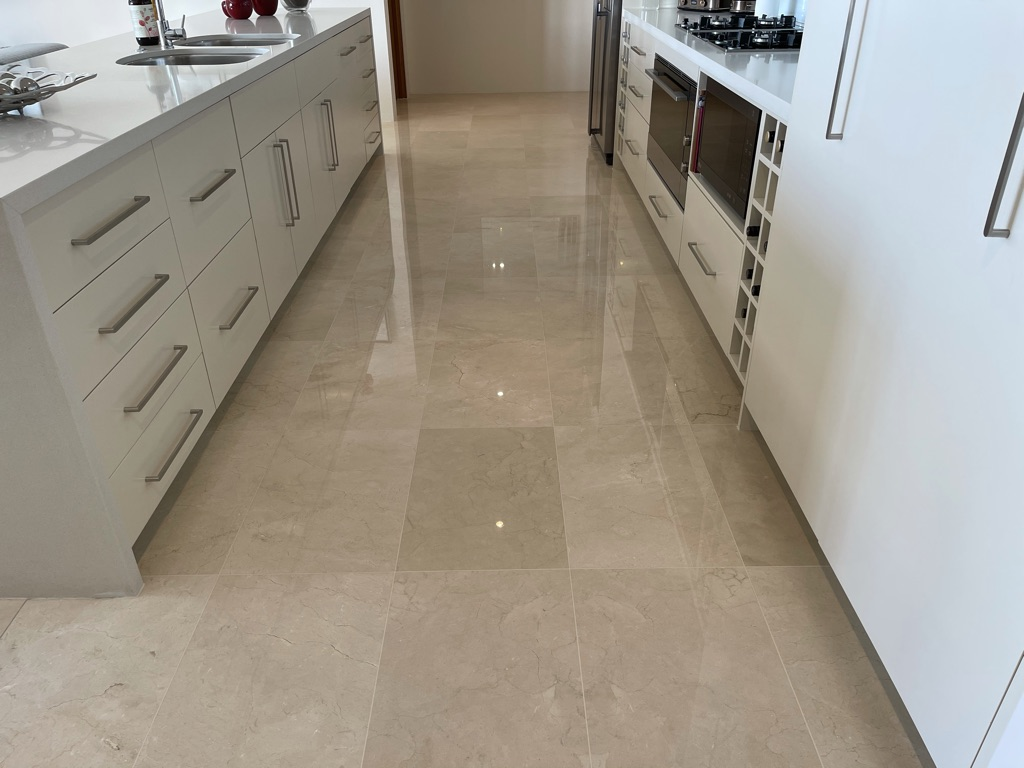
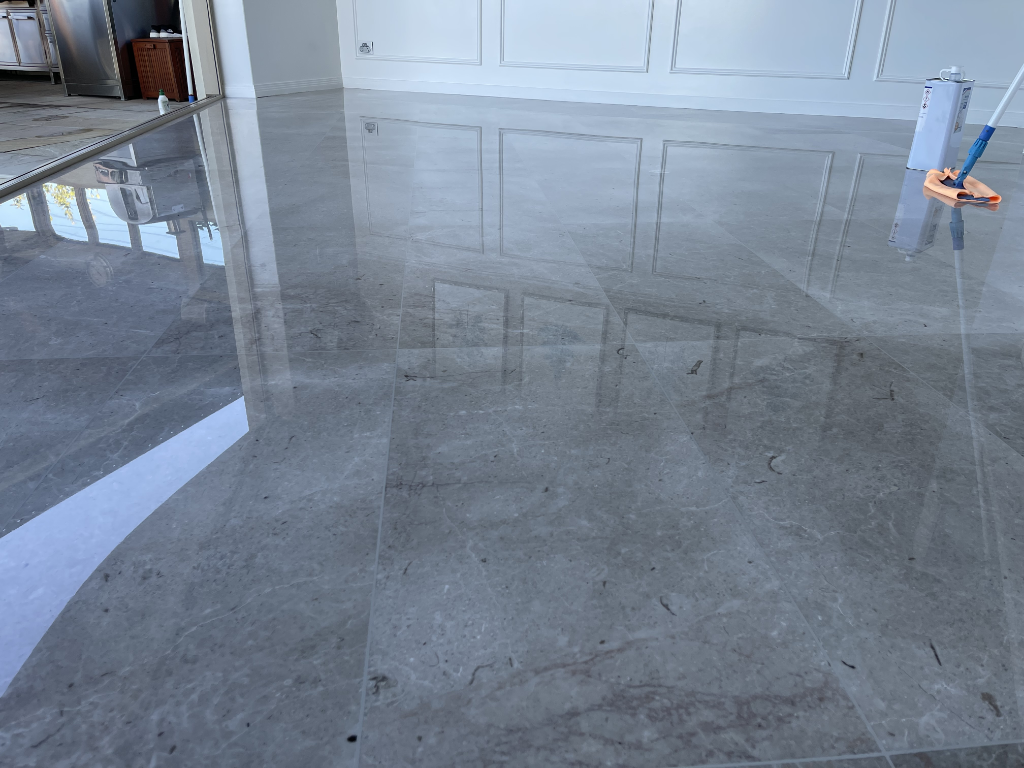
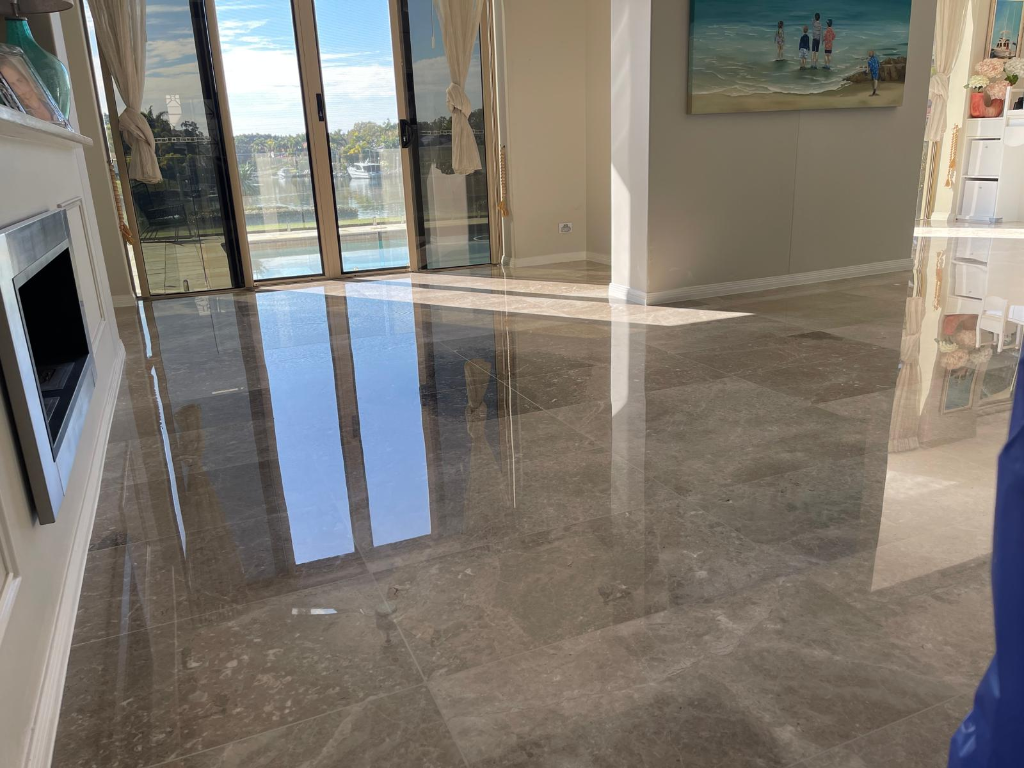
The final result should look natural, even and appropriate to the stone. A quality restoration does not rely on a thick surface coating to create gloss. It restores the marble's own ability to reflect light.
Why DIY polishing can create expensive problems
There are situations where homeowners can safely maintain marble, but polishing is rarely a simple weekend task. Household acidic cleaners can etch stone quickly, while abrasive pads may leave swirl marks or a patchy sheen. Over-the-counter polish products can also deposit a coating that alters slip resistance and requires removal before a proper restoration can take place.
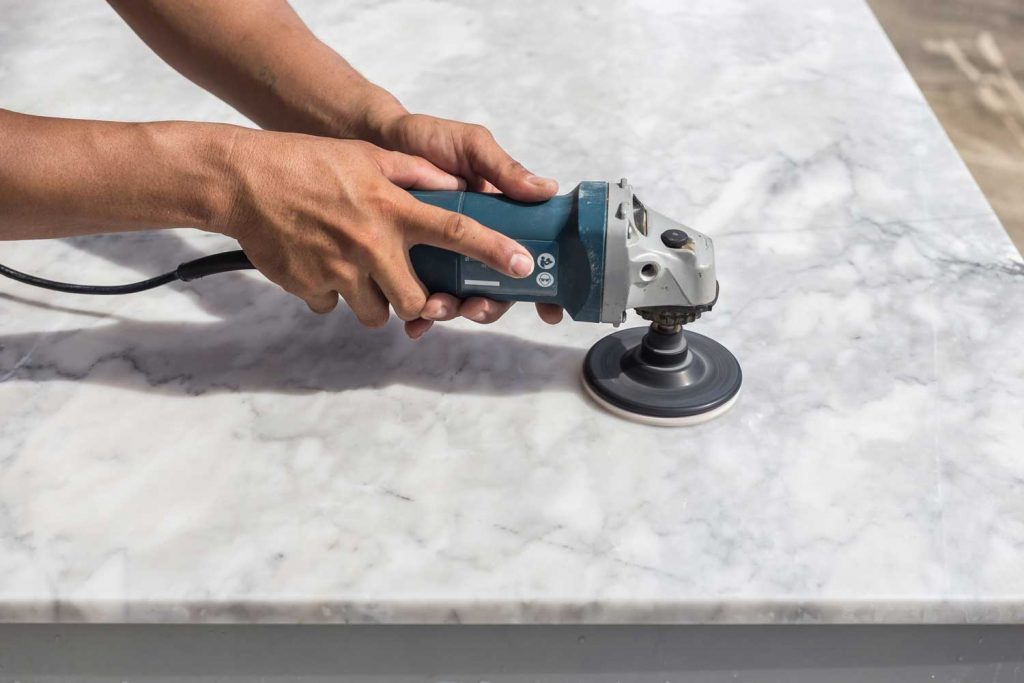
Portable polishing machines can be useful in experienced hands, yet they create risk at edges, corners and transitions to timber, carpet or metal. An uneven technique may produce distinct sections of gloss, known as picture framing, rather than a consistent finish across the room.
The trade-off is straightforward: minor cleaning and prompt spill management can be handled in-house, while corrective work benefits from specialist equipment, stone-specific abrasives and trained judgement. This is particularly true for large-format marble, heritage surfaces and high-visibility commercial floors.
Protecting polished marble after restoration
A restored surface will stay attractive longer when maintenance supports the finish. Use a pH-neutral cleaner made for natural stone, rather than bleach, vinegar or general bathroom and kitchen products. Clean spills promptly, especially acidic liquids, and blot rather than scrub them across the surface.
At entrances, well-maintained mats reduce the grit that causes most traffic-related scratching. In hospitality and retail settings, matting should be sized for the actual level of foot traffic and cleaned often enough that it continues to capture dirt rather than redistribute it.
Furniture pads help protect residential marble floors, while commercial areas benefit from clear cleaning procedures for staff and contractors. A cleaning team may be diligent but still damage marble if it is using an unsuitable chemical or pad. The products, dilution rates and equipment should be specified for the stone rather than selected as part of a generic cleaning routine.
A finish that suits the property
The best time to plan marble polishing is before the surface becomes a major visual or maintenance issue. A specialist can recommend whether light polishing, honing, repairs or an ongoing maintenance schedule will deliver the most sensible result for the condition of the stone.
Sydney Stone Care approaches marble as a long-term architectural finish, not a disposable surface. With the right treatment and practical daily care, marble can retain the character that made it worth choosing in the first place.