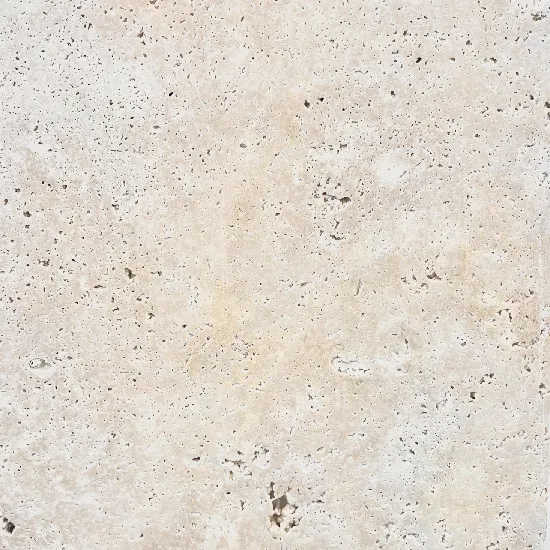
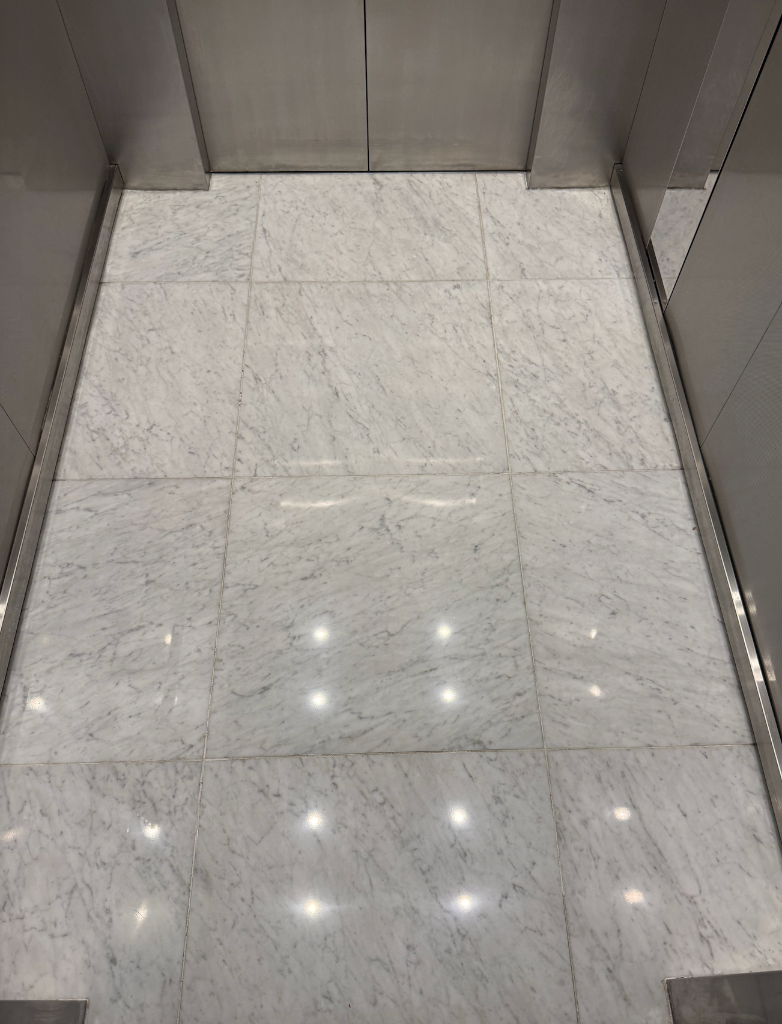
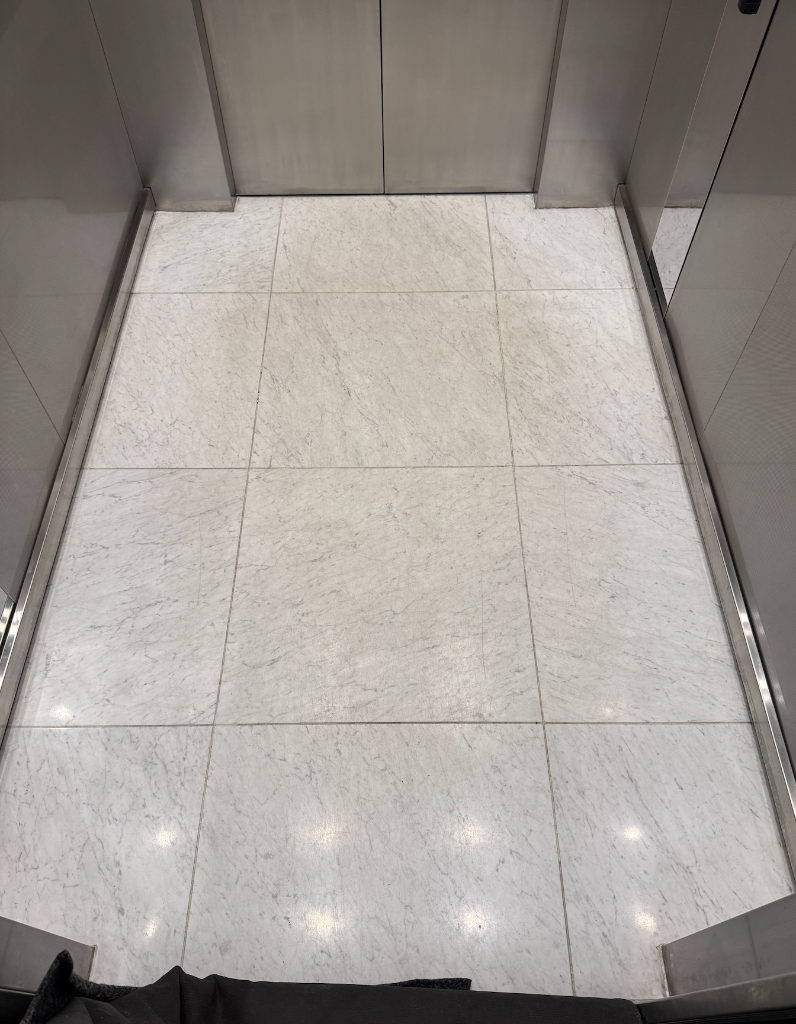
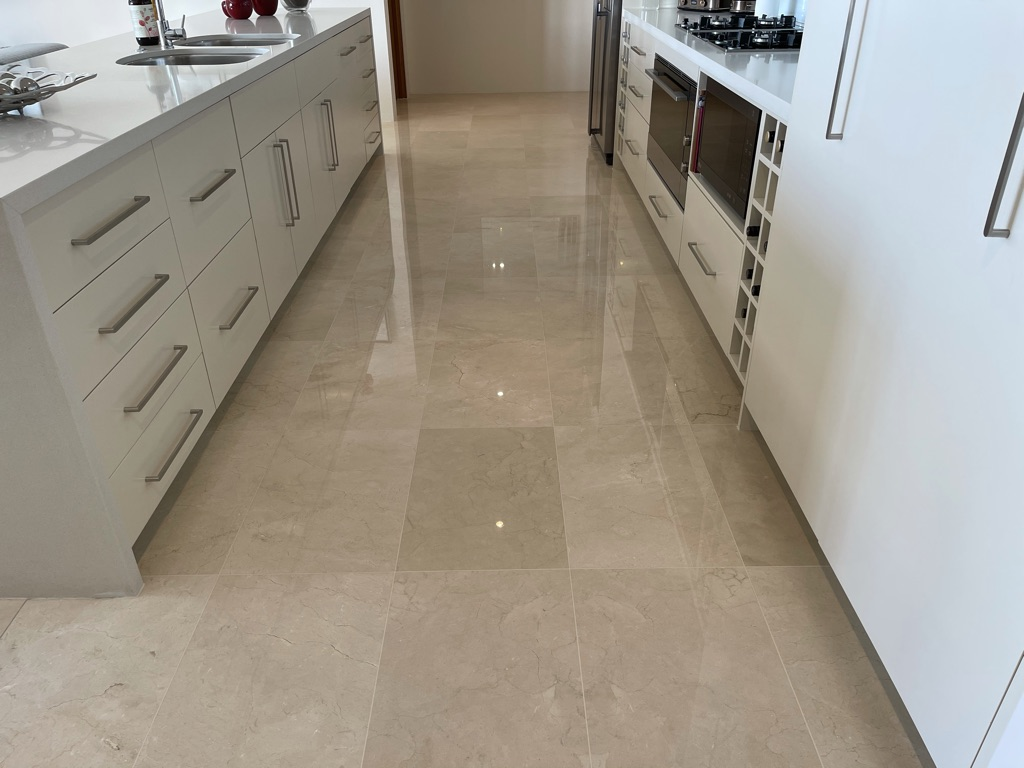
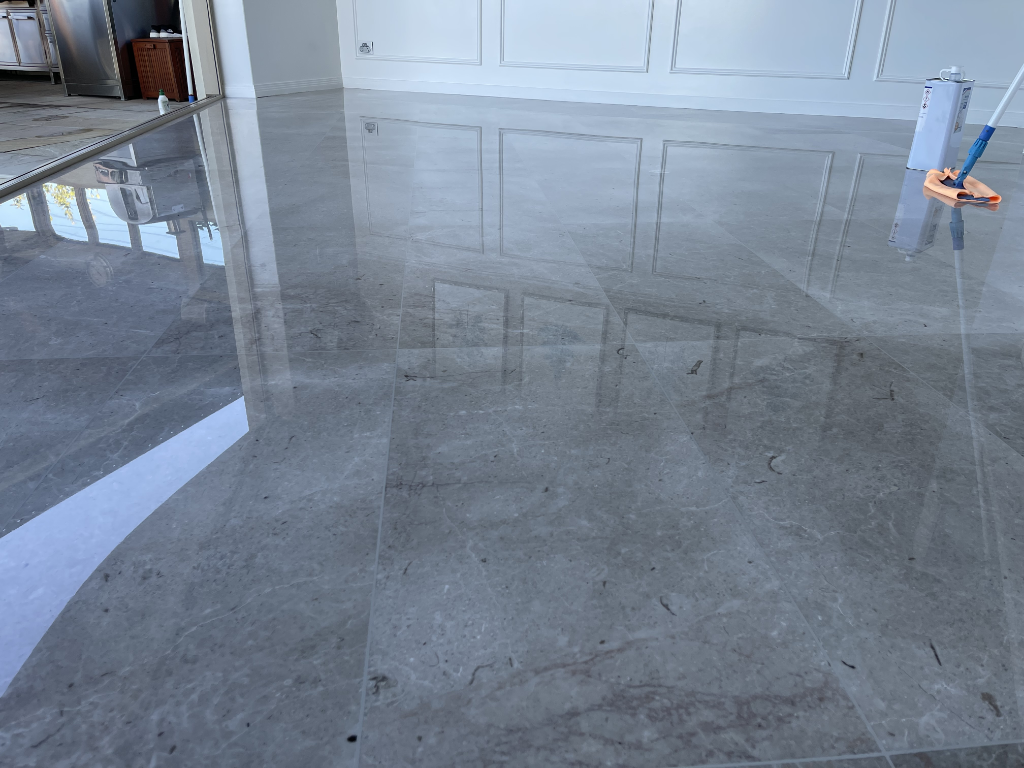
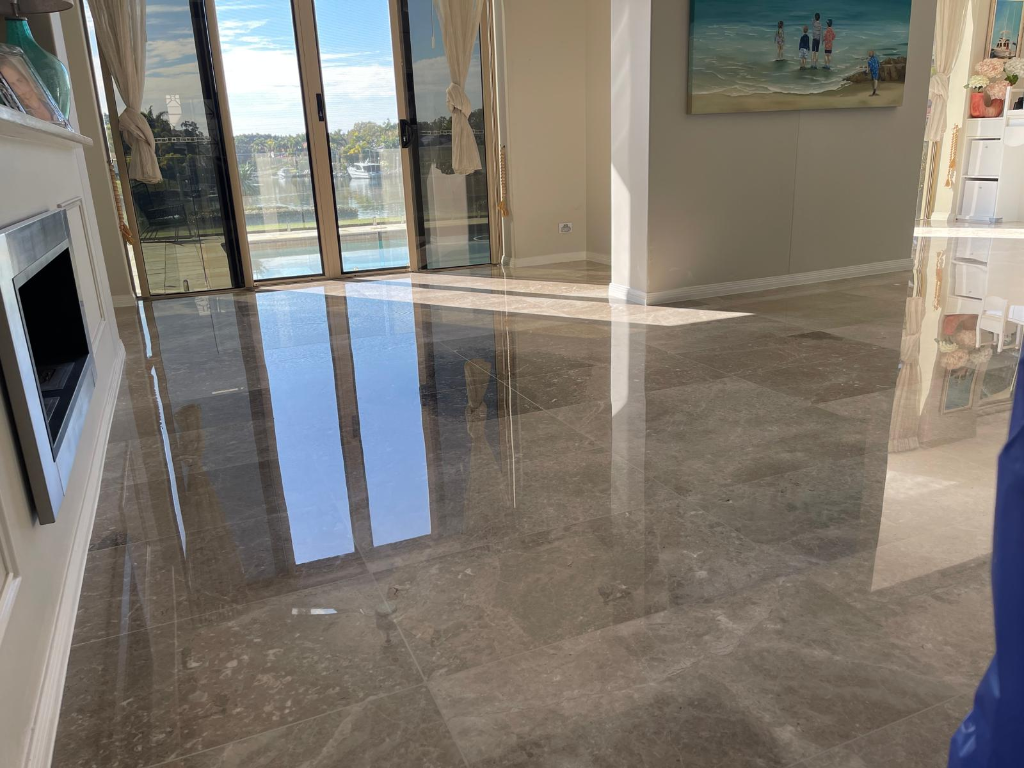
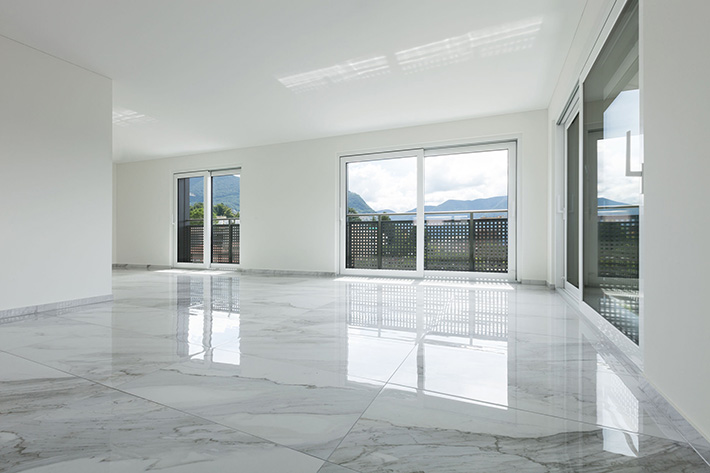
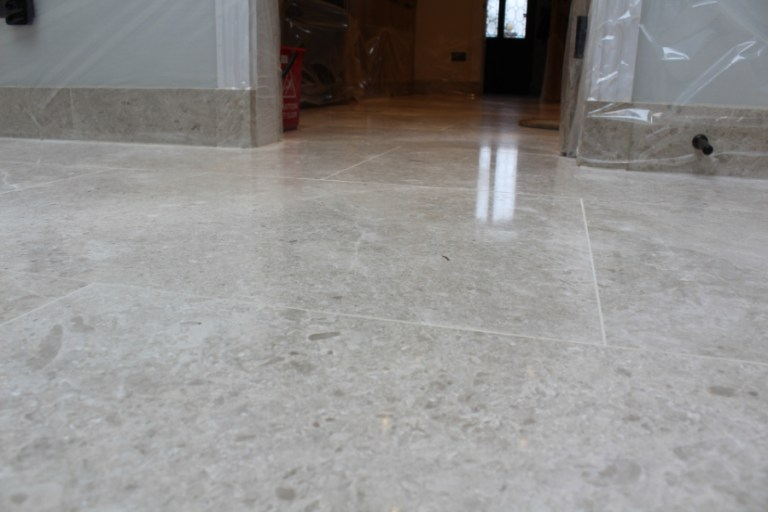
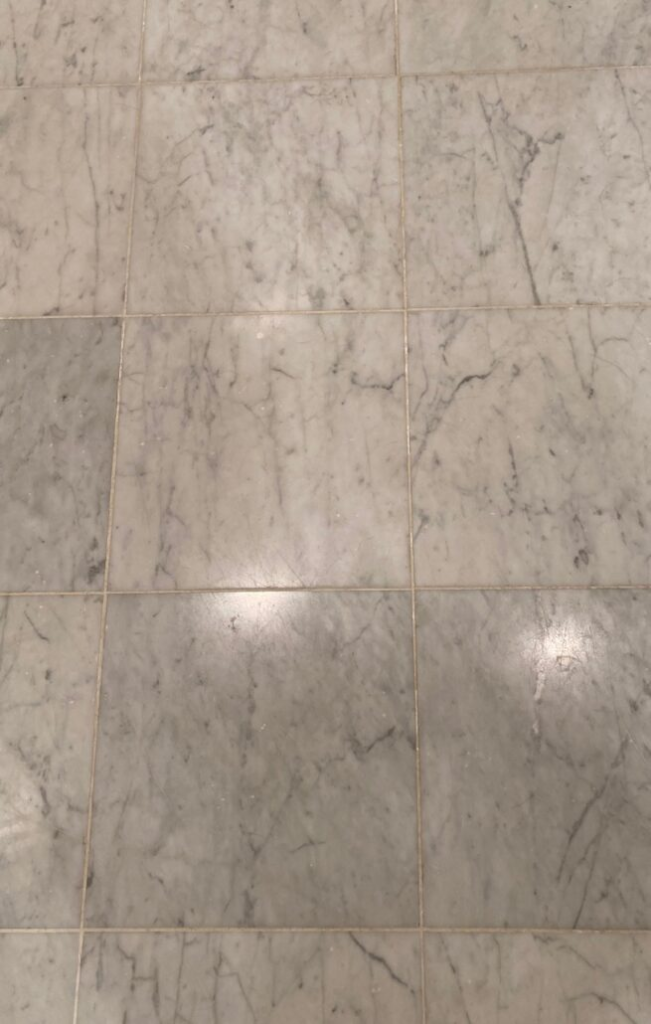
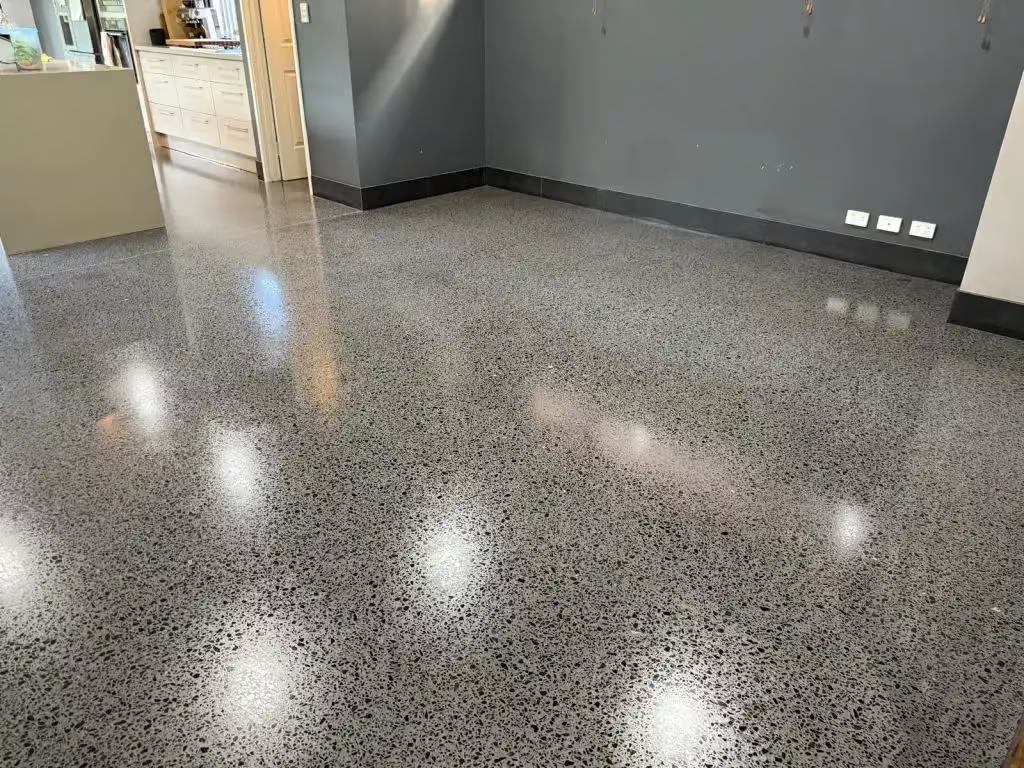
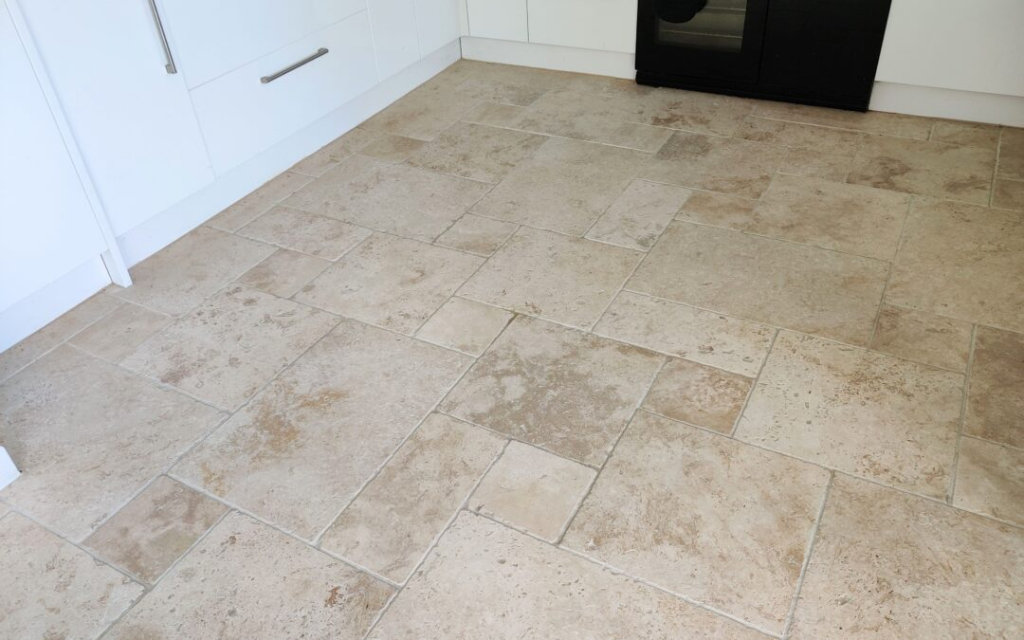
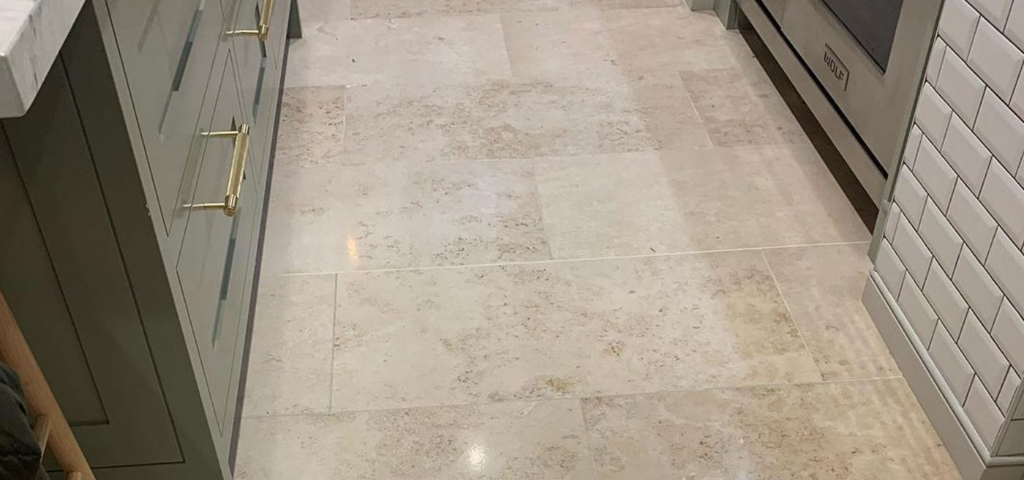
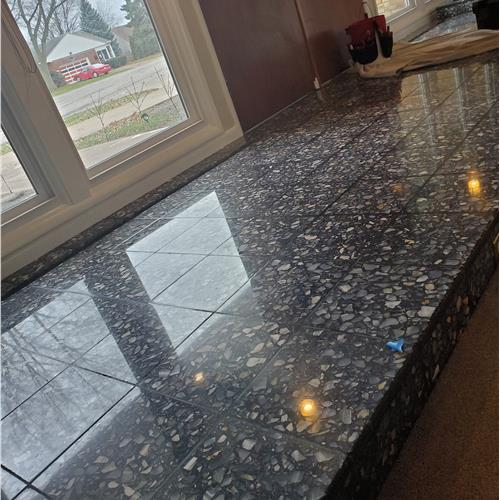
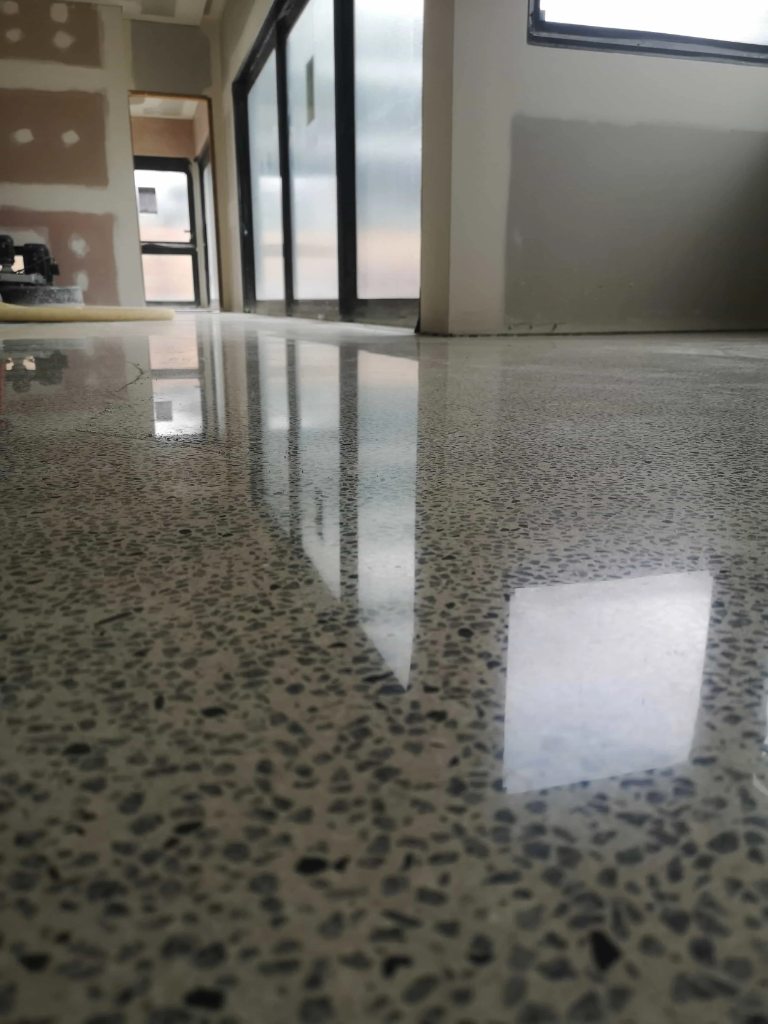
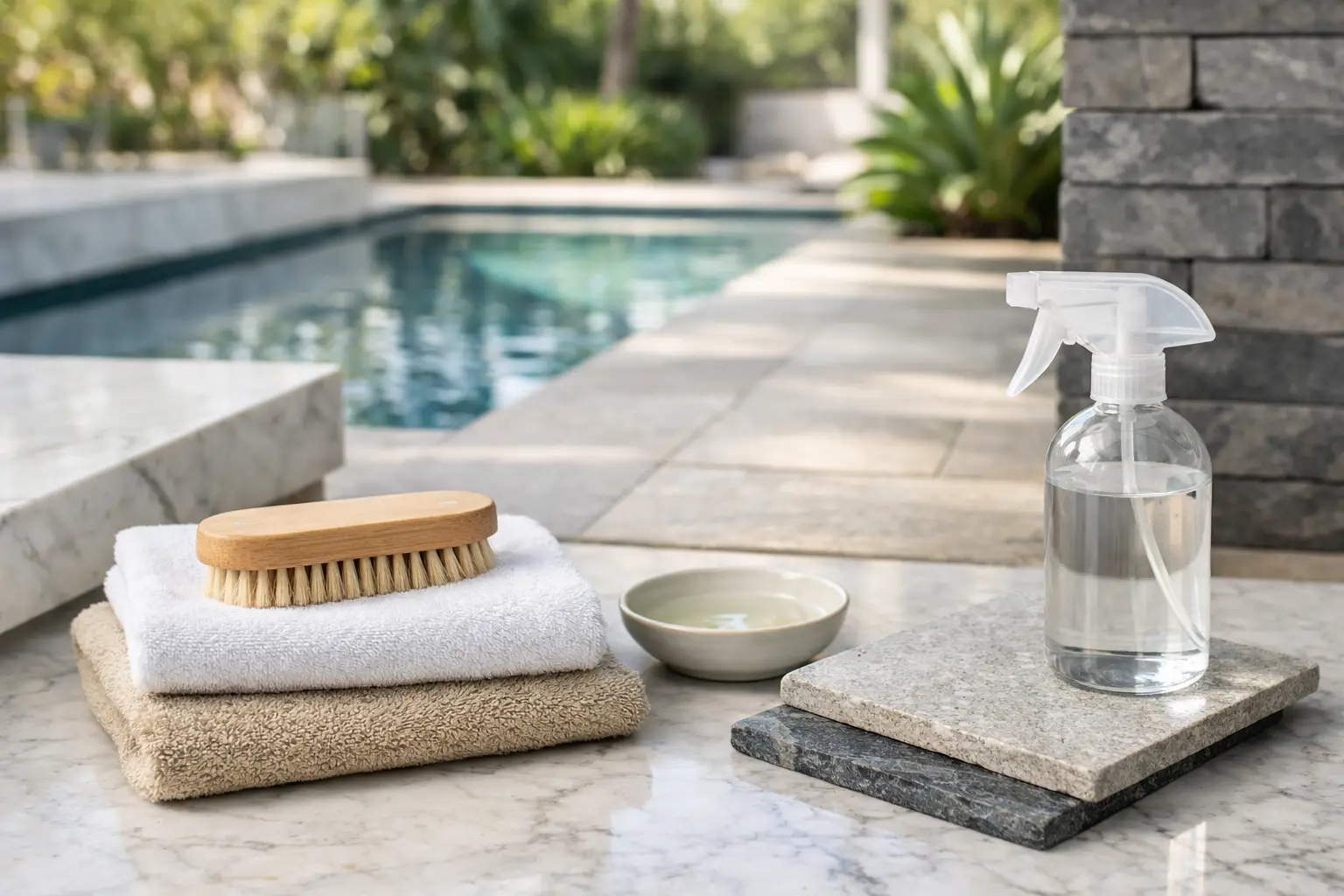
A honed marble benchtop, limestone floor or travertine terrace can change the character of a property. It can also show neglect quickly. This natural stone maintenance guide is designed for Sydney homeowners, strata teams and commercial managers who want their stone surfaces to retain their finish, value and performance without relying on generic cleaning methods.
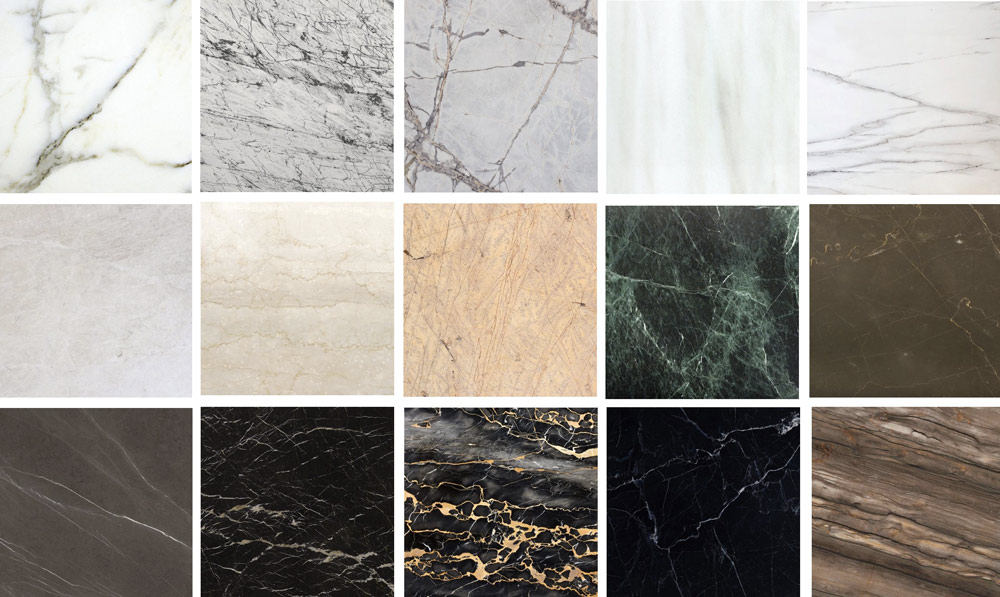
Natural stone is not a single material. Each surface has its own mineral composition, porosity, finish and tolerance for moisture, traffic and cleaning products. The right care routine protects the surface before visible damage develops. The wrong one can leave etching, permanent staining, loss of sheen or premature wear.
Natural Stone Maintenance Guide: Start With the Stone Type
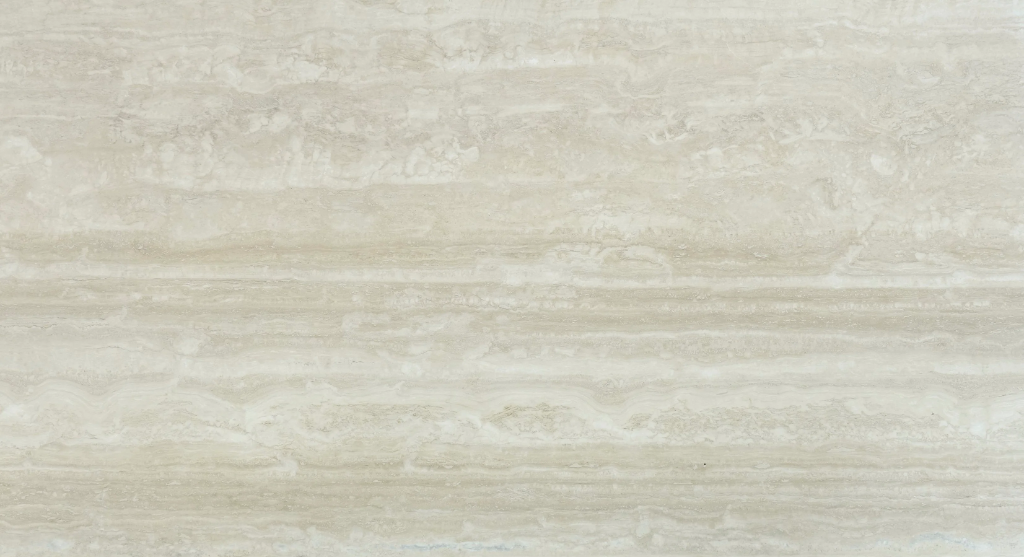
Effective maintenance begins with knowing what is installed. Marble, limestone and travertine are calcium-based stones. They are particularly vulnerable to acidic substances, including citrus, wine, vinegar, many bathroom cleaners and some descaling products. Acid does not simply leave a mark - it can react with the stone itself, creating dull or lighter patches known as etching.
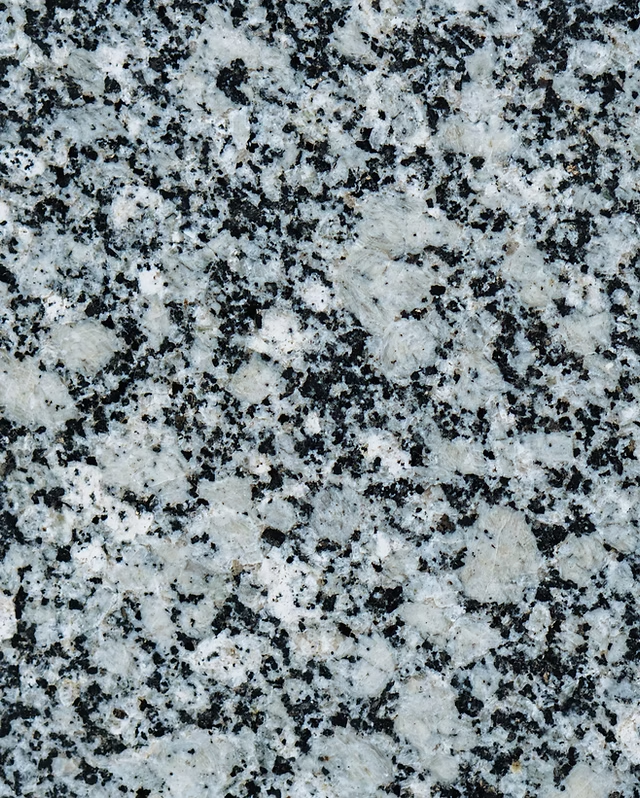
Granite, quartzite and slate are generally denser and more resistant, but they still require appropriate care. A dense stone can stain through unsealed areas, damaged grout lines or surface cracks. Darker stones can also show residue, water spotting and an uneven finish when unsuitable cleaners are used.
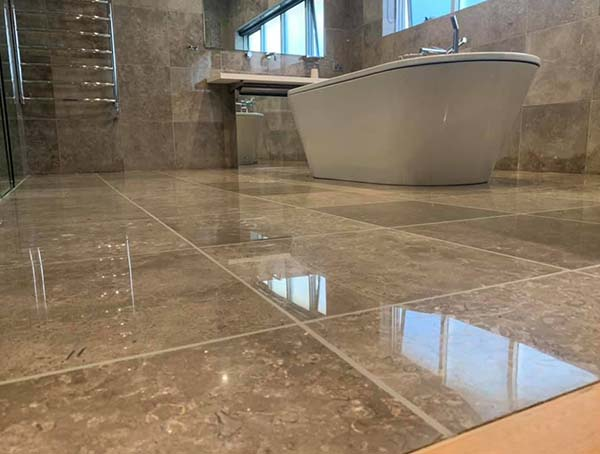
Finish matters as much as stone type. Polished stone reflects light and makes etching, scratches and swirl marks more noticeable. Honed surfaces offer a softer appearance but may hold soil within their texture. Textured outdoor stone needs regular debris removal so dirt, organic matter and moisture do not build up in low points.
If the stone type is uncertain, avoid trialling household chemicals. A specialist assessment can identify the material, finish and existing protection before a maintenance plan is put in place.
Daily Care That Prevents Long-Term Damage
Most stone damage begins with ordinary use rather than a single major incident. Fine grit carried in from footpaths, gardens and car parks acts like sandpaper under shoes and furniture. On internal floors, dry dust mopping or vacuuming with a suitable hard-floor attachment should be routine. On external areas, sweeping away leaves, soil and standing debris reduces the risk of organic staining and surface deterioration.
For regular washing, use clean water with a pH-neutral cleaner formulated for natural stone. The mop or cloth should be clean and only lightly damp. Excess water can leave residue, penetrate vulnerable joints and encourage staining around cracks or edges. Change the cleaning solution regularly rather than spreading contaminated water across the floor.
Benchtops and vanity tops need prompt attention after use. Wipe away cooking oils, sauces, toothpaste, cosmetics and soap residue with a soft cloth, then dry the area. Coasters under drinks and trays beneath toiletries provide simple protection in the areas most exposed to spills.
Do not assume a common household cleaner is safe because it looks mild or smells fresh. Avoid products containing acids, bleach, ammonia, abrasive powders or strong alkaline degreasers. These are frequent causes of dull patches, loss of polish, surface bleaching and damaged sealers.
- Vinegar and lemon-based cleaners can etch marble, limestone and travertine.
- Cream cleansers and scouring pads can scratch polished surfaces.
- Bleach may alter colour and weaken some sealers or grout.
- General-purpose bathroom and tile cleaners may be too acidic or alkaline for stone.
Respond to Spills Before They Become Stains
A spill should be blotted, not wiped across the surface. Use a clean absorbent cloth or paper towel to lift the liquid, then clean the area with a stone-safe product and dry it thoroughly. Wiping a spill outward can spread it into a larger area, particularly on honed or textured stone.
The source of the mark determines the appropriate treatment. Oil-based stains from cooking, cosmetics or grease can darken stone as they absorb. Organic stains from food, tea, coffee, leaves or wine may leave colour behind. Rust marks need careful treatment because aggressive products can damage surrounding stone. Mineral deposits around showers and pools are also common in Sydney properties, but should not be removed with standard acidic descalers.
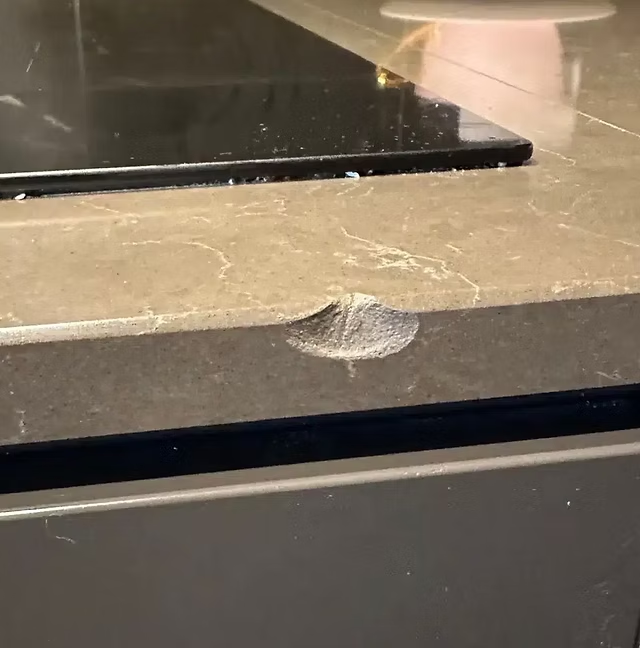
A visible mark is not always a stain. On marble and limestone, a dull ring from a glass or splash of juice is often etching. Cleaning alone will not reverse it because the stone surface has been chemically altered. Polishing or honing may be required to restore a consistent finish.
Avoid applying multiple products in succession when a stain does not lift immediately. Mixing chemicals can create a greater problem, and repeated scrubbing can permanently alter the surface. Isolate the cause, use a treatment suited to that stone, and seek professional advice when the stain is persistent or widespread.
Sealing Is Protection, Not a Substitute for Care
Penetrating sealers help reduce the rate at which liquids and contaminants enter porous stone. They are particularly valuable on kitchen benchtops, bathroom vanities, internal floors, outdoor paving and high-use commercial entries. However, a sealer does not make stone stain-proof, acid-proof or scratch-proof.
Whether stone needs sealing, and how often, depends on its density, finish, location and use. A busy café floor or poolside terrace faces very different conditions from a low-use bathroom wall. Applying sealer too frequently or using an unsuitable product can leave a hazy appearance, attract soil or affect slip resistance.
A simple water check can indicate whether protection may be reduced. Place a few drops of water on a discreet, clean area and observe whether the stone darkens quickly. This is only an initial indicator, not a complete test. Professional sealing should follow thorough cleaning and drying, with the product selected for the specific stone and environment.
Maintain Exterior Stone for Sydney Conditions
Sydney's humidity, coastal air, rain and strong UV exposure can place significant pressure on external stone. Pool surrounds, balconies, pathways and facades are exposed to moisture, airborne salts, organic growth and temperature changes. Shaded areas can develop moss, algae or mould, while exposed paving may fade, become powdery or retain embedded dirt.
Regular sweeping, controlled washing and drainage checks are essential. Water should not be allowed to pond on stone or repeatedly run from planters, irrigation systems and downpipes. Metal furniture, fertilisers and leaf litter can also contribute to rust or organic staining if left in place.
High-pressure cleaning is not automatically the answer. Excessive pressure can damage soft stone, erode grout, open the surface and force water into joints. The correct approach depends on the stone's condition, installation method and surrounding materials. Outdoor maintenance should preserve both appearance and safety, particularly around pools, hospitality venues and shared access areas.
High-Traffic Stone Needs a Planned Programme
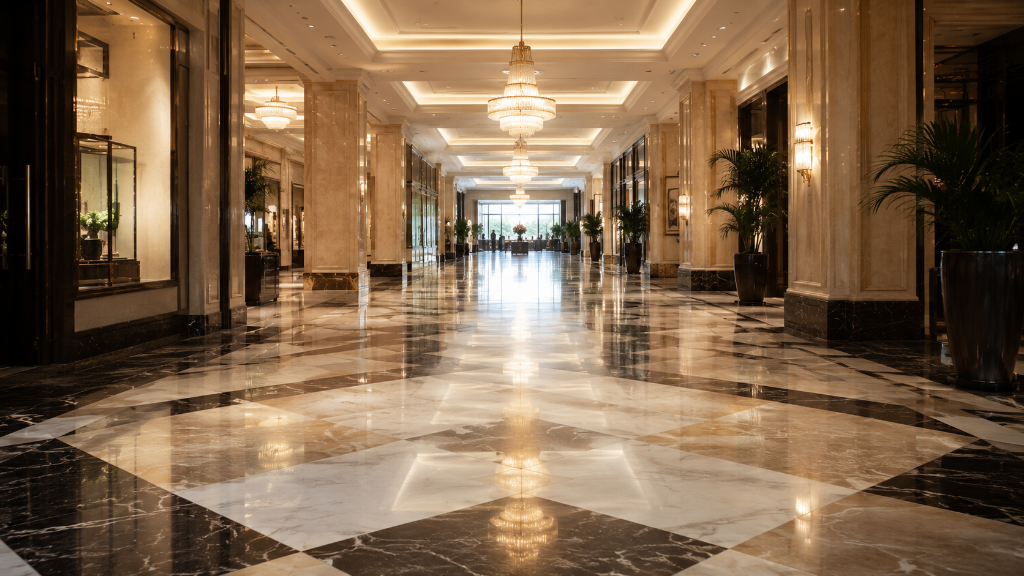
Commercial stone floors do not fail because they receive too much attention. They fail when maintenance is inconsistent or based on generic cleaning procedures. Entrances, lift lobbies, retail floors, hotel foyers and common areas need a programme that accounts for foot traffic, weather exposure, cleaning schedules and the expected standard of presentation.
Entry matting is one of the most effective measures available. It captures abrasive grit before it reaches the stone, reducing wear across polished and honed finishes. Mats should be large enough to be useful and cleaned often enough that they do not become a source of soil themselves.
Facility managers should also monitor early signs of change: dull traffic lanes, darkened grout, slip concerns, recurring stains, chipped edges and uneven sheen. Addressing these issues early is generally less disruptive and more cost-effective than waiting for widespread restoration work.
When Routine Cleaning Is No Longer Enough
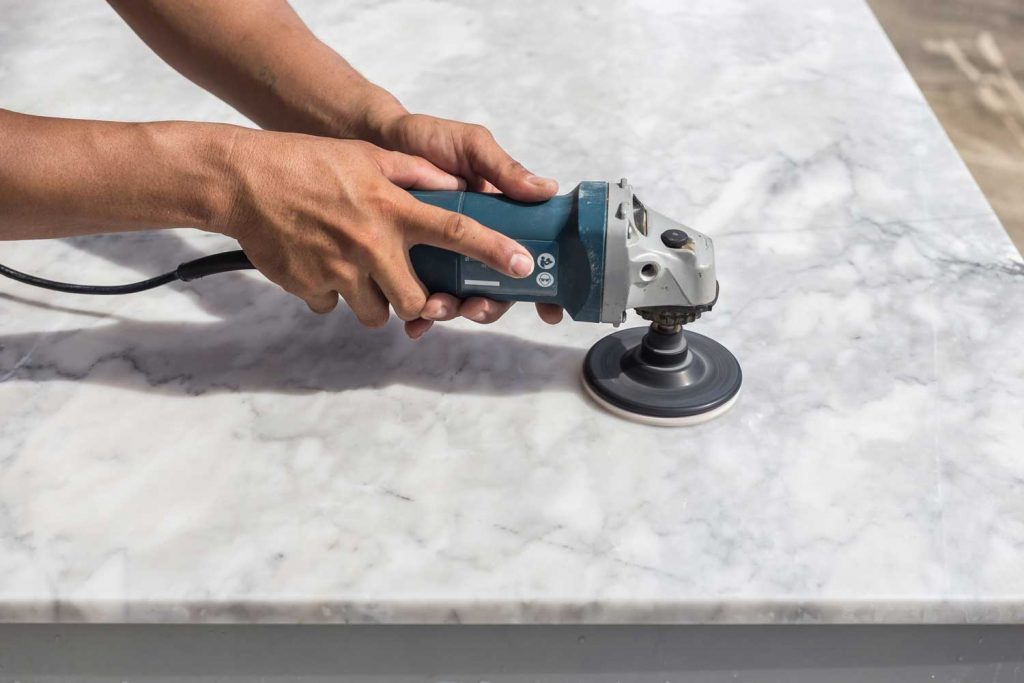
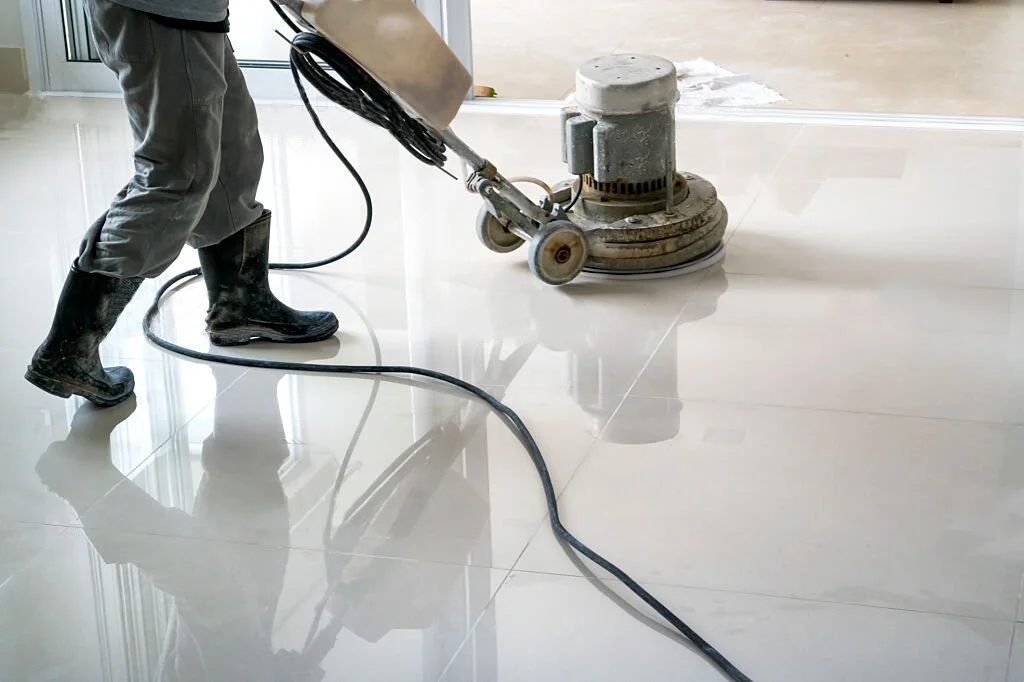
There is a point where better cleaning will not correct the problem. Etching, deep staining, scratches, lippage, worn polish, grout deterioration and surface haze may require specialist restoration. The right process can include deep cleaning, stain treatment, honing, polishing, sealing and protective maintenance, depending on the stone and desired finish.
This is where material-specific expertise matters. A process suitable for polished marble may be unsuitable for textured sandstone. A finish that looks appropriate in a private residence may not provide the right performance for a wet commercial entry. Sydney Stone Care assesses the condition of the stone before recommending work, with preservation and long-term appearance at the centre of the approach.
Good stone care is rarely complicated, but it must be consistent and suited to the material. Treating natural stone as a premium finish rather than an ordinary hard surface helps protect the investment long after installation day.