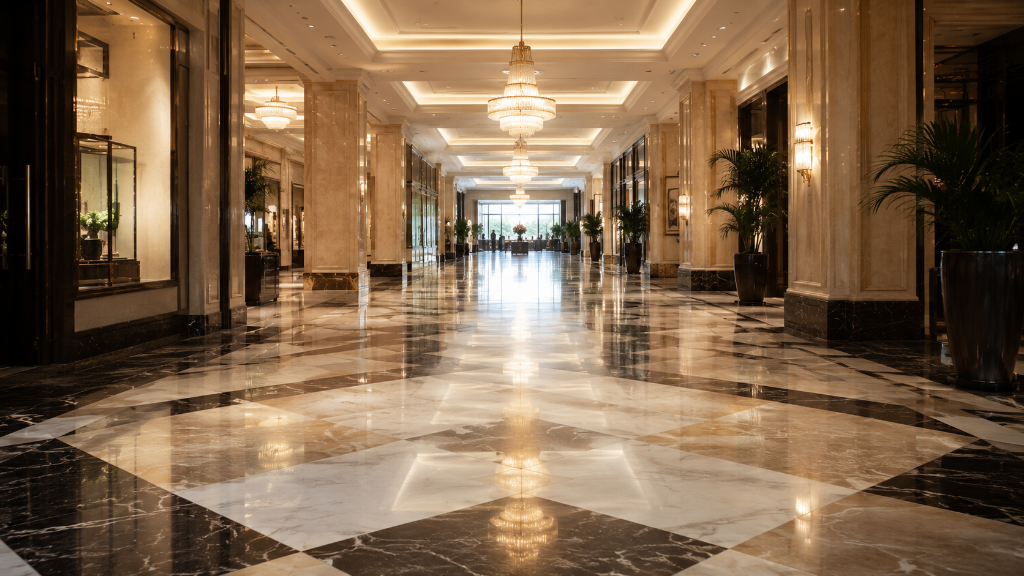
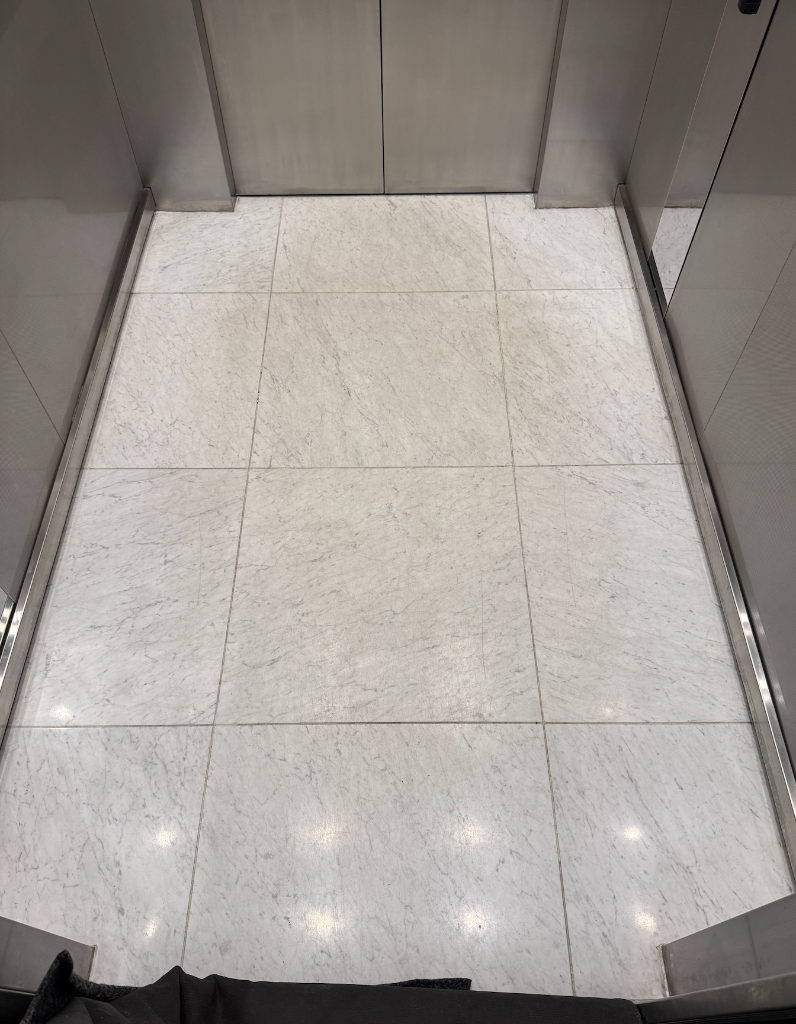
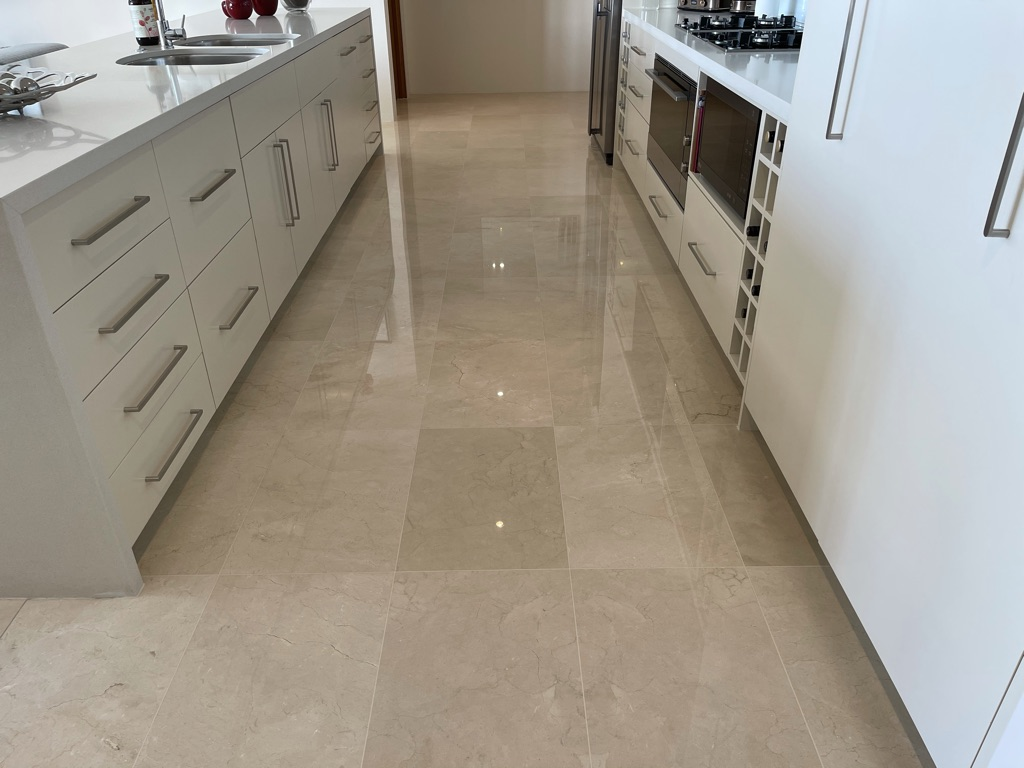
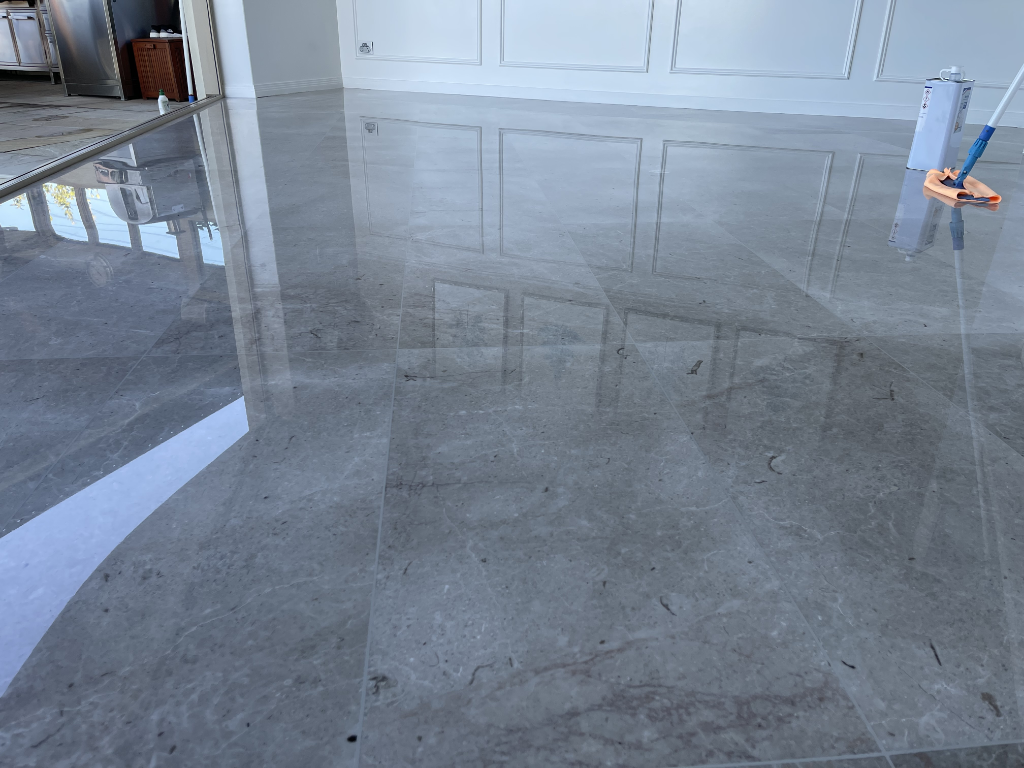
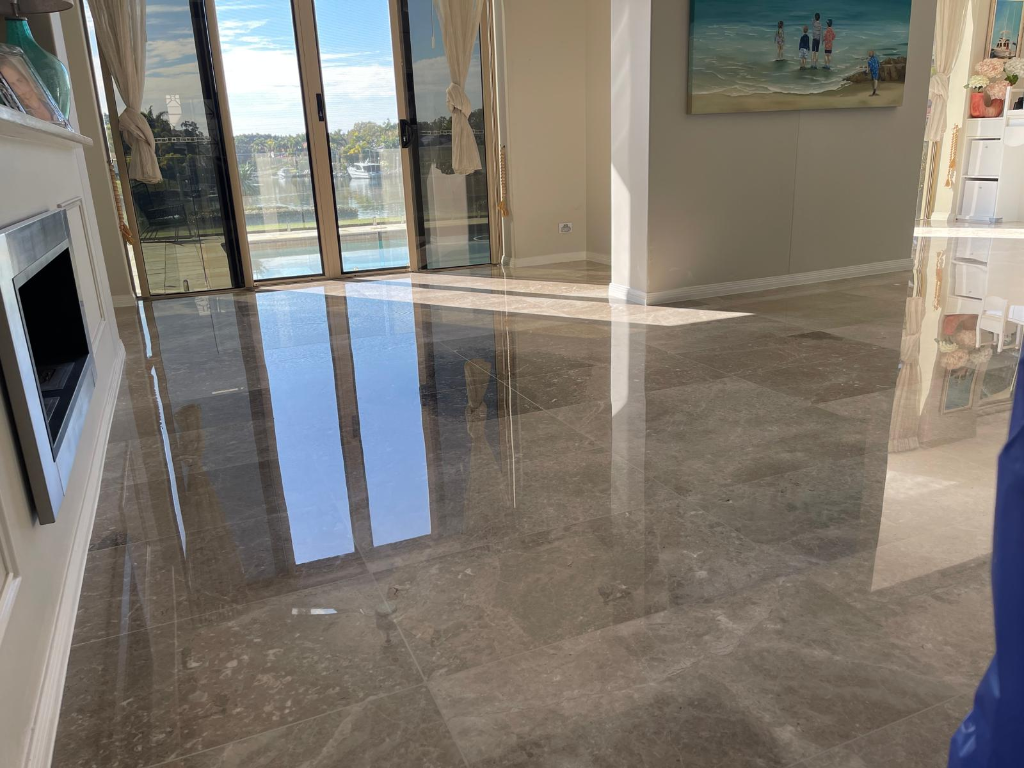
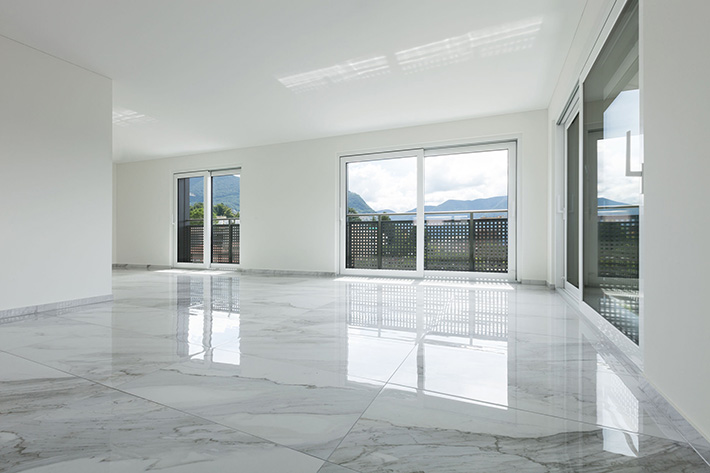
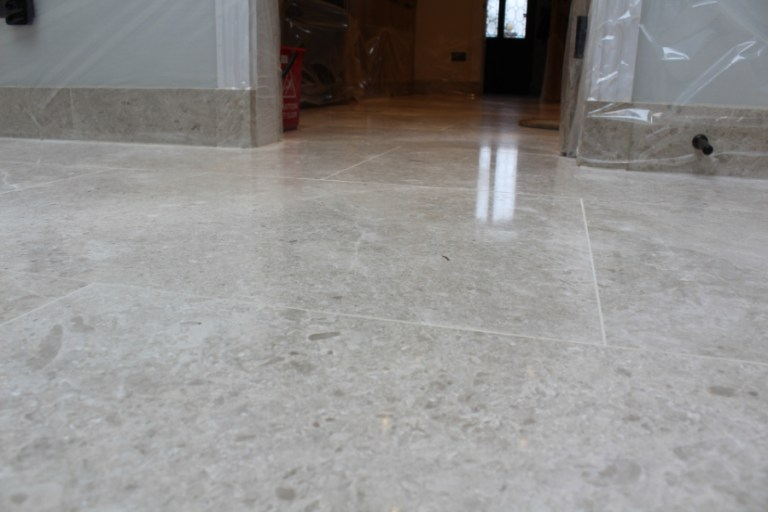
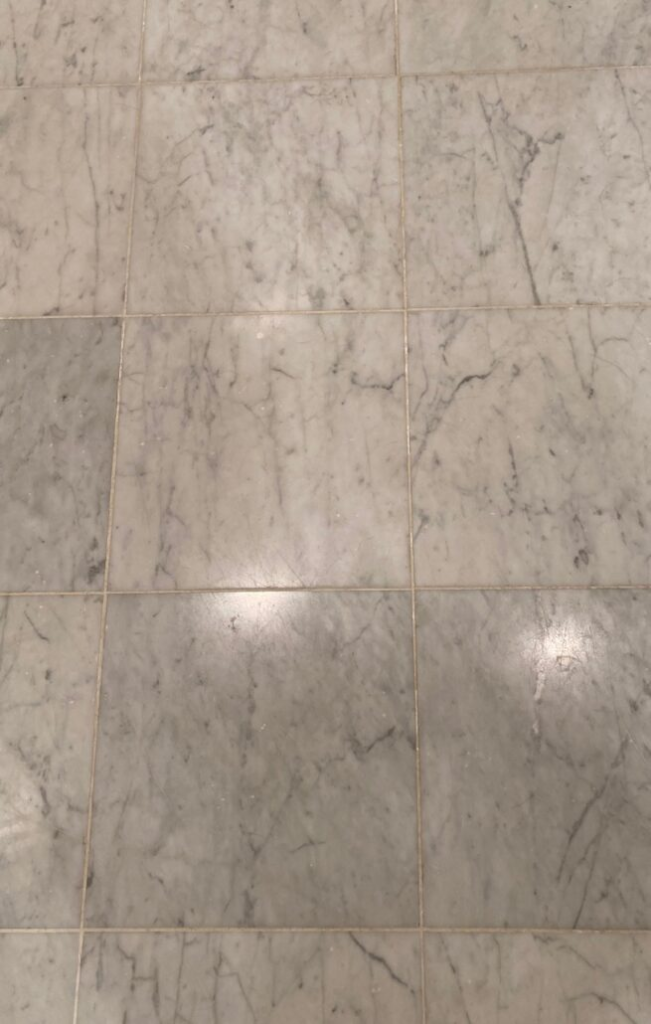
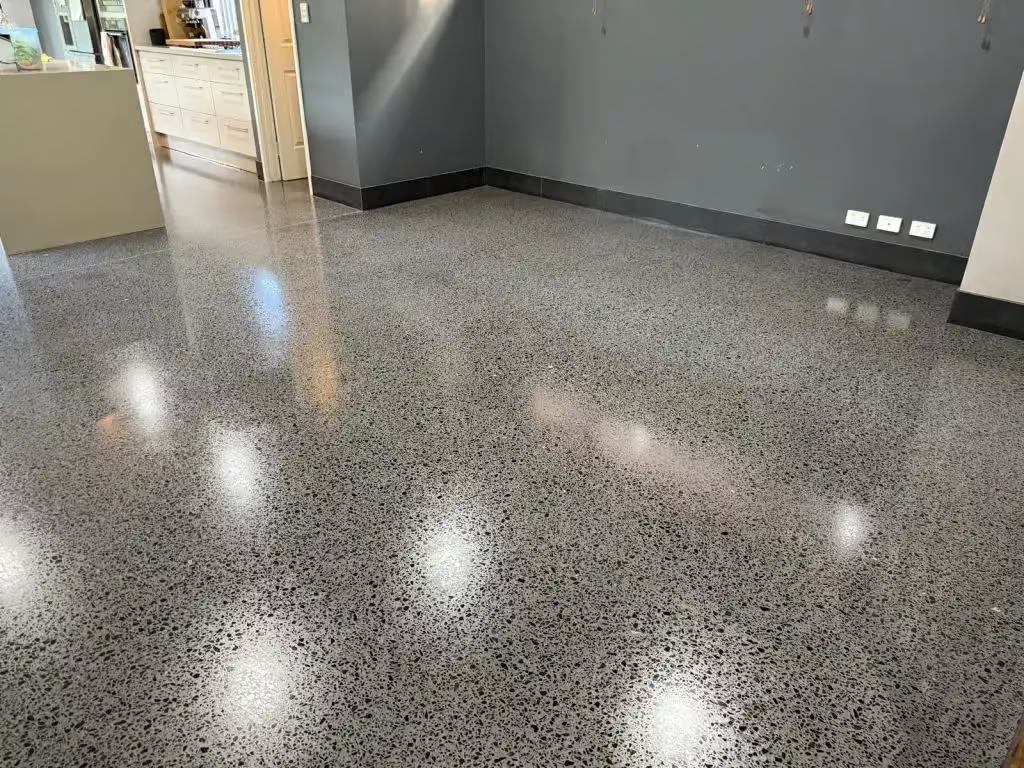
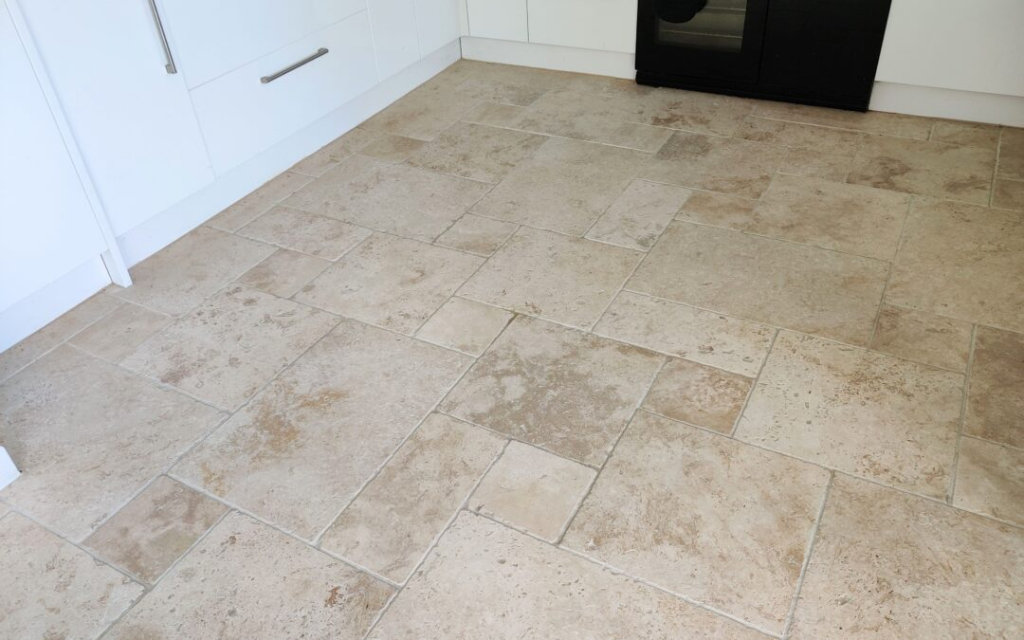
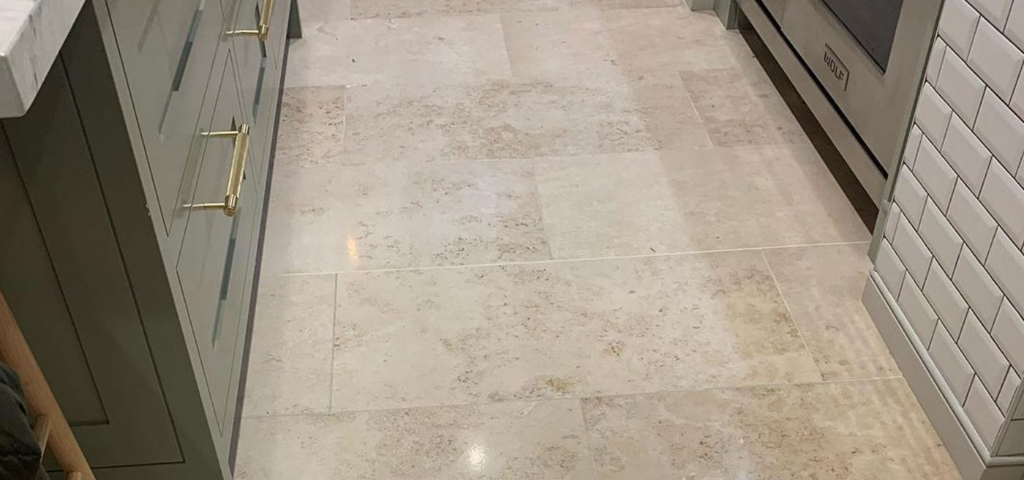
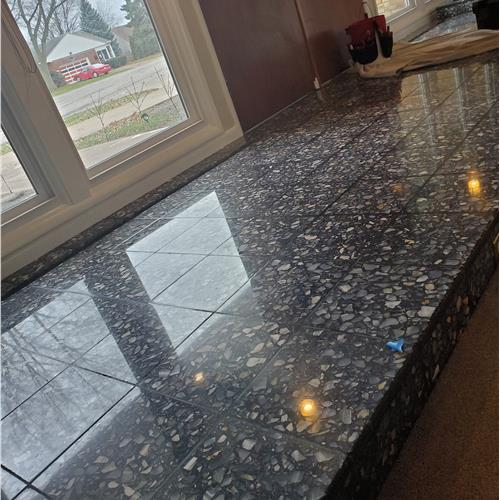
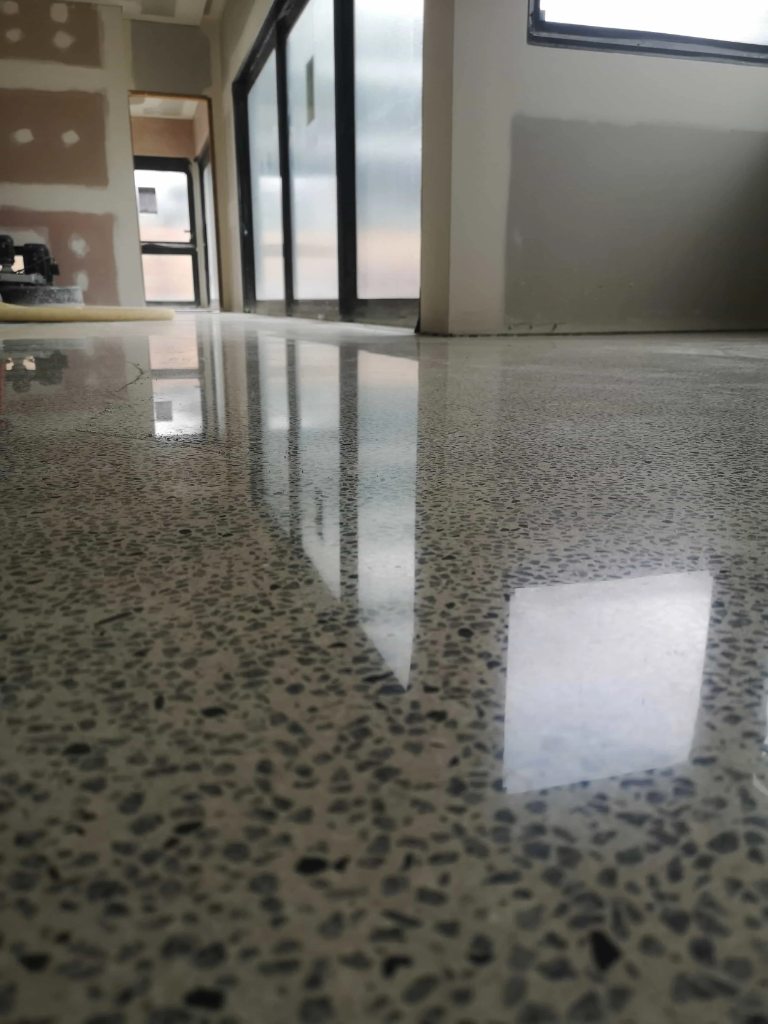
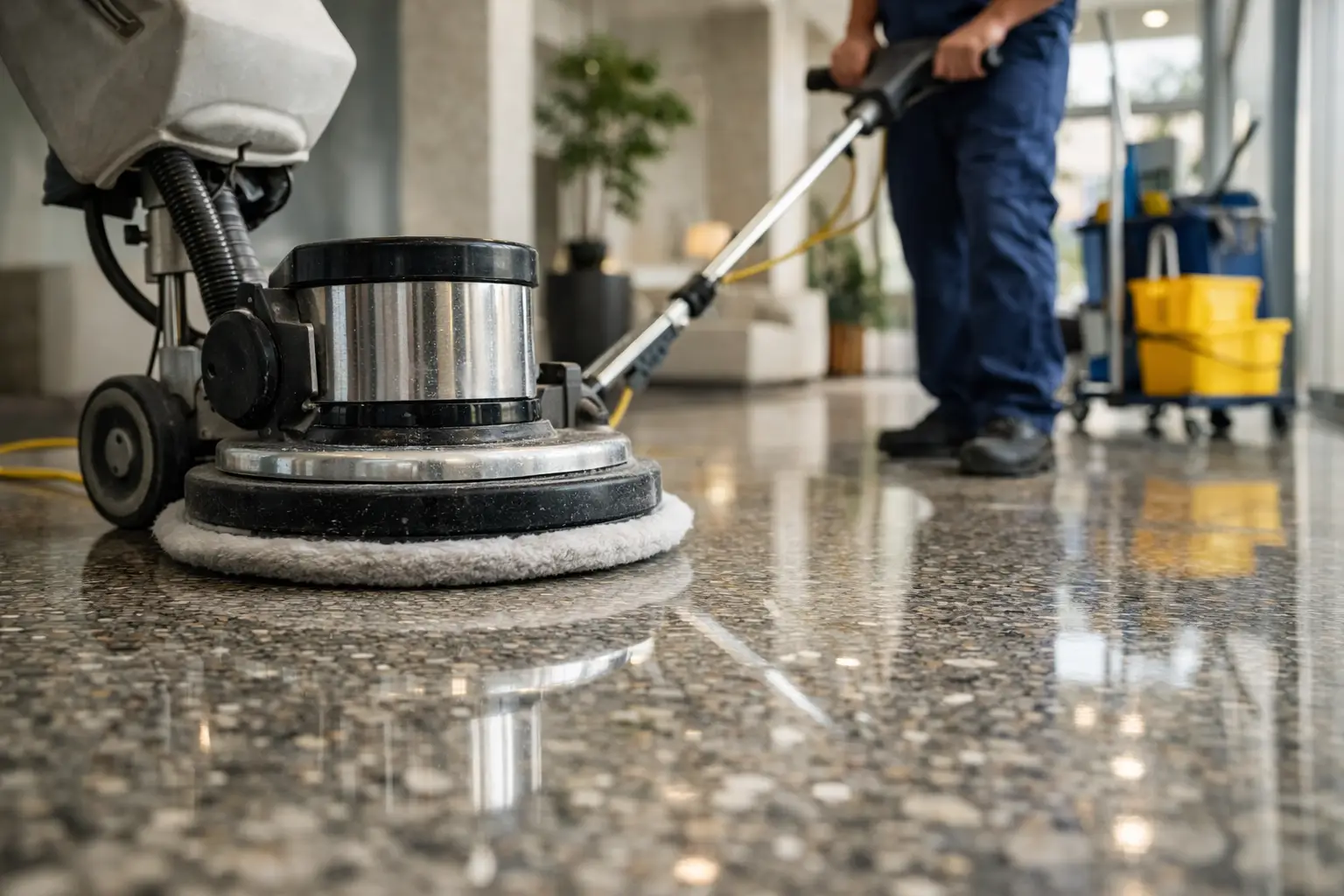
Terrazzo earns its place in premium homes, hotel lobbies, retail spaces and apartment foyers because it is durable, distinctive and built to last. Yet even a well-made floor can lose its clarity under foot traffic, incorrect cleaning products and accumulated wear. To polish terrazzo floors properly, the surface must be assessed and treated as a mineral-based composite, not simply cleaned until it looks brighter.
A successful result restores an even level of sheen, brings out the colour and aggregate within the floor, and leaves the surface easier to maintain. The wrong approach can create patchy gloss, expose aggregate, leave swirl marks or accelerate future staining. That is why terrazzo restoration is best approached as a technical surface-care process rather than a quick cosmetic fix.
Why terrazzo floors become dull
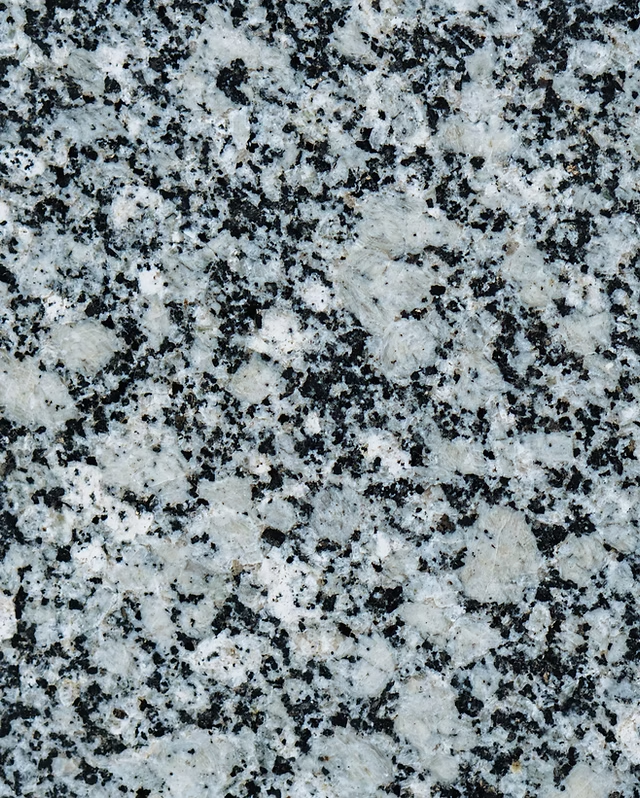
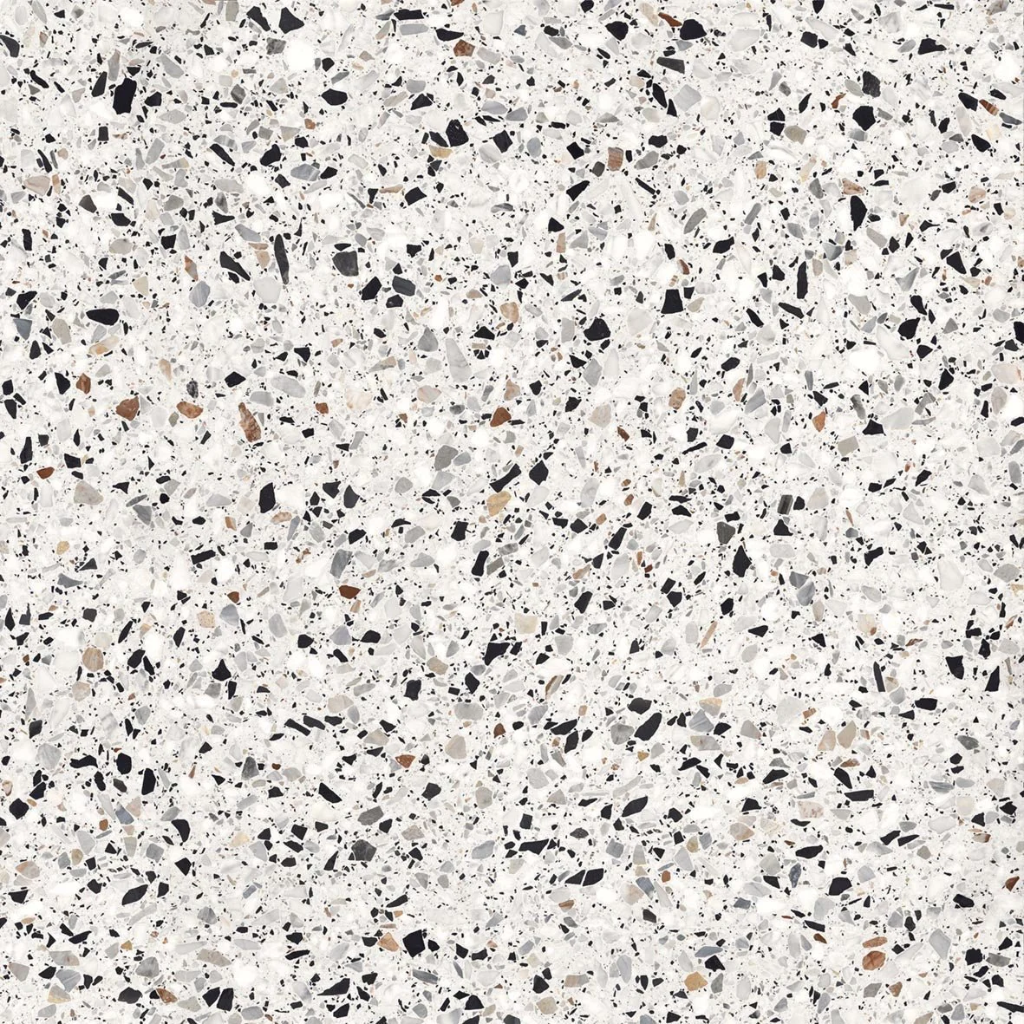
Terrazzo is typically made from marble, quartz, granite or glass chips set in a cement or epoxy binder. Its finish is created through grinding, honing and polishing, which produces a flat surface that reflects light evenly. Over time, that refined surface is affected by abrasive grit, moisture, cleaning residues and everyday use.
In Sydney homes, sand and grit tracked in from outdoor areas can act like fine sandpaper beneath shoes. In commercial settings, entryways, corridors and service areas receive concentrated wear that gradually removes shine along traffic lanes. A floor may still be structurally sound but look tired because the polish has been mechanically worn away.
Chemical damage is another common cause. Acidic products, including some bathroom cleaners, vinegar-based solutions and descalers, can etch cement-based terrazzo and marble aggregate. Strong alkaline cleaners can also leave residue or affect certain sealers. The result may be cloudy patches, dull spots or a floor that looks inconsistent once dry.
First, identify the terrazzo system
Before any polishing work begins, it is necessary to determine whether the floor is cement-based or epoxy terrazzo. These surfaces can look similar, but their binders respond differently to moisture, heat, chemicals and restoration methods.
Cement-based terrazzo is porous to some degree and may develop fine cracks, small holes or staining over the years. It often benefits from repairs, grinding, honing and carefully selected sealing or guarding products. Older installations can have considerable character, but they may also require more extensive preparation before polishing.
Epoxy terrazzo is generally less porous and often installed at a thinner profile. It can deliver a high-gloss appearance, particularly in commercial interiors, but it is not suited to every polishing compound or aggressive mechanical process. Heat, excess pressure and unsuitable chemicals may damage the resin matrix or change its appearance.
A specialist inspection should also identify previous coatings. Wax, topical sealers and floor finish products can make terrazzo appear glossy for a short period, while concealing scratches and residues below. These coatings may yellow, scuff or peel, and they are not the same as a mechanically polished terrazzo finish.
How professionals polish terrazzo floors
Professional terrazzo polishing is a staged process. The exact sequence depends on the floor's material, condition, desired finish and use of the space. A lightly dulled residential floor needs a different approach from a heavily worn commercial foyer with scratches, lipping and old coating build-up.
Cleaning and surface preparation
The process starts with removing loose grit, residues and any unsuitable topical finish. This step matters because dirt trapped beneath polishing equipment can cause unnecessary scratching. The floor is then closely examined for cracks, holes, failing joints, stains and uneven areas.
Small voids and chips may be repaired using a colour-matched terrazzo filler or resin system. Repairs need to be completed before honing so they can be levelled with the surrounding surface. Where movement cracks are present, the cause should be considered rather than simply filled, particularly in older buildings or areas subject to structural movement.
Honing to remove wear and scratches
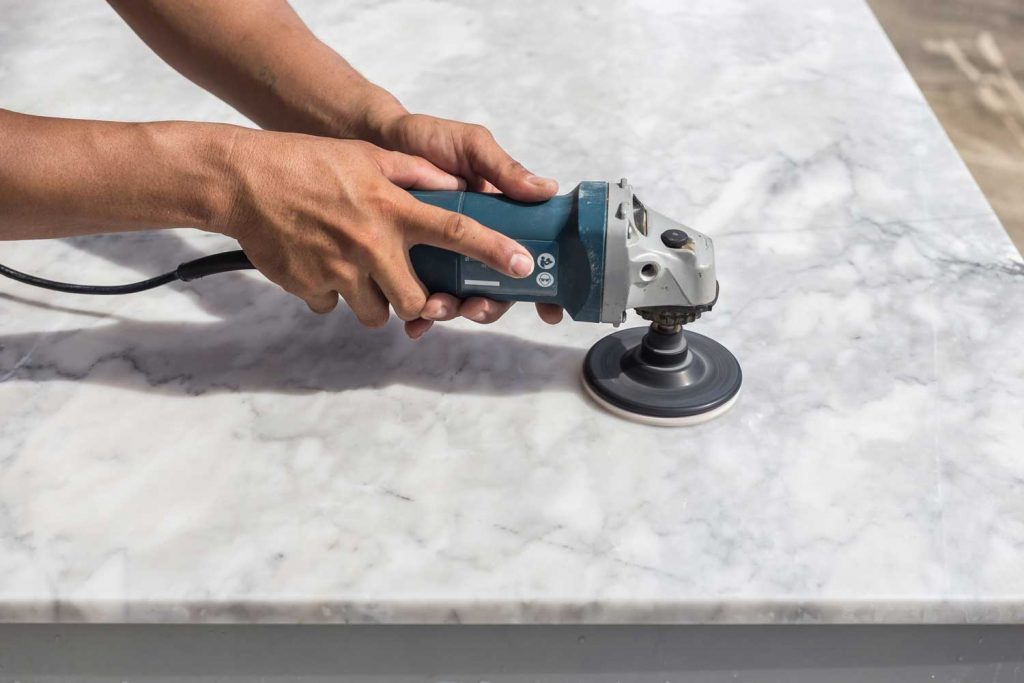
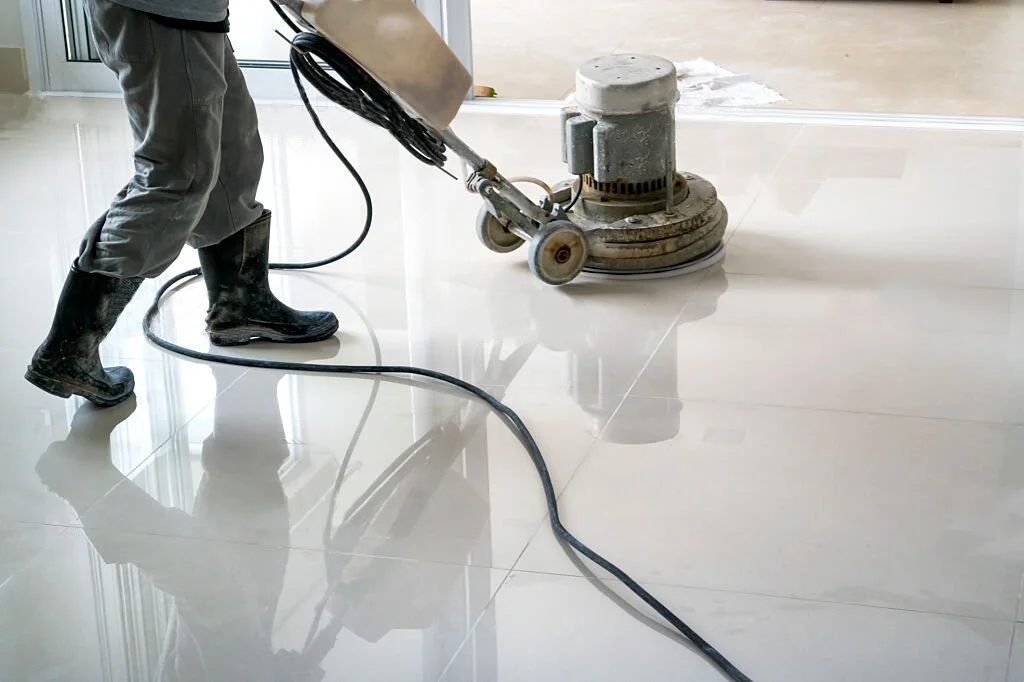
Honing uses progressively finer diamond abrasives to refine the terrazzo surface. The initial grit is selected based on the depth of scratches, etching, lippage and previous damage. Starting too aggressively can remove more material than necessary, while starting too gently may fail to correct the problem.
The aim is to create a flat, uniform surface before a high polish is attempted. This is the stage that removes much of the visible wear, including dull traffic paths and light surface scratching. In some cases, especially where etching or wear is minor, a full grinding sequence is not required. A controlled honing and polishing service may be enough.
Polishing for clarity and sheen
Once the floor has been honed evenly, finer diamonds and material-appropriate polishing methods bring the desired level of reflectivity to the surface. Polishing should enhance the natural appearance of the aggregate rather than create an artificial-looking coating.
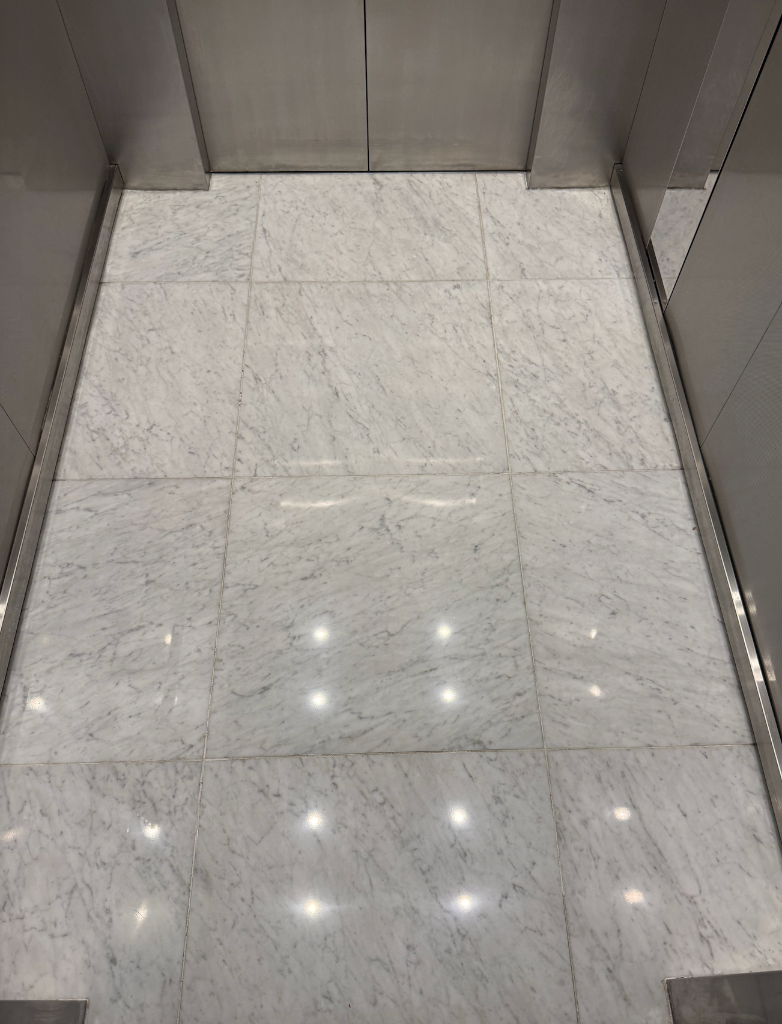
The right finish depends on the setting. A satin or low-sheen finish can be practical in busy households and hospitality venues where slip resistance and easy maintenance are priorities. A higher polish may suit formal entrances, premium retail settings and low-abrasion residential spaces. Higher gloss can look impressive, but it will show scratches, marks and poor cleaning practices more readily.
Protection and curing
After polishing, an appropriate penetrating sealer or surface protector may be applied where the terrazzo type and location require it. This improves resistance to staining but does not make the floor maintenance-free. Sealers must be selected carefully, as the wrong product can alter appearance, trap moisture or create a film that later requires removal.
The floor should be allowed to dry and cure as directed before being returned to normal traffic. In commercial premises, restoration is often planned in stages or outside trading hours to limit disruption while allowing the finish to develop correctly.
When polishing is not the right first step
Not every dull terrazzo floor needs immediate polishing. Sometimes the issue is a build-up of detergent residue, poorly maintained sealer or old floor finish rather than damage to the terrazzo itself. A professional clean and coating removal process may reveal a far better surface without substantial mechanical work.
Polishing also cannot correct every issue on its own. Deep cracks, widespread hollow areas, moisture problems or loose sections of terrazzo should be investigated before restoration proceeds. Polishing over unstable material may improve the appearance briefly, but it does not resolve the underlying defect.
Slip safety needs consideration as well. Polished terrazzo can become slippery when wet, particularly near entrances, bathrooms, pools or food service areas. The floor's location, drainage, cleaning regime and expected foot traffic should guide the final level of sheen and any additional slip-management measures.
Maintaining a polished terrazzo floor
A polished floor stays attractive when maintenance prevents abrasion and avoids chemical damage. Regular dry mopping removes the grit that causes fine scratching. Wet cleaning should use a pH-neutral stone and terrazzo cleaner diluted according to directions, followed by a clean mop or machine pad that does not redistribute dirty water.
Avoid acidic cleaners, bleach-heavy products, harsh degreasers, scouring powders and household remedies such as vinegar. These products may appear effective at first but can compromise the finish, leave residue or cause etching that requires professional correction.
Entry mats are one of the simplest and most effective protections for both homes and commercial properties. They reduce the amount of abrasive material carried onto the floor, particularly during wet weather. In high-traffic areas, a planned maintenance programme is usually more cost-effective than waiting until the entire surface is visibly dull.
Watch for these signs that professional attention may be needed:
- dull paths forming through entrances, hallways or reception areas
- cloudy patches that remain after routine cleaning
- visible scratches, etch marks, chips or open pinholes
- peeling, yellowing or uneven topical coatings
- stains that do not respond to approved pH-neutral cleaning
Choosing a specialist for terrazzo restoration
Terrazzo is often treated as though it were an ordinary hard floor, but the quality of the restoration depends on material knowledge, controlled diamond work and an accurate reading of the surface. A provider should be able to explain the terrazzo type, the likely cause of the deterioration, the proposed level of honing, and how the finish will be protected afterwards.
For Sydney property owners and facility managers, this assessment is especially valuable before committing to a high-gloss result or extensive grinding programme. Sydney Stone Care approaches restoration with the condition and long-term performance of the surface in mind, helping preserve the original character of premium mineral finishes rather than masking wear with temporary coatings.
A terrazzo floor does not need to look brand new to look exceptional. With the right restoration method and a disciplined maintenance routine, its natural depth, colour and lasting quality can remain a defining feature of the property for many years.