
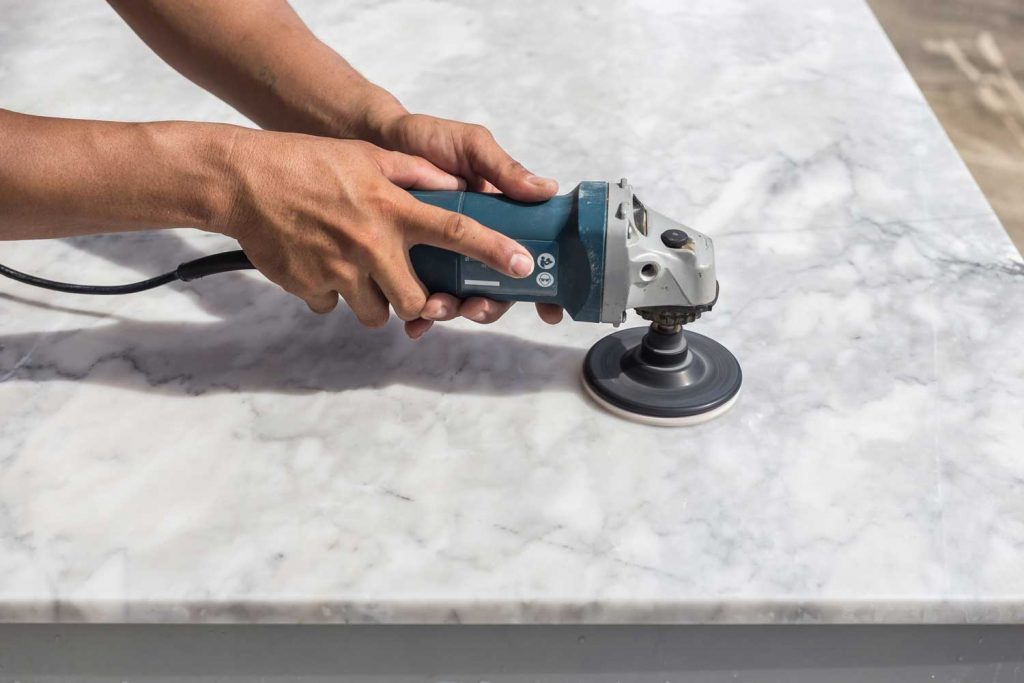
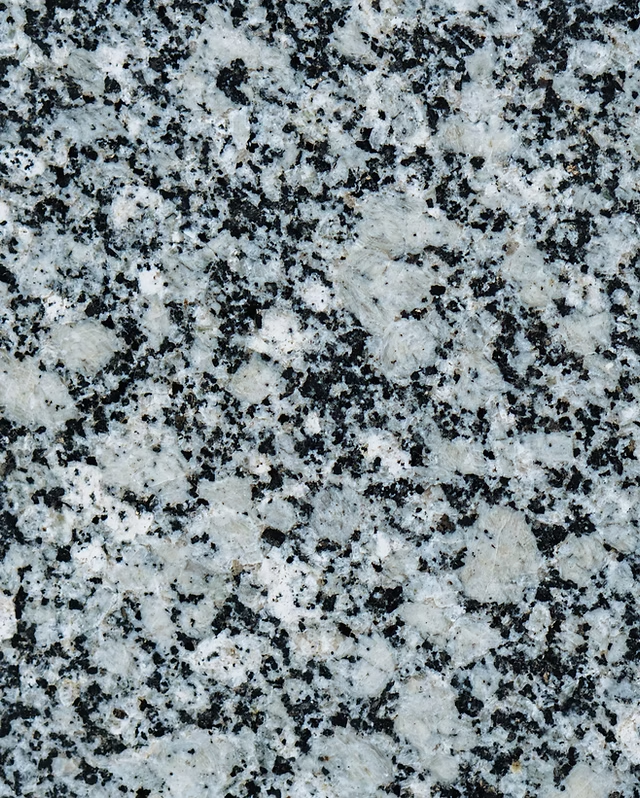
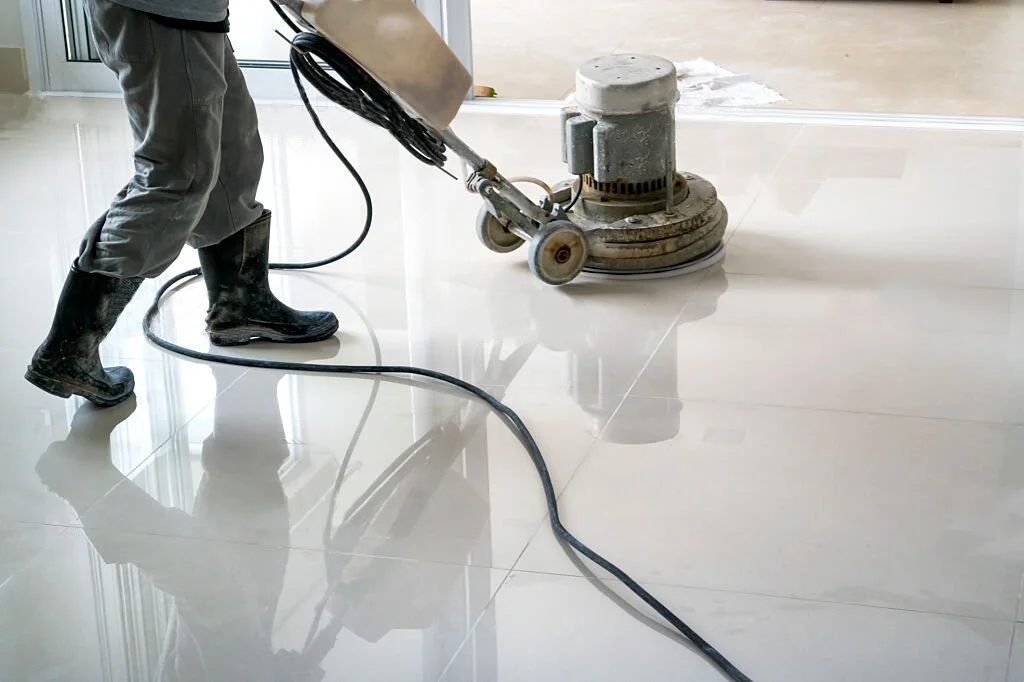
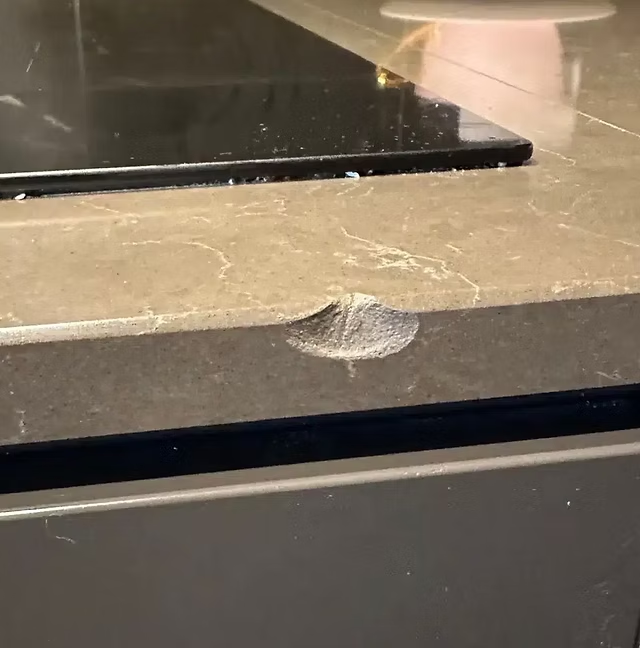
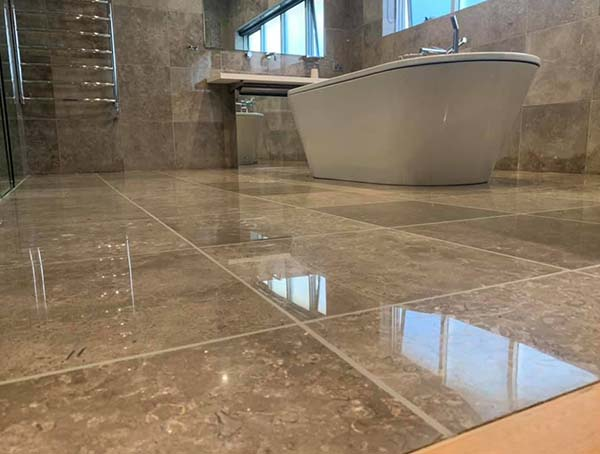

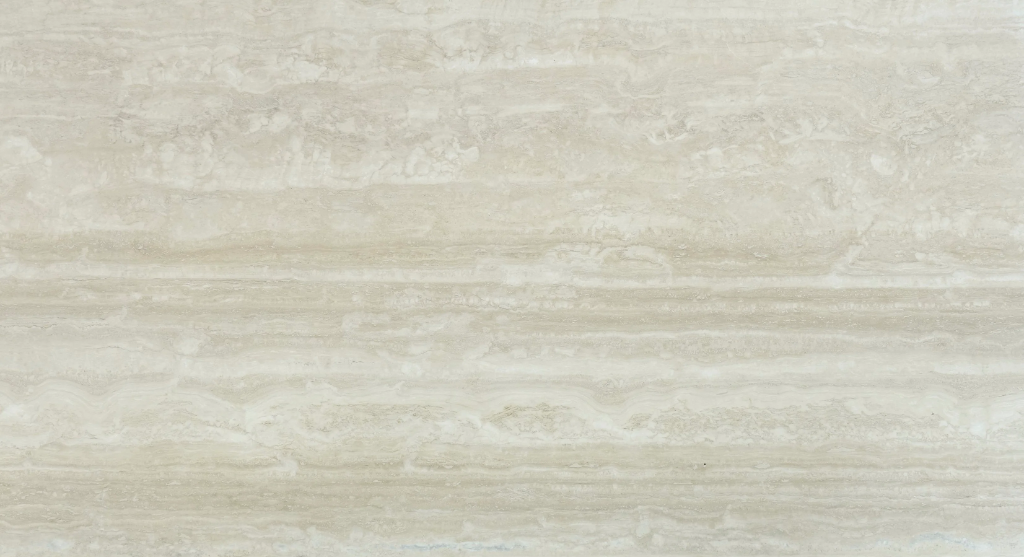
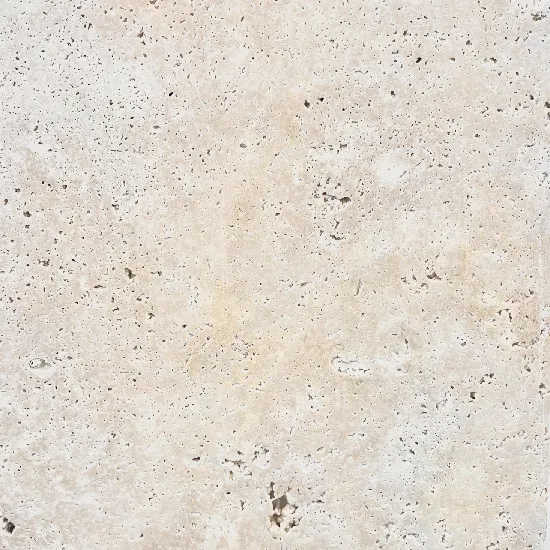
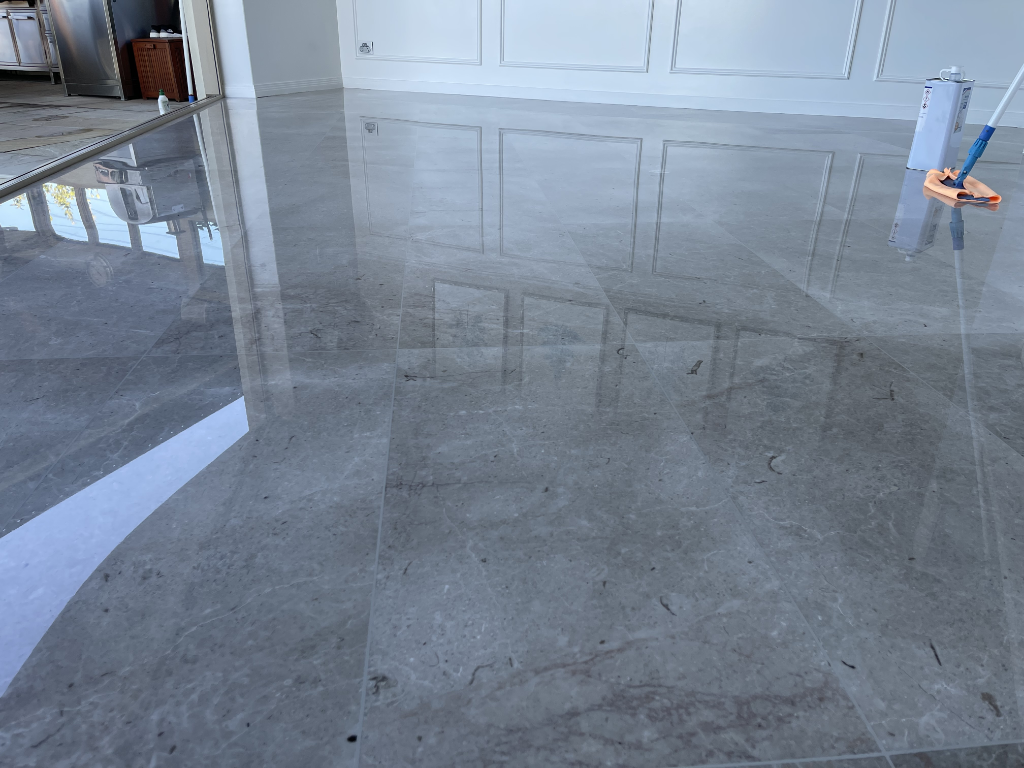
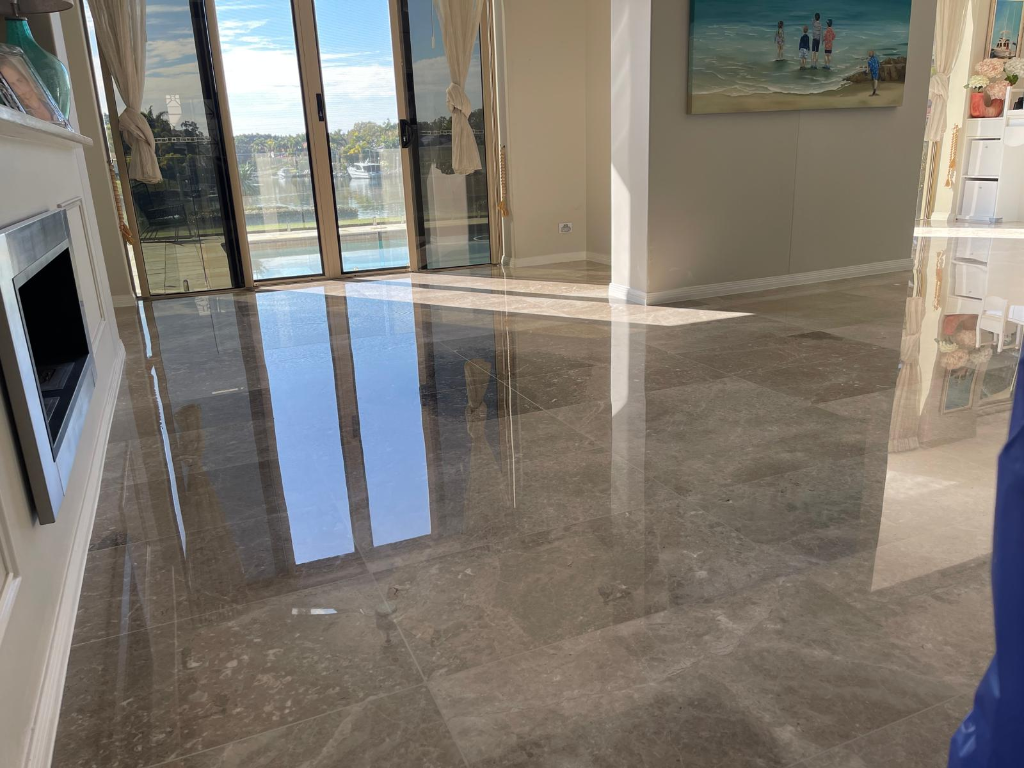
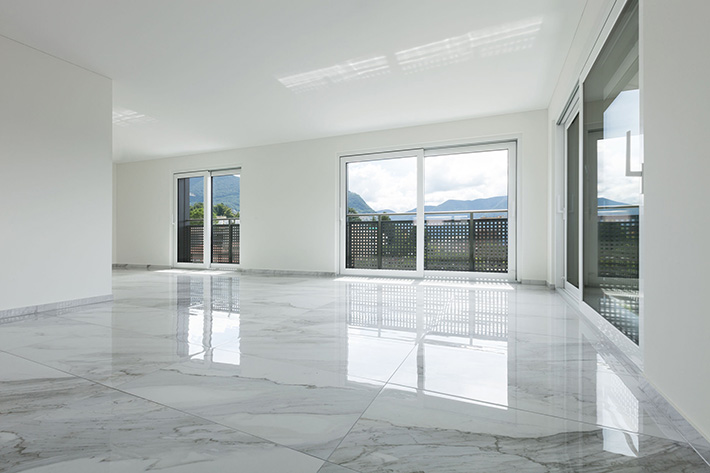
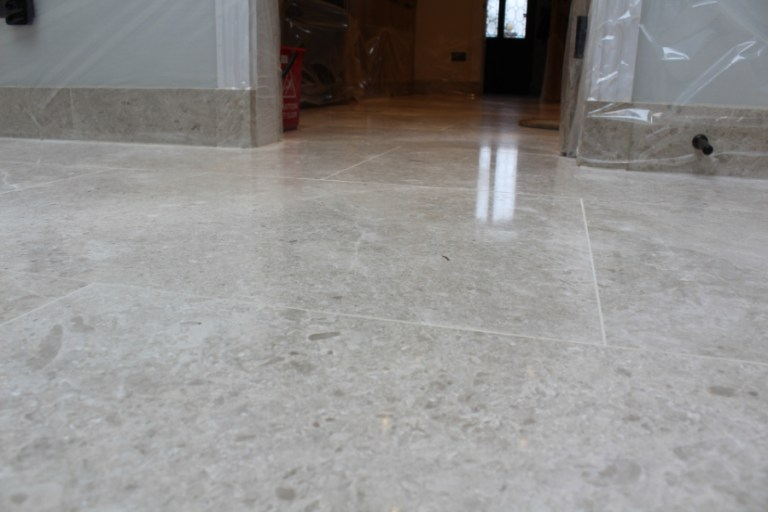
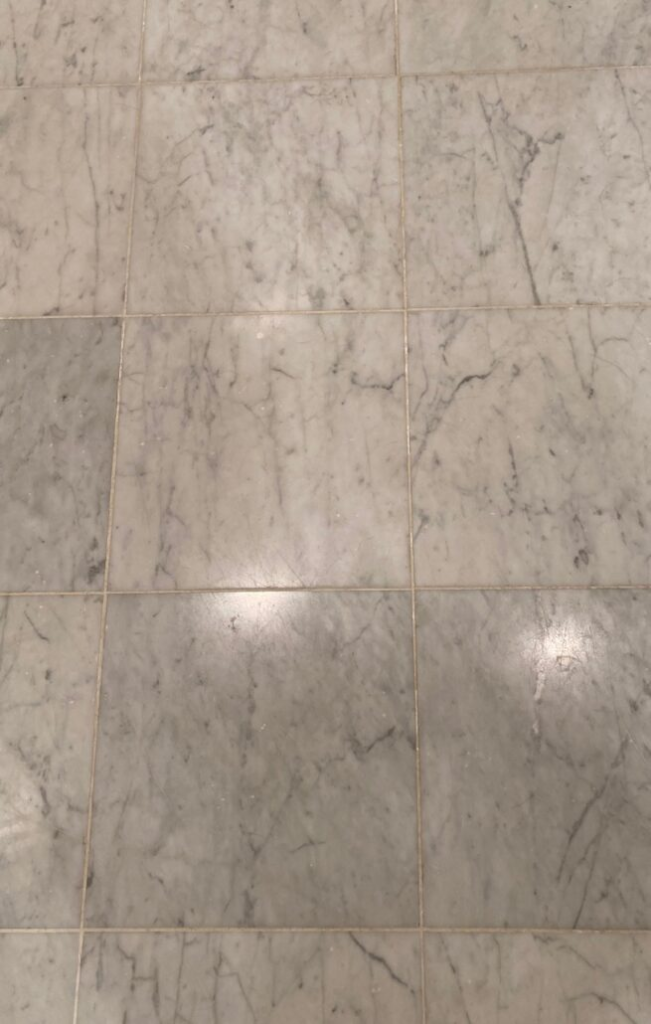
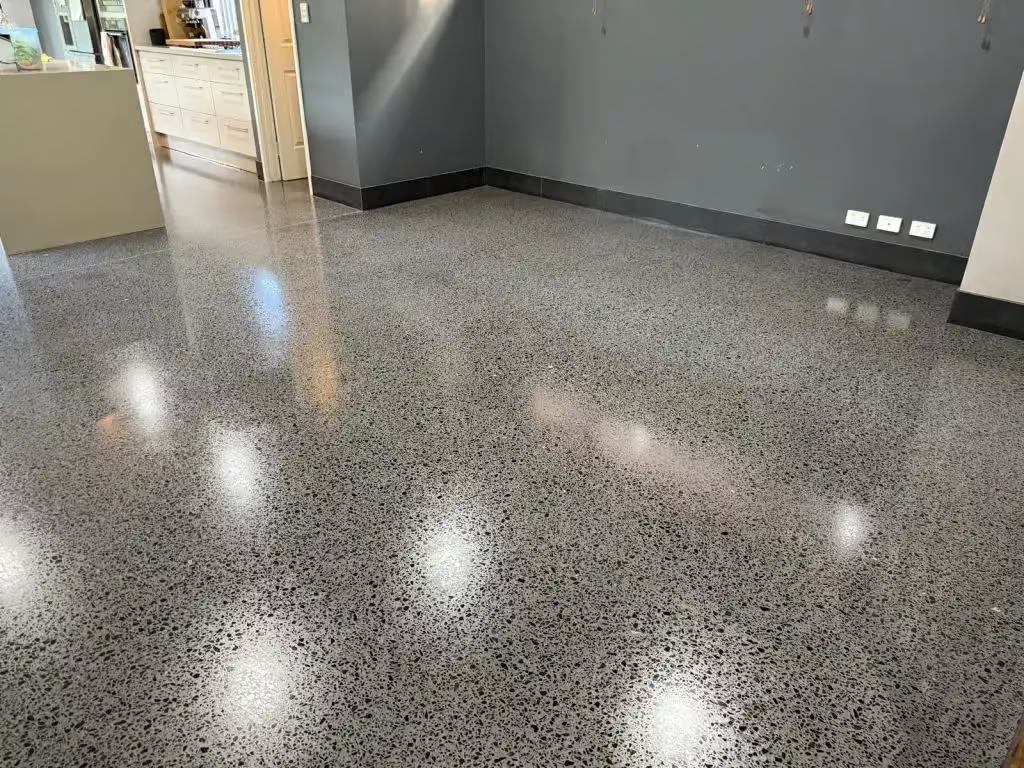
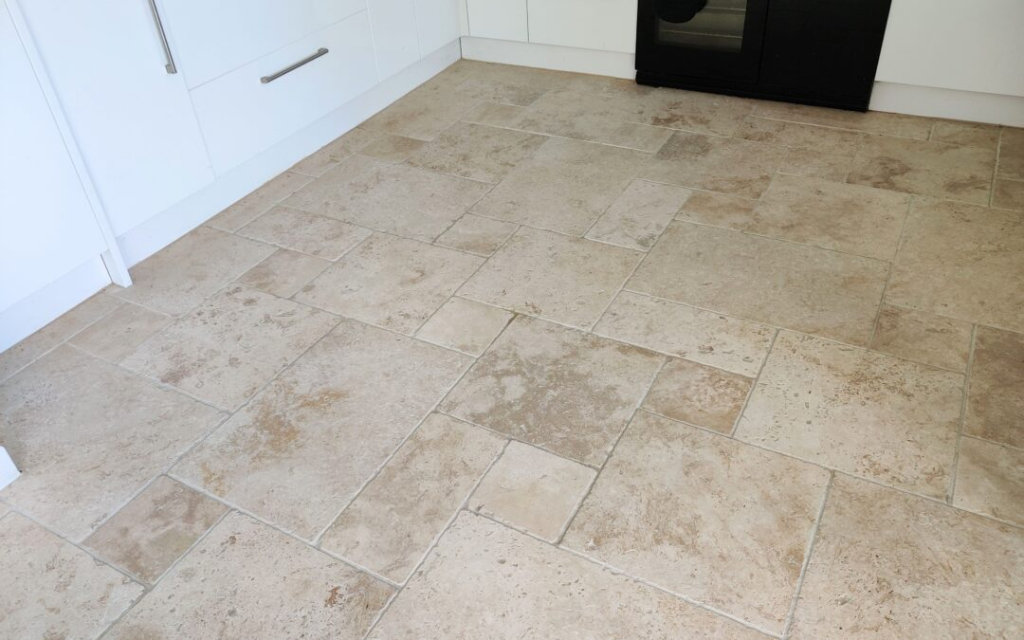
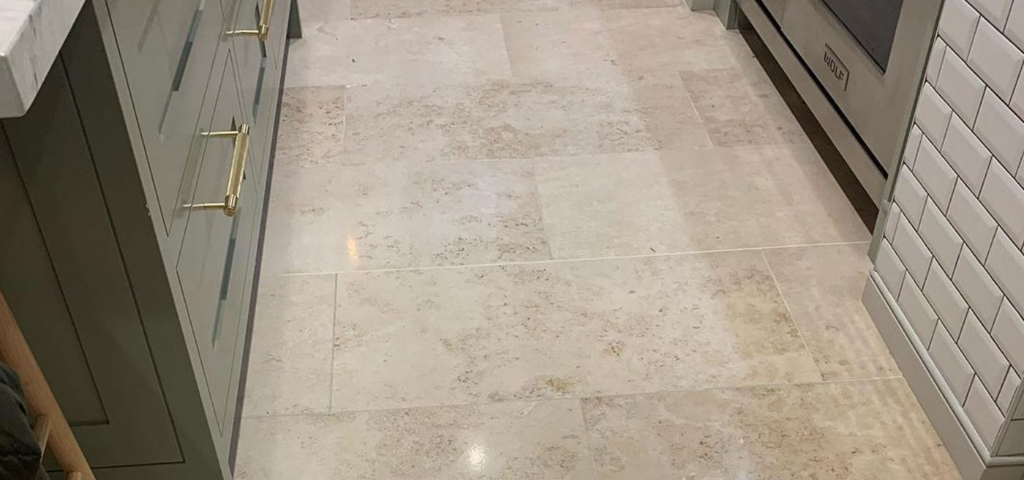
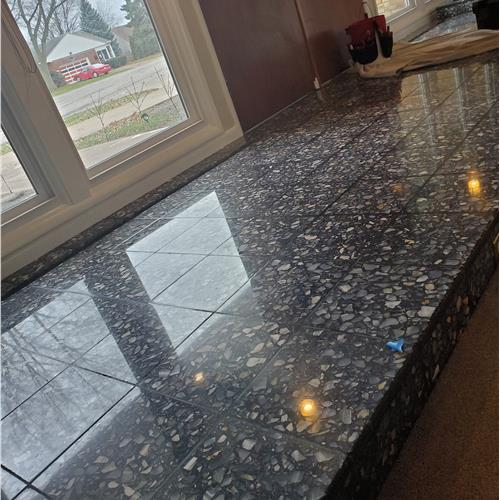
A dull marble foyer, etched limestone benchtop or stained travertine floor can make an otherwise well-kept property look tired. When weighing up professional stone restoration versus DIY, the central question is not simply which option costs less today. It is whether the chosen treatment protects the stone, restores its finish and avoids turning a manageable issue into permanent damage.
Natural stone is not a uniform surface. Marble, limestone, travertine, granite and engineered stone each respond differently to moisture, acids, abrasives, heat and cleaning products. The right approach depends on the material, its existing finish, the cause of the damage and the expectations for the space.
Why Natural Stone Needs Material-Specific Care
Stone is often chosen for its character, durability and premium appearance. Yet many natural stones are porous, reactive or both. A product that appears harmless on a ceramic tile can leave marble permanently etched. A high-gloss polish used incorrectly may create an uneven finish or make a floor more slippery. Excess water can also carry salts through some stone types, contributing to staining or efflorescence.
Routine care is usually straightforward. Promptly blotting spills, using a pH-neutral stone cleaner and keeping abrasive grit off floors will help preserve the surface. Restoration is different. It involves correcting physical or chemical changes to the stone itself, rather than simply removing surface dirt.
A professional assessment identifies whether a mark is a stain, an etch, surface wear, moisture-related discolouration, failed sealer residue or damage beneath the surface. These issues can look similar at first glance, but they require very different treatments.
Professional Stone Restoration Versus DIY: The Real Difference
DIY stone care is suitable for some low-risk maintenance tasks. Homeowners and facility teams can safely maintain many surfaces with the correct neutral cleaner, soft mop or microfibre cloth, and appropriate spill response. This regular attention reduces the need for major corrective work.
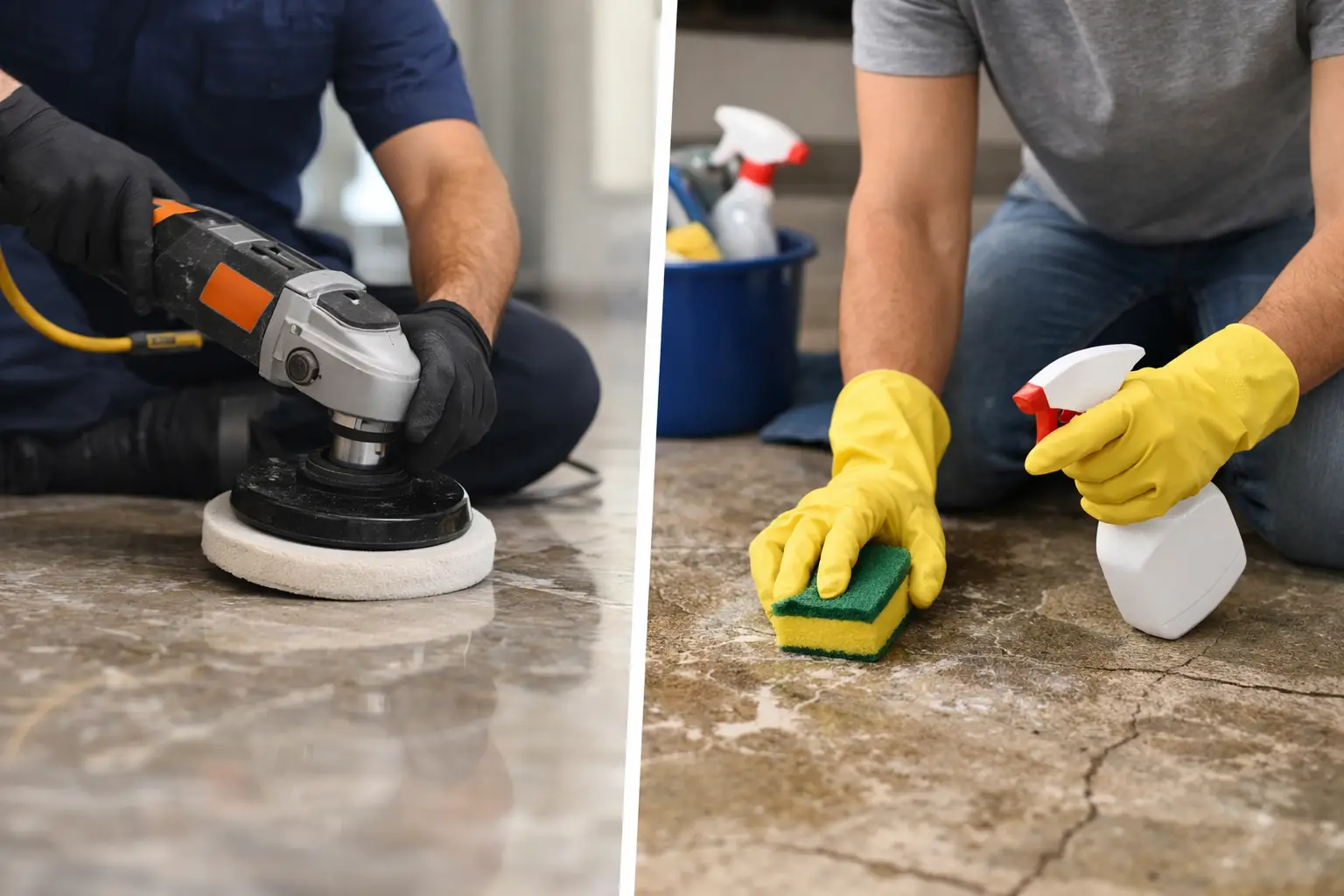
The line is crossed when the surface needs cutting back, honing, polishing, stain extraction, crack repair, grout work, deep cleaning or resealing. These processes require specialist machinery, stone-specific compounds and controlled technique. The goal is not simply to make stone look cleaner. It is to create an even, durable result that respects the stone’s natural finish.
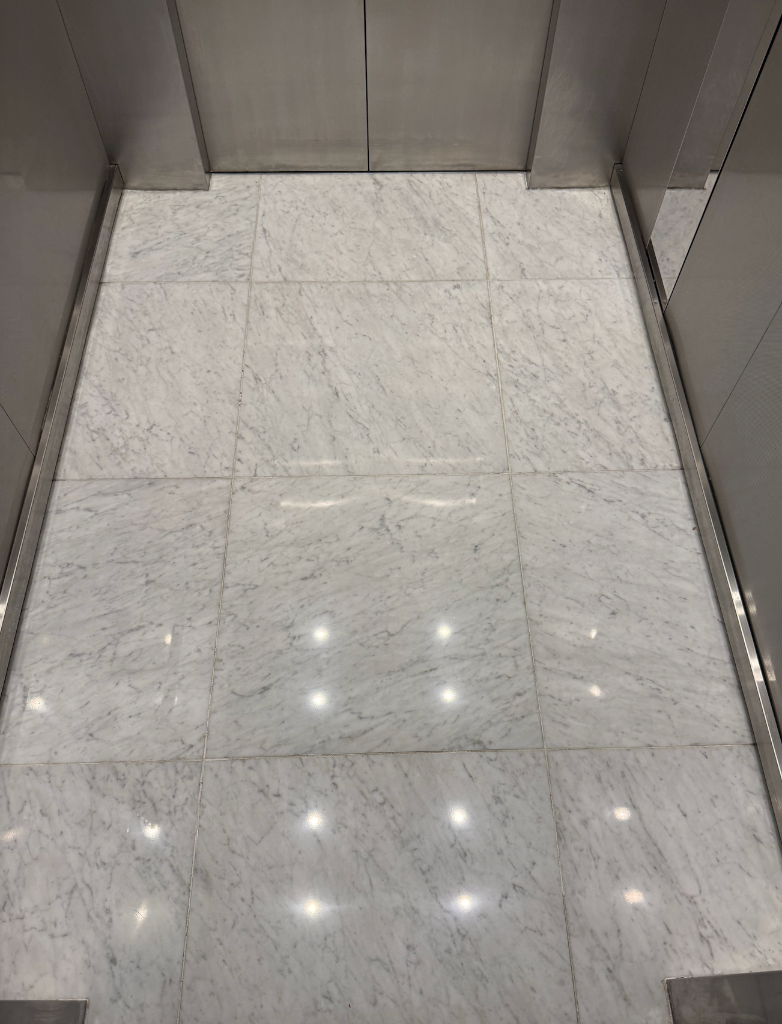
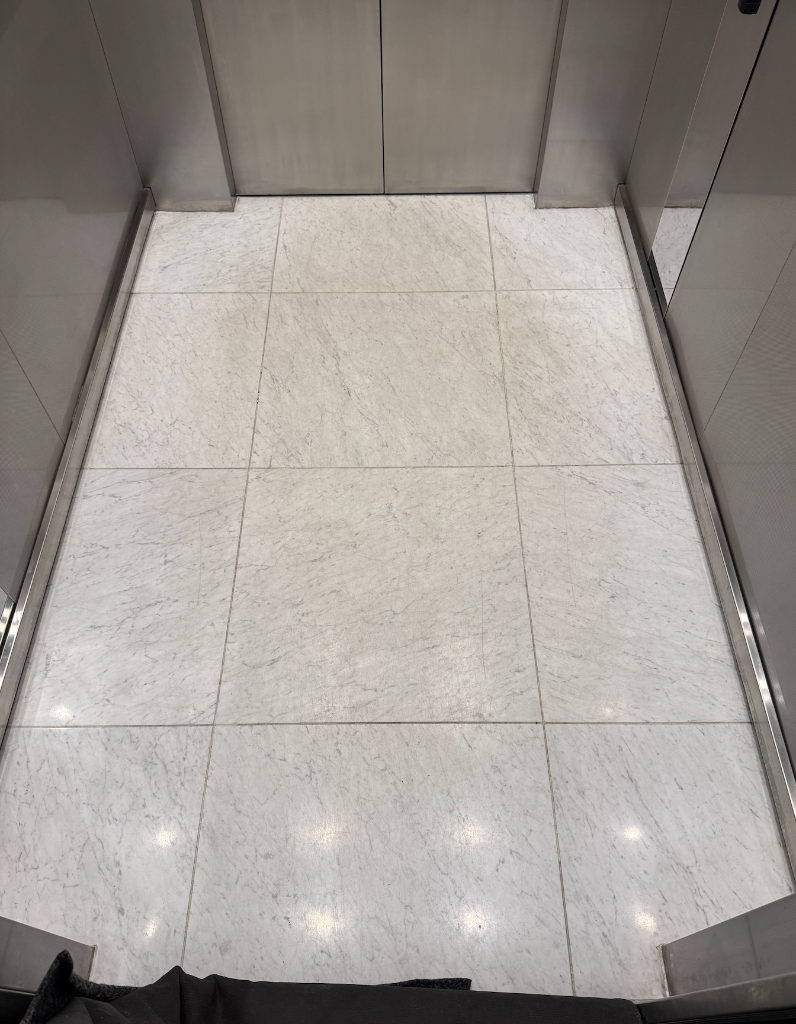
Professional restoration technicians work through a measured process. They identify the stone and finish, test a discreet area, establish the cause of the problem and select a treatment with the least invasive effective method. On a marble floor, for example, this may involve mechanical honing to remove etching and traffic wear, followed by refinishing and sealing where appropriate. On a sandstone exterior, the priority may be controlled cleaning that removes soiling without damaging the softer surface or driving moisture further into it.
DIY products rarely provide that level of control. Labels may use broad terms such as “stone safe”, but this does not guarantee suitability for every stone type, finish or existing sealer. A polished surface, honed surface and textured finish can all react differently to the same product.
The Risks Behind a Quick Fix
The main risk with DIY restoration is not always immediate damage. Sometimes the surface looks improved briefly, only for unevenness, hazing, rapid re-soiling or staining to emerge later. A topical coating can mask dullness while creating a patchy sheen. An unsuitable sealer may trap moisture, alter the colour or leave the stone difficult to maintain.
Acidic cleaners are a common concern. They can react with calcium-based stones such as marble, limestone and travertine, leaving dull etched patches that cannot be wiped away. Similarly, abrasive pads and powders can scratch polished stone or create inconsistent areas of sheen. Attempting to polish one affected spot by hand often makes the difference between that area and the surrounding floor more noticeable.
There is also the issue of diagnosis. Dark marks around a shower, for instance, may relate to soap residue, absorbed moisture, mould, failed sealant or an underlying waterproofing concern. Treating the visible symptom without understanding the source may waste time and money while the underlying problem continues.
For commercial spaces, an unsuccessful DIY attempt can have broader consequences. A hotel lobby, retail entry or office reception needs consistency across a large area. Patch repairs, visible swirl marks and slippery residue can affect presentation, safety and maintenance costs. Scheduled professional work also allows restoration to be planned around trading hours, tenant access and site requirements.
When DIY Maintenance Makes Sense
DIY does have a practical place in a sound stone-care plan. If the stone is in good condition, regular maintenance can extend the time between restoration services. The key is to keep the task within the limits of routine care.
Use clean, soft tools and a pH-neutral cleaner formulated for natural stone. Attend to food, wine, oil and acidic spills promptly by blotting rather than scrubbing. Use entry mats in high-traffic areas to reduce grit underfoot, and avoid leaving wet items directly on porous stone benchtops or floors.
It is also sensible to follow the maintenance advice provided after professional sealing or restoration. Some sealed surfaces still require careful cleaning, and no sealer makes natural stone completely stain-proof. Sealers slow absorption and make cleaning easier, but they do not prevent etching, impact damage or wear from abrasive traffic.
When to Call a Stone Restoration Specialist
Professional assessment is the safer option when the surface has a visible change in colour, texture or sheen, particularly when the cause is uncertain. It is also recommended before applying any coating, strong cleaning product or stain treatment to premium stone.
Specialist restoration is generally warranted for:
- etched or dull marble, limestone and travertine
- deep or persistent staining from oil, rust, organic matter or moisture
- scratches, lippage, chips, cracks or worn traffic paths
- uneven sealing, hazing, peeling coatings or recurring efflorescence
- large floors and high-visibility commercial surfaces where consistency matters
The cost of professional work should be considered against the value of the material and the risk of replacement. Natural stone is often installed in areas where removal is disruptive and expensive, including bathrooms, kitchens, foyers, balconies and shared building entries. A controlled restoration can preserve the existing surface and defer far more substantial replacement costs.
What Quality Restoration Should Deliver
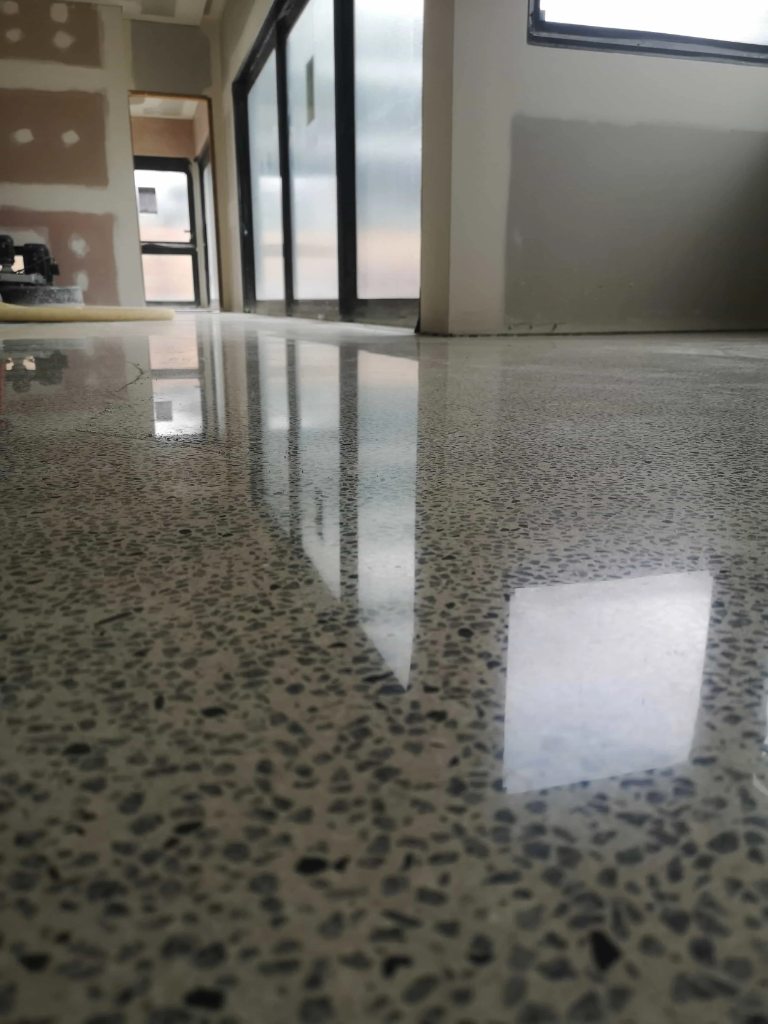
A professional result is not always about producing a high shine. Many premium stone finishes are intended to be honed, matte, textured or naturally varied. The correct outcome is one that is even, clean, appropriate to the stone and practical for how the area is used.
For a residential kitchen, that may mean removing etching from a marble island while retaining a soft honed finish. For a strata entrance, it may mean restoring a worn stone floor to an even appearance that can withstand daily traffic. In a hospitality setting, it may mean planning periodic maintenance so the stone continues to present well without waiting until it becomes heavily worn.
A specialist should also provide clear advice on ongoing care. Restoration without a maintenance plan can be short-lived, particularly in wet areas, outdoor spaces and busy commercial environments. The best results combine corrective work with suitable cleaning methods, protective measures and timely follow-up.
Sydney Stone Care approaches natural stone as a long-term asset, not another hard surface to be cleaned with a general-purpose product. That distinction matters when the finish, value and lifespan of the stone are at stake.
Before reaching for a DIY polish or stain remover, consider what changed in the surface and why. A careful professional assessment can protect the character of the stone and give you a result that continues to look right long after the initial treatment.