
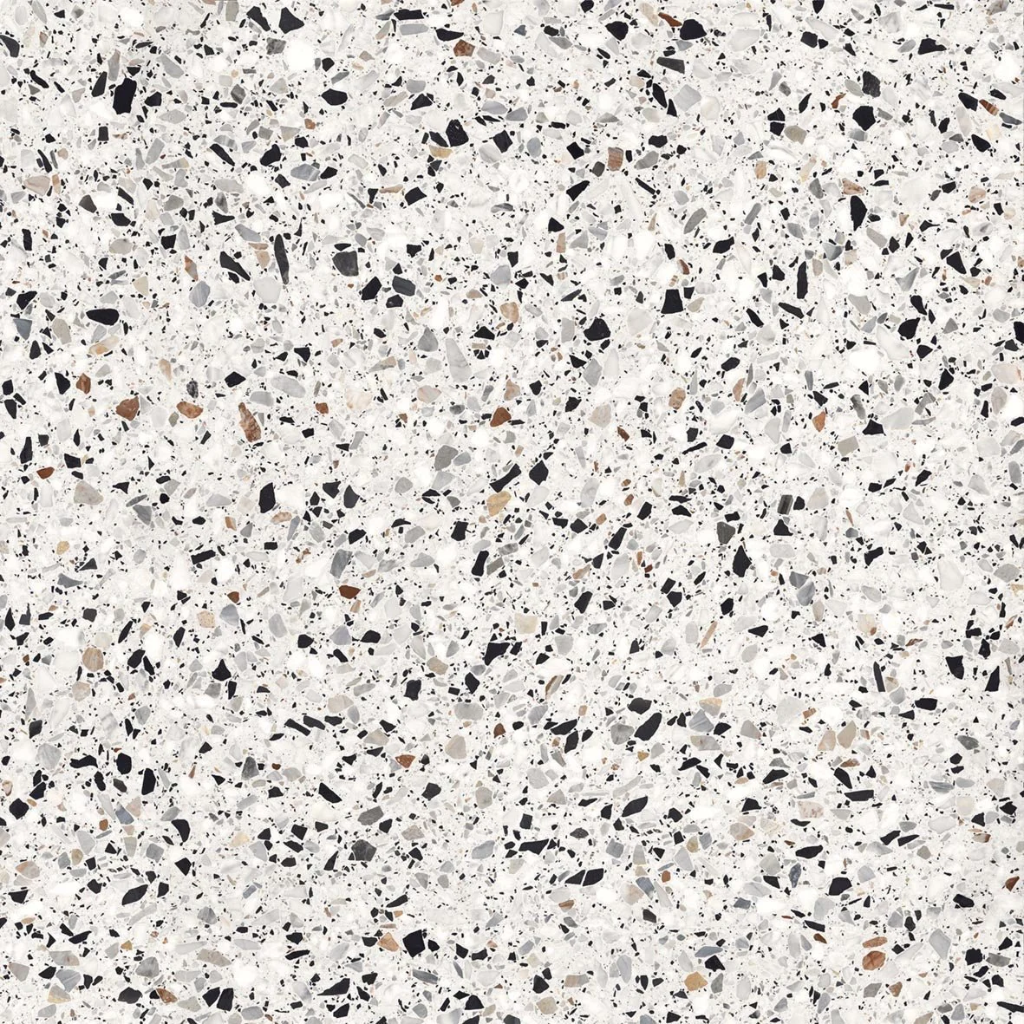
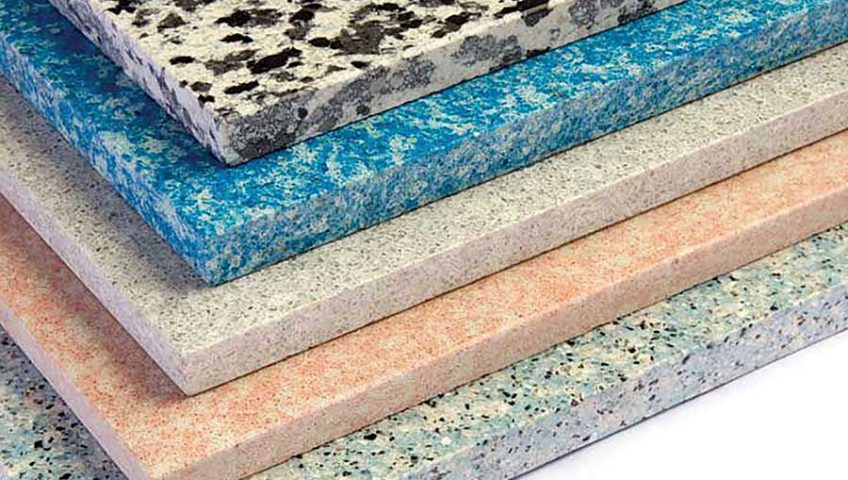
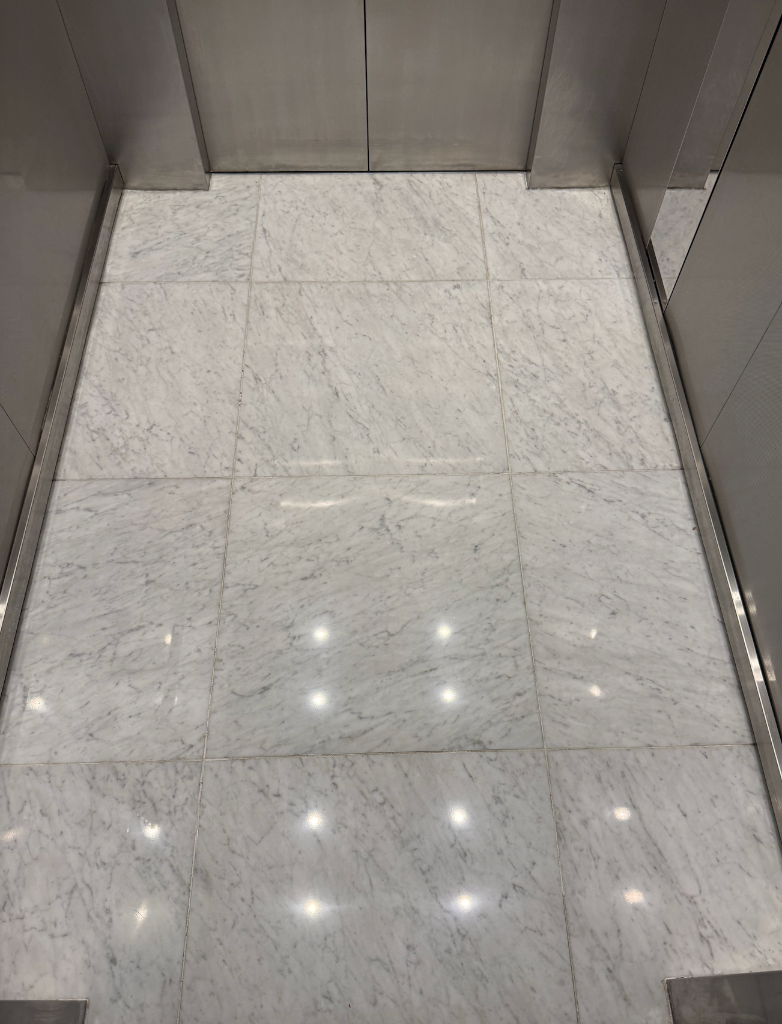
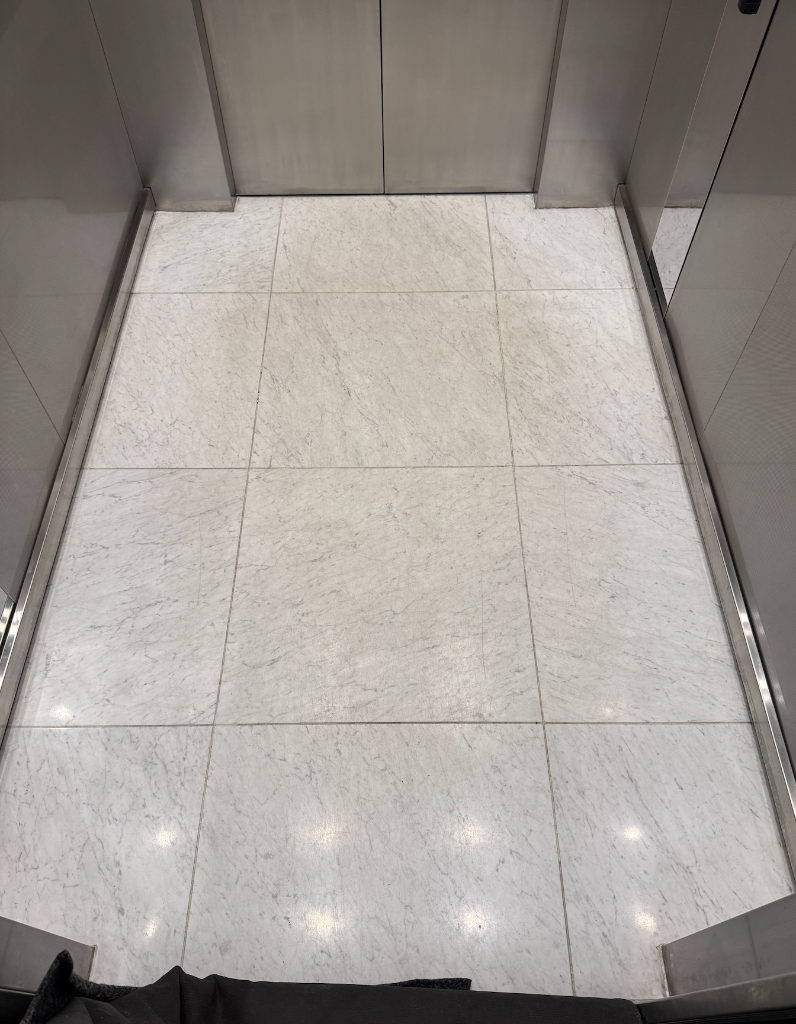
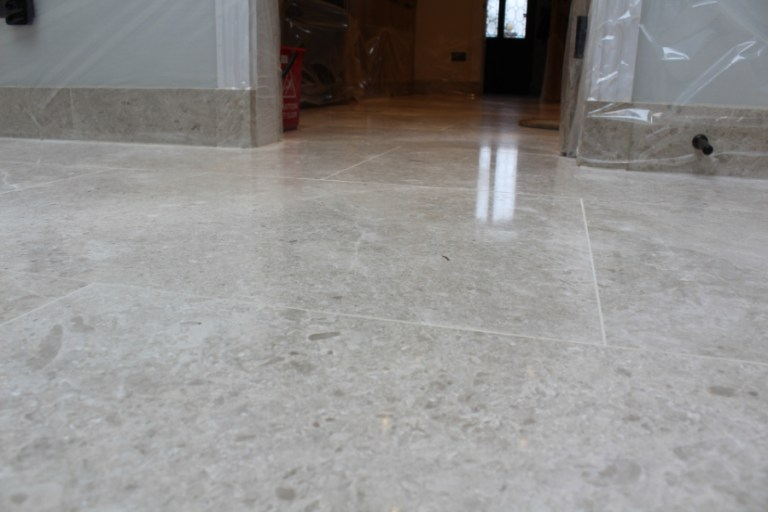
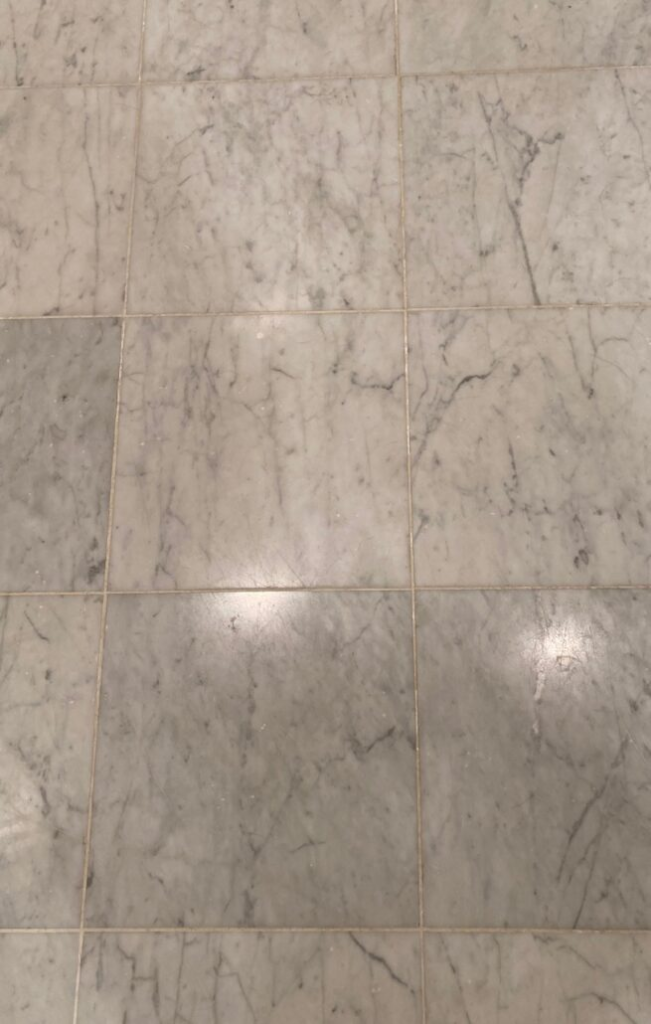
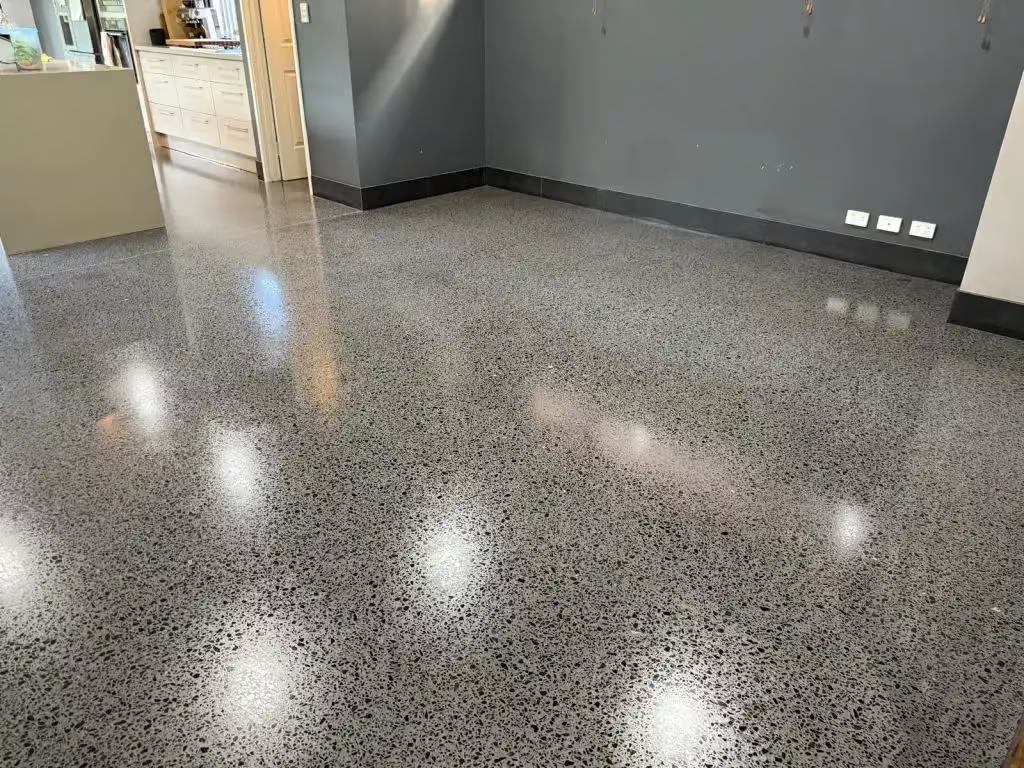
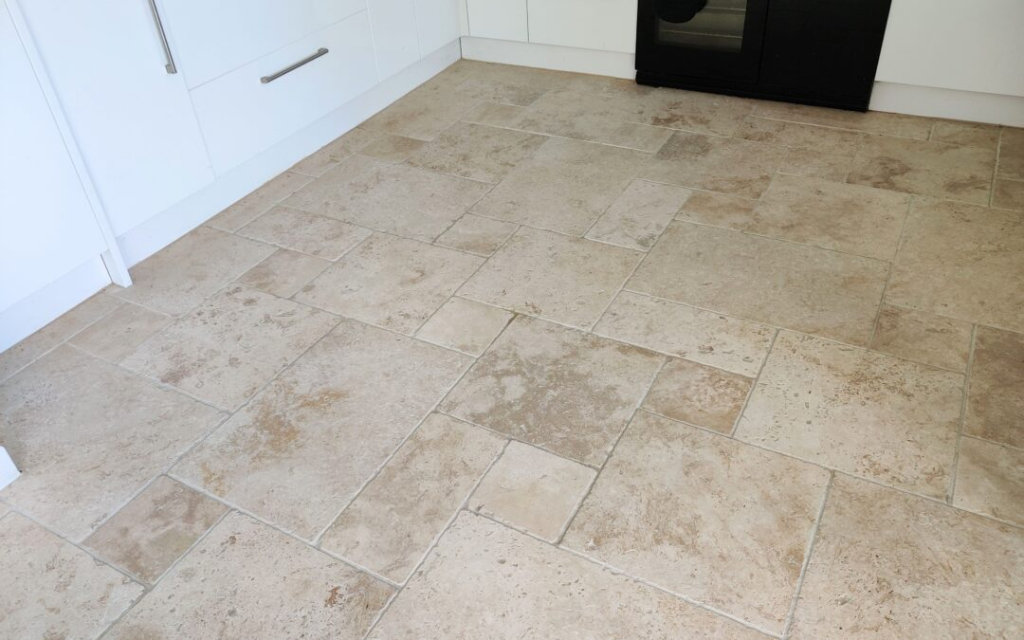
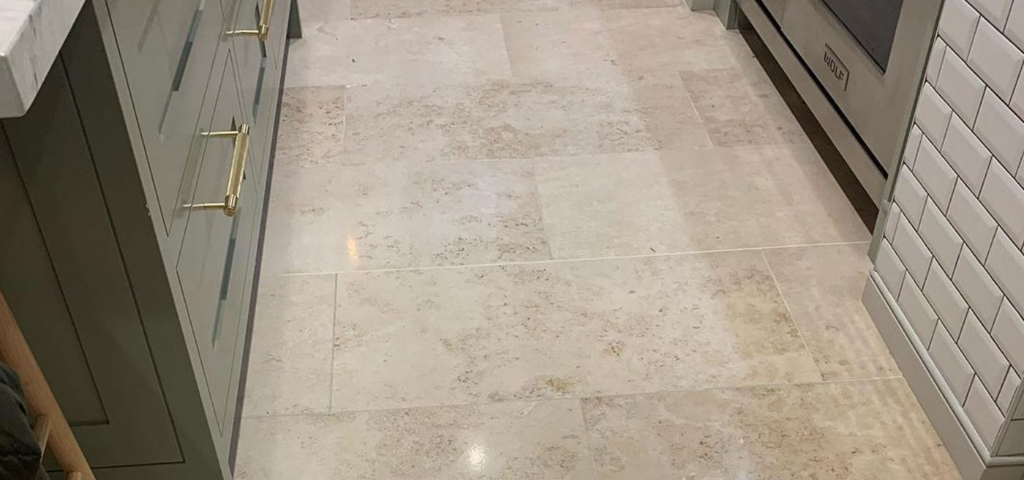
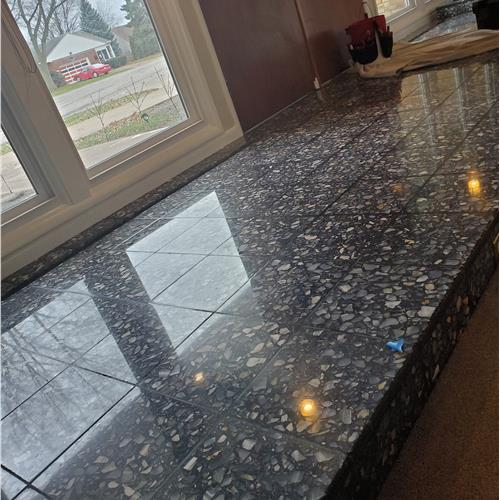
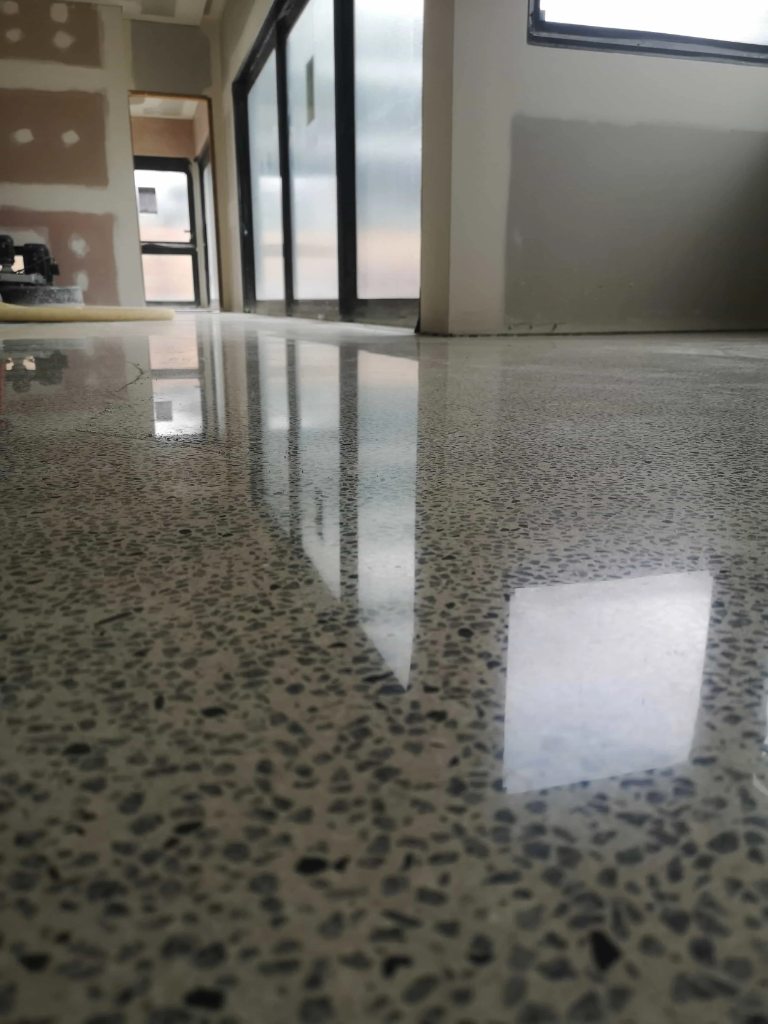
A cooking-oil splash beside a marble benchtop, tyre marks on a sandstone driveway or grease tracked through a commercial foyer can leave a dark patch that ordinary cleaning will not shift. To remove oil stains from stone properly, the treatment must draw the oil out of the surface rather than simply wash over it. The wrong cleaner can deepen the problem, strip a sealer or permanently etch sensitive stone.
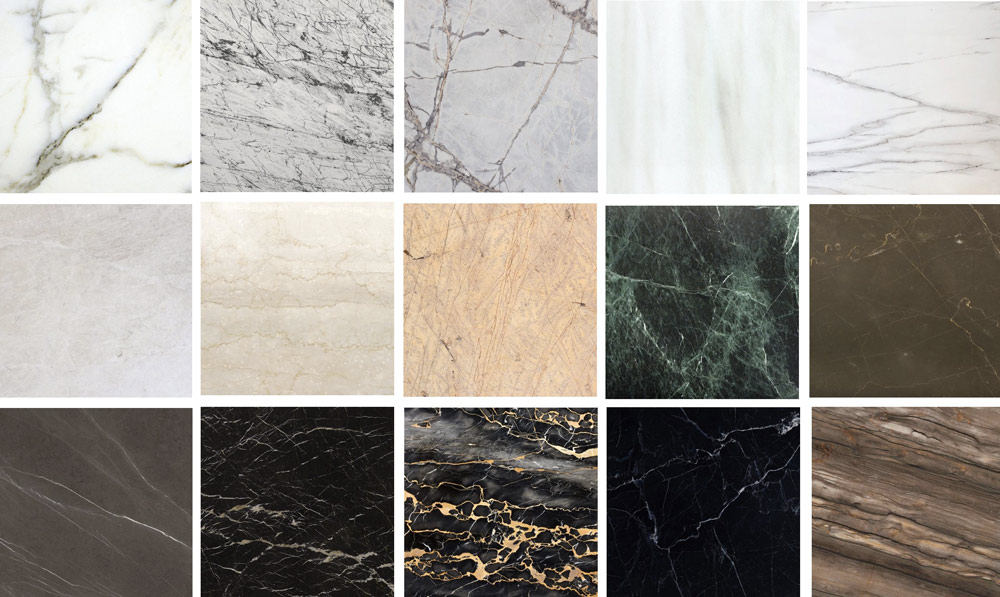
Natural stone is not one material. Marble, limestone, travertine, granite, sandstone, bluestone and engineered stone all respond differently to moisture, chemicals and abrasion. A careful approach protects both the appearance of the surface and the long-term value of the finish.
Why oil stains are difficult to remove from stone
Oil is absorbed into the microscopic pores of many stone surfaces. The longer it remains, the further it can travel below the visible stain. This is why a fresh spill may look manageable, while an older mark continues to show through after repeated mopping.
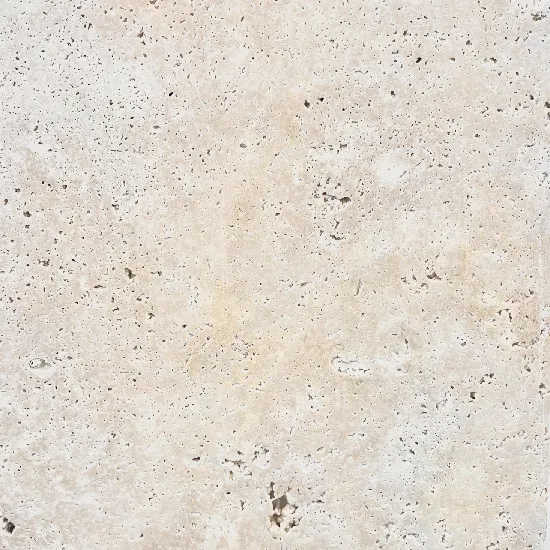
Porous stones such as sandstone, limestone, travertine and some unsealed granite are especially prone to absorption. Honed finishes can also reveal oil more readily than highly polished surfaces. On outdoor paving, heat from Sydney summers can drive oils deeper into the stone, while dust and foot traffic may create a larger, darker-looking patch around the original spill.
A surface sealer can slow absorption, but it does not make stone completely stain-proof. Sealers provide time to respond. They do not remove the need for prompt, appropriate cleaning.
First response: contain the spill without spreading it
For a fresh oil spill, avoid wiping it across the stone. Wiping pushes oil into a wider area and can force it into pores. Instead, blot gently with clean paper towel or a white absorbent cloth. Work from the outside of the spill towards the centre.
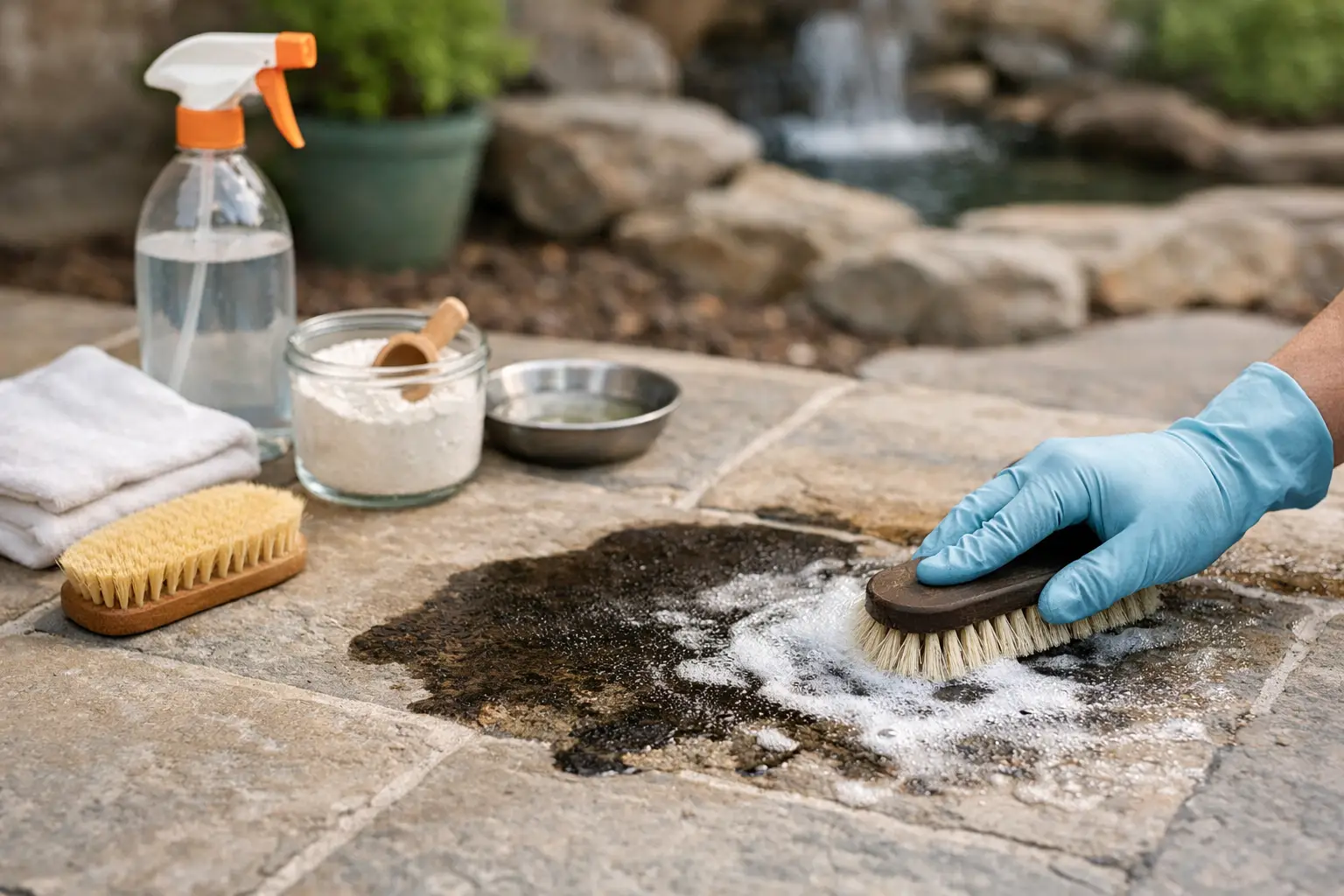
Once excess oil has been lifted, apply a dry absorbent material such as baking soda, cornflour or talc over the affected area. Leave it in place for several hours, or overnight where practical, then carefully sweep or vacuum it away. This can help draw surface oil upward before it has time to penetrate further.
Do not use coloured cloths, newspaper or unknown absorbent products. Dyes and inks can transfer to pale stone and create a second staining issue.
How to remove oil stains from stone with a poultice
For an established oil mark, a poultice is usually the most effective non-invasive method. A poultice is an absorbent paste applied over the stain. As it dries, it draws oil and contaminants from the stone pores into the paste.
The exact formulation depends on the stone type, finish, stain age and previous treatments. For this reason, test any method in an inconspicuous location first. A poultice that works on granite may not be suitable for polished marble or soft limestone.
Prepare the area carefully
Start by removing loose dirt with a dry microfibre cloth or soft brush. Clean the surrounding surface using a pH-neutral stone cleaner, then allow it to dry fully. This prevents general grime from being drawn into the stone during treatment.
Avoid household degreasers, dishwashing liquids and multi-purpose sprays unless they are confirmed safe for your particular stone. Many contain alkaline agents, solvents, fragrances or surfactants that can leave residues, dull the finish or interfere with later sealing.
Apply an appropriate poultice
A specialist stone poultice commonly combines a suitable absorbent powder with a stone-safe cleaning agent. The paste should be thick enough to stay in place but moist enough to maintain contact with the stain.
Apply it slightly beyond the edge of the visible mark, at approximately 5 to 10 millimetres thick. Cover the poultice loosely with plastic film and tape the edges. Pierce a few small holes in the film so the mixture dries slowly rather than too quickly. Slow drying gives the treatment time to draw oil from below the surface.
Leave the poultice for 24 to 48 hours, depending on the product and the stone. Once fully dry, lift it away with a plastic scraper or soft timber spatula. Do not use metal blades, steel wool or abrasive pads. Rinse only as directed for the stone and allow the area to dry before assessing the result.
It is common for a deep stain to need more than one application. Patience matters. Aggressive scrubbing or stronger chemicals often create irreversible surface damage before they remove the oil.
Products and methods to avoid
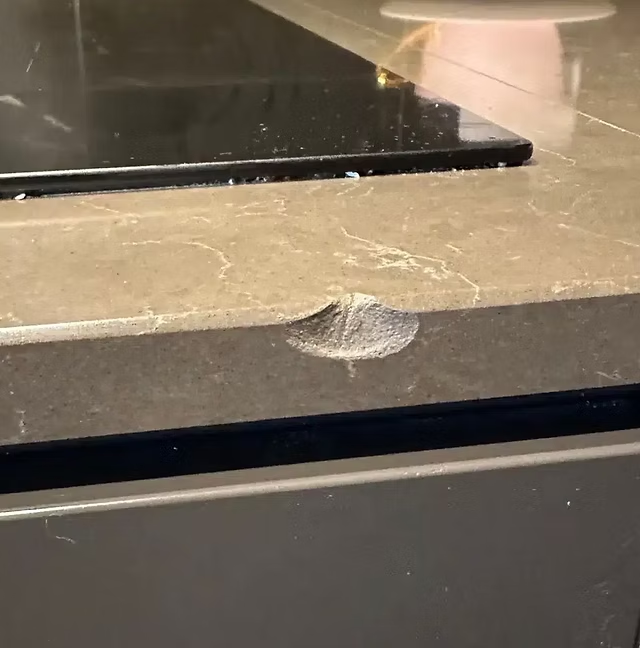
Several popular cleaning shortcuts are unsuitable for natural stone. Acidic products, including vinegar, lemon juice and many bathroom cleaners, can etch marble, limestone and travertine. Etching is not a stain - it is physical damage to the polished surface, often appearing as a dull or cloudy patch.
Bleach is also a poor choice for oil stains. It may affect dyes or organic discolouration, but it does not reliably extract oil. On some stones and grouts, it can cause bleaching, residue or deterioration.
Steam cleaning, high-pressure washing and harsh solvent use require caution as well. High pressure can erode soft exterior stone, disturb joints and drive moisture into vulnerable areas. Solvents may spread oily residues or affect sealers and adhesives. These approaches are best reserved for trained stone-care professionals who can assess the material and control the process.
Stone type changes the treatment
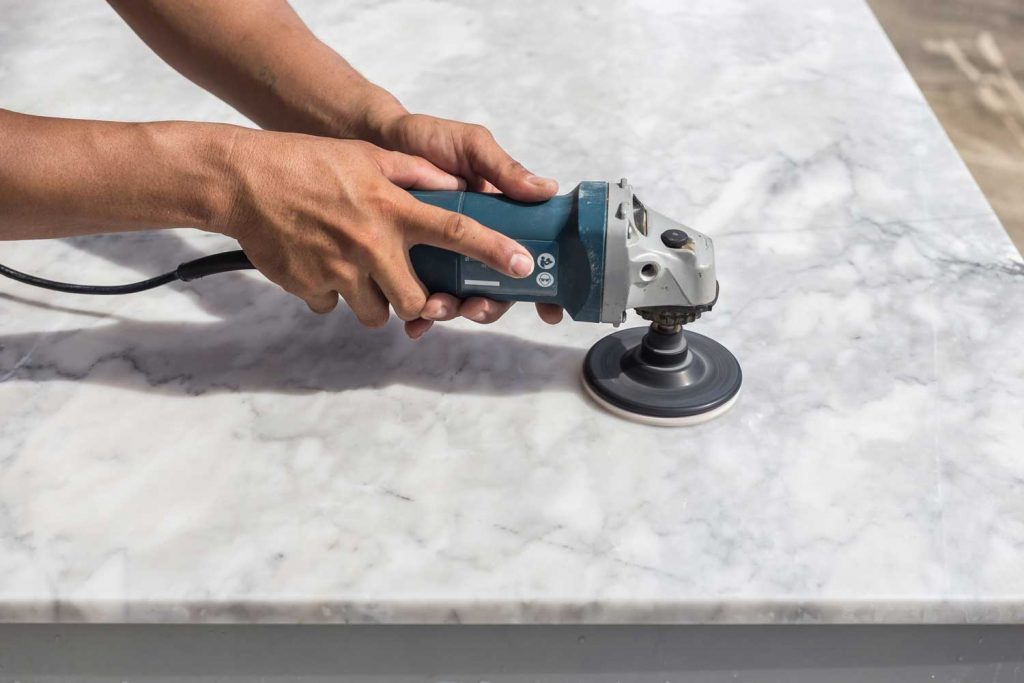
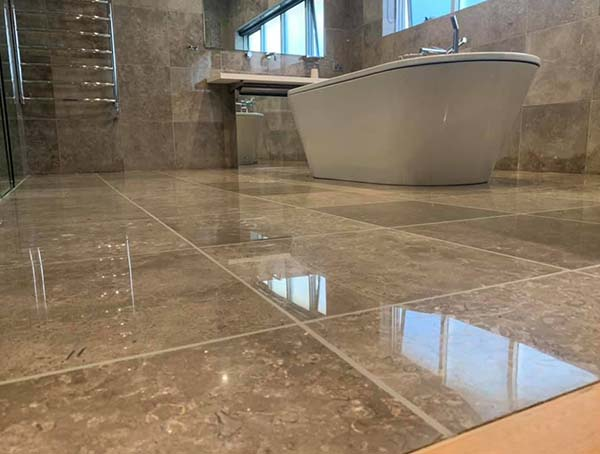
Polished marble and limestone demand the greatest care because they are acid-sensitive and can be easily scratched. A professional will usually use a material-specific poultice and may need to rehone or repolish the area if earlier cleaning has dulled the finish.
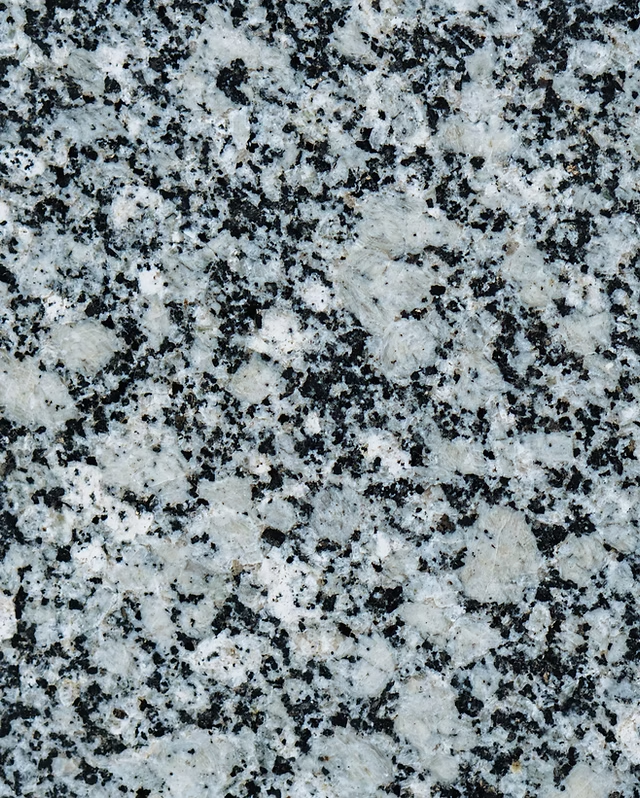
Granite is generally denser, but it can still absorb cooking oils and automotive fluids, especially where the sealer has worn away. Dark granite can conceal a stain initially, then reveal a patchy sheen or darkened area under certain lighting.
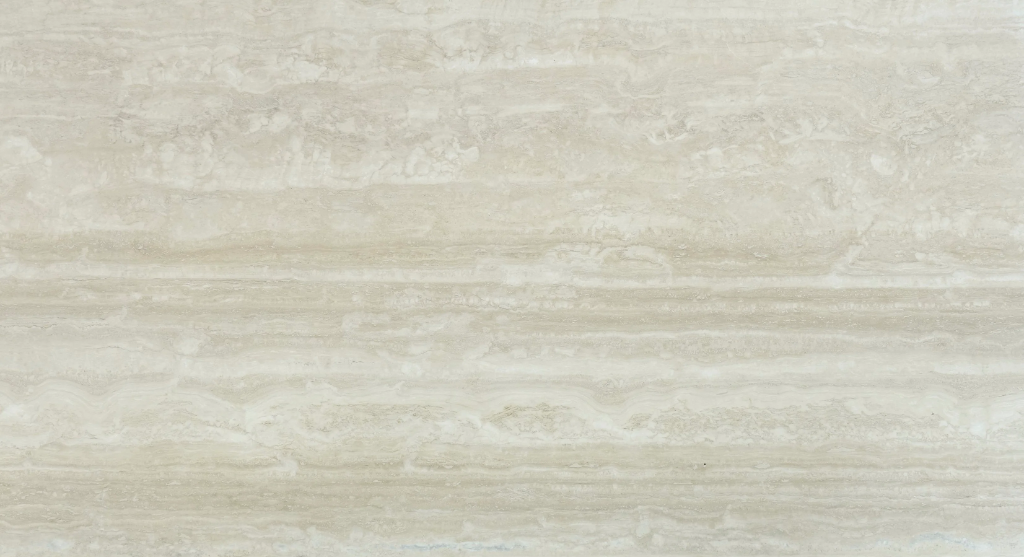
Sandstone, travertine and bluestone require a measured approach due to their variable porosity and natural texture. Outdoor paving may also hold oil beneath surface dust, organic growth or old coating residues. Removing the stain successfully may involve cleaning, extraction, drying and resealing as separate stages.
Engineered stone is less porous than many natural stones, but its resin content means strong solvents, alkaline cleaners and abrasive pads can still damage the surface. Manufacturer guidance should be checked before treatment.
When professional stone restoration is the better option
A professional assessment is worthwhile when the stain is older, extensive, caused by engine oil or hydraulic fluid, or located on a high-value surface. It is also recommended where the stone is already etched, dull, chipped, unevenly sealed or affected by previous cleaning attempts.
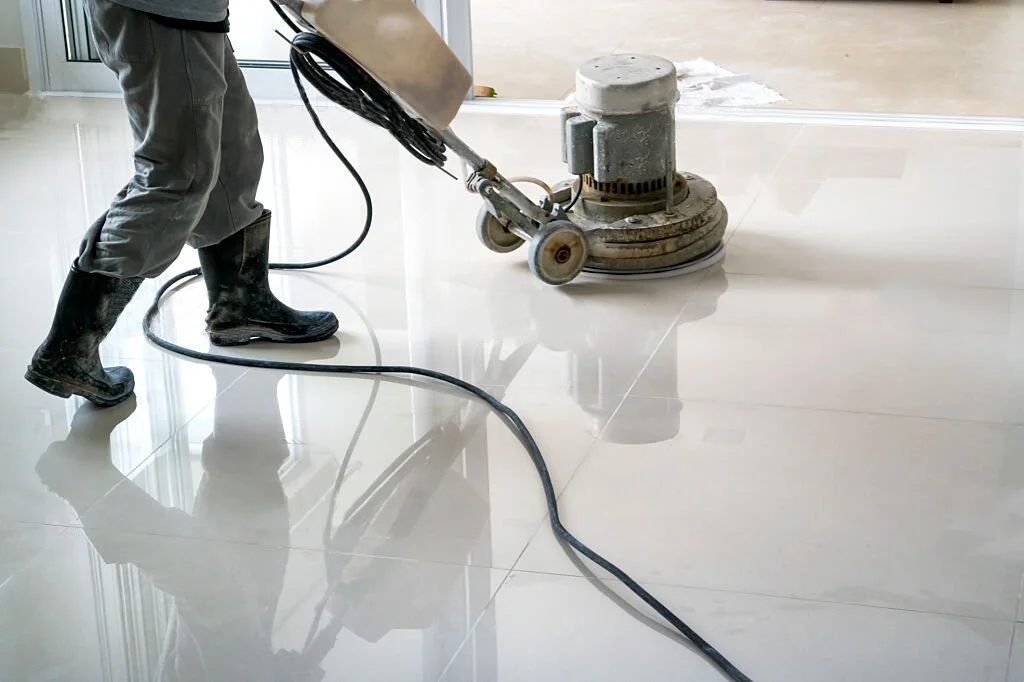
In commercial settings, oil staining often needs attention before it affects presentation, safety or tenancy standards. Restaurant entrances, hotel foyers, retail precincts and strata common areas can suffer from cooking oil, machinery lubricants, pram wheels and foot traffic carrying contaminants from outside. A partial clean may leave an obvious patch, particularly on honed stone or large-format paving.
Specialist stone restoration involves more than selecting a cleaner. The surface is assessed for stone type, porosity, finish, existing sealer, moisture levels and the source of the stain. Treatment can then be tailored to extract contamination while preserving the colour, texture and integrity of the stone. Where necessary, the work may include honing, polishing, deep cleaning and resealing to return a consistent appearance.
Sydney Stone Care provides material-specific treatment for natural stone surfaces across residential and commercial properties, with restoration methods selected to protect premium finishes rather than compromise them.
Preventing the next oil stain
The best protection is to act quickly, maintain an appropriate penetrating sealer and avoid allowing oils to sit on the surface. In kitchens, use trays beneath oil bottles and clean splashes as they occur. In garages and driveways, place drip mats beneath vehicles with known leaks and attend to spills before the next hot day or rainfall.
Sealer performance should be reviewed periodically, particularly on outdoor paving and high-use benchtops. Water beading is only one indicator. A stone-care professional can assess whether the surface needs cleaning, resealing or a more involved restoration process.
An oil stain does not automatically mean a stone surface is ruined. With the right diagnosis and a patient, material-specific treatment, even stubborn marks can often be significantly reduced or removed while the stone retains the finish that made it worth choosing in the first place.