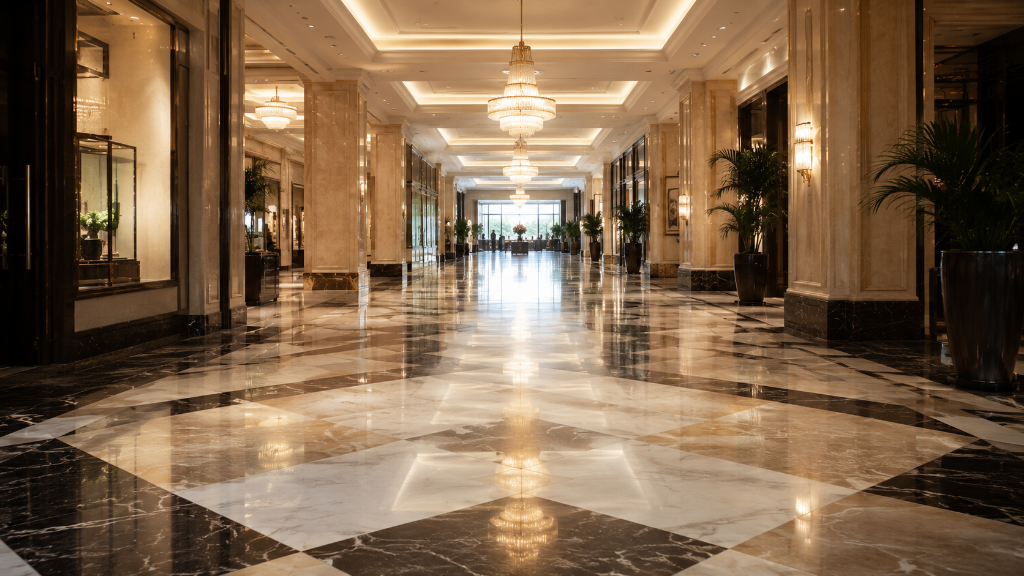

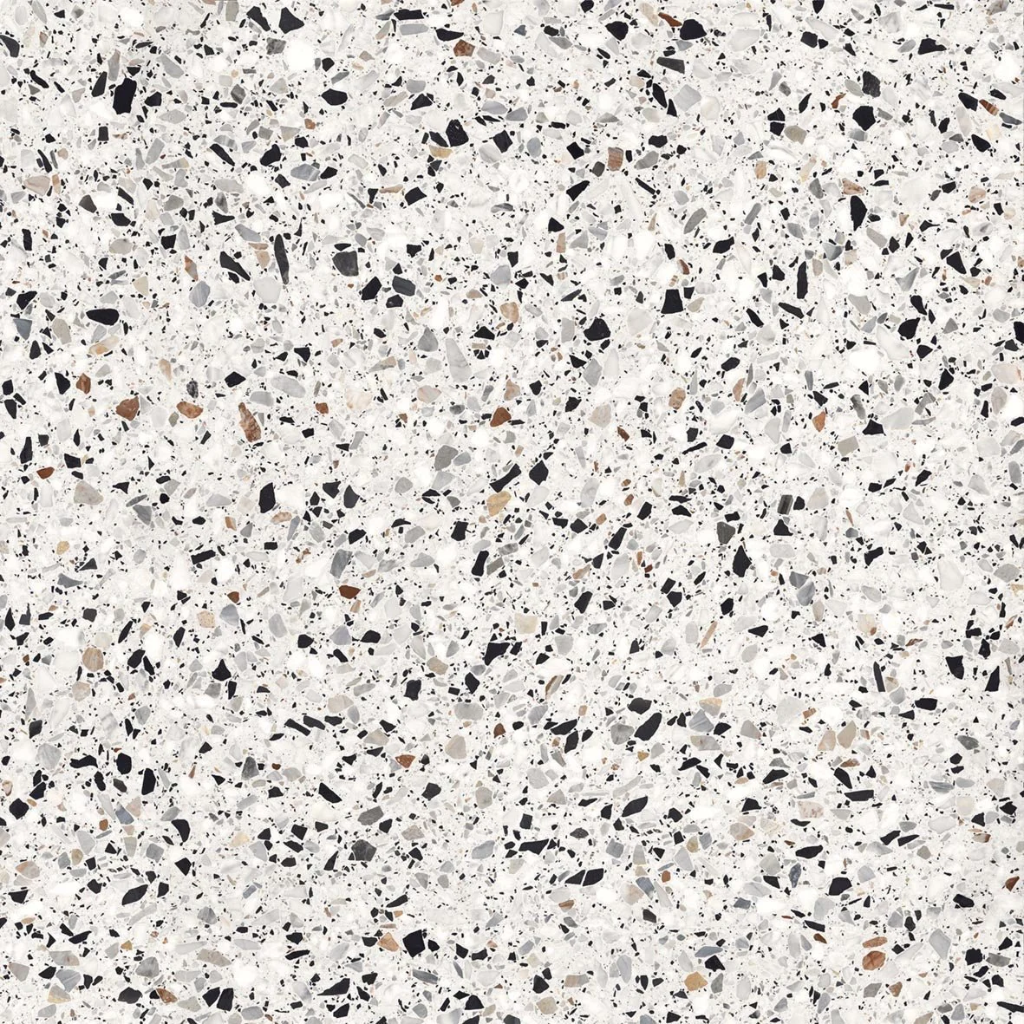
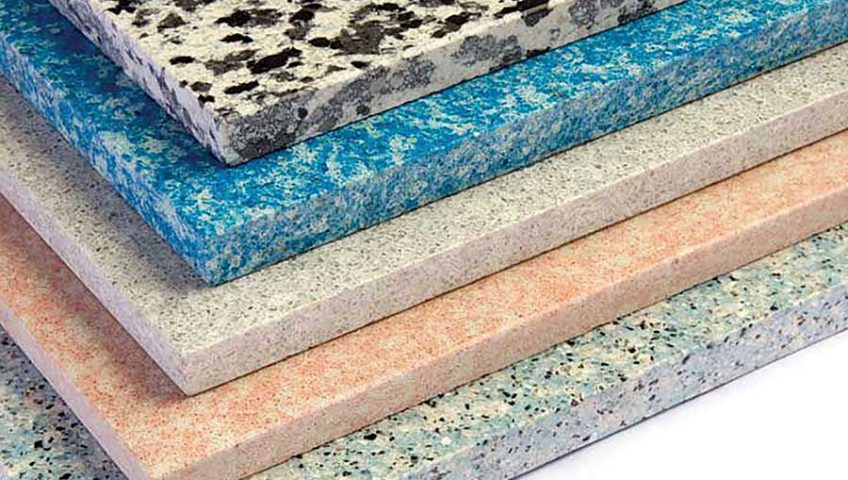
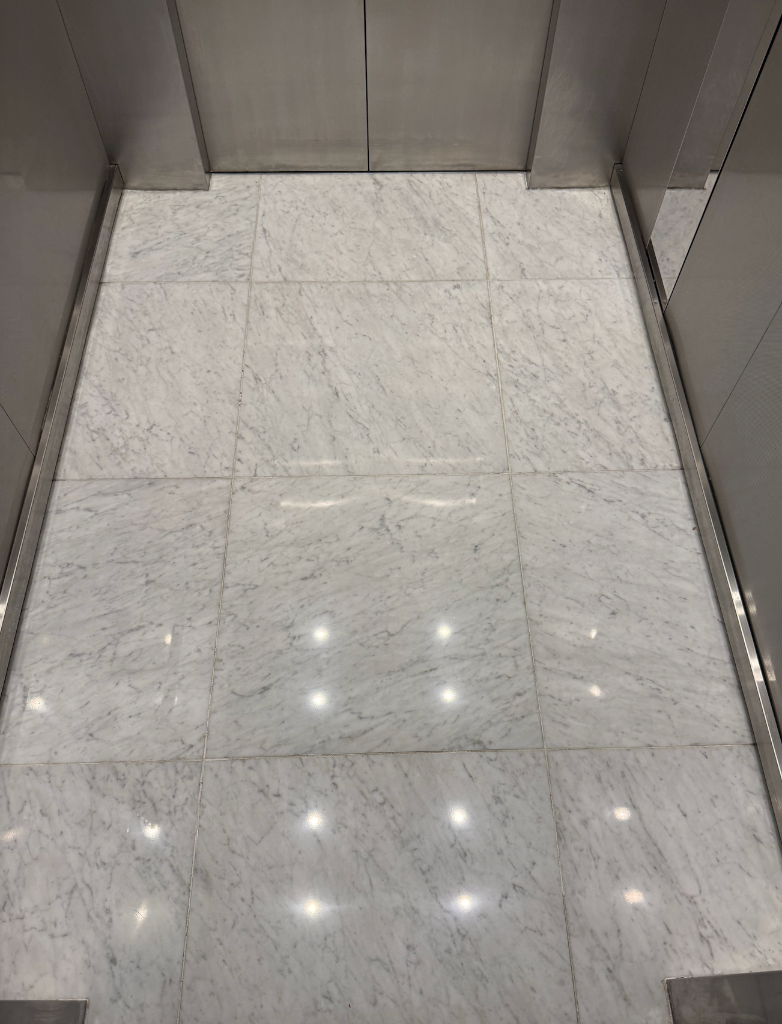
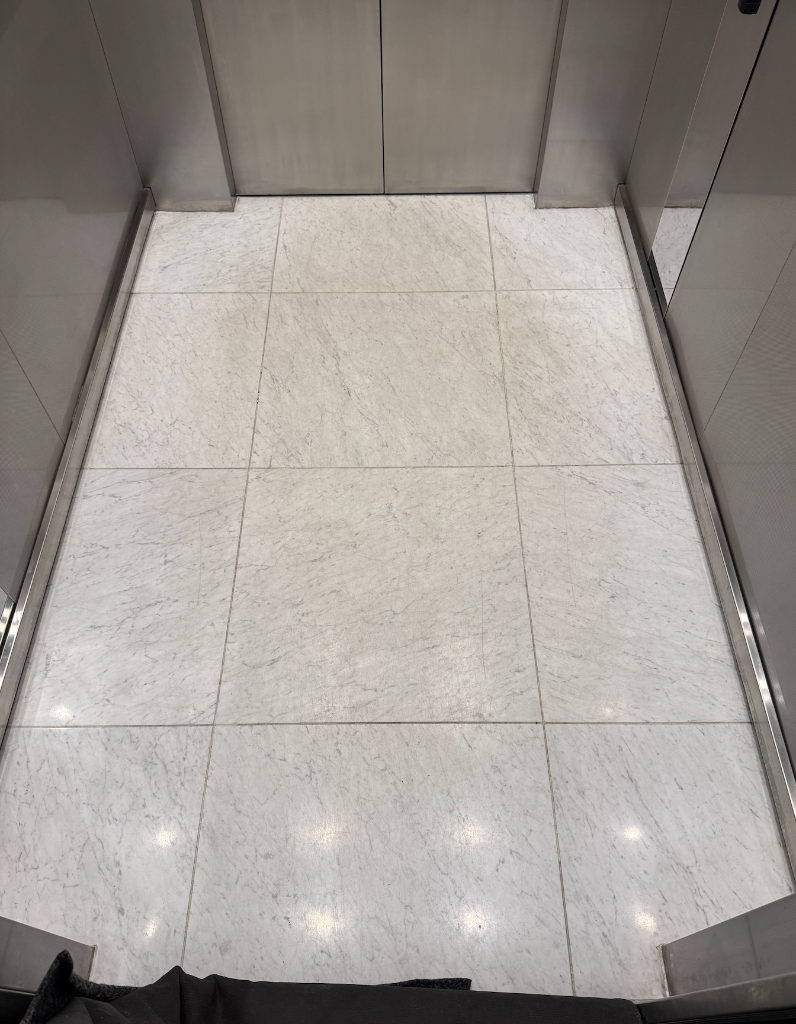
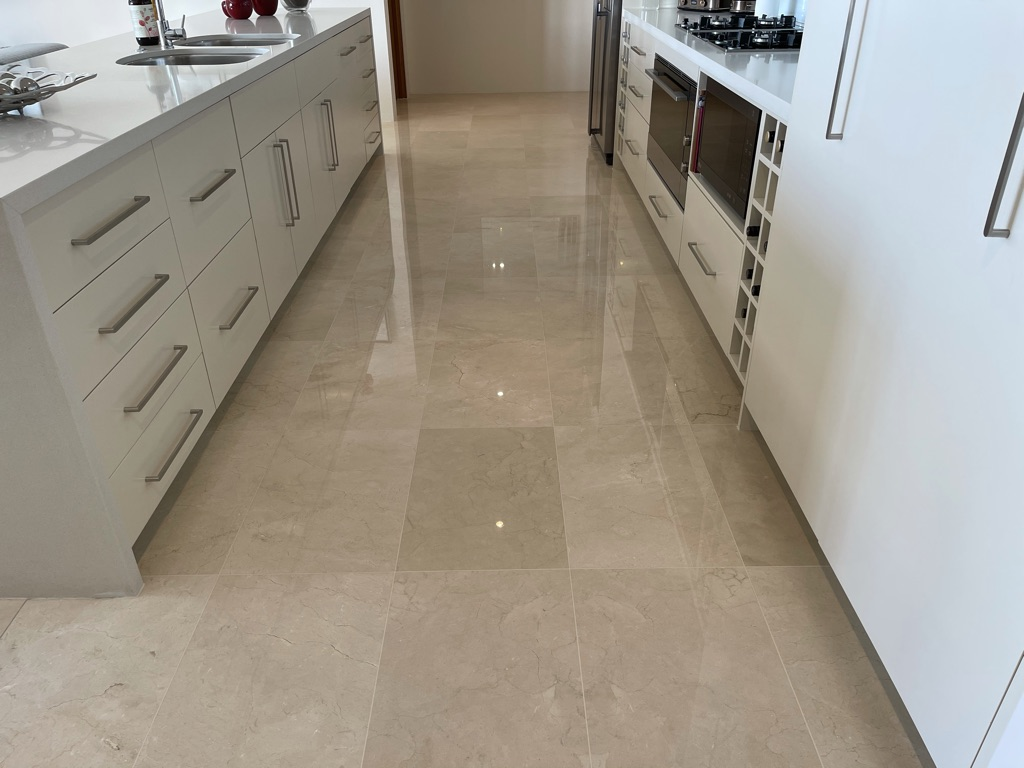
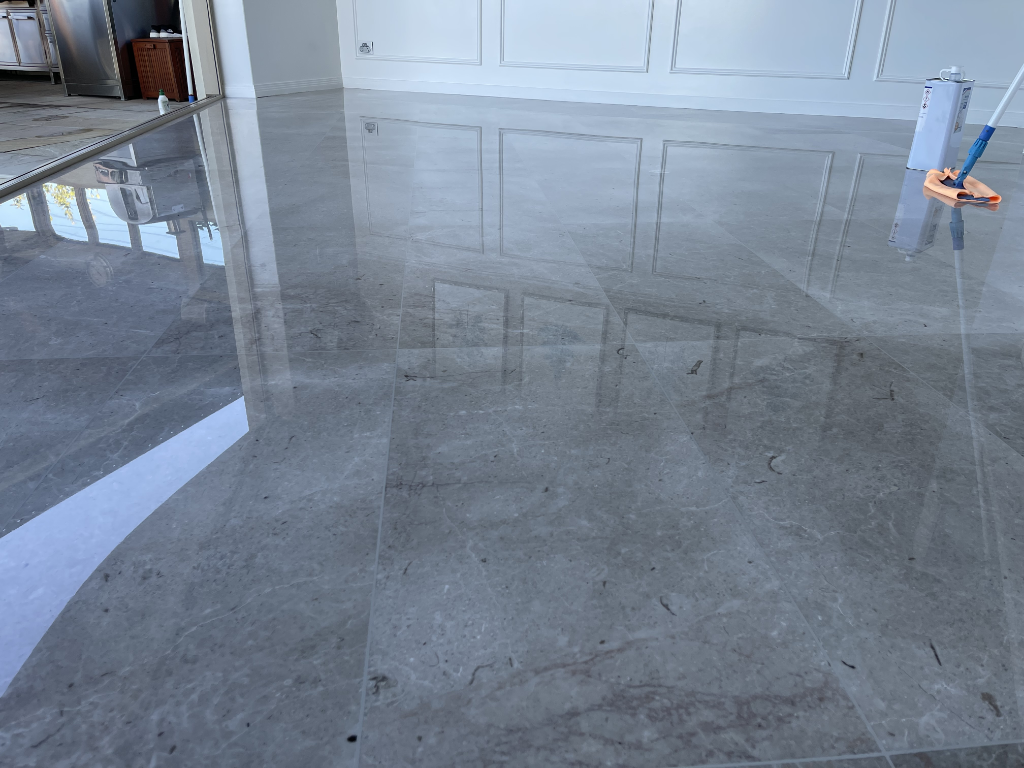
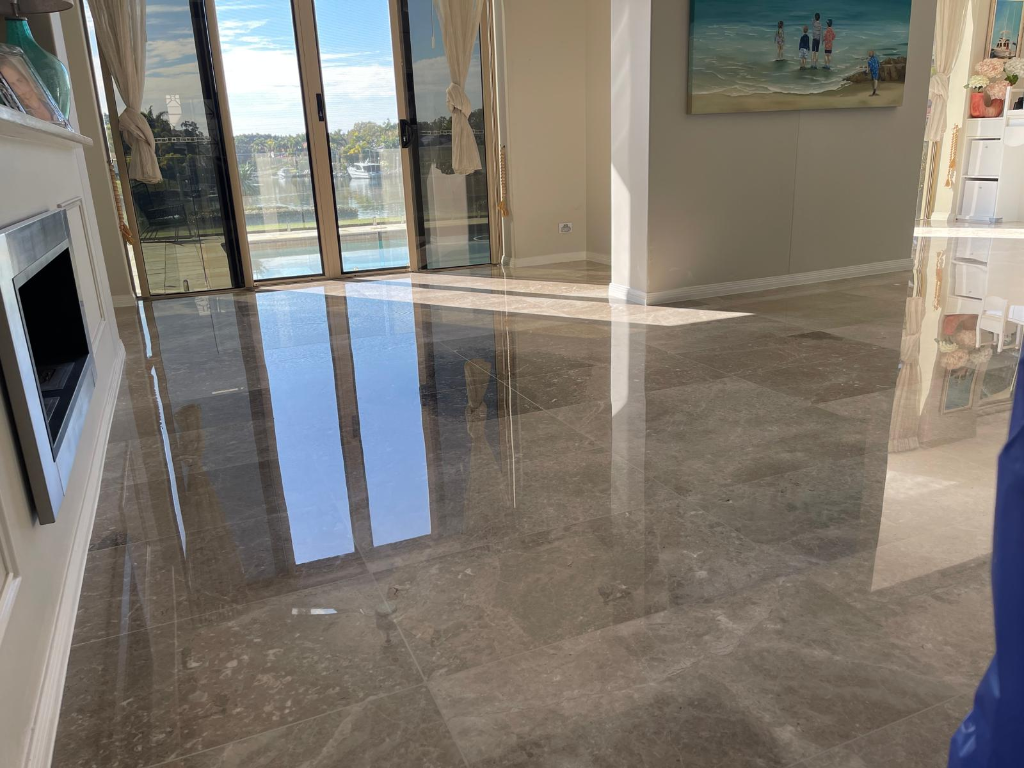
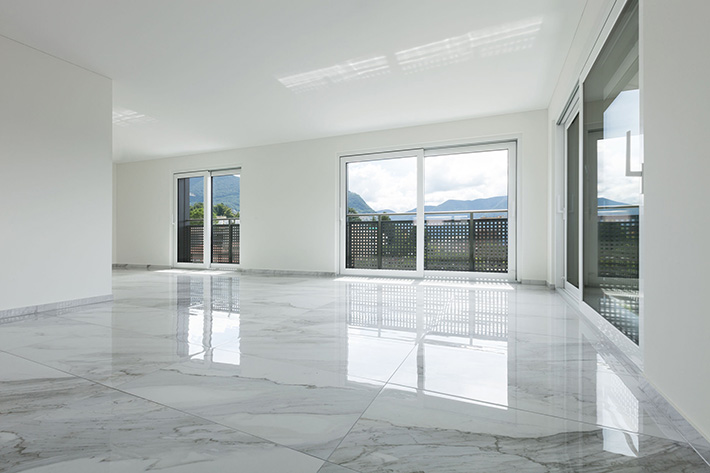
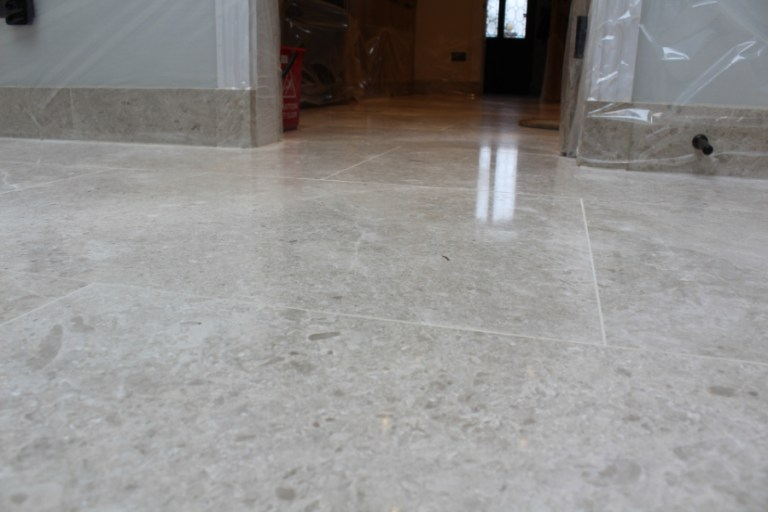
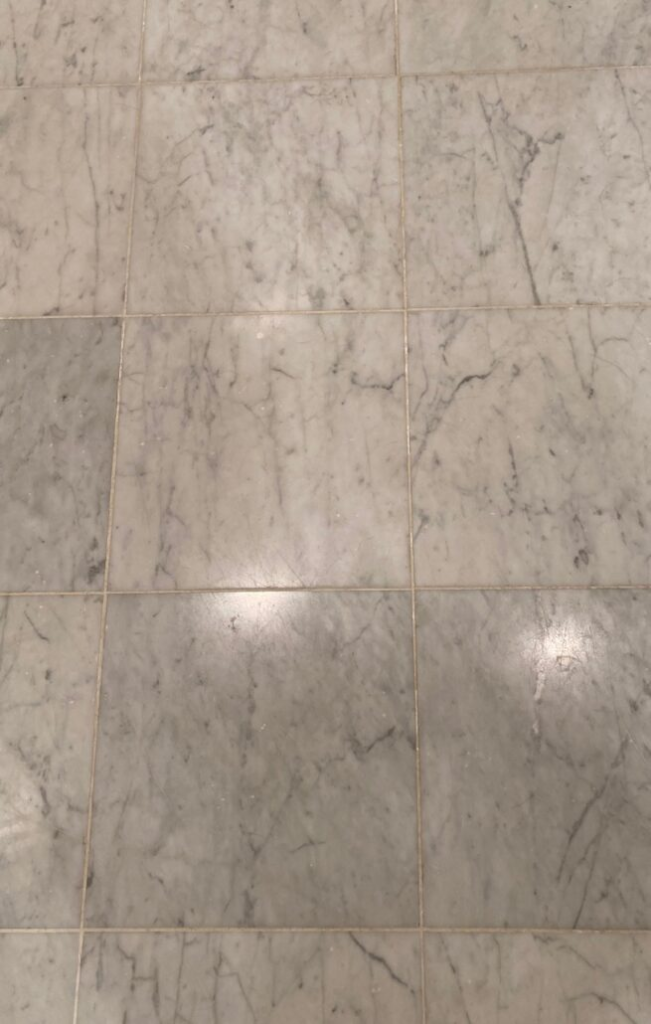
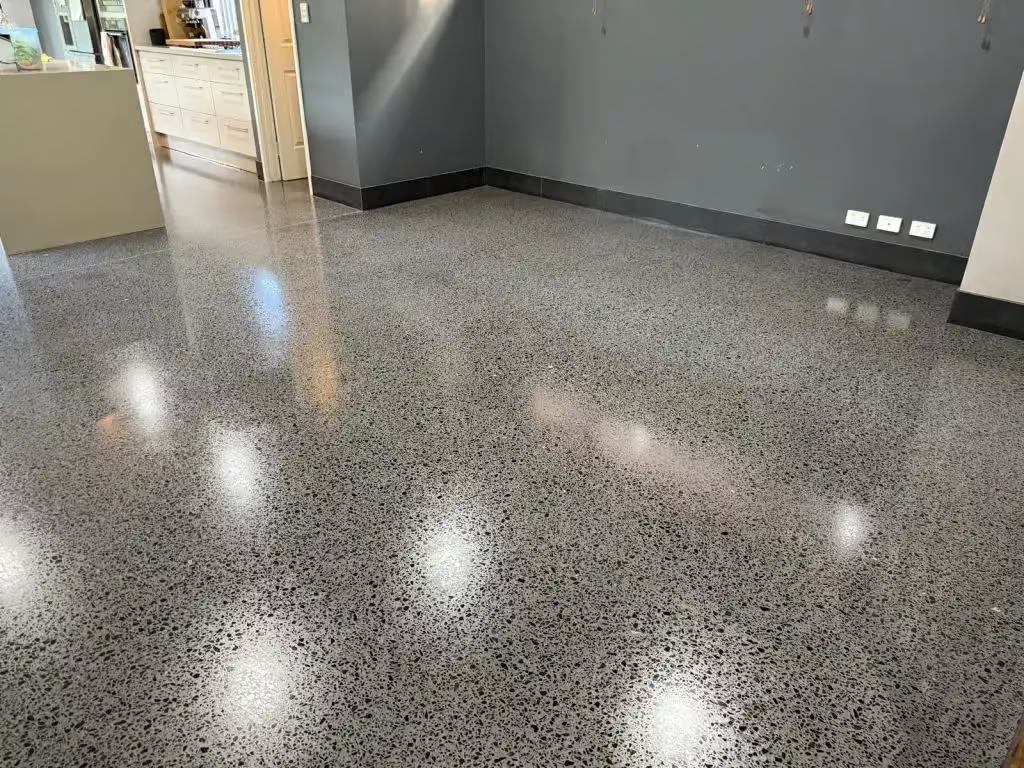
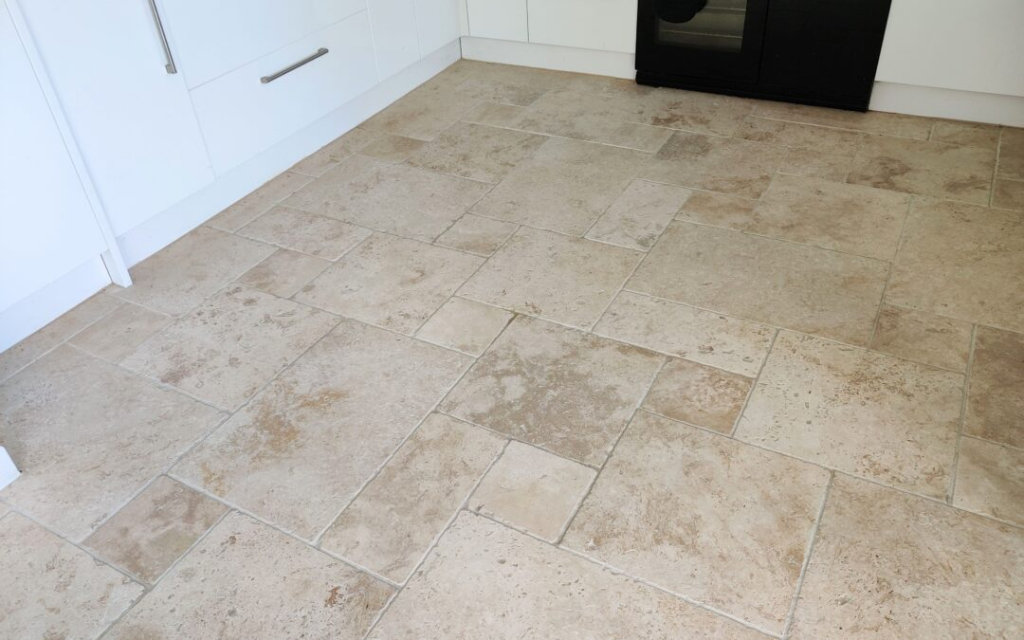
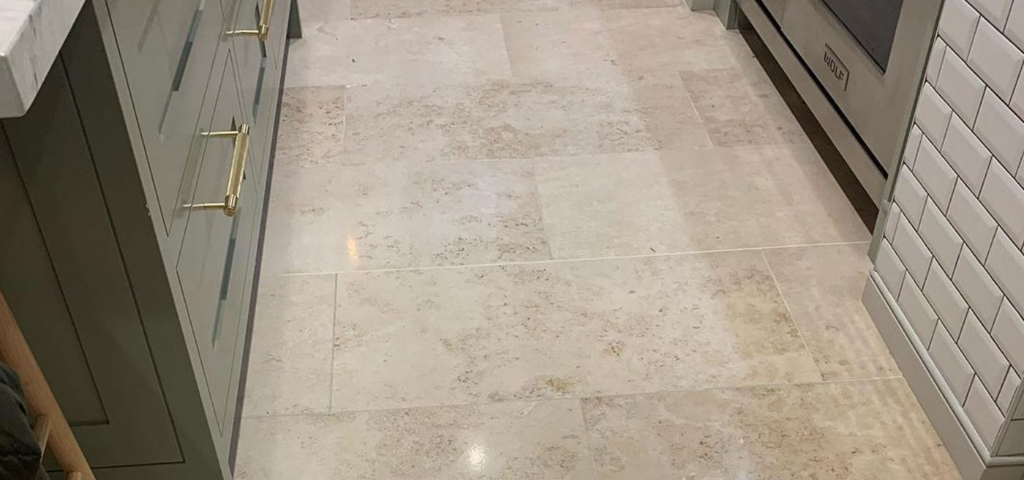
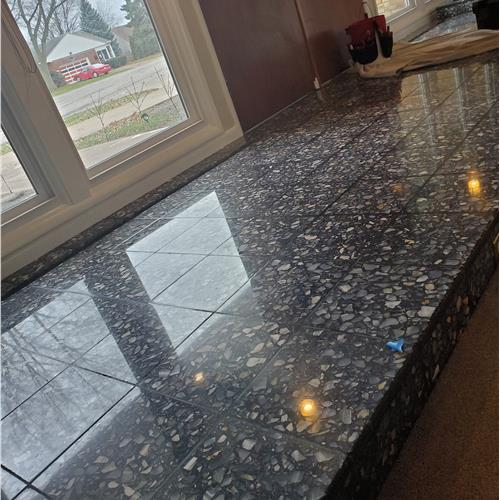
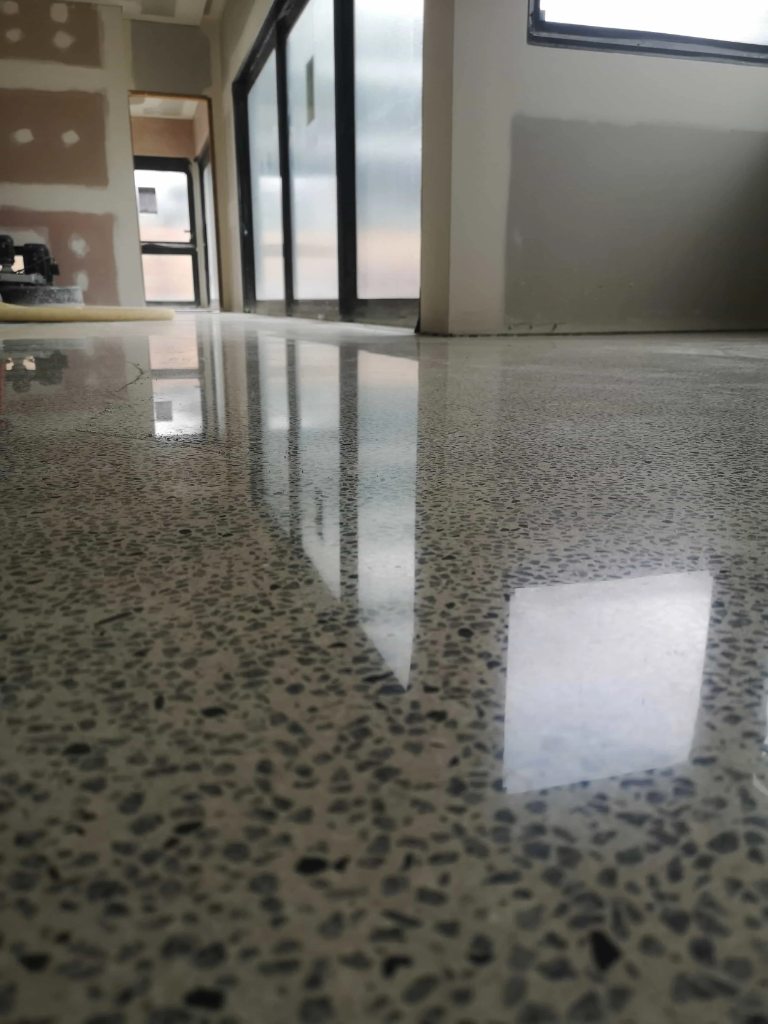
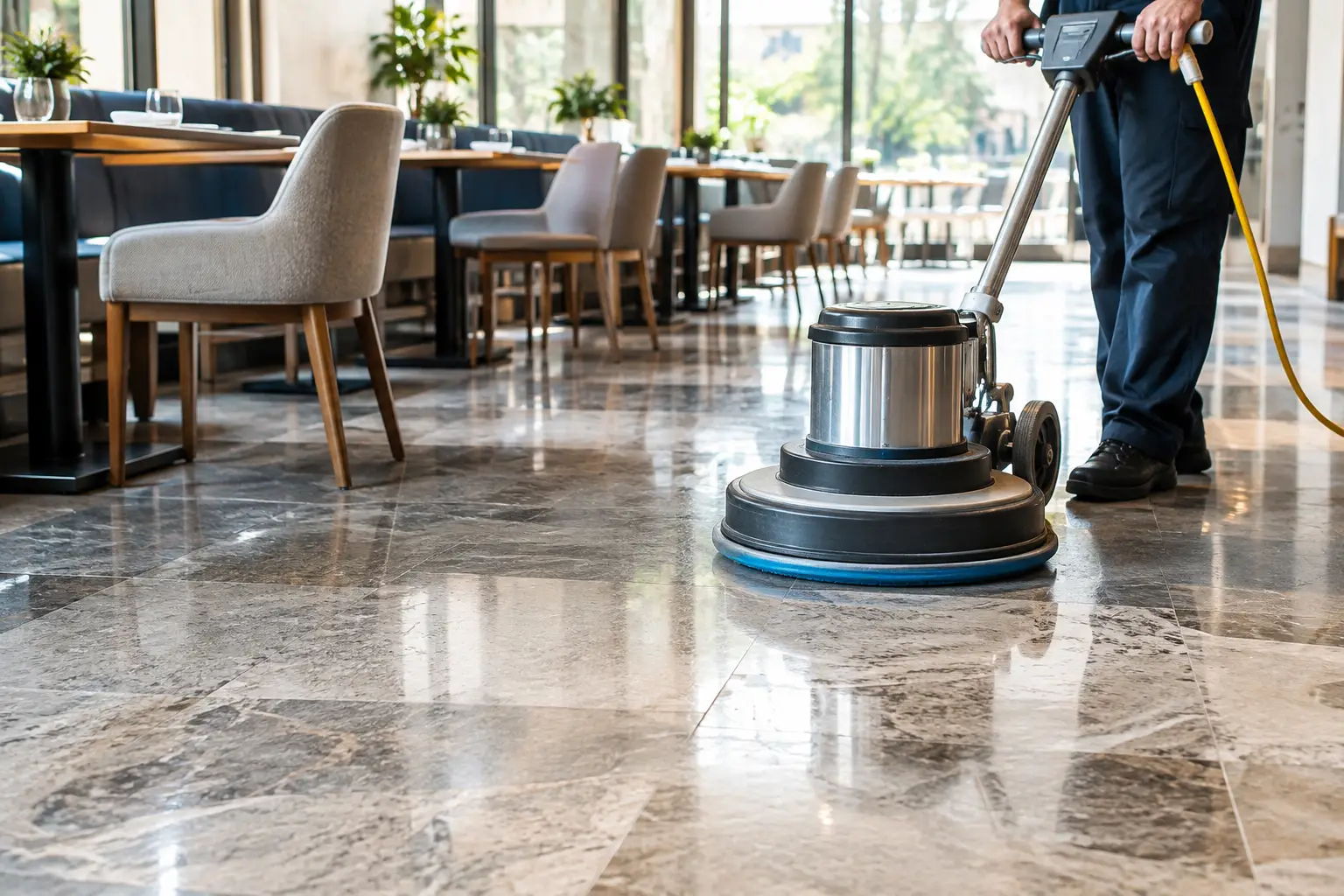
A busy restaurant floor has very little recovery time. Breakfast service becomes lunch, lunch becomes dinner, and natural stone is exposed to grit, spills, chair movement, cleaning chemicals and constant foot traffic throughout. Restaurant flooring restoration addresses the visible effects of that pressure while protecting a high-value surface from deeper, more costly damage.
For hospitality operators, the condition of the floor is not a minor presentation detail. A dull entry, stained dining area or slippery stone walkway can affect guest perception, staff safety and the life of the material itself. The right restoration approach brings the stone back to a clean, refined standard without treating it like an ordinary hard floor.
Why natural stone floors deteriorate in restaurants
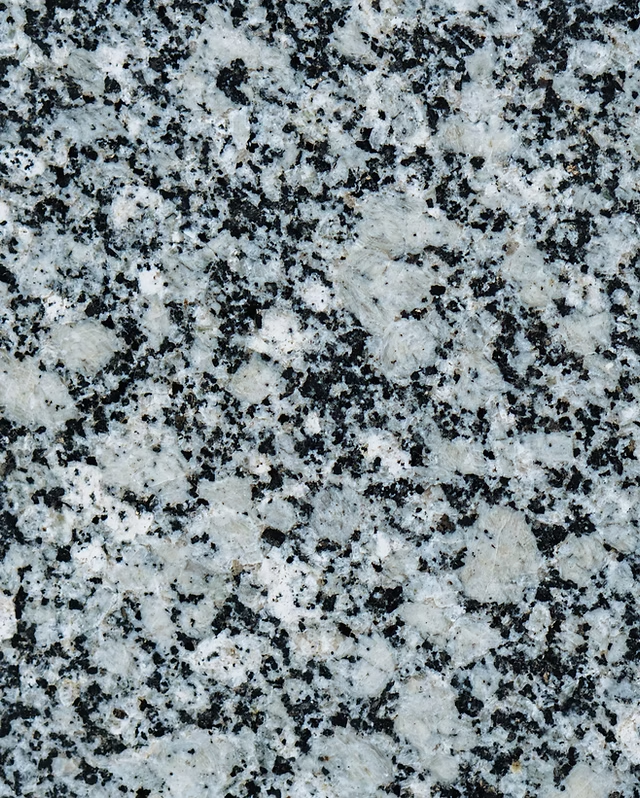
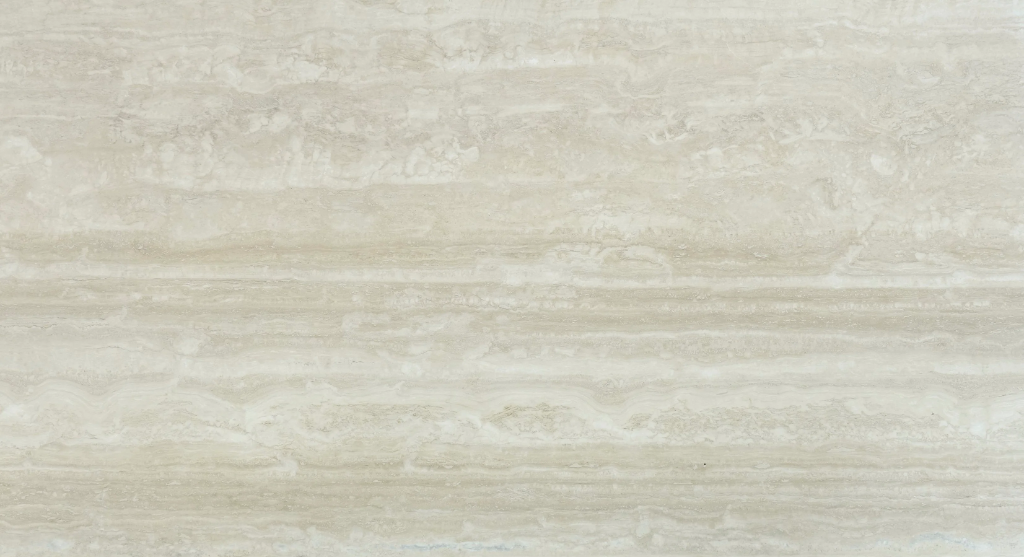
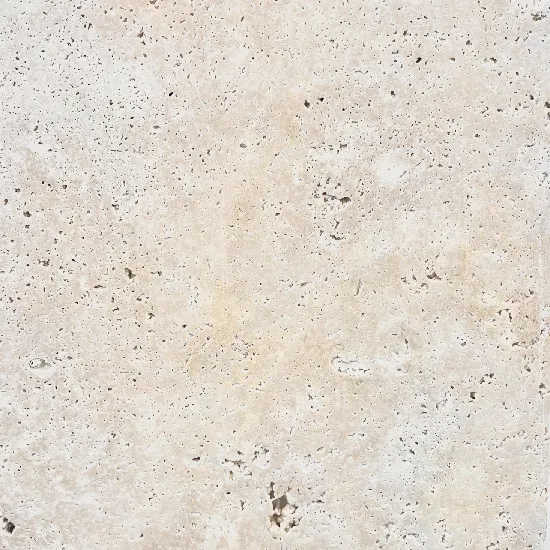
Natural stone is durable, but it is not indestructible. Marble, limestone, travertine, terrazzo, granite and sandstone all respond differently to moisture, acids, abrasion and cleaning products. In a restaurant setting, these pressures arrive every day and often in combination.
Fine grit tracked in from the street acts like sandpaper beneath shoes and chair legs. Over time, it wears away the polished surface of marble and limestone, leaving traffic lanes visibly duller than surrounding areas. In honed finishes, the same abrasion can create an uneven, tired appearance that regular mopping will not correct.
Food and beverage spills create a separate problem. Wine, citrus, vinegar, tomato-based sauces and soft drinks can etch calcium-based stones such as marble, limestone and travertine. Etching is not simply a stain. It is a chemical reaction that alters the surface, often leaving pale, dull or rough marks. Oil and grease can also penetrate porous stone, particularly where sealers have worn away.
The cleaning routine can either help or accelerate deterioration. Harsh degreasers, acidic cleaners and excessive water may strip protective sealers, leave residues or cause damage to sensitive stone. A floor may look clean immediately after service but steadily lose its finish over months of unsuitable maintenance.
What professional restaurant flooring restoration involves
Effective restaurant flooring restoration starts with assessment, not machinery. A specialist needs to identify the stone type, finish, level of wear, existing coatings or sealers, staining, lippage between tiles and the operational demands of the venue. The appropriate method for polished marble is not necessarily suitable for textured sandstone or terrazzo.
Deep cleaning and contaminant removal
Restoration commonly begins with a controlled deep clean to remove embedded soil, grease residues, old cleaning films and contaminants from the surface and grout lines. This stage is particularly important in entrance zones, bar areas and paths between the kitchen, dining room and amenities.
Specialist products are selected to suit the stone rather than relying on aggressive chemicals. The objective is to lift contaminants without etching, bleaching or weakening the surface. Where oil staining has penetrated the stone, targeted poultice treatments may be required rather than repeated general cleaning.
Honing, grinding and surface refinement
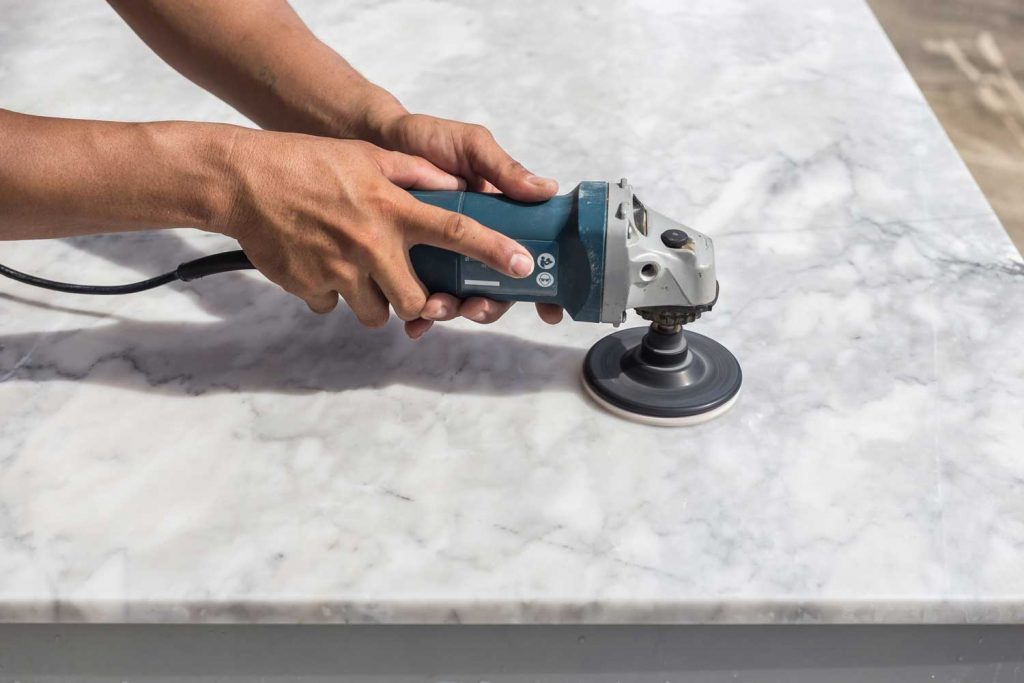
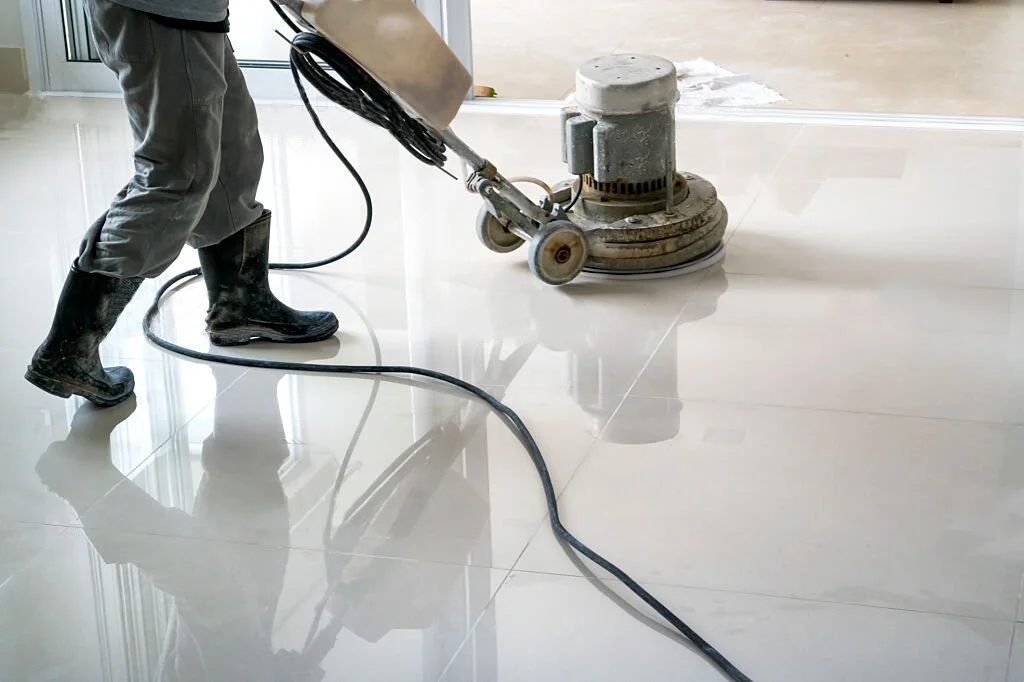
When stone has lost its clarity, developed scratches or suffered etching, mechanical refinement may be needed. Honing removes a very fine layer of damaged material to create a consistent surface. For more substantial wear, grinding can level uneven areas, remove deeper scratches and address lippage where adjoining tiles sit at different heights.
This work requires care. Removing too little material may leave damage visible; removing more than necessary can shorten the service life of the stone. A specialist restoration process is measured and material-specific, with the desired finish agreed before work begins.
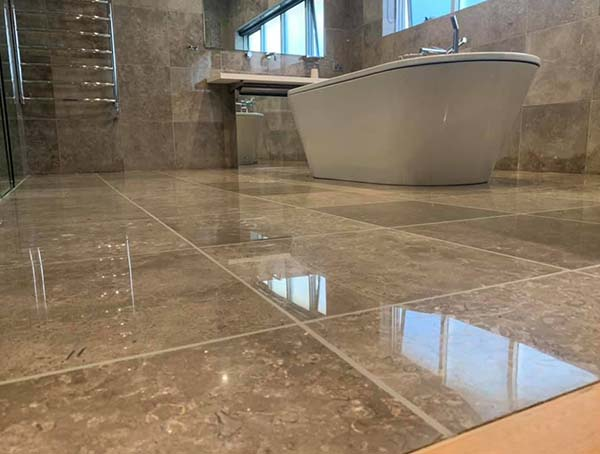
Polished stone can then be progressively refined to restore reflectivity. Honed stone can be returned to a smooth, low-sheen appearance that better suits many hospitality interiors. Neither finish is automatically better. Polished marble can deliver a premium visual impact, while a honed surface may conceal light wear more effectively in a high-traffic setting.
Repairing chips, cracks and grout failures
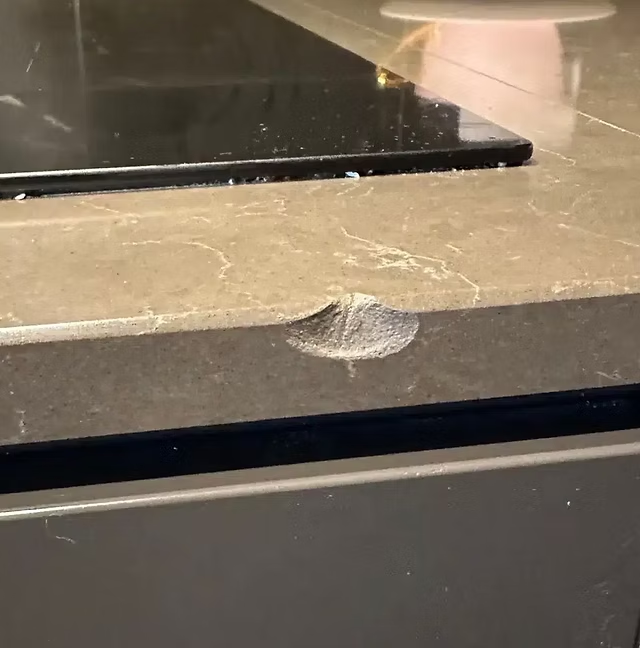
Chipped edges, open cracks and failed grout joints affect more than appearance. They can collect dirt, allow moisture below the surface and become trip hazards. Colour-matched repair materials can be used to restore damaged areas, with the repair blended into the surrounding stone as closely as practical.
Not every crack is cosmetic. Movement in the substrate, water ingress or structural issues may need attention before surface repair. A reputable stone specialist will identify when a floor needs further investigation rather than simply filling the visible defect.
Sealing for practical protection
After the stone is properly cleaned and restored, sealing helps reduce the rate at which water, oils and food spills absorb into the surface. A quality impregnating sealer is generally preferred for natural stone because it protects below the surface without creating a heavy topical film.
Sealer is not a substitute for cleaning spills promptly, nor does it make stone stain-proof. Its role is to provide valuable response time and make routine maintenance more manageable. The right product and application method depend on the stone's porosity, location and use.
When restoration is the right decision
A restaurant does not need to wait until the floor looks severely damaged. Early intervention is often less disruptive and more economical than allowing stains, abrasion and surface failure to build up over several years.
Professional assessment is worthwhile when traffic paths appear grey or dull, polished areas have become patchy, etch marks remain after cleaning, grout lines stay dark, or spills are soaking in quickly. It is also sensible before a refurbishment, venue relaunch, lease handover or major event period when presentation matters most.
Full restoration is not always necessary. A lightly worn floor may benefit from deep cleaning, localised honing and resealing. A heavily etched marble dining floor may require a more comprehensive honing and polishing programme. The scope should reflect the condition of the stone and the commercial outcome required, not a one-size-fits-all package.
Planning work around restaurant operations
Downtime is a genuine concern for hospitality venues, so restoration planning matters as much as the technical work. Many floors can be completed in stages, with work scheduled during closed hours or quieter periods. Areas may be isolated to maintain access where venue layout allows.
However, speed should not come at the expense of curing time, drying time or safe reopening conditions. Stone needs to be dry before sealing, and repairs may need time to set properly. A clear programme should establish which areas will be treated, how furniture and equipment will be managed, expected access restrictions and when the floor can safely return to service.
Slip resistance also needs practical consideration. A highly polished finish may suit a formal foyer but be inappropriate near a bar, buffet, entry exposed to rain or service route where spills are likely. Surface finish, cleaning regime, mats and drainage should work together rather than relying on one measure alone.
Maintaining the restored finish
Restoration delivers the best value when it is followed by a stone-safe maintenance plan. Daily dust mopping or vacuuming removes abrasive grit before it can scratch the floor. Spills should be attended to quickly with a pH-neutral cleaner appropriate for natural stone, especially acidic drinks and oily foods.
Avoid bleach, vinegar, acidic bathroom cleaners and strong alkaline products unless they have been specifically approved for the stone. These products can create damage that routine cleaning cannot reverse. Too much detergent is also a problem, as residue can dull the finish and attract more soil.
Entry matting is one of the simplest protections available. Well-positioned mats reduce the amount of grit and moisture brought onto the floor, particularly during Sydney's wet weather. They need regular cleaning themselves, otherwise they simply become a source of dirt.
Furniture should have suitable protective feet, and staff should understand that dragging tables, chairs or equipment across stone can create scratches and chips. Periodic professional inspections allow minor issues to be corrected before the entire floor needs more extensive work.
Protecting a visible business asset
Natural stone helps create a sense of quality that guests notice, even if they cannot name the material beneath their feet. When it is stained, uneven or visibly worn, that investment loses impact. When it is clean, consistent and properly finished, it supports the standard of the whole venue.
Sydney Stone Care approaches restaurant stone floors as long-term assets, not generic cleaning surfaces. The best result comes from matching the restoration method and maintenance plan to the particular stone, finish and demands of the venue. A well-timed assessment can preserve the floor's character, reduce avoidable repairs and keep the space ready for the next service.