
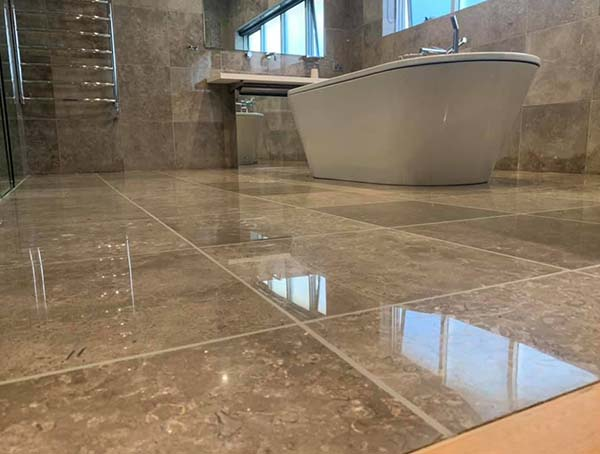

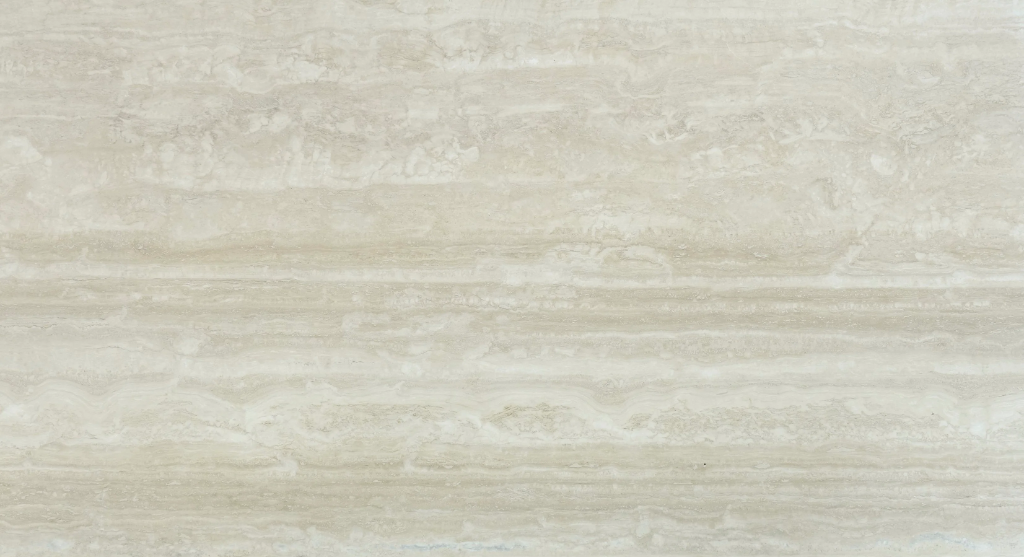
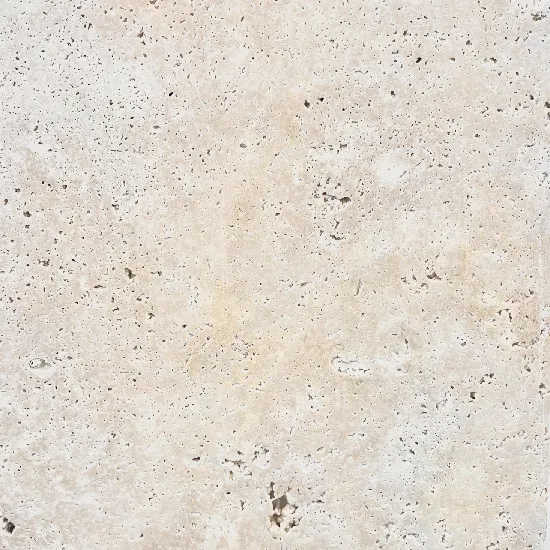
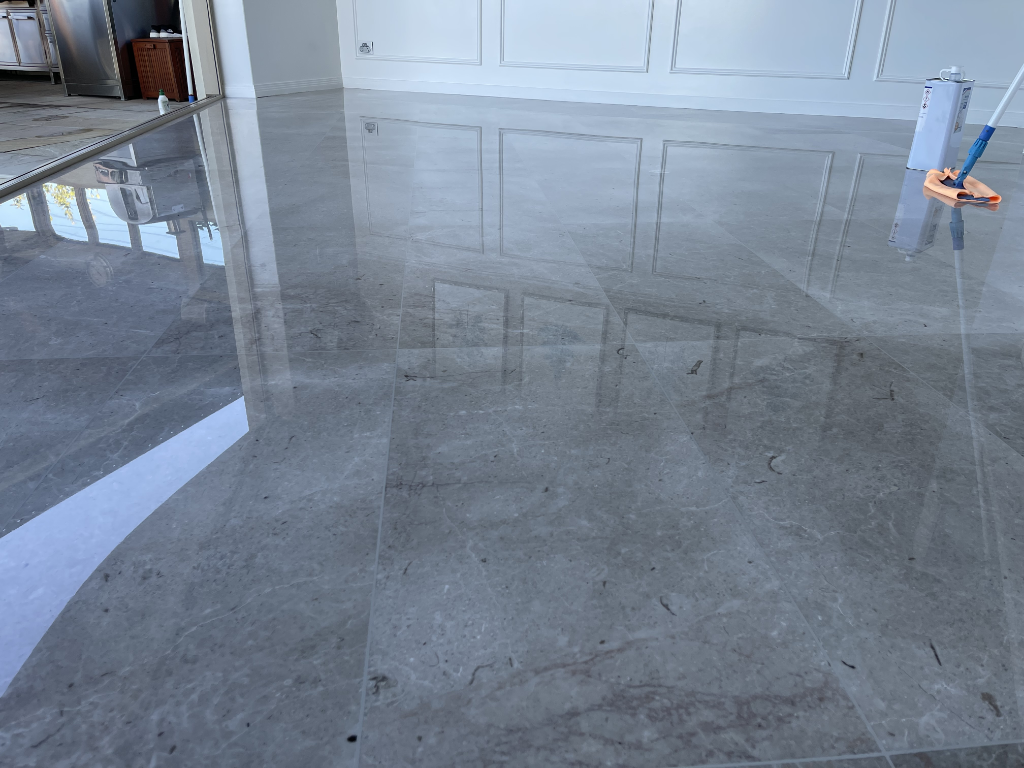
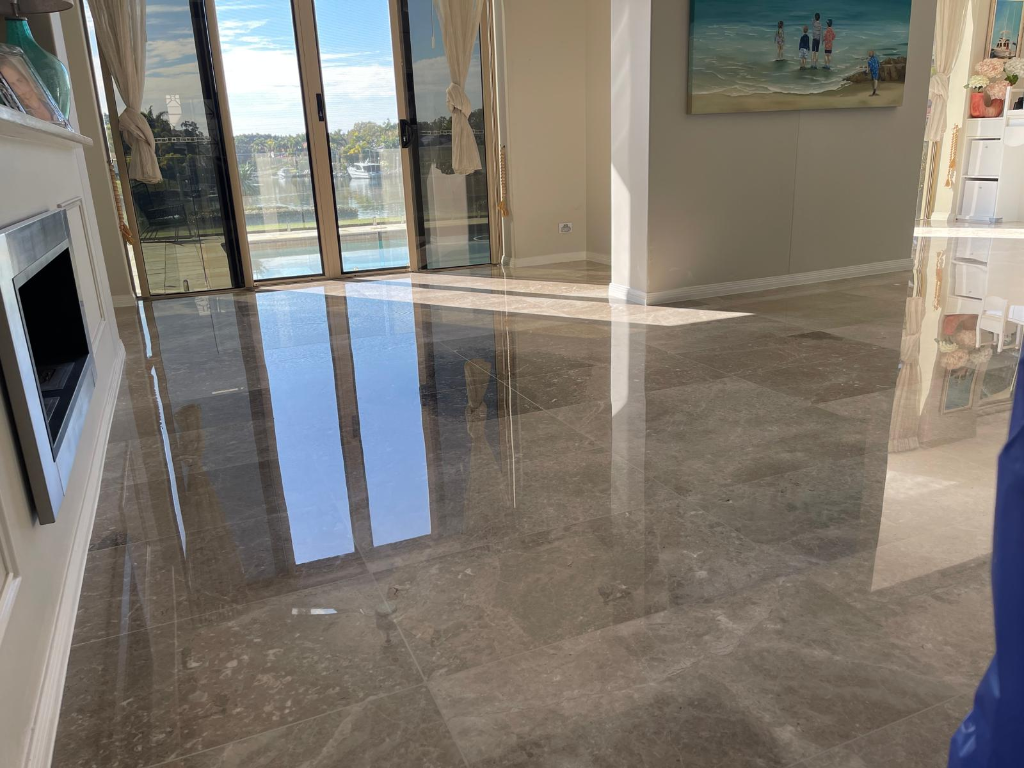
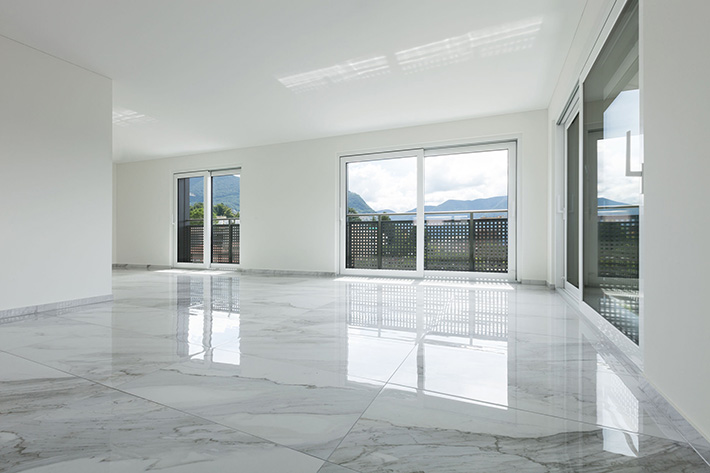
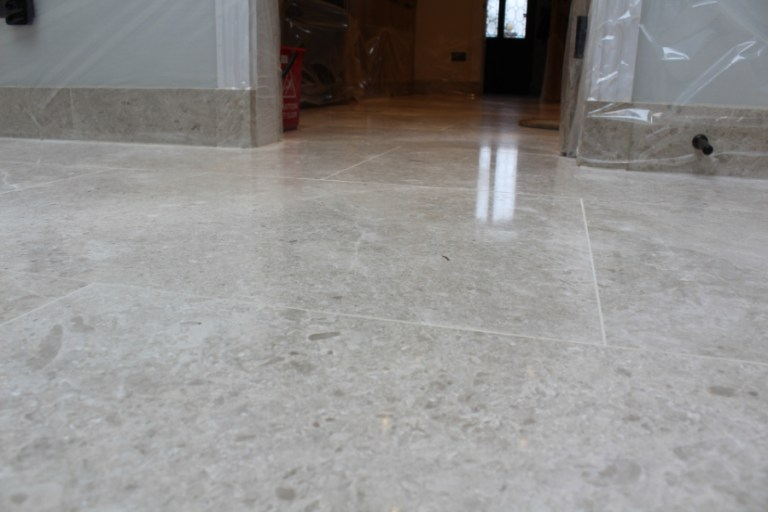
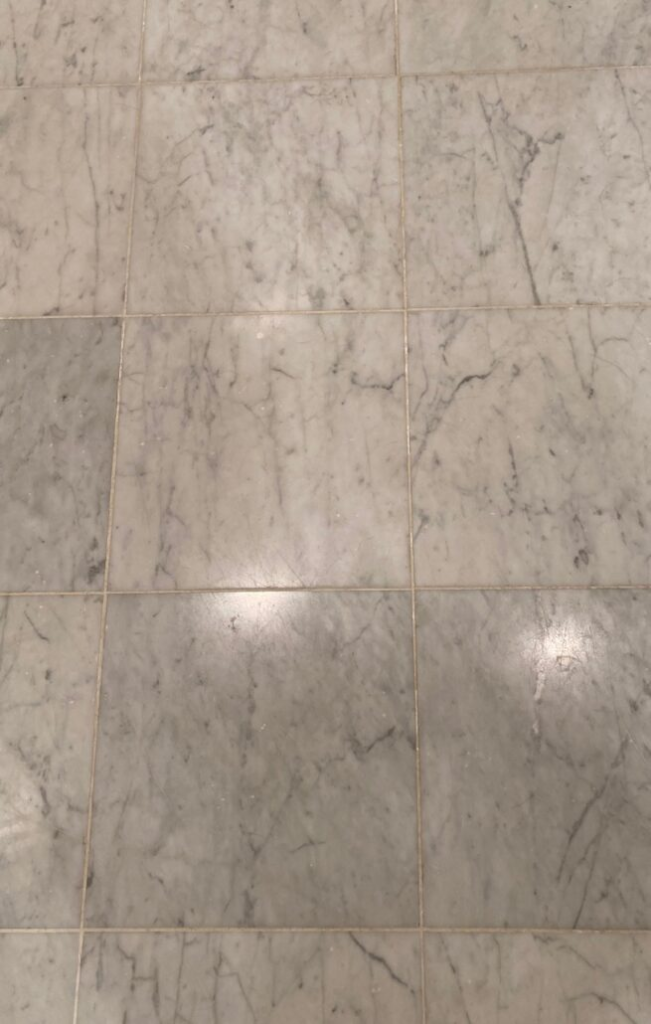
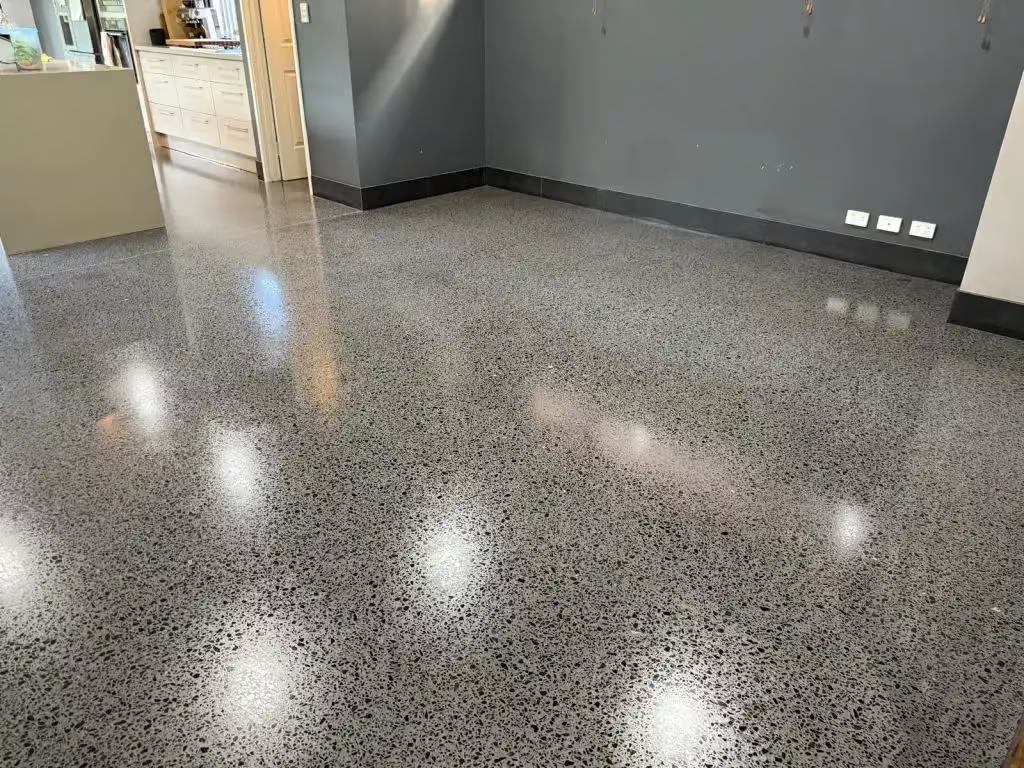
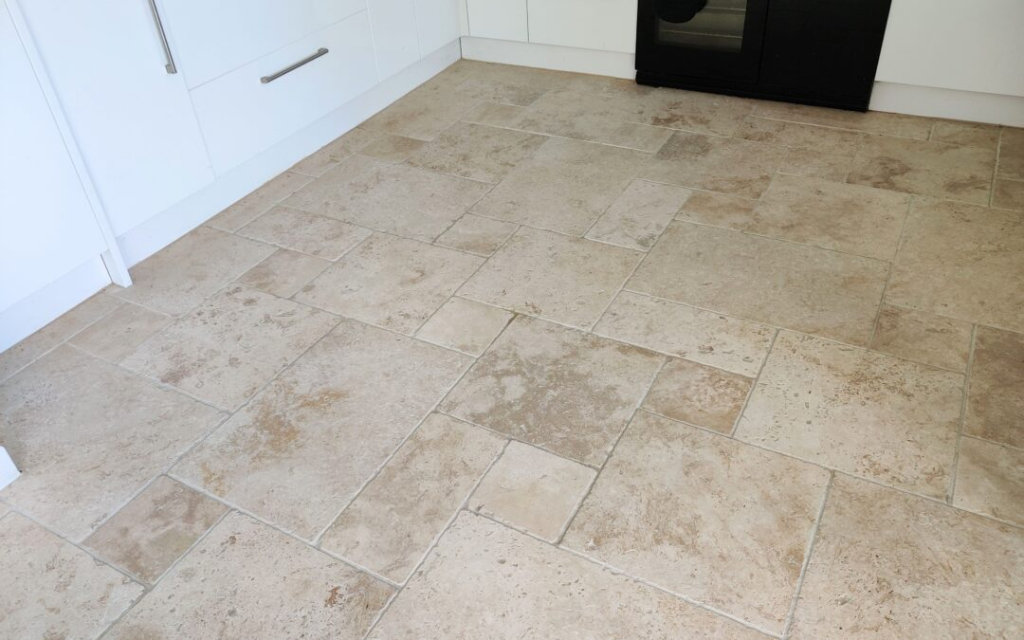
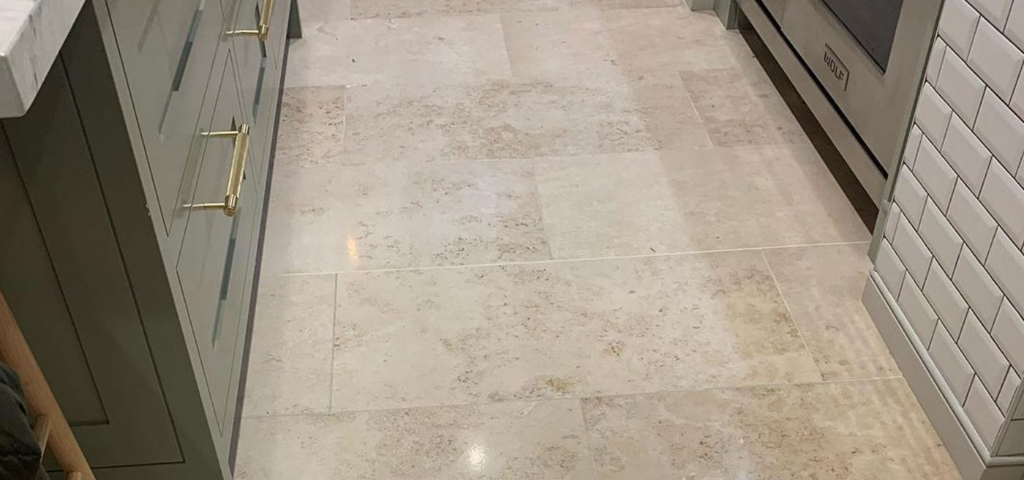
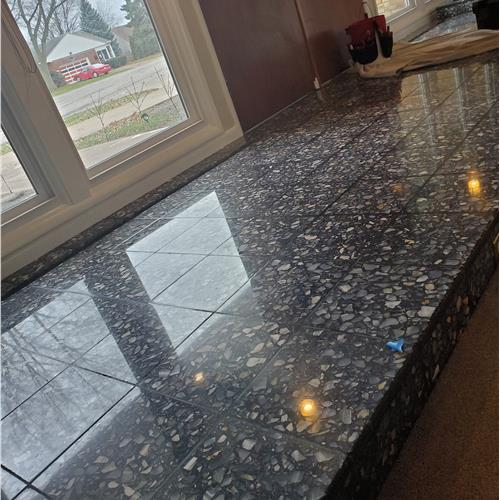
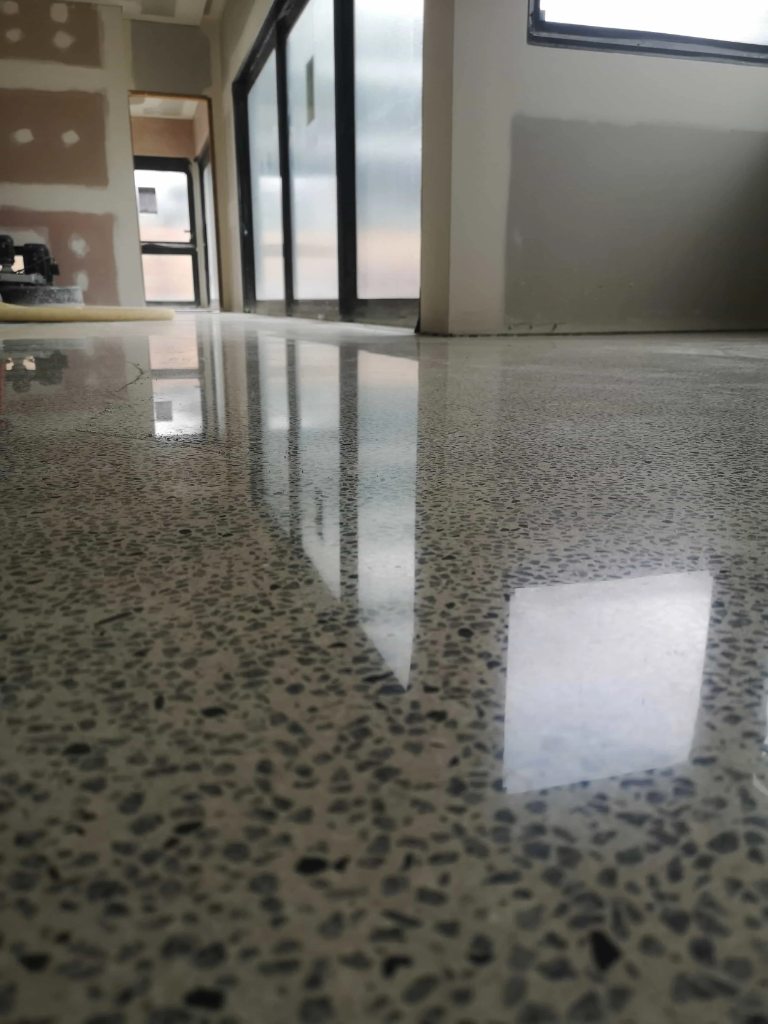
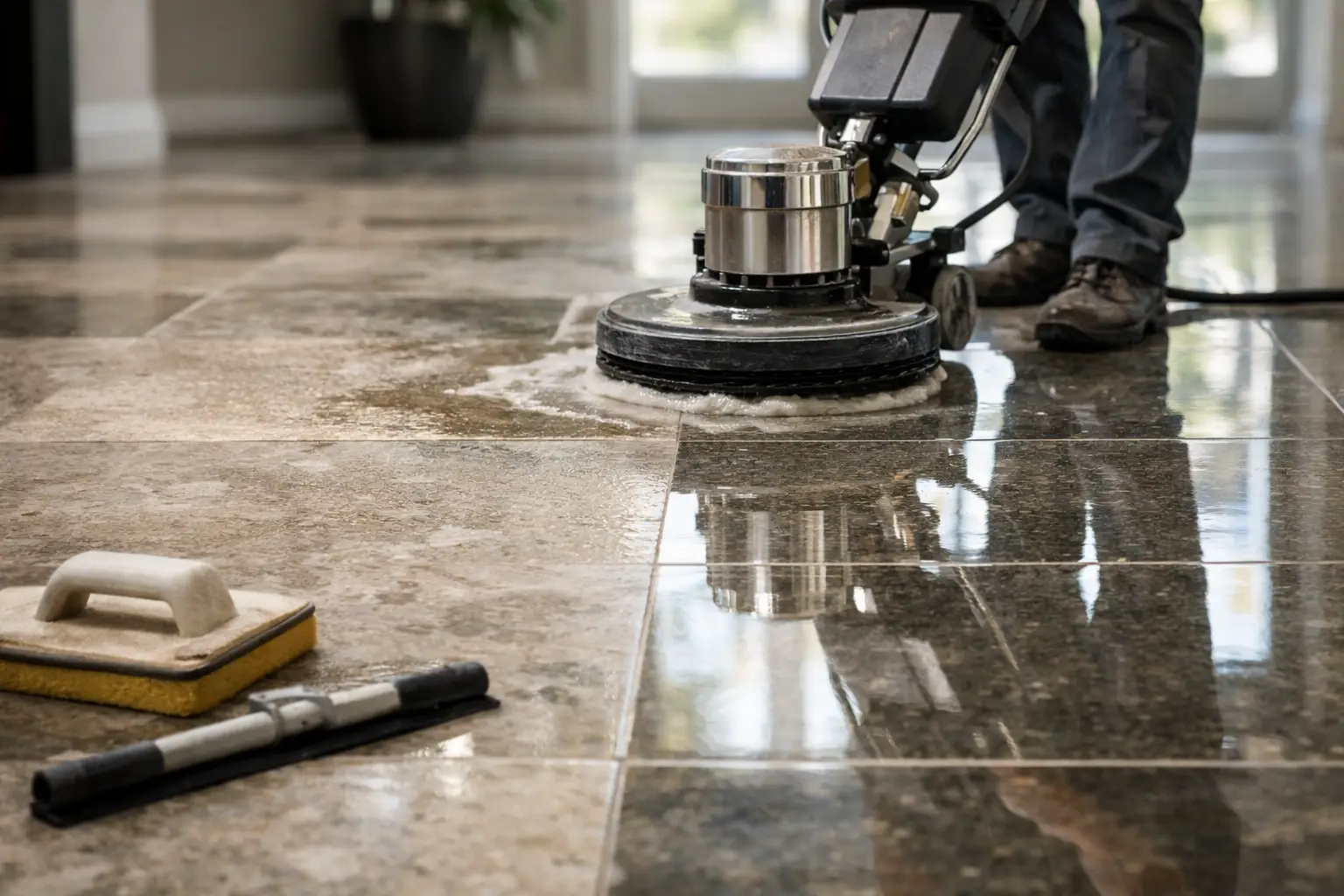
A stone floor rarely loses its finish overnight. It usually dulls gradually: a once-reflective marble entry begins to look cloudy, honed limestone appears patchy near the kitchen, or a travertine foyer loses the depth that made it a feature. To restore dull stone floors properly, the first task is to identify what has changed on the surface and beneath it. Stone is not a uniform material, and the right restoration method depends on the stone type, its finish, its location and the cause of the dullness.
For Sydney homes, hospitality venues, offices and strata properties, this distinction matters. Natural stone is a premium finish and a long-term asset. Aggressive cleaning, unsuitable sealers or an incorrect polishing method can leave permanent damage, not just a disappointing result.
Why natural stone floors become dull
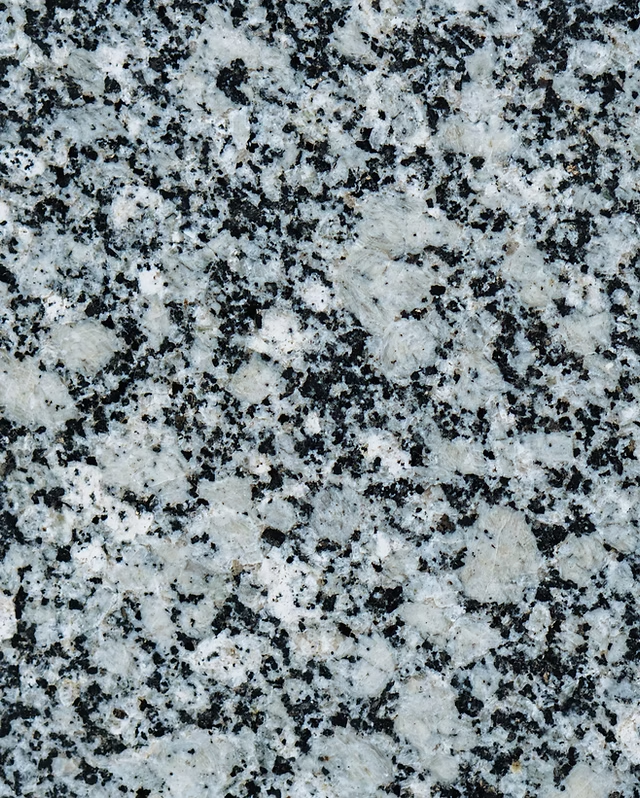
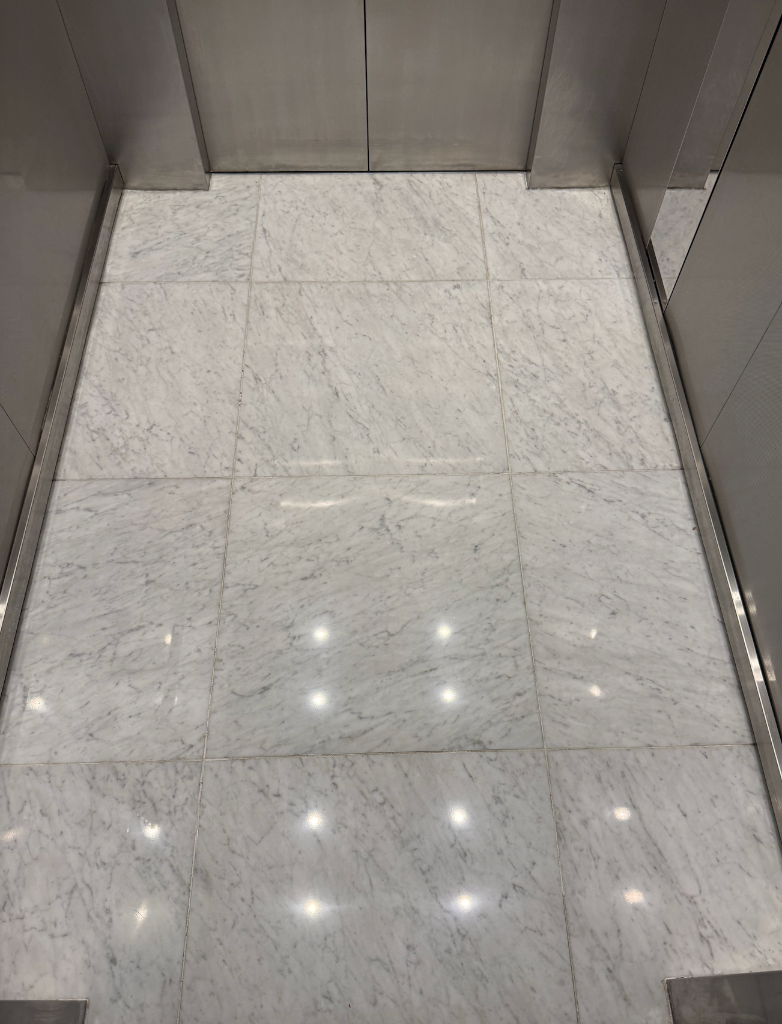
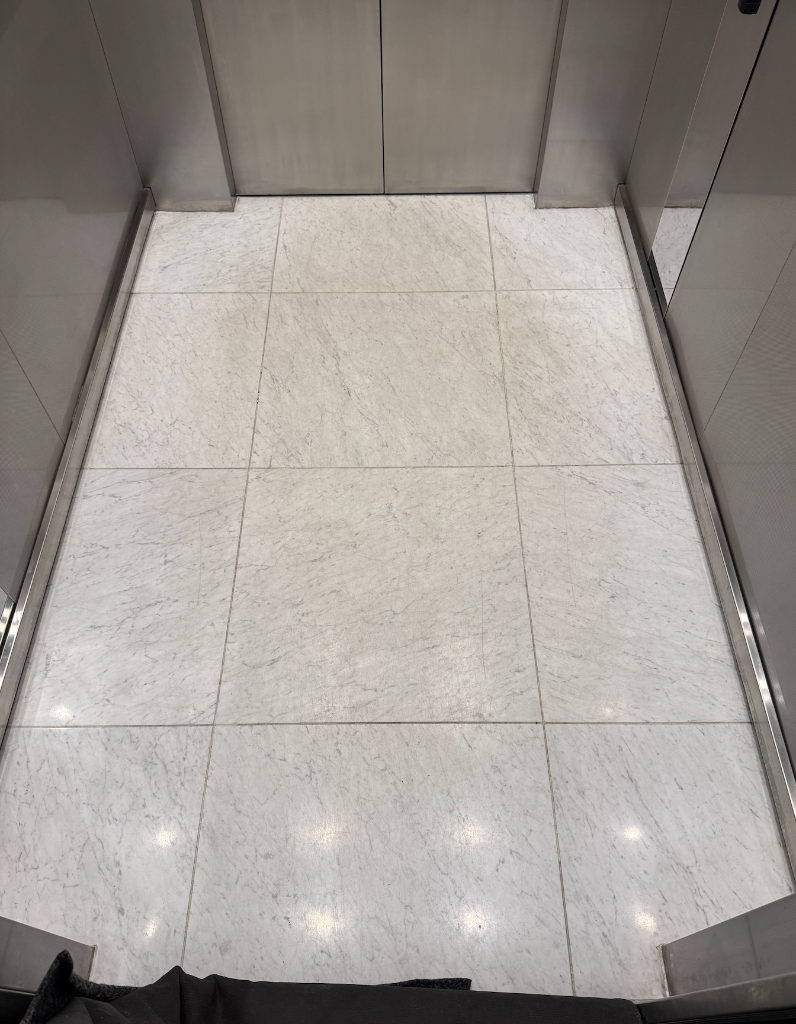
Dullness is often described as a cleaning problem, but routine cleaning is only one part of the picture. On polished marble, limestone or granite, foot traffic gradually creates fine scratches that scatter light rather than reflect it. This is commonly called traffic wear. It is especially visible around entrances, reception desks, lifts, kitchen work zones and busy corridors.
Etching is another common cause. Acidic substances such as wine, citrus, vinegar-based cleaners and some bathroom products react with calcium-based stone, including marble, limestone and travertine. The affected area may look pale, cloudy or ring-shaped. It is not simply a stain sitting on the surface, so wiping or scrubbing will not restore the original sheen.
A coating or sealer can also be responsible. Some topical products yellow, wear unevenly or trap dirt, creating a lifeless appearance that is often mistaken for damaged stone. In wet areas, soap residue and mineral deposits can further obscure the finish. Outdoor stone faces additional pressure from weather, organic growth, pollution and abrasive grit carried in from paths and footpaths.
The same visual issue can therefore require very different work. A floor with light surface wear may respond well to honing and polishing. A floor covered in failing coating may need controlled stripping before its true condition can be assessed. Where stains have penetrated porous stone, targeted stain treatment may be required before refinishing begins.
Assess the stone before choosing a restoration method
Professional restoration begins with assessment, not machinery. The stone must be identified accurately. Marble and limestone are acid-sensitive and generally softer than granite. Travertine often contains natural voids that may need filling. Slate, sandstone and bluestone have different textures, porosity and finish expectations again.
The existing finish also affects the appropriate outcome. A polished floor is intended to have clarity and reflection, while a honed floor has a smooth, low-sheen appearance. Trying to make a naturally honed limestone floor mirror-glossy can look out of place and may not suit the material. Equally, a polished marble floor should not be left with a flat, uneven sheen after repair work.
A specialist will inspect the floor under good light, look for scratches, etching, lippage, stains, cracks and loose tiles, and test how moisture and cleaning products are interacting with the surface. They will also consider how the floor is used. A quiet residential hallway and a hotel lobby may have the same stone, but they need different restoration and maintenance plans.
How professionals restore dull stone floors
The restoration process is selected to correct the cause of dullness while removing as little stone as necessary. This protects the floor’s lifespan and produces a more consistent result.
Deep cleaning and residue removal
Where the stone itself is sound, but its appearance is masked by built-up soil, soap scum or cleaning residue, a specialist deep clean may be the first stage. This is not a general mop-and-bucket clean. Appropriate stone-safe solutions, agitation and extraction methods are used to lift embedded contamination without attacking the stone or driving moisture into joints.
This work can make a notable difference to textured slate, sandstone, bluestone and external paving. However, cleaning alone cannot remove scratches or reverse acid etching. Promising a high-polish result from cleaning a mechanically worn marble floor is not realistic.
Honing to remove scratches and etching
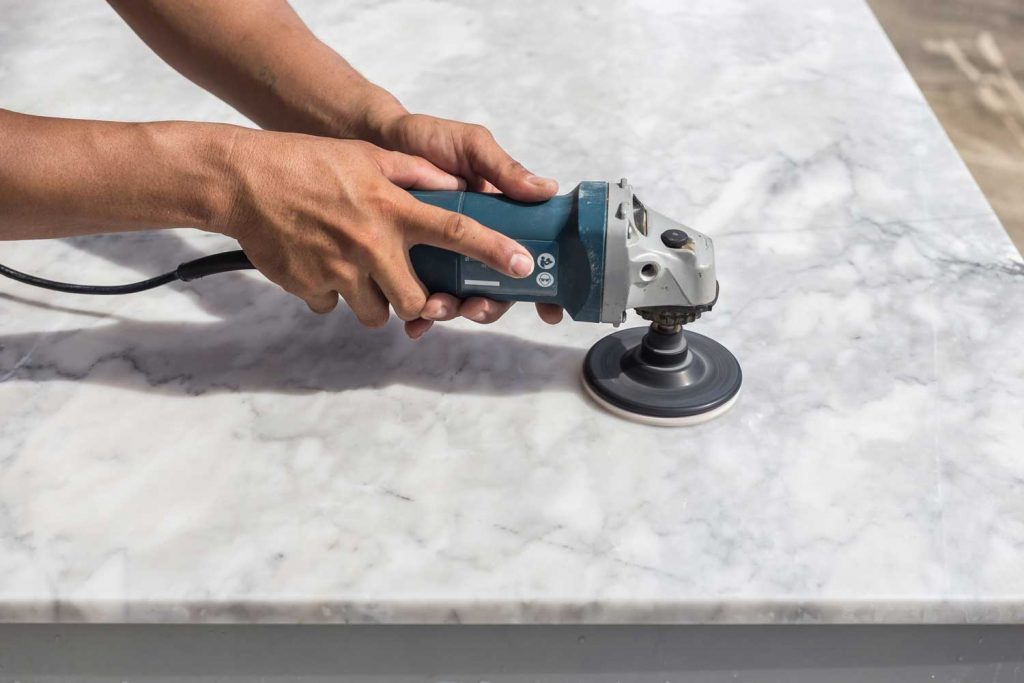
Honing is the controlled use of diamond abrasives to refine the stone surface. It removes a very thin layer of material, reducing scratches, etched marks, worn traffic lanes and inconsistent sheen. The process moves through progressively finer abrasives until the desired finish is achieved.
For marble, limestone and travertine, honing is often the key to correcting visible dullness because it addresses the damaged surface itself. The work must be even across the affected area. Spot treatment can leave a visibly different patch, particularly on highly reflective floors.
The trade-off is that significant scratches, lippage or widespread etching may require more intensive honing. That takes longer and needs careful judgement, especially on older stone, thin tiles or floors with detailed borders and inlays.
Polishing or re-finishing the surface
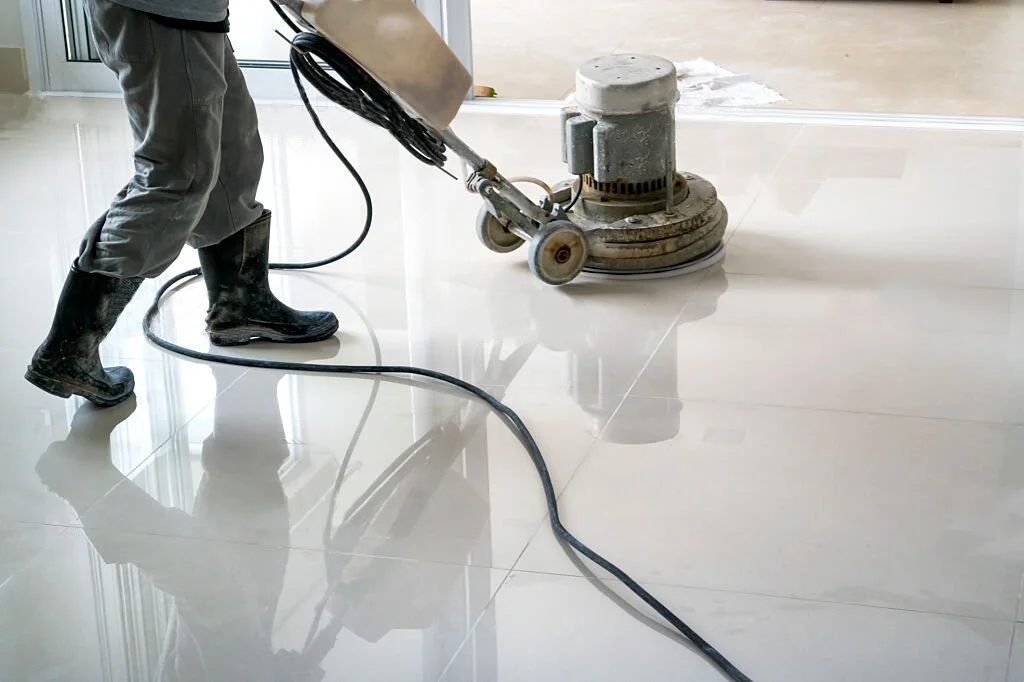
Once a polished stone floor has been honed to a fine finish, polishing compounds or mechanical polishing methods can rebuild clarity and lustre. The goal is not an artificial shine. It is an even, natural finish that suits the stone and reflects light consistently across the room.
Not every floor should be polished. Honed limestone, textured travertine, slate and many exterior surfaces are better restored to their intended low-sheen or natural finish. In these cases, a uniform clean appearance, stable grout joints and suitable protection are more valuable than gloss.
Filling, repairs and grout attention
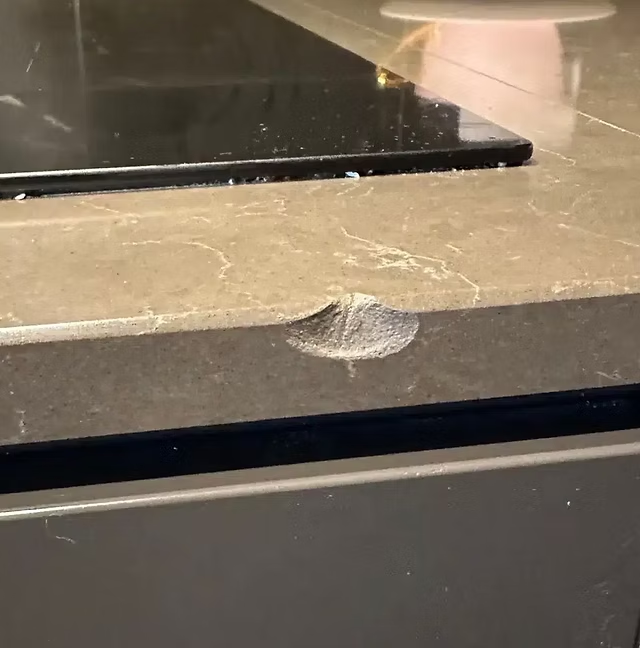
Dullness can draw attention to other defects: open travertine holes, chipped edges, cracked tiles or discoloured grout. Filling and colour-matching repairs may be completed as part of restoration, depending on the condition of the floor. Addressing these details helps the finished surface look complete rather than newly polished around visible damage.
Grout must be handled carefully. Strong acidic cleaning intended for grout can permanently etch adjacent marble or limestone. A material-specific approach protects both the stone and the joints.
Sealing protects stone but does not create shine
Sealing is frequently misunderstood. An impregnating sealer penetrates porous stone and helps resist water- and oil-based staining. It does not normally create a glossy finish or repair existing scratches. Its value is preventive: it gives spills more time to be cleaned before they penetrate the stone.
Whether a floor needs sealing depends on the stone type, location, porosity and existing protection. Dense polished granite may have different requirements from porous honed limestone or external sandstone. Over-sealing, or applying a product incompatible with the substrate, can leave residue and contribute to the very dullness owners are trying to fix.
After restoration, the right sealer is selected for the stone’s finish and expected exposure. In kitchens, dining spaces and commercial entrances, protection should be matched with practical maintenance rather than treated as a once-only solution.
Prevent dullness from returning
The best restoration result will not hold if abrasive grit and unsuitable cleaning continue to affect the floor. Entry mats at external doors reduce the fine sand and dirt that act like sandpaper under shoes. In commercial settings, matting should be large enough to capture grit before people reach the stone, not placed as a token mat inside the doorway.
For routine care, use a neutral-pH cleaner formulated for natural stone and a clean microfibre mop or pad. Avoid vinegar, bleach, acidic bathroom cleaners, abrasive powders and harsh degreasers unless they have been confirmed as suitable for that particular stone. Clean spills promptly, especially on marble, limestone and travertine.
Wet mopping should leave the surface clean, not saturated. Excess water can carry soil into grout lines, leave streaking and create slip risks. In high-traffic commercial areas, a scheduled maintenance programme is usually more cost-effective than waiting until traffic lanes are visibly worn.
When specialist restoration is the right choice
A homeowner may safely manage regular dust removal and pH-neutral cleaning. But widespread dullness, etching, coating failure, deep scratches and uneven finishes call for specialist assessment. DIY polishing products can temporarily alter the look, yet they may leave residues, create patchiness or complicate later restoration.
Sydney Stone Care approaches each floor according to the stone, the damage and the finish required. The objective is to restore the material’s natural character while preserving as much of the original surface as possible.
A well-restored stone floor should look like the stone has been cared for, not coated over. With correct restoration and considered maintenance, its colour, texture and quiet sense of quality can remain a defining part of the property for years to come.