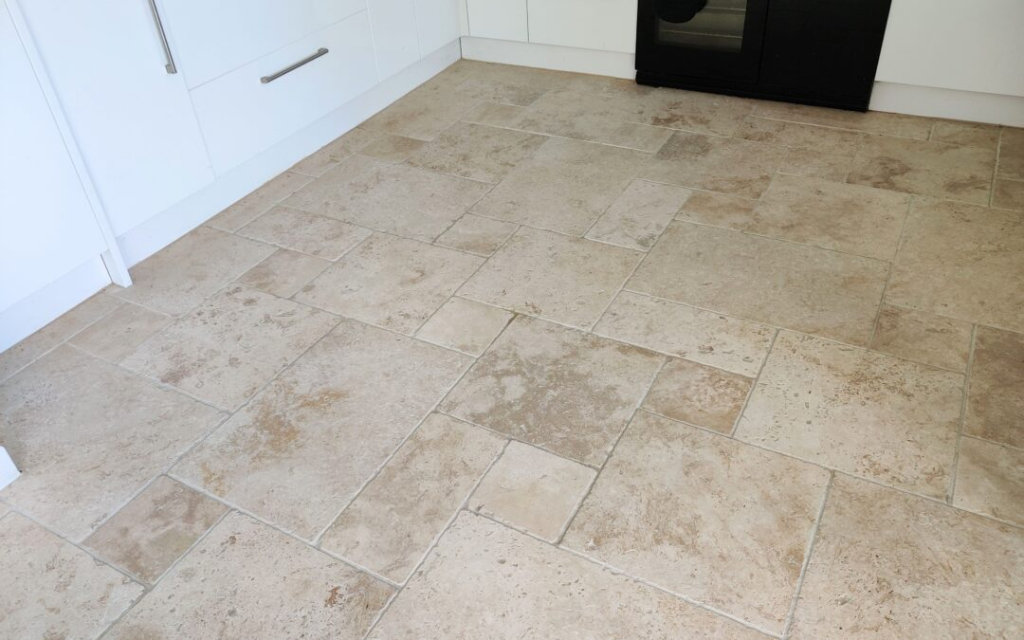
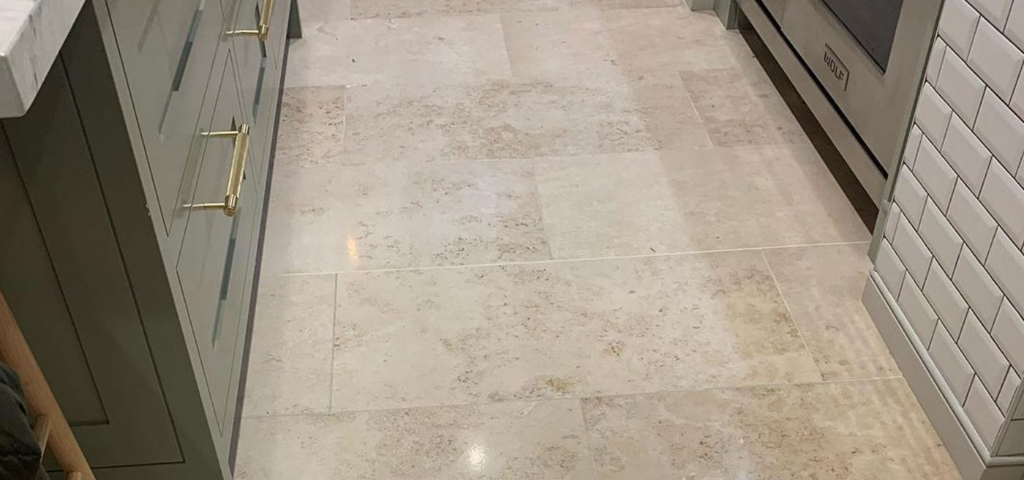
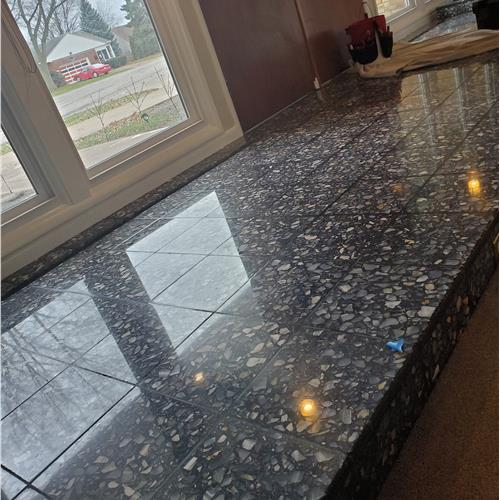
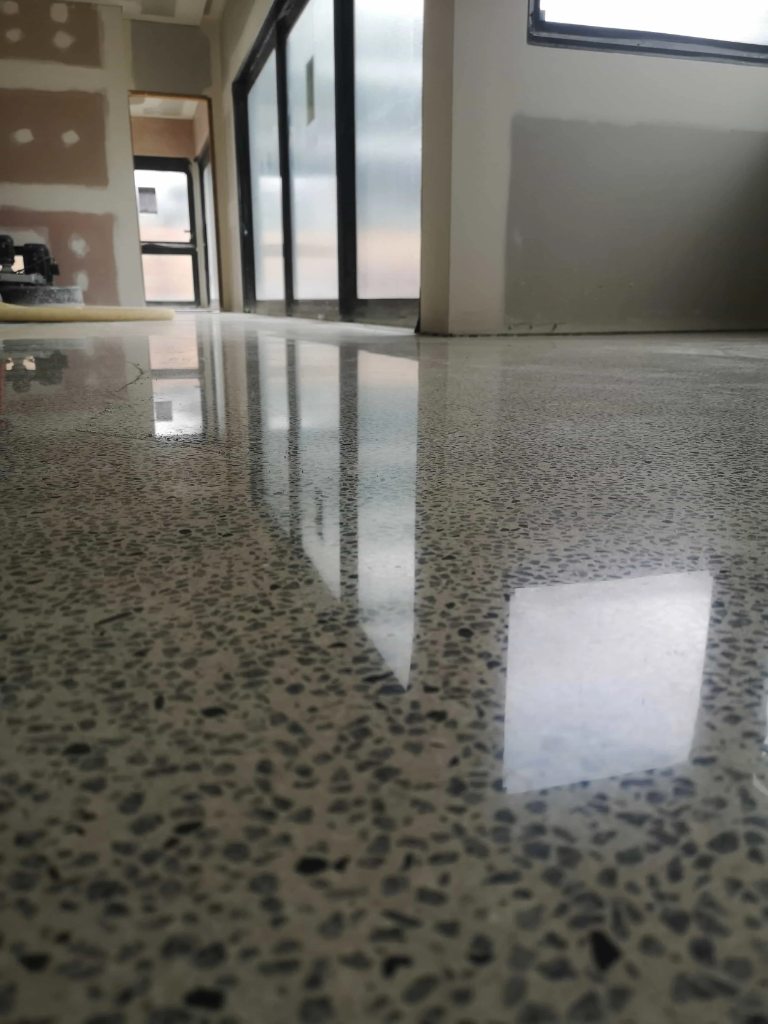
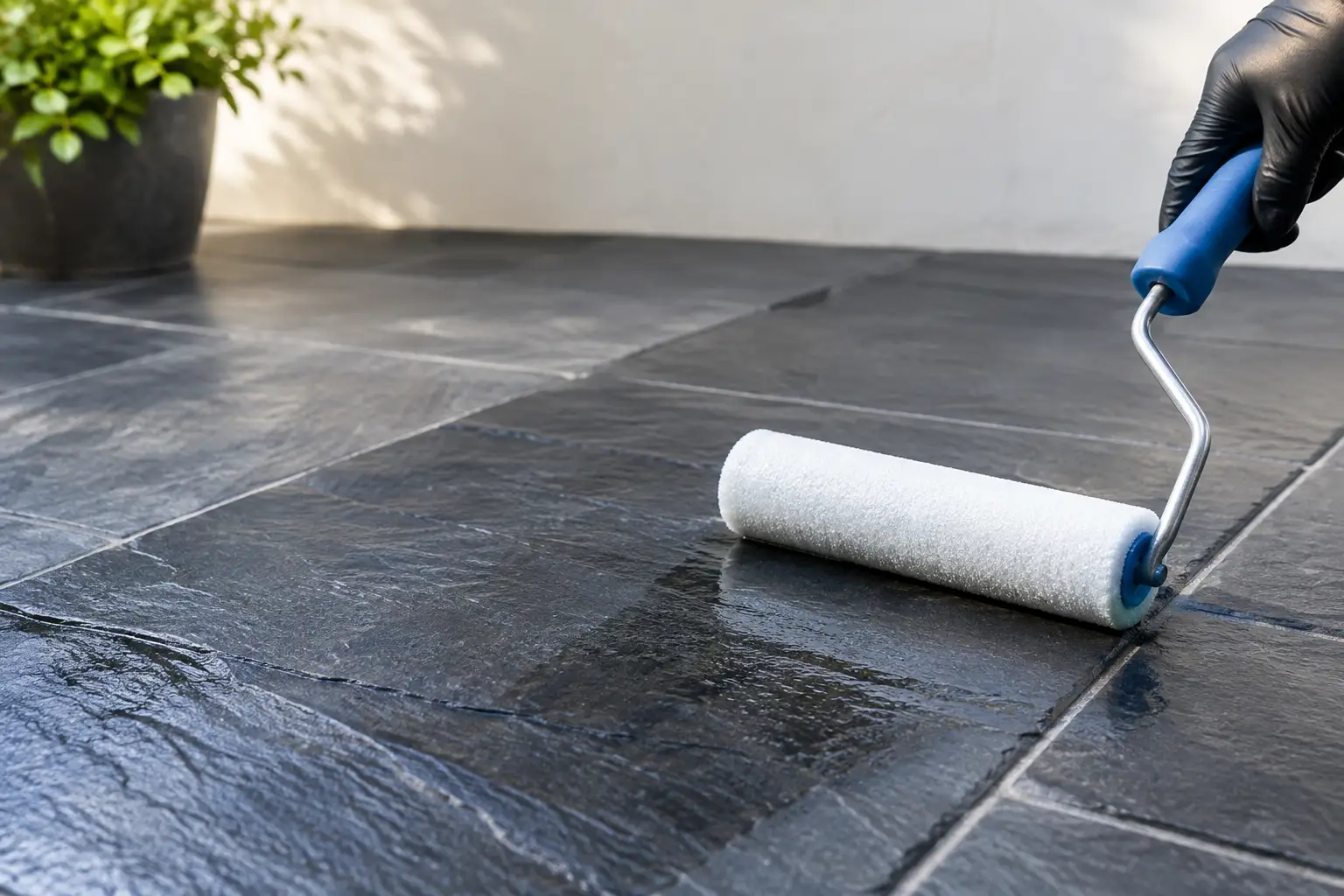
Slate sealing is often treated as a quick finishing step, but the result depends on much more than applying a product and waiting for it to dry. Slate is a natural, layered stone with variations in density, porosity and texture. The right treatment can make routine maintenance easier and help protect the surface from staining. The wrong one can leave a patchy appearance, a slippery floor or a coating that traps moisture beneath it.
For Sydney homes and commercial properties, this matters particularly on entryways, patios, pool surrounds, bathrooms, kitchens and high-traffic foyers. These surfaces are exposed to moisture, tracked-in grit, food spills, cleaning chemicals and changing weather conditions. A considered sealing process protects the investment without masking the stone's natural character.
What slate sealing is designed to do
A suitable sealer reduces the rate at which liquids and contaminants enter the stone. It gives you more time to remove a spill before it becomes a stubborn stain, and can limit the uptake of moisture in porous slate. This is valuable for surfaces exposed to oil, wine, food, soap residue, leaf tannins and general daily use.
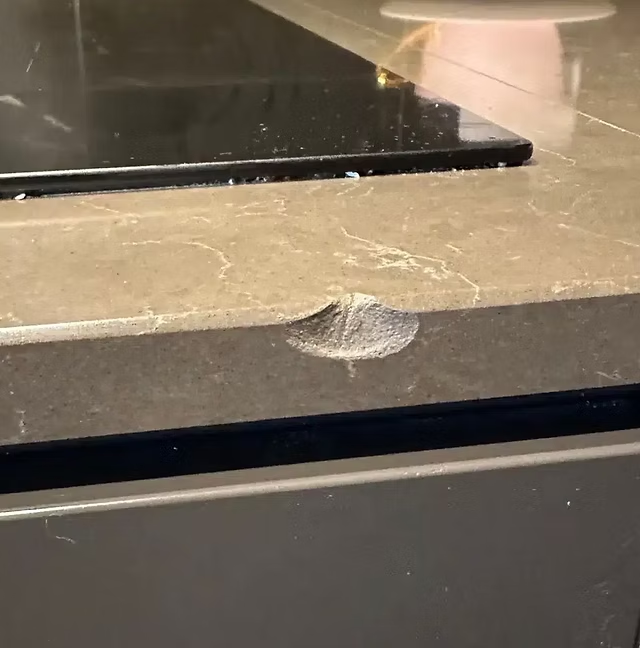
Sealing does not make slate waterproof, scratch-proof or maintenance-free. It also will not repair loose tiles, deep scratches, surface flaking, cracked grout or ingrained staining. Those issues need to be assessed and rectified before sealing begins. Applying a sealer over an unprepared surface can lock in the very problems the owner wants removed.
The expected appearance is just as important as protection. Some slate is intended to look dry and natural, with its subtle variations left unchanged. Other installations suit an enhancing treatment that deepens the colour and brings out the stone's natural movement. Neither option is automatically better. The correct choice depends on the slate, its location, the existing finish and the practical demands of the area.
Why slate needs a material-specific approach
Slate is commonly described as one material, yet it behaves differently from one installation to another. Dense slate may absorb very little sealer, while more porous or textured varieties can take up product unevenly. Riven slate, with its naturally split face, has crevices that hold dirt and residue. Honed slate presents a different set of considerations again.
The condition of the stone changes the approach. Older floors may carry remnants of waxes, acrylic coatings, unsuitable sealers or household cleaning products. Exterior slate can be affected by organic growth, mineral deposits and moisture movement. Indoor slate may be dulled by detergent residue or damaged by acidic cleaners. A professional assessment identifies what is on and within the surface before any new protection is selected.
Moisture deserves particular attention. Slate and grout must be properly dry before sealing. If moisture is held beneath a film-forming coating, it can contribute to whitening, cloudiness, peeling or an uneven finish. This is one reason exterior applications and wet areas should not be treated as a standard DIY job. The surface may look dry, but moisture can remain below the face of the stone or in grout joints.
Penetrating sealers versus surface coatings
For many slate surfaces, a penetrating or impregnating sealer is the preferred solution. It works below the surface rather than creating a visible layer on top. This helps preserve the natural texture, avoids a plastic-looking sheen and allows the stone to breathe more freely. It is often well suited to floors where slip resistance and a natural finish are priorities.
Enhancing impregnators are designed to provide similar internal protection while enriching the stone's colour. They can produce a pleasing wet-look effect without the heavy gloss associated with some topical coatings. However, the change can be permanent or difficult to reverse, so a test area is essential before treating the full installation.
Topical sealers form a coating over the slate. They can provide a more pronounced sheen and may be chosen for particular decorative applications, but they require careful consideration. On textured slate, a surface coating may wear unevenly, catch dirt or alter slip resistance. In outdoor settings, it can be more vulnerable to weathering, ultraviolet exposure and moisture-related failure. A product that looks appealing on a small display board is not always suitable for a busy Sydney courtyard or commercial entrance.
Preparation determines the final result
A high-quality slate sealing job begins with cleaning and preparation, not the sealer itself. The stone needs to be free from dust, grease, detergent residue, old coating residue and contaminants that could interfere with absorption. Cleaning methods should be selected for the condition of the slate, rather than relying on harsh all-purpose chemicals.
Acidic cleaners are a common risk. While slate can tolerate some products better than calcite-based stones such as marble, grout and surrounding materials may still be affected. Strong alkaline products can also leave residue or alter the appearance if not thoroughly removed. The goal is clean, stable stone, not an aggressive chemical treatment.
Once cleaned, the area must dry fully. Drying time varies according to the slate's porosity, ventilation, weather and whether the surface is indoors or outdoors. Rushing this stage is one of the main causes of disappointing results. A specialist will also check for loose sections, hollow-sounding tiles, failed grout and salt or moisture issues before proceeding.
How a professional sealing process should work
The first step is a small test application in an unobtrusive area. This confirms how quickly the stone absorbs the chosen sealer, whether the colour changes as expected and whether the finish is even. It is the most reliable way to avoid surprises across a large floor, wall or external entertaining area.
The sealer is then applied evenly at the correct coverage rate. With porous slate, excess product must be removed before it dries on the surface. Leaving excess sealer behind can create shiny patches, streaks or a tacky residue that attracts dust. More product is not better. The stone should absorb what it needs, while the surface remains clean and consistent.
Curing is also part of the process. The treated area may need to remain free of water, foot traffic and cleaning for a specified period. Commercial operators should plan this carefully around trading hours, guest access and safety requirements. A well-timed maintenance programme can reduce disruption while ensuring the sealer performs as intended.
When should slate be resealed?
There is no fixed schedule that suits every slate surface. A sheltered internal wall may retain protection for many years, while an external patio or busy restaurant entry may need closer monitoring. Foot traffic, cleaning practices, exposure to rain and sun, the quality of the original application and the type of sealer all influence longevity.
A simple water-drop test can indicate whether protection is still active. Place a small amount of clean water on a dry, inconspicuous area. If it beads for a short period, the sealer may still be performing. If it immediately darkens and absorbs into the stone, it may be time for professional assessment. This is an indicator rather than a complete diagnosis, particularly where previous coatings or contamination are present.
Avoid resealing simply because a calendar says so. Applying more product over existing residue can create build-up and unevenness. The right question is whether the surface is clean, sound and still receiving the level of protection it needs.
Day-to-day care after sealing
A sealed slate floor still benefits from regular, low-impact care. Sweep or vacuum with a suitable attachment to remove abrasive grit, then mop with a pH-neutral stone cleaner diluted correctly. Wipe spills promptly, especially oils, acidic foods and coloured liquids. For exterior areas, clear leaves and organic debris before they break down and mark the stone.
Avoid waxes, generic shine products and harsh household cleaners. They can leave films that make slate look dull, interfere with future sealing and make professional restoration more involved. Entrance matting, felt protectors under furniture and prompt attention to spills will often do more for the stone's appearance than frequent heavy cleaning.
For commercial settings, cleaning teams should receive clear product and dilution instructions. A well-specified maintenance routine protects both the stone and the consistency of the property presentation.
Slate performs beautifully when its natural texture and variation are respected rather than covered up. If the surface is showing uneven colour, persistent staining, flaking, failed coating or signs of moisture, have it assessed before applying another product. Sydney Stone Care can determine whether cleaning, restoration, targeted repairs or a carefully selected sealing system will provide the right long-term outcome for your stone.