
A stone facade can look exceptional on handover day, then slowly lose its crisp, premium finish under Sydney’s weather, traffic pollution and daily exposure. Effective stone facade upkeep prevents minor surface changes from becoming costly restoration work, while protecting the character and value of the building.
Natural stone is durable, but it is not maintenance-free. Sandstone, limestone, travertine, granite and bluestone each respond differently to moisture, cleaning agents, salt, airborne contaminants and physical wear. The right maintenance plan begins with the stone itself, not with a one-size-fits-all cleaning product.
Why stone facades need specialist care
Exterior stone faces a demanding environment. In coastal suburbs, salt-laden air can leave deposits that attract moisture and contribute to surface deterioration. Near busy roads and commercial precincts, airborne grime and carbon pollutants can build up in pores and leave uneven discolouration. Shaded elevations may also retain moisture for longer, encouraging organic growth such as algae, mould or lichen.
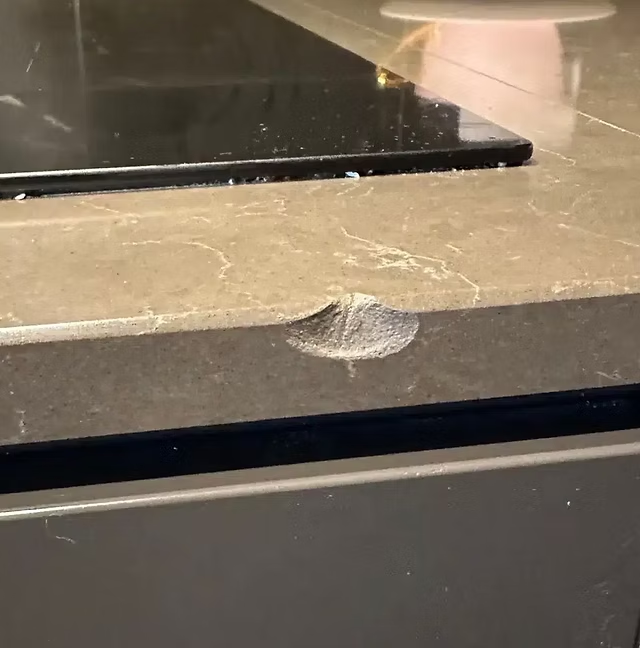
Sydney’s cycles of heat, rain and humidity add further pressure. Water entering open pores, failed joints or small cracks can carry salts into the stone. As that water evaporates, mineral salts may crystallise beneath or on the surface, producing white powdery marks known as efflorescence. Repeated moisture movement can also cause staining, granular surface loss or localised spalling, particularly in softer sedimentary stone.
A facade does not need to look severely damaged before it requires attention. Dulling, dark streaks beneath window lines, patchy colour variation and persistent green growth are early signs that the surface should be assessed. Prompt, material-specific action is generally more controlled and more economical than waiting for visible deterioration to spread.
Stone facade upkeep starts with identification
The word “stone” covers materials with very different properties. Limestone and marble are calcareous stones, meaning they can react with acidic cleaners. Sandstone is generally porous and can absorb moisture and contaminants quickly. Granite is dense and hard-wearing, yet it can still develop stains, residue and problems around joints or sealants.
Before any cleaning or protection work is selected, a specialist should identify the stone type, its finish, its condition and the source of the issue. What appears to be general dirt may be paint overspray, efflorescence, rust staining, biological growth or residue from an unsuitable previous treatment. Each requires a different approach.
This is why high-pressure washing is rarely the right default. Excessive pressure can erode soft stone, open the surface, drive water into joints and leave a visibly uneven finish. Likewise, acidic or harsh alkaline cleaners may etch, bleach or weaken certain stones. The immediate result may look cleaner, but the long-term cost can be a facade that soils faster or requires corrective restoration.
A practical maintenance schedule for exterior stone
The frequency of maintenance depends on the building’s location, stone type, exposure and use. A sheltered residential facade may only need a detailed professional inspection annually, while a hotel entrance, retail frontage or strata building near a main road may benefit from more frequent attention.
Routine visual checks
Property owners and facilities teams should inspect facades several times a year, particularly after prolonged rain or severe weather. Look for new stains, darker damp areas, salt deposits, cracking around joints, loose mortar, biological growth and runoff marks below ledges, air-conditioning outlets or window sills.
Check whether gutters, downpipes and flashings are directing water away from the stone. Many recurring facade stains are not caused by the stone at all. They are caused by poor drainage, leaking fixtures, corroding metal components or water carrying contaminants across the surface.
Gentle removal of loose surface debris
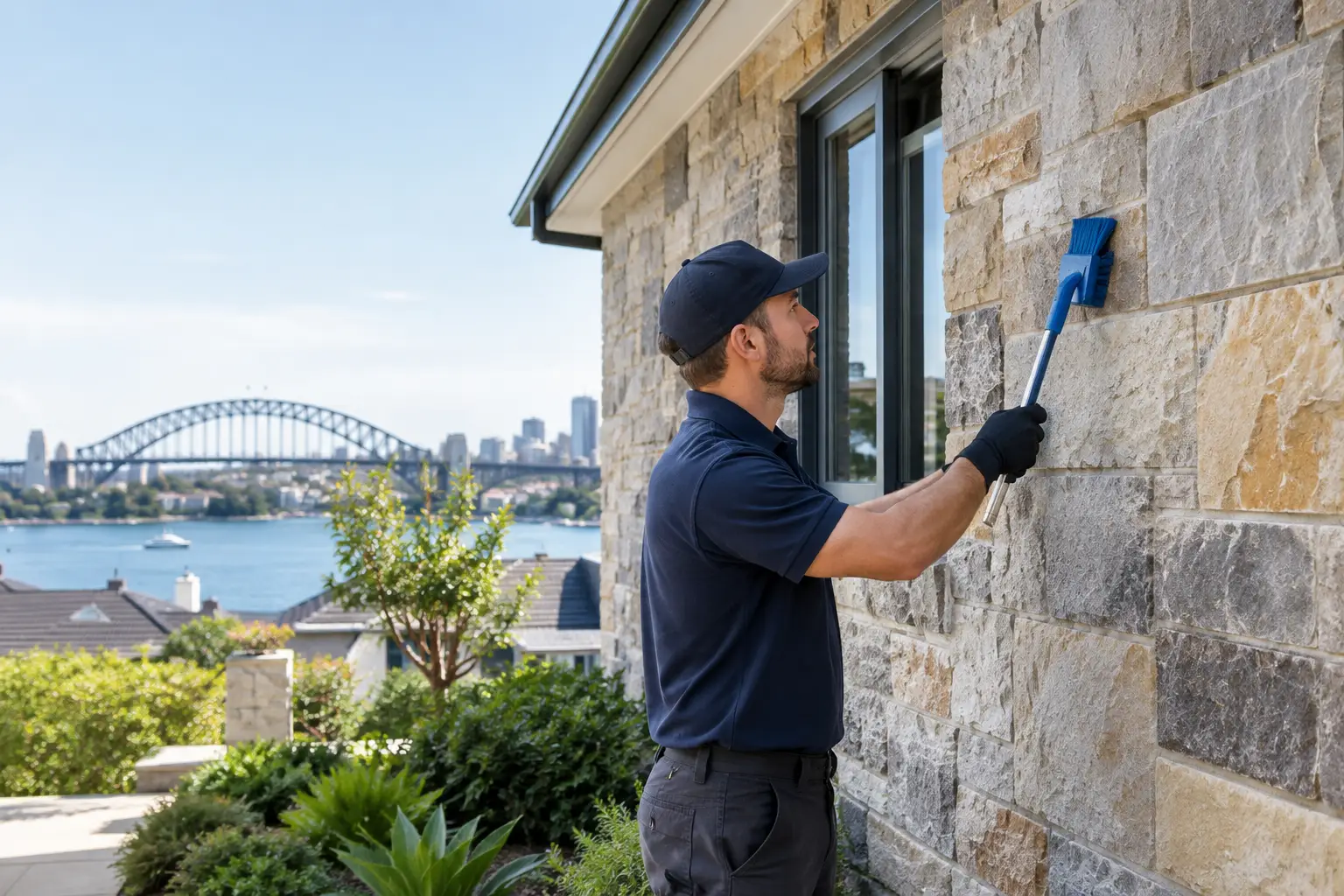
Dry leaves, cobwebs, dust and soil can hold moisture against the stone, especially around ledges and recessed details. Gentle removal with a soft brush or low-pressure clean water rinse may be suitable for some surfaces, provided the stone is sound and the method does not force water into openings.
Avoid abrasive pads, wire brushes and household cleaning chemicals. They can scratch polished surfaces, remove softer stone grains and leave residues that alter the facade’s appearance. If there is uncertainty about the stone or the staining, stop before applying a product and seek specialist advice.
Professional deep cleaning when needed
Professional cleaning is appropriate when soiling is established, biological growth has returned, stains are visible from the street or entrance areas no longer reflect the standard of the property. The method should be selected after testing, not assumed from the type of building.
A specialist may use controlled low-pressure washing, steam, poultice treatments, pH-appropriate cleaning solutions or targeted stain removal methods. The goal is to lift contaminants while preserving the stone’s natural surface, texture and colour. On heritage-style facades or premium architectural stonework, this level of control is particularly valuable.
Managing the most common facade problems
Water marks and efflorescence
White salt deposits are often treated as a cleaning problem, but they are usually a moisture-management problem first. Removing the visible salts without addressing water entry can lead to repeat outbreaks. Failed pointing, cracked joints, leaking pipes and poor drainage should be investigated before or alongside cleaning.
A professional can determine whether the deposit is surface efflorescence, mineral staining or another issue altogether. Aggressive cleaning can push salts further into porous stone, so the treatment needs to match both the stone and the moisture source.
Organic growth
Green, black or orange growth is common on shaded walls, south-facing elevations and surfaces near gardens. It affects appearance, but can also trap moisture and make the facade harder to maintain over time.
The appropriate treatment should remove growth at its source without damaging the stone or surrounding landscaping. Once cleaned, improving airflow, trimming nearby vegetation and correcting persistent water runoff can reduce the chance of rapid regrowth.
Rust, runoff and localised stains
Rust staining may come from metal fixings, balustrades, irrigation, roof components or nearby construction activity. Dark vertical streaks may be caused by rainwater washing dirt from ledges or window frames. These issues need targeted diagnosis because a general cleaner may have little effect, or may create a lighter patch around the stain.
Where possible, eliminate the source before restoration work begins. Replacing corroded components, adjusting irrigation and repairing drainage faults protects the result of specialist cleaning.
Should a stone facade be sealed?
Sealing can be useful, but it is not automatically the right solution for every facade. A suitable penetrating sealer may help reduce water and oil absorption on porous stone while retaining a natural appearance. However, the product must be compatible with the stone and applied to a clean, dry surface.
The key consideration is breathability. Exterior stone often needs to release moisture vapour. An unsuitable coating can trap moisture beneath the surface, increasing the risk of whitening, peeling, salt activity or accelerated deterioration. Film-forming products may also alter colour, create a gloss that was never intended or weather unevenly.
For this reason, sealing should follow a condition assessment and test area. It is most effective as part of a broader preservation plan that includes sound joints, controlled drainage and appropriate cleaning.
When restoration is the better option
Maintenance cannot reverse every issue. Deep staining, failed coatings, etched surfaces, widespread salt damage, cracked stone or severe colour inconsistency may require restoration rather than routine cleaning. This can involve careful contaminant removal, surface refinishing, repointing, repairs or replacement of damaged sections where necessary.
The decision depends on the condition of the stone, the building’s architectural requirements and the expected outcome. A commercial entry may need a consistent presentation standard, while a heritage or naturally aged residential facade may retain some variation as part of its character. Good restoration respects that distinction rather than forcing every stone surface to look identical.
Sydney Stone Care approaches natural stone as a long-term asset, not simply another exterior surface. Correct maintenance protects visual appeal, reduces avoidable deterioration and helps preserve the quality that made stone the right material choice in the first place.
A well-kept facade does more than present cleanly from the kerb. It gives property owners and managers the confidence that moisture, staining and wear are being addressed before they compromise the stone beneath.