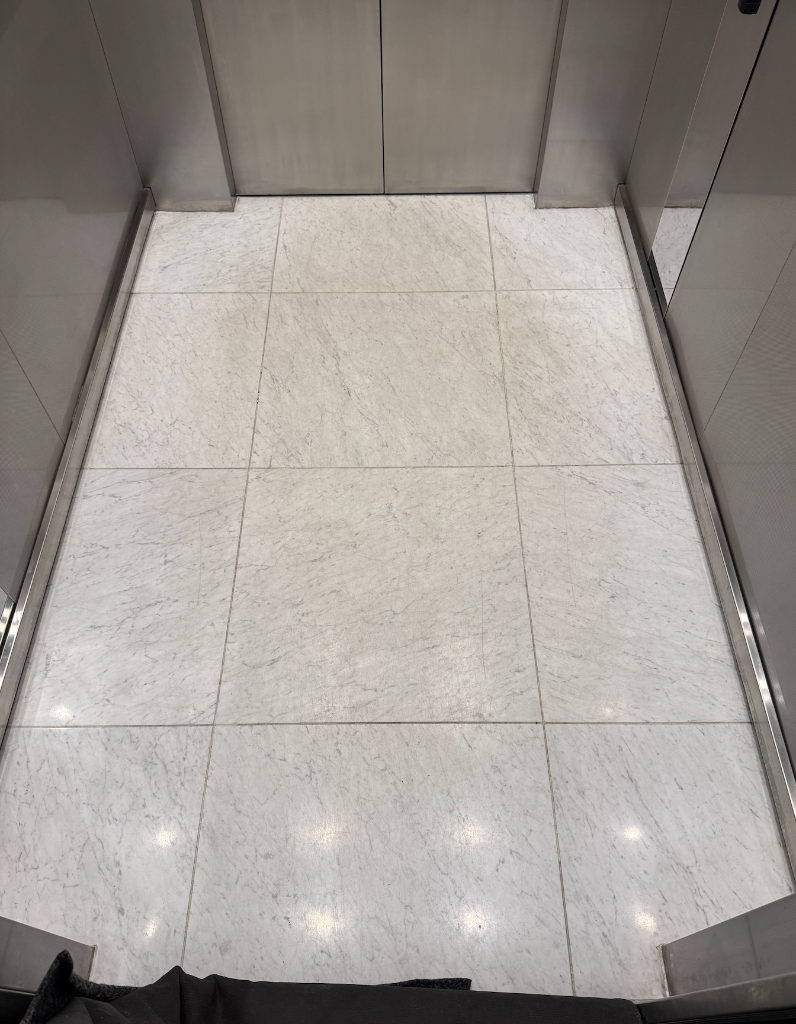
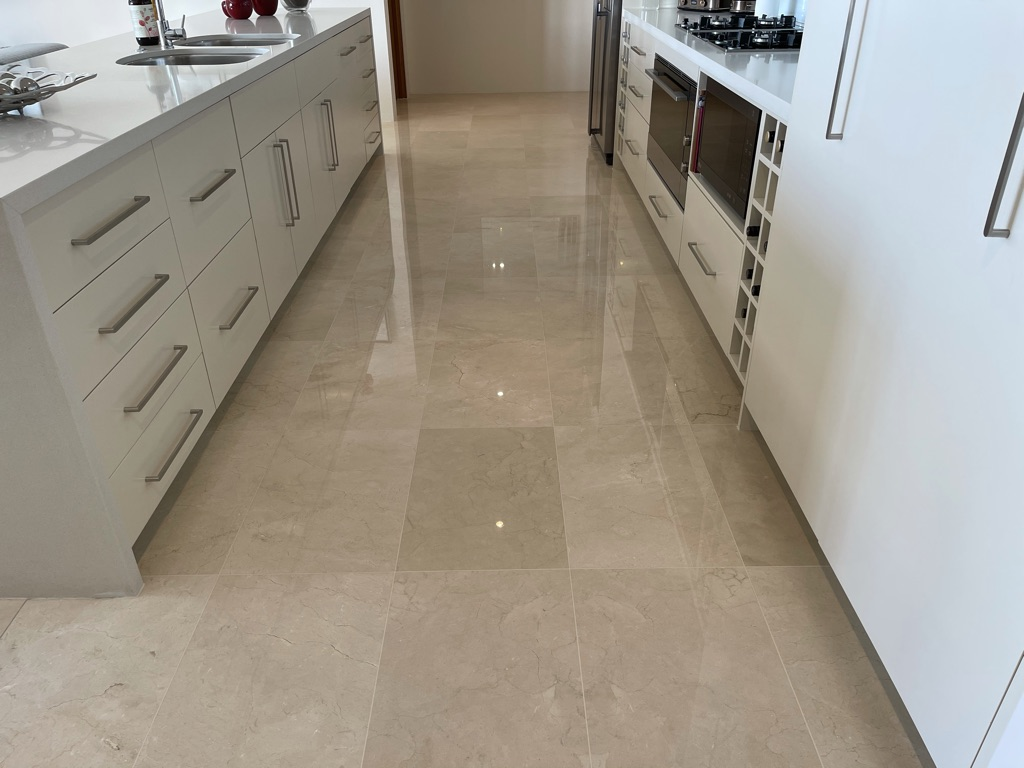
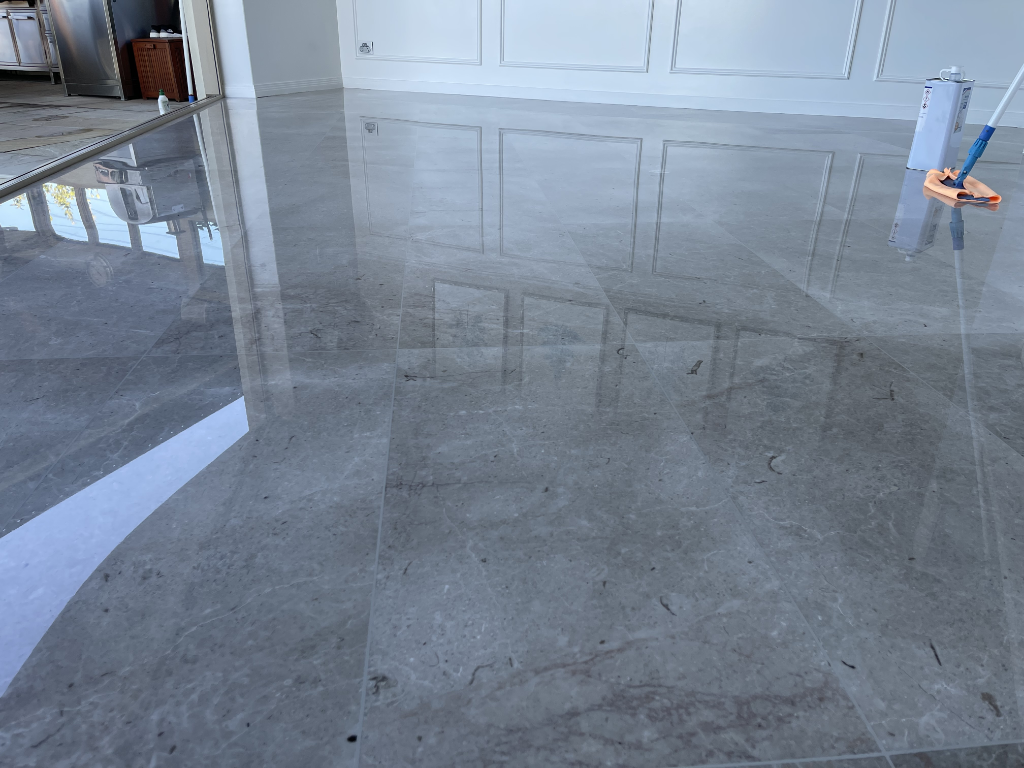
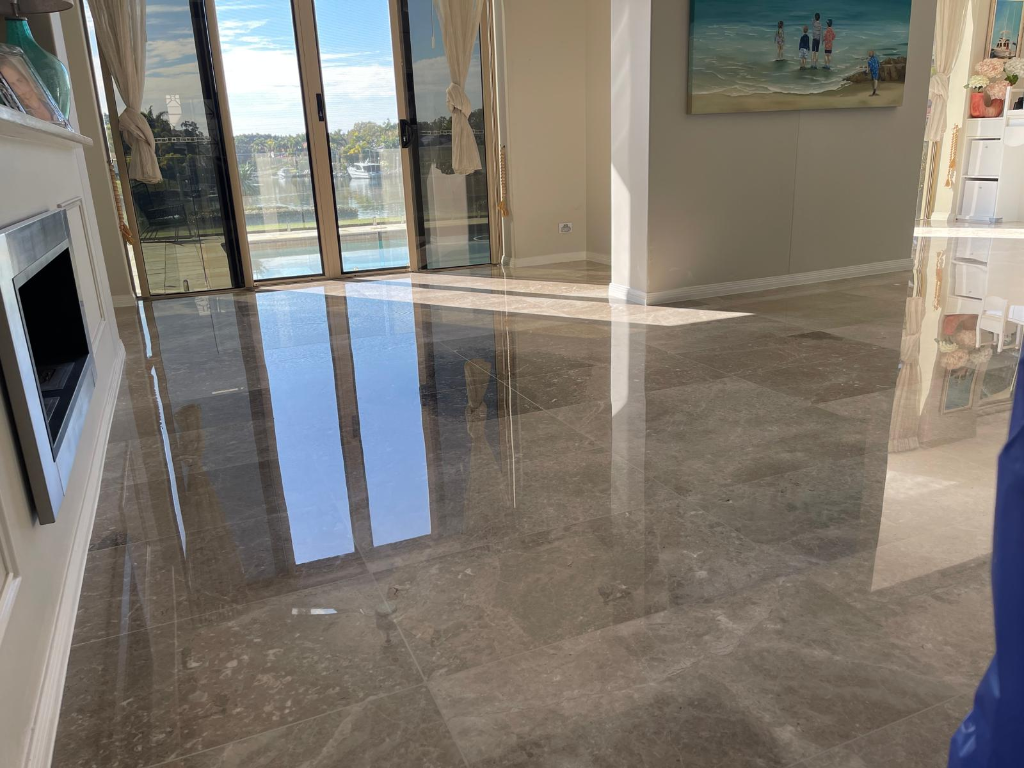
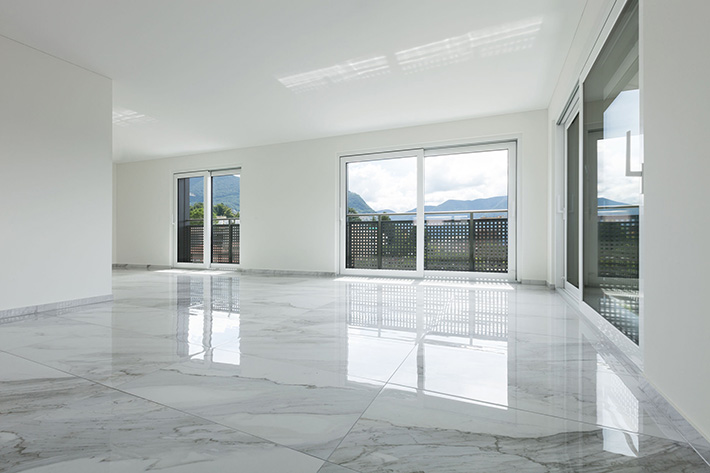
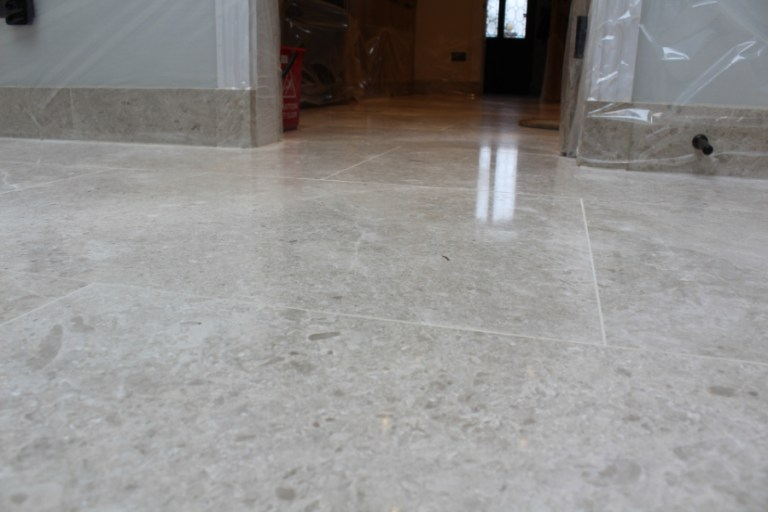
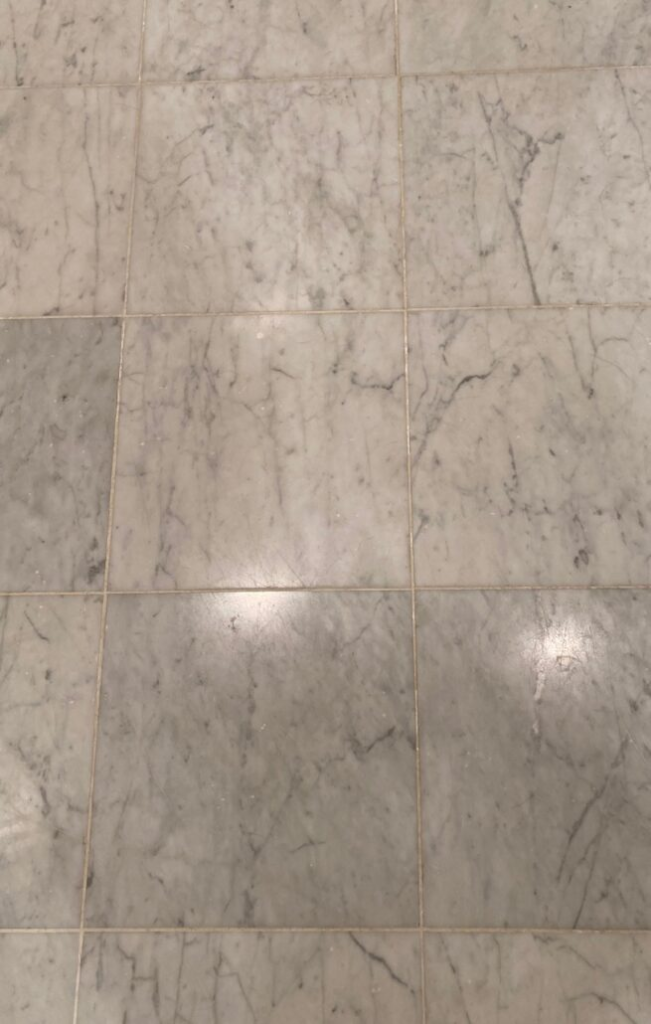
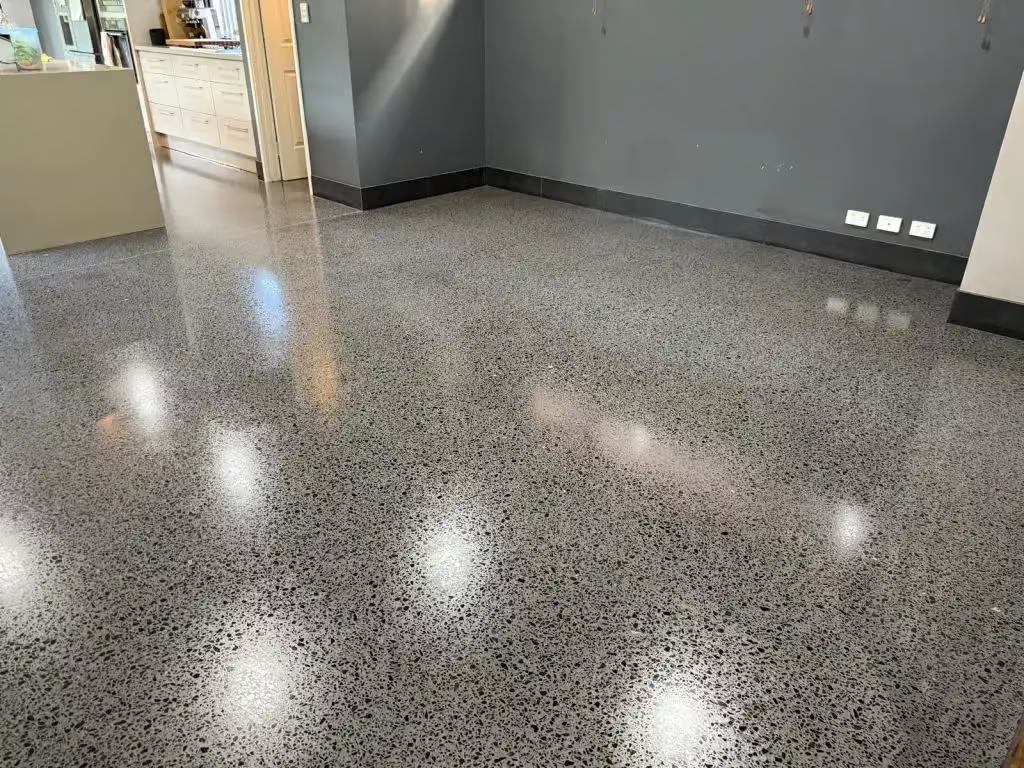
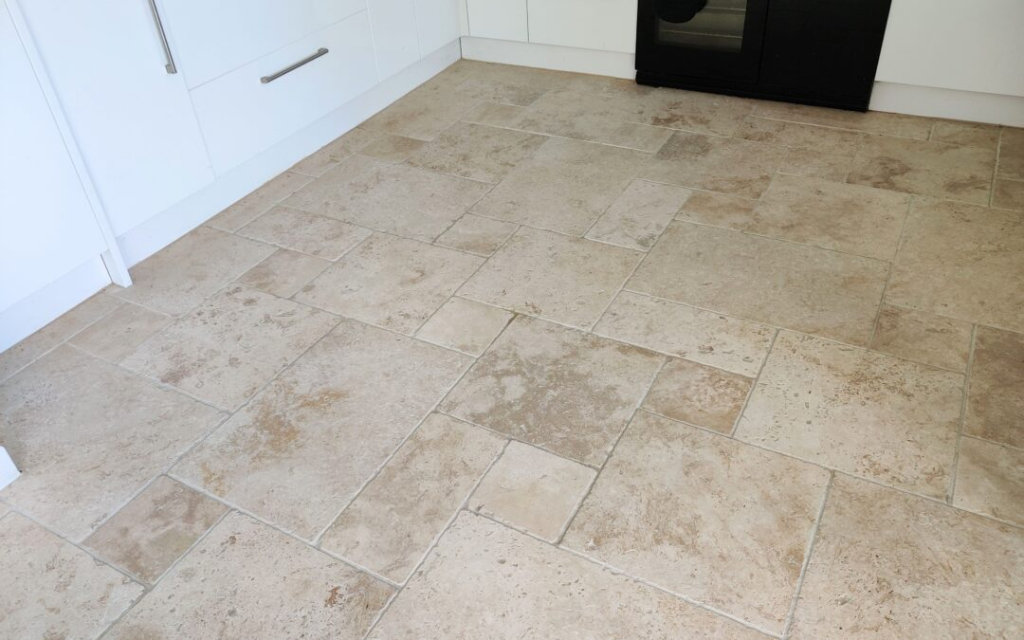
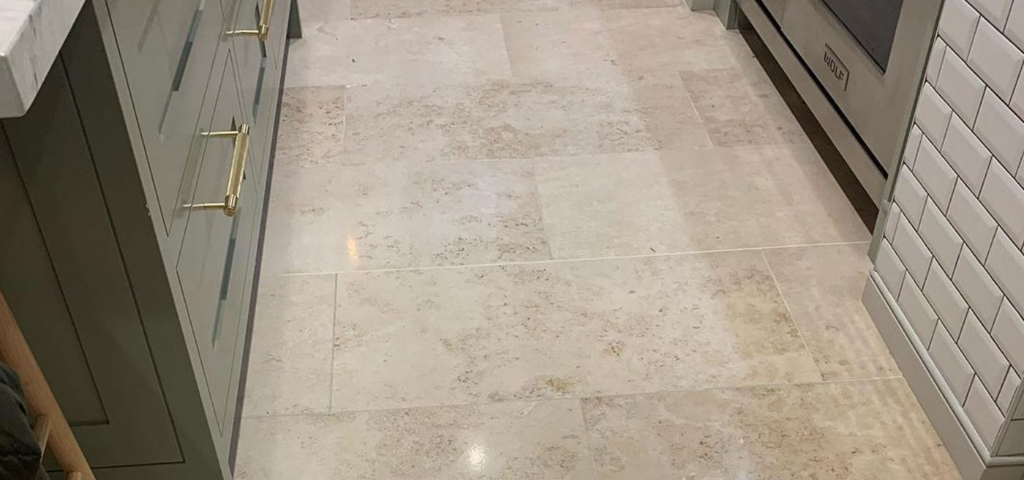
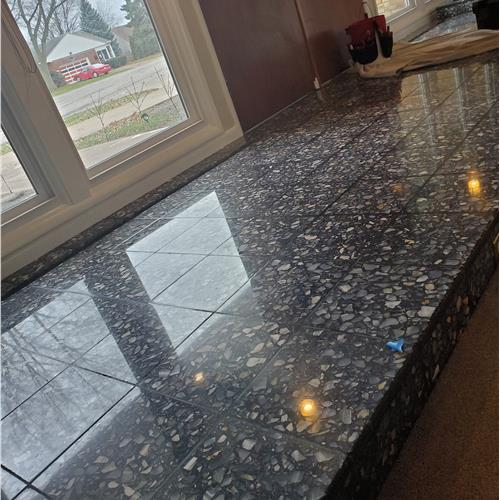
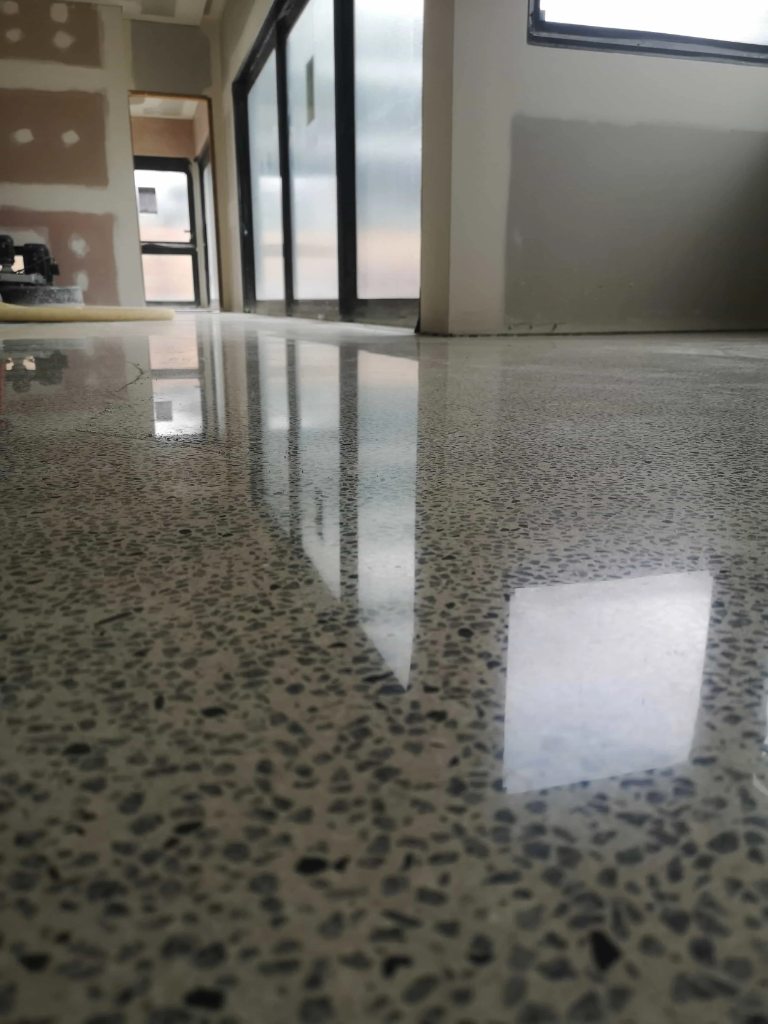
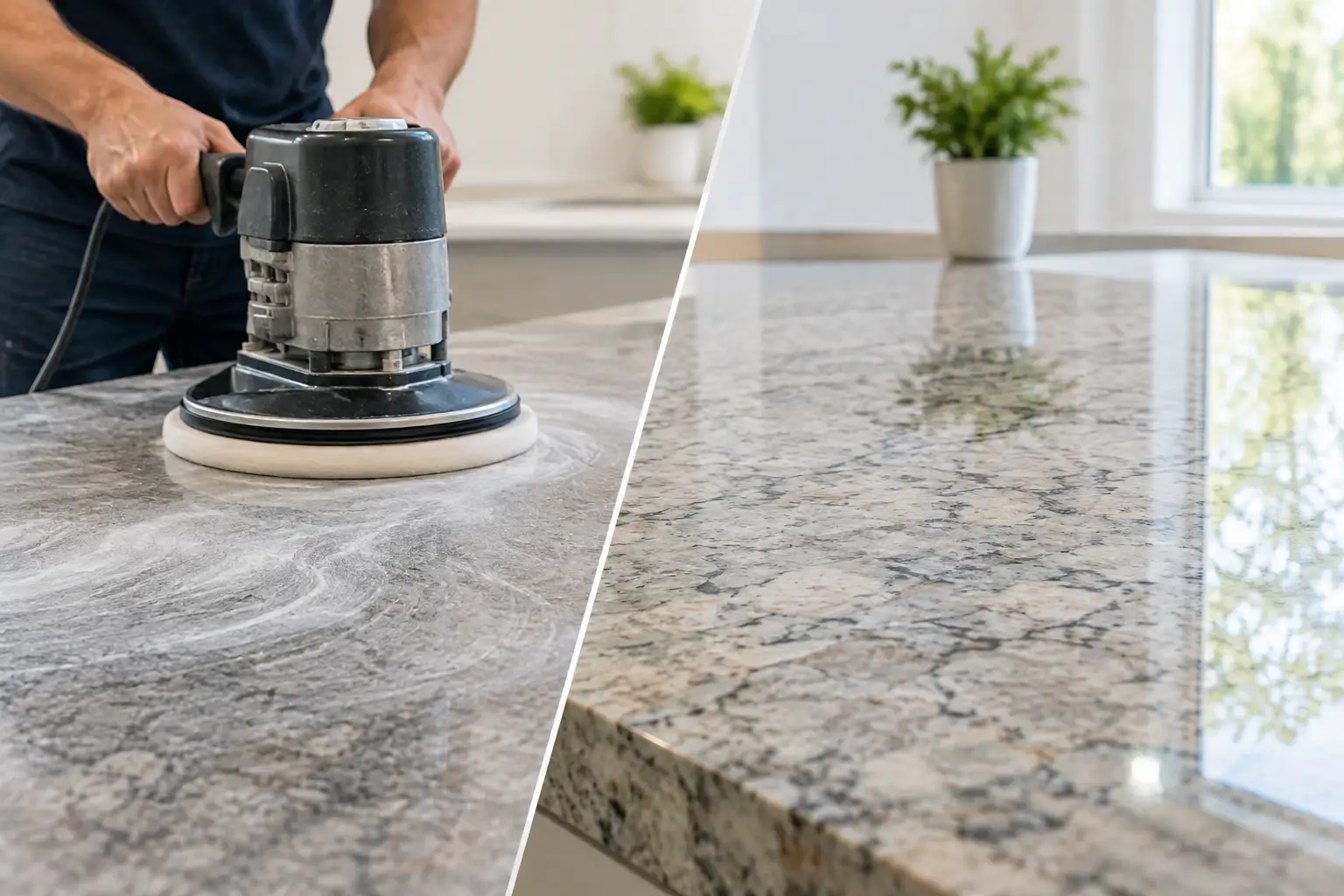
A stone floor can look tired long before it is genuinely worn out. Marble may lose its reflection around an island bench, travertine can appear chalky near an entry, and limestone tiles often show dull traffic paths despite regular cleaning. Stone polishing is designed to correct this type of surface wear, restoring clarity, colour depth and lustre without replacing a valuable natural finish.
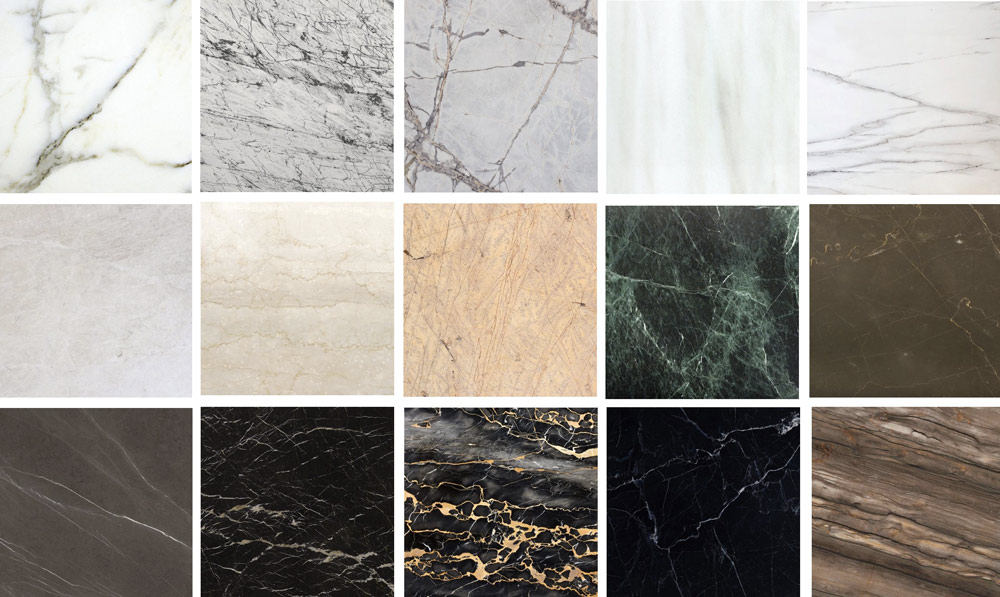
The key is using polishing for the problem it can solve. Natural stone is not a single material, and a dull surface is not always simply a dirty one. The right result begins with identifying the stone, the cause of the damage and the level of restoration required.
What Stone Polishing Actually Changes
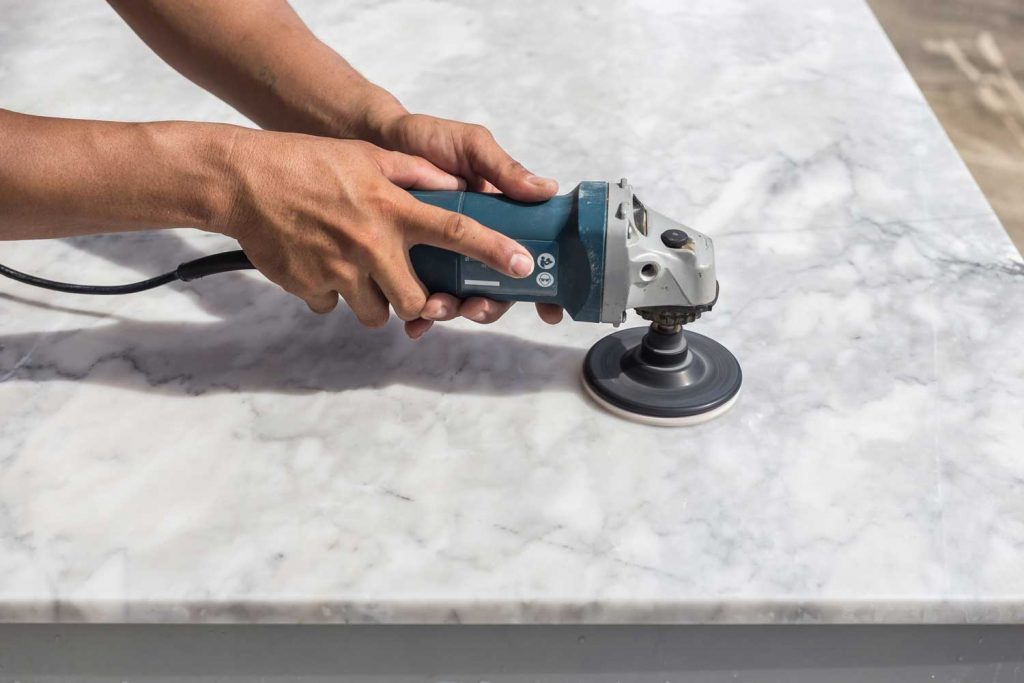
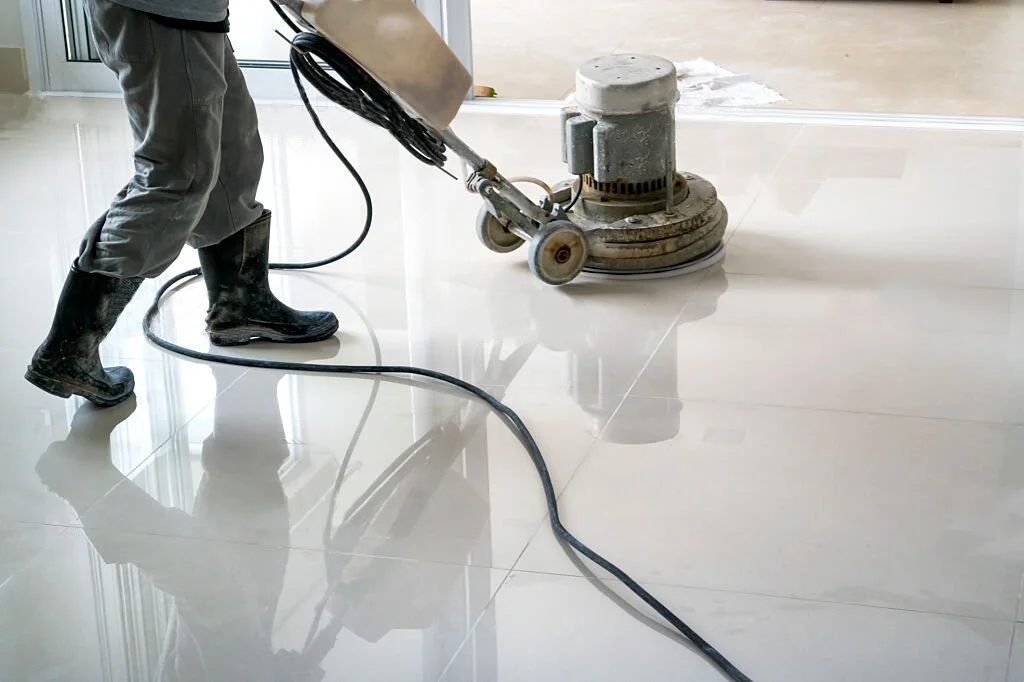
Polishing is a mechanical refinement process. Specialist equipment and progressively finer abrasive compounds are used to smooth the stone surface until it reflects light more evenly. On suitable stones, this brings back a refined honed or polished finish and reduces the visibility of light scratches, traffic wear and etching.
It is different from routine cleaning. A cleaner removes surface contaminants such as dust, grease and residues. Polishing works on the stone itself, correcting fine-level imperfections in the upper surface. This distinction matters because aggressive cleaning products cannot restore a worn finish. In some cases, they make the surface duller by leaving residue or damaging sensitive stone.
Polishing also differs from grinding. Grinding is a more corrective process used where there are lippage issues between tiles, deeper scratches, substantial etching or an uneven surface. It removes more material before the stone is honed and polished to the required finish. Where the damage is light and localised, polishing may be all that is needed. Where it is structural or deeper, a more comprehensive restoration process is usually the better investment.
Why Natural Stone Loses Its Lustre
The finish on natural stone changes gradually through use. In Sydney homes, common causes include sand and grit tracked in from outdoor areas, acidic food spills on benchtops, wet shoes at entrances and cleaners that are not pH-neutral. In commercial settings, constant foot traffic, trolley movement and frequent mopping can create visible wear patterns surprisingly quickly.
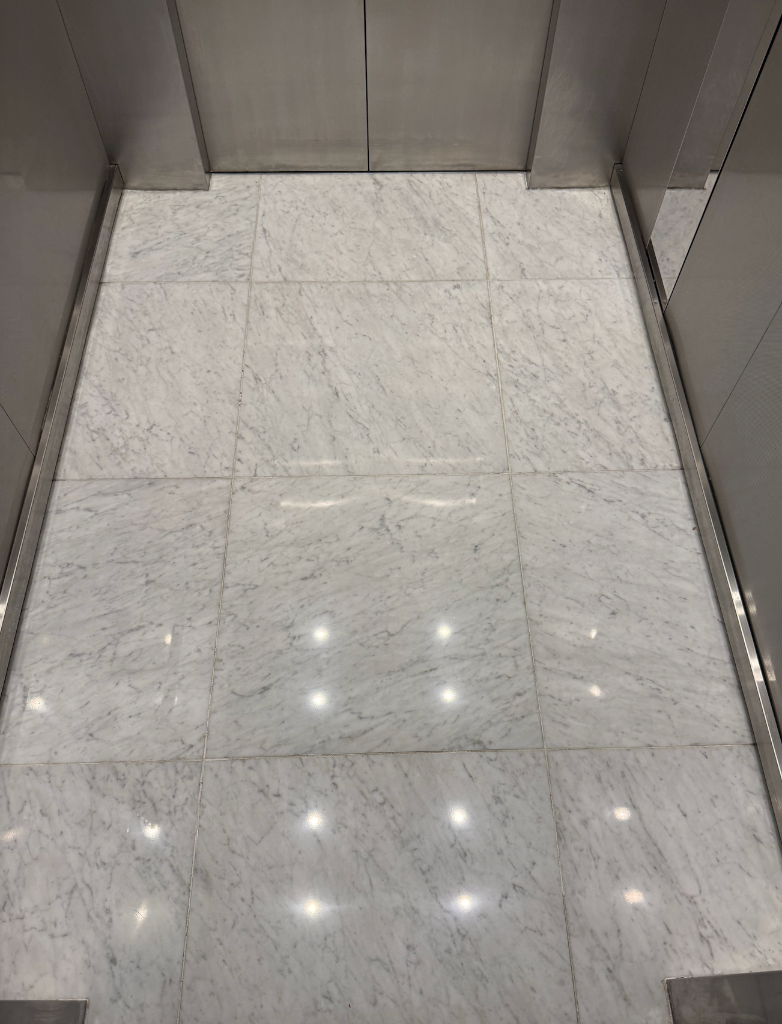
Marble is particularly vulnerable to etching from acidic substances. Lemon juice, wine, vinegar and some bathroom products can react with the calcium in marble and leave pale, dull marks. These marks are often mistaken for stains, but they are changes to the stone surface. A stain sits within the stone, while an etch alters its finish. The treatment is different.
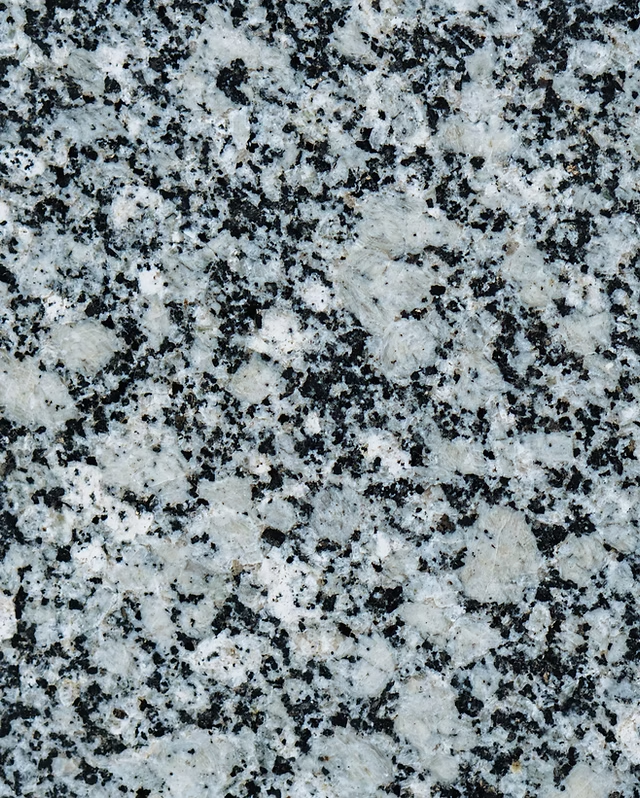
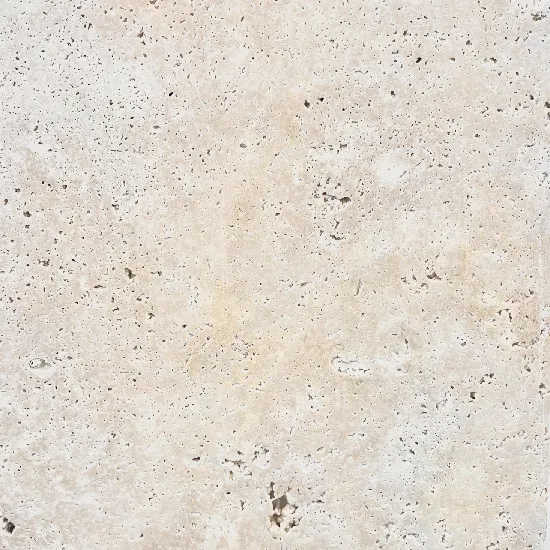
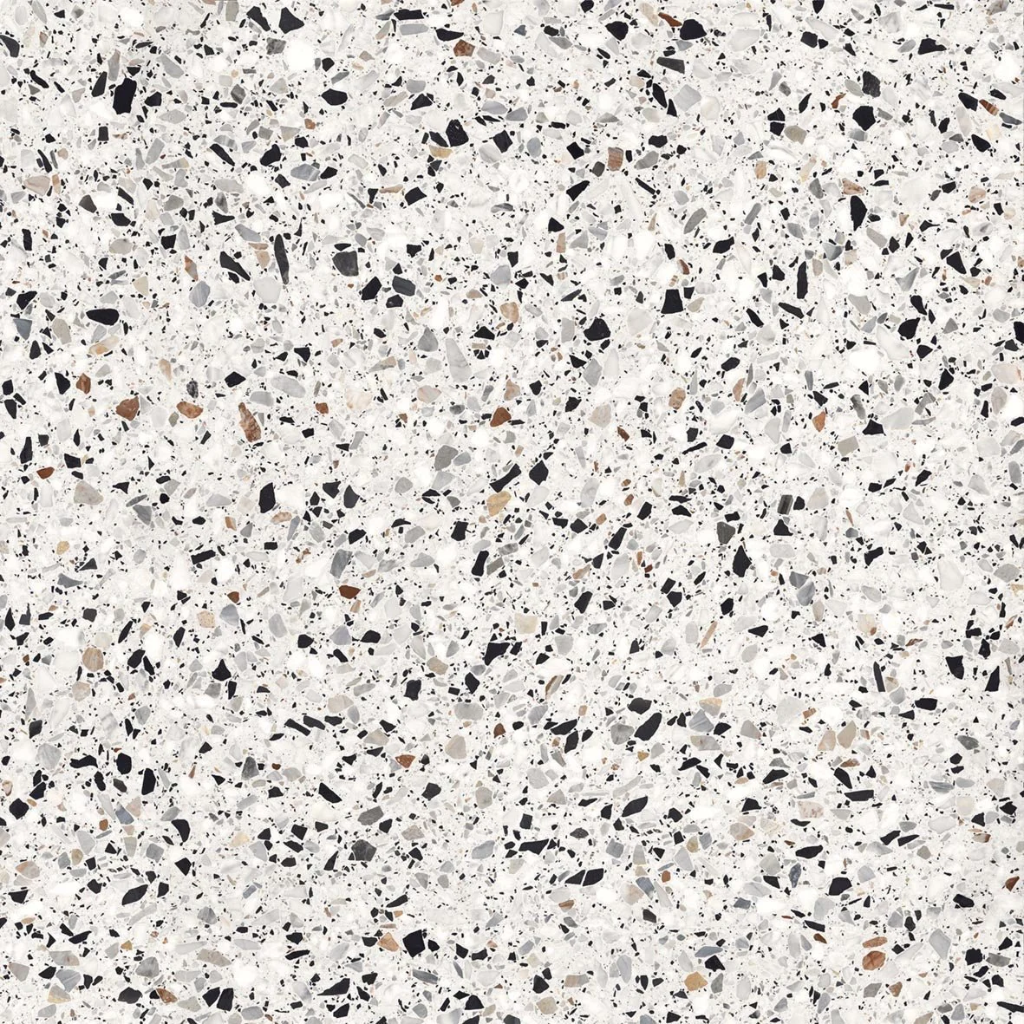
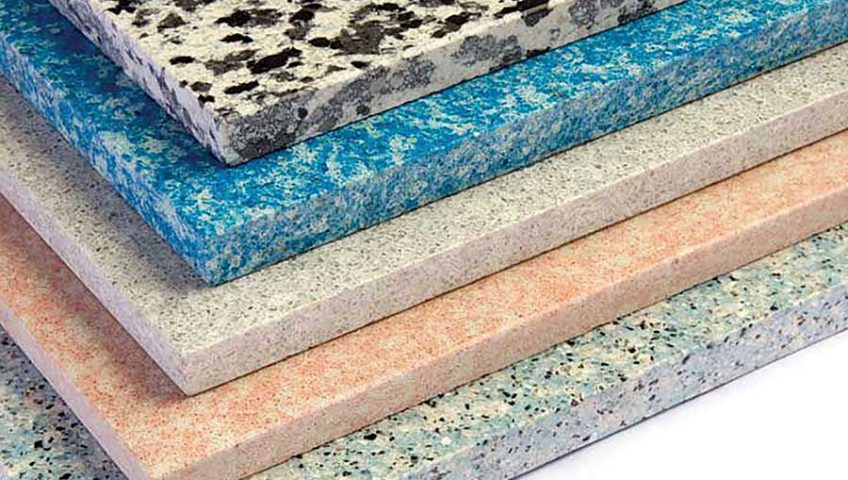
Travertine and limestone face similar risks because they are also calcium-based stones. Granite is generally harder and more resistant to etching, but it can still lose polish through abrasion, poor maintenance products and accumulated residue. Engineered stone, terrazzo and concrete each require their own assessment rather than being treated as interchangeable surfaces.
When Professional Stone Polishing Is the Right Treatment
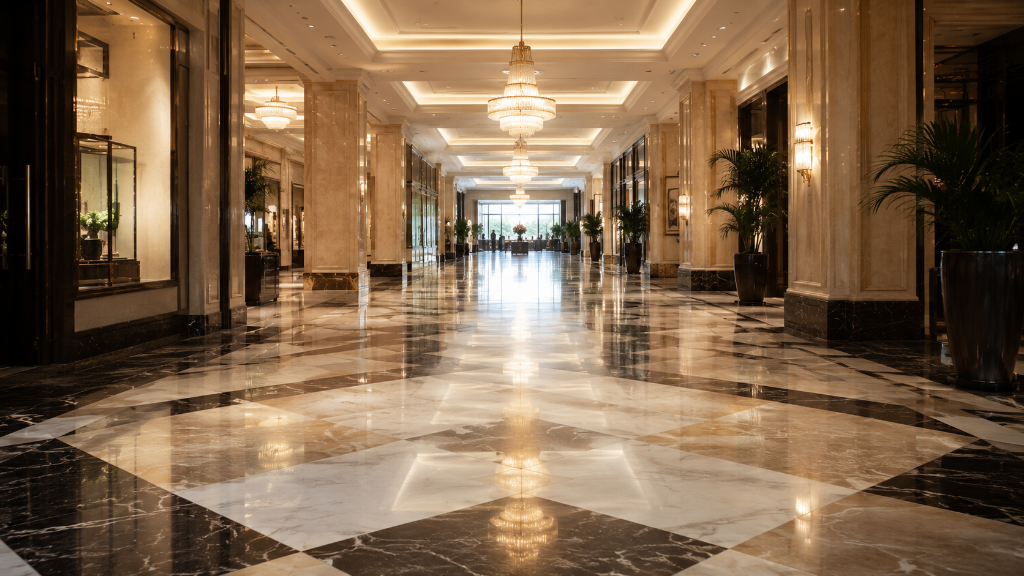
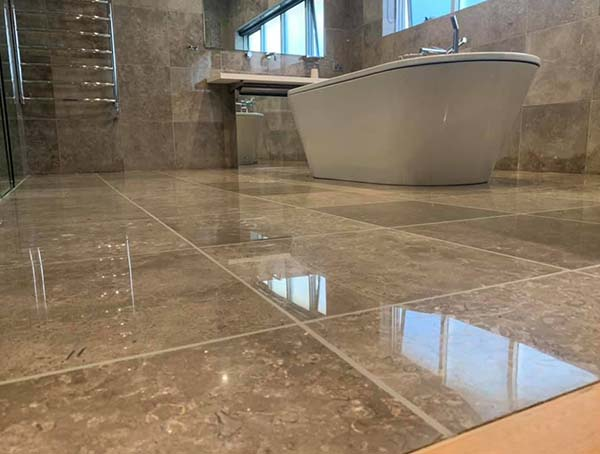
Polishing is often an effective option when the stone remains fundamentally sound but its appearance has declined. Typical candidates include marble vanities with etch marks, dull foyer floors, lightly scratched stone benchtops and commercial lobbies where foot traffic has flattened the finish along main walkways.
It can also be valuable after other corrective work. For example, a floor with filled chips or repaired cracks may need honing and polishing to bring the repaired areas into visual balance with the surrounding stone. The goal is not merely to make one spot shine. It is to create a consistent, natural-looking finish across the relevant surface.
The desired sheen should be considered carefully. A high polish can suit formal marble, premium reception areas and some contemporary interiors, but it is not right for every material or location. Honed finishes offer a softer, lower-sheen appearance and can be more forgiving in busy family homes. Exterior areas also need practical consideration, as a highly polished surface may not provide suitable slip resistance when wet.
When Polishing Alone Will Not Solve the Problem
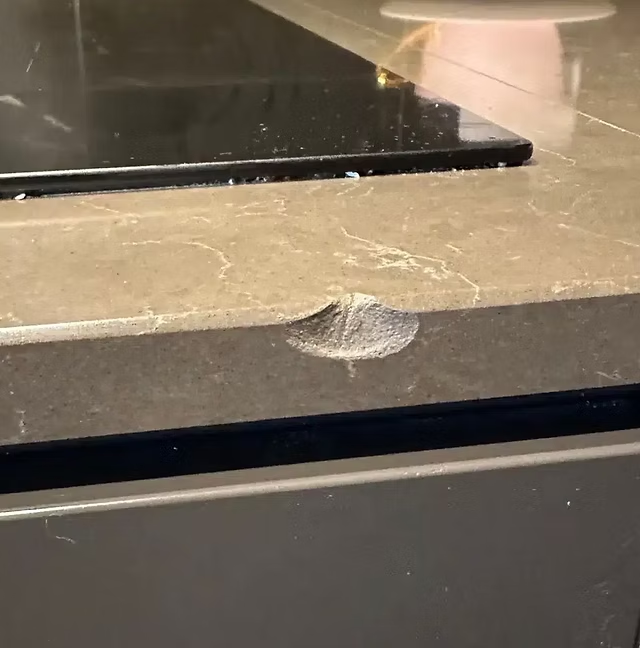
A polished surface cannot conceal every defect. Deep scratches, widespread pitting, uneven tiles, severe etching or old coatings may require grinding, honing, stripping, repair or replacement of isolated damaged pieces before polishing can begin. Attempting to polish over these issues can produce an inconsistent result and may leave the original defects visible.
Staining needs separate diagnosis. Oil, rust, organic marks and dye transfer may need targeted poultice treatment or other stain-removal methods. Stone polishing can improve the visual finish after the stain issue has been addressed, but it does not draw contaminants out of the stone.
There are also cases where the apparent dullness is caused by a topical sealer, wax or cleaning film rather than the stone itself. In that situation, stripping the residue may reveal a healthy finish underneath. A specialist assessment prevents unnecessary abrasion and ensures the method matches the actual condition of the surface.
The Professional Process Matters
High-quality results depend on control, not simply on using a polishing machine. A specialist first identifies the stone type, tests the condition of the surface and considers the required finish. This includes checking for moisture concerns, loose tiles, cracks, open grout joints and previous coatings that may affect the work.
The restoration process is then tailored to the stone. Depending on the surface, it may involve cleaning and residue removal, minor repairs, honing to remove fine damage, polishing to the selected sheen and sealing where appropriate. Edges, corners and areas around fixtures require detailed hand work to maintain a consistent finish.
Dust and slurry management are equally important, particularly in occupied homes, hospitality venues and office environments. Careful preparation protects adjoining finishes and allows the work to be completed with minimal disruption. For commercial properties, staging the work outside peak trading or operating hours can help maintain access and presentation.
At Sydney Stone Care, this material-specific approach is central to achieving a finish that looks considered rather than overworked. Natural stone should retain its character, including its veining, variation and texture, while presenting at its best.
Choosing the Right Finish for Each Stone
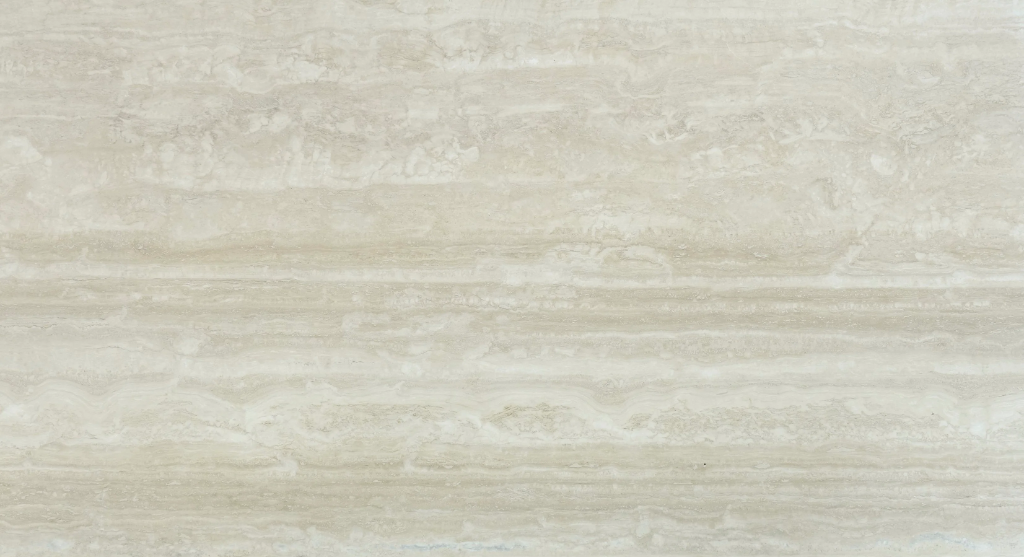
Not all natural stone should be polished to a mirror finish. Marble can often achieve a high level of reflectivity, especially in interiors, while dense granite may hold a polish well in demanding locations. Travertine may be polished, but many clients prefer a honed finish that complements its open, natural character. Limestone is commonly finished honed or softly polished, depending on density and intended use.
The location is as important as the material. A polished marble floor may be appropriate in a private formal entry but less practical beside a pool or in an exposed outdoor entertaining area. A restaurant foyer may need a refined appearance, yet its finish must also suit cleaning routines, traffic levels and safety requirements. The best outcome balances appearance, durability and maintenance expectations.
Protecting the Finish After Polishing
Once the stone has been restored, daily habits determine how long the finish remains at its best. Use a pH-neutral cleaner formulated for natural stone and avoid vinegar, bleach, citrus-based products and abrasive powders. Wipe spills promptly, especially on marble, limestone and travertine, and use mats at entrances to reduce grit carried across floors.
For benchtops, use boards and trivets rather than placing abrasive or hot items directly on the stone. In bathrooms, rinsing away soap and personal-care residues helps prevent build-up around vanities and shower surrounds. Sealing can improve resistance to absorption on porous stone, but it is not a barrier against scratches, etching or neglect. It should be viewed as part of a broader maintenance plan.
Commercial surfaces benefit from a documented care routine. Cleaner selection, dilution rates, mop condition and entry matting all affect the life of the finish. Regular professional maintenance can address early wear before it develops into a larger restoration project, protecting both the appearance of the property and the original stone investment.
Natural stone develops value through its permanence, but it needs informed care to retain that value. When a surface starts to look flat, marked or uneven, a professional assessment can establish whether stone polishing is the right next step and help preserve the finish for years to come.