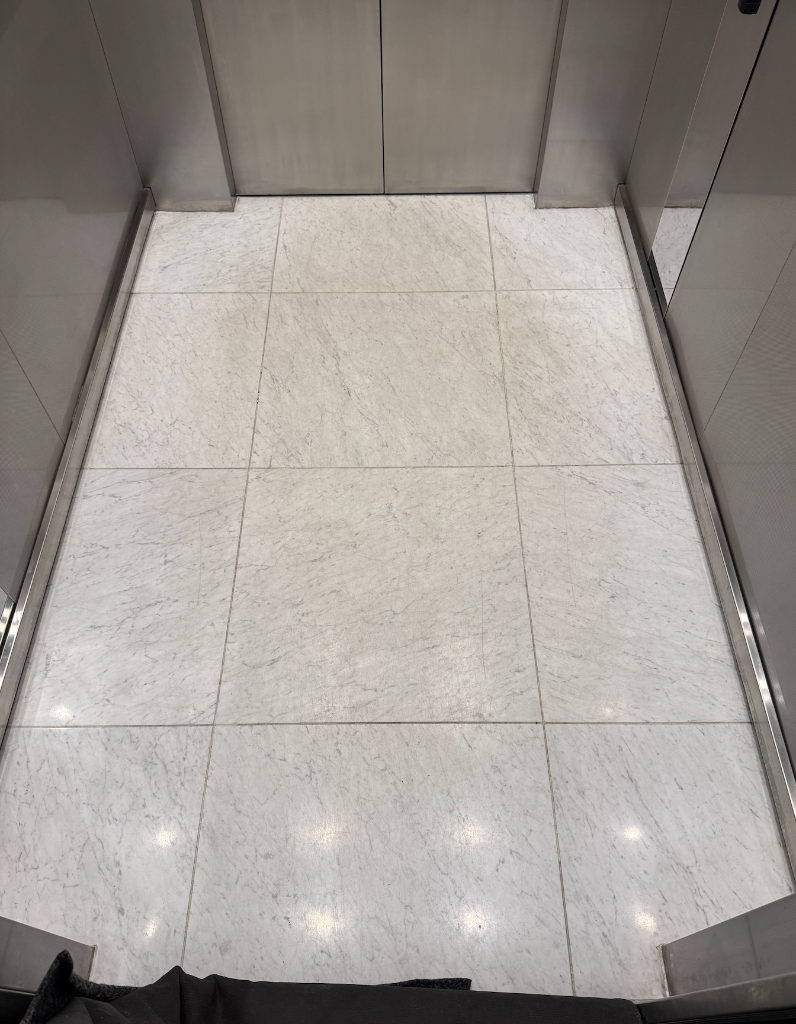
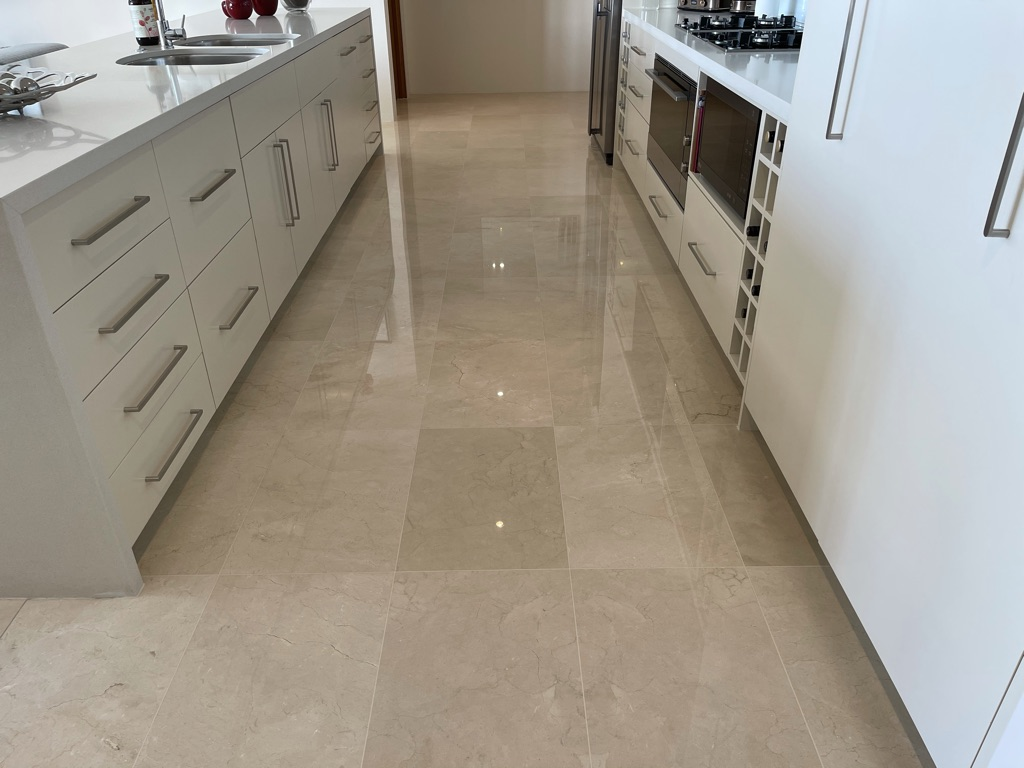
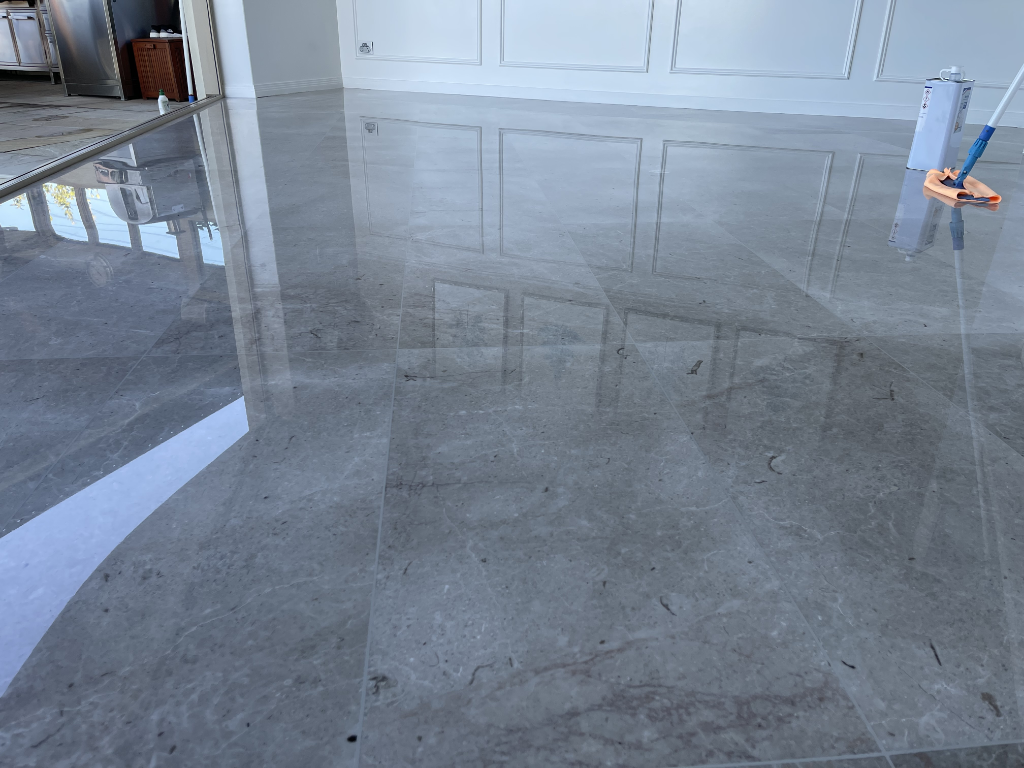
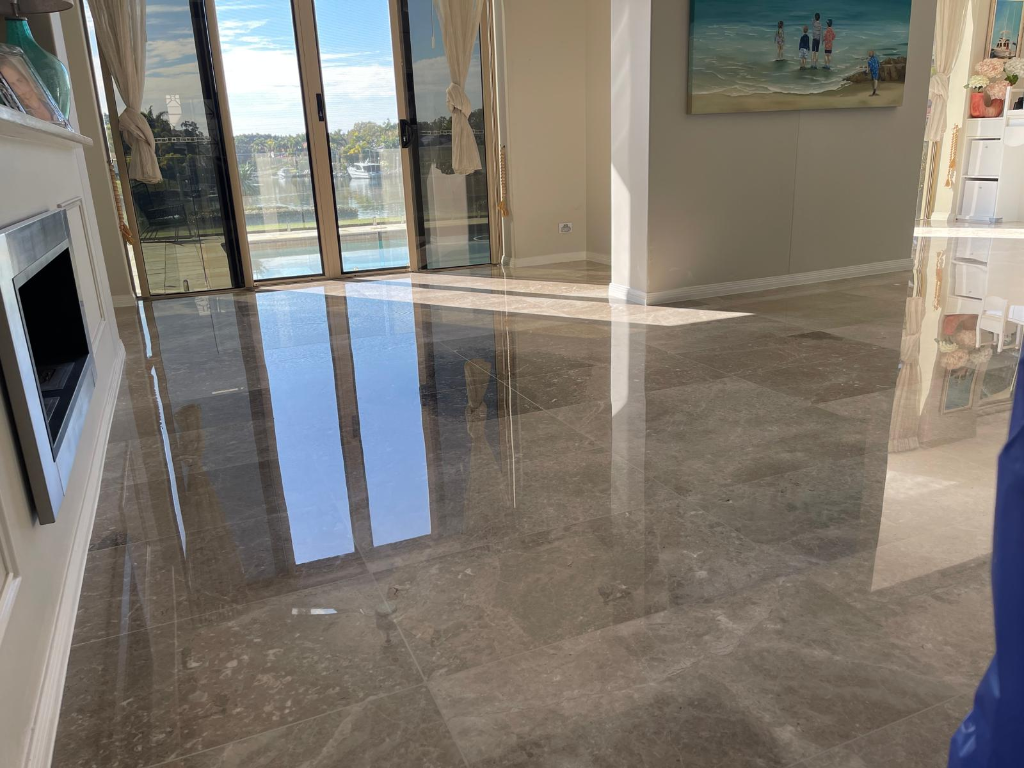
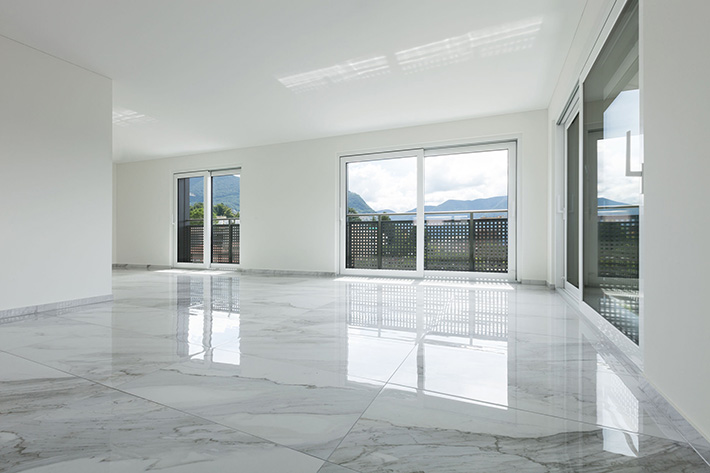
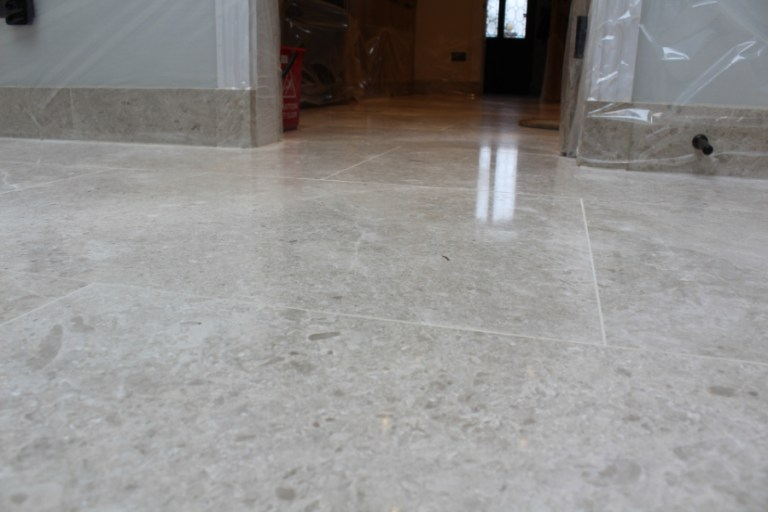
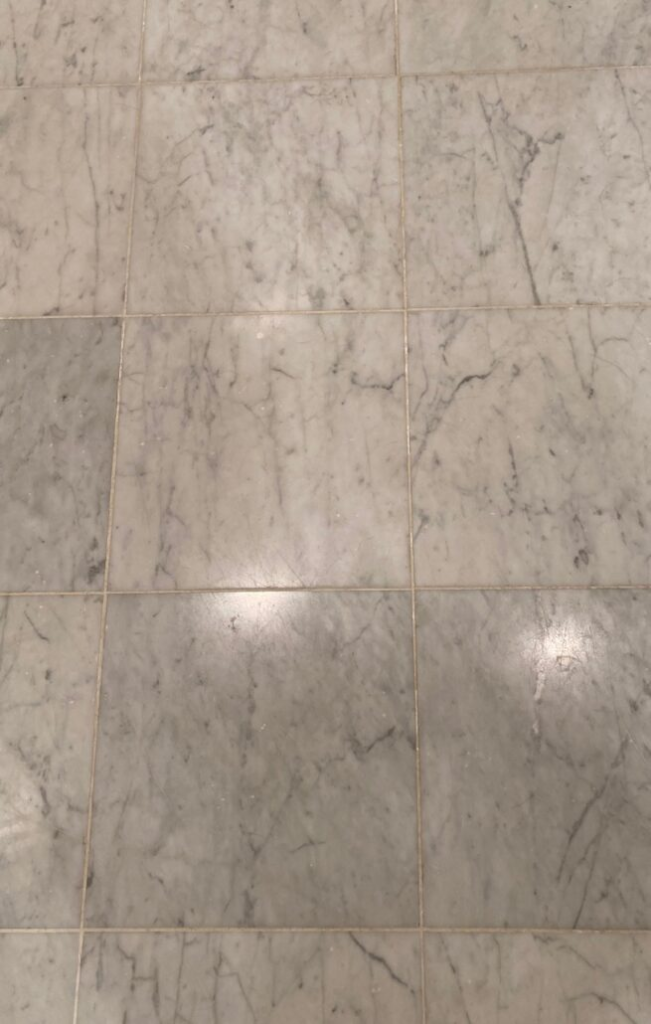
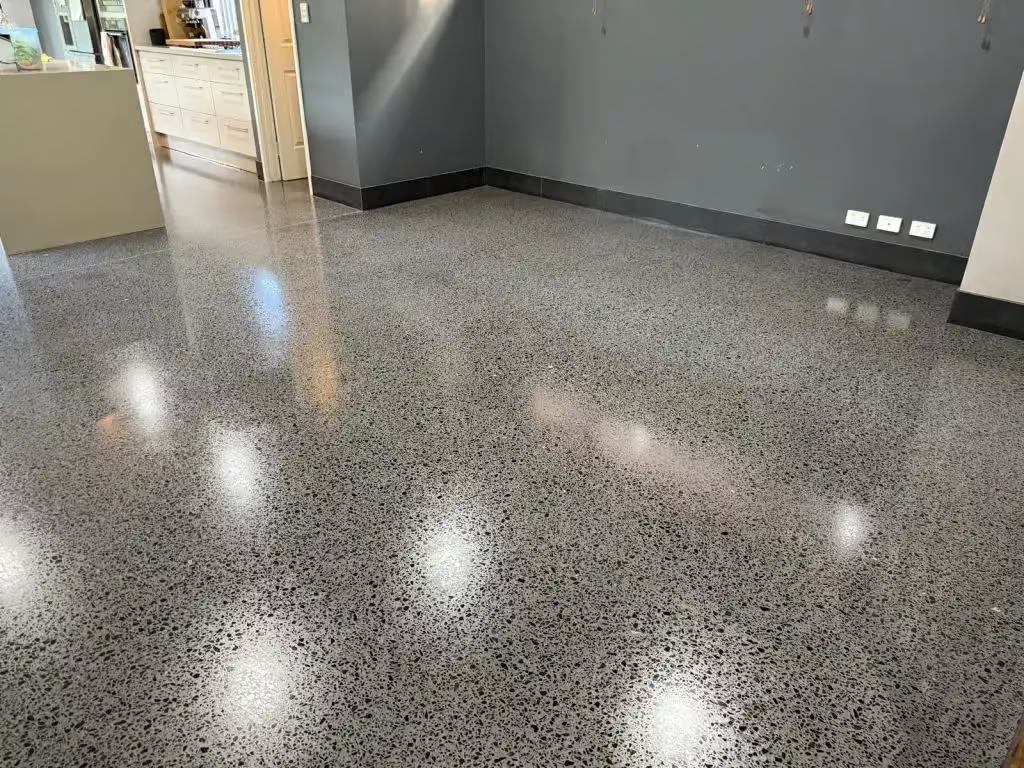
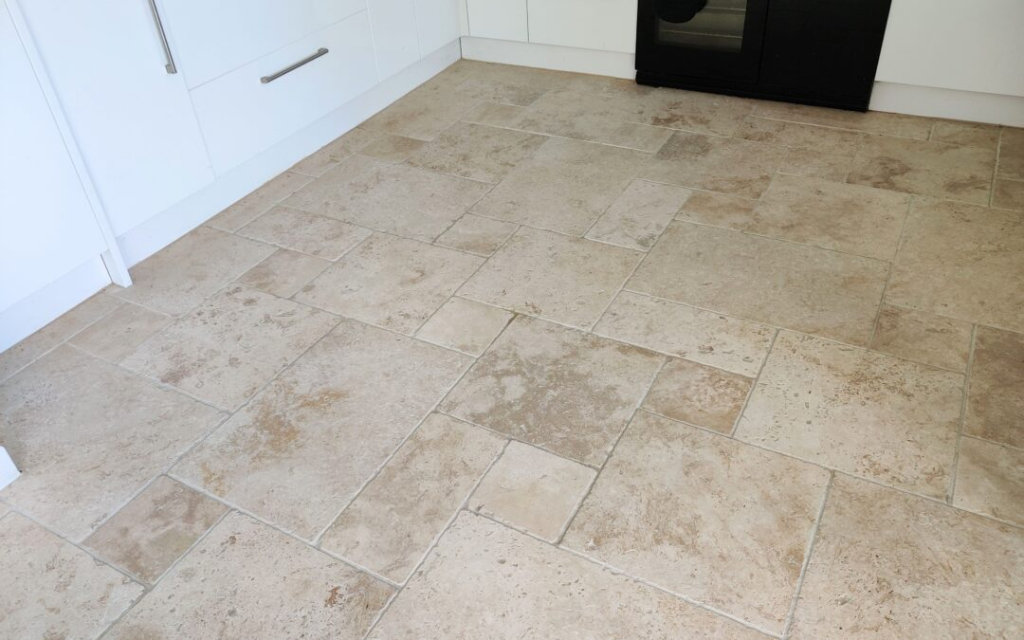
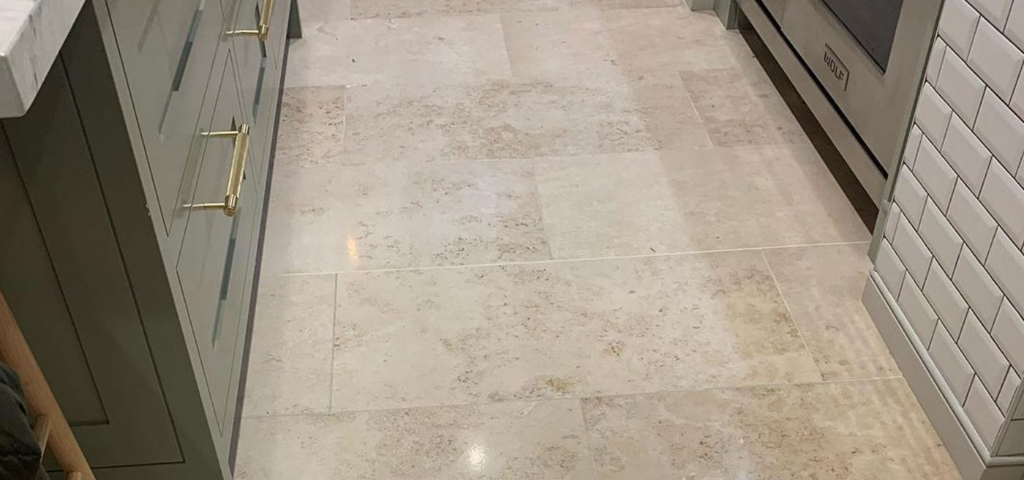
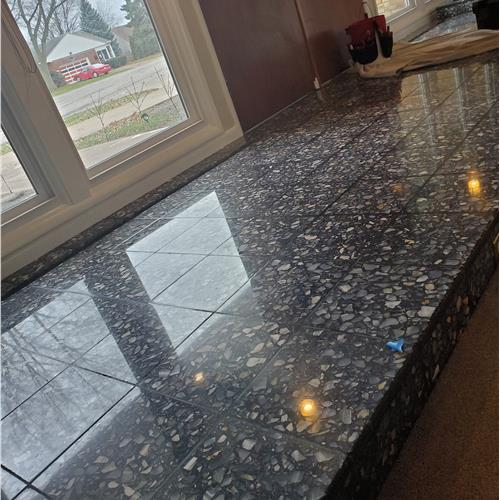
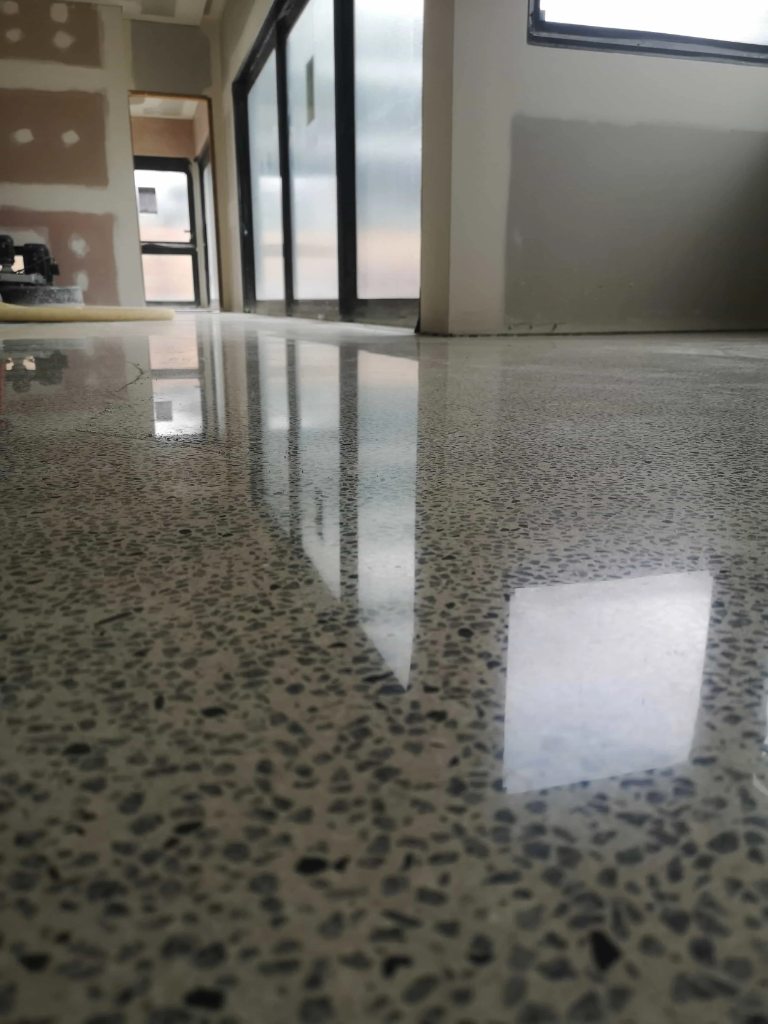
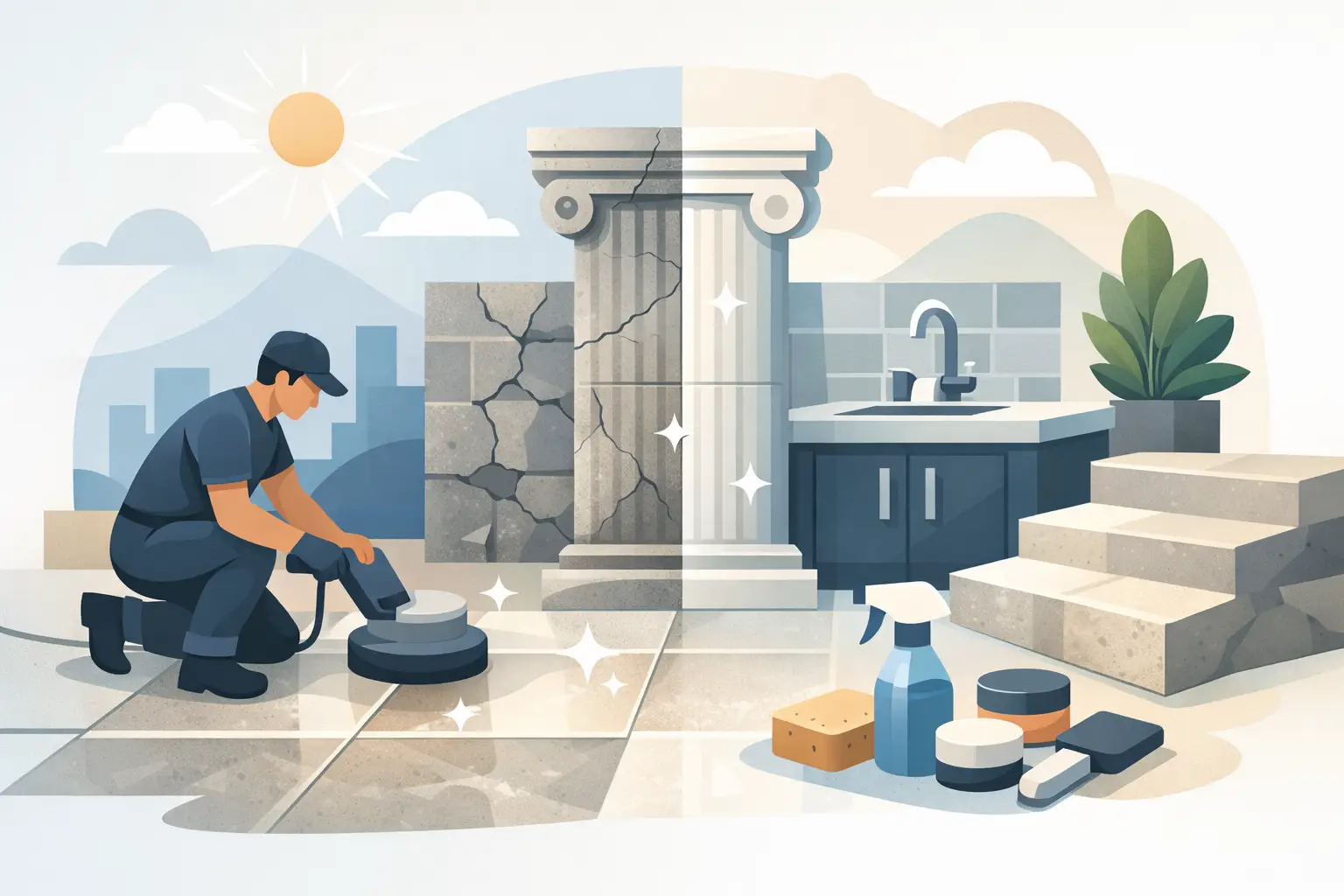
A stone floor can look tired long before it is actually worn out. Etching, dull traffic lanes, ingrained staining and failed sealers often make premium stone appear older than it is. That is where professional stone restoration services make a clear difference - not by masking damage, but by correcting the surface properly and protecting the stone for the long term.
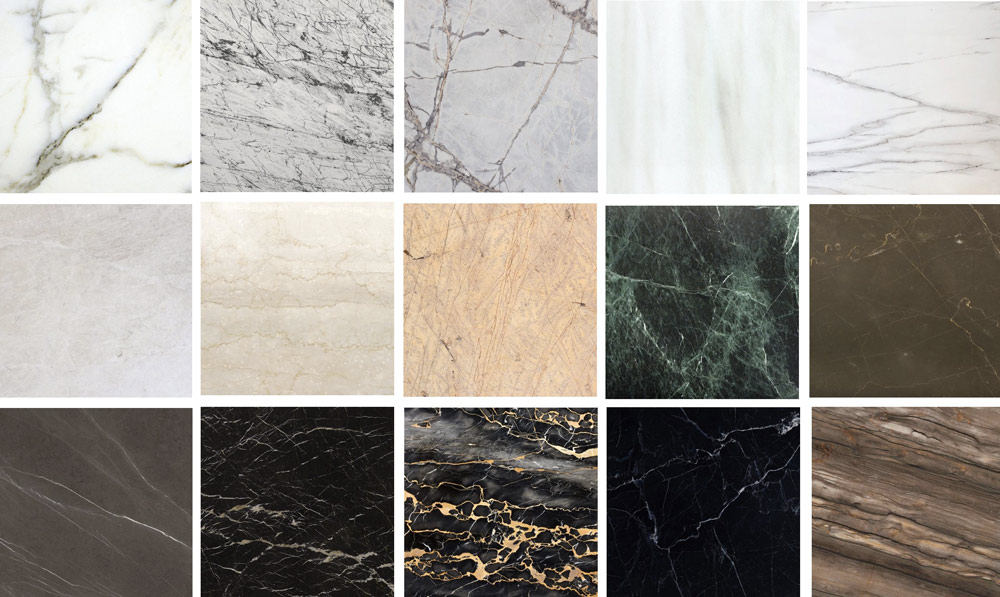
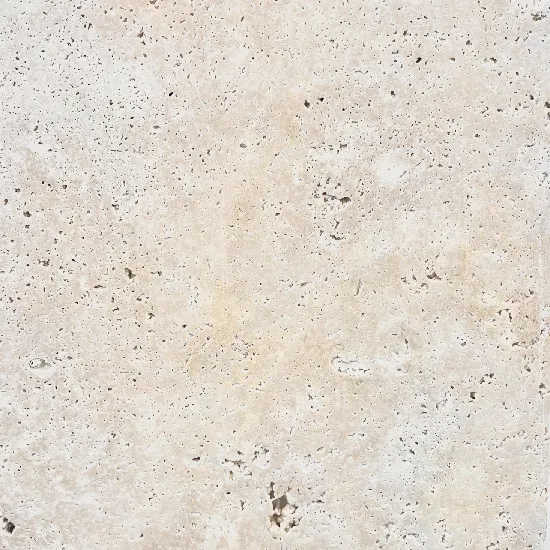
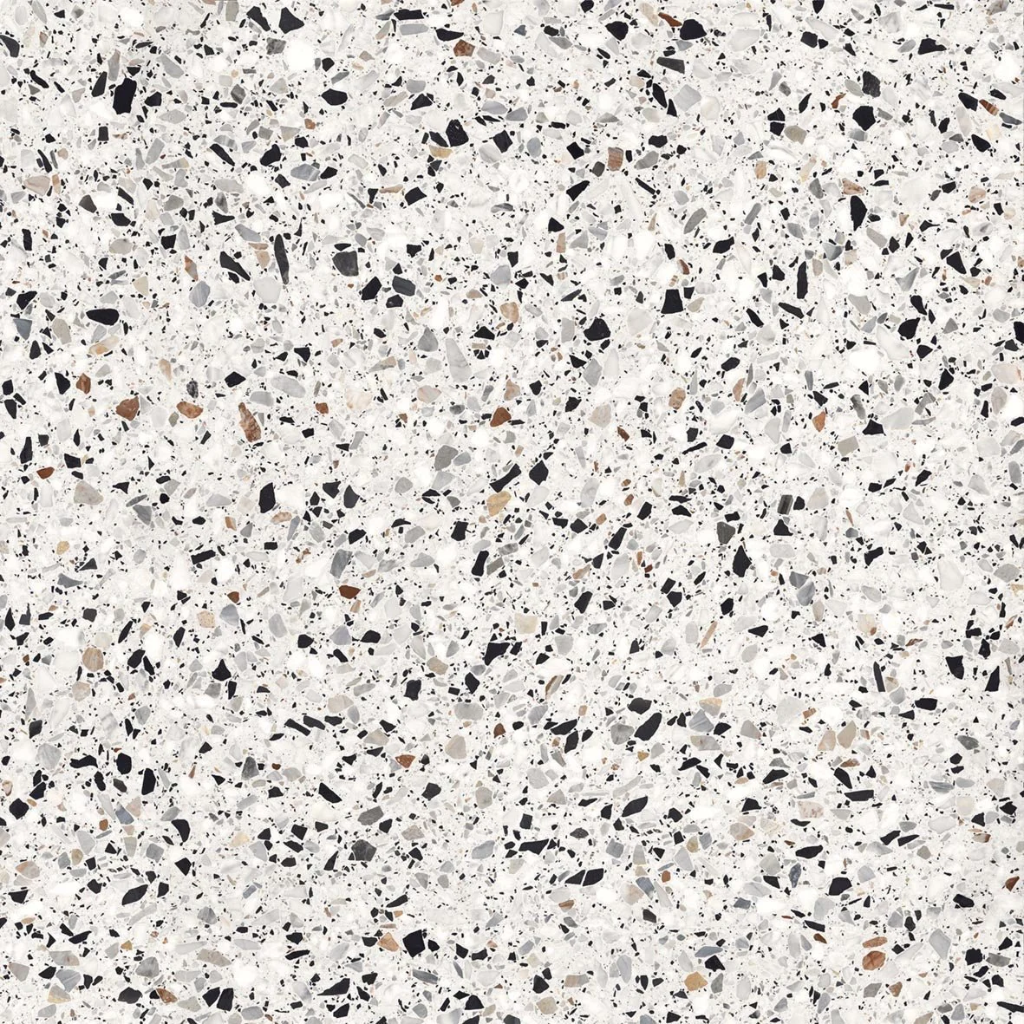
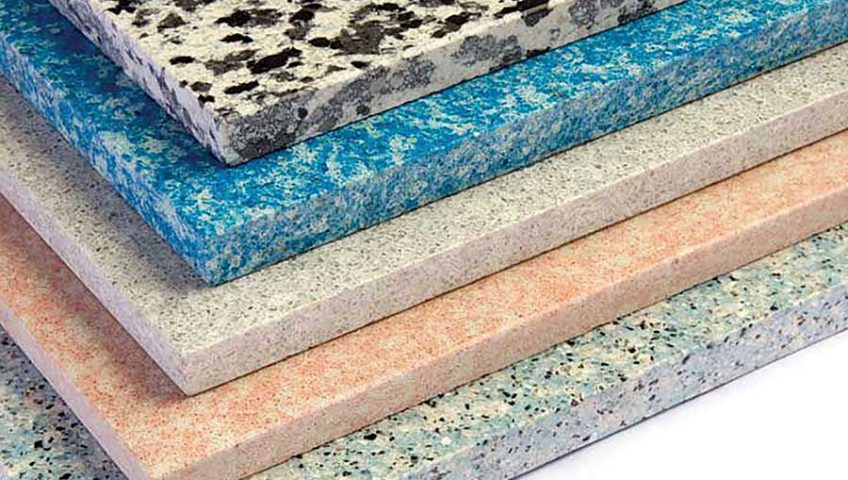
Natural stone is not a standard hard surface. Marble, travertine, limestone, terrazzo, granite and sandstone all respond differently to wear, moisture, cleaning products and foot traffic. Treating them the same way is one of the fastest ways to shorten their lifespan. Proper restoration starts with understanding the material itself, the type of damage present, and the finish the surface was originally meant to have.
What stone restoration services actually involve
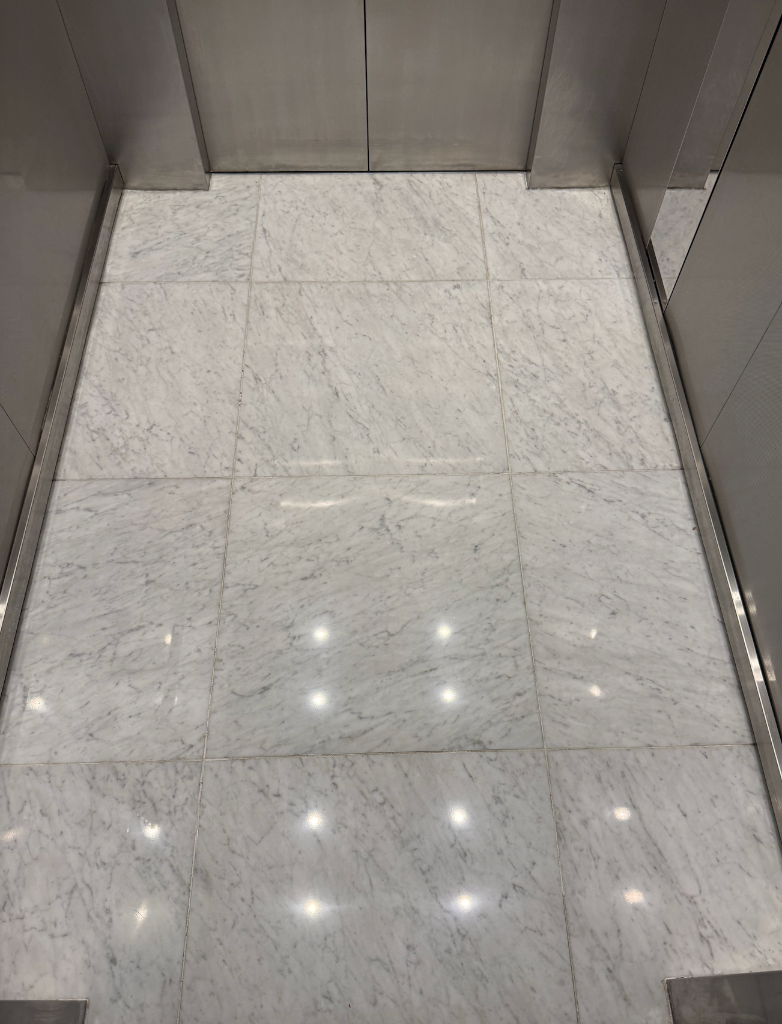
For many property owners, restoration sounds like a single treatment. In practice, it is a set of specialist processes chosen to suit the stone and the condition of the surface. A polished marble foyer with acid etching needs a different approach from a honed limestone bathroom or an external sandstone entry exposed to weather.
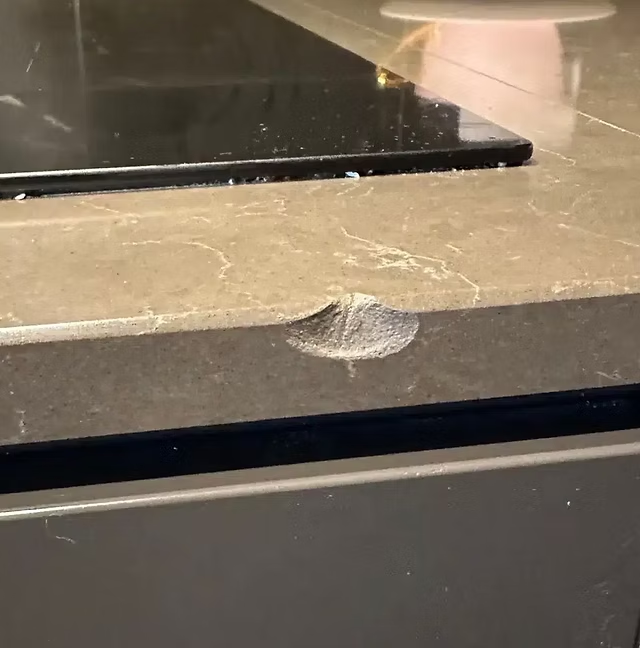
Stone restoration services can include deep cleaning, stain treatment, honing, polishing, diamond grinding, lippage removal, sealing and surface protection. In some cases, minor chips or cracks can also be repaired. The goal is not simply to make stone look cleaner. It is to restore clarity, consistency and serviceability while preserving as much of the original material as possible.
That distinction matters. Generic cleaning can improve appearance for a short period, but it will not remove etching, correct surface unevenness or rebuild a worn finish. Restoration is corrective work. It addresses the cause of the problem at surface level rather than covering it up.
Why natural stone needs specialist care
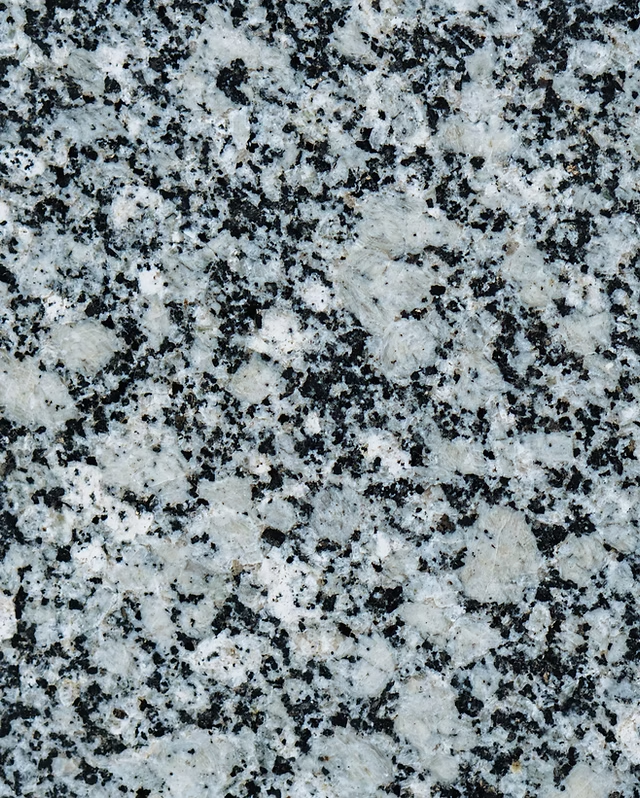
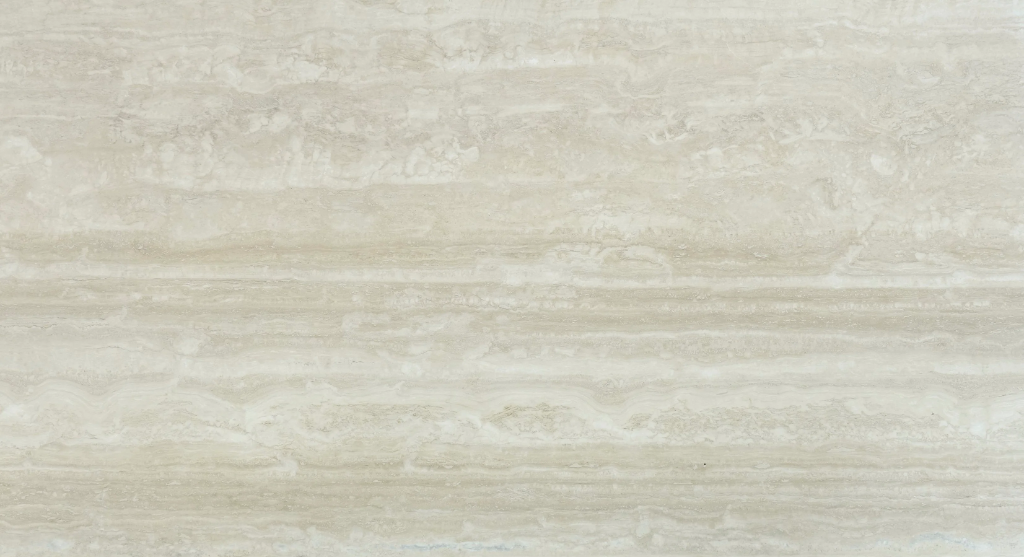
Stone is durable, but it is not indestructible. Some materials are dense and highly resistant to staining, while others are porous and chemically sensitive. Marble and limestone, for example, can etch when exposed to acidic products. Travertine can trap soiling in pits and voids. Granite generally performs well, but even granite can lose its finish in commercial settings if maintenance is poor.
This is why specialist care matters in both homes and commercial properties. The wrong chemical can mark the surface. The wrong abrasive can leave swirl marks or flatten the finish unnaturally. Even sealing is not as simple as applying a product and hoping for the best. Sealer choice depends on the stone, its porosity, its location and the performance expected from the surface.
For high-value interiors and exterior stonework, poor treatment often creates extra cost later. A surface that could have been restored with light honing may require more aggressive grinding if neglected for too long. Early intervention usually preserves more of the stone and produces a better result.
Common signs you need stone restoration services
Some issues are obvious. Others develop slowly enough that they are often dismissed as normal ageing. Dull patches in traffic areas, ring marks around vanities, uneven sheen, deep-set staining, soap build-up, scratches and a rough underfoot feel all point to a surface that needs more than ordinary cleaning.
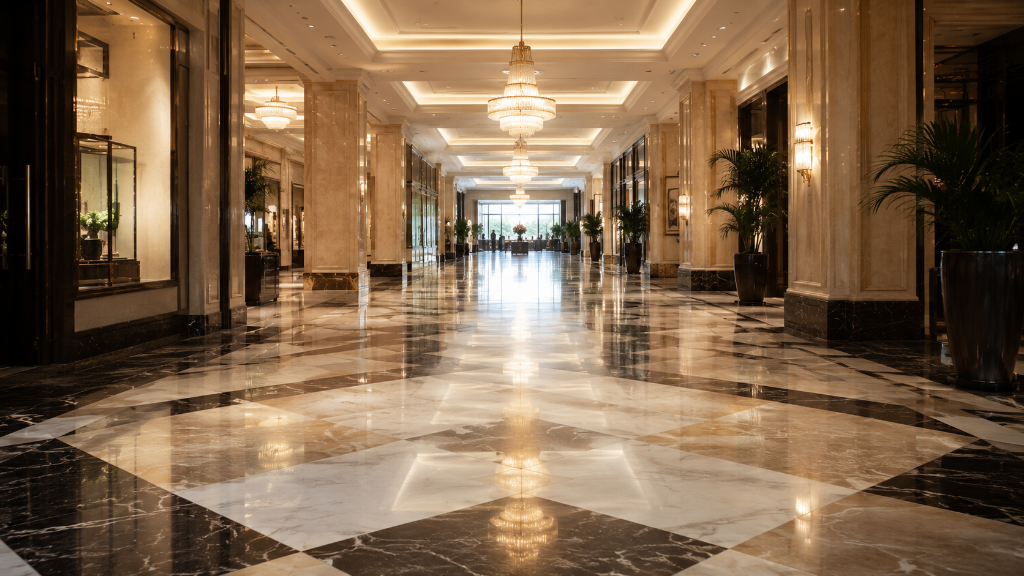
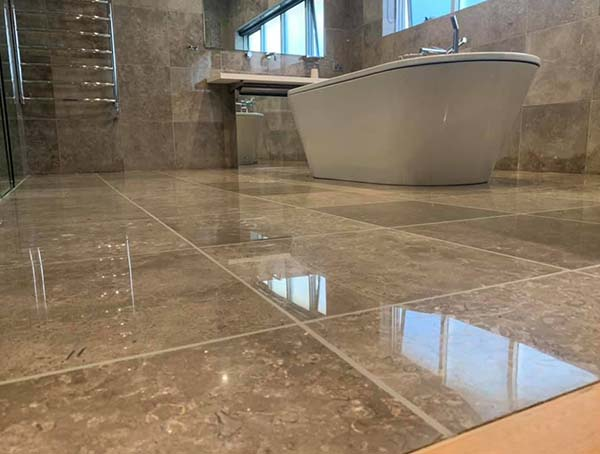
In commercial environments, wear tends to show first in entries, lift lobbies, bar fronts, amenities and circulation zones. In homes, it often appears on kitchen floors, bathroom stone, benchtops and outdoor entertaining areas. If the stone no longer reflects light evenly, feels difficult to clean, or looks patchy soon after washing, there is usually an underlying surface issue.
A failed sealer can also be a warning sign. When stone starts absorbing spills quickly, darkening with moisture or showing recurring stains, protection may be compromised. Resealing alone can help in some cases, but if the finish underneath is already damaged, restoration should come first.
The process behind quality stone restoration services
Good restoration work starts with assessment, not assumptions. The stone type needs to be identified correctly, the damage pattern reviewed and the desired finish confirmed before any corrective work begins. That is especially important where previous cleaning attempts, DIY products or inconsistent maintenance have altered the surface.
The first stage is often a controlled deep clean to remove residues, soiling and old topical products that interfere with the finish. From there, the technician can determine whether the stone needs light honing, more involved resurfacing or polishing to refine the face of the material.
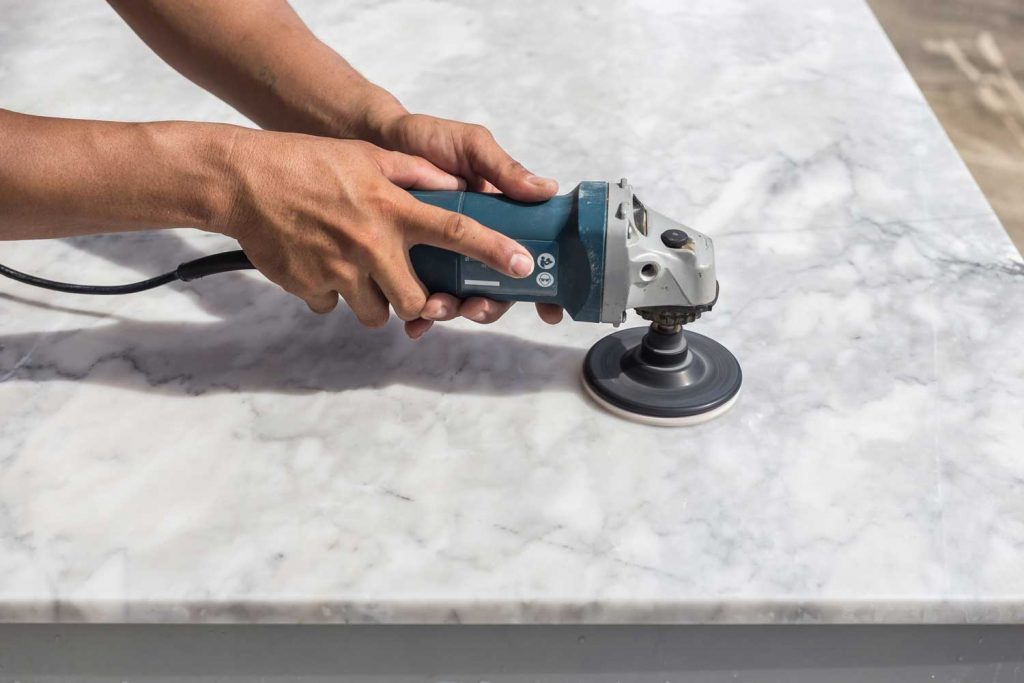
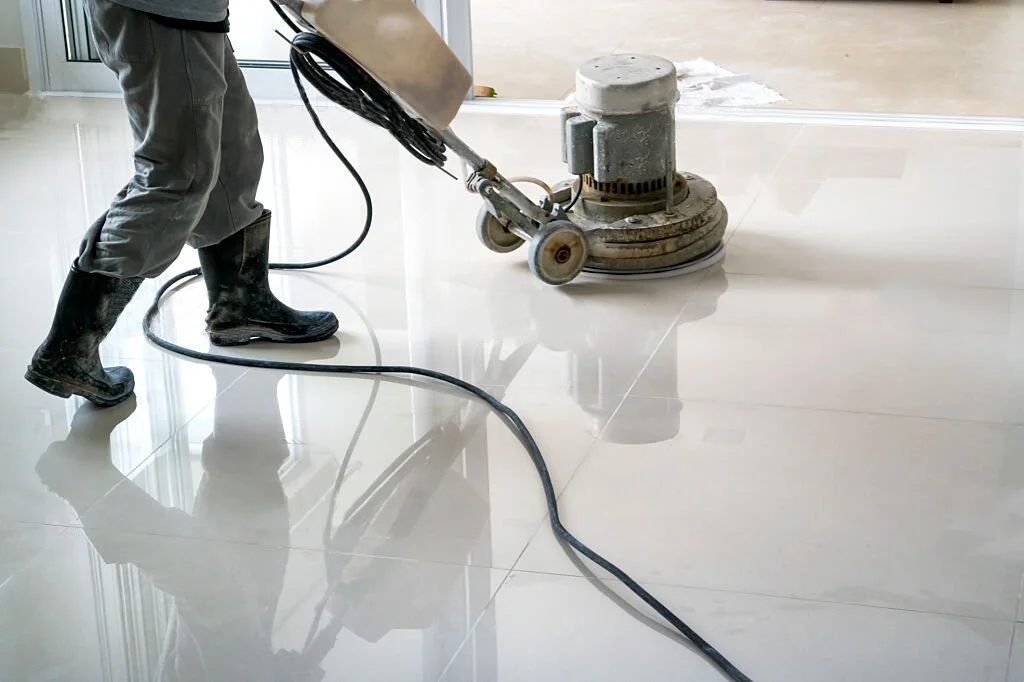
Honing removes minor scratches, etching and surface wear while producing a smooth matte or satin finish. Polishing increases reflectivity and clarity on stones suited to a polished result. Grinding may be required where there is lippage between tiles or more severe wear. Once the corrective work is complete, sealing can be applied where appropriate to assist with stain resistance and ongoing maintenance.
The right process is always condition-led. More aggressive work is not automatically better. On premium stone, restraint and technical accuracy are what protect the material and deliver a consistent result.
Residential and commercial needs are not the same
The underlying principles are similar, but the demands of a family home are different from those of a hotel lobby, retail tenancy or office building. Residential clients are often focused on restoring appearance, preserving value and making day-to-day upkeep easier. Commercial stakeholders usually need those same outcomes, but with added pressure around presentation, safety, traffic load and operational disruption.
In a home, the brief may be to bring life back to an etched marble bathroom or revive a tired travertine floor before sale. In a commercial property, the priority may be to restore a consistent finish across a heavily used entry without affecting business hours. Timing, access, staging and maintenance planning become more important as the scale and traffic increase.
That is one reason specialist providers are preferred over general cleaners. Restoration work needs to align with the stone, the setting and the practical demands of the site.
Preservation matters as much as restoration
A successful restoration should not end with a better-looking floor or wall. It should also leave the surface easier to maintain and less vulnerable to repeat damage. Preservation is where long-term value sits.
That means choosing the right sealer, recommending suitable cleaning products and setting realistic maintenance intervals. It also means being honest about trade-offs. A high-polish finish can look striking, but in some busy spaces it may show wear sooner than a honed finish. Some porous stones will always need more attention than denser materials. And in wet areas, slip resistance and appearance need to be balanced carefully.
For many Sydney properties, climate and location also play a part. External stone can be affected by moisture, organic growth, salt exposure and heat. Interior stone in coastal homes may face a different maintenance pattern from stone in a CBD office tower. A proper service plan takes those variables into account rather than applying a one-size-fits-all treatment.
Choosing the right provider for stone restoration services
Not all contractors offering hard surface care are true stone specialists. That difference becomes obvious in the results. A specialist should be able to identify materials accurately, explain the likely cause of the problem, outline the restoration method clearly and set realistic expectations about what can be improved.
Experience across different stone types matters because each surface responds differently to treatment. So does a preservation mindset. The best providers are not there to chase a quick visual improvement. They are there to protect the stone as an asset and recommend the least invasive method that achieves the right outcome.
For Sydney homeowners, strata managers and commercial operators, local experience is also valuable. Usage patterns, weather exposure and property types vary across the city, and practical knowledge helps shape better advice. Businesses such as Sydney Stone Care operate in that specialist space, where restoration and preservation are approached as skilled surface care rather than general cleaning.
When restoration is worth doing
In most cases, restoration is worth considering well before replacement enters the conversation. Natural stone is a premium material, and replacing it can be costly, disruptive and unnecessary when the issue is surface wear rather than structural failure. Restoring existing stone is often the more efficient way to recover appearance and extend service life.
That said, expectations should stay grounded. Deep staining, severe physical damage or poor original installation can limit what restoration alone can achieve. A good specialist will say so. Clear advice is part of quality service.
Well-executed stone care is not about making stone look artificially new. It is about returning the material to a clean, consistent and durable condition that suits the space it is in. When that work is done properly, the result is not just visual improvement. It is confidence that the surface will continue to perform.
If your stone has lost its finish, become difficult to maintain or no longer reflects the standard of the property around it, the right response is usually not harsher cleaning. It is a proper assessment and a treatment plan that respects the material, the setting and the investment you have already made.