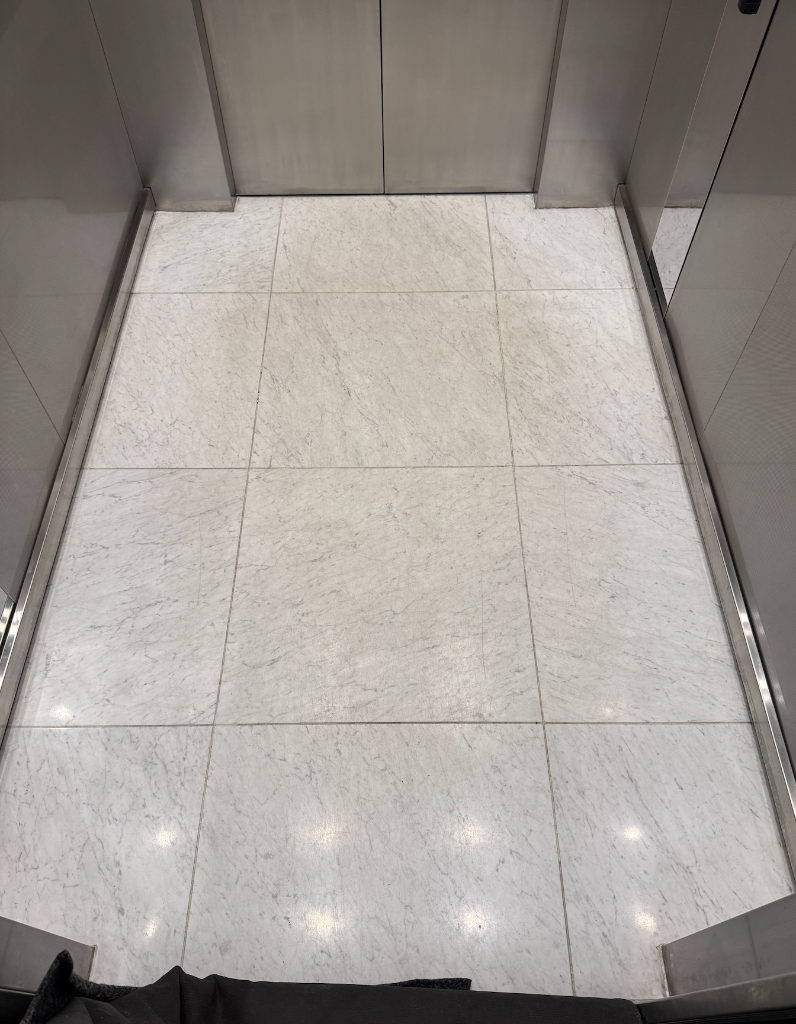
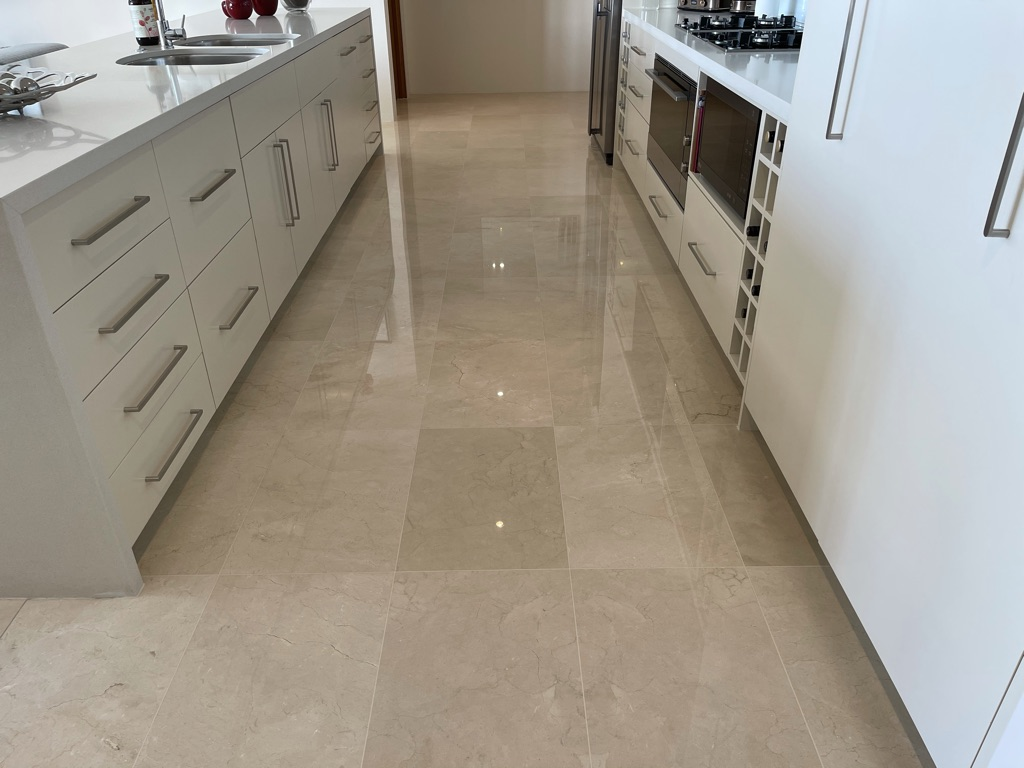
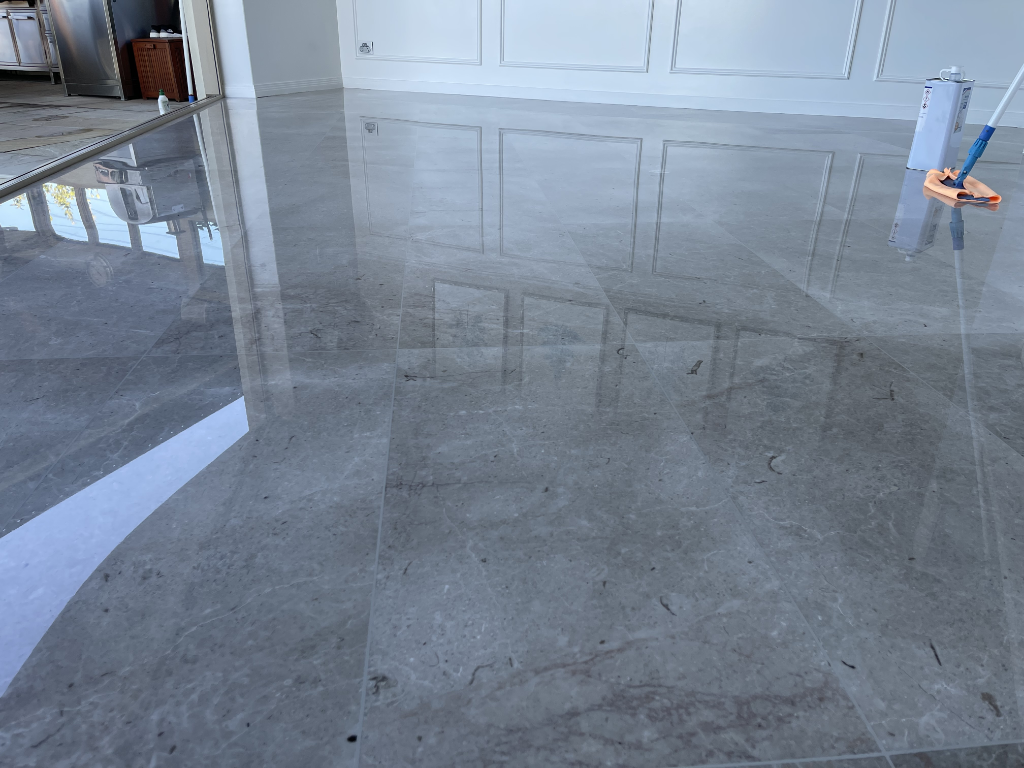
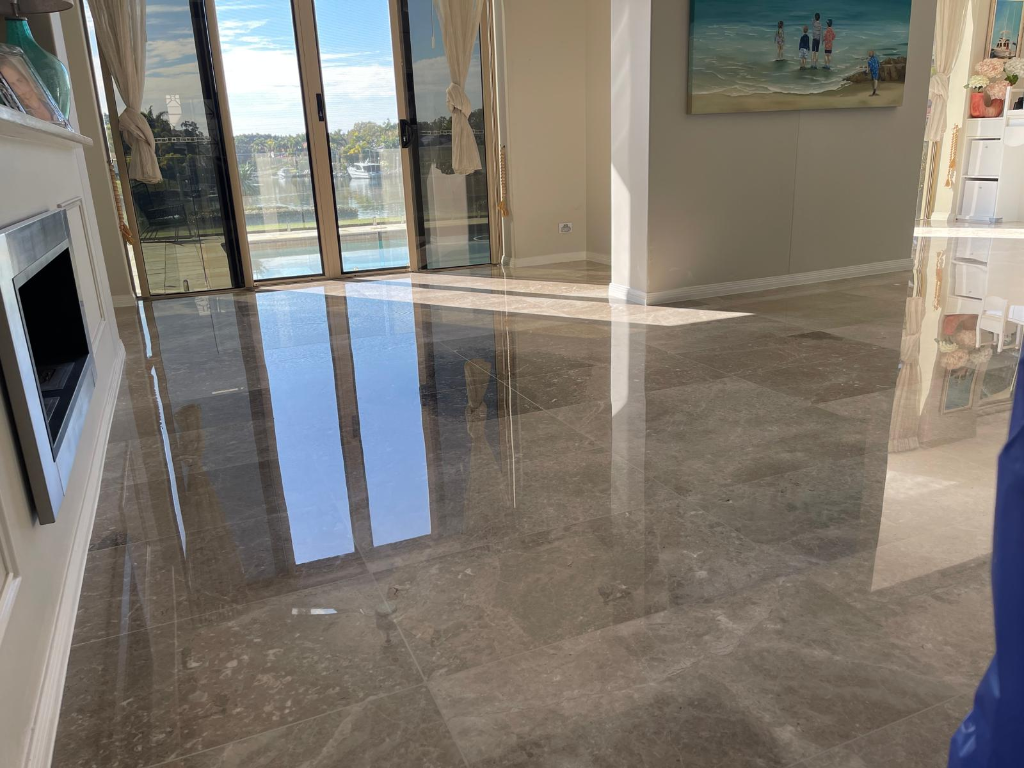
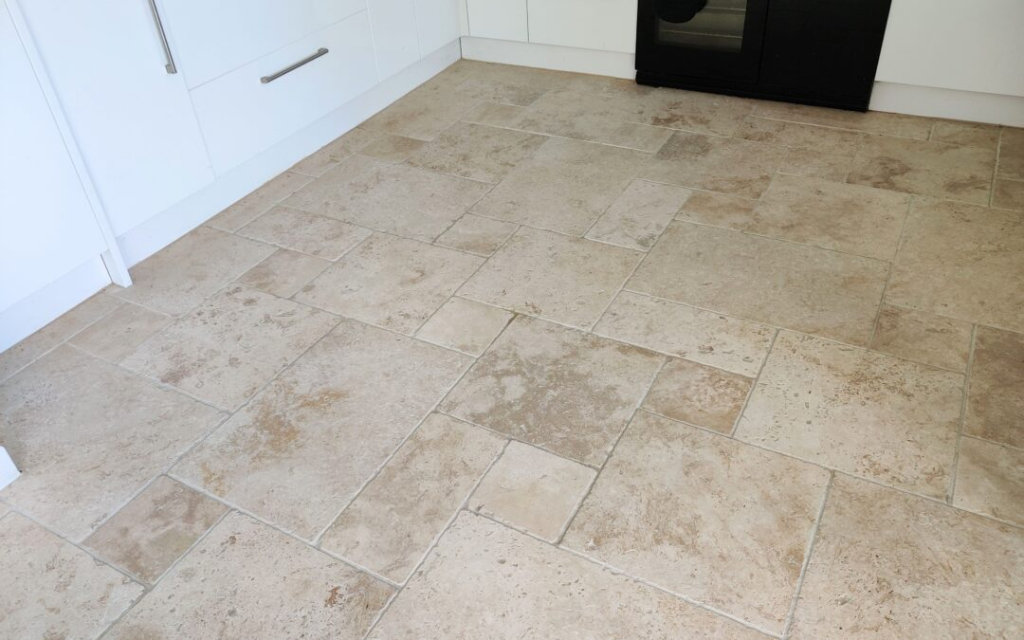
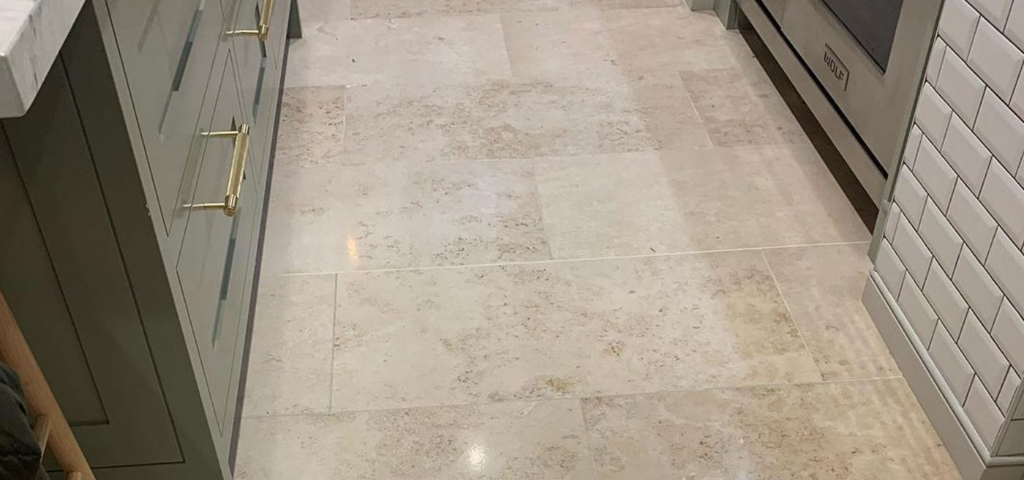
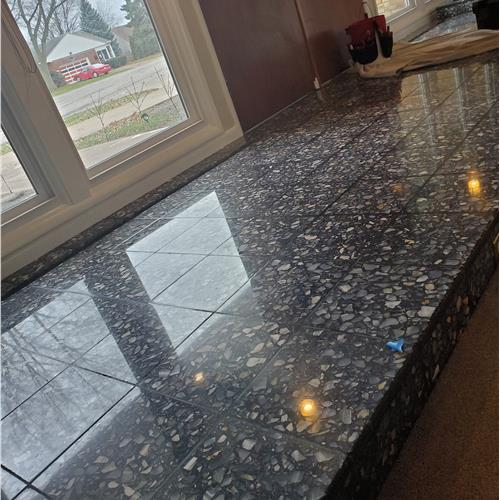
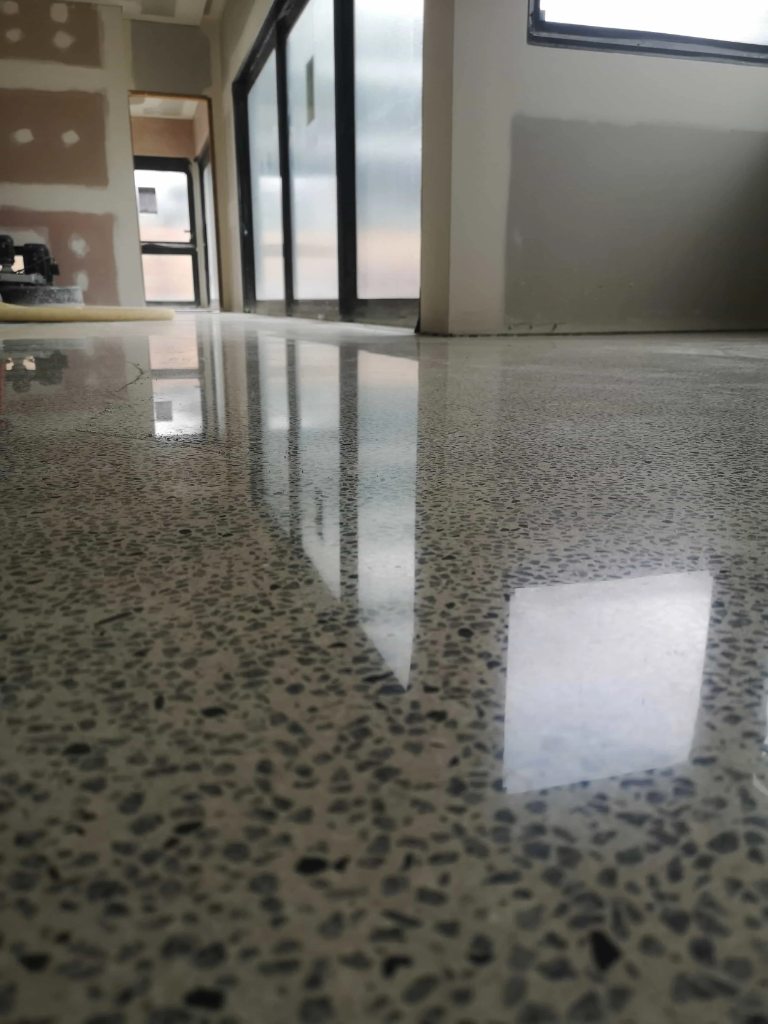
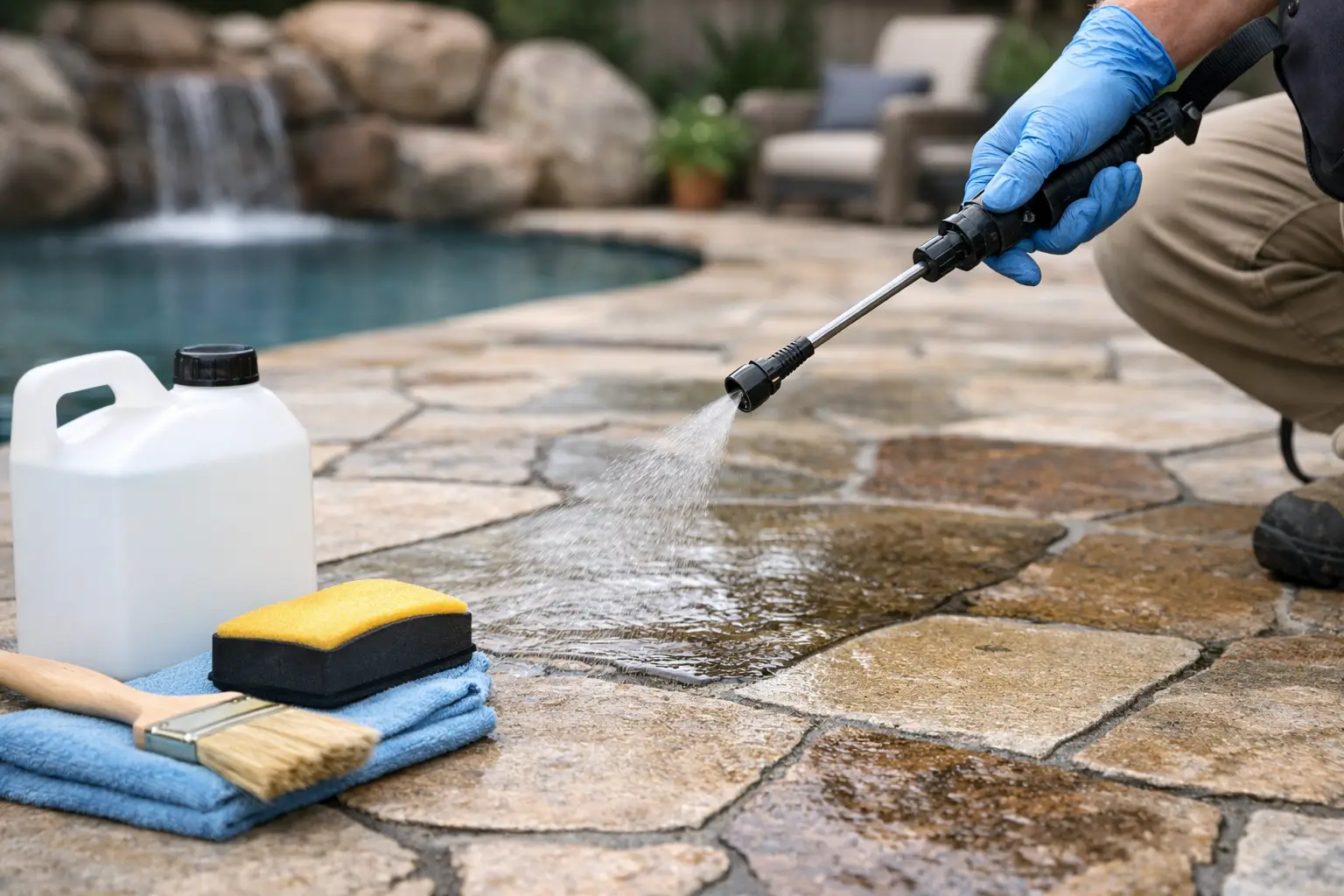
A stone benchtop can look flawless at handover and tired only a few years later. The difference is rarely the stone itself. More often, it comes down to whether the surface was sealed correctly, maintained properly and treated as the material it is - not as a generic hard finish. That is where professional stone sealing services matter.
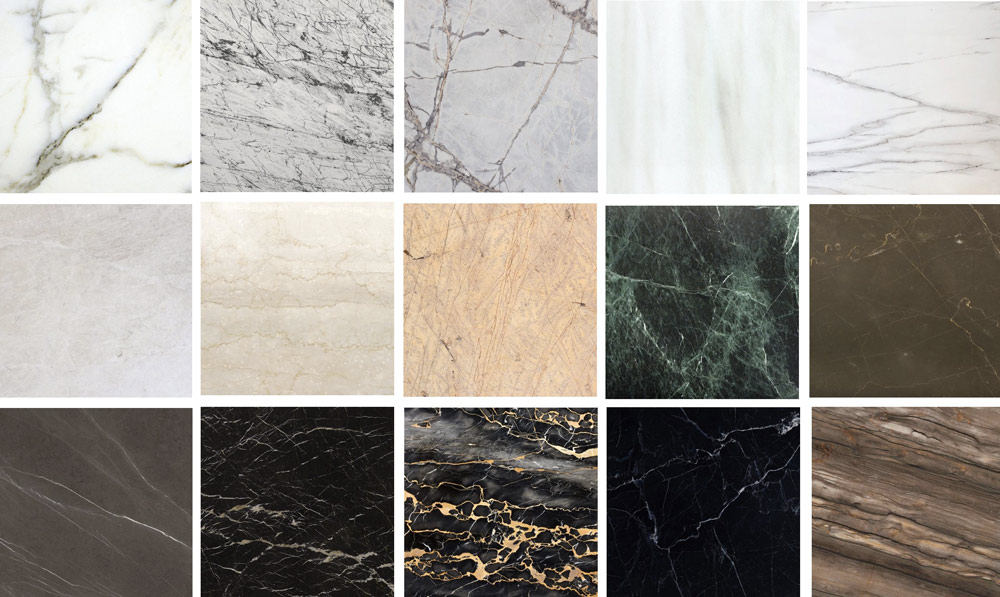
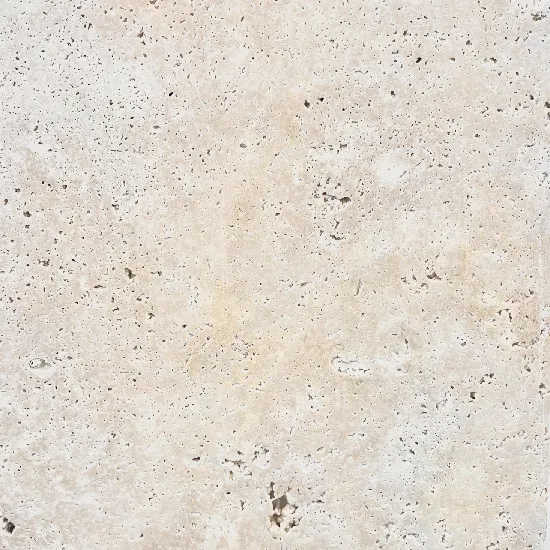
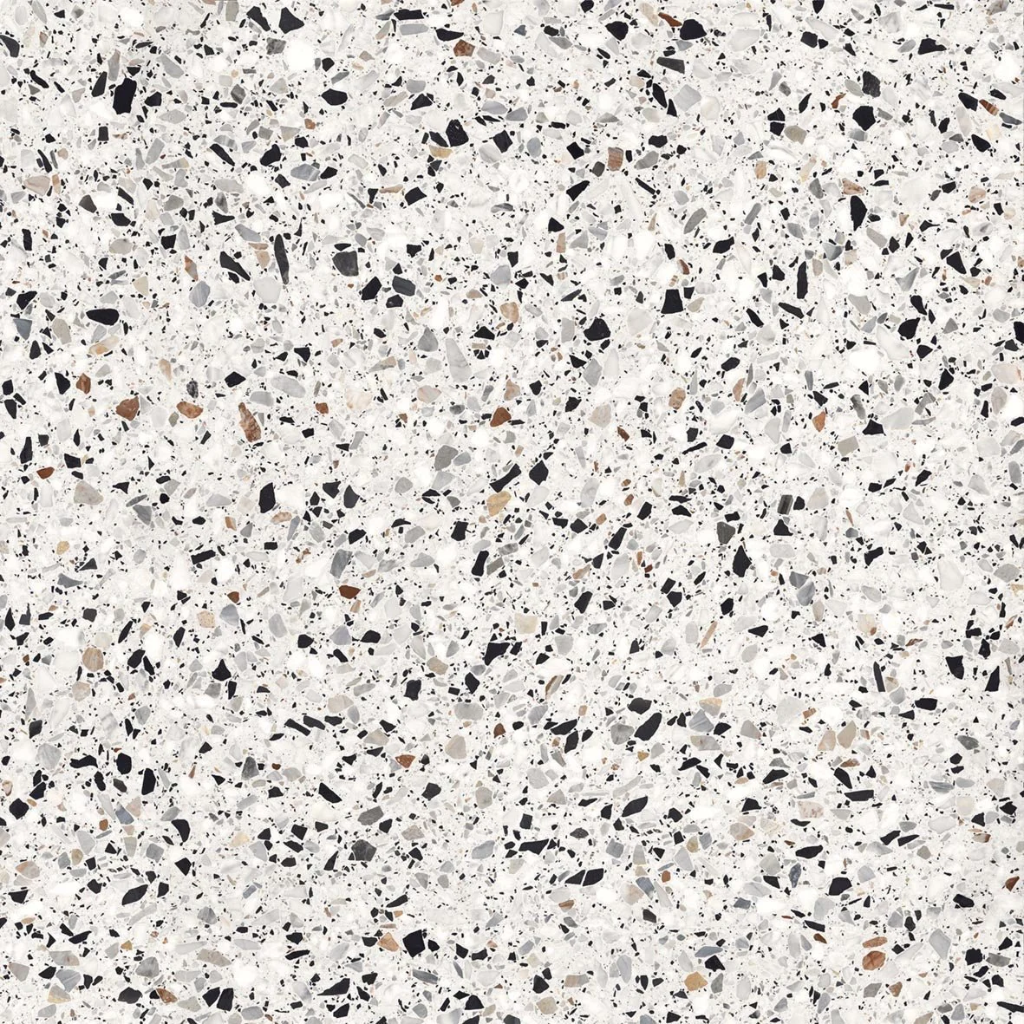
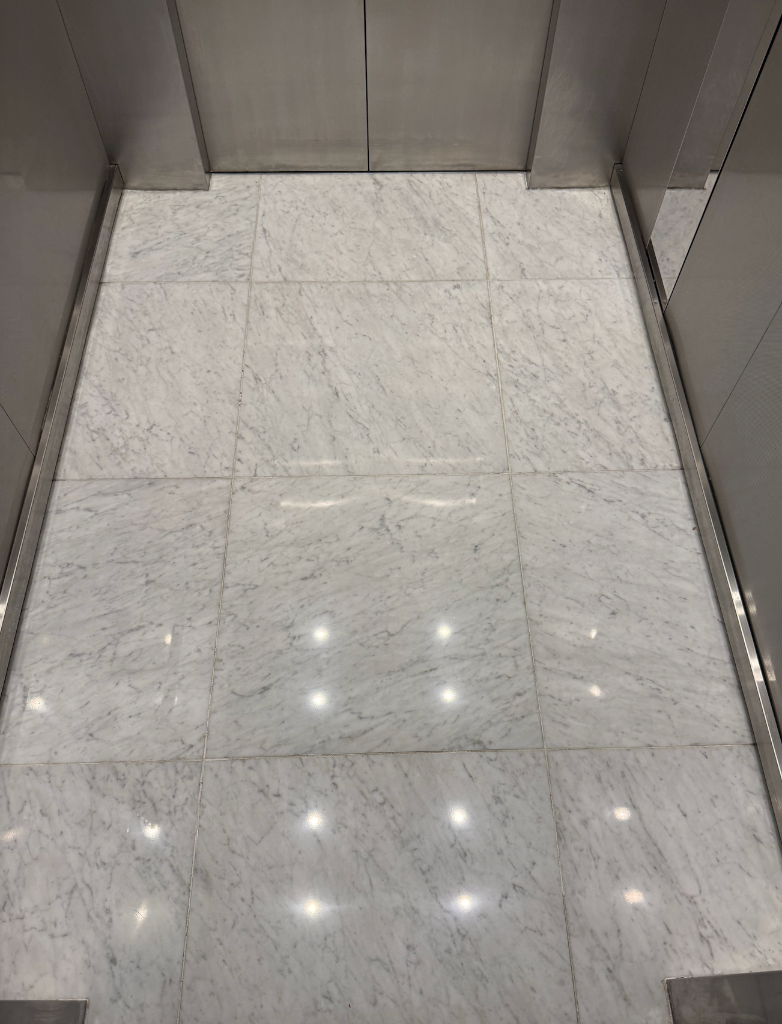
Natural stone is durable, but it is not maintenance-free. Marble, limestone, travertine, terrazzo, granite and engineered surfaces all respond differently to moisture, oils, foot traffic, cleaning products and UV exposure. A sealer does not make stone indestructible. What it does, when chosen and applied properly, is reduce absorption, improve day-to-day resilience and help preserve the finish you paid for.
What stone sealing services actually involve
Professional sealing is more than applying a product and wiping off the excess. The first step is understanding the stone type, its porosity, where it is installed and what it is exposed to. A honed marble vanity, a polished granite island bench and a sandstone outdoor area may all need sealing, but they do not need the same approach.
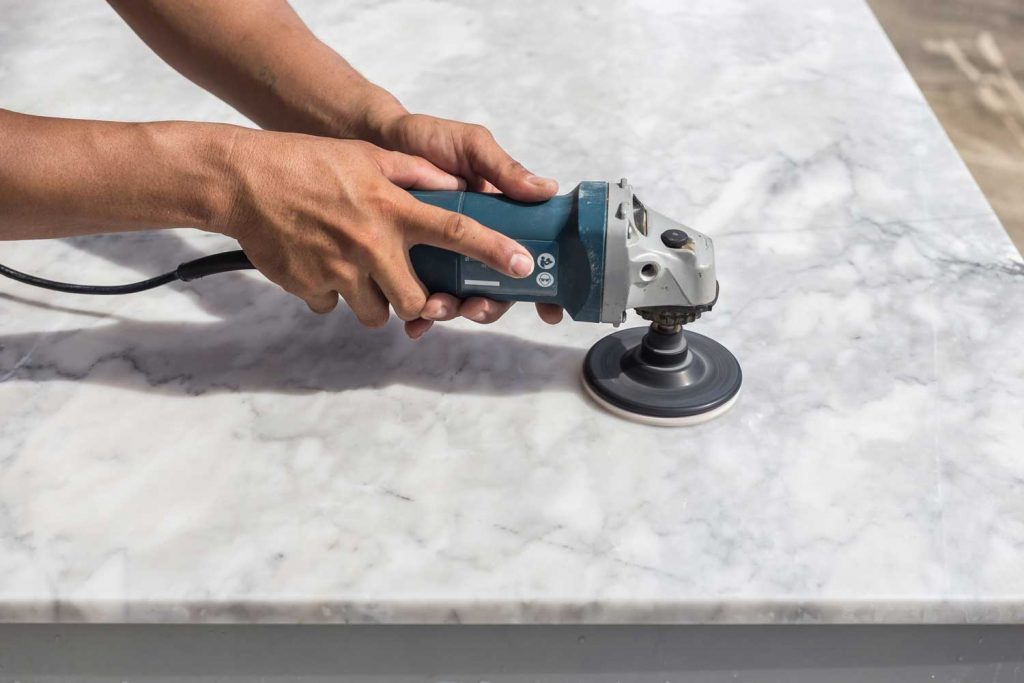
Stone sealing services typically begin with inspection and surface preparation. If the stone is dirty, contaminated, etched or carrying old coating residues, sealing over the top can trap problems in place. That can lead to patchy results, hazing or a finish that fails far earlier than expected. Proper preparation may include specialist cleaning, stain treatment or restoration work before any sealer is applied.
The sealer itself also matters. Penetrating sealers are commonly used for natural stone because they work below the surface, helping resist moisture and staining without creating a heavy topical film. In some settings, enhancing sealers are selected to deepen colour and enrich the natural character of the stone. The right choice depends on the visual finish required as well as the stone's exposure and use.
Why stone sealing services are worth doing professionally
There is no shortage of off-the-shelf sealers on the market, and some can perform adequately in simple situations. The problem is that many stone issues are not simple. A surface may already have invisible contamination, incorrect prior treatments or inconsistent absorption across the slab or tile field. Without testing and material knowledge, it is easy to use the wrong product or apply the right one at the wrong time.
Professional stone sealing services reduce that risk. A specialist knows how different stones behave, how to assess porosity, how many coats are actually needed and when a surface should not be sealed yet. That judgement is especially important with premium finishes, newly installed stone, and commercial areas where appearance and downtime both matter.
There is also a practical cost argument. Replacing stained marble, patchy limestone or weather-damaged sandstone is far more expensive than maintaining it correctly. Sealing is not a cure-all, but it is a smart protective step within a broader preservation plan.
Not all stone needs the same level of protection
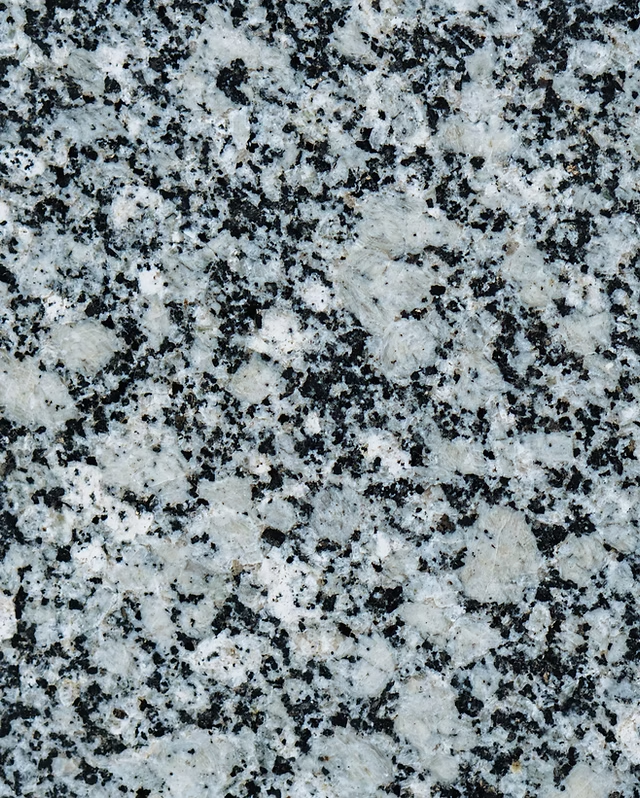
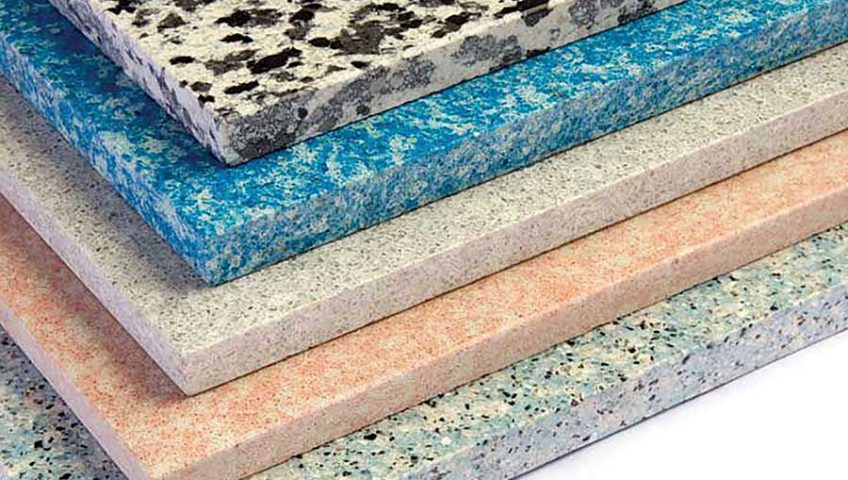
One of the most common misconceptions is that all stone should be treated the same way. In reality, porosity varies significantly. Dense granites may absorb very little compared with limestone or sandstone. Some engineered stone surfaces have different sealing needs again, depending on composition and finish.
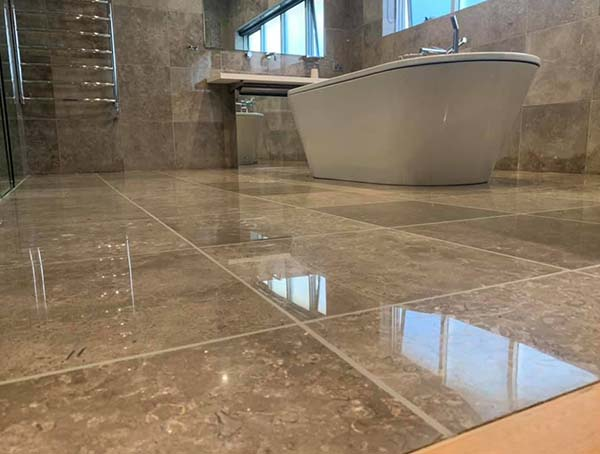
Location changes the equation as well. Indoor kitchen benchtops are exposed to oils, acids and food spills. Bathroom stone deals with water, personal care products and soap build-up. External paving must handle rain, UV, organic staining and temperature fluctuation. A sealer suitable for one environment may be underwhelming or inappropriate in another.
Finish is another factor. Honed stone often absorbs more readily than polished stone, and textured external finishes can hold dirt and moisture in a different way. This is why a proper assessment matters more than a generic recommendation.
When to arrange stone sealing services
New stone is an obvious time to think about sealing, but it is not the only one. Existing stone may need resealing if water no longer beads on the surface, if staining is becoming more frequent, or if the finish looks uneven after cleaning. In commercial spaces, changes can happen gradually because wear is constant. By the time deterioration is obvious, the surface may already need corrective work as well as sealing.
For residential clients, common trigger points include post-renovation handover, moving into a recently purchased home, or noticing darkening around sinks, cooktops and wet areas. For commercial and strata properties, sealing often makes sense as part of scheduled maintenance rather than waiting for visible decline.
It is also worth knowing that sealing intervals are not fixed. Some surfaces may require attention sooner due to traffic levels, cleaning methods or environmental exposure. Others hold up well for longer. Anyone promising a universal timeframe without inspecting the stone is simplifying a job that is rarely that simple.
What sealing can and cannot do
Good sealing improves resistance. It does not make stone stain-proof, etch-proof or scratch-proof. That distinction matters because unrealistic expectations often lead to disappointment.
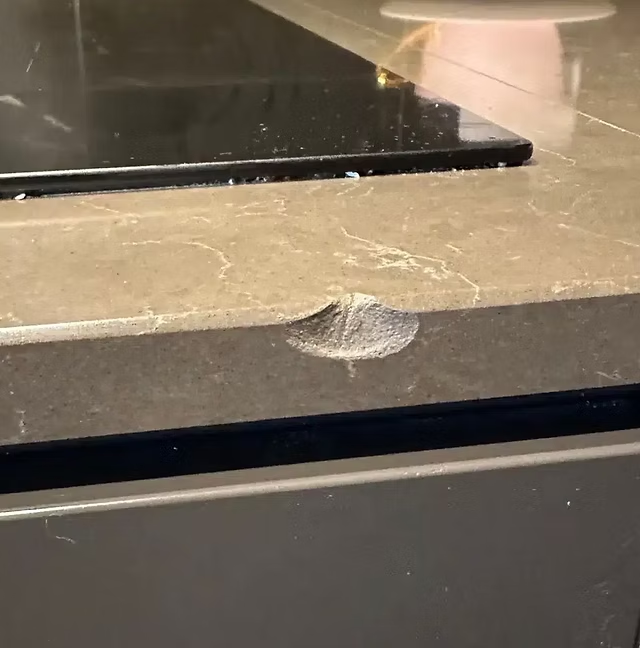
For example, a penetrating sealer can help slow the absorption of wine, oil or water-based spills, giving you more time to clean them up. It will not stop acidic substances from etching calcium-based stones such as marble or limestone. Likewise, sealing can assist with maintenance, but it cannot correct existing dullness, wear patterns or mechanical damage.
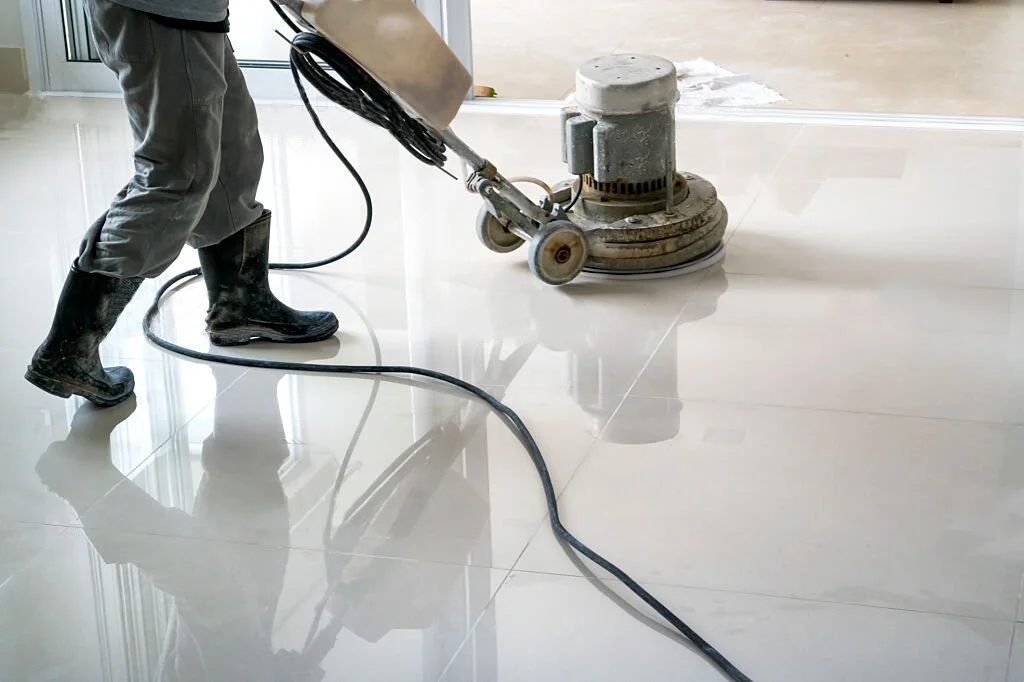
This is why sealing often works best alongside other stone care services. If a floor has lost its finish, or a vanity top is etched and patchy, restoration may need to happen first. Applying sealer over damaged stone protects the condition it is already in. It does not reverse it.
The value for homes and commercial properties
For homeowners, the appeal is straightforward. Natural stone is a premium finish and usually a visible one. Benchtops, bathrooms, floors and alfresco areas all contribute to the overall look and value of a property. Proper sealing helps keep those surfaces easier to maintain and less vulnerable to avoidable damage.
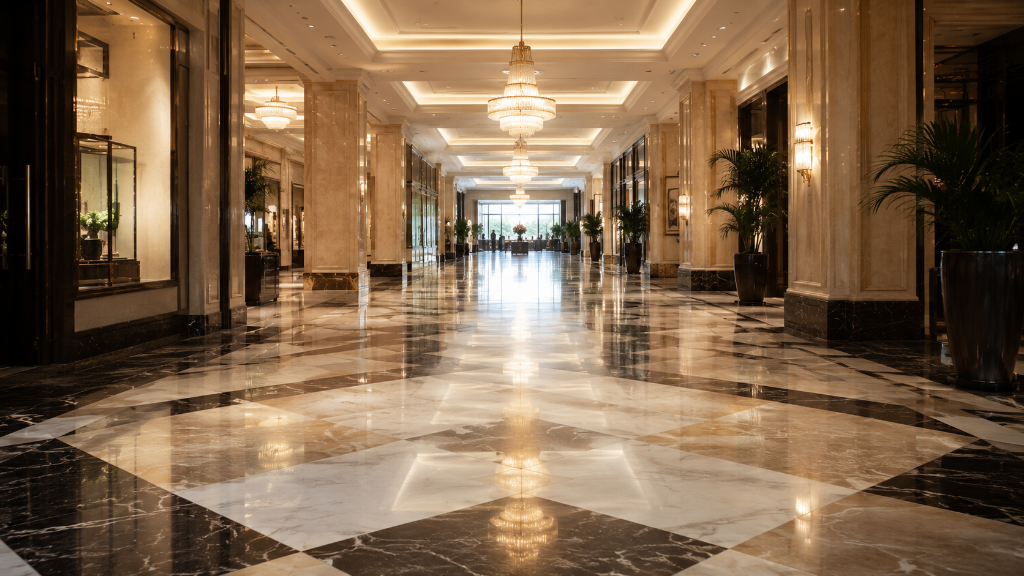
For commercial operators and facility managers, the benefit extends beyond appearance. Stone surfaces in foyers, hospitality venues, amenities and retail environments are part of the customer experience. They also represent a capital investment. Protecting them through appropriate sealing and maintenance supports presentation, reduces the likelihood of premature deterioration and helps avoid more disruptive restoration later.
In both cases, specialist care is especially important when the stone is high-end, heavily used or already showing signs of stress. Generic cleaning contractors may treat the surface as just another hard floor or bench. A stone specialist assesses it as a material with its own chemistry, finish requirements and maintenance risks.
Choosing the right provider for stone sealing services
If you are comparing providers, the key question is not just whether they offer sealing. It is whether they understand stone. That means being able to identify materials accurately, explain what sealer is suitable, prepare the surface correctly and set realistic expectations about outcomes and maintenance.
Look for a provider whose work is centred on natural stone care rather than broad cleaning alone. The difference shows in the assessment, the recommendations and the results. In Sydney, that level of specialist attention matters even more for properties exposed to coastal conditions, outdoor weathering and high-use urban environments.
Sydney Stone Care works within that specialist space, focusing on restoration and preservation rather than one-size-fits-all surface treatment. For clients with premium stone finishes, that distinction is not a marketing detail. It is the reason the work holds up.
Sealing is part of preservation, not a once-off fix
The best approach to stone care is long-term. Sealing helps protect against everyday exposure, but it works best when paired with suitable cleaning products, prompt spill response and periodic professional review. A well-maintained sealed surface generally performs better, presents better and costs less to keep in good condition over time.
That is the real value of professional stone sealing services. They support the life of the stone, not just its appearance on the day of treatment. When the material is worth protecting, the right care is usually the more economical decision as well as the better-looking one.
If your stone surfaces are part of the appeal of your home or the standard of your commercial property, treating sealing as specialised care rather than a basic add-on is a sensible place to start.