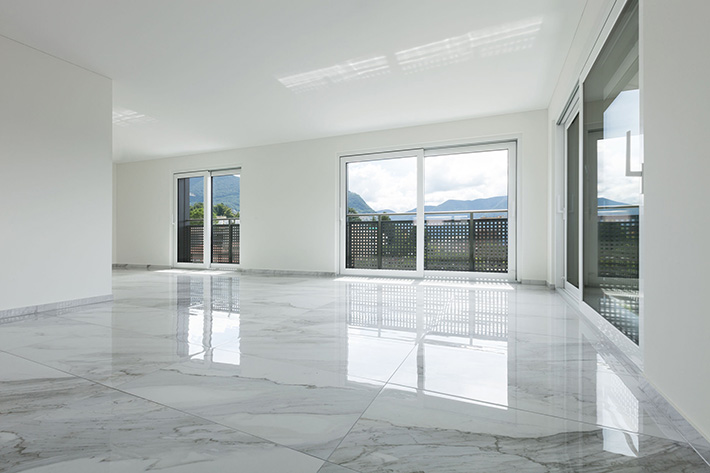
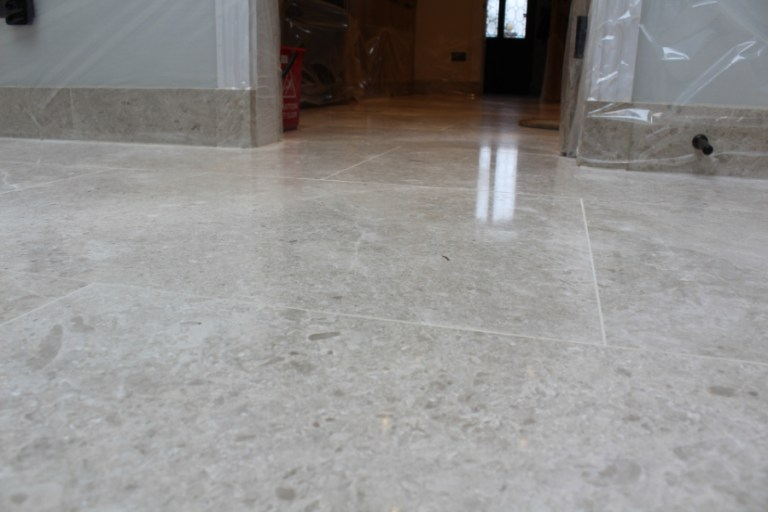
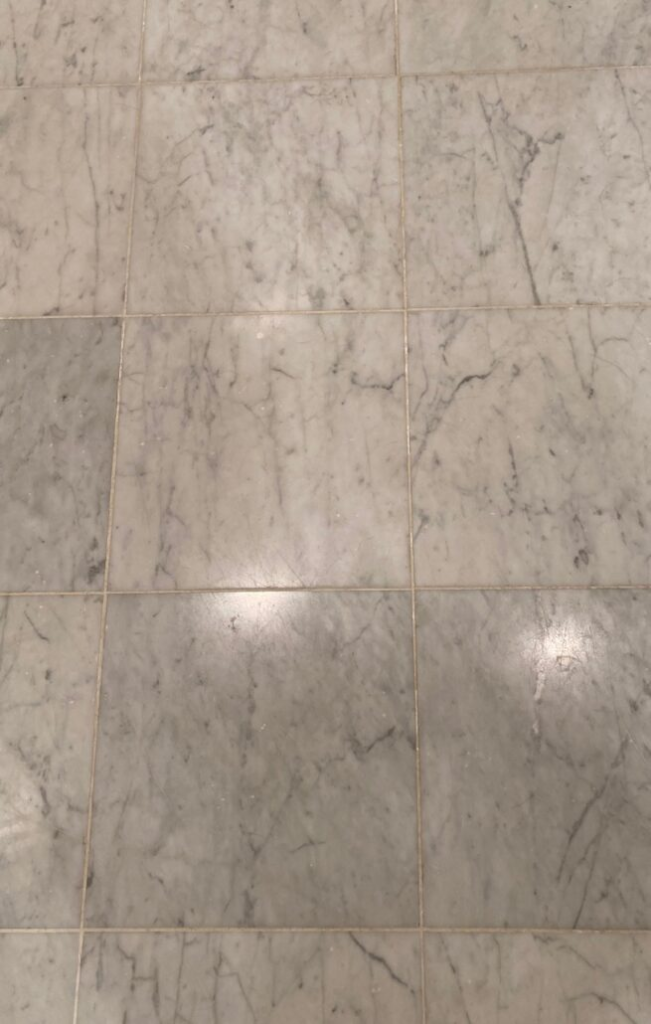
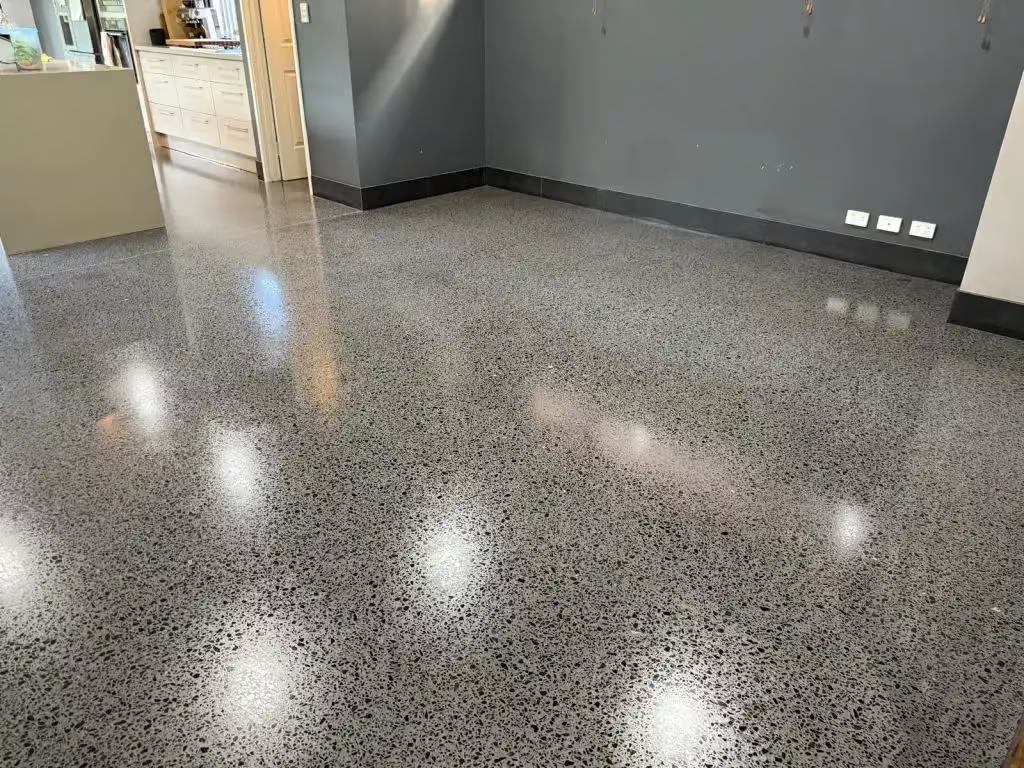
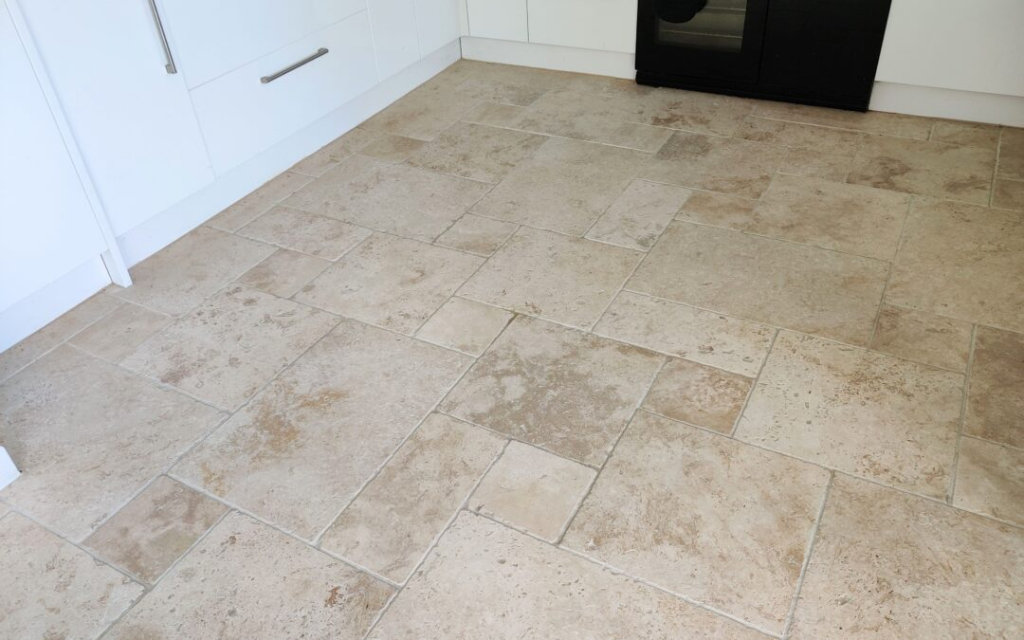
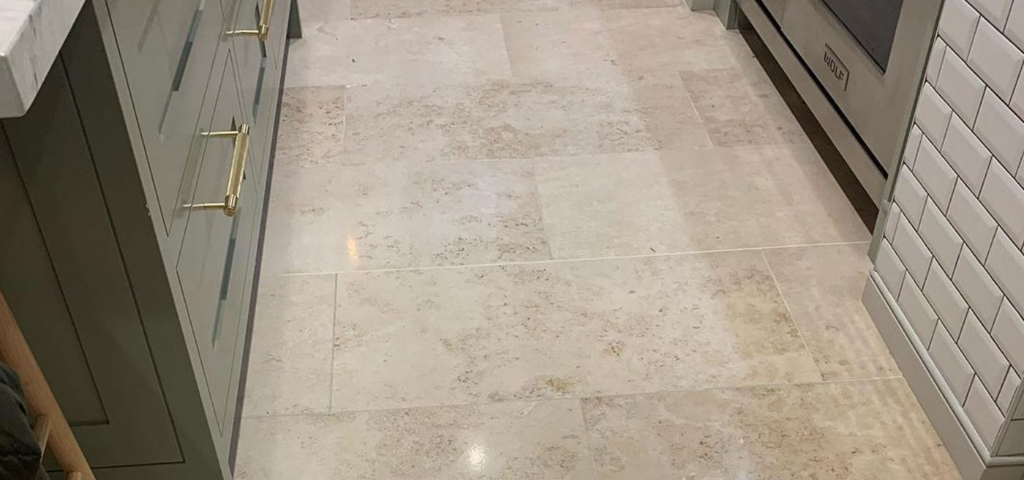
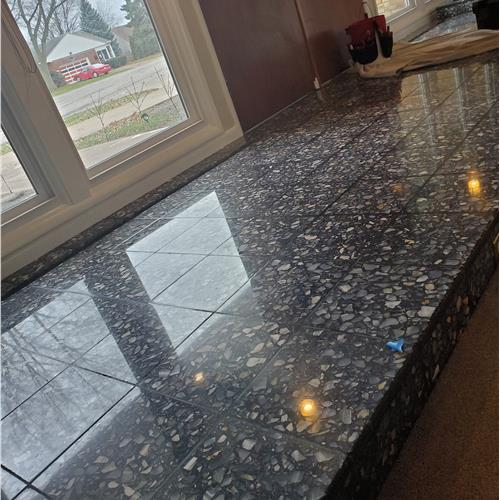
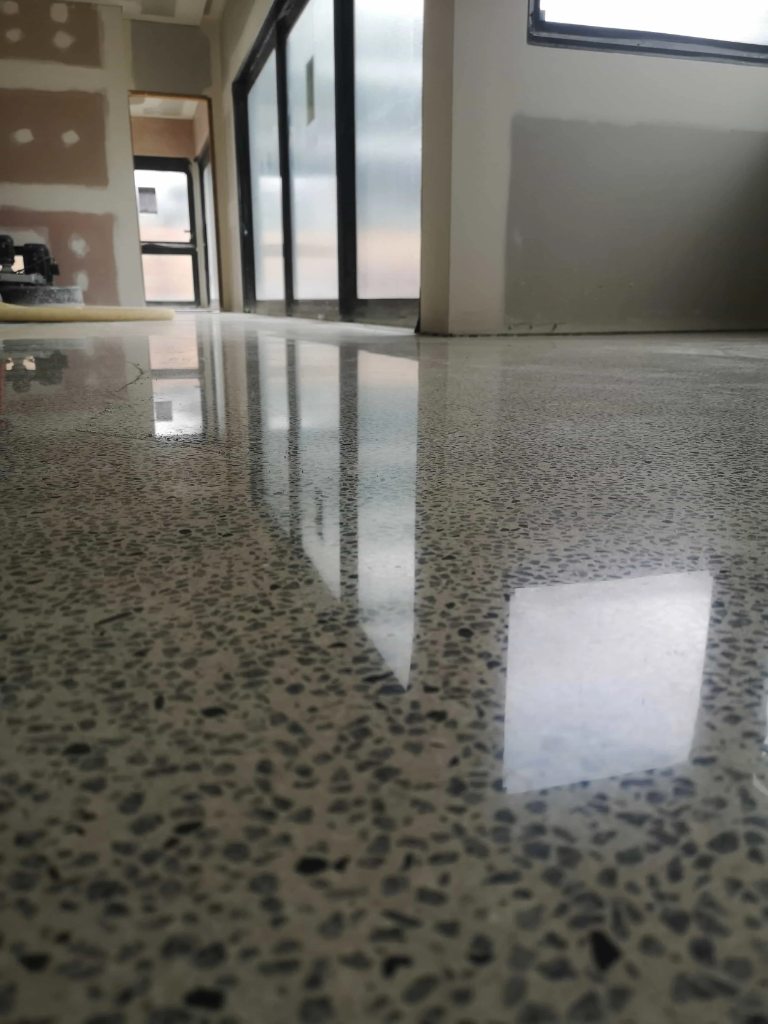
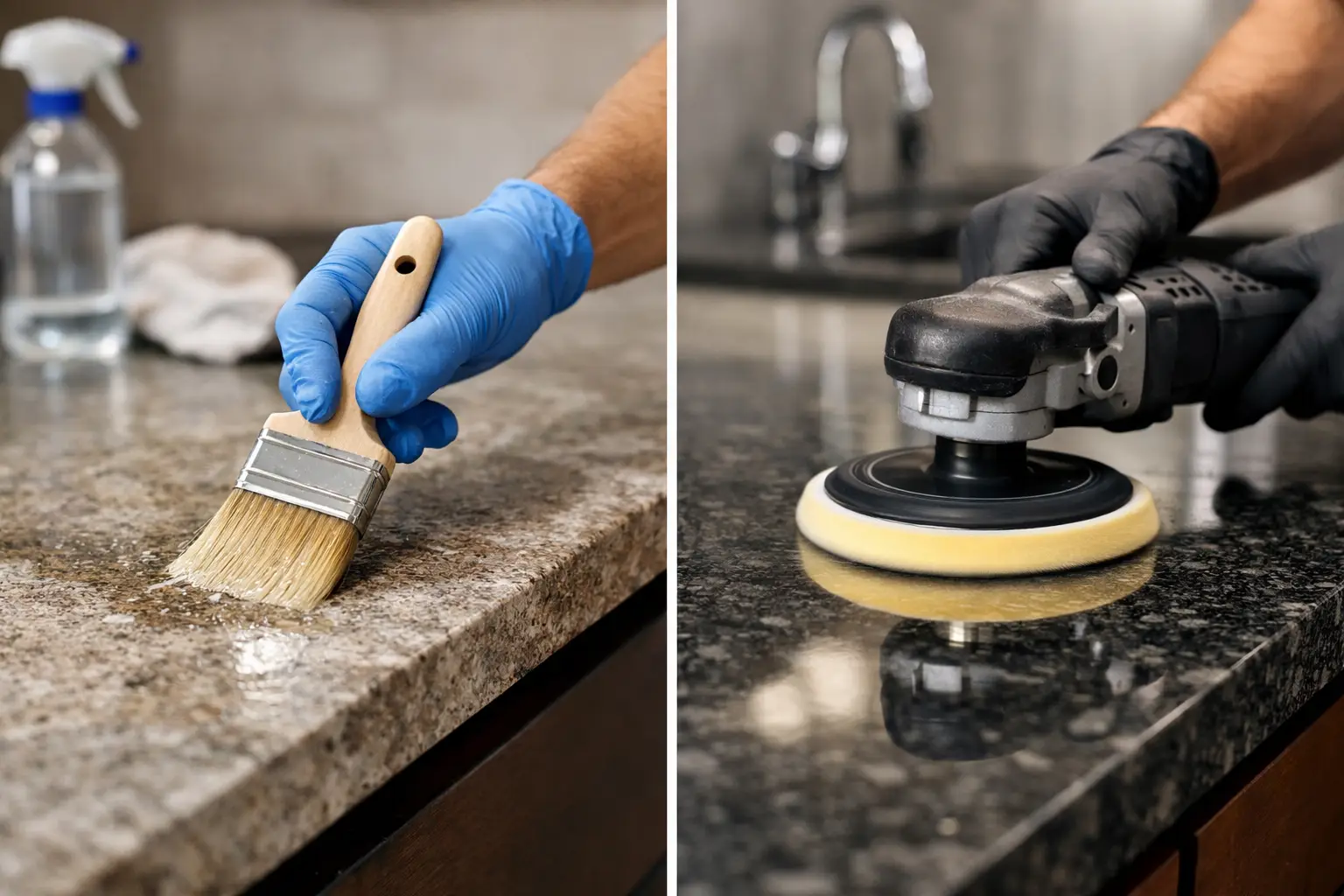
A stone benchtop can look dull even when it is perfectly clean. A marble foyer can repel spills yet still show traffic paths, scratches and etching. This is where stone sealing vs polishing is often misunderstood: sealing protects the stone from absorption, while polishing restores or refines its surface appearance. They solve different problems, and premium stone often needs both at different points in its life.
For Sydney homeowners, strata managers and commercial facilities teams, choosing the right treatment protects more than appearance. It helps preserve a expensive natural-stone asset, avoids unnecessary work and supports a finish that remains appropriate for how the area is used.
Stone Sealing vs Polishing: The Core Difference
Stone sealing is a protective treatment. A specialist applies a suitable penetrating or impregnating sealer to help reduce the rate at which liquids, oils and contaminants enter the stone. It is primarily about stain resistance and easier maintenance.
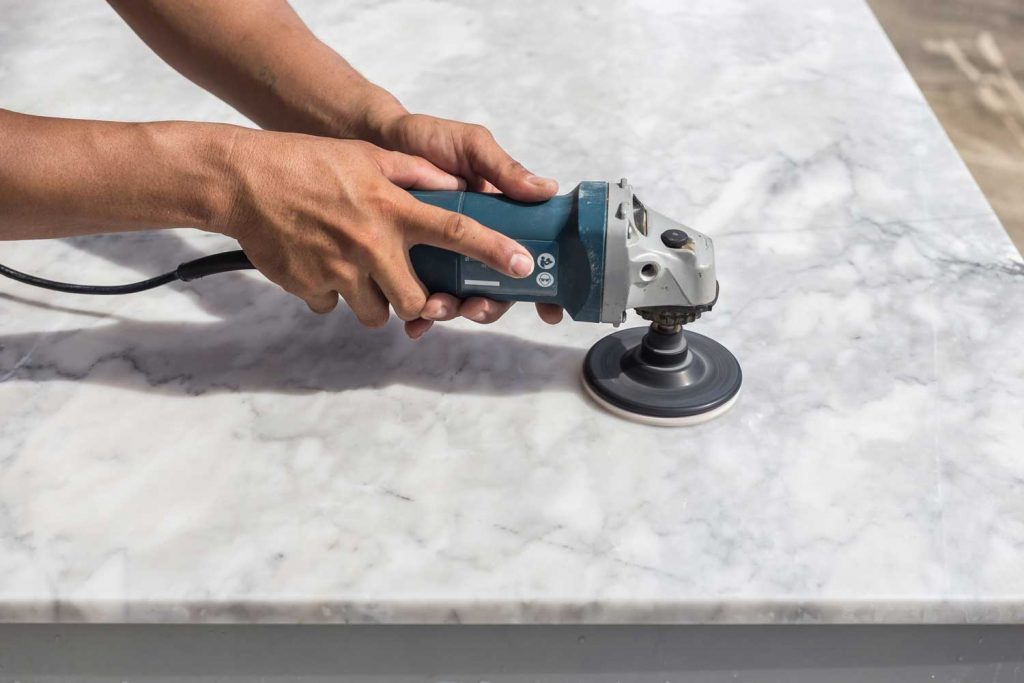
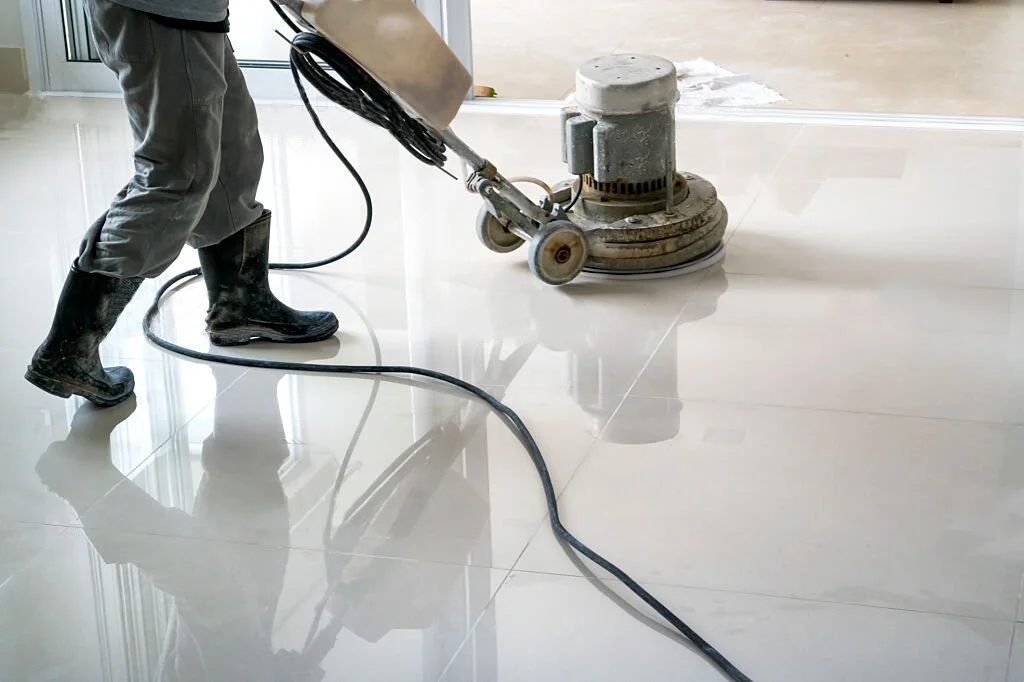
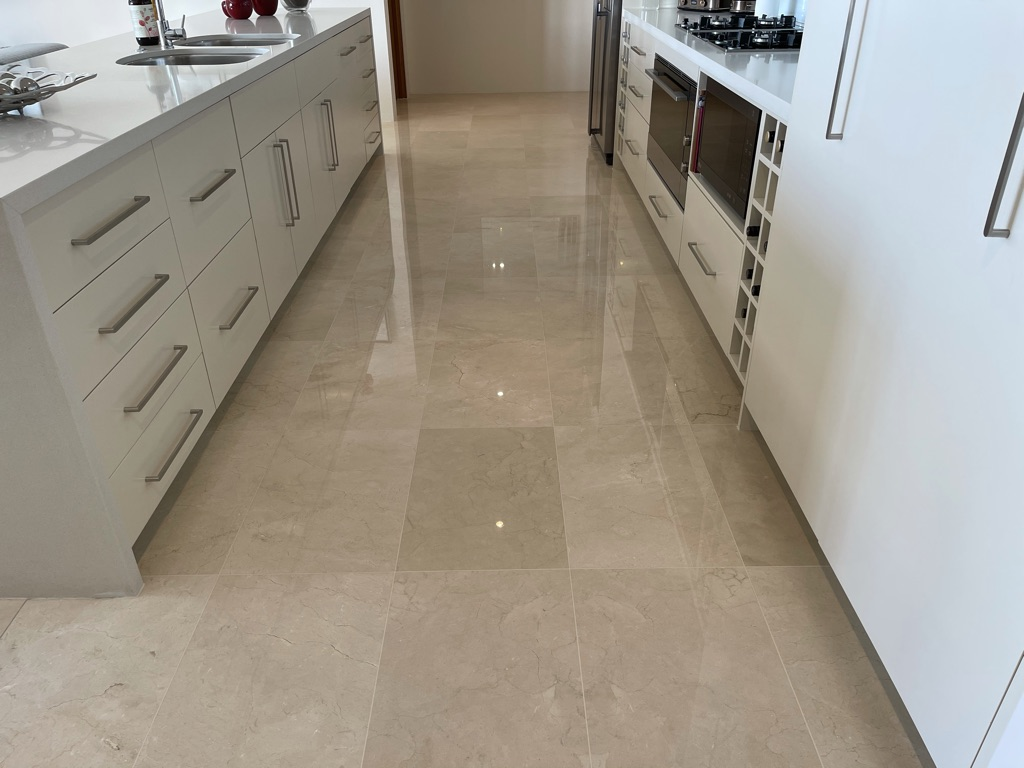
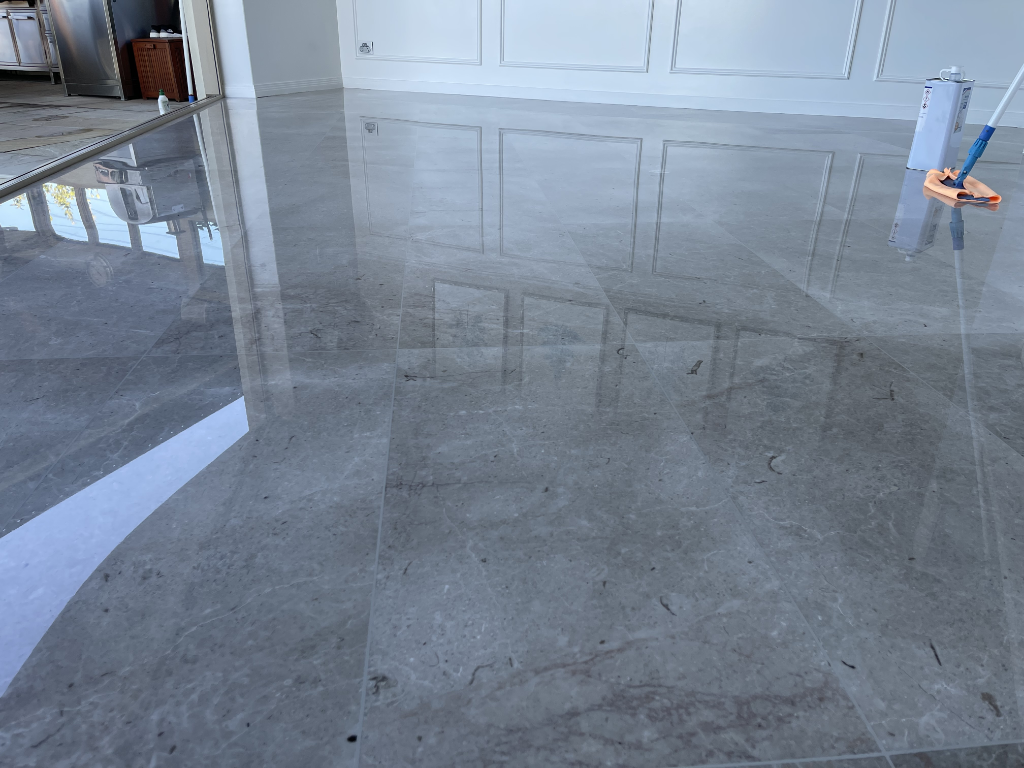
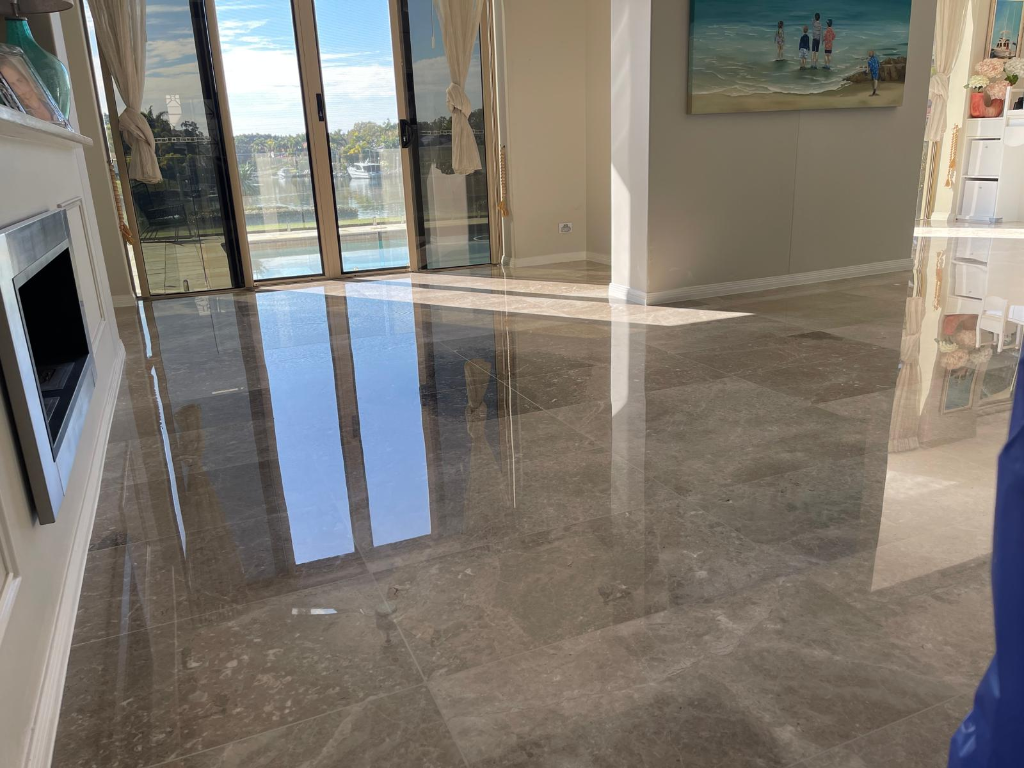
Polishing is a mechanical restoration process. It uses specialised abrasives, pads and compounds to refine the stone surface, remove or reduce wear, and bring back the desired level of sheen. Depending on the stone and finish, polishing may restore a high gloss, create a soft satin appearance or blend a repair into the surrounding surface.
Put simply, a sealer works below or within the pores of the stone. Polishing works on the surface. One does not replace the other.
A sealed floor can still become scratched and dull. A freshly polished benchtop can still stain if it is not properly protected. Treating the visible symptom without considering the stone's condition, finish and location can lead to disappointing results.
What Stone Sealing Actually Does
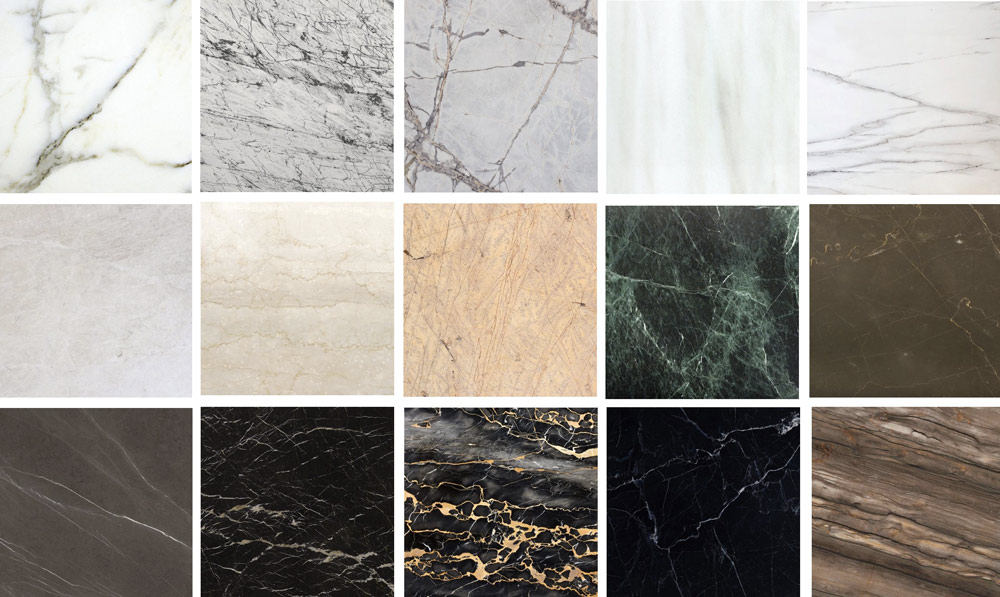
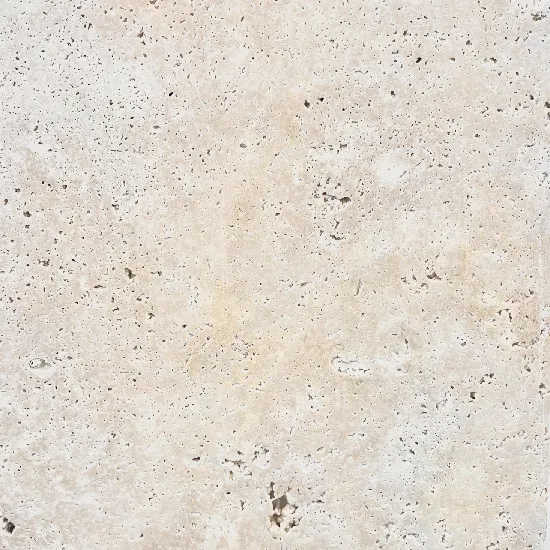
Natural stone varies greatly in density and porosity. Limestone, travertine and many marbles can be particularly absorbent, while granite and some engineered surfaces may require a different approach. The right sealer is selected according to the stone type, existing finish and exposure to water, food oils, cosmetics, outdoor contaminants or heavy foot traffic.
A quality impregnating sealer helps resist absorption without forming an obvious coating on top of the stone. This matters because natural stone needs to retain its intended character. A topical coating can alter the look, wear unevenly or create maintenance problems if it is unsuitable for the surface.
Sealing is especially useful on kitchen benchtops, bathroom vanities, dining tables, shower surrounds, entry floors and outdoor entertaining areas. In commercial settings, it can be an important part of maintaining stone in hotel lobbies, retail spaces, reception areas and hospitality venues where spills and frequent cleaning are routine.
However, sealer is not a guarantee against stains. It provides time to wipe up a spill before it penetrates, rather than making the stone invulnerable. Red wine, cooking oil, acidic drinks, rust, dyes and harsh chemicals can still cause damage, particularly if left in place.
Nor does sealing prevent etching. Acidic substances such as lemon juice, vinegar and some bathroom products can react with calcium-based stones including marble, limestone and travertine. Etching changes the surface itself, often leaving a pale or dull mark. A sealer may reduce staining, but it cannot stop that chemical reaction.
Signs Your Stone May Need Resealing
The most useful test is not simply whether water beads dramatically on the surface. Water behaviour can vary with the stone, finish and product used. Instead, consider whether clean water darkens the stone quickly or whether routine spills appear to absorb more readily than before.
Other signs include darkened areas around sinks, persistent marks from cooking oils, moisture absorption in bathroom stone, or outdoor paving that is becoming difficult to clean. A professional assessment is valuable because applying more sealer over contamination, residue or an incompatible existing treatment may not improve protection.
What Polishing Can Restore
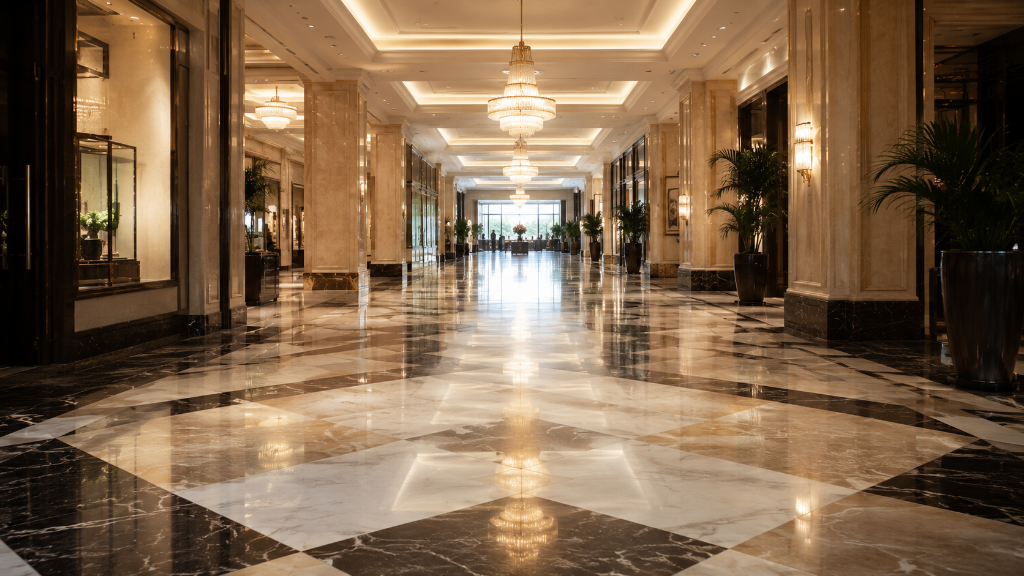
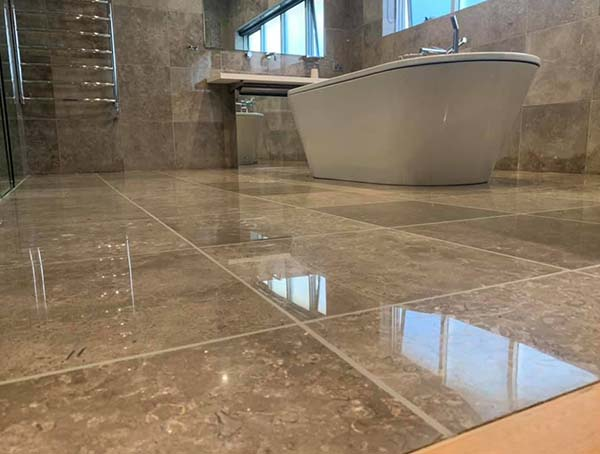
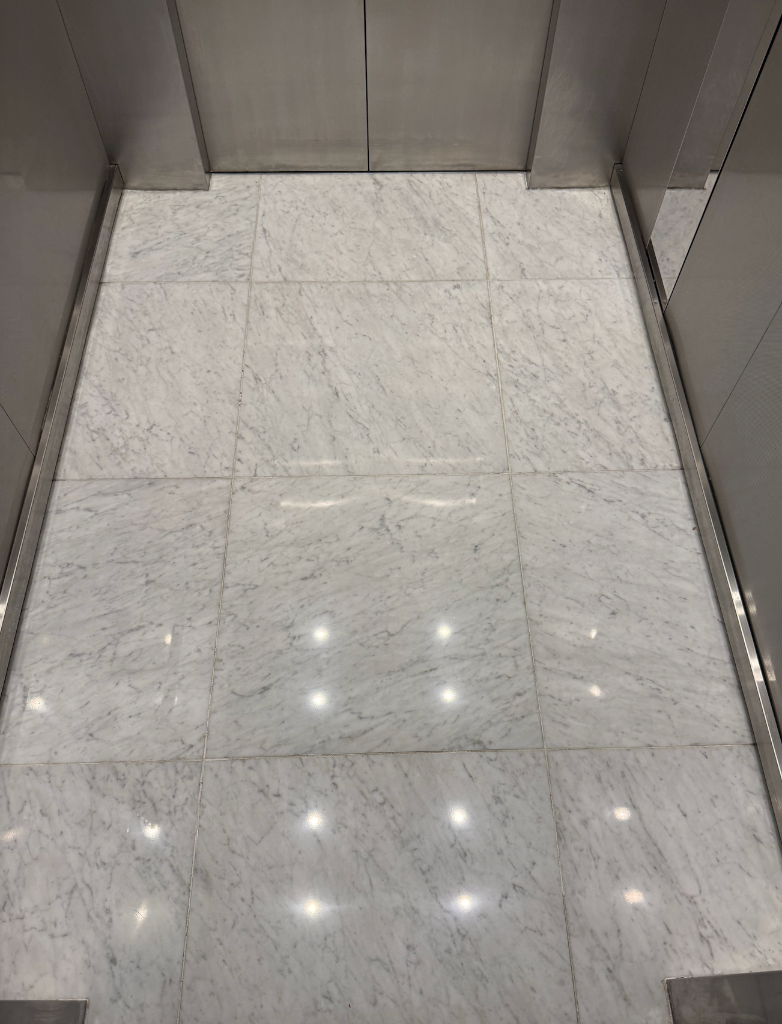
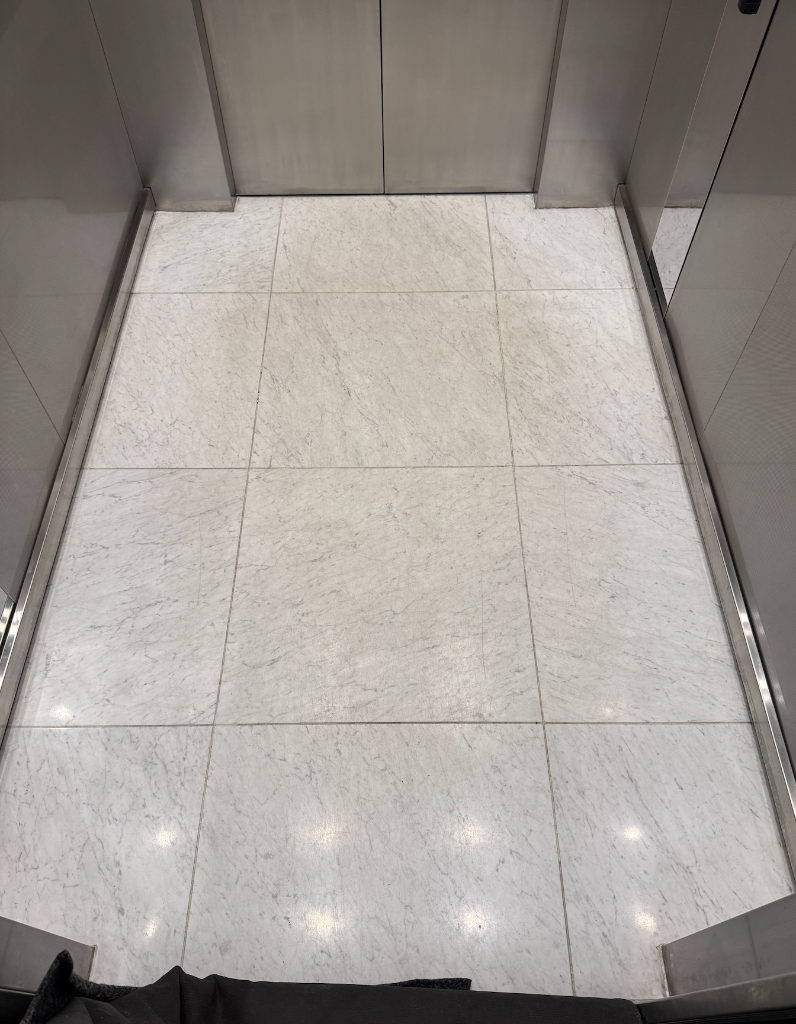
Polishing is appropriate when the stone has lost clarity, reflectivity or smoothness through use. On a polished marble floor, this may appear as dull traffic lanes near an entry or reception desk. On a benchtop, it may be fine scratches, etch marks and a patchy sheen around the sink or preparation area.
The process is not simply applying a shine product. Proper stone polishing involves carefully refining the surface with the correct abrasive sequence and technique for that material. The aim is to improve the finish while removing as little stone as necessary.
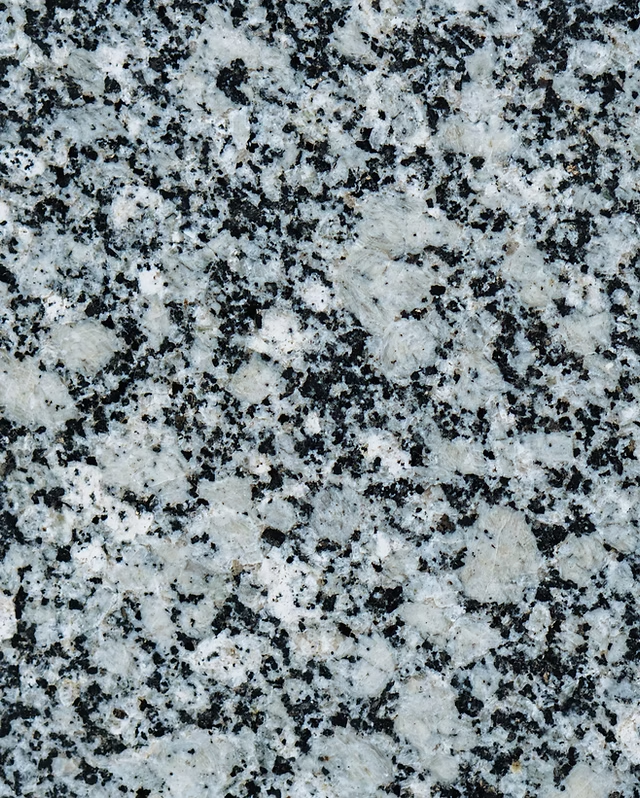
For marble, limestone and travertine, polishing can often reduce etching, light scratching and general dullness. Granite may require different machinery and compounds due to its hardness. Softer stones require particular care, as aggressive methods can create unevenness, excessive reflection or damage to the edges and joints.
Polishing also needs to match the intended finish. Not every surface should be highly glossy. Honed stone is designed to have a matte or low-sheen appearance, and an exterior surface may need a finish that prioritises slip resistance over shine. A high-gloss result might look impressive in a formal foyer, but it is rarely the right outcome for wet outdoor paving.
When Polishing Is Not Enough
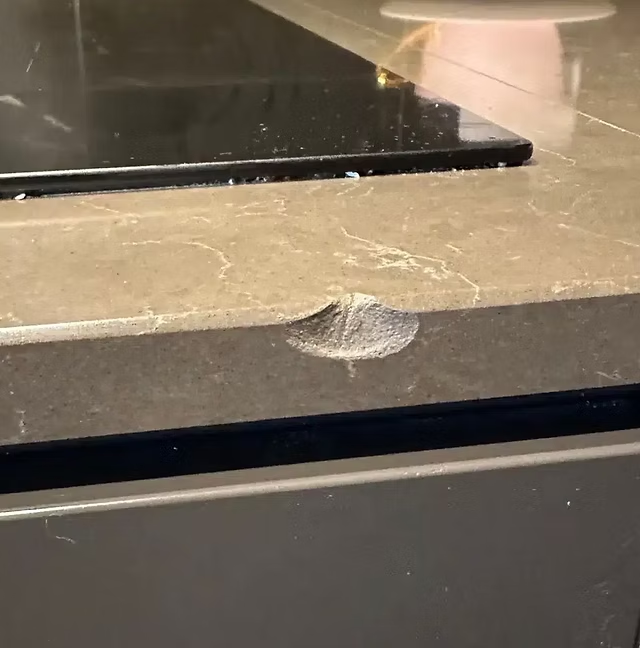
Deep chips, open cracks, severe lippage between tiles, extensive staining or structural movement require more than polishing alone. Repairs, grinding, honing, poultice treatment or joint work may be needed before the surface can be refined.
Polishing also cannot reverse every form of discolouration. Some stains have penetrated deeply into the stone, while others may be caused by moisture, adhesive issues, rusting reinforcement or contaminants beneath the surface. Identifying the cause first prevents cosmetic work from masking a problem that soon returns.
Which Treatment Should Come First?
When a surface needs both restoration and protection, polishing or honing generally comes before sealing. Refining the surface can expose fresh stone and remove worn material, so sealing beforehand is usually counterproductive. Once the desired finish has been achieved and the stone is clean and dry, the appropriate sealer can be applied.
There are exceptions. A lightly used surface in good visual condition may only require cleaning and resealing. Conversely, a stone floor with dull traffic patterns but no absorption concerns may need polishing without immediate resealing, depending on the stone and its location.
This is why a one-size-fits-all maintenance schedule is unreliable. A sealed internal marble vanity may perform well for years. A travertine patio exposed to weather, pool water, leaf tannins and regular entertaining may need more frequent attention. Commercial stone in a busy Sydney lobby will wear according to foot traffic, cleaning practices and the grit carried in from outside.
Making the Right Decision for Your Stone
Start by identifying the problem rather than selecting a treatment by name. If the issue is water or oil absorption, staining risk or difficult cleaning, sealing is likely part of the answer. If the issue is dullness, etching, scratches or an uneven sheen, surface restoration is more relevant.
Avoid household acids, abrasive powders and generic shine products while deciding what to do. These can worsen damage or leave residues that complicate professional treatment. Use pH-neutral stone cleaning products, clean spills promptly and place protective mats at entrances where grit can scratch stone underfoot.
For valuable stone, professional evaluation is worthwhile before work begins. The stone type, finish, prior coatings, location and existing damage all influence the correct method. A small test area can also confirm how the surface will respond and help set realistic expectations for the final result.
Sydney Stone Care approaches sealing and polishing as part of long-term stone preservation, not isolated cosmetic tasks. The best outcome is a finish that looks right for the space, performs well in daily use and remains practical to maintain.
When stone starts to lose its lustre or resistance to spills, acting early is usually the most cost-effective choice. Timely specialist care can preserve the original surface, reduce the need for more invasive restoration and keep natural stone looking considered for years to come.