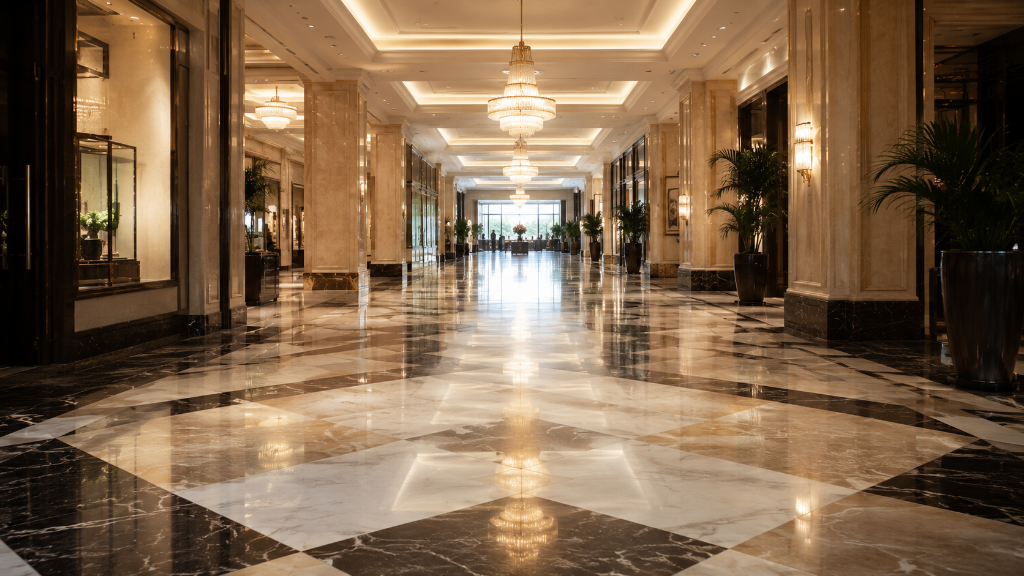
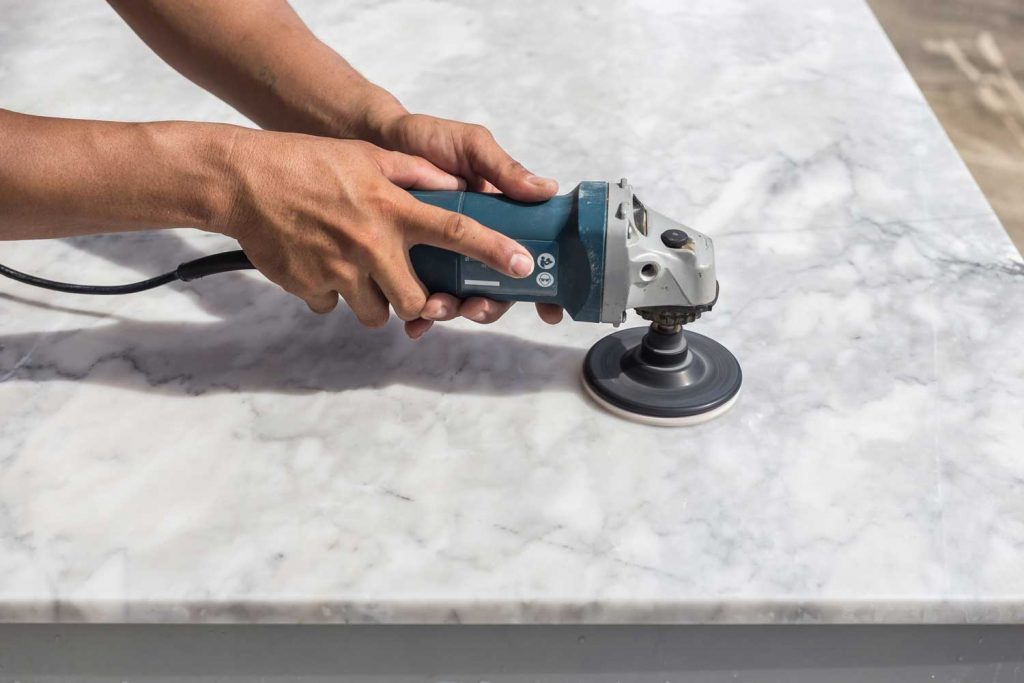
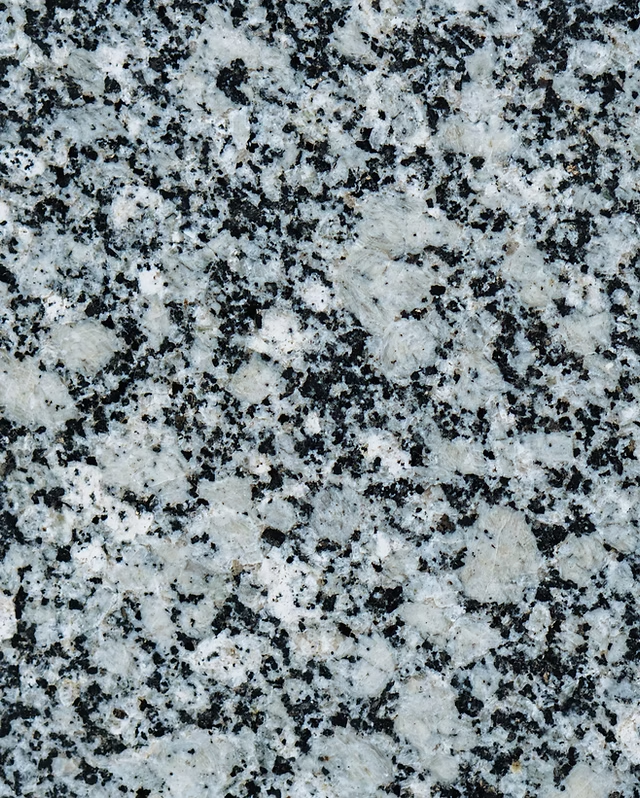
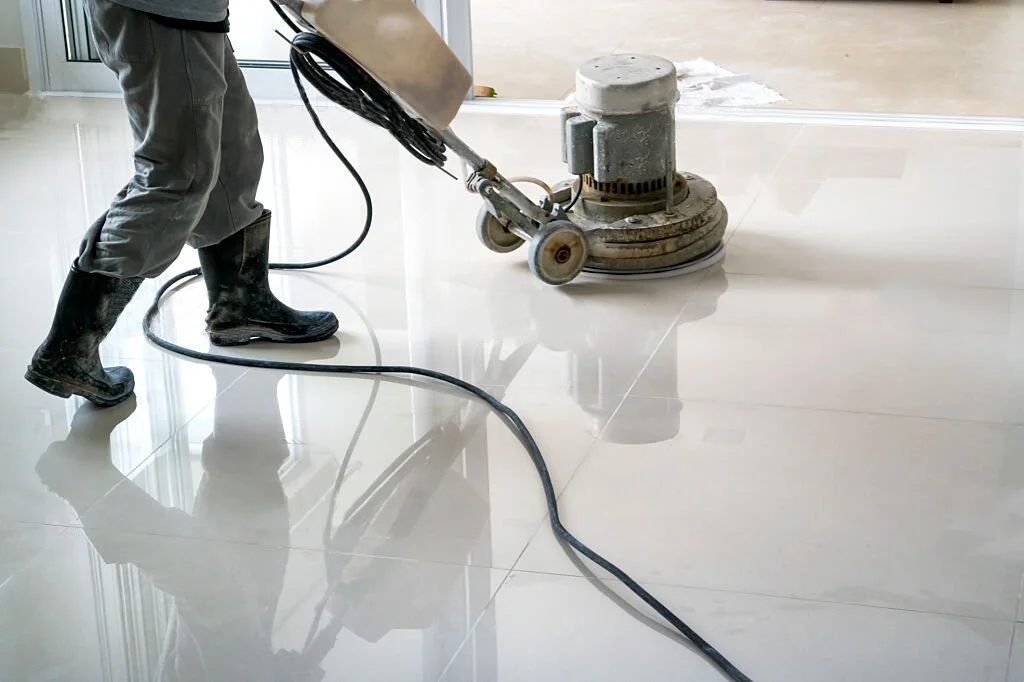
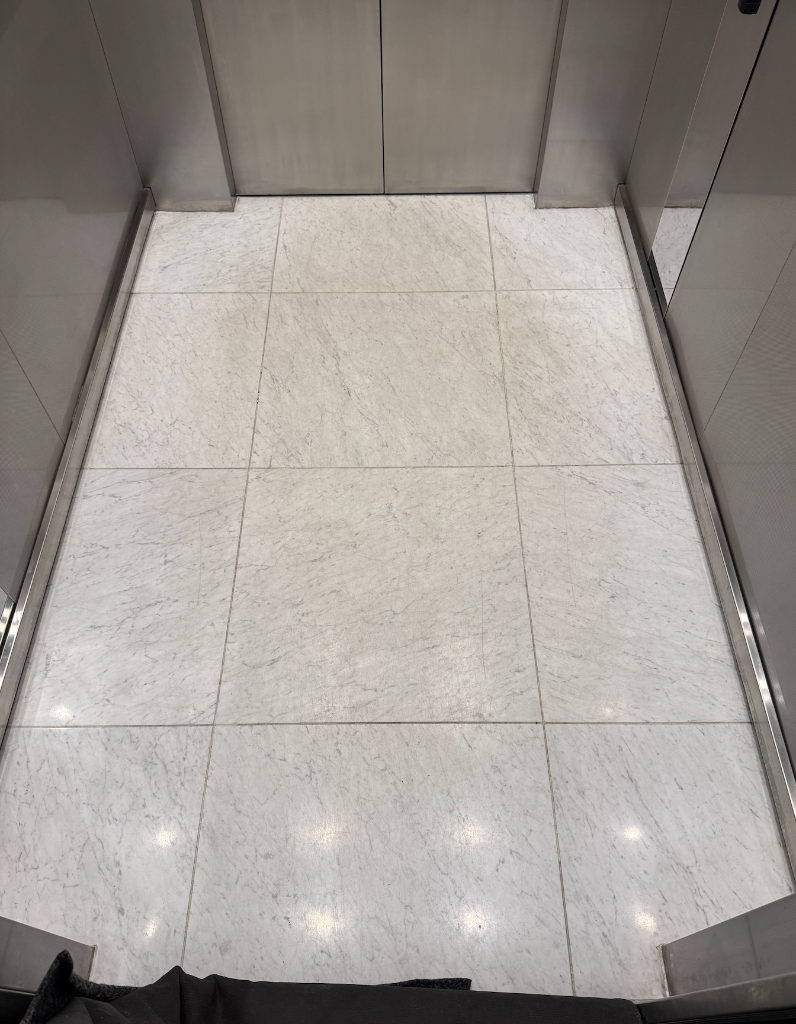
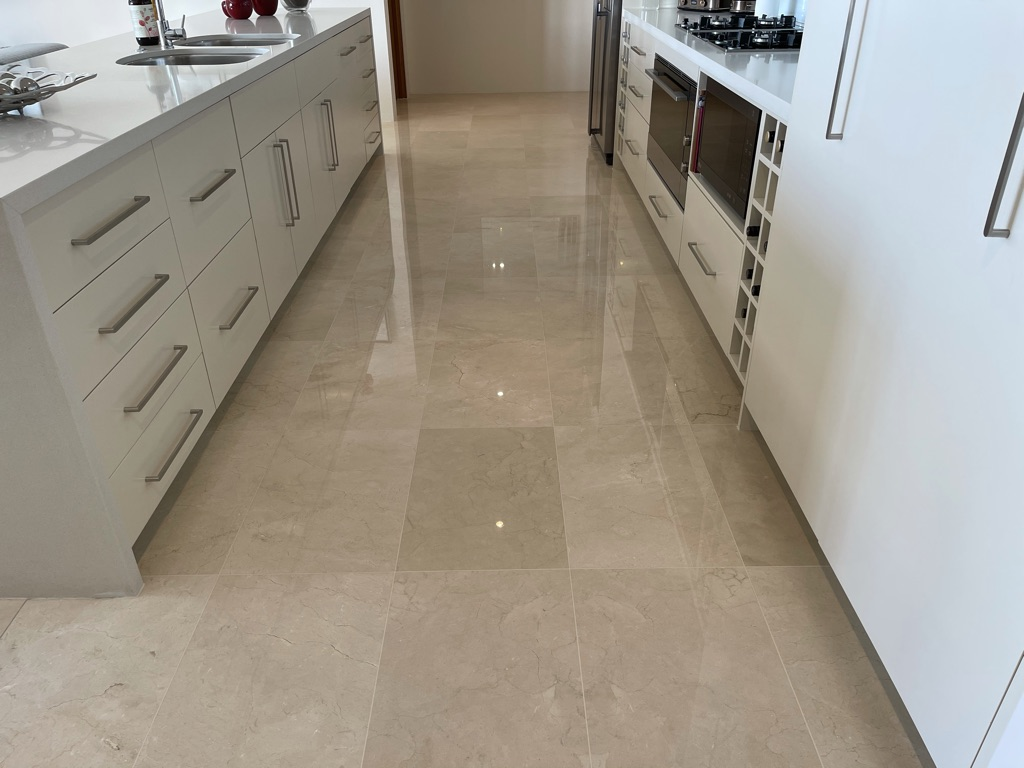
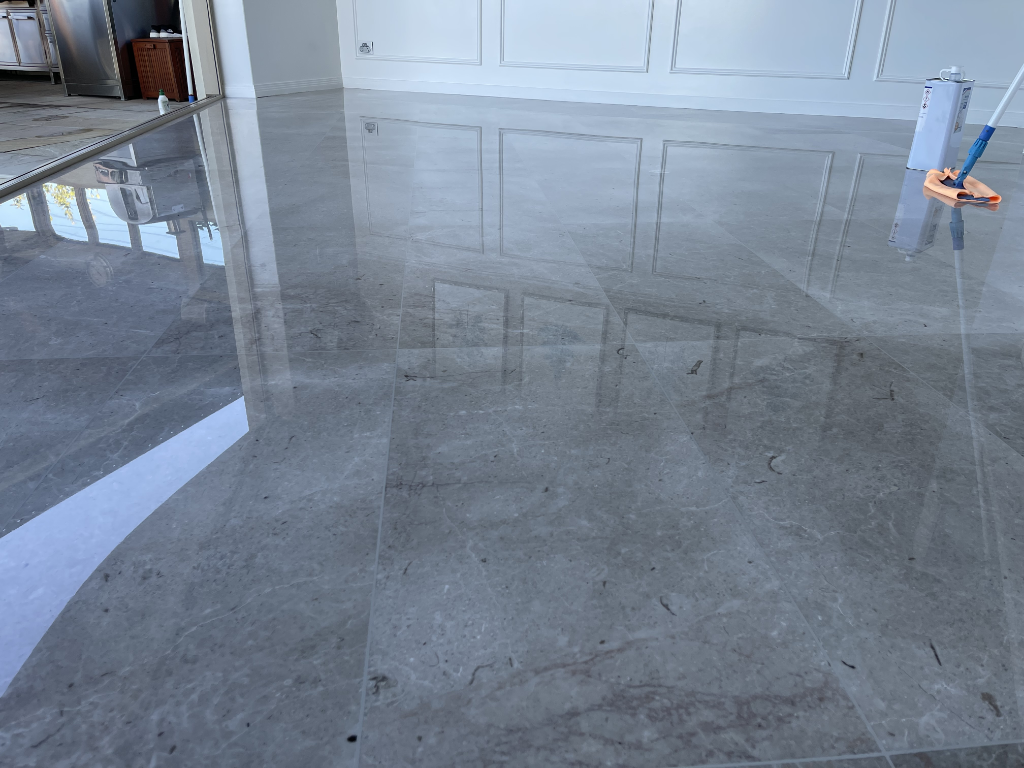
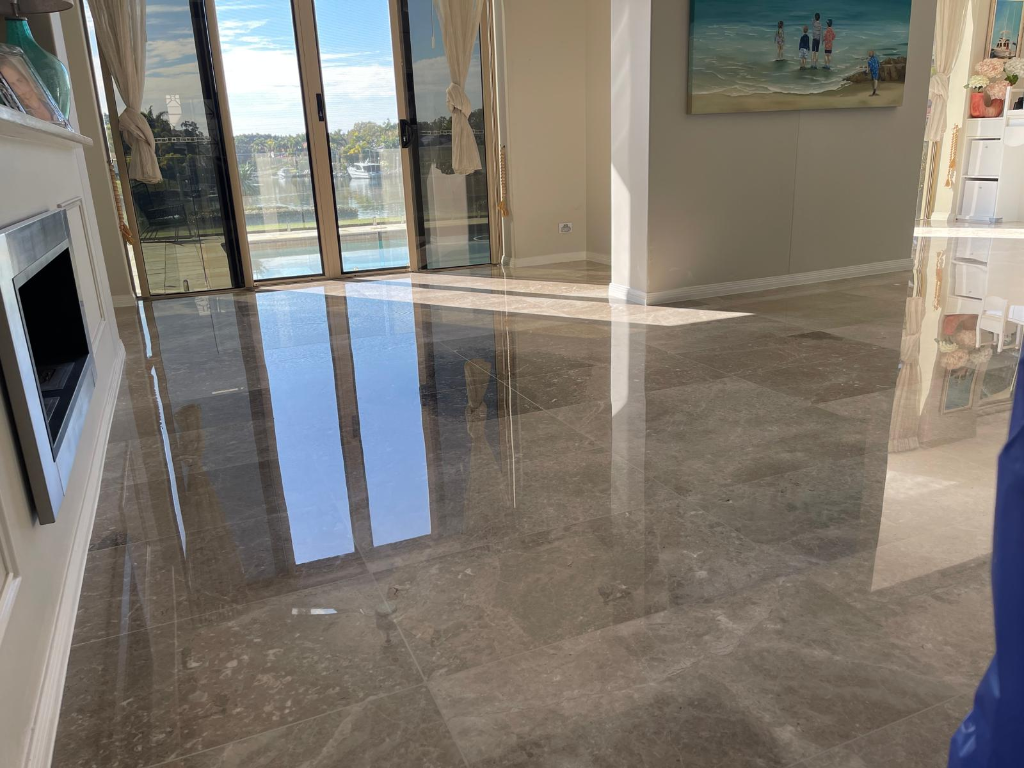
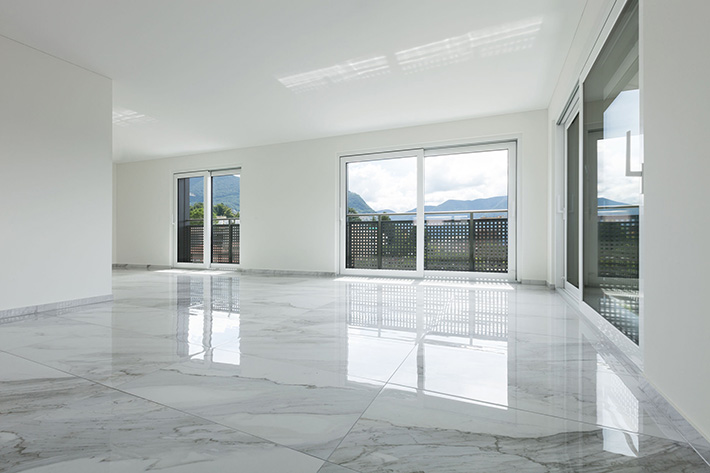
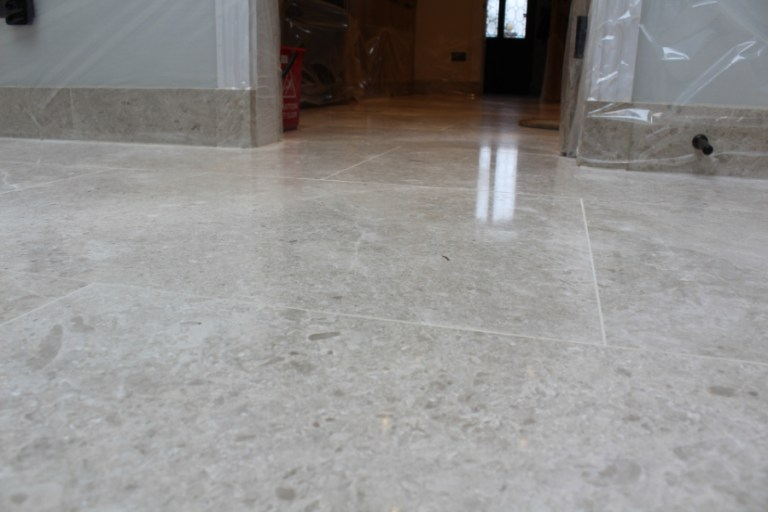
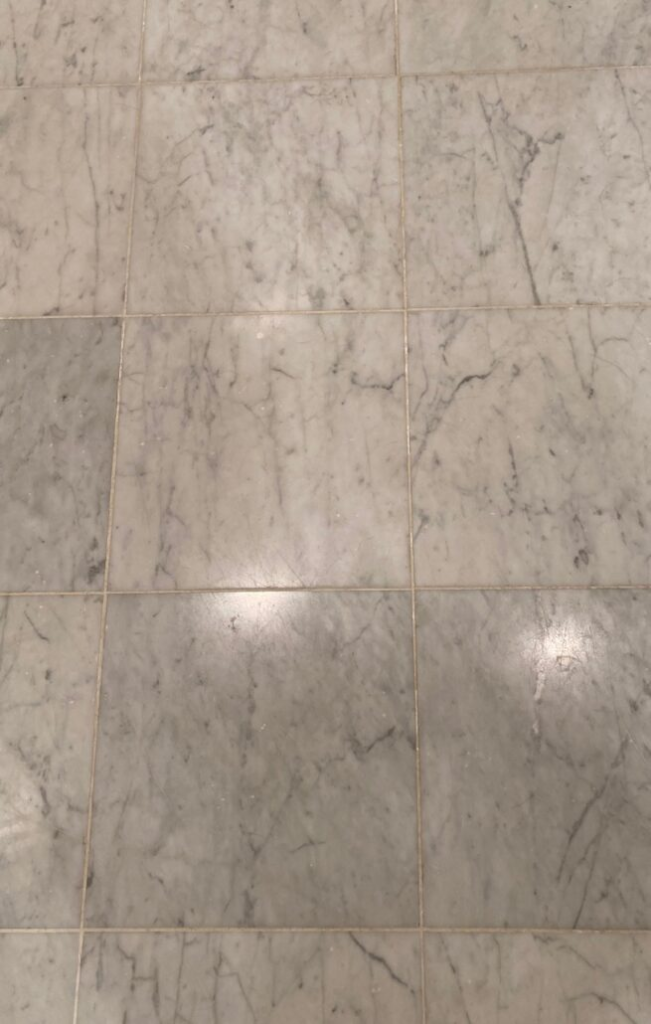
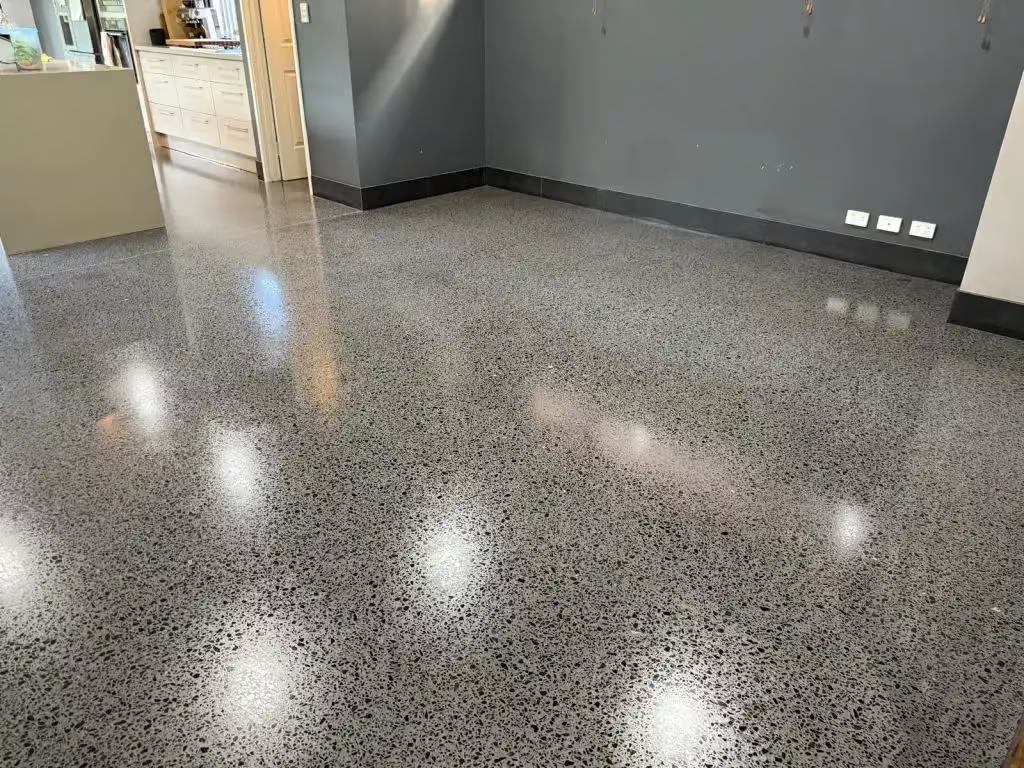
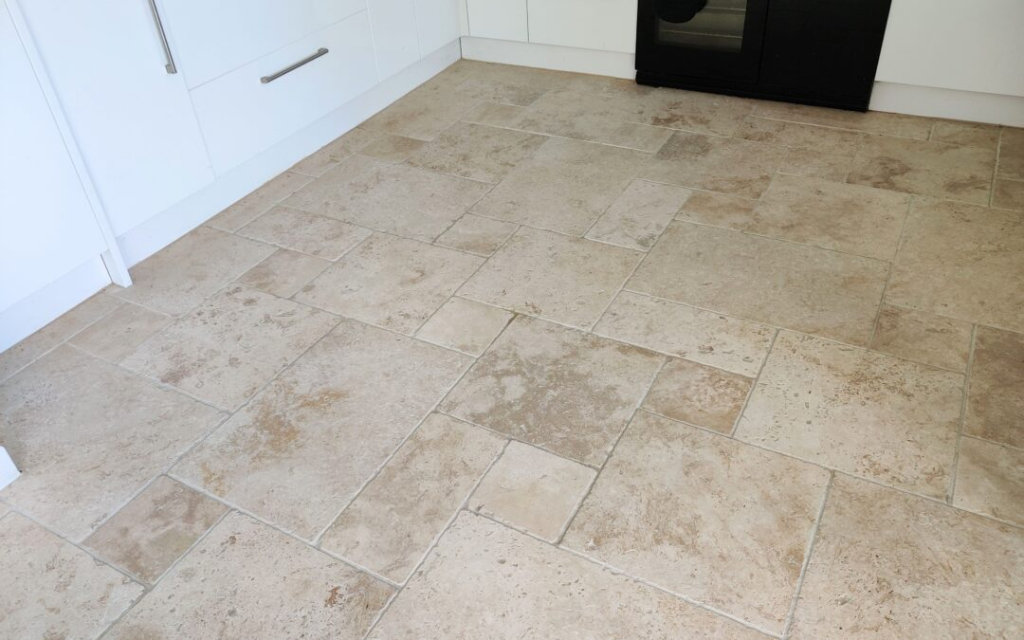
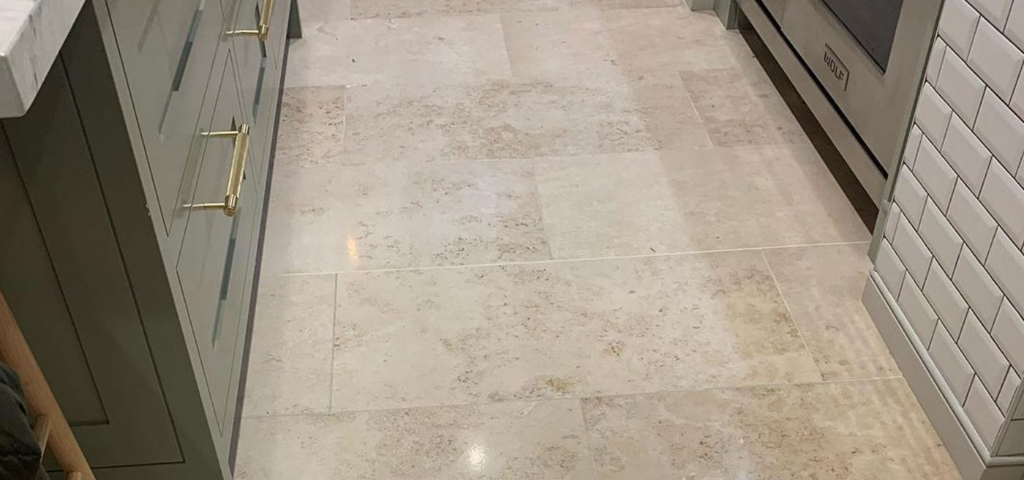
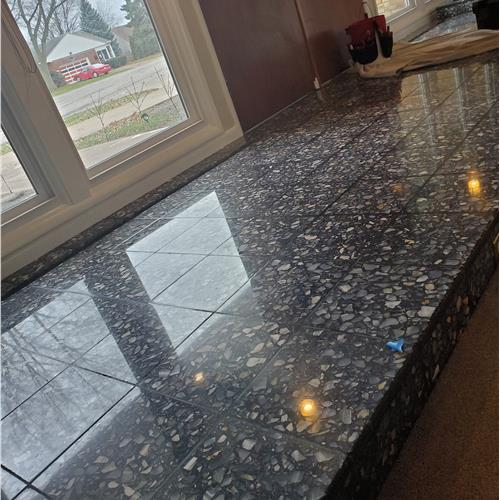
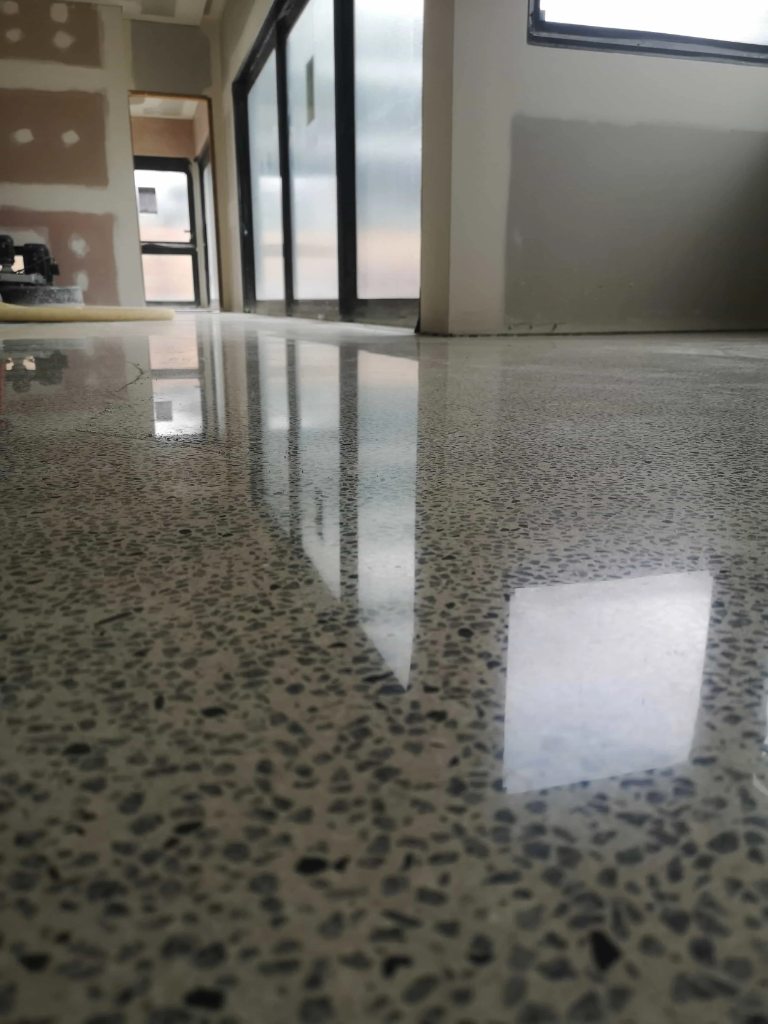
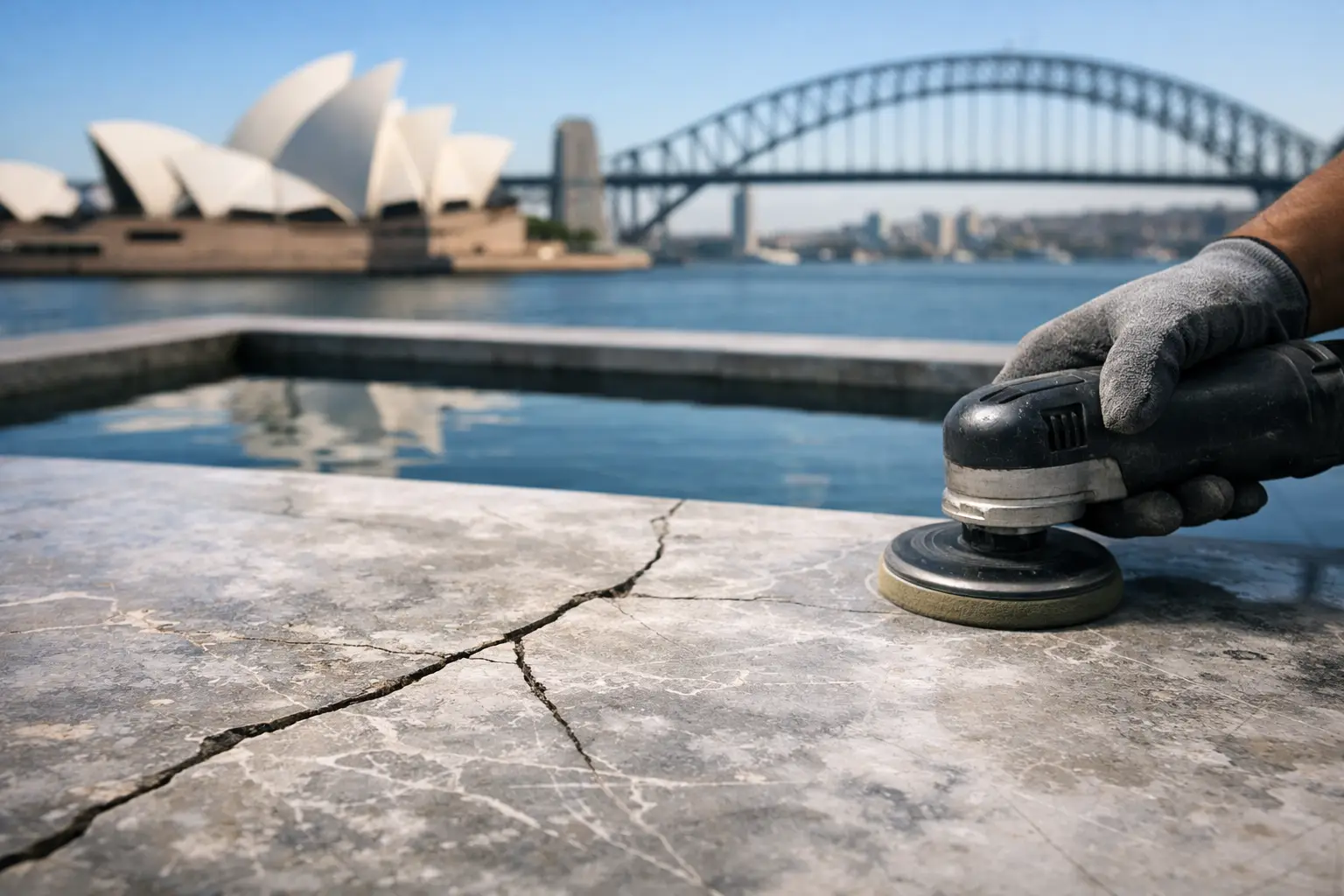
A honed marble benchtop that no longer reflects light evenly, travertine pavers that feel rough underfoot, or a limestone foyer marked by dark traffic lanes are not merely cleaning issues. They are often the top signs stone needs restoration. Natural stone is durable, but it is not maintenance-free. Once its protective finish and surface integrity begin to break down, ordinary cleaning can no longer return the original appearance.
For Sydney homes, strata buildings, hospitality venues and commercial interiors, early action protects both the finish and the value of the stone. The right restoration approach depends on the material, its existing finish, how it has been installed and the cause of the damage.
Top Signs Stone Needs Restoration
The surface has lost its clarity or natural lustre
Dull stone is one of the most common reasons property owners seek professional help. Marble, granite, limestone, travertine and terrazzo can all lose their depth of colour and visual clarity through foot traffic, abrasive cleaning, residue build-up and gradual wear.
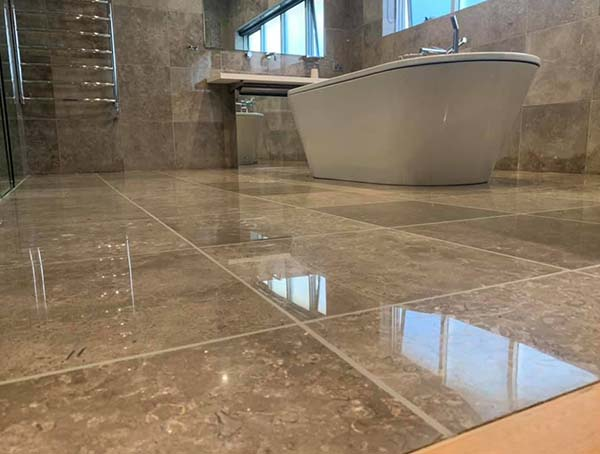
A floor may look clean straight after mopping but still appear flat or grey from certain angles. On polished stone, this can indicate that the surface has been microscopically scratched or worn. On honed stone, it may mean the finish has become uneven rather than naturally matte. Restoration can involve deep cleaning, mechanical honing or polishing to create a consistent finish suited to the stone and its setting.
Etching is visible on marble or other calcium-based stone
Etching is a chemical reaction, not a stain. It commonly appears as dull spots, pale rings or rough patches on marble, limestone and travertine after contact with acidic substances such as wine, citrus, vinegar or some bathroom products.
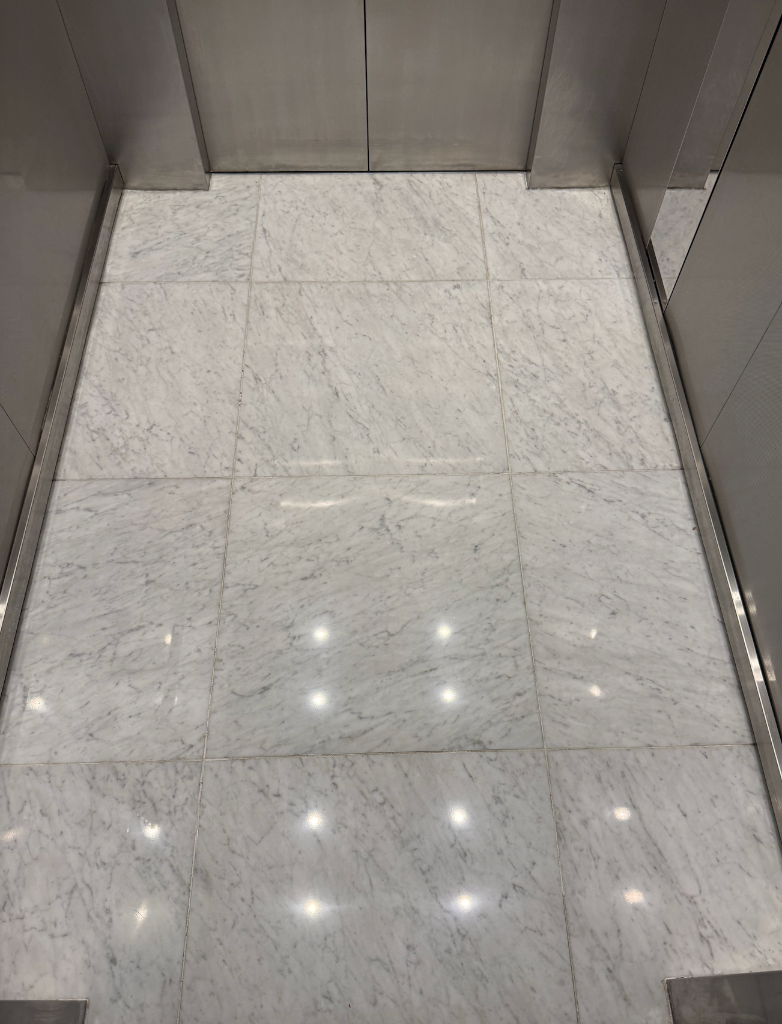
This is particularly noticeable on polished marble benchtops, vanity tops and hotel floors, where a single etched area catches the light differently from the surrounding surface. Wiping the mark will not fix it because the acid has altered the stone itself. Depending on its depth, a specialist may hone and re-polish the affected area or restore the wider surface for a more even result.
Stains remain after appropriate cleaning
Stone is porous to varying degrees. Oil, coffee, tannins, rust, cosmetics, leaf matter and moisture can penetrate beneath the surface, leaving discolouration that routine cleaners cannot remove. Darkened patches around kitchens, bathrooms, outdoor entertaining areas and entryways deserve attention, especially when they recur.
Not every stain requires full restoration. Some can be treated with a material-specific poultice or targeted stain-removal process. However, persistent staining can indicate failed sealing, moisture movement, unsuitable cleaning products or contamination below the surface. Treating the visible mark without identifying the source may only provide a short-term improvement.
Scratches, chips and worn edges are becoming noticeable
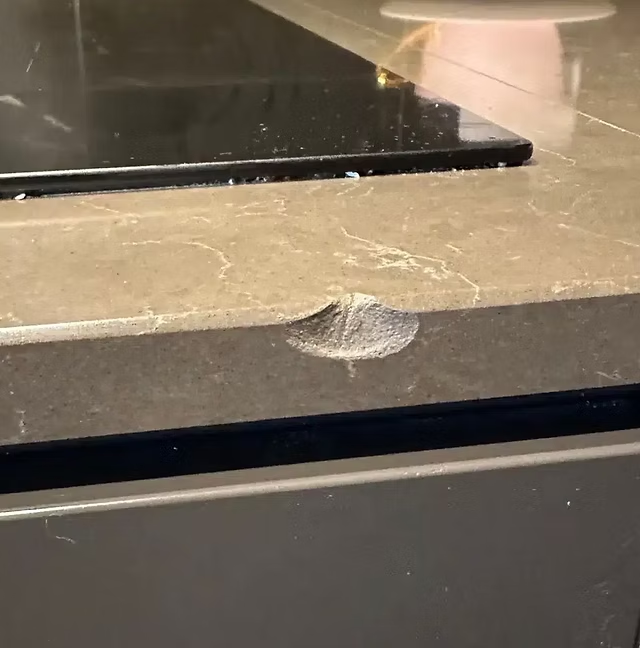
Fine scratches can gradually make a polished stone floor or benchtop look cloudy. Deeper scratches, chips and fractured edges are more obvious and can compromise both appearance and usability. On a kitchen island, chipped edges collect grime and can feel sharp. In commercial spaces, damaged stone at entrances, lift lobbies and stair treads can make an otherwise well-maintained property appear neglected.
Professional repair is not simply a matter of filling a chip. The colour, pattern, finish and profile of the stone all need to be considered. A suitable repair should blend with the surrounding material and be finished to match, whether the stone is polished, honed, brushed or textured.
Grout lines, joints or tiles are loose and uneven
Movement, moisture and age can affect stone tile installations. Hollow-sounding tiles, cracked grout, open joints, lipping between tiles or movement underfoot should not be ignored. These issues may allow additional water and dirt below the stone, creating further damage and raising safety concerns in high-traffic areas.
Restoration in this situation may include lifting and re-fixing affected tiles, repairing joints, addressing substrate issues where required, then cleaning and refinishing the surrounding stone. The correct scope depends on whether the issue is localised or part of a wider installation failure. A close inspection is essential before cosmetic work begins.
There are dark patches, white deposits or signs of moisture
Moisture-related damage needs prompt assessment. Dark areas in stone can point to absorbed water, oil or another contaminant, while white powdery deposits - known as efflorescence - can indicate salts moving through the substrate. Exterior paving, balconies, bathrooms and pool surrounds are frequent problem areas.
In Sydney's changing weather, outdoor stone is exposed to rain, humidity, shaded conditions and organic debris. Sealing over a damp or contaminated surface can trap the problem rather than solve it. The stone must be allowed to dry appropriately, and the moisture source needs to be understood before restoration and protection are carried out.
The stone has become slippery, rough or difficult to keep clean
A surface that feels different underfoot or underhand can signal wear in the finish. Polished floors can become slippery when residues accumulate, while textured outdoor pavers may hold dirt, algae and grime in their pores. Conversely, stone that has become excessively rough may have been damaged by harsh chemicals or aggressive pressure cleaning.
The goal is not always to make every surface glossy. A honed bathroom floor, a flamed granite entry or a textured sandstone path should retain the finish appropriate to its use. Specialist stone restoration balances visual improvement with practical performance, including slip resistance, cleanability and the intended character of the material.
Sealant no longer appears to be protecting the stone
Sealers reduce the rate at which liquids and contaminants enter porous stone. They do not make stone completely stain-proof, and they eventually wear down. If water immediately darkens the surface, spills soak in quickly or the stone is repeatedly staining in the same areas, the protective treatment may no longer be effective.
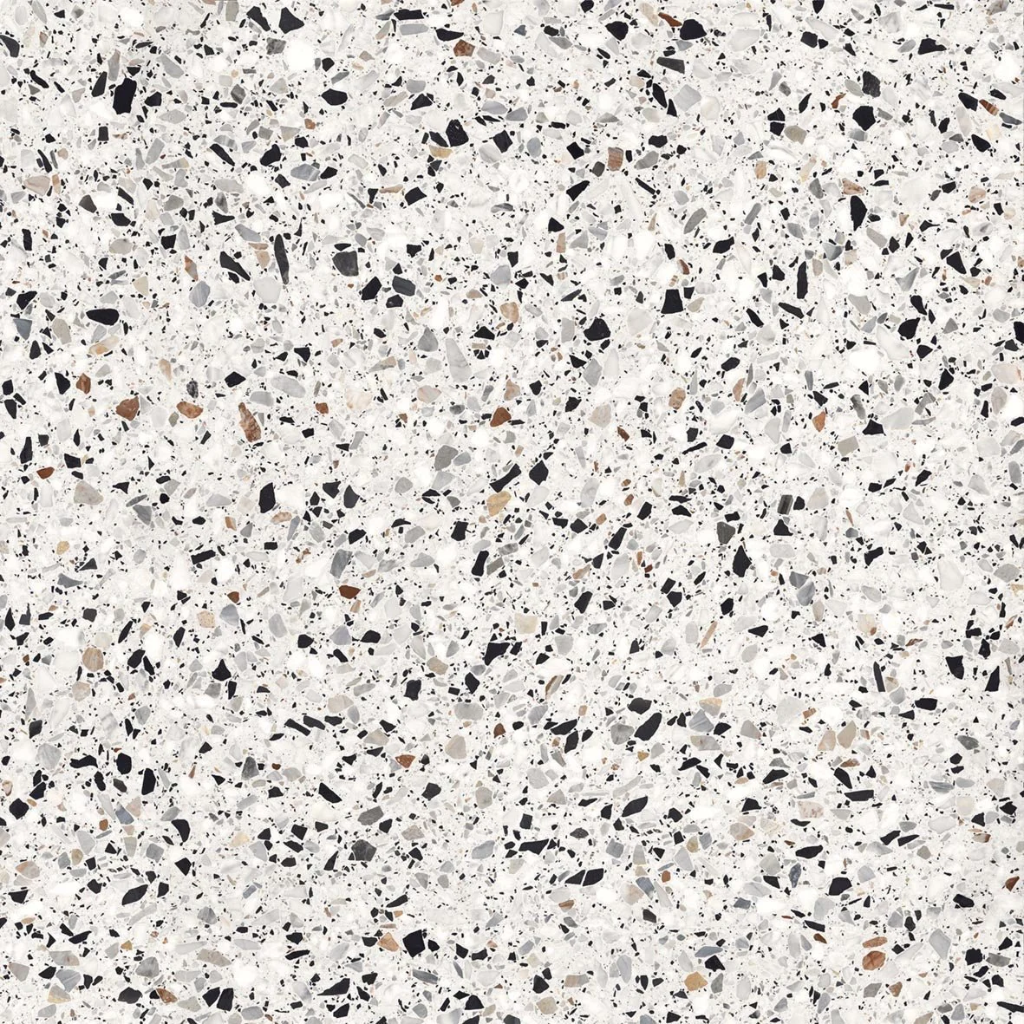
Resealing should follow proper cleaning and, where necessary, restoration. Applying sealer to a dirty, stained or poorly prepared surface can lock in residue and produce an uneven appearance. The chosen sealer should also suit the stone, finish and location. An exterior sandstone area has different requirements from an internal marble vanity or a high-traffic commercial terrazzo floor.
When cleaning is enough and when restoration is the better choice
Professional cleaning can be the right solution where the stone is structurally sound and the issue is limited to surface grime, residue or light contamination. Restoration becomes more appropriate when the stone has lost its finish, is etched or scratched, has persistent staining, shows damaged edges, or has installation and moisture concerns.
There is a trade-off to consider. Light corrective work may address isolated damage at a lower cost, but it can be difficult to blend perfectly into a large, aged surface. A broader honing or polishing process can deliver a more consistent appearance, particularly on visible floors, expansive benchtops and feature walls. The best option depends on the stone's condition, the desired finish and how prominently the surface is used.
Why material-specific restoration matters
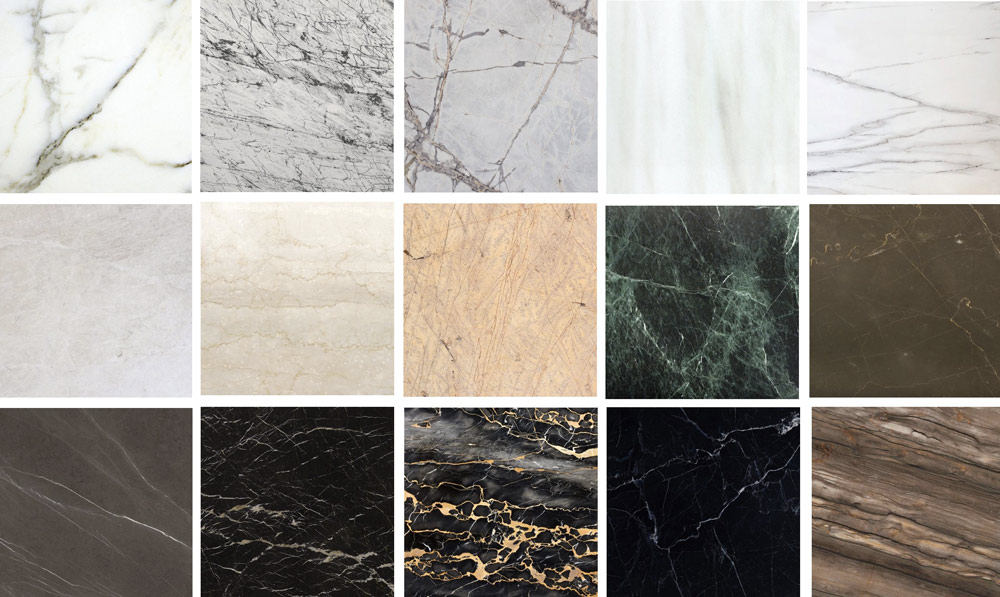
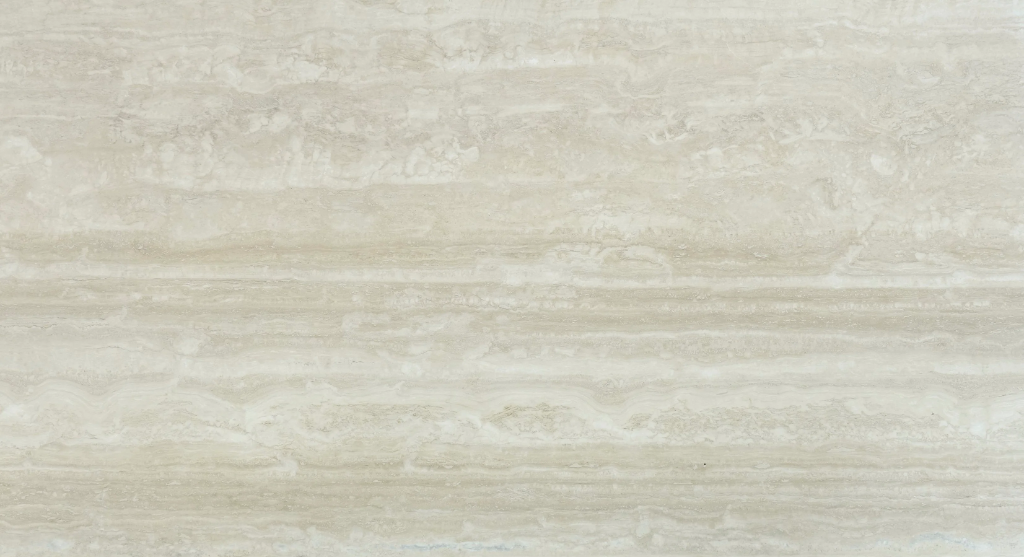
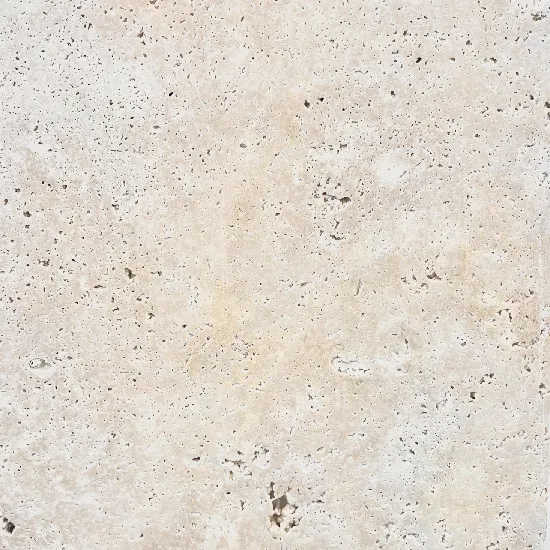
Natural stone is not one material. Marble and limestone are acid-sensitive. Granite is generally harder but can still stain, chip and lose its finish. Travertine often has natural voids that require careful filling. Sandstone is porous and can be damaged by incorrect chemical cleaning or excessive water pressure.
A generic cleaning approach can worsen the problem. Acidic products can etch calcium-based stone, harsh abrasives can dull polished finishes, and unsuitable sealers can alter colour or leave a patchy surface. Specialist assessment allows the restoration method to be matched to the stone rather than forcing the stone to fit a standard cleaning process.
Act before minor wear becomes expensive damage
Stone restoration is most effective when deterioration is addressed early. An etched mark, worn pathway or small chip is simpler to correct before it becomes a widespread finish failure, deep stain or safety concern. This is especially relevant for commercial properties, where presentation and durability are closely linked to the visitor experience.
Sydney Stone Care provides specialist restoration and preservation for natural stone surfaces across residential and commercial settings. If your stone no longer looks, feels or performs as it should, a professional assessment can identify the cause and establish the most suitable path back to a well-finished, protected surface.