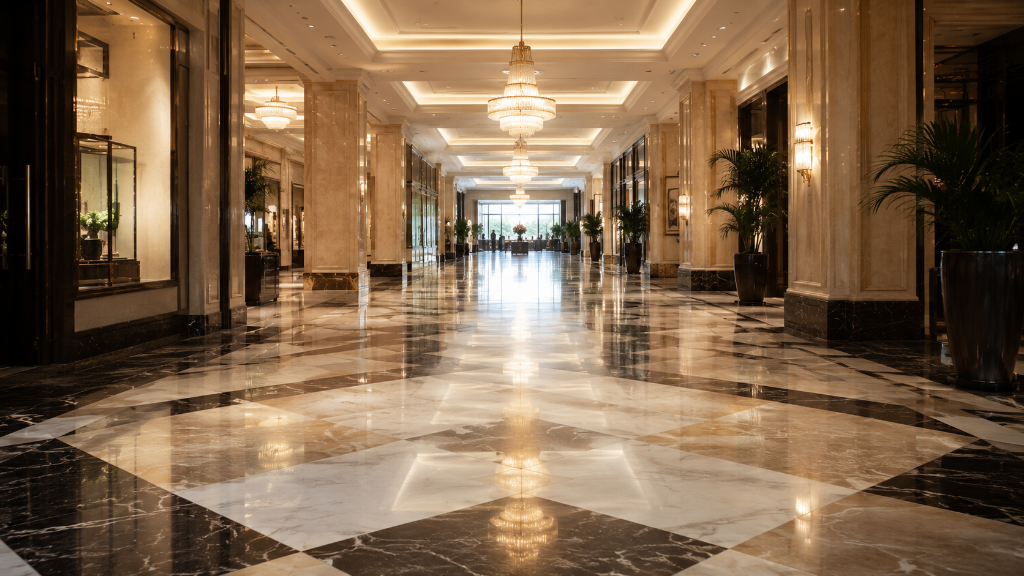
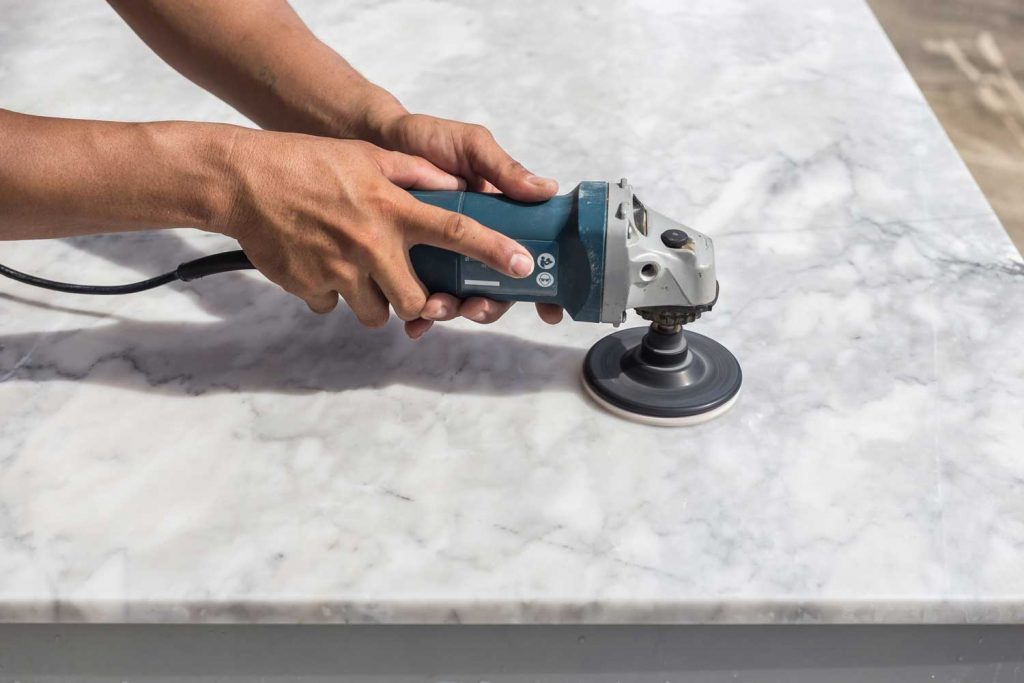
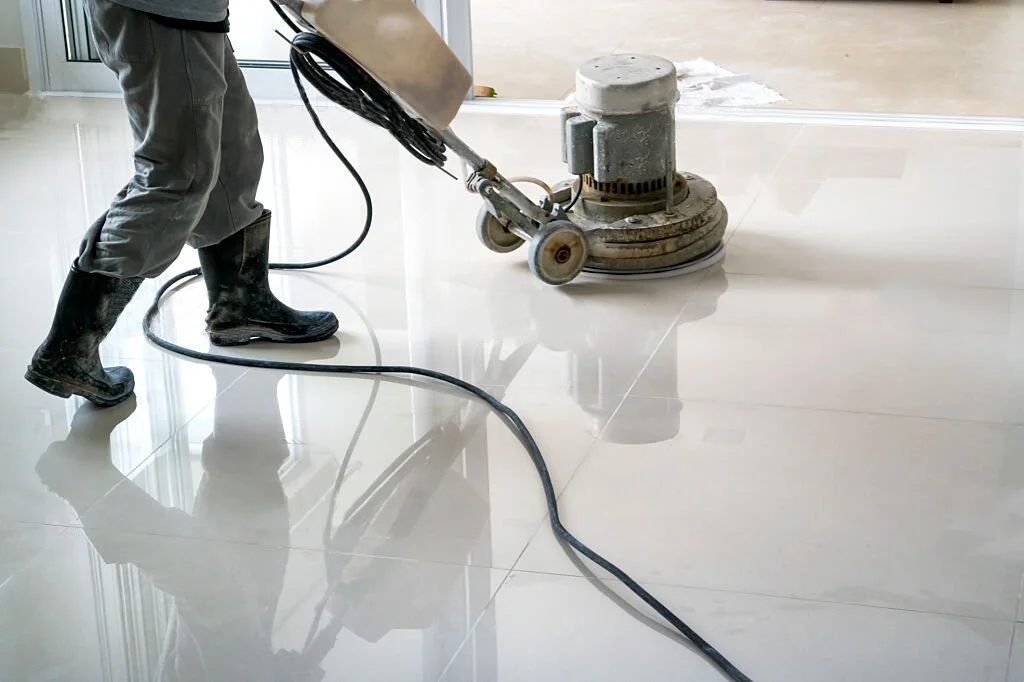
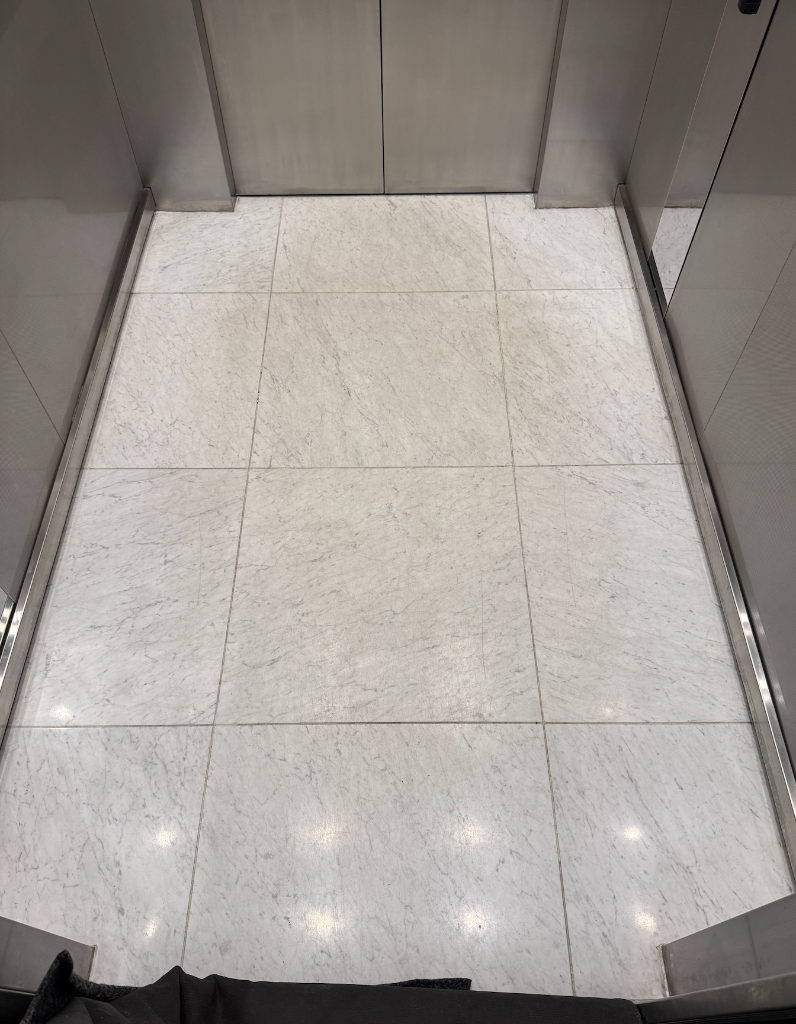
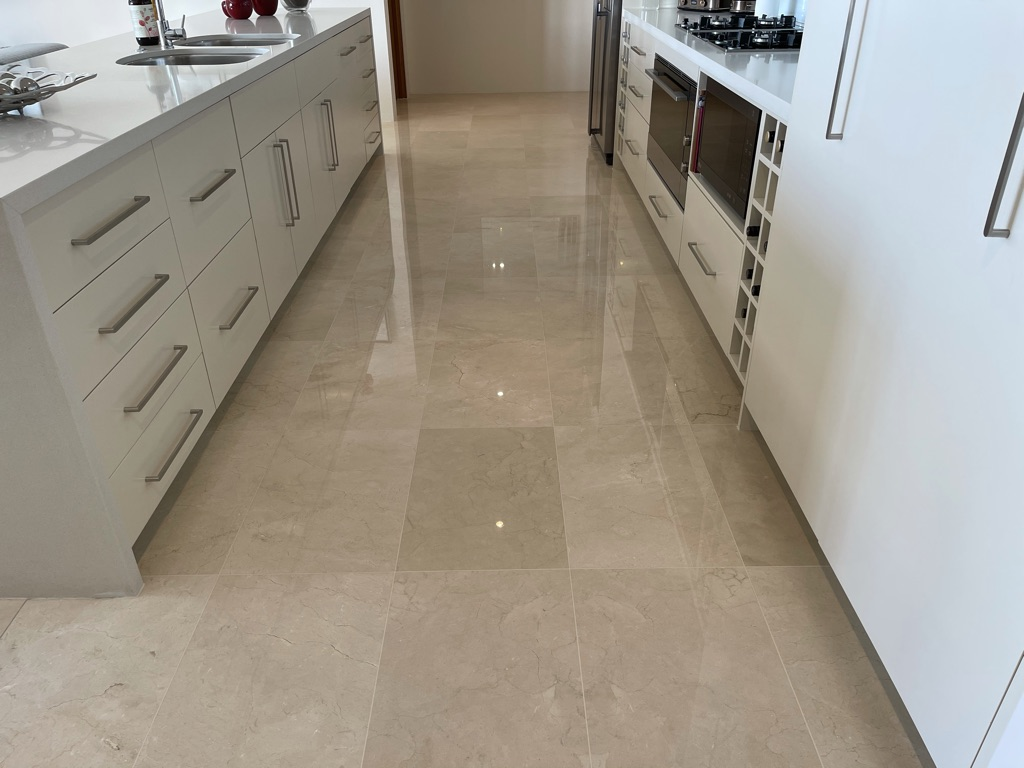
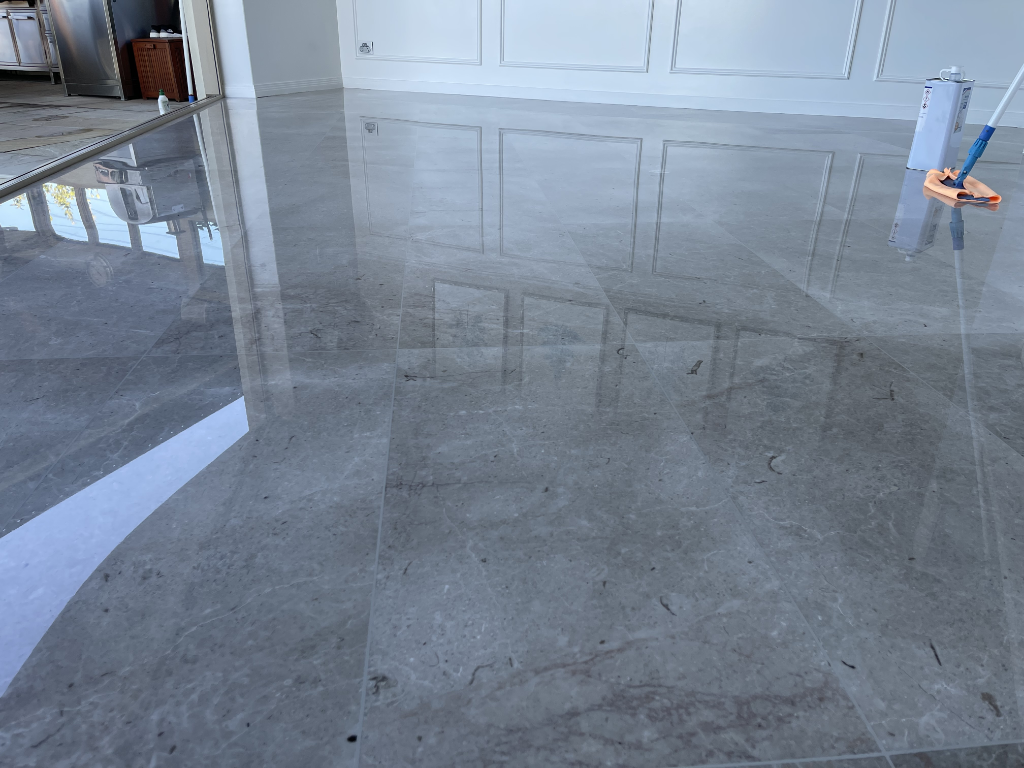
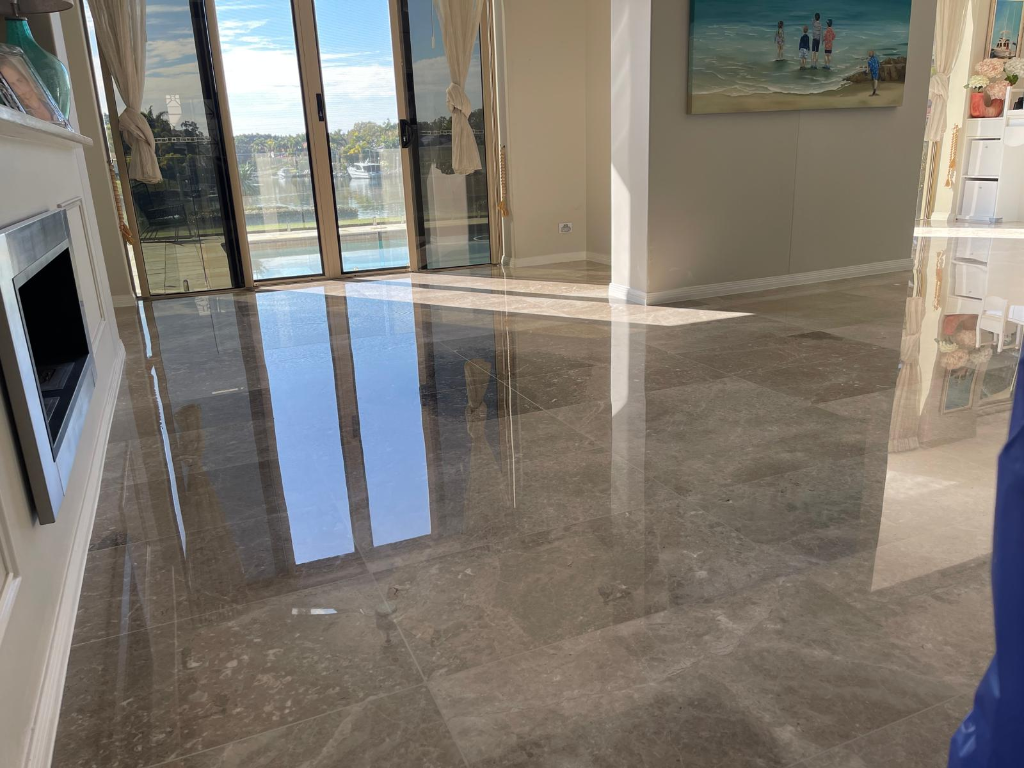
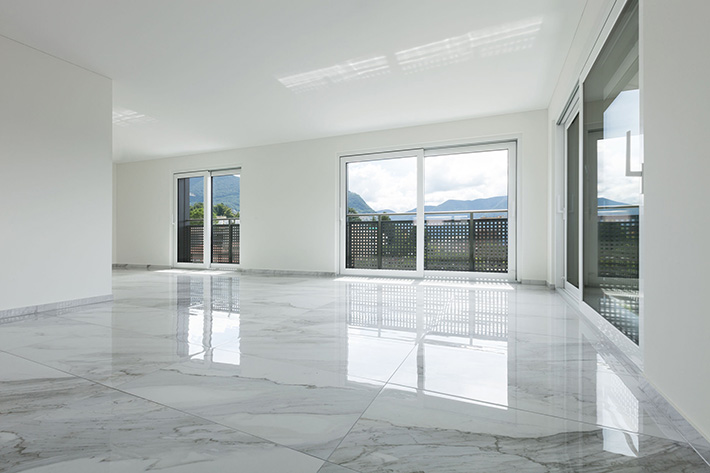
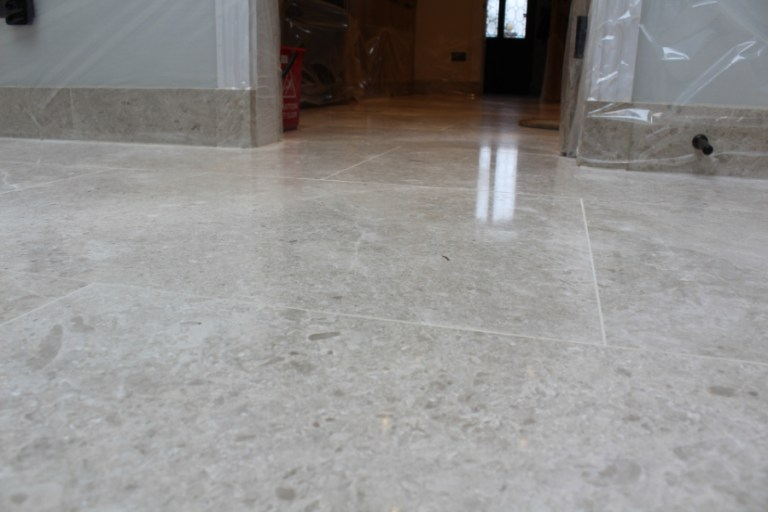
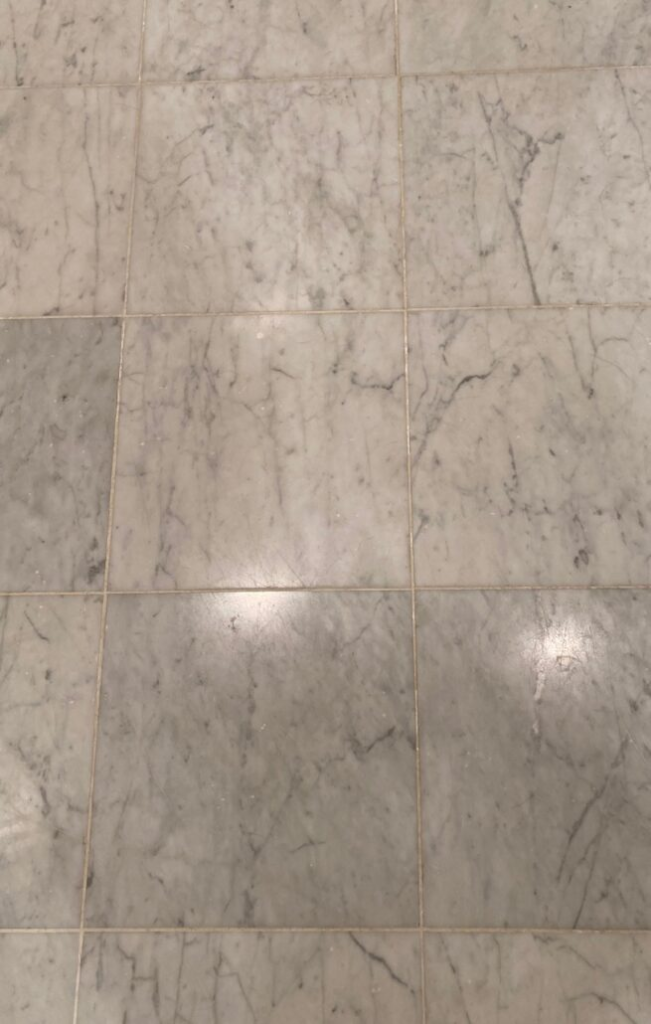
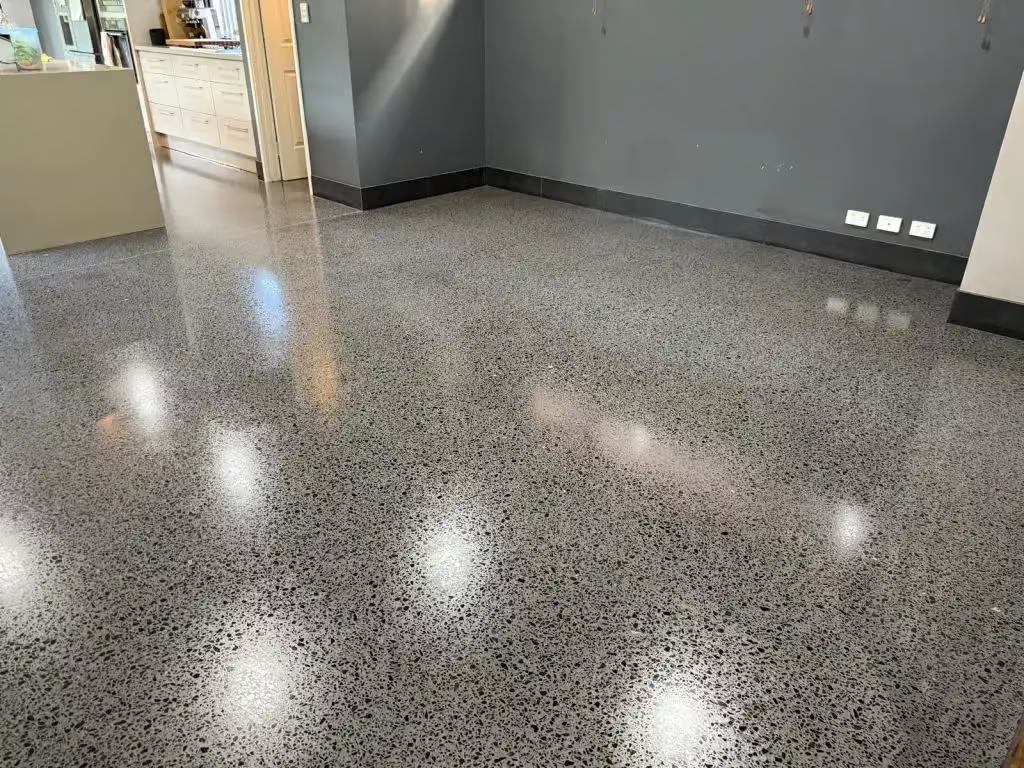
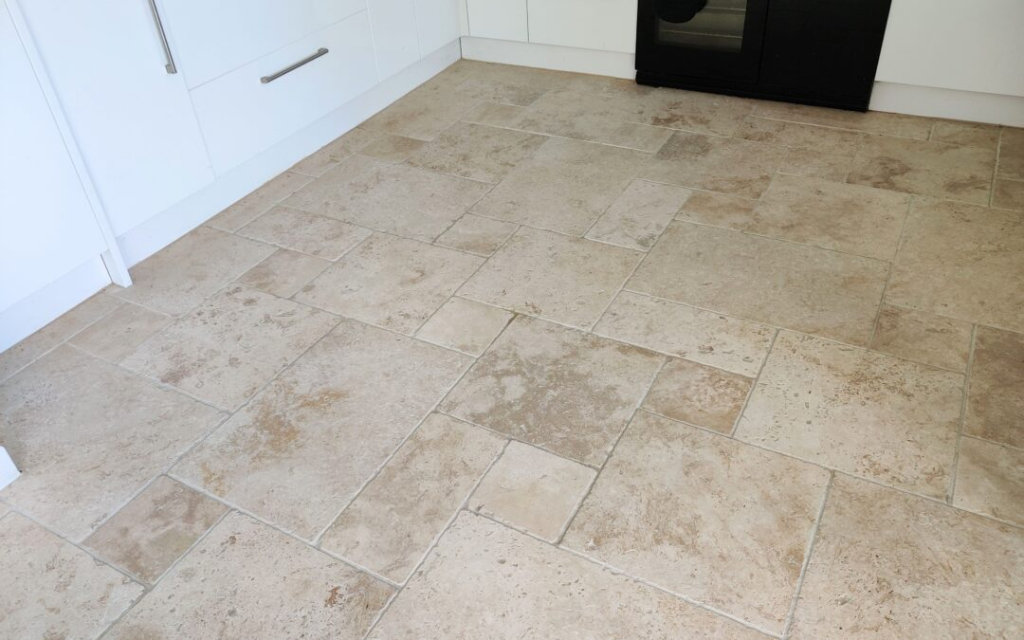
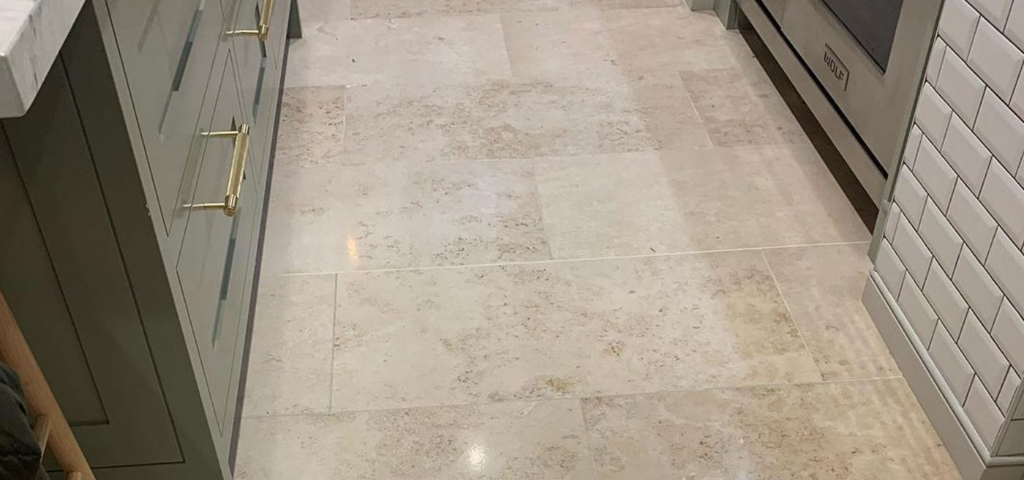
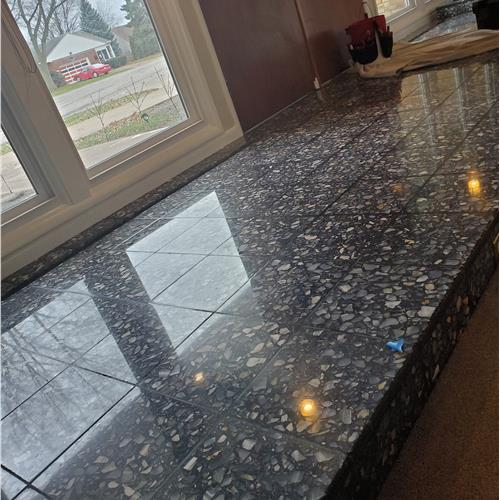
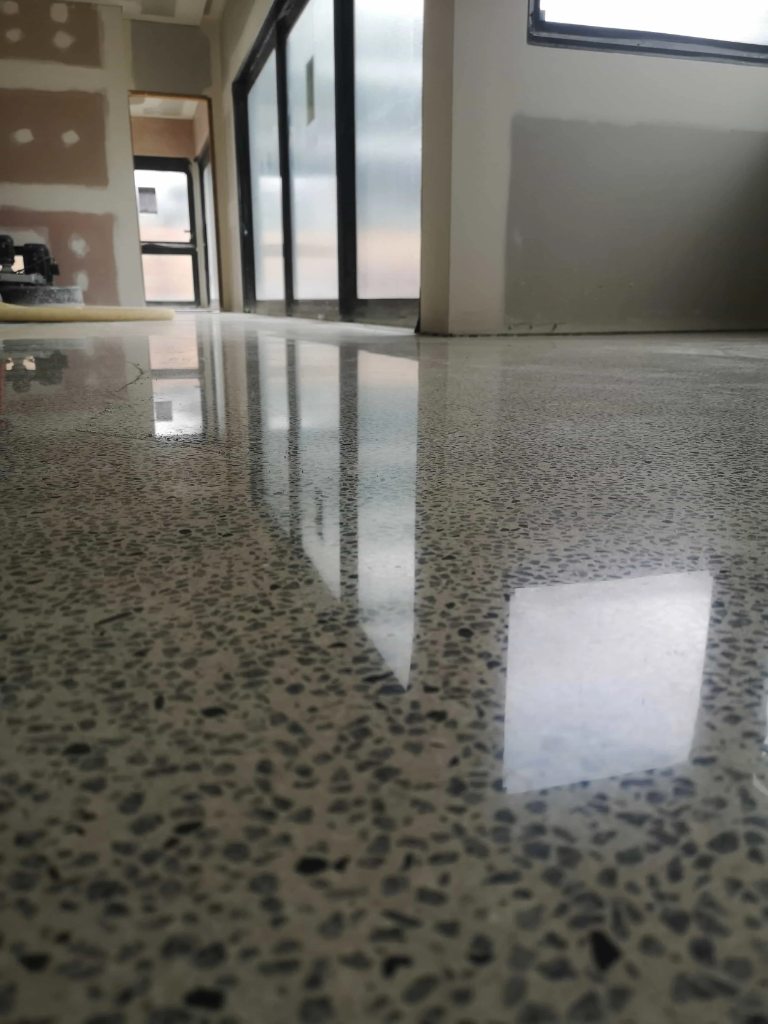
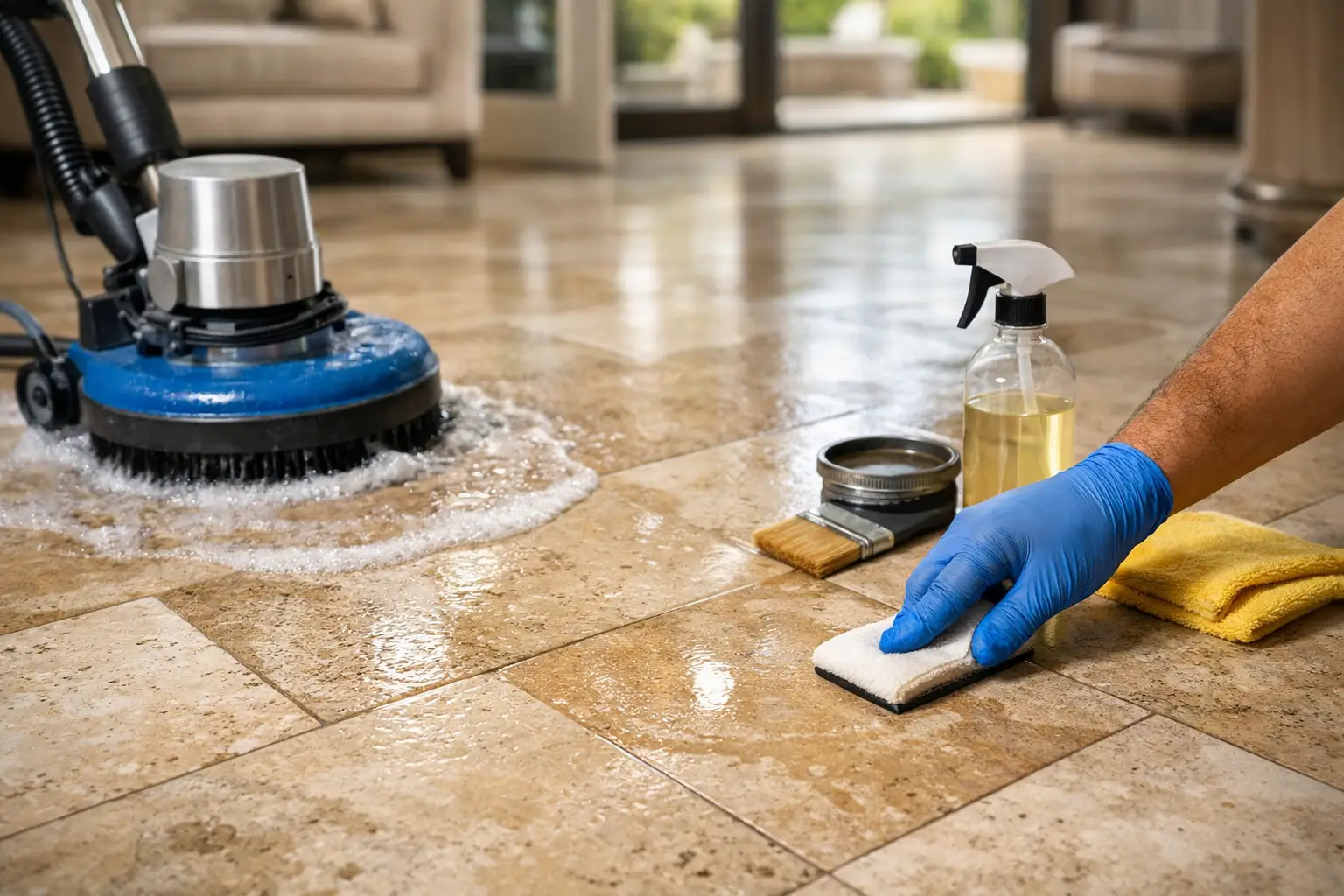
A travertine floor can look outstanding one month and tired the next if it is cleaned like ordinary tile. That is usually where problems start. Travertine cleaning and sealing needs the right products, the right timing and a clear understanding of how this stone behaves in real homes and commercial spaces.
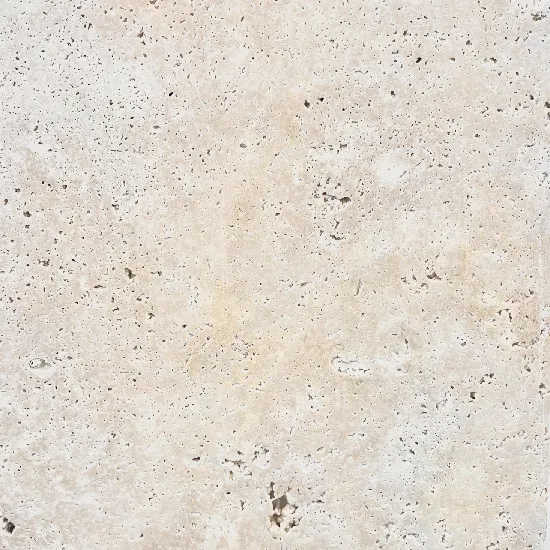
Travertine is a form of limestone, which means it is naturally porous and sensitive to acidic products. It also has pits, veins and surface variation that give it character but make maintenance less forgiving. What works on porcelain or ceramic can leave etching, discolouration or residue on travertine. If the stone sits in an entry, bathroom, alfresco area or hospitality venue, daily wear will show quickly unless the care plan matches the material.
Why travertine needs specialist care
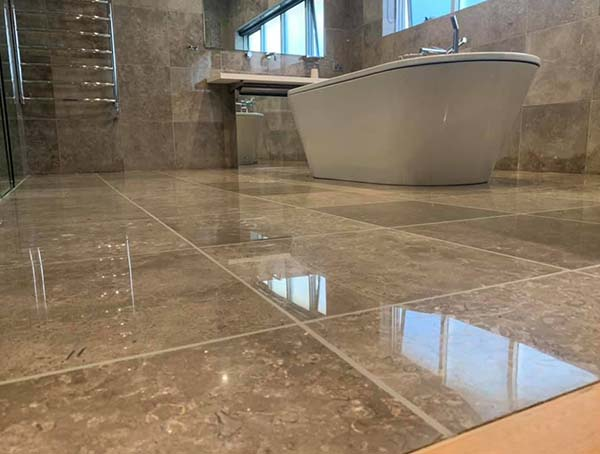
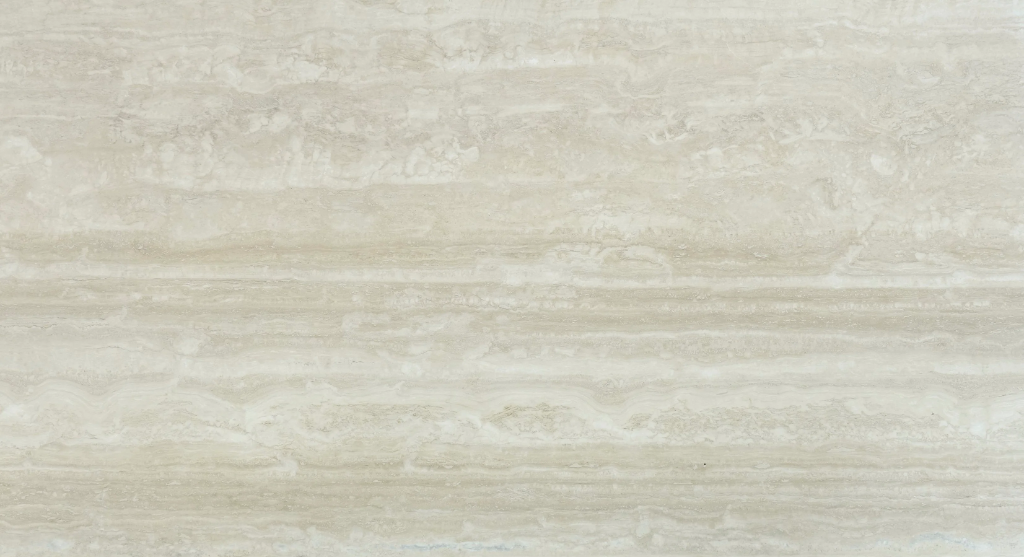
Travertine is chosen for its natural warmth, soft movement and premium finish. It suits both contemporary and traditional spaces, but it is not a low-attention surface. Dirt can settle into pores and textured finishes. Moisture can darken the stone or carry contaminants deeper into the surface. Oils, food spills and bathroom products can leave marks that are difficult to remove once absorbed.
The finish also matters. Honed travertine will behave differently from polished or tumbled stone. A polished finish may show etching more clearly, while a textured or filled surface can trap grime in small recesses. Outdoor travertine around pools or entertaining areas often deals with leaf tannins, algae, salt and weather exposure on top of standard foot traffic. That is why a one-size-fits-all cleaning method rarely delivers a good result.
What proper travertine cleaning and sealing involves
At a basic level, travertine cleaning and sealing is about two things - removing contaminants without damaging the stone, and applying suitable protection so future staining and wear are easier to manage. The order matters. Sealing over embedded soil, soap scum or residue does not fix the problem. It often locks it in.
A proper cleaning process starts with identifying what is actually on the stone. General dirt, grease, soap build-up, mould, efflorescence and mineral deposits all need a different approach. The safest path is a pH-neutral cleaner made for natural stone, followed by controlled agitation and thorough rinse removal. Harsh supermarket cleaners, bleach-heavy mixes and acidic products can do more harm than good, especially if used repeatedly.
If the travertine has heavy soiling, ingrained staining or surface dullness, routine cleaning may not be enough. In those cases, the stone may need deep cleaning, honing, stain treatment or restoration before sealing is considered. This is where experience matters. Sealing is a protective step, not a substitute for correction.
The biggest mistakes owners make
Most travertine damage is not dramatic. It builds slowly through well-meaning maintenance. Acidic bathroom sprays, vinegar, citrus-based cleaners and descalers are common culprits. They can etch the surface, reduce clarity and leave the stone looking flat.
Another issue is over-wetting. Travertine does not respond well to excessive water left sitting on the surface or in grout lines. In bathrooms and outdoor areas, persistent moisture can encourage staining, mould growth and gradual deterioration. Dirty mop water is another problem. It moves fine grit around the floor and leaves behind residue that makes the stone look dull.
The last mistake is assuming all sealers are equal. They are not. Some are designed to penetrate and protect from within, while others are topical coatings that sit on the surface. A topical finish may create an unwanted sheen, alter slip resistance or wear unevenly in traffic zones. For most travertine applications, the right choice depends on location, finish, use and the desired appearance.
Choosing the right sealer for travertine
A good sealer helps reduce the rate at which spills and moisture absorb into the stone. It does not make travertine stain-proof, scratch-proof or maintenance-free. That distinction matters. Sealing buys time. It improves resistance and makes cleaning more manageable, but it does not replace day-to-day care.
Penetrating sealers are commonly used on travertine because they protect below the surface while preserving the natural look. They are often a strong fit for indoor floors, walls, bathrooms and many outdoor installations. Enhancing sealers can deepen colour and bring out variation in the stone, which some owners prefer and others do not. Once applied, the change in appearance can be significant, so the finish should always suit the space.
Commercial spaces often need a more considered approach than residential ones. A hotel lobby, restaurant entry or strata common area may face constant foot traffic, frequent mopping and a higher risk of spills. In those environments, product selection and maintenance planning need to work together. A sealer that performs well in a private ensuite may not be the best option for a busy venue.
How often should travertine be sealed?
There is no universal schedule. It depends on the stone finish, where it is installed, how heavily it is used and what cleaning products are used over time. Some travertine surfaces may hold protection well for several years, while others in wet or high-traffic areas may need attention sooner.
A simple water-drop test can provide a rough indication. If water darkens the stone quickly rather than beading on the surface for a short period, the sealer may be wearing down. That said, this test is only a guide. Existing contamination, previous coatings and the type of stone finish can affect the result. For high-value surfaces, a professional assessment is the safer option.
Indoor and outdoor travertine need different attention
Indoor travertine usually suffers from spills, cleaning damage and gradual abrasion. Kitchens, hallways and bathrooms are common trouble spots. Fine grit tracked in from outside can act like sandpaper underfoot, especially on polished or honed finishes. Regular dust mopping and prompt spill removal go a long way.
Outdoor travertine faces a broader mix of stress. UV exposure, rain, organic debris, pool chemicals and shifting temperatures all affect performance. In Sydney conditions, outdoor stone also picks up grime from open-air living areas and surrounding landscaping. Cleaning methods need to be strong enough to remove build-up without stripping protection or roughening the surface. Sealing also needs to suit exposure conditions and slip considerations.
When professional restoration is the better option
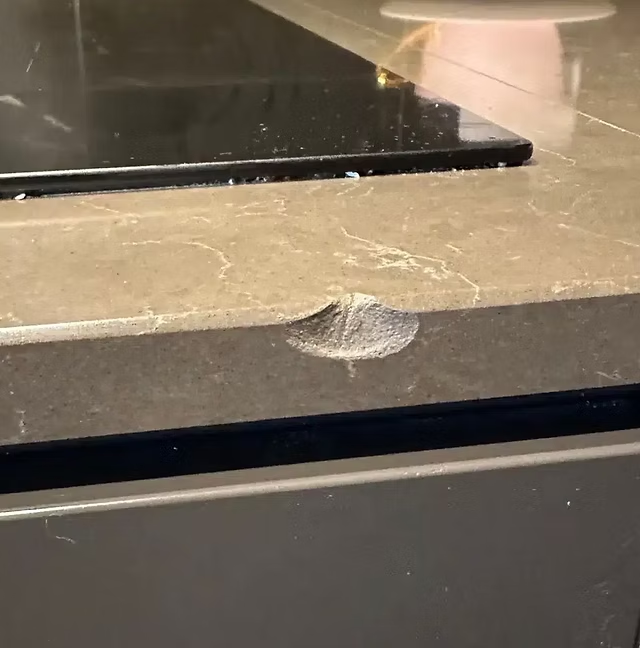
If travertine looks patchy after cleaning, feels rough underfoot or shows etched areas, worn traffic lanes or deep-set staining, more than maintenance may be required. Sealing at that stage can improve resistance, but it will not restore the original finish. Professional restoration may involve deep cleaning, honing, filling, polishing or targeted stain removal depending on the condition of the stone.
This is particularly relevant in premium homes and commercial settings where presentation matters. A restored and correctly sealed surface not only looks better but is easier to maintain. For owners who have already invested in quality stone, specialist care usually protects that investment better than repeated trial-and-error cleaning.
For Sydney properties, this is where a dedicated stone care provider such as Sydney Stone Care adds value. The goal is not just to clean a surface for the week ahead, but to preserve the stone for the years ahead.
Practical care between professional visits
Daily maintenance does not need to be complicated. It just needs to be appropriate for natural stone. Dry soil should be removed regularly with a soft dust mop or vacuum suitable for hard floors. Spills should be cleaned promptly, especially oils, wine, coffee and acidic substances.
Use a pH-neutral stone cleaner diluted as directed, not a stronger mix for a faster result. Avoid abrasive pads, steam cleaning unless specifically assessed as suitable, and generic bathroom or kitchen sprays. Door mats, furniture protectors and routine housekeeping make a real difference, particularly in high-use areas.
The best results come from treating travertine as a premium material, not a standard surface. With the right cleaning methods and the right sealer, travertine can keep its character, colour and finish far longer. If the stone is already showing wear, the smartest next step is usually not a stronger product, but a more informed one.