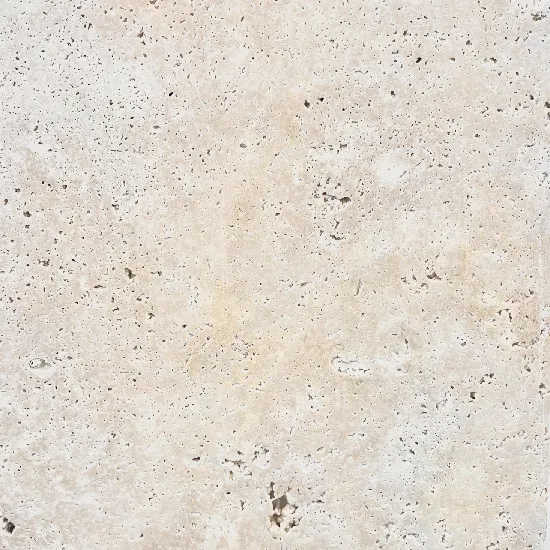
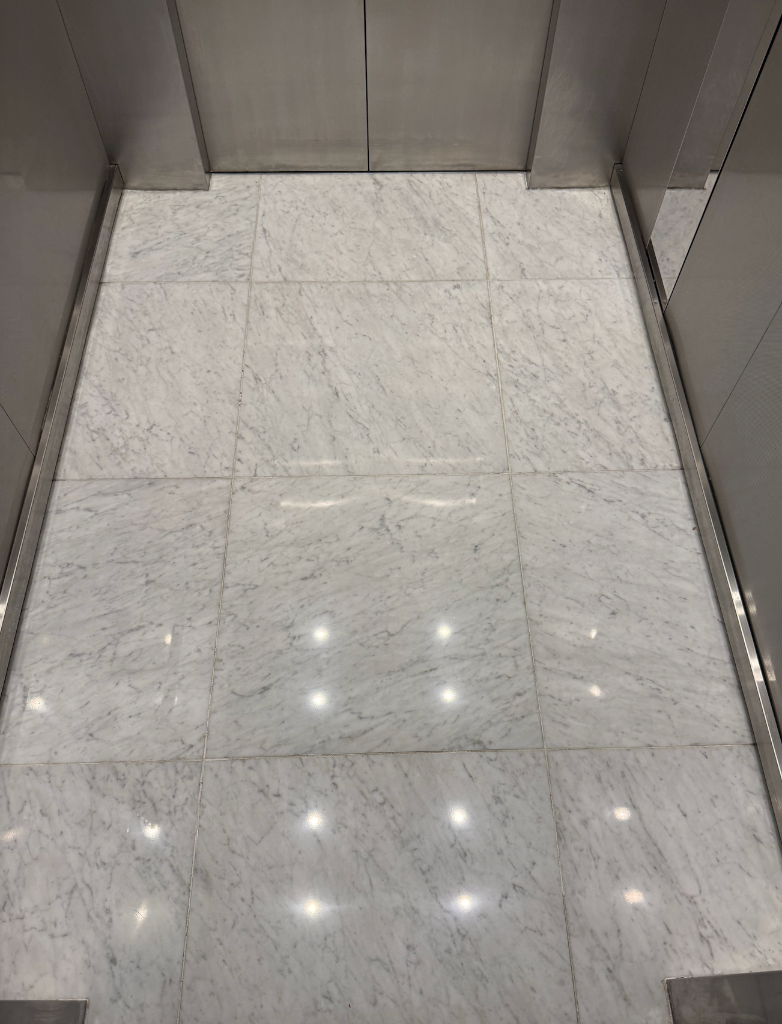
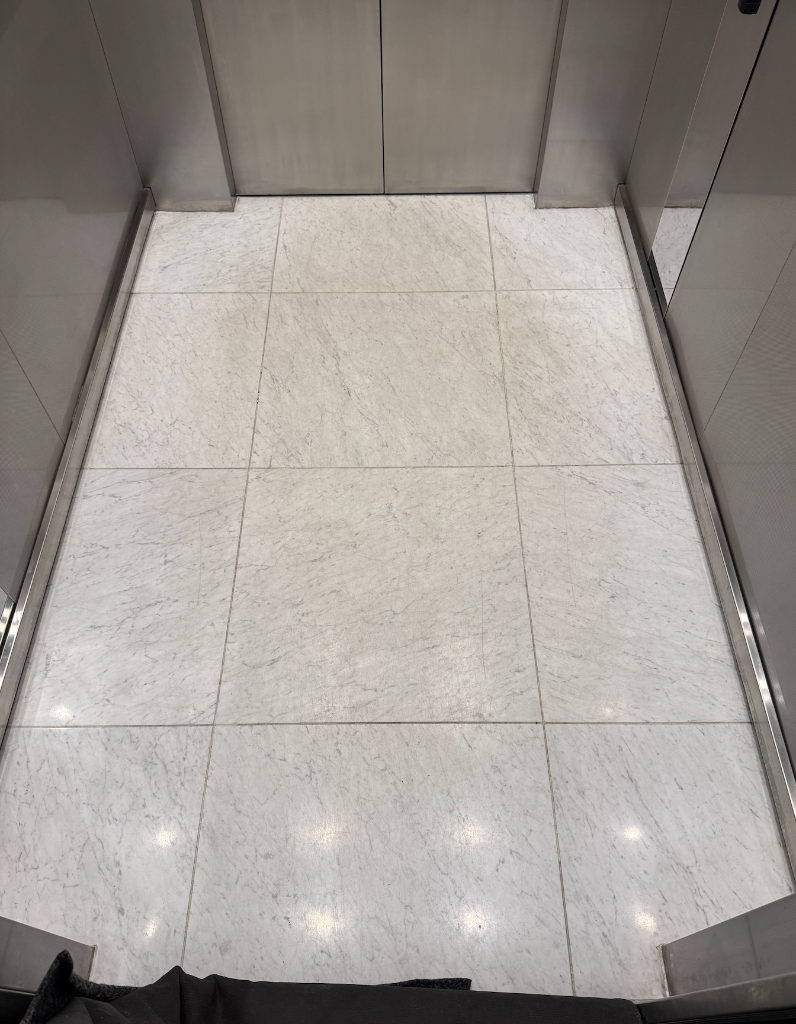
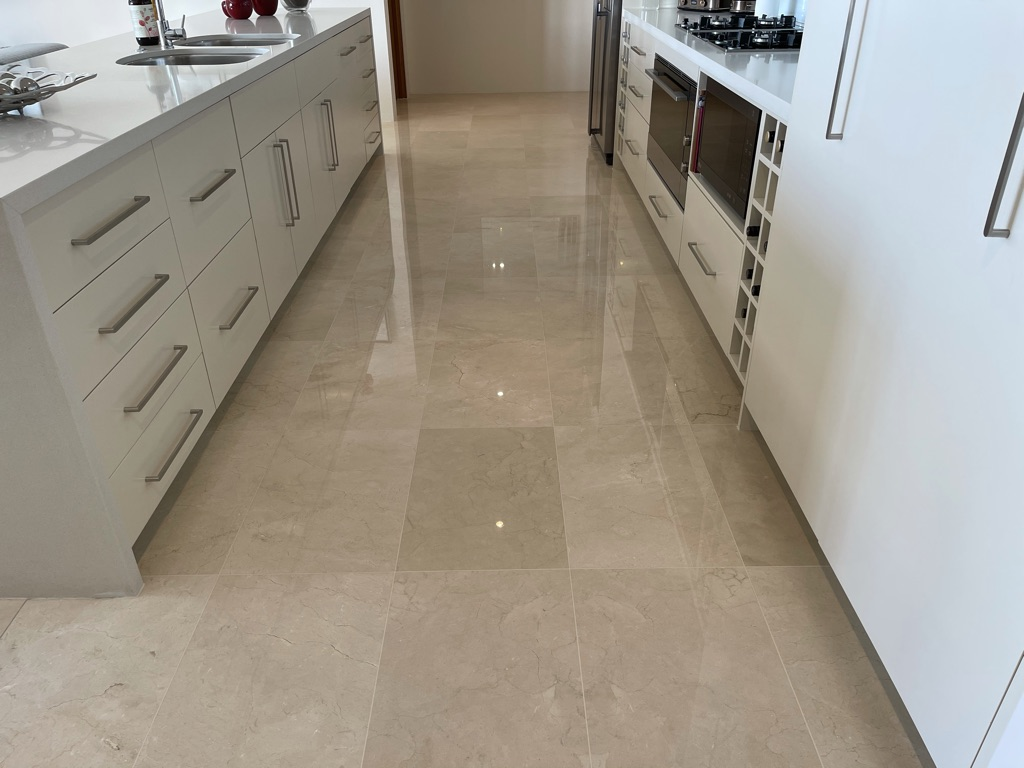
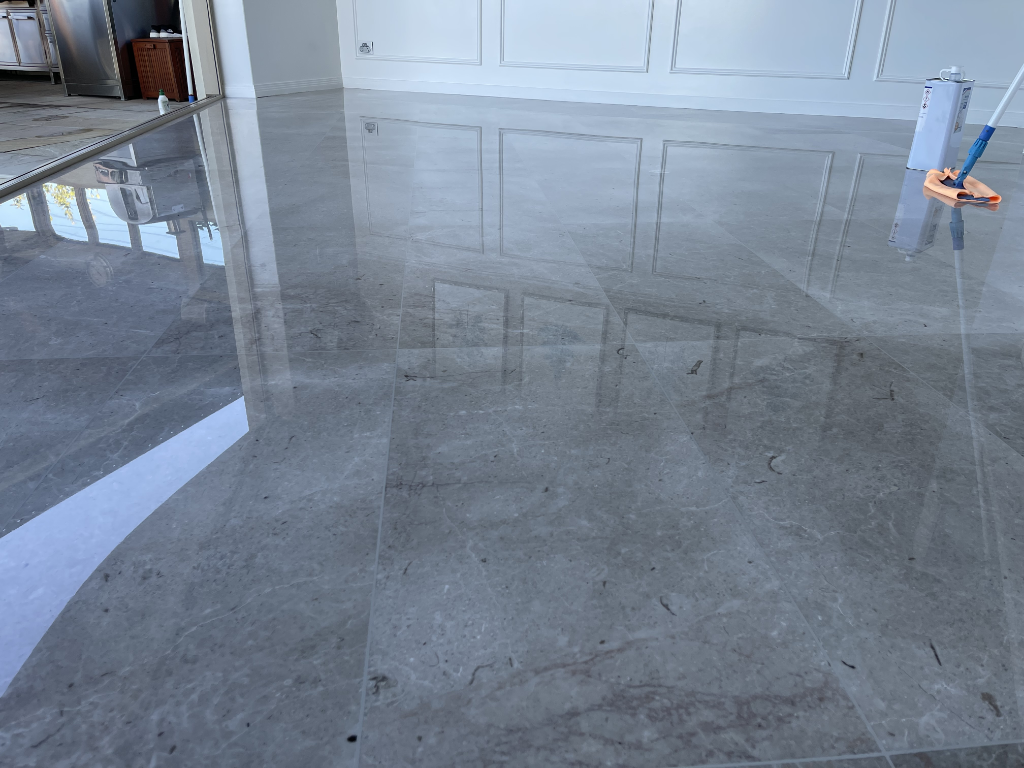
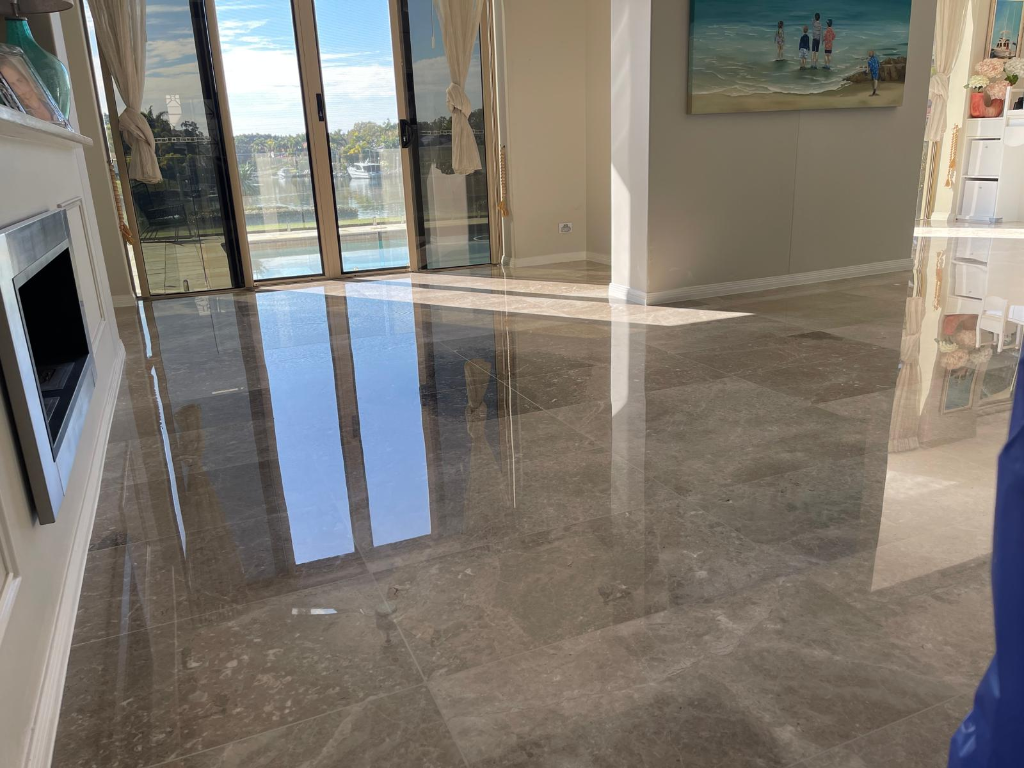
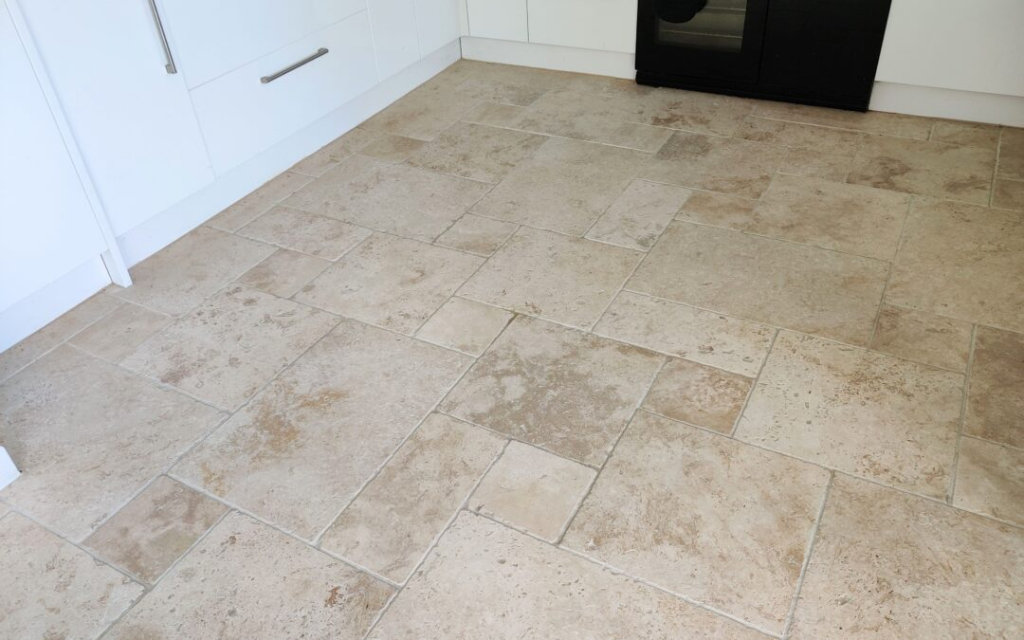
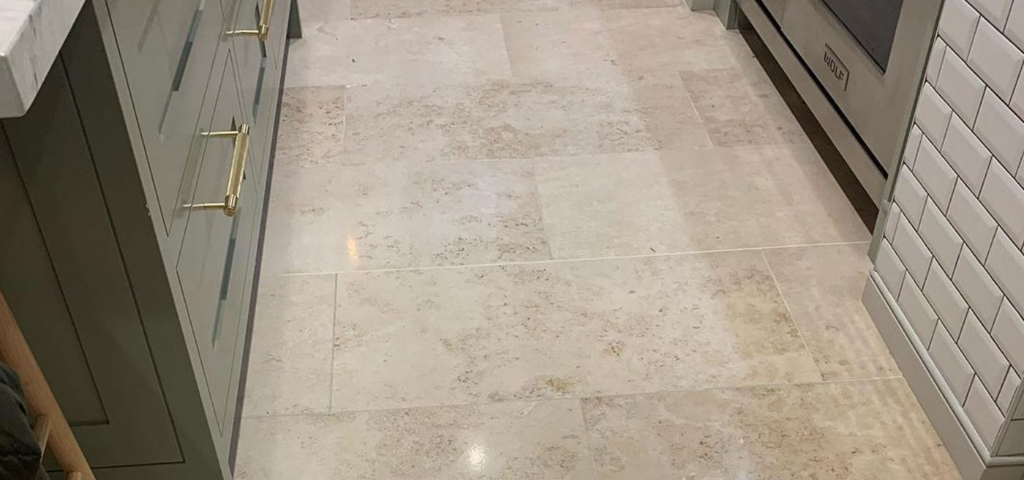
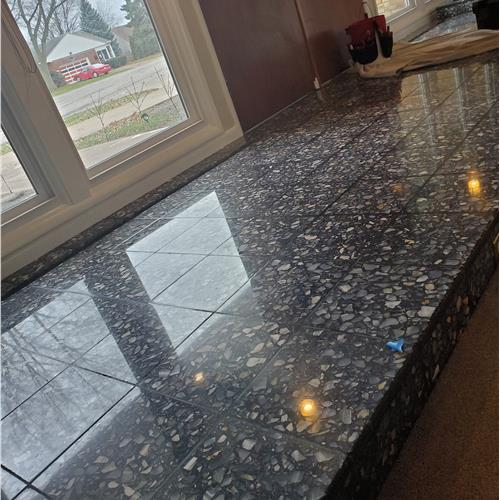
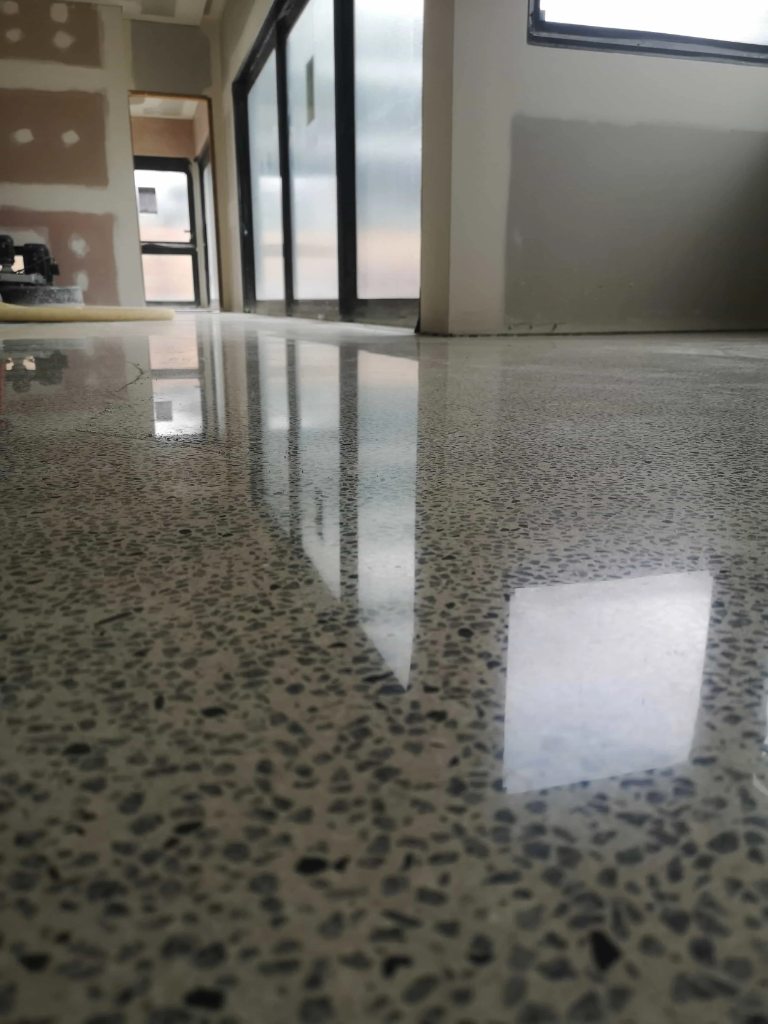
A pale ring around a marble benchtop, darkened patches near a travertine pool edge or a stubborn mark on limestone flooring are often mistaken for a cleaning issue. In many cases, they indicate that the protective sealer has weakened. The question of when does stone need resealing matters because sealing is not simply a cosmetic task. It is a preventative treatment that helps preserve the appearance, performance and long-term value of natural stone.
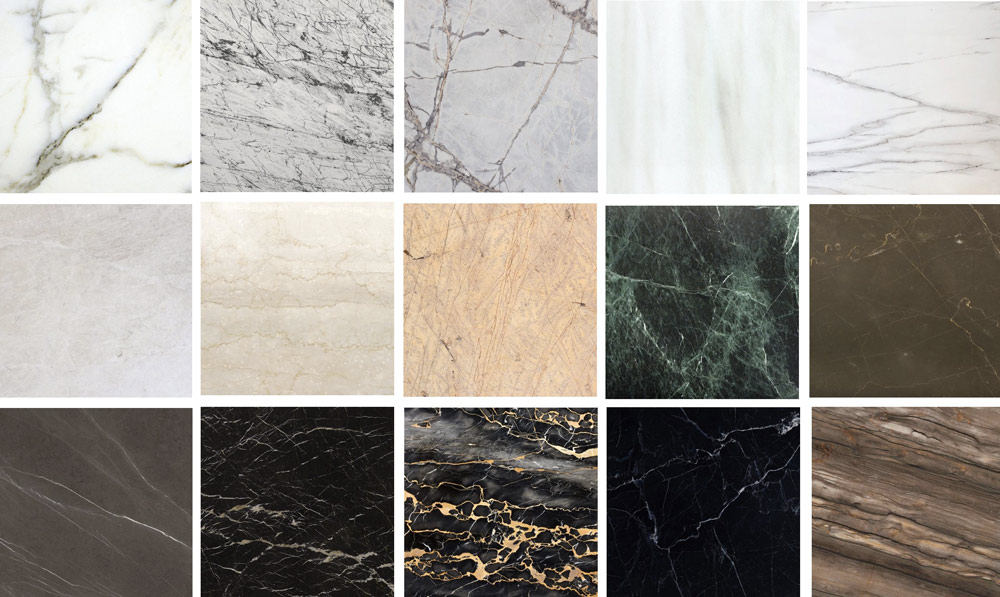
Natural stone is varied by nature. Marble, limestone, travertine, sandstone and granite each have different levels of porosity, mineral composition and finish. The right resealing schedule depends on the stone, its location, how it is used and the type of sealer previously applied. A fixed annual rule can lead to unnecessary work in one setting and inadequate protection in another.
What Stone Sealer Actually Does
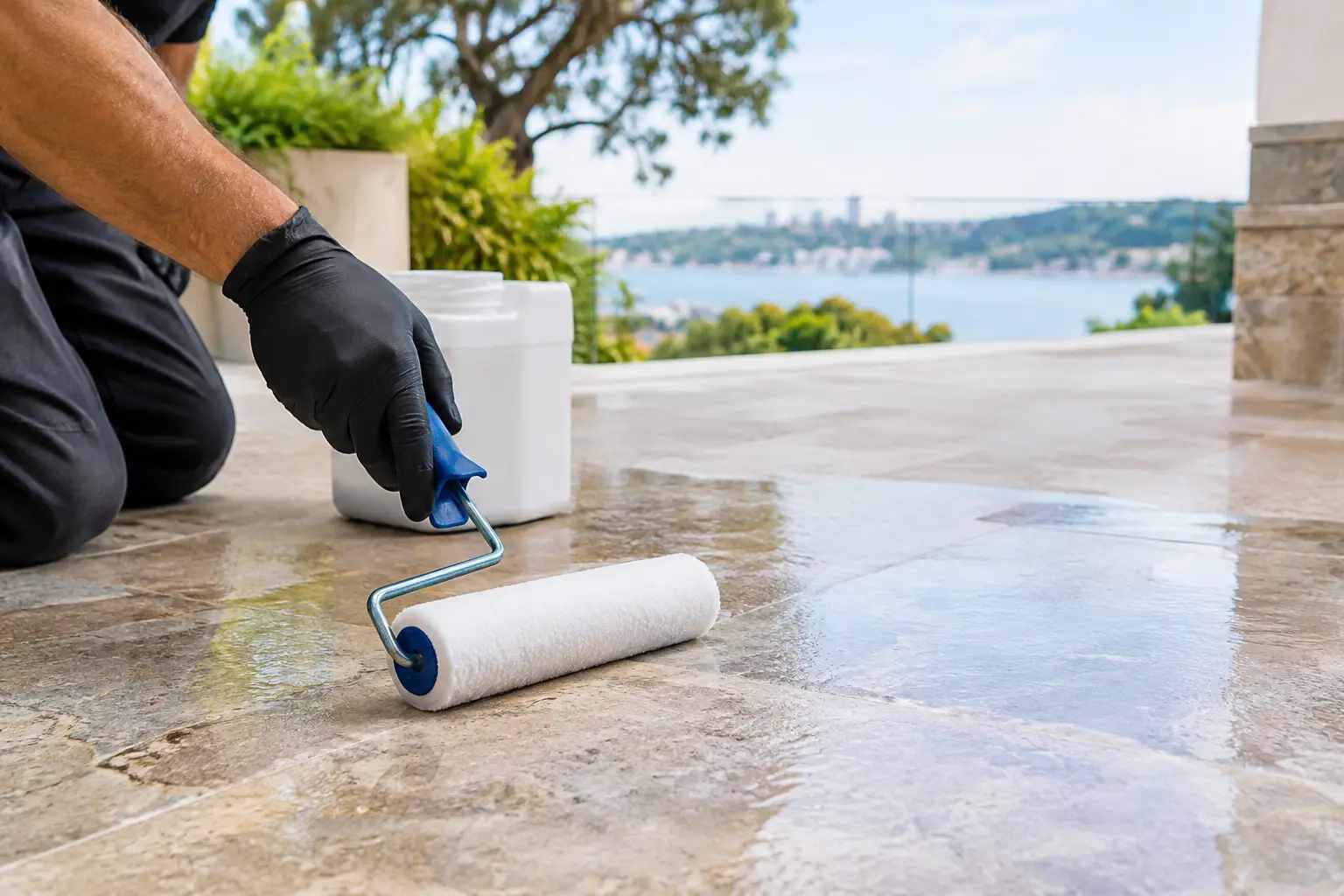
Most natural-stone sealers are penetrating or impregnating products. Rather than creating a visible coating over the surface, they work beneath it to reduce how quickly water, oils and spills enter the stone. This provides valuable time to wipe up a spill before it becomes a stain.
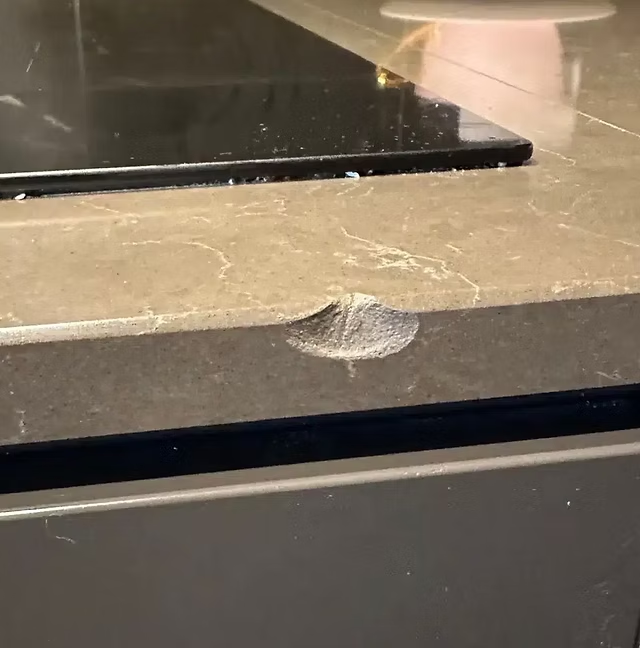
Sealer does not make stone stain-proof, scratch-proof or immune to etching. Acidic products such as wine, lemon juice, vinegar and some bathroom cleaners can still etch calcium-based stones, including marble, limestone and travertine. Etching is a change to the stone itself, often appearing as a dull or lighter patch, whereas staining occurs when a substance is absorbed into the pores.
A quality sealer should retain the natural character of the surface. In some cases, an enhancing sealer is selected to deepen colour and enrich the appearance of textured or honed stone. This is a deliberate finish choice, not a substitute for correct cleaning and maintenance.
When Does Stone Need Resealing? Key Warning Signs
The clearest indication is a change in how the stone reacts to moisture. On a well-sealed surface, small droplets tend to bead or remain on the surface for a period before gradually absorbing. When sealer protection has diminished, water may darken the stone quickly or soak in within minutes.
This does not mean every dark patch confirms failure. Some stones naturally darken when wet, and grout, cracks, edges and unfilled travertine holes can absorb water differently from the main surface. However, widespread rapid absorption is a practical sign that the stone should be professionally assessed.
Other signs include:
- water marks or dark patches developing more easily after ordinary use
- oily spills leaving persistent shadows on kitchen benchtops or floors
- stone around showers, vanities or pool areas remaining damp-looking after cleaning
- increased difficulty removing everyday soil from textured outdoor stone
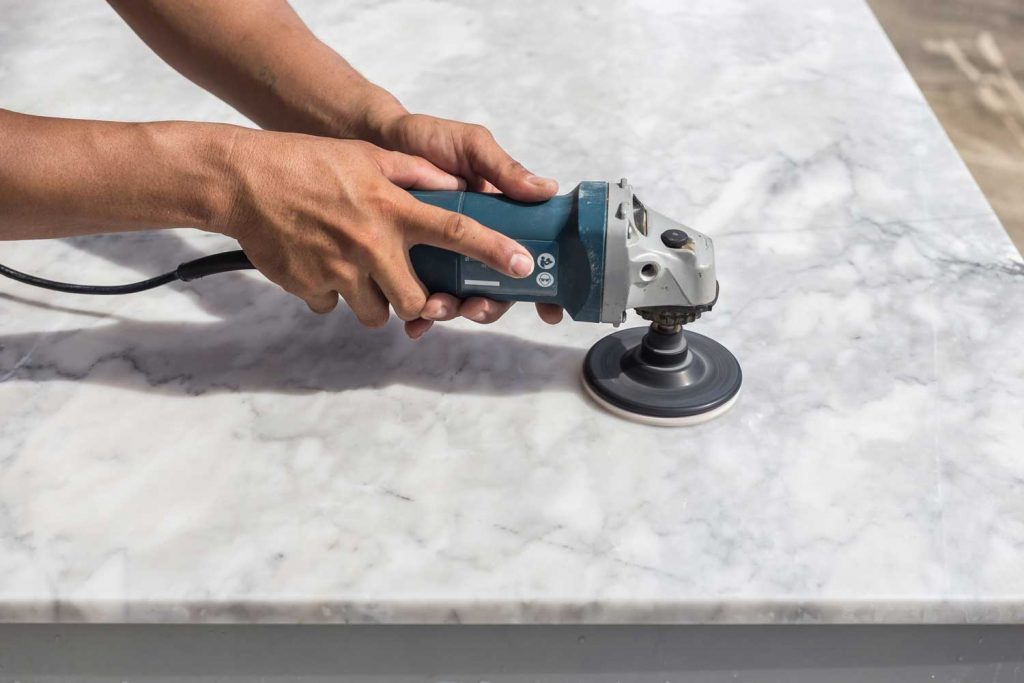
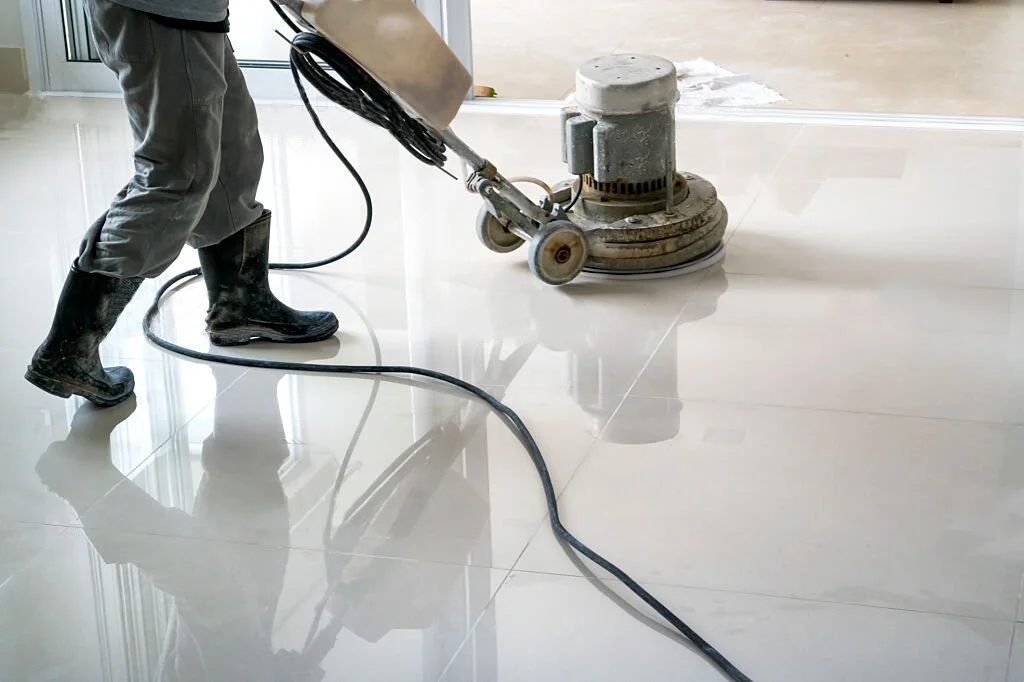
- a surface that has recently been honed, repaired, stripped or restored
The last point is particularly relevant. Restoration work can expose fresh, absorbent stone. Once the surface has been cleaned, repaired or refinished correctly, resealing is often an essential final stage of protecting that investment.
Typical Resealing Timeframes by Location
There is no single timeframe that suits every surface, but use patterns provide a useful guide. Kitchen benchtops, especially marble, limestone and honed granite, may need assessment every 12 to 24 months. Frequent food preparation, cooking oils, coloured liquids and daily wiping all place pressure on the sealer.
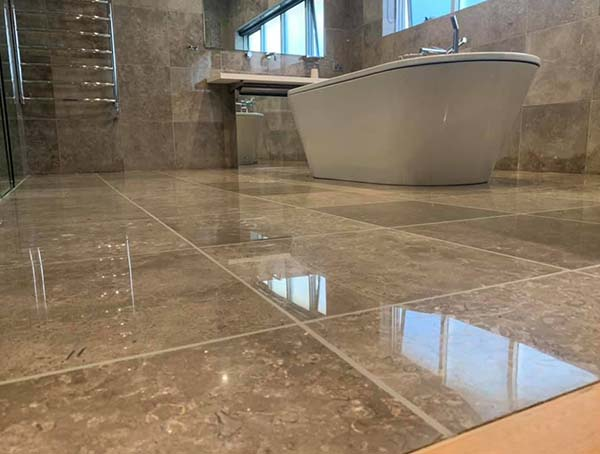
Bathroom vanities and shower surrounds often need attention every one to three years. Hard water deposits, soap residues and unsuitable cleaning chemicals can make a surface appear dull even when the sealer remains functional, so the condition should be diagnosed before treatment is selected.
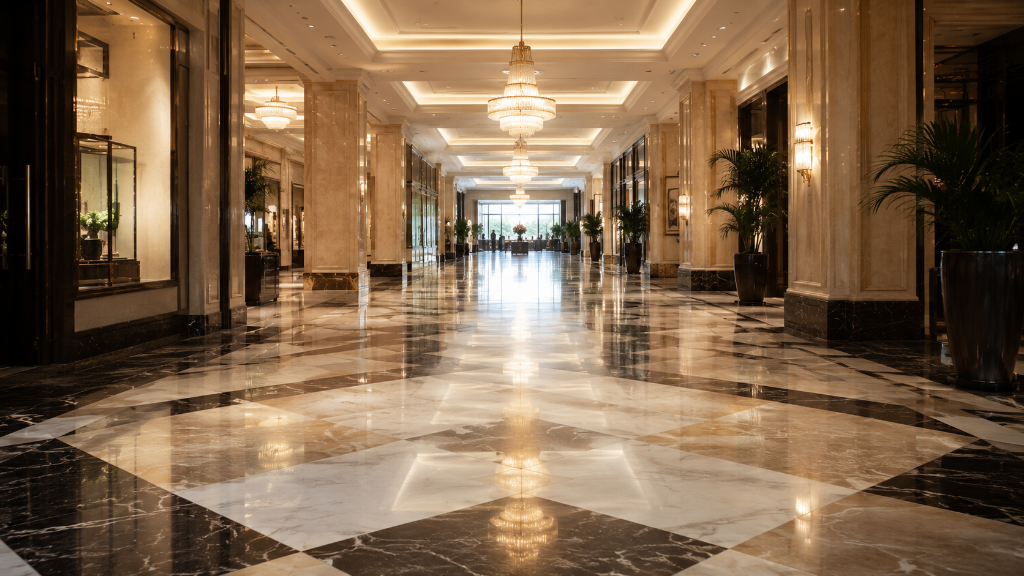
Indoor stone floors in private homes may hold protection for several years where foot traffic is light and cleaning products are appropriate. By contrast, commercial foyers, hospitality venues, retail spaces and strata common areas may need more frequent inspection. Fine grit tracked in from Sydney streets acts as an abrasive underfoot, wearing the finish and reducing protection in traffic lanes.
Outdoor stone deserves its own maintenance plan. Sandstone paving, travertine terraces and stone around pools are exposed to UV, rain, organic debris, saltwater and regular foot traffic. Depending on the product and site conditions, these areas may require review every 12 to 24 months. Exposure alone does not mean the stone automatically requires resealing, but it does make scheduled inspection worthwhile.
A Simple Water Test, Used Carefully
A basic water test can help identify whether a surface needs professional attention. Place a few drops of clean water in an inconspicuous area, then observe them for around 10 to 15 minutes. If the drops sit on the surface, the sealer may still be performing. If they absorb quickly and leave a noticeably darker patch, the surface may be due for resealing.
Test more than one location. Benchtop areas around the sink, floor traffic paths and exposed outdoor edges often wear differently from protected areas. Avoid leaving water on highly sensitive stone for extended periods, and do not use this test as the sole basis for a major treatment decision.
A water test also cannot show whether the stone is affected by etching, ingrained contamination, coating residue or moisture beneath the surface. These issues require a more considered assessment. Applying another sealer over a problem surface can trap residues, create an uneven appearance or fail to address the actual cause of the damage.
Why Resealing Too Often Is Not Better
More sealer is not automatically better protection. Natural stone must be clean, dry and free from incompatible residues before a new sealer is applied. If product is over-applied, allowed to dry on the surface or selected incorrectly, it can leave streaks, tackiness, haze or an unnatural sheen.
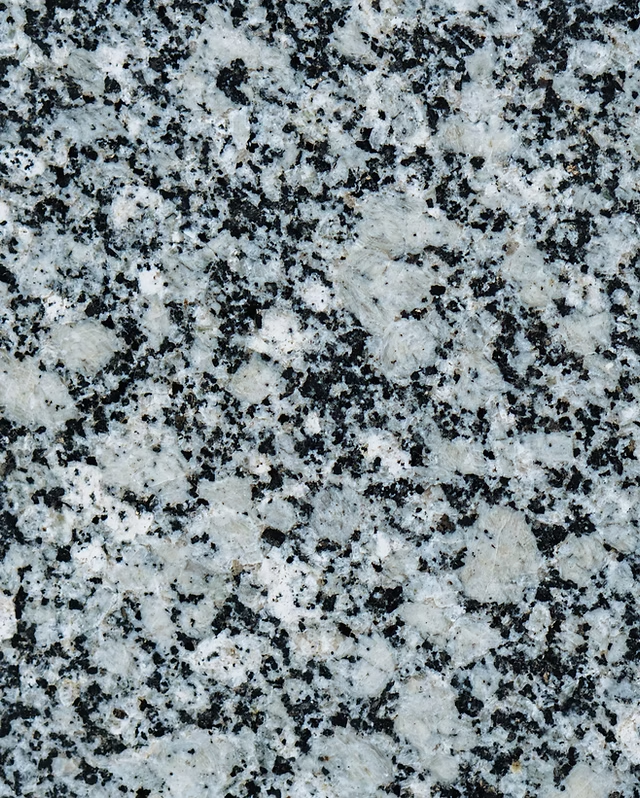
This is especially relevant on dense stones such as some granites and polished marbles. They may have limited absorption, meaning they do not always need frequent sealing despite their premium appearance. In contrast, porous honed limestone or sandstone can benefit from a more regular protection programme.
The type of sealer matters as much as the frequency. A high-quality impregnating sealer may offer longer service life than a basic product, but performance still depends on preparation, application and the conditions the stone faces every day. For commercial premises, maintenance planning should account for cleaning routines, foot traffic, opening hours and the practical need to keep surfaces safe and presentable.
Cleaning Habits That Extend Sealer Life
Correct daily care can significantly reduce how often stone needs resealing. Use a pH-neutral cleaner formulated for natural stone, paired with clean water and a soft mop or microfibre cloth. Promptly blot spills instead of wiping them across the surface, particularly on honed or porous stone.
Avoid acidic cleaners, bleach-based products, harsh degreasers, abrasive powders and generic bathroom sprays unless they have been confirmed as suitable for your specific stone. These products can etch, dull or degrade finishes, and they may strip or compromise some sealers. Steam cleaning should also be approached with care, particularly on filled, cracked, resin-treated or sensitive stone.
For outdoor paving, regular removal of leaves, soil and organic matter helps reduce staining and moisture retention. In wet areas, managing soap build-up and improving ventilation can prevent a cleaning problem from being mistaken for a sealing problem.
When to Call a Stone Specialist
Professional advice is valuable when stains are recurring, water absorption is uneven, a floor looks patchy after DIY sealing, or the stone has lost its clarity and finish. A specialist can identify the stone type, assess existing treatments and determine whether cleaning, stain removal, honing, polishing, repairs or resealing should come first.
Sydney Stone Care approaches sealing as part of a broader preservation process rather than a stand-alone product application. This helps ensure the treatment suits the stone, its finish and the demands of the space, whether it is a residential kitchen, a hotel lobby or an outdoor entertaining area.
The best time to reseal stone is before everyday spills and moisture become permanent marks. Regular inspection, suitable cleaning and timely specialist care will keep natural stone looking considered, protected and worthy of the investment made in it.